


White-label, private-label, and channel pages
Start here when you know who will sell the product or how the brand will be positioned.
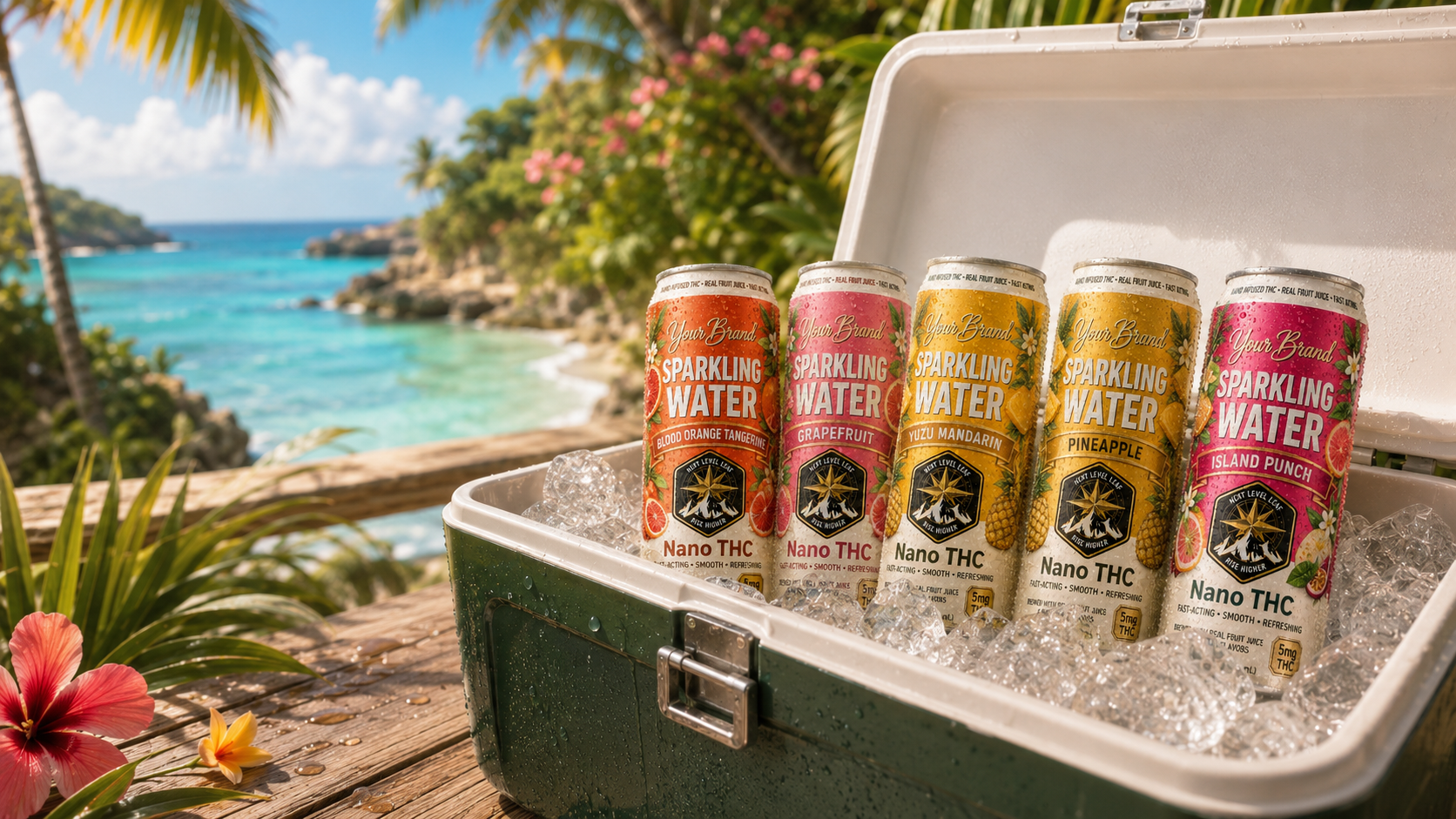
Real fruit THC drinks give brands a fruit-forward way to enter the infused beverage market with products that feel refreshing, premium, easy to understand, and visually appealing on shelf.
Use this guide to compare sparkling, still, puree-based, low-sugar, lemonade, citrus, berry, tropical, white-label, private-label, and custom formulation paths before requesting a quote.
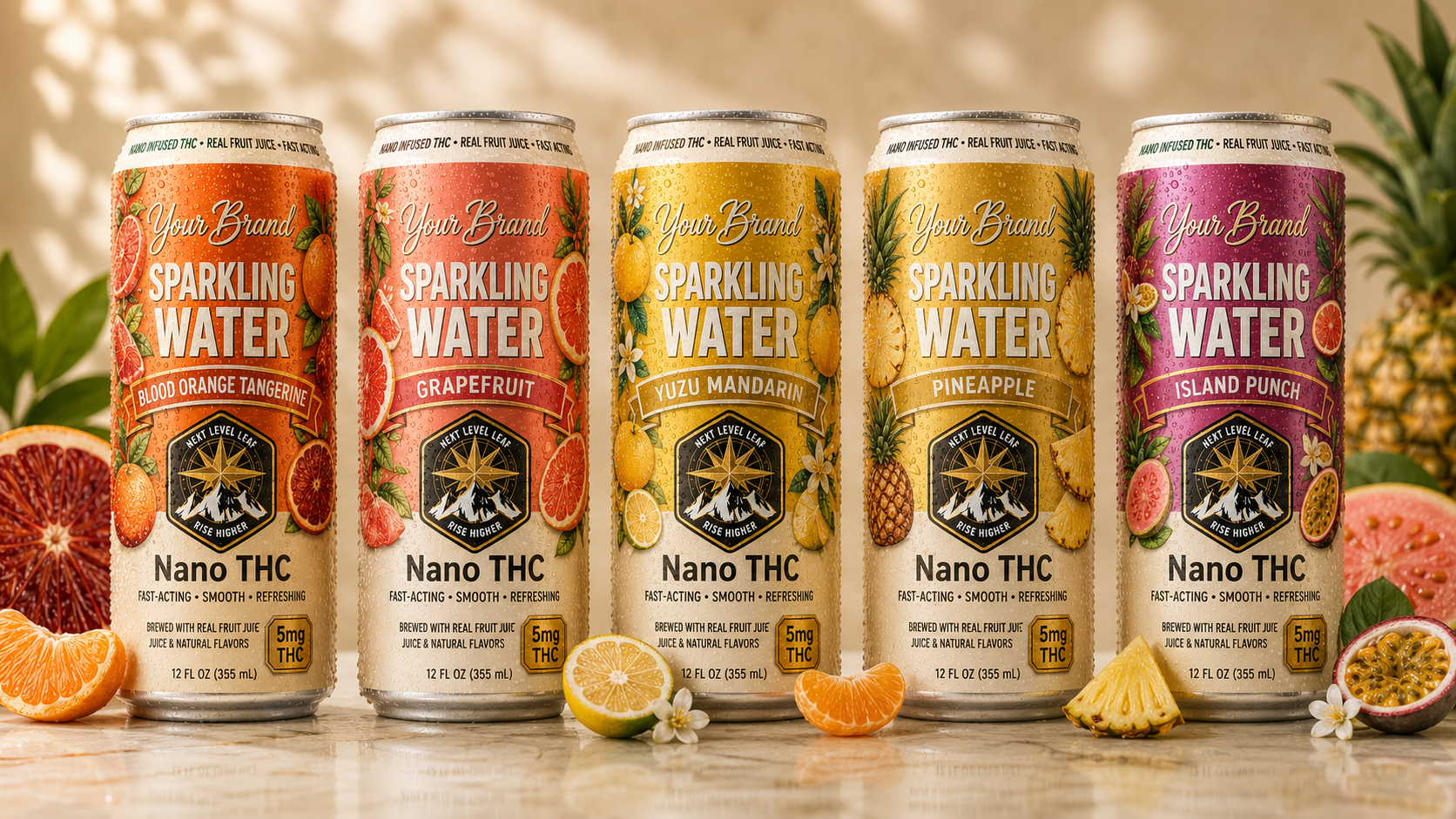
Real fruit drink concepts can be built around citrus, berry, tropical, lemonade, puree, still, sparkling, low-sugar, and retail-ready beverage directions.
Real fruit THC drinks are infused beverages built around fruit-forward flavor systems, juice, puree, or real-fruit-inspired beverage concepts. For brands, the category can support a more premium product story, stronger flavor identity, natural color potential, and a more refreshing drinking experience than a basic flavored seltzer.
Start here
The best real fruit THC drink strategy starts with the business model, the beverage format, and the customer occasion. These paths route you into the most useful supporting pages.
For brands that want a fruit-forward THC beverage with a more efficient launch path and less custom formulation work.
Explore white-label options → Brand ownedFor retailers, distributors, hospitality groups, and operators that want a branded fruit-forward beverage line.
Explore private label → Custom buildFor brands comparing fruit flavor, juice, puree, sweetness, calories, stability, dose, and production requirements.
Explore formulation →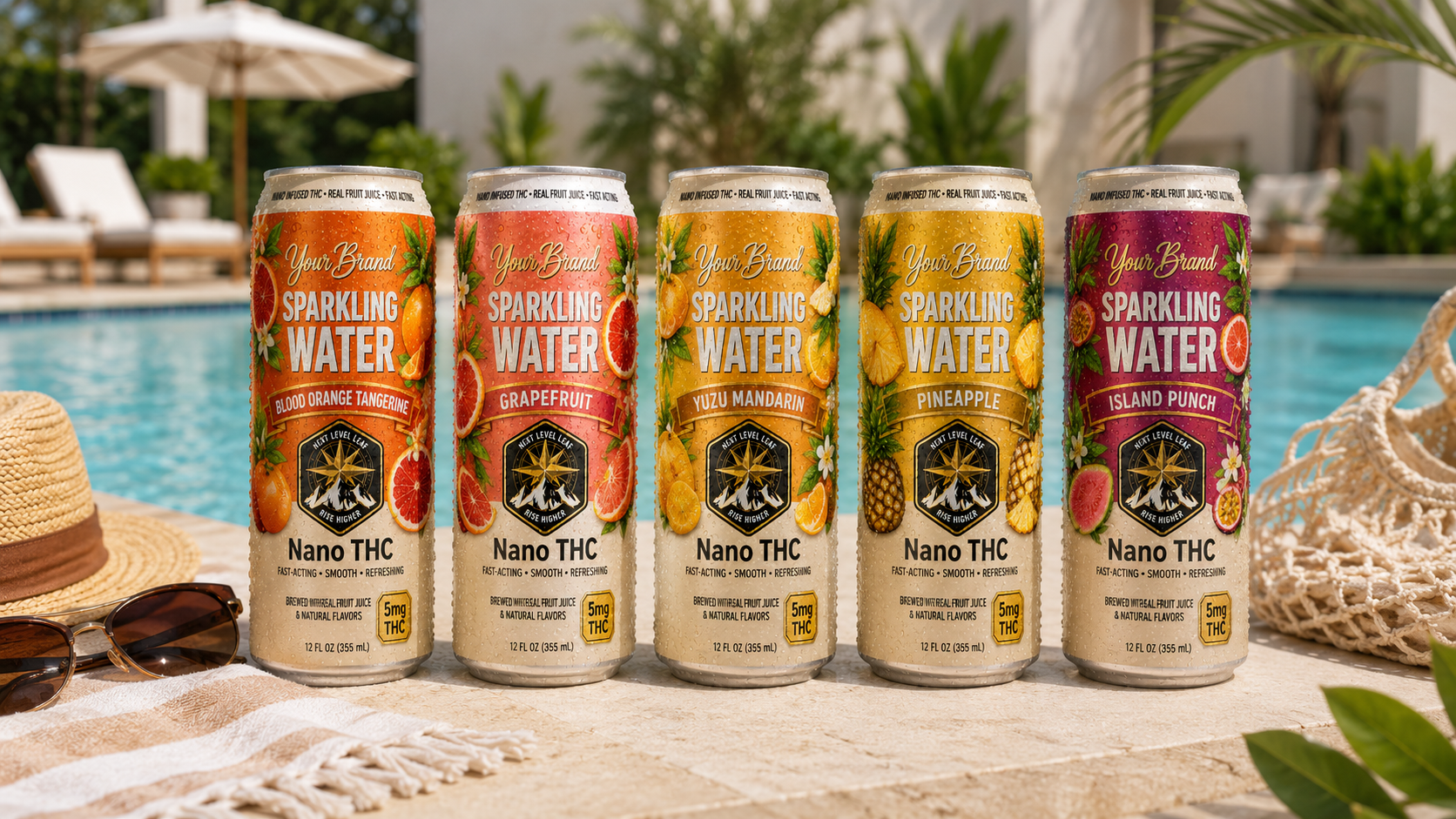
Complete real fruit resource map
These pages are organized around how a real buyer thinks: product direction first, then formulation and production, then packaging and retail planning.
Start here when you know who will sell the product or how the brand will be positioned.
Use these pages to compare fruit inputs and understand what affects the finished beverage.
Review these when you are getting closer to a quote or comparing production paths.
Formats
Format changes the drinking experience, flavor expectations, carbonation, production path, packaging story, and retail presentation.
Light, crisp, refreshing, and a strong fit for citrus, grapefruit, yuzu, tropical, and berry profiles.
Explore sparkling water → ComparisonCompare a fruit-forward sparkling drink with a cleaner, lighter THC seltzer path.
Compare formats → StillA smoother non-carbonated direction for flavored water, juice-inspired, tea, lemonade, or wellness-style beverages.
Explore still drinks → No bubblesUseful for brands that want fruit flavor without carbonation, especially in still juice, tea, or lemonade directions.
Explore non-carbonated → SpritzerA premium fruit-forward path for brands that want a sparkling alcohol-alternative style beverage.
Explore fruit spritzers → White-labelA lighter launch path for sparkling fruit-forward THC beverage concepts.
Explore white-label spritzers →A real fruit THC drink should be more than a flavor name. The product should have a clear drinking occasion, a clear dose, a clear retail story, and a clear reason for using fruit instead of a basic flavor system.
For some brands, that means a light sparkling citrus drink with a 5mg or 10mg THC dose. For others, it may mean a fuller fruit puree beverage, a still lemonade, a tropical cooler-style drink, or a low-sugar fruit-forward beverage with a cleaner label direction.
The strongest real fruit THC drinks usually have a simple promise: a refreshing fruit-forward beverage with a clear dose, strong packaging, finished-product testing, and a flavor customers understand immediately.
Real fruit can support flavor depth, color, texture, and a more premium product story. It can also create production questions around acidity, sweetness, calories, shelf life, sediment, packaging, and cost.
This is why the product should be scoped as a full beverage, not just a flavor idea. A blood orange mandarin sparkling drink, a still raspberry lemonade, a tropical puree beverage, and a low-sugar grapefruit spritzer may all be “real fruit THC drinks,” but they are very different products from a formulation and production standpoint.
You do not need every detail finished before reaching out, but a few decisions make the quote process much clearer.
If your brand wants the product to feel premium, approachable, and retail-ready, real fruit can be a strong direction. It just needs to be scoped around the right format, dose, packaging, testing, and production path.
Flavor architecture
Fruit-forward THC drinks work best when the flavor sounds refreshing, adult, and believable at first glance.
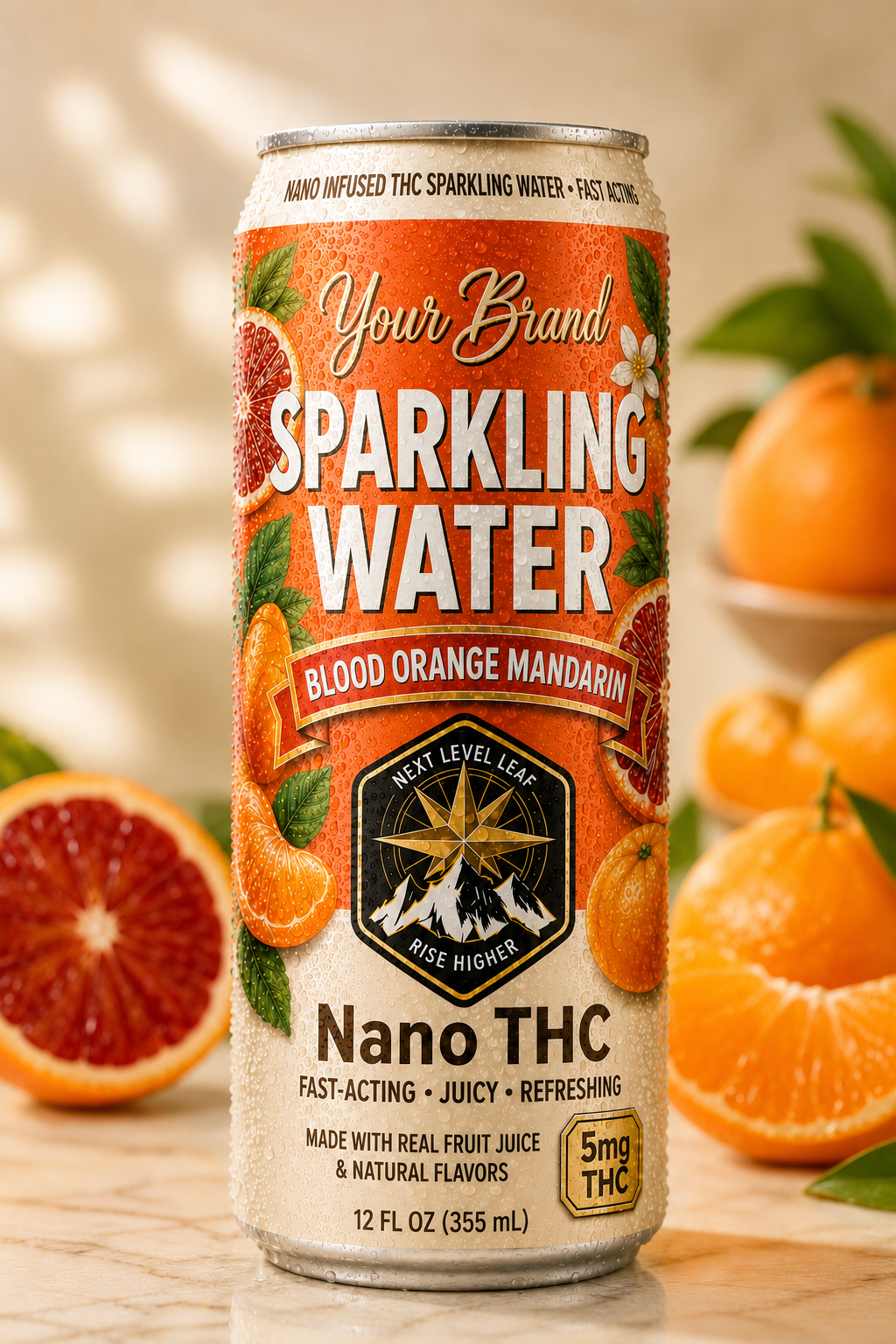
Compare citrus, berry, tropical, lemonade, mango, grapefruit, pineapple, and yuzu directions.
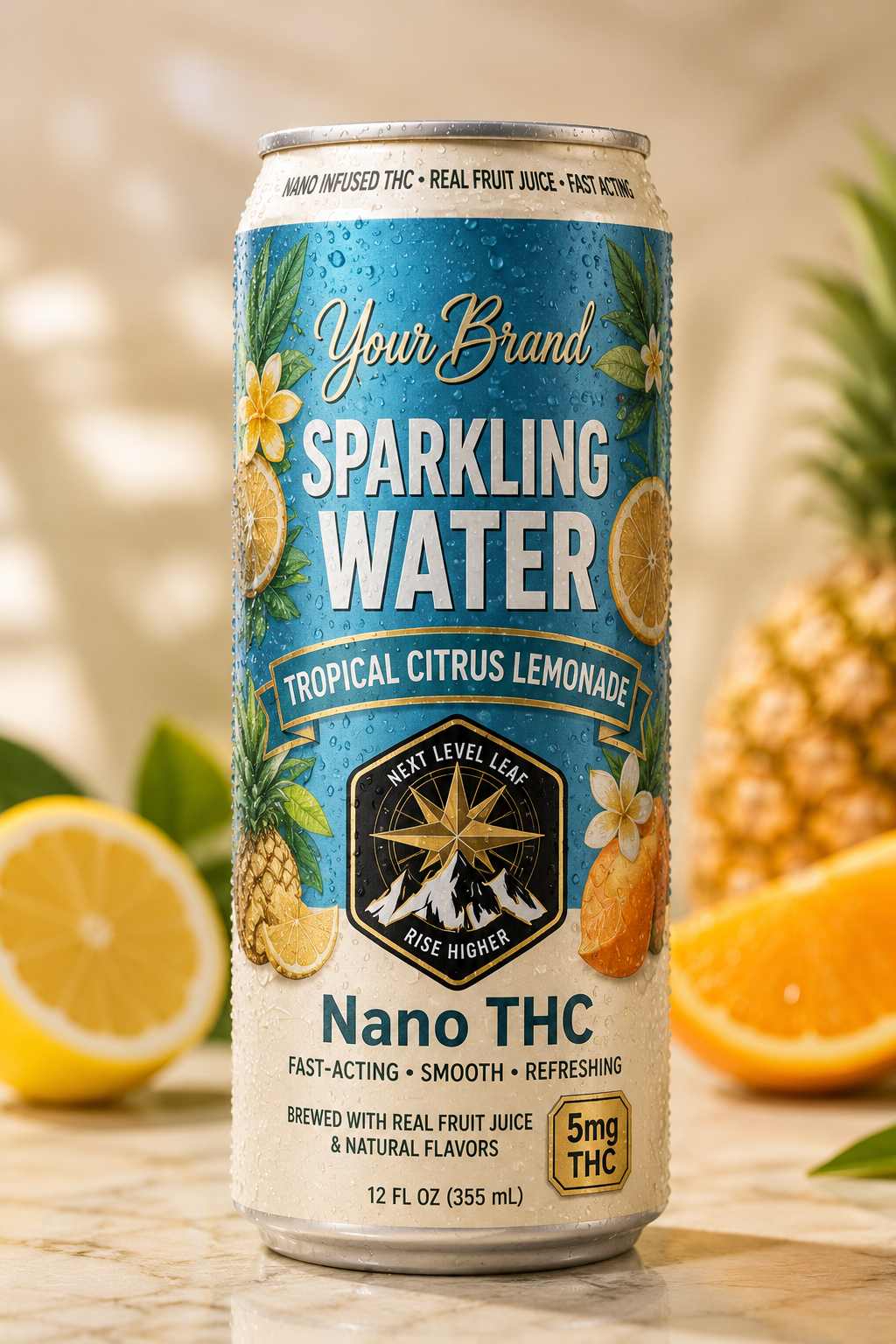
A familiar fruit-forward path for still, sparkling, and summer-ready THC drink concepts.
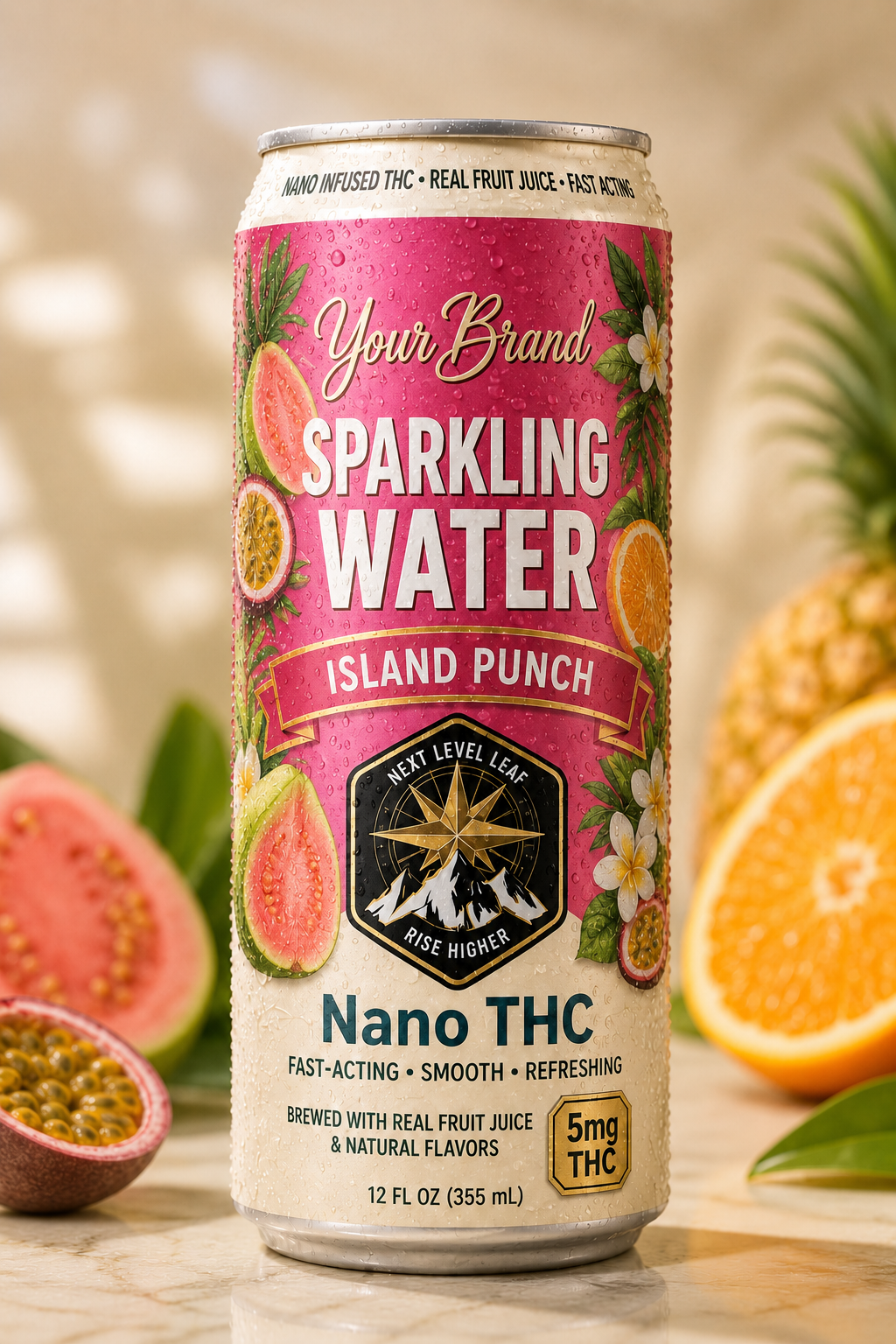
A strong direction for pineapple, mango, island punch, citrus, and beach-inspired beverage concepts.
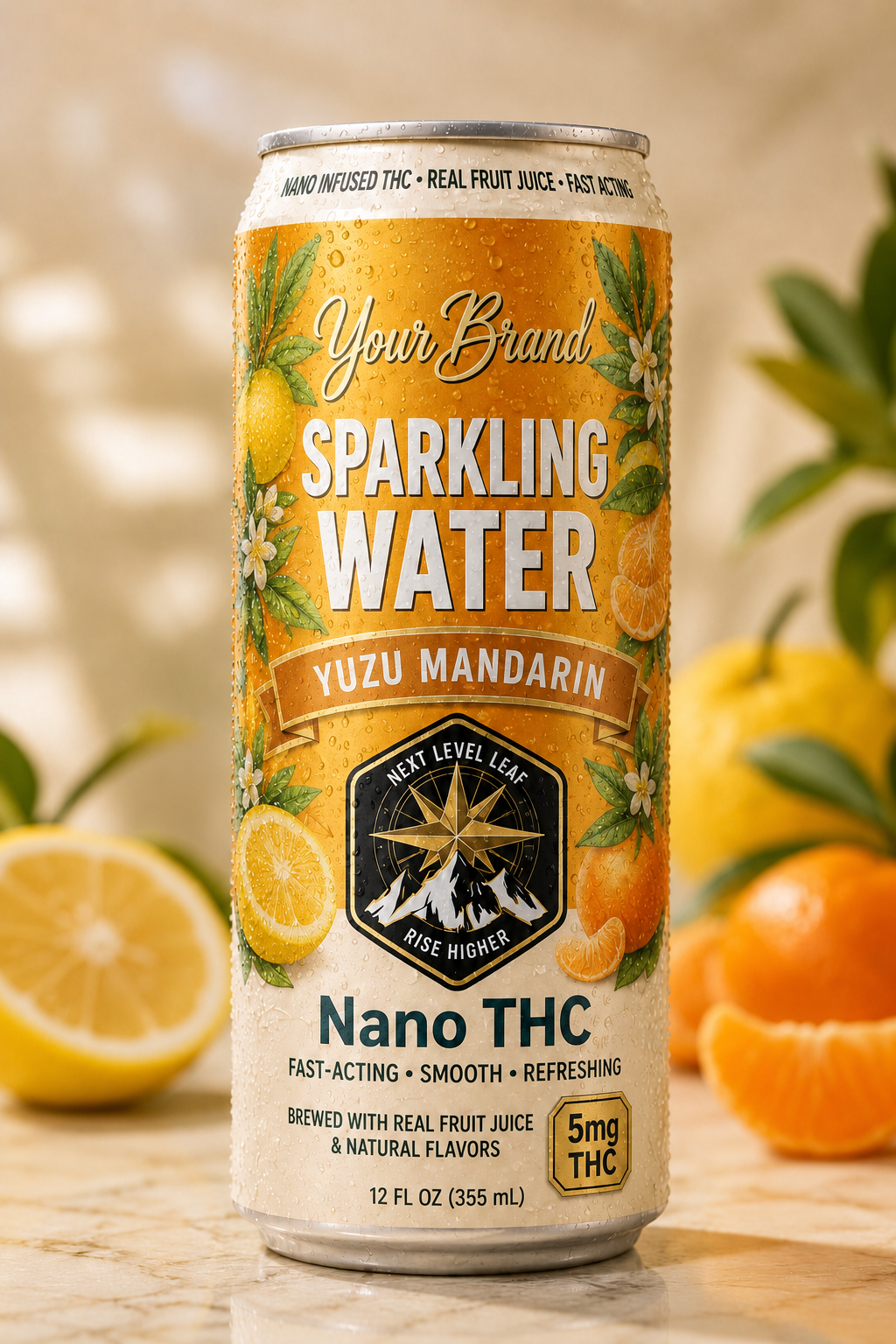
Bright, crisp, adult-friendly profiles like grapefruit, yuzu, mandarin, blood orange, and lemon.
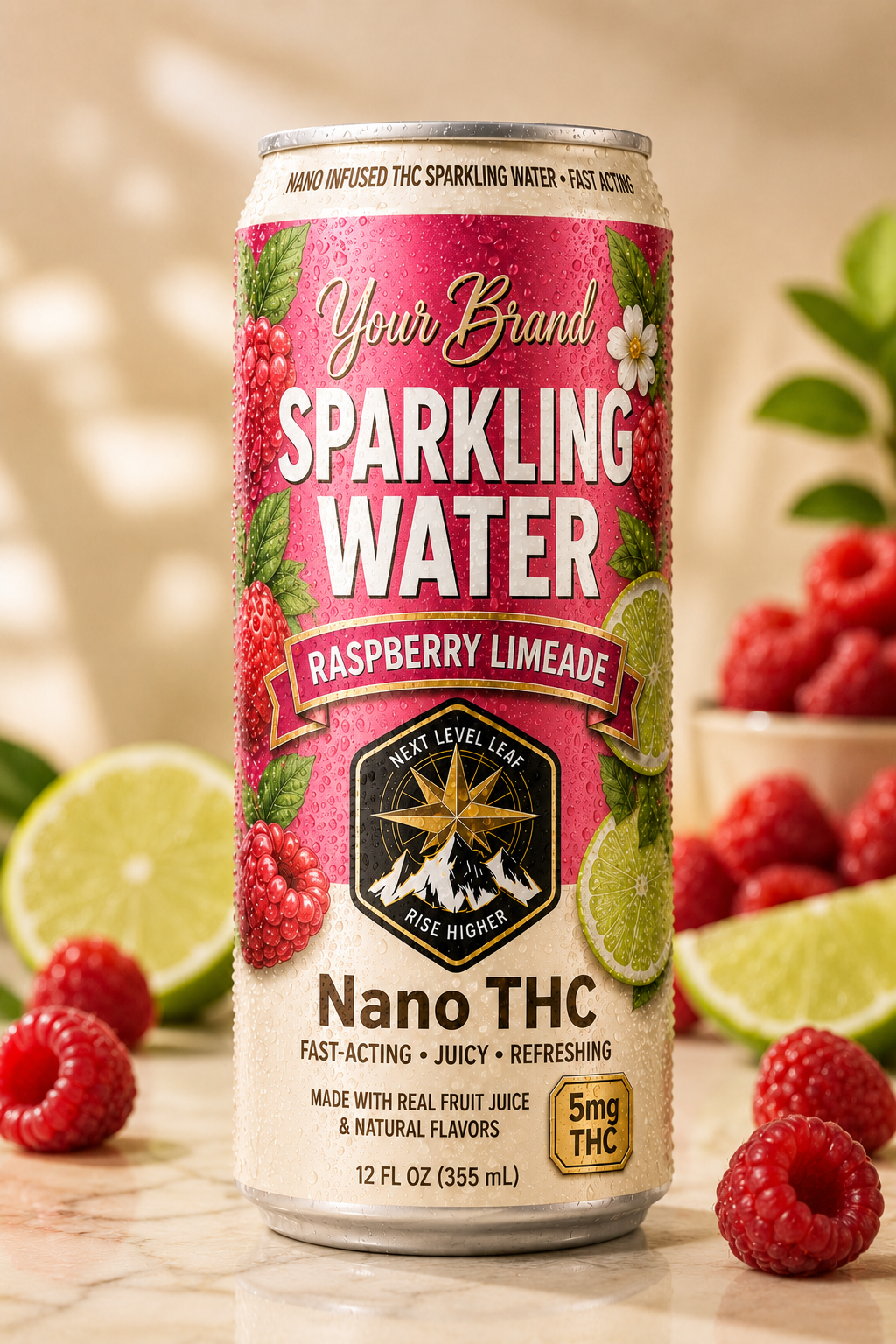
Approachable berry directions for raspberry lemonade, strawberry lemonade, wild berry, and fruit punch concepts.
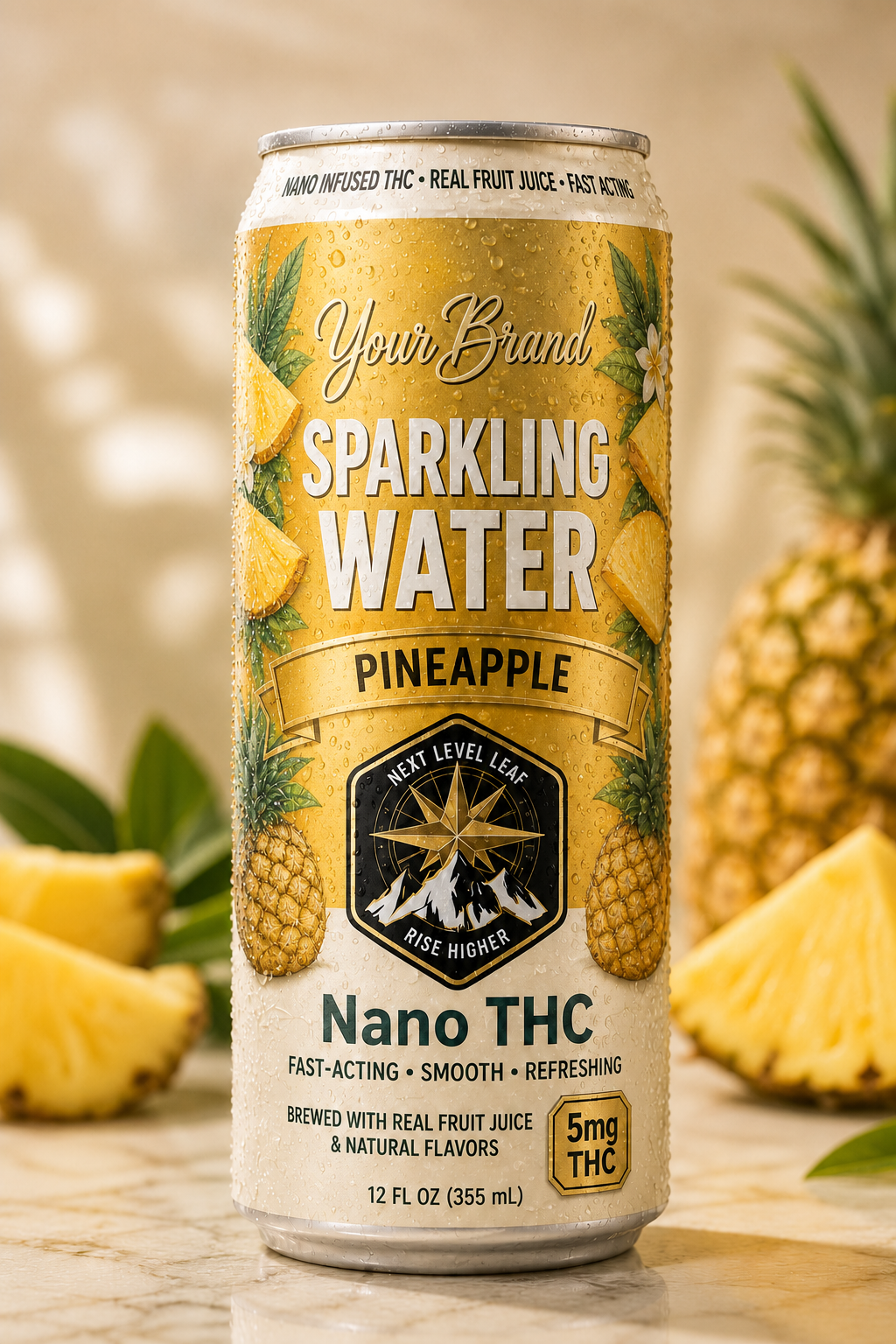
A broader guide to fruit-led product strategy, retail clarity, and beverage positioning.
Premium and retail positioning
These resources help connect real fruit drink strategy with shelf appeal, premium positioning, and category differentiation.
Position fruit-forward beverages around cleaner presentation, better shelf appeal, and a more adult drinking occasion.
Explore premium positioning →Understand why real fruit beverages need practical planning around stability, documentation, and production realities.
Explore shelf stability →Plan clear, adult-oriented labels that communicate dose, fruit direction, product identity, testing, and brand credibility.
Explore labeling →Broader beverage planning
Real fruit drinks are one path. These related resources help compare the category against other infused beverage opportunities.
Understand production paths, co-packing, white-label manufacturing, quality control, scaling, and quote planning.
Explore manufacturing →Review nano THC, water-compatible inputs, flavor masking, shelf life, onset, and cannabinoid selection.
Explore formulation →Compare real fruit sparkling drinks with lighter THC seltzer formats and low-calorie beverage architecture.
Explore seltzers →Compare fruit-forward drinks with bolder, sweeter, nostalgic soda-style THC beverages.
Explore sodas →Explore how tea, lemonade, fruit, and still beverage formats can overlap in infused drink planning.
Explore tea →Share your fruit direction, format, target dose, packaging status, target states, and expected first-run quantity.
Start the quote request →FAQ
These answers help founders understand fruit-forward beverage options before scoping a white-label, private-label, or custom production path.
Share your fruit direction, still or sparkling preference, target dose, packaging status, target states, and expected first-run quantity. Those details make it easier to understand the right production path and quote the project clearly.