

Why packaging matters for real fruit THC drinks
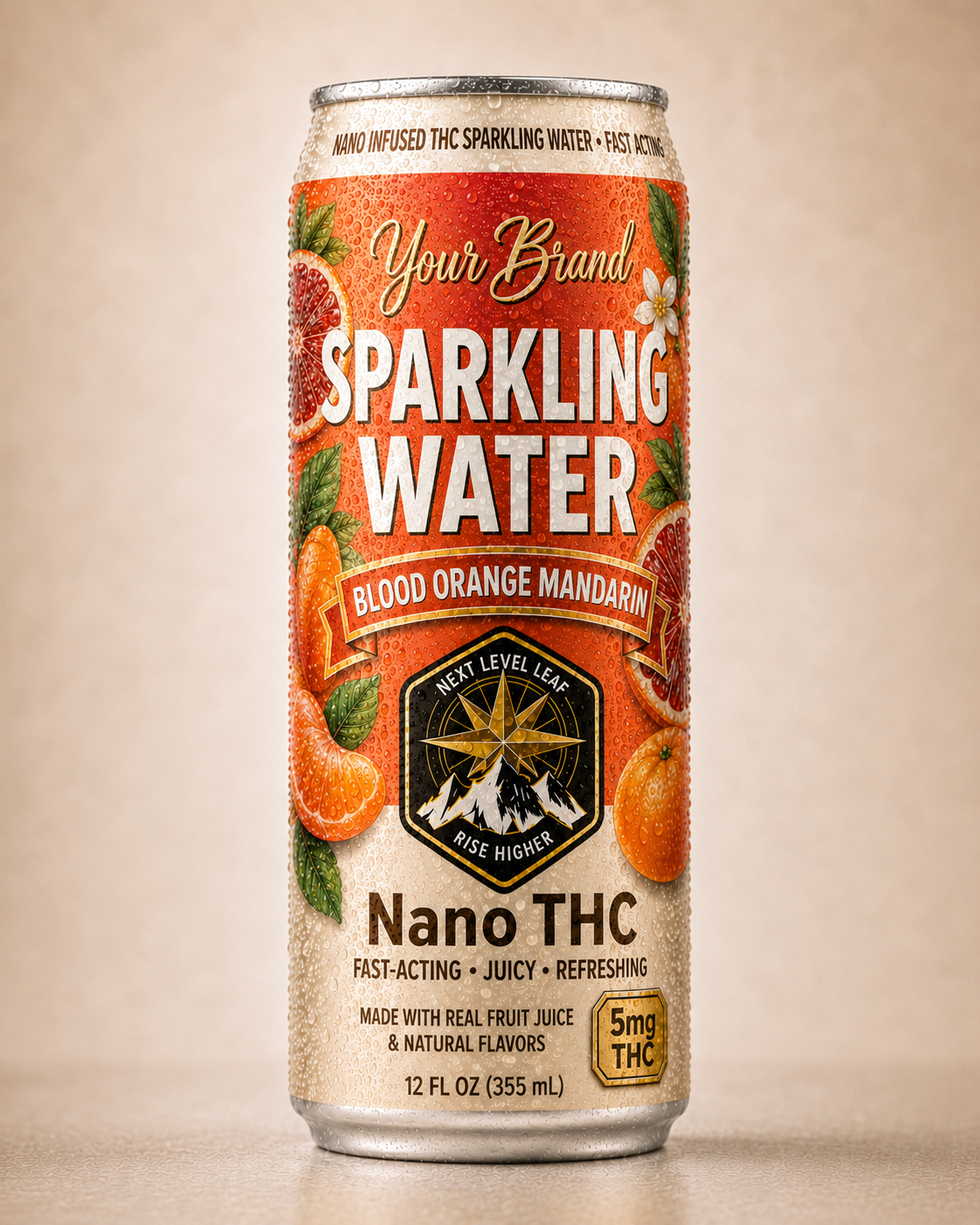
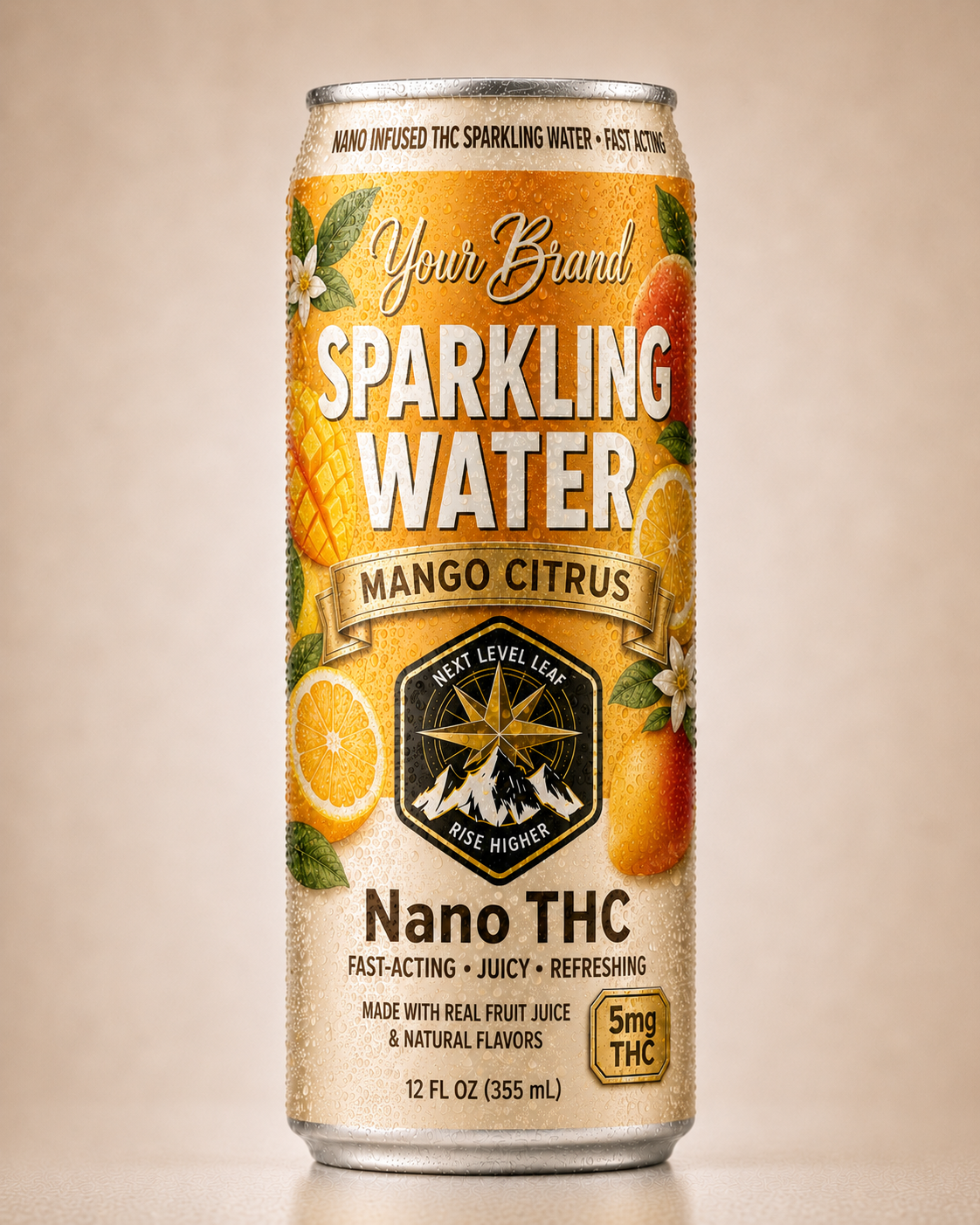
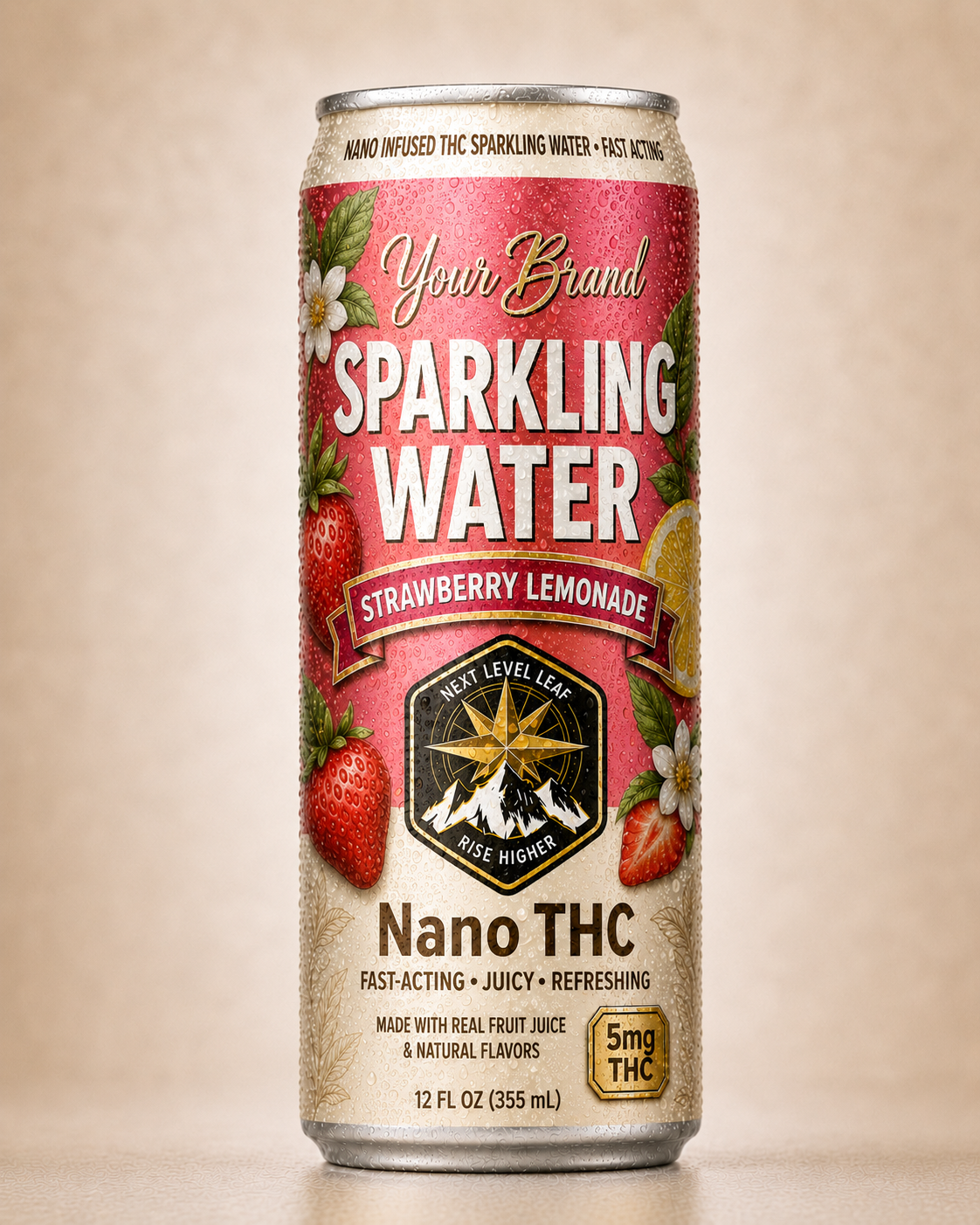
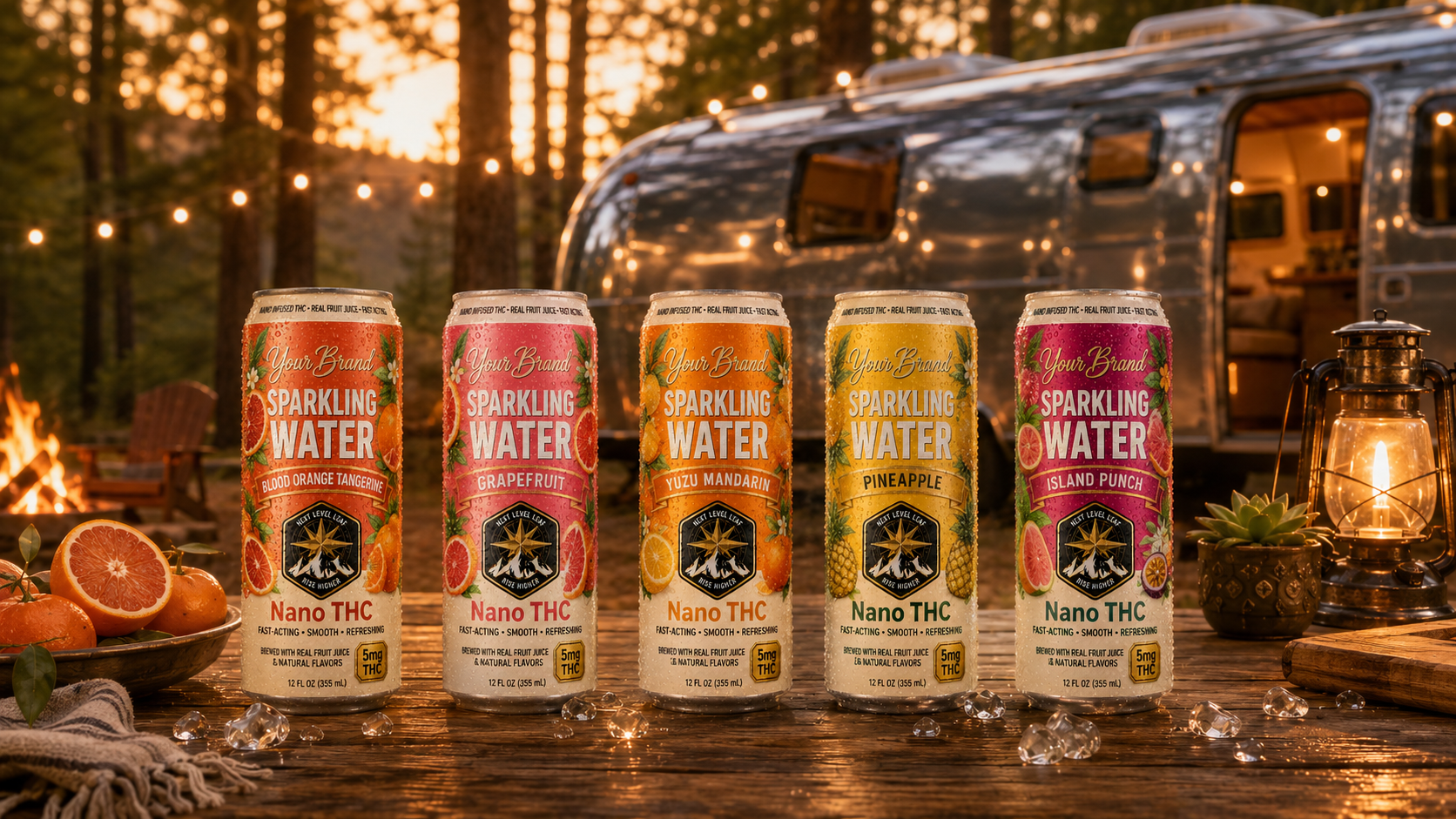
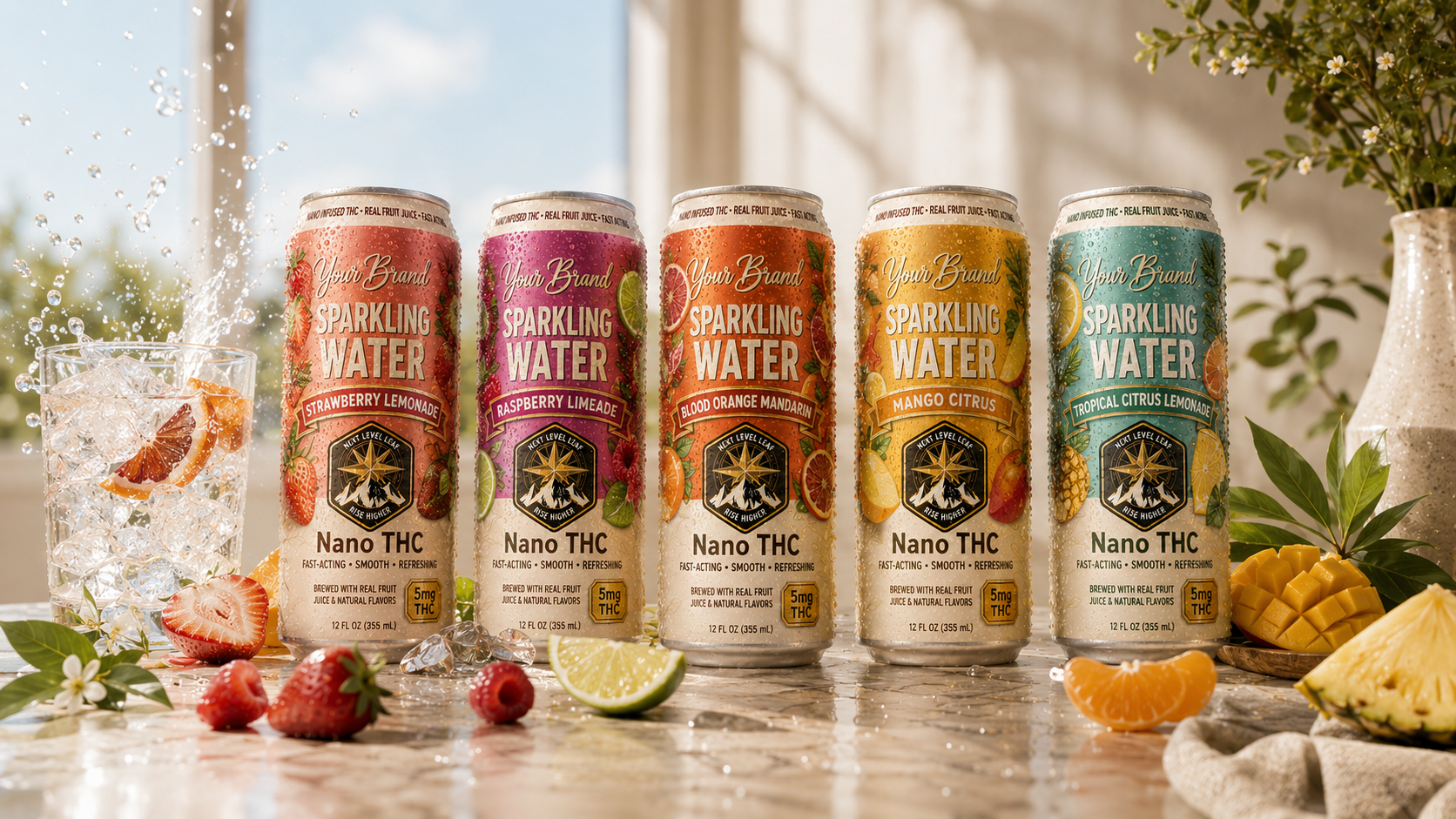
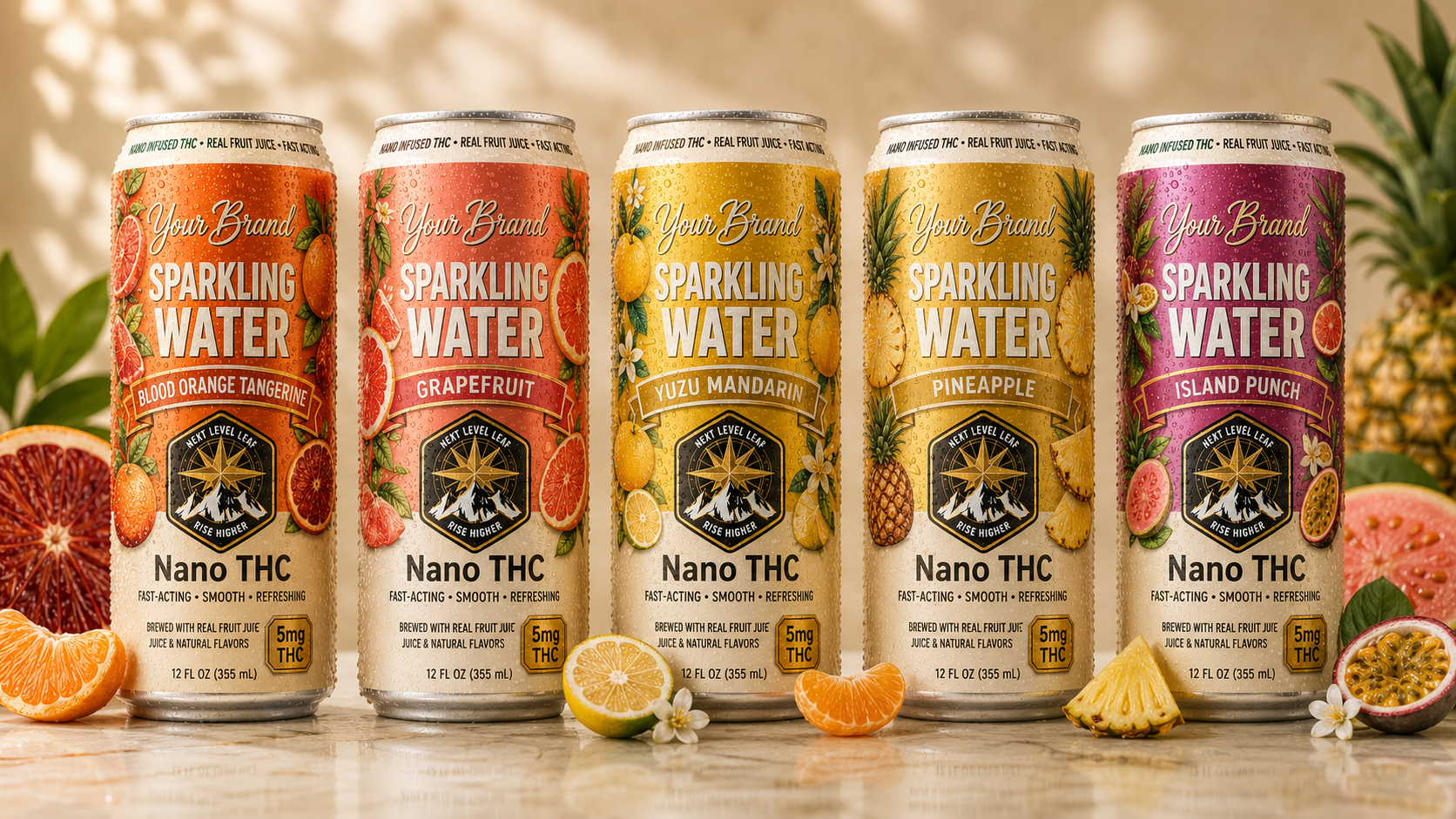
Real fruit THC drinks are visual products. The flavor name, color system, fruit cues, can layout, dose language, and product photography all influence how the drink is understood.
That matters in retail and B2B sales. A buyer needs to understand what the drink is quickly. A customer needs to know why it looks refreshing, what flavor it is, how much THC is in it, and whether the product feels credible enough to try.
Good packaging does not just make the can look better. It reduces confusion, supports trust, and makes the product easier to sell.
What the front of the package should make clear
The front panel should not try to explain everything, but it should answer the most important questions fast. Customers and buyers should not have to guess whether the product is sparkling, still, low-sugar, lemonade-style, tea-based, or juice-inspired.
What does it taste like?
The flavor name should be specific enough to create interest and familiar enough to understand quickly.
- Grapefruit
- Yuzu mandarin
- Strawberry lemonade
What kind of drink is it?
The packaging should clarify whether the beverage is sparkling, still, seltzer-style, lemonade-style, tea, or juice-inspired.
- Sparkling fruit drink
- Still fruit beverage
- Low-sugar THC drink
How much THC is in it?
The cannabinoid dose should be easy to find and easy to understand, especially for retail and buyer conversations.
- MG per can
- Serving clarity
- Batch documentation
Adult-oriented fruit branding
Fruit-forward packaging can be beautiful, bright, and appealing without looking youth-oriented. The goal is to communicate flavor and refreshment in a way that feels adult, premium, and responsible.
That usually means avoiding candy-like visual cues, childish illustrations, playful names that could be misread, or designs that feel too close to products intended for children. Real fruit can be shown through tasteful fruit imagery, color, typography, and lifestyle cues instead.
Flavor names should support the product story
Specific flavor names can make the product feel more premium. Blood orange mandarin feels different from orange. Yuzu mandarin feels different from citrus. Tropical citrus lemonade feels different from lemon.
The best flavor names also match the formula. If the drink is a light natural flavor beverage, the packaging should not imply a heavy juice or puree drink unless that is accurate. If the product uses real juice or puree, that story can be used carefully and clearly.
The packaging should never promise a product experience the liquid cannot deliver. Flavor, formula, and label should all tell the same story.
Packaging for still vs sparkling real fruit drinks
A sparkling fruit THC drink can use cues that feel crisp, bright, and refreshing. A still real fruit THC drink needs to clarify that it is non-carbonated so the customer does not expect bubbles.
This becomes important for beverage categories like flavored water, lemonade, iced tea, juice-inspired drinks, or flat alcohol alternatives. The packaging should help customers understand the drinking experience before they open the can or bottle.
Dose clarity and serving expectations
THC beverage packaging should make the dose easy to understand. That includes the amount per can or bottle, serving size expectations, and any required or appropriate warnings depending on the product and sales strategy.
For B2B sales, clear dose communication also helps retailers, distributors, and buyers feel more comfortable with the product. Confusing dose language creates friction and can make the product harder to place.
COA access and batch documentation
Many THC beverage brands use QR codes or batch-specific documentation pathways so retailers and buyers can access testing and COA information. This can be useful for building trust, especially when the product is entering retail, wholesale, or regulated-channel conversations.
The exact approach should be reviewed with the brand’s compliance team, but the packaging plan should consider how customers, retailers, or sales staff will access testing information when questions come up.
Packaging format: labels, sleeves, or printed cans
Early-stage brands often start with labels or sleeves because they can be more practical for pilot runs or smaller first orders. Printed cans may make sense later when the brand has stronger volume, validated flavor demand, and a clearer reorder plan.
The right packaging path depends on run size, budget, timeline, product format, and how much flexibility the brand needs after launch.
Common packaging mistakes to avoid
- Using fruit visuals that feel youth-oriented or candy-like.
- Making the flavor name unclear or too abstract.
- Failing to clarify whether the drink is still or sparkling.
- Hiding the THC dose or making serving size confusing.
- Using packaging that does not match the formula.
- Launching with outdated artwork or mismatched label files.
- Forgetting how COAs or batch documentation will be accessed.
- Creating a beautiful can that does not answer buyer questions.
How packaging affects manufacturing and quotes
Packaging is not just a design question. It affects quoting, timeline, production scheduling, artwork review, packaging procurement, label application, finished goods, and reorder planning.
If the artwork is not ready, the production timeline may shift. If the can size changes, the label or sleeve may need to change. If the brand wants QR code access to COAs, that should be planned before final artwork is approved.
What to prepare before requesting a quote
The quote conversation is easier when the brand knows how far along the packaging is. You do not need every file finalized before starting, but it helps to be clear about the status.
- Product format: still, sparkling, seltzer-style, lemonade-style, tea, or juice-inspired
- Flavor direction or desired lineup
- Target THC or cannabinoid dose per can
- Can or bottle size
- Label, sleeve, or printed-can preference
- Artwork status and label readiness
- QR code or COA access plan, if known
- Target states and sales channels
- Expected first-run quantity and timeline
Where to go next
If you are still choosing flavors, read Best Real Fruit THC Drink Flavors. If you are comparing fruit systems, review Real Juice vs Natural Flavor in THC Drinks. If you need the manufacturing path, read Beverage Production Process. If your packaging direction is ready enough to scope, the next step is to request a quote.