

Why this decision matters
Fruit language can make a beverage feel more premium, but the ingredient strategy behind that fruit story matters. A drink made with real juice may behave differently than a drink made with puree or natural flavor. Those choices affect taste, color, calories, sugar, acidity, shelf life, and production planning.
For THC drinks, the fruit system also has to work with the cannabinoid input. The finished product needs to taste good, communicate the flavor clearly, support the intended dose, and still be practical to manufacture.
The best fruit system is the one that helps the product taste good, look credible, stay practical, and fit the brand’s launch goals.
Real juice, fruit puree, and natural flavor compared
Each option has a role. Real juice can make the product feel familiar and more directly connected to fruit. Puree can add more body and color. Natural flavor can help build a fruit-forward profile with more flexibility and fewer production complications.
Familiar fruit story
Real juice can help a drink feel recognizable and more directly connected to the fruit named on the package.
- Can add sugar and calories
- Can affect acidity and color
- May support a stronger label story
More body and color
Puree can create more fruit intensity, color, and mouthfeel, but it usually needs more formulation planning.
- Can affect texture and sediment
- May add visual appeal
- Can increase complexity
Flexible and lighter
Natural flavor can support a crisp fruit profile while keeping the beverage lighter and easier to manage.
- Useful for low-sugar concepts
- Often simpler to formulate
- May need stronger brand storytelling
When real juice makes sense
Real juice can be a good fit when the brand wants the beverage to feel more familiar and fruit-connected. It may work well for lemonade-style drinks, citrus profiles, berry blends, tropical concepts, and juice-inspired beverages.
The tradeoff is that juice usually brings more than flavor. It can add sugar, calories, acidity, color, and ingredient variability. Those details are not automatically bad, but they need to be part of the production plan.
When natural flavor makes sense
Natural flavor can be a better fit when the brand wants a lighter drink, lower sugar, fewer calories, and more flexibility. This is common in sparkling waters, seltzers, low-sugar THC drinks, and fruit-forward beverages that need to stay crisp.
The tradeoff is that the product story may need to be handled carefully. If the drink does not contain meaningful real juice or puree, the packaging and copy should be clear and responsible. The goal is to create a great fruit-forward beverage without making the label feel misleading.
When puree makes sense
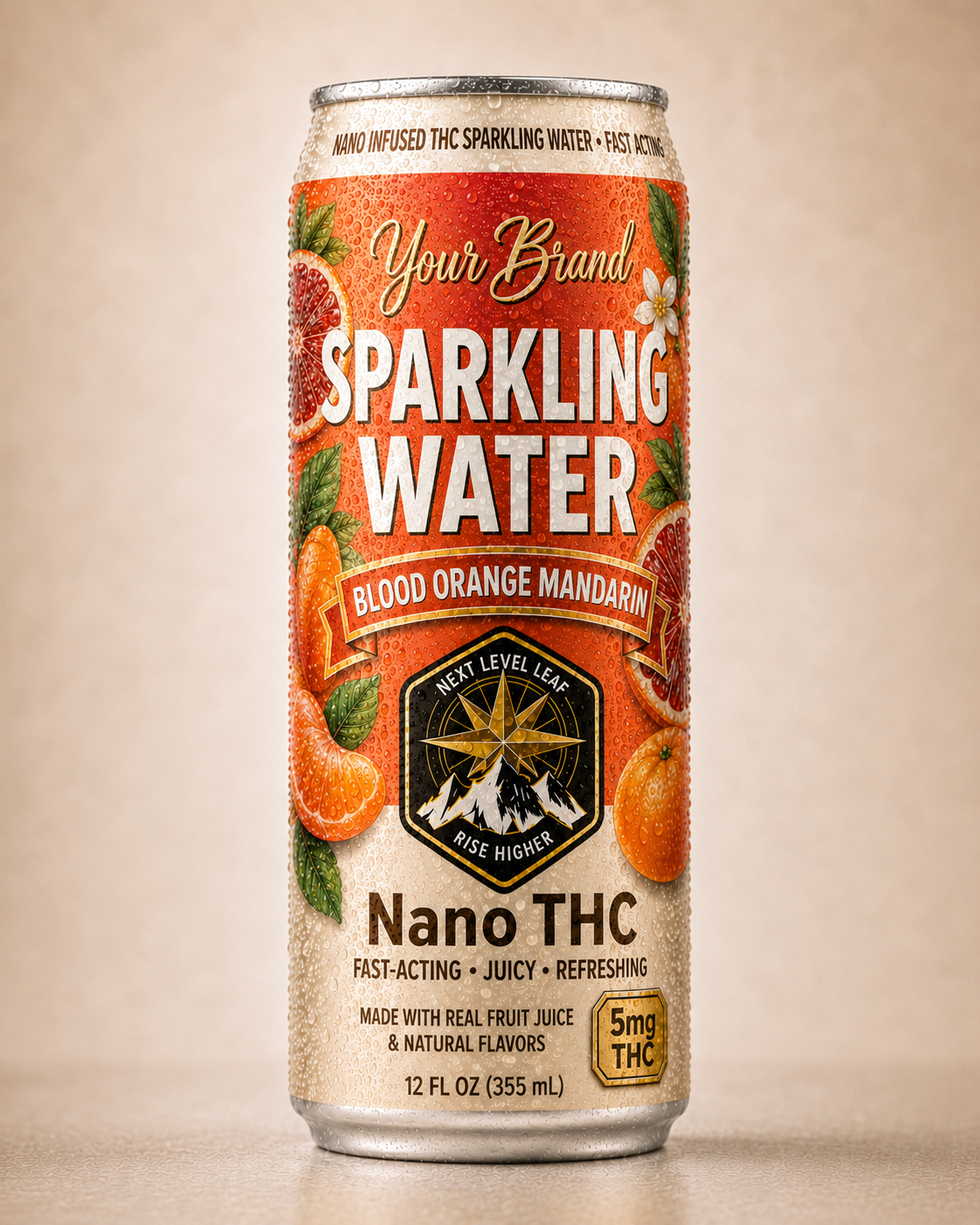
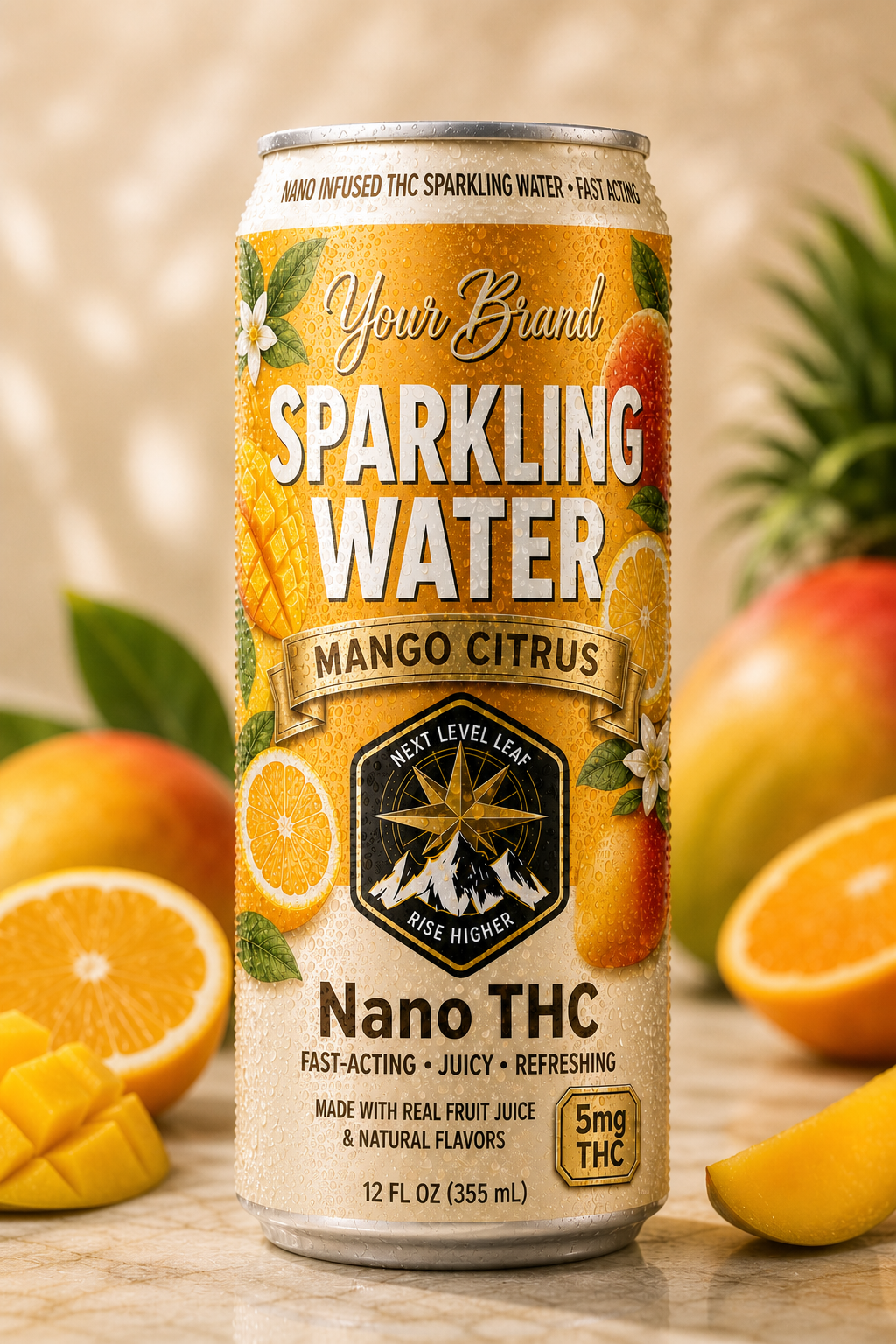
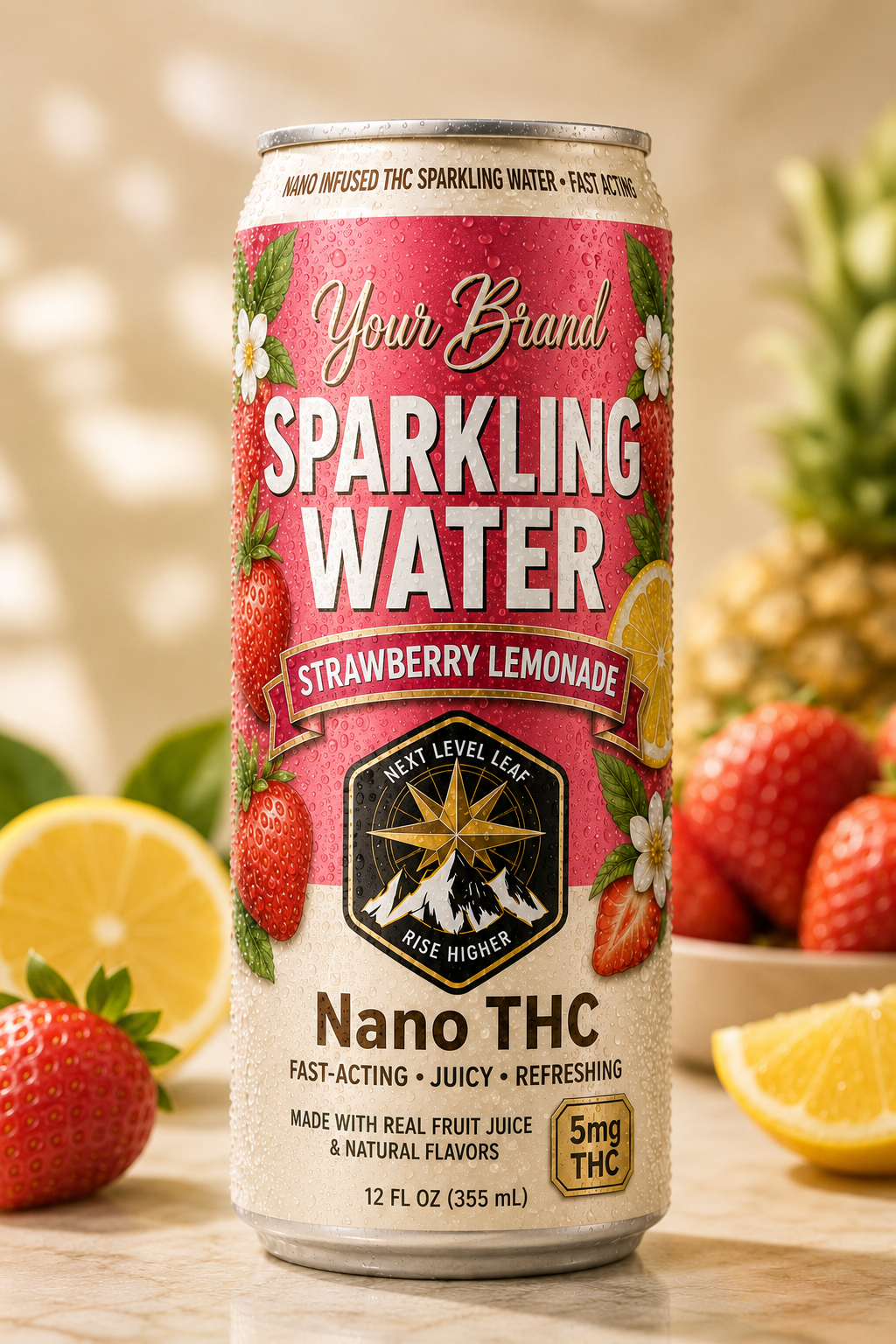
Fruit puree can make the product feel more expressive. It may be useful when the brand wants more color, body, or a more premium fruit experience. This can work especially well for mango citrus, raspberry lemonade, strawberry lemonade, blood orange, pineapple, or tropical fruit directions.
The tradeoff is production complexity. Puree can affect sediment, texture, stability, processing, and shelf-life planning. It may also change how the drink behaves in a sparkling format.
A brand does not need to use the most complex fruit system to create a premium beverage. A clean, well-balanced drink with the right flavor story can outperform a more complicated formula that is harder to produce.
Can a THC drink use both real juice and natural flavor?
Yes. In some beverage concepts, a small amount of real juice or puree can support the product story, while natural flavor helps round out the taste. This can be a practical way to create a better fruit profile without relying entirely on juice or puree.
That blended approach can be useful when a brand wants some real fruit character but still needs to manage calories, sugar, stability, and cost.
How the fruit system affects flavor masking
Fruit-forward profiles can help support THC beverage formulation because citrus, tropical, berry, and lemonade-style flavors often have enough structure to work with infused ingredients. The exact fruit system matters, though.
Real juice may add acidity and sweetness. Puree may add body. Natural flavor may create a cleaner profile. The formula needs to balance all of that with the cannabinoid input so the finished drink tastes intentional, not patched together.
How the fruit system affects shelf life
Real juice and puree can add ingredients that require more shelf-life planning. That may include acidity, microbial considerations, sediment, separation, color changes, flavor changes, and processing requirements.
Natural flavor systems may be simpler in some formats, but they still need to be evaluated as part of the finished beverage. A good product is not just good on sample day. It needs to make sense as a packaged, shipped, stored, and sold beverage.
Packaging and customer expectations
The fruit system should match the packaging story. If a drink is positioned as real fruit, the product should support that expectation. If the drink is lighter and flavor-based, the package should not overpromise.
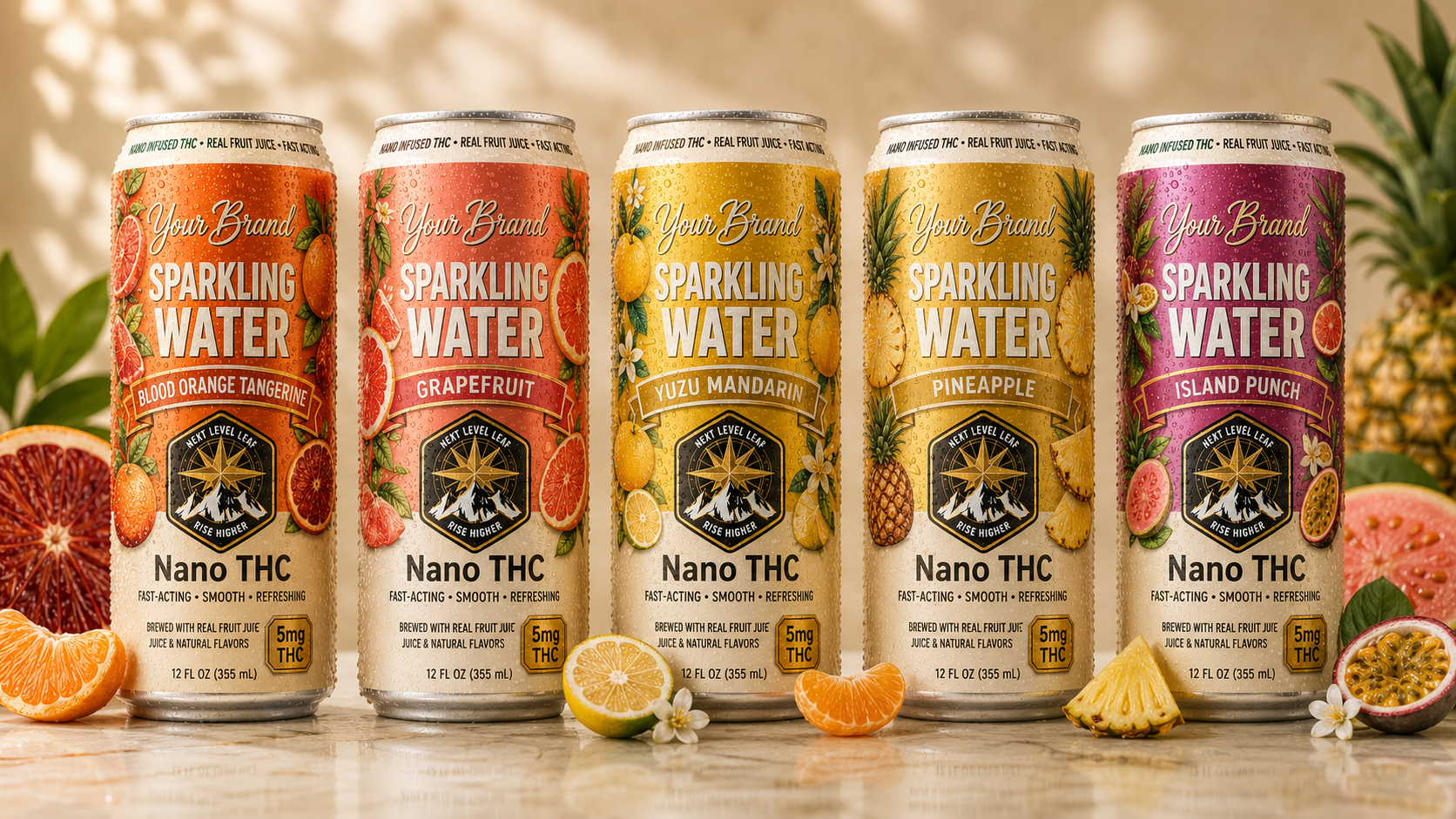
Strong packaging can still communicate premium fruit flavor without creating confusion. Clear flavor names, adult-oriented design, dose communication, and access to finished-product testing can help the product feel professional and retail-ready.
What affects cost, MOQ, and timeline?
The more complex the fruit system, the more important it is to scope the project carefully. Real juice and puree may affect ingredient cost, production planning, shelf-life evaluation, and timeline. Natural flavor may simplify some parts of the process, but the full product still needs to be evaluated.
- Fruit flavor, juice, or puree direction
- Still or sparkling format
- Target THC or cannabinoid dose
- Sweetness and calorie target
- Acidity and flavor balance
- Can or bottle format
- Packaging status and label readiness
- Testing, COAs, and batch documentation
- First-run quantity and timeline
What to prepare before requesting a quote
Before asking for a quote, it helps to know whether real juice is required, preferred, or just part of the flavor direction. That one decision can change the production conversation.
- Fruit direction or desired flavor lineup
- Whether you want real juice, puree, natural flavor, or a blended approach
- Still or sparkling preference
- Target THC or cannabinoid dose per can
- Can or bottle size
- Sweetness and calorie preference
- Packaging status and label readiness
- Target states and sales channels
- Expected first-run quantity and timeline
Where to go next
If you are still comparing fruit systems, review Fruit Puree THC Beverages and Real Fruit THC Sparkling Water. If you want a broader view of the category, start with the Real Fruit THC Drinks hub. If your fruit direction is clear, the next step is to request a quote.