

THC Beverage Laws By State
Planning to launch or sell a hemp-derived THC beverage? THC beverage laws are different in every state, and those rules can affect the amount of THC, testing, labels, packaging, age limits, and where the product can be sold.
Choose the state where you plan to sell to review the current requirements and what they may mean for a white-label or private-label THC beverage.
Last reviewed September 24, 2026Can you sell hemp-derived THC beverages in every state?
No. THC beverage laws are different from state to state. The rules can affect the amount of THC in the product, testing and COA requirements, labels and warnings, packaging, age restrictions, licensing or registration, and where the beverage may be sold.
If you already know where you want to sell, start with that state's guide before you finalize the formula, dose, label, or packaging.
Choose Your State
Use the state guides below to review the current THC beverage rules that may affect your product. If you are planning to sell in more than one state, review each state separately before assuming the same formula, label, or package will work everywhere.
Northeast
Choose the state where you plan to sell and review the current requirements before you finalize the beverage.
Maine
Review Maine's current THC beverage rules, testing, labeling, packaging, and sales requirements.
Review Maine THC beverage laws →New Hampshire
Review New Hampshire THC beverage laws and the requirements that may affect a private-label launch.
Review New Hampshire THC beverage laws →Pennsylvania
Review Pennsylvania's current THC beverage rules, labeling considerations, and state-specific launch questions.
Review Pennsylvania THC beverage laws →Mid-Atlantic and Southeast
Choose the state where you plan to sell and review the current requirements before you finalize the beverage.
Virginia
Review Virginia's current THC beverage limits, packaging rules, and sales requirements before finalizing a product.
Review Virginia THC beverage laws →North Carolina
See North Carolina's current hemp-derived THC beverage rules, testing, labeling, and retail considerations.
Review North Carolina THC beverage laws →South Carolina
Review South Carolina's current rules and the questions a beverage brand should check before launch.
Review South Carolina THC beverage laws →Georgia
See Georgia's current consumable hemp beverage requirements, testing, labeling, and retail rules.
Review Georgia THC beverage laws →Florida
Review Florida's current hemp-derived THC beverage requirements, including testing, labeling, and retail considerations.
Review Florida THC beverage laws →Alabama
See Alabama's current consumable hemp beverage rules and the requirements that affect product design and sale.
Review Alabama THC beverage laws →Tennessee
Review Tennessee's current hemp-derived cannabinoid beverage rules, licensing, testing, and labeling requirements.
Review Tennessee THC beverage laws →Midwest and Central
Choose the state where you plan to sell and review the current requirements before you finalize the beverage.
Indiana
Review Indiana's current THC beverage rules and what to check before launching or selling a hemp-derived product.
Review Indiana THC beverage laws →Wisconsin
See Wisconsin's current hemp beverage rules, food requirements, testing considerations, and sales questions.
Review Wisconsin THC beverage laws →Minnesota
Review Minnesota's current low-dose THC beverage framework, labeling, testing, and retail requirements.
Review Minnesota THC beverage laws →Oklahoma
Review Oklahoma THC beverage laws and the current rules that may affect a hemp-derived beverage launch.
Review Oklahoma THC beverage laws →Illinois
See Illinois' current THC beverage rules and the regulatory changes that affect hemp-derived products.
Review Illinois THC beverage laws →Michigan
Review Michigan's current rules for hemp-derived cannabinoids in beverages and the state's regulated cannabis pathway.
Review Michigan THC beverage laws →Texas
See Texas' current hemp-derived THC beverage rules, testing, labeling, licensing, and retail considerations.
Review Texas THC beverage laws →What can change from one state to another?
THC beverage laws can affect several parts of the product before it ever reaches a retailer.
THC amount and serving size
States can use different limits for THC per serving, per container, or per package.
Testing and COAs
Testing requirements can vary by state, including potency, contaminants, batch documentation, and how the COA is made available.
Labels and warnings
Required cannabinoid disclosures, warning language, serving information, QR codes, and other label elements may be state-specific.
Packaging
Some states have additional packaging, tamper-evidence, child-resistance, or serving-format requirements.
Licensing and registration
A manufacturer, distributor, retailer, product, or brand may need a state registration or license before sale.
Where the beverage can be sold
Retail, direct-to-consumer, alcohol-channel, specialty retail, or cannabis-channel rules can differ by state.
Already know where you want to sell?
Once you have checked the rules for your state, the next step is turning those requirements into a beverage that can actually be produced.
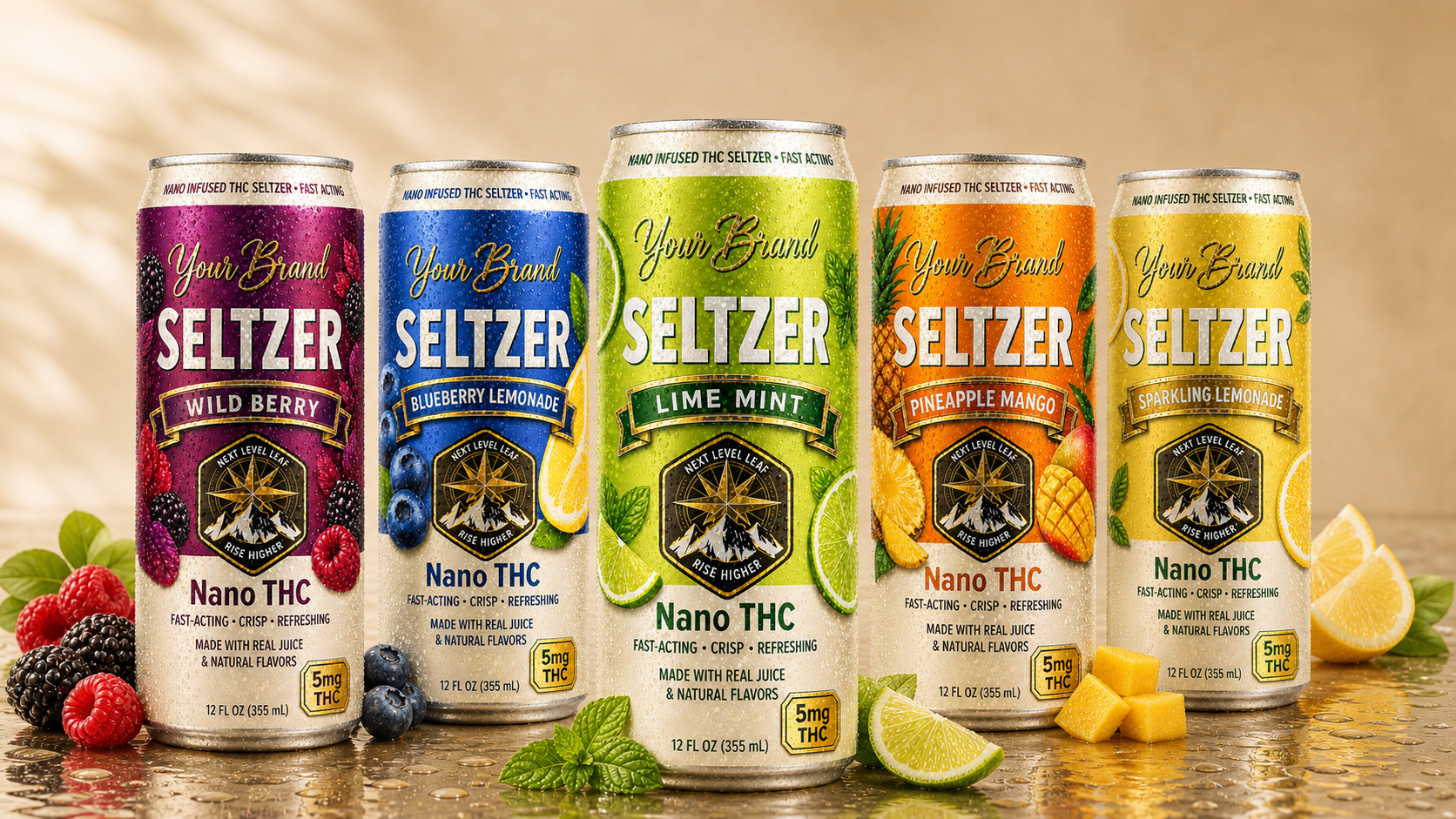
Next Level Leaf can help you work through the beverage type, THC amount per can, cannabinoid blend, flavors, packaging direction, production quantity, and shipping destination. Commercial production generally starts around 1,200 cans per SKU for projects we support.
Federal hemp rules are changing too
State rules are only part of the picture. Follow current federal hemp-definition changes, legislative activity, and verified timeline updates on the Next Level Leaf Section 781 Hemp Deadline Tracker.
Frequently asked questions
Planning a THC beverage for a specific state?
Tell us the state, beverage type, THC amount per can, cannabinoid blend, quantity per flavor, packaging status, and shipping destination. We can help you plan the next production step.