

South Carolina Hemp-Derived THC Beverage Compliance
South Carolina is one of the most important Southeast markets to watch because hemp-derived THC beverages have existed in a legally open but unsettled environment, while lawmakers are actively considering tighter rules.
For founders, South Carolina is not a market to approach casually. It can be commercially attractive, but product design, legal review, documentation, adult positioning, and legislative monitoring should all happen before inventory is produced or distributed.
South Carolina currently sits in an evolving hemp beverage environment. A 2024 South Carolina Attorney General opinion addressed non-alcoholic hemp-derived THC beverages that remain at or below 0.3% delta-9 THC on a dry-weight basis, but the legislature is actively considering proposals that could create strict beverage-specific limits, licensing, retail-channel rules, age restrictions, testing, taxation, and enforcement.
We are not attorneys, and this page is not legal advice. This is a founder-focused compliance overview to help beverage brands ask better questions, separate current law from proposed law, and build more intelligently.
South Carolina beverage compliance snapshot
Evolving / unsettled
South Carolina has hemp beverage activity and an Attorney General opinion, but active legislation could reshape the category.
0.3% delta-9 framework
The AG opinion addressed non-alcoholic hemp-derived THC beverages that remain within the federal 0.3% delta-9 THC hemp threshold.
Potential beverage limits
Proposed bills have considered dose caps, 21+ rules, licensing, retail restrictions, enforcement, and taxation.
SCDA hemp program
The South Carolina Department of Agriculture administers the state hemp program and permits certain hemp activities.
High monitoring need
Brands should avoid assuming the law will remain static while legislation is moving.
Build conservatively
Use adult positioning, full-panel COAs, clean labels, and flexible SKU plans until the framework settles.
Current state of the South Carolina market
South Carolina has real commercial potential for hemp-derived THC beverages because it sits in the Southeast, has strong tourism and hospitality pockets, and has a growing consumer interest in non-alcoholic beverage alternatives. But unlike states with mature consumable hemp rules, South Carolina’s framework remains less settled.
The key practical point is that South Carolina should be treated as a market under active review. A beverage founder should not assume that today’s retail environment will be tomorrow’s regulatory environment.
Current law / current operator reality
The current operator reality is nuanced. South Carolina’s Attorney General issued an opinion in 2024 addressing whether non-alcoholic beverages containing hemp-derived THC are legal when the delta-9 THC concentration is not more than 0.3% on a dry-weight basis.
That opinion is an important signal, but it does not create a complete, modern beverage regulatory program. It also does not eliminate the need to evaluate product composition, cannabinoid source, synthetic or converted cannabinoids, labeling, retail channel, processor status, and enforcement posture.
The South Carolina Department of Agriculture administers the hemp program. Processing hemp requires more than a farming permit, and SCDA identifies processor and handler pathways for different hemp-related activities. Brands involved in manufacturing, processing, transporting, warehousing, brokerage, R&D, or sales should evaluate whether those categories apply to their role.
Founder takeaway: South Carolina may be commercially attractive, but it is not a set-it-and-forget-it state. Build with a legal review, conservative dose strategy, strong documentation, and a plan that can adjust if pending legislation becomes law.
What is pending or proposed
South Carolina lawmakers have been actively considering legislation that could regulate or restrict hemp-derived consumables and hemp beverages. Proposed language has included concepts such as beverage-specific dose limits, adult-only sales, licensing, taxation, enforcement authority, retail-channel restrictions, and penalties for products outside the framework.
Some proposals have treated hemp beverages similarly to alcohol for licensing or enforcement purposes. Proposed language has also included limits such as 5mg of hemp-derived THC per 12-ounce beverage, requirements for 21+ proof of age, and special licensing rules for manufacturers, wholesalers, and retailers.
Those details are important to watch, but they should not be treated as final law unless enacted. For website and operator purposes, this page intentionally separates current operator reality from proposed legislative direction.
Labeling considerations
Even where South Carolina’s final hemp beverage framework is unsettled, beverage brands should build labels as if stronger regulation is coming. That means clear cannabinoid information, serving size, batch or lot identifiers, ingredient statements, allergen disclosures, warnings where appropriate, QR-code COA access, and adult-oriented presentation.
Strong label discipline makes the product easier to review, easier to present to retailers, and easier to adapt if South Carolina finalizes new statutory requirements.
- Clearly disclose cannabinoid content per serving and per container.
- Use QR-code access to batch-specific COAs.
- Avoid medical or disease claims.
- Use adult-oriented branding and package design.
- Keep flavor and imagery away from child-appealing presentation.
- Maintain lot and batch traceability.
Packaging considerations
Packaging should be conservative, adult, and compliance-aware. Even if the current state framework does not yet look like Georgia, Minnesota, or Tennessee, South Carolina’s legislative direction suggests packaging, sales access, and youth-prevention issues are central concerns.
For THC beverages, that means avoiding copycat designs, youth-oriented colors or characters, candy-like presentation, confusing serving information, or anything that makes the beverage look like a conventional all-ages drink.
A premium, adult alcohol-alternative design will generally be easier to defend than a novelty package.
Testing / COA expectations
Finished-product testing should be treated as a baseline expectation for South Carolina, even while the state’s final rules are still evolving. Input COAs are not enough for a serious beverage program.
- Use full-panel COAs on finished products where possible.
- Confirm cannabinoid potency at the finished-can level.
- Document batch, lot, and production records.
- Maintain QR-code access for retail and consumer review.
- Keep supplier COAs and chain-of-custody documentation organized.
In an unsettled market, strong documentation is not just a compliance exercise. It is a credibility tool for retailers, distributors, counsel, and future regulatory review.
Sales / distribution realities
South Carolina’s sales environment should be approached carefully. Even if beverages are being sold in the market, operators should evaluate whether manufacturing, processing, importation, wholesale, retail, or handler activity triggers SCDA permits or other licensing obligations.
Brands should also be prepared for the possibility that future rules could limit sales to certain retail channels, require behind-the-counter placement, restrict online or direct-to-consumer sales, impose 21+ age verification, or tax hemp beverages in a more alcohol-like way.
That makes South Carolina a poor fit for careless overproduction. It is a better fit for a staged, legally reviewed launch strategy.
Founder strategy for South Carolina
For beverage founders, South Carolina is a market to plan for, not ignore. The right approach is to build a product that would still look professional under a tighter regulatory system.
- Keep dose architecture conservative and easy to explain.
- Focus on non-alcoholic, adult-oriented beverage positioning.
- Use batch-specific finished-product COAs.
- Avoid synthetic, converted, or legally disputed cannabinoid inputs unless reviewed by counsel.
- Monitor pending legislation before shipping inventory.
- Confirm SCDA processor, handler, or related permit questions based on your role.
- Design labels and packaging as if age-gating and stronger retail rules are coming.
Best beverage formats for South Carolina
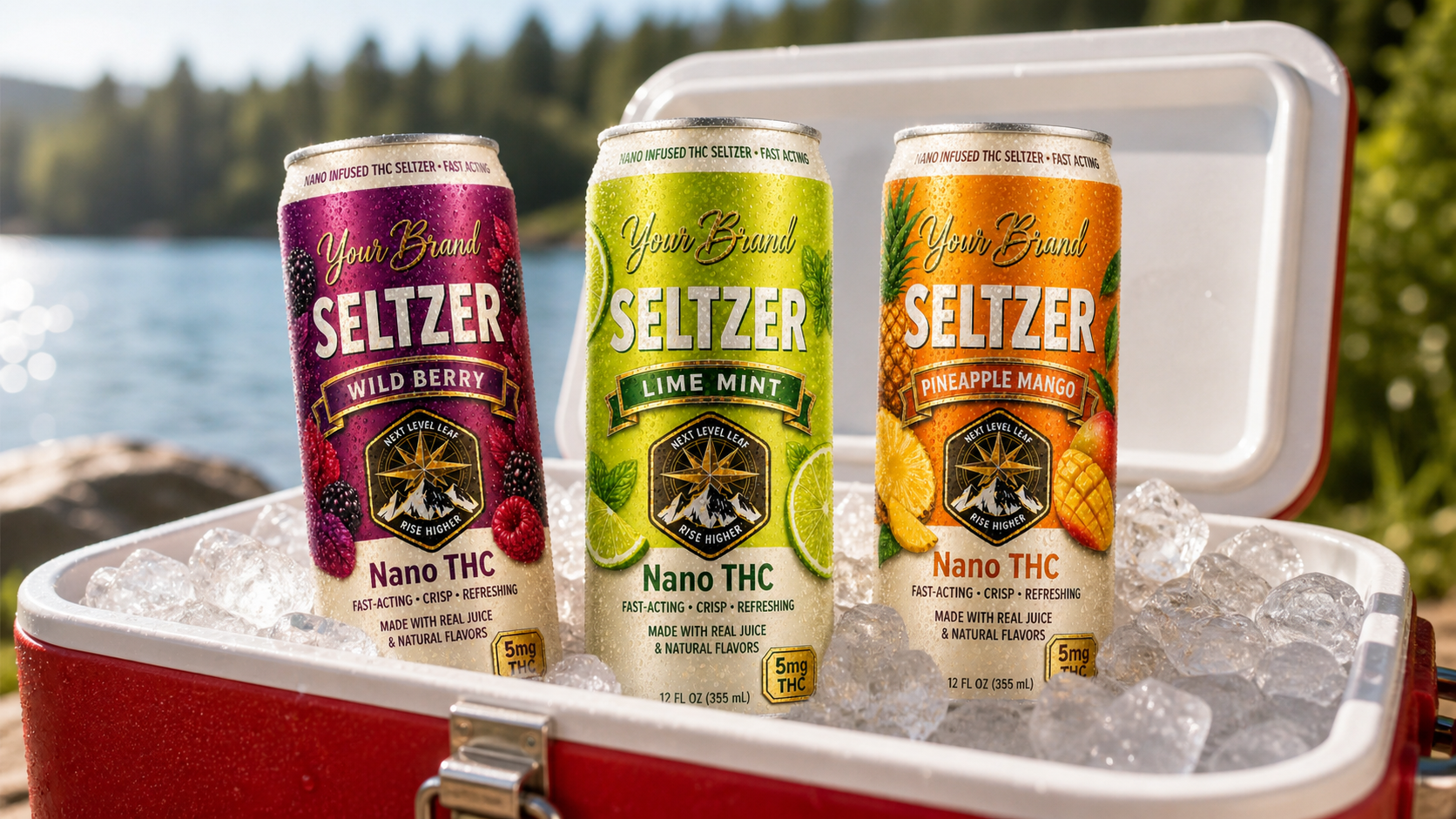
Because South Carolina is evolving, the most strategic beverage concepts are likely to be clean, adult, low-dose, and easy to explain. Seltzers, mocktails, and other non-alcoholic alcohol-alternative formats may fit better than products that appear youth-oriented or overly intoxicating.
Infused Seltzers
Clean, low-dose, adult, and easy to position as social refreshment.
Explore seltzers →Infused Mocktails
Cocktail-inspired, alcohol-alternative products with premium social positioning.
Explore mocktails →Low-Dose THC Drinks
Understand 2.5mg, 5mg, and sessionable beverage strategies.
Explore low-dose →Broader strategy and internal links
If you are comparing South Carolina with other markets, start with the State Resources hub. If you want to understand how we think about compliance as part of beverage production, visit the Compliance page. If you are ready to scope a conservative low-dose beverage for the Southeast, explore white-label THC beverage manufacturing.
State Resources
Compare South Carolina with other hemp beverage markets and regional compliance patterns.
Explore states →Compliance Approach
See how testing, COAs, documentation, and label discipline fit into beverage manufacturing.
Explore compliance →Beverage Manufacturing
Move from state research to product format, dose, flavor, packaging, and production planning.
Explore manufacturing →Frequently asked questions
Ready to evaluate South Carolina as part of your Southeast beverage plan?
Share your product idea and we’ll help you think through beverage format, dose, flavor, testing, COAs, packaging, manufacturing, and a flexible launch strategy for evolving state markets.