THC & functional beverage development and manufacturing
For established brands, retailers, distributors & founders
Production Cost • Commercial Runs • Enterprise Scale

THC Beverage Pricing & Functional Drink Manufacturing Costs

Understand what affects a real manufacturing quote, from formula and packaging to production quantity, testing, freight, and ongoing volume.

Next Level Leaf helps established brands, retailers, distributors, and emerging companies plan beverage production at the scale that fits their business. A practical first commercial run is an entry point, not a production ceiling.

Commercial to Enterprise
Product-Specific Quotes
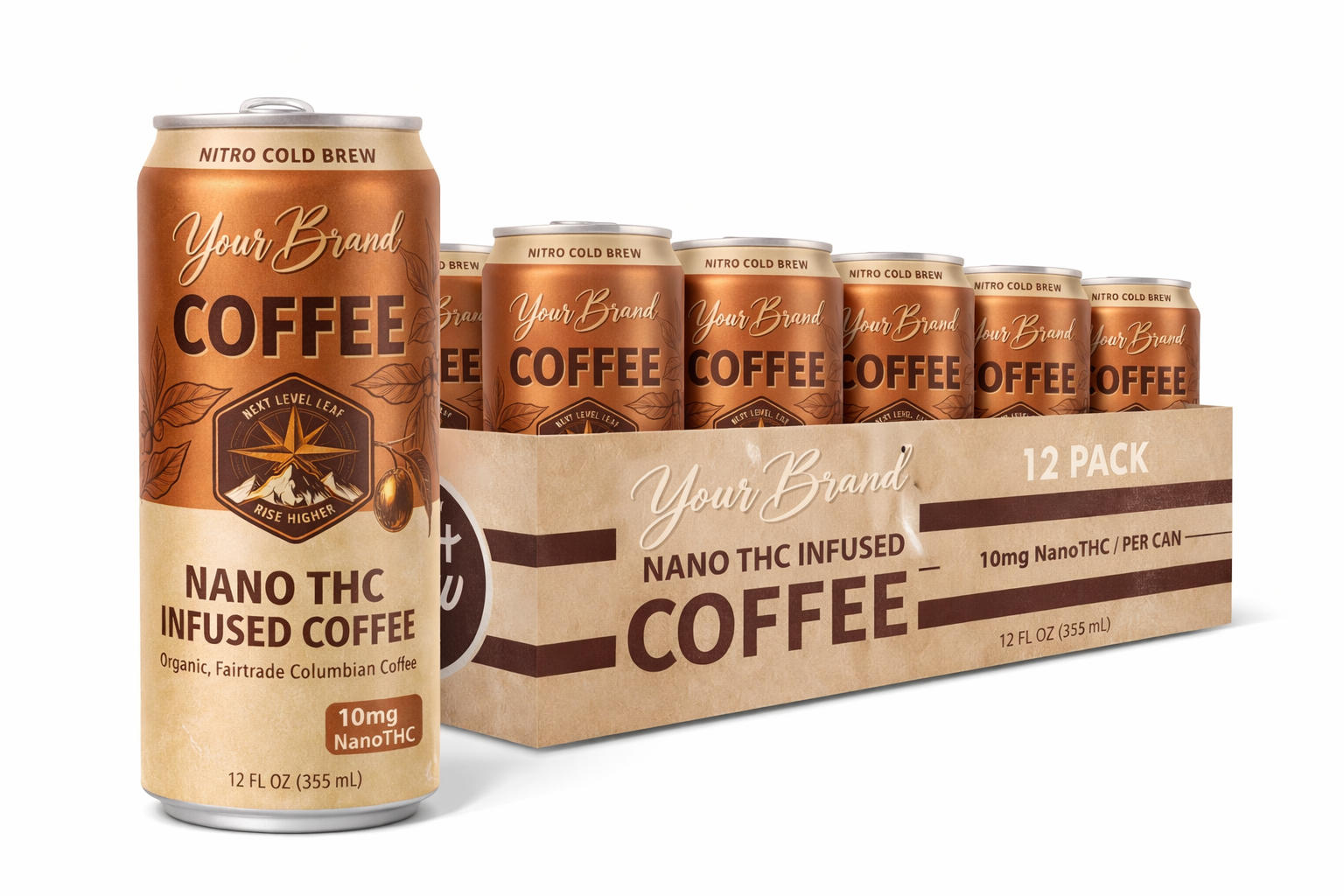
Finished beverage cans in a case tray for commercial and enterprise production planning
Common commercial entry Approximately 1,200 cans per flavor-and-dose combination, with project-specific scope.
Built for larger programs Multi-pallet, recurring, and 50,000- to 300,000-plus-can production planning.

Beverage manufacturing pricing depends on the formula, ingredients, dose, packaging, production quantity, testing, freight, and services included in the quote. Next Level Leaf can help scope THC, cannabinoid, and non-cannabinoid functional beverages, from a common 1,200-can commercial run to larger recurring and enterprise production programs.

Production Scale & Unit Economics

The right quote starts with the right production volume

Run size should reflect the formula, sales forecast, available inventory, packaging plan, distribution, and the next production cycle.

Growth & Replenishment

Multi-pallet and recurring runs

Built around demand

Growing brands can quote larger orders, additional flavors, recurring production, packaging inventory, and a cadence that supports real sales velocity.

See how production is planned →
Commercial Launch

Standard initial production

1,200 cans per SKU

A common first commercial run is approximately 1,200 cans per flavor-and-dose combination, equal to 50 cases of 24.

Understand production minimums →

A selective 360-can prototype, equal to 15 cases of 24, may be available for a qualified project when the formula, packaging, and production plan support a smaller validation run. It is not the standard commercial offer.

What Affects Cost

The biggest THC and functional beverage pricing drivers

Compare the complete product specification before comparing two prices. Similar-looking cans can represent very different manufacturing scopes.

Beverage Format

Coffee, seltzer, soda, tea, and more

Cold brew, nitro coffee, seltzers, sodas, juices, teas, lemonades, mocktail-style drinks, and functional beverages have different ingredients and processing needs.

Compare beverage formats →
Formula

Existing recipe or custom development

A production-ready formula may reduce early development work. A custom flavor, sweetener profile, functional stack, or proprietary recipe can require additional formulation.

Understand custom formulation →
Active Ingredients

THC, cannabinoids, and functional inputs

THC amount, CBD, CBG, CBN, caffeine, functional mushrooms, adaptogens, vitamins, and other approved ingredients can affect formula cost and production complexity.

Explore functional beverage options →
Packaging

Cans, labels, carriers, and cases

Can size, pressure-sensitive labels, printed cans, case configuration, carriers, cartons, and artwork readiness can affect both production cost and scheduling.

Review the production process →
Testing & Documentation

Product testing and batch records

Finished-product testing, batch-specific certificates of analysis when applicable, ingredient documentation, and additional requested testing may affect the quoted scope.

Understand testing and documentation →
Freight

Shipping and delivered inventory

Delivery address, order size, pallet count, receiving access, appointments, liftgate needs, storage, and fulfillment can change the total delivered cost.

Production Planning

Timing and recurring demand

Target launch date, packaging lead time, ingredient availability, production schedule, account commitments, and reorder cadence all affect realistic planning.

Commercial Fit

The business behind the beverage

A retailer launch, distributor rollout, national account, direct-to-consumer concept, or established brand expansion may require a different order and packaging strategy.
Choose the Right Product Path

White-label, custom, or an existing production-ready formula

The most efficient quote depends on what already exists and what still needs to be developed before the beverage can be produced.

Production-Ready Formula

Start with an existing beverage

Use an available formula when a proven flavor, beverage style, and simpler launch path fit your brand.

  • Fewer early formulation decisions
  • A clearer path to packaging and production
  • Useful for retailers, distributors, and new product lines
Explore white-label manufacturing →
Established Beverage Brand

Bring a production-ready formula

Share an existing beverage formula, packaging specifications, expected volume, and production requirements for a manufacturing review.

  • Formula and process-fit evaluation
  • Commercial or enterprise volume planning
  • Recurring orders and production scheduling
Explore contract manufacturing →

Compare the Complete Scope

What may be included, and what should be confirmed separately

The exact proposal controls. Do not assume two per-can prices cover the same product, packaging, testing, or delivery terms.

Items within the production scope

A manufacturing proposal may identify the following items when they are included in the quoted product:

  • The approved beverage formula and specified ingredients
  • Manufacturing, filling, and the selected can format
  • The agreed label or other approved packaging path
  • Case packing, carriers, or trays specified in the proposal
  • Standard testing or documentation when expressly included
  • Finished quantity, SKU breakdown, and production assumptions

Items to identify outside the can price

Depending on the project, these items may be quoted separately or addressed before production begins:

  • Custom formulation, research, samples, or additional revisions
  • Brand design, label artwork, or packaging changes
  • Printed cans, specialty packaging, or additional components
  • Expanded testing, special documentation, or requested panels
  • Freight, liftgate delivery, receiving, storage, or fulfillment
  • Retailer support, sales launch costs, and reorder funding

Build the Right Financial Picture

Production price and delivered cost are different decisions

A useful manufacturing quote should help the customer understand the product, quantity, included services, and delivery assumptions.

Estimate the manufacturing order

Start with the actual quoted price for the approved formula and run size. Do not apply one prototype or first-run rate to a much larger production program.

Quoted price per can × approved cans per SKU = quoted production cost

For several products, calculate each SKU separately and add any project-specific development or setup shown in the proposal.

Compare commercial production quantities →

Understand the cost of delivered inventory

Then add any freight, receiving, storage, or other delivery costs that are not included in the manufacturing proposal.

Production + freight + receiving or storage = initial delivered inventory cost

A full business launch may also need sales support, samples, promotion, and working capital for the next production order.

Build a complete beverage launch budget →

Choose the Next Step That Fits Your Business

Different buyers need different pricing conversations

The useful question is not simply “What is the cheapest can?” It is “What product and production plan support this business?”

Established beverage brands

Share your formula, forecast, existing packaging, expected order size, production cadence, and account or distribution requirements.

Review contract manufacturing →

Retailers and private-label programs

Start with the customer occasion, target shelf position, flavor lineup, packaging, expected store count, and replenishment plan.

Explore retailer programs →

Distributors and wholesalers

Clarify account demand, product mix, expected opening orders, territory, packaging needs, freight, and recurring inventory requirements.

Explore distributor programs →

Founders and emerging brands

Choose a strong initial beverage, practical SKU count, production-ready or custom path, and first run that fits the sales plan.

Plan a focused beverage launch →

Quote Readiness

What helps us build a more useful manufacturing quote

You do not need every detail finalized. Share what you know, and identify the decisions that still need to be made.

Product and formulation details

  • Beverage format: coffee, seltzer, soda, tea, lemonade, juice, mocktail-style drink, or another functional beverage
  • An existing formula, preferred house flavor, or custom product concept
  • THC dose, other cannabinoids, or functional ingredients, when applicable
  • Can size, sweetness or flavor direction, and number of SKUs
  • Existing artwork, packaging requirements, and testing expectations

Production and commercial details

  • Expected order quantity and whether the program will recur
  • Retail, distribution, hospitality, or other intended sales channels
  • Target production date, launch deadline, and demand forecast
  • Shipping destination, receiving conditions, and freight needs
  • Whether speed, custom differentiation, larger scale, or ongoing supply is the priority
Share your project details and request a quote →

Continue Your Customer Journey

Choose the resource that answers your next question

Use the page that matches the decision in front of you, then return to a product-specific quote when you are ready.

Production minimums

Understand 1,200-can commercial runs, qualified prototypes, and larger production programs.

Understand beverage MOQ →

Custom beverage formulation

Explore custom recipes, functional ingredients, flavor development, and production readiness.

Explore custom formulation →

A clear quote should match a clear project scope

The lowest apparent per-can price is not necessarily the best manufacturing decision. Compare formula quality, beverage specifications, packaging, testing, production quantity, freight, account requirements, and whether the product supports the actual sales plan.

Requirements for hemp-derived products can vary by market. Product specifications, labeling, testing, and documentation should be evaluated for the intended project. Next Level Leaf is not a law firm, and this page is not legal advice.

Frequently Asked Questions

Questions about beverage pricing, production volume, and quotes

These answers help brands compare manufacturing scope before requesting project-specific pricing.

No. Beverage pricing depends on the format, formula, cannabinoid or functional ingredients, dose, packaging, production quantity, testing, freight, and services included in the actual proposal. A product-specific quote is more useful than one universal per-can price.
The main cost drivers are beverage format, formula complexity, THC or other functional ingredients, dose, production volume, number of SKUs, cans and labels, testing, case packing, freight, and whether the beverage uses an existing formula or requires custom development.
A common first commercial production run is approximately 1,200 cans per SKU, equal to 50 cases of 24. A SKU is one distinct flavor-and-dose combination. Final quantity depends on the beverage, formula, packaging, scheduling, and project requirements.
Yes. Next Level Leaf can evaluate larger, multi-pallet, recurring, and project-specific production programs of 50,000, 100,000, or 300,000-plus cans. High-volume pricing depends on the formula, packaging, forecast, production cadence, freight, schedule, and available capacity.
A selective 360-can prototype, equal to 15 cases of 24, may be available for a qualified project when the beverage, packaging, and production plan support a smaller validation run. Prototype pricing and availability are project-specific.
Usually, yes. A higher THC or other cannabinoid dose can increase ingredient cost and may affect flavor balance, formulation work, testing, and the finished product specification. The actual difference depends on the approved formula and production quantity.
Often. A production-ready or existing house formula can reduce development variables and help a project move more quickly. Custom formulation may involve additional recipe development, samples, ingredient sourcing, and validation when a more distinctive beverage is needed.
The minimum order quantity affects how production setup, labor, ingredient purchasing, packaging, testing, and scheduling are allocated across finished cans. Smaller runs can lower the initial inventory commitment, while larger planned runs may improve unit economics.
The right SKU count depends on demand, customer commitments, inventory planning, and budget. An emerging brand may start with one or two focused products, while an established brand or retailer may require several coordinated flavors for an existing sales program.
Yes. Can size, pressure-sensitive labels, printed cans, artwork readiness, case configuration, carriers, cartons, and other packaging requirements can affect manufacturing cost, production scheduling, and the final quoted scope.
They can. Finished-product testing, batch-specific certificates of analysis when applicable, documentation, and any additional testing panels may affect the quoted scope. Confirm which testing and documentation are included in the actual proposal.
Not automatically. Freight, receiving requirements, liftgate service, appointments, storage, and other delivery needs should be confirmed separately when they are not included in the manufacturing quote. The shipping destination and order size affect delivered cost.
Not necessarily. Compare the complete product specification, formula, packaging, testing, production quantity, delivery terms, sales channel, and reorder plan. A lower per-can price is only useful when the finished product and commercial economics fit the business.
Yes. Next Level Leaf can evaluate non-cannabinoid coffee, seltzers, sodas, teas, lemonades, and functional beverages. Pricing depends on the beverage base, flavor, ingredients, formulation, packaging, production quantity, and project scope.
Share the beverage format, formula or flavor direction, any THC or functional ingredients, target dose when applicable, expected order quantity, number of SKUs, packaging needs, shipping destination, launch timing, and whether production will be recurring. You do not need every answer before reaching out.

Tell us what you want to make and how much you need

Share your beverage format, formula status, packaging, expected order volume, production timing, and shipping destination. We will help identify the manufacturing path that fits your business.