

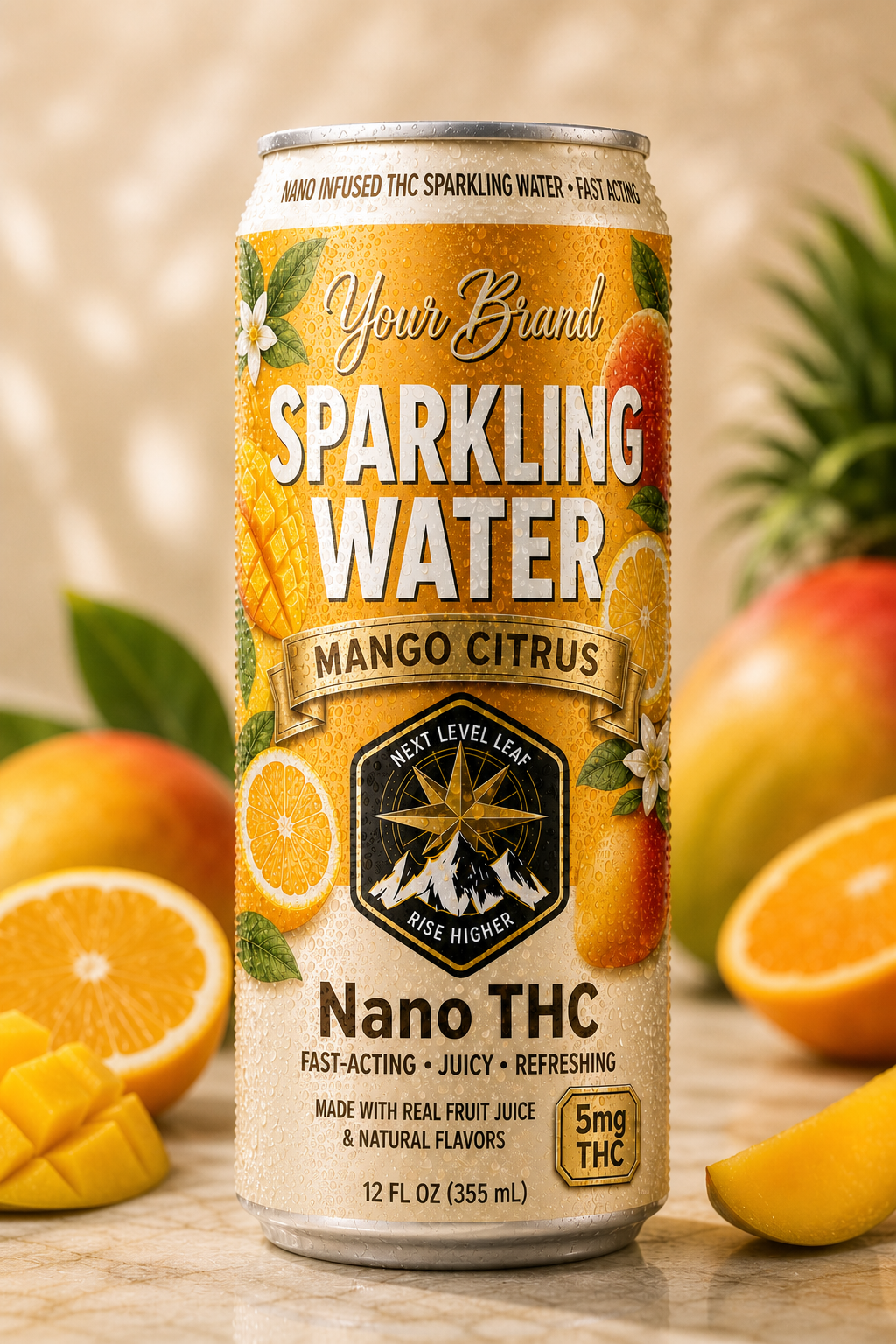
Why brands consider fruit puree
Fruit puree can make a beverage feel more like a real fruit product. It can add depth, color, body, and a stronger flavor identity than a very light flavor system.
That can be powerful for brands that want a premium fruit-forward THC drink. A puree-based concept may feel more elevated than a basic sparkling water and more refreshing than a heavy soda, depending on how the formula is built.
Fruit puree can add flavor and visual appeal, but it should be chosen because it helps the product, not just because it sounds better on a label.
Fruit flavor vs juice vs puree
Not every real fruit beverage needs puree. A lighter fruit flavor system can be easier to produce and may support a lower-calorie sparkling drink. Juice can create a familiar fruit story. Puree can add more body and fruit intensity, but it may also add more complexity.
The right choice depends on the product experience you want the customer to have and what the production path can support.
Light and flexible
A fruit-forward flavor system may be useful when the goal is a clean, crisp, refreshing product with simpler production needs.
Familiar and approachable
Juice can support a recognizable fruit story, especially for citrus, lemonade, berry, tropical, and juice-inspired beverages.
Richer and more visual
Puree can add body, color, and fruit intensity, but it may require more careful planning around stability and production.
What puree can add to a THC beverage
Puree can help a product feel more premium because it gives the beverage a more tangible fruit story. That can support the packaging, the product photos, the flavor name, and the customer’s expectation when they open the can or bottle.
- More fruit intensity
- More body or mouthfeel
- Natural color potential
- Stronger visual product story
- Better fit for premium fruit-forward positioning
- More differentiation from basic flavored seltzers
What puree can make more complicated
Puree is not always the easiest production path. It can affect the beverage in ways that need to be addressed before production. That does not mean puree is a bad idea. It means the product needs to be developed and scoped realistically.
- Sugar and calorie content
- Acidity and flavor balance
- Carbonation behavior in sparkling formats
- Sediment, texture, or visual separation
- Processing and stability planning
- Shelf-life expectations
- Ingredient cost and supply
- Finished-product testing and documentation
A fruit puree THC beverage can be a strong product direction when the brand wants more flavor and visual appeal, but it should be built around a realistic production process from the beginning.
Still or sparkling puree-based drinks?
Fruit puree can work in still or sparkling concepts, but the experience changes. A still puree-based drink may feel closer to a juice-inspired beverage, fruit water, lemonade, or smoother non-carbonated alcohol alternative.
A sparkling puree-based drink can feel more refreshing and social, but carbonation adds another layer of formulation work. The fruit level, sweetness, acidity, mouthfeel, and visual appearance all need to work after carbonation, not just in a still sample.
Flavor directions that can work well
Puree often makes the most sense when the flavor benefits from more body, stronger color, or a more expressive fruit identity. Citrus, tropical, berry, mango, pineapple, and lemonade-style profiles can all be strong starting points.
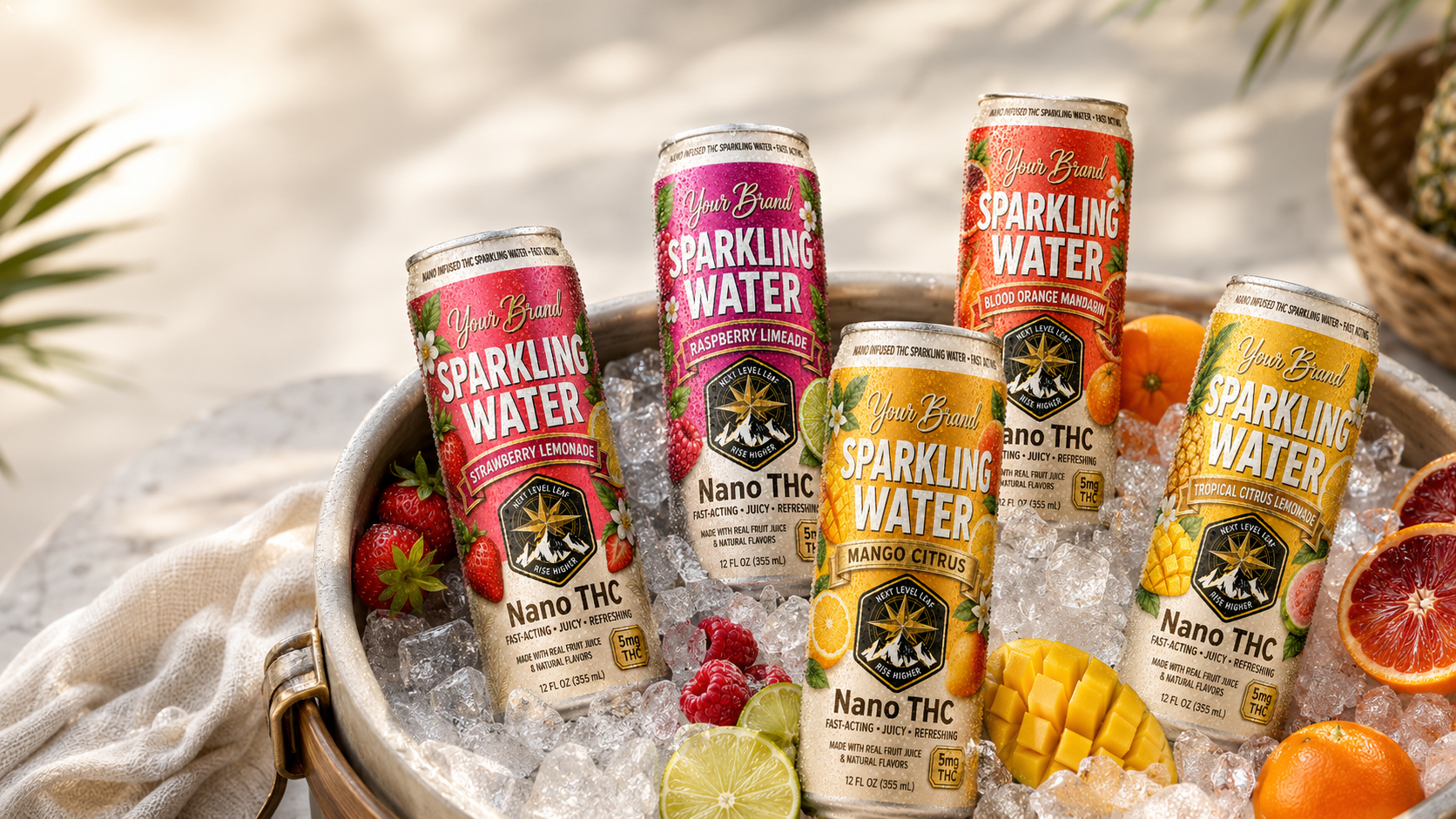
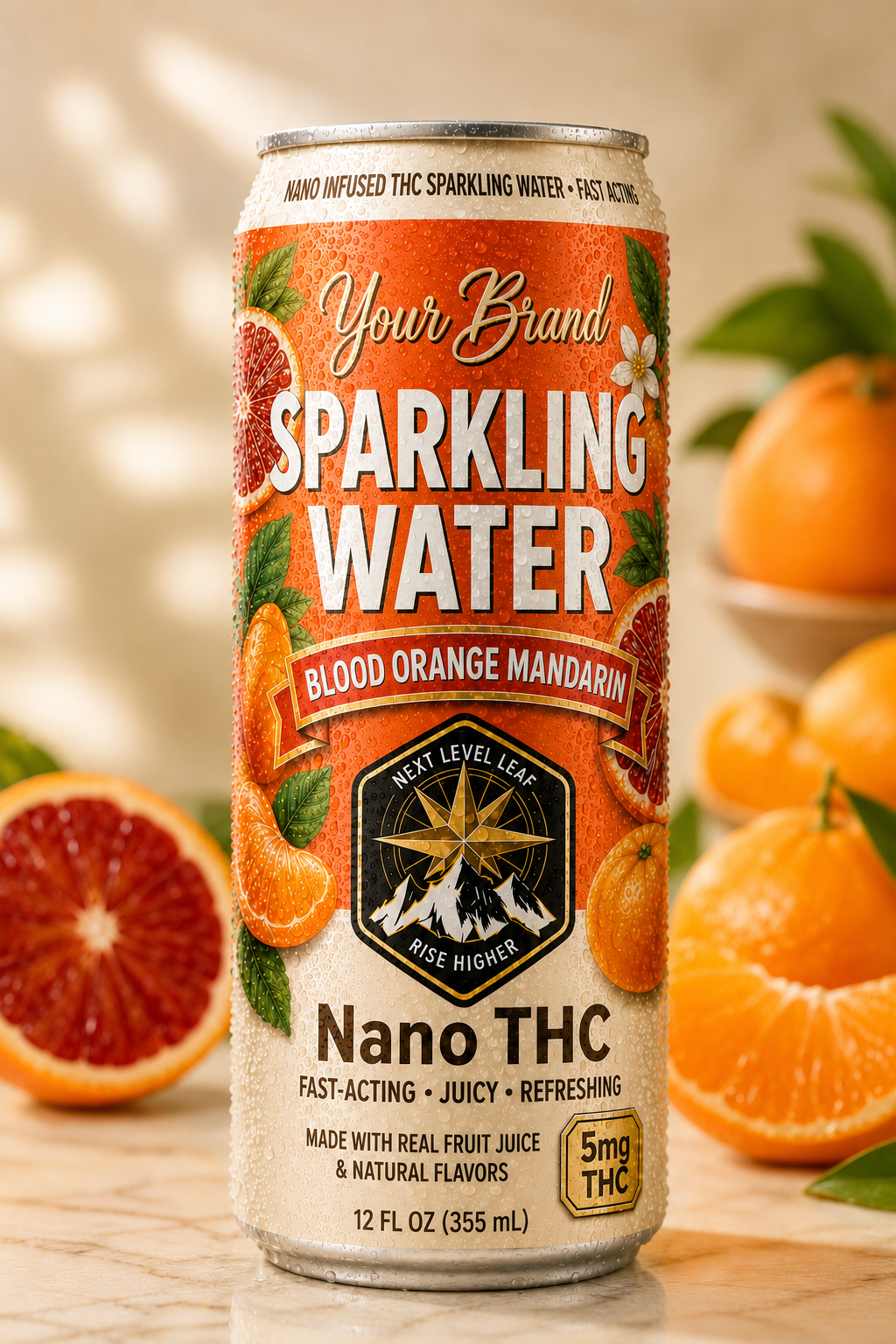
- Blood orange mandarin for premium citrus color and flavor
- Mango citrus for a bright tropical profile
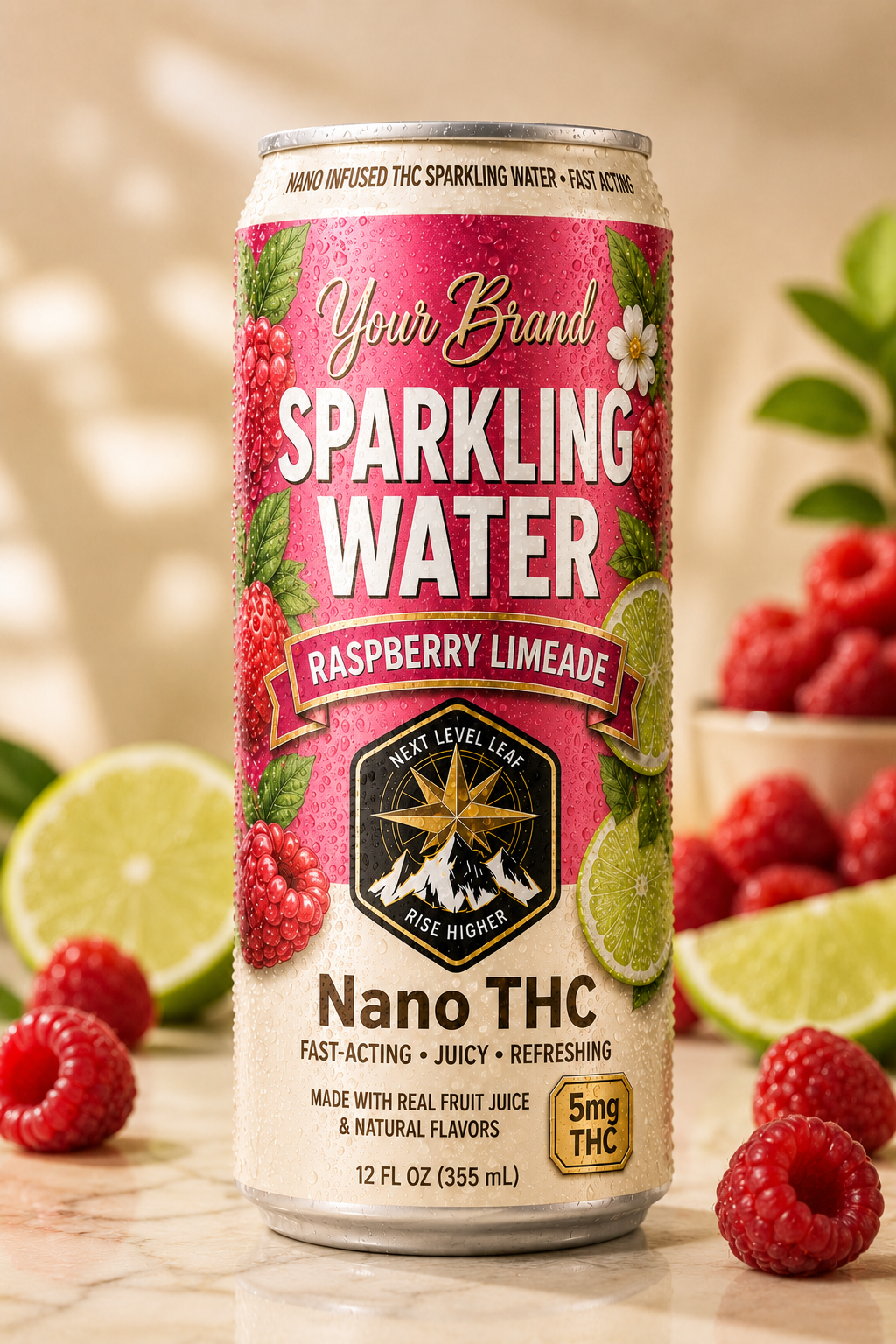
- Raspberry lemonade for a familiar berry-citrus direction
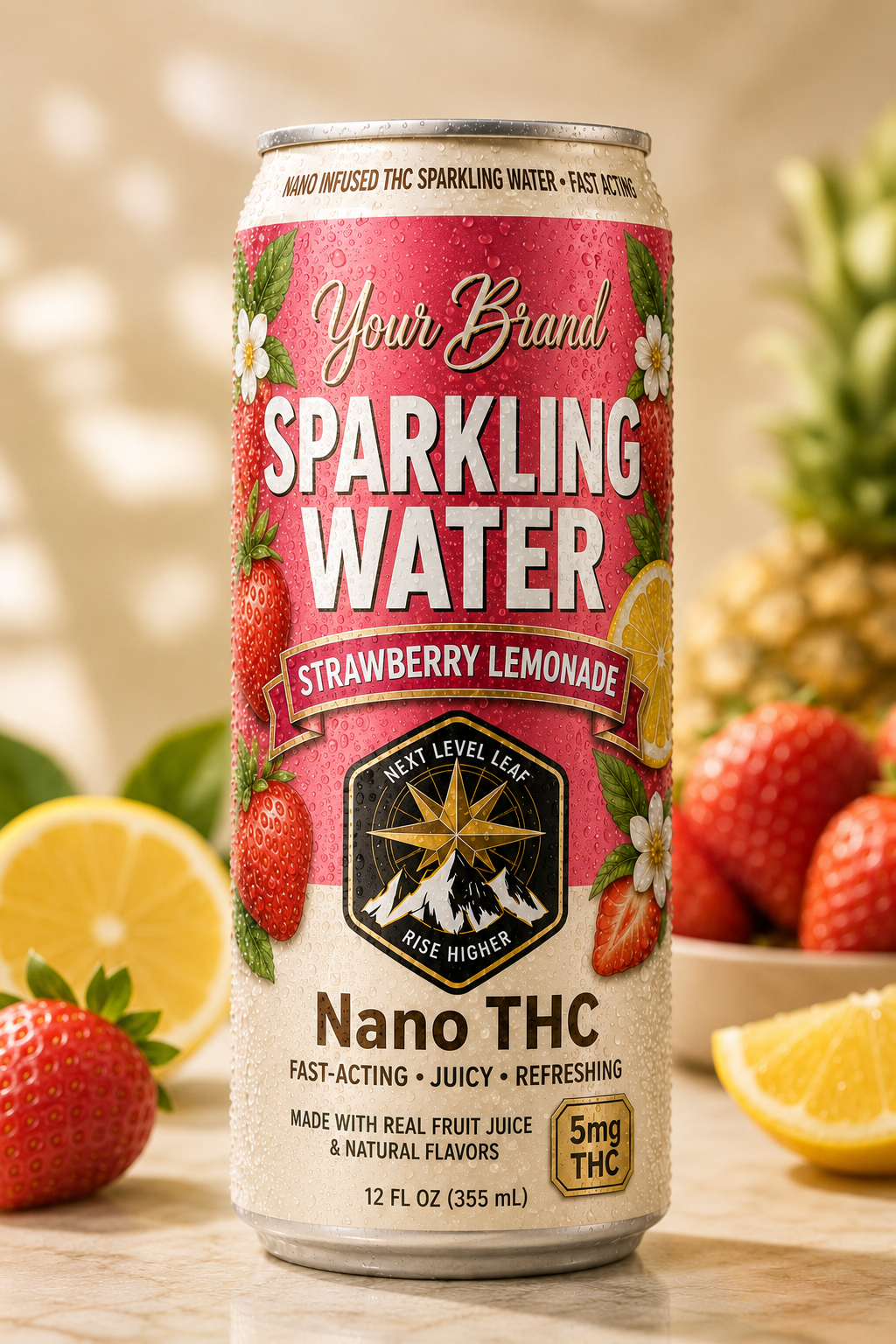
- Strawberry lemonade for a refreshing summer flavor
- Pineapple for a recognizable tropical direction
- Island punch for a bolder lifestyle-driven product
How puree affects packaging and retail presentation
Fruit puree can make a drink more visually interesting. That can support packaging and product photography, especially if the drink has a natural color that matches the flavor direction.
The packaging still needs to be clear and responsible. The fruit story should not make the product feel youth-oriented or candy-like. A stronger approach is premium, adult, refreshing, and easy to understand.
Testing, COAs, and quality control
Puree-based THC beverages still need finished-product testing, batch-specific COAs, label accuracy, and clear documentation. The more complex the beverage, the more important it is to keep production notes and quality expectations organized.
Retailers and distributors may ask about dose, shelf life, storage, ingredients, batch documentation, and finished-product COAs. Having those answers ready can make the product easier to present professionally.
What affects cost, MOQ, and timeline?
Puree-based drinks may require more planning than a simple fruit flavor beverage. The level of customization, ingredient requirements, packaging, and testing expectations can all affect cost and timeline.
- Type and percentage of fruit puree
- Still or sparkling format
- Target THC or cannabinoid dose
- Can or bottle format
- Sweetness and calorie target
- Processing and shelf-life expectations
- Packaging status and label readiness
- Finished-product testing and batch documentation
- First-run quantity and reorder plan
What to prepare before requesting a quote
The quote conversation is much easier when the brand can explain whether puree is required, preferred, or simply part of the concept. That helps determine whether the product needs a white-label, private-label, or custom formulation path.
- Fruit direction or flavor lineup
- Whether puree is required or optional
- Still or sparkling preference
- Target THC or cannabinoid dose per can
- Can or bottle size
- Sweetness and calorie preference
- Packaging status and label readiness
- Target states and sales channels
- Expected first-run quantity and timeline
Where to go next
If you are still comparing real fruit formats, start with the Real Fruit THC Drinks hub. If you want a lighter sparkling path, read Real Fruit THC Sparkling Water. If you want more brand control, review Private-Label Real Fruit THC Drinks. If your puree-based concept is clear, the next step is to request a quote.