

Why white-label can be a smart first step
Many founders want the first version of their product to be fully custom. That can make sense in some cases, but it can also slow down the launch, increase cost, and create more decisions than the brand is ready to make.
A white-label or near-ready private-label path can be a better fit when the goal is to test demand, get real customer feedback, learn which flavors move, and understand whether the product earns a reorder.
The first run does not have to solve every future product idea. It should help prove whether the market wants the beverage enough to justify the next run.
What makes real fruit a strong white-label direction?
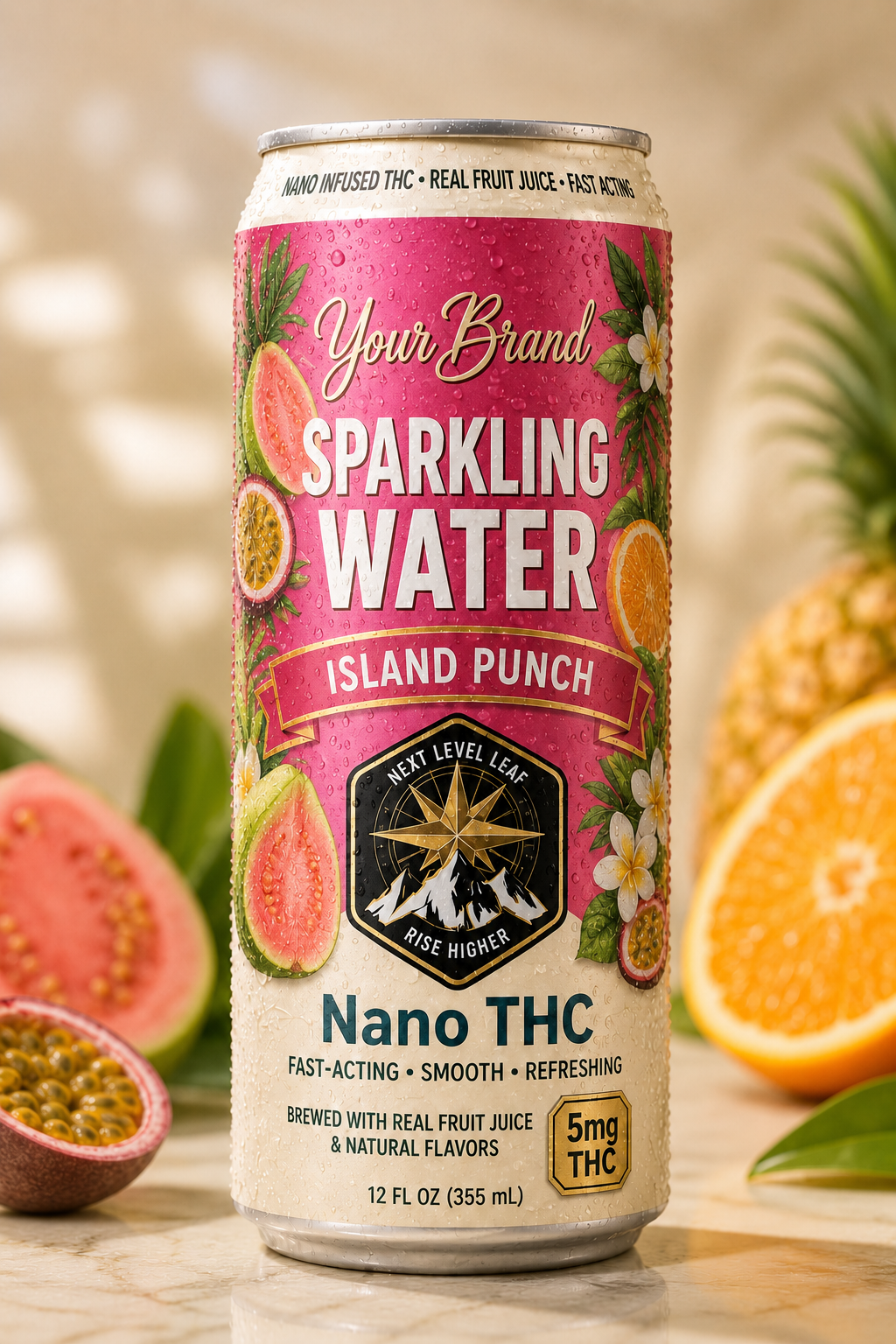
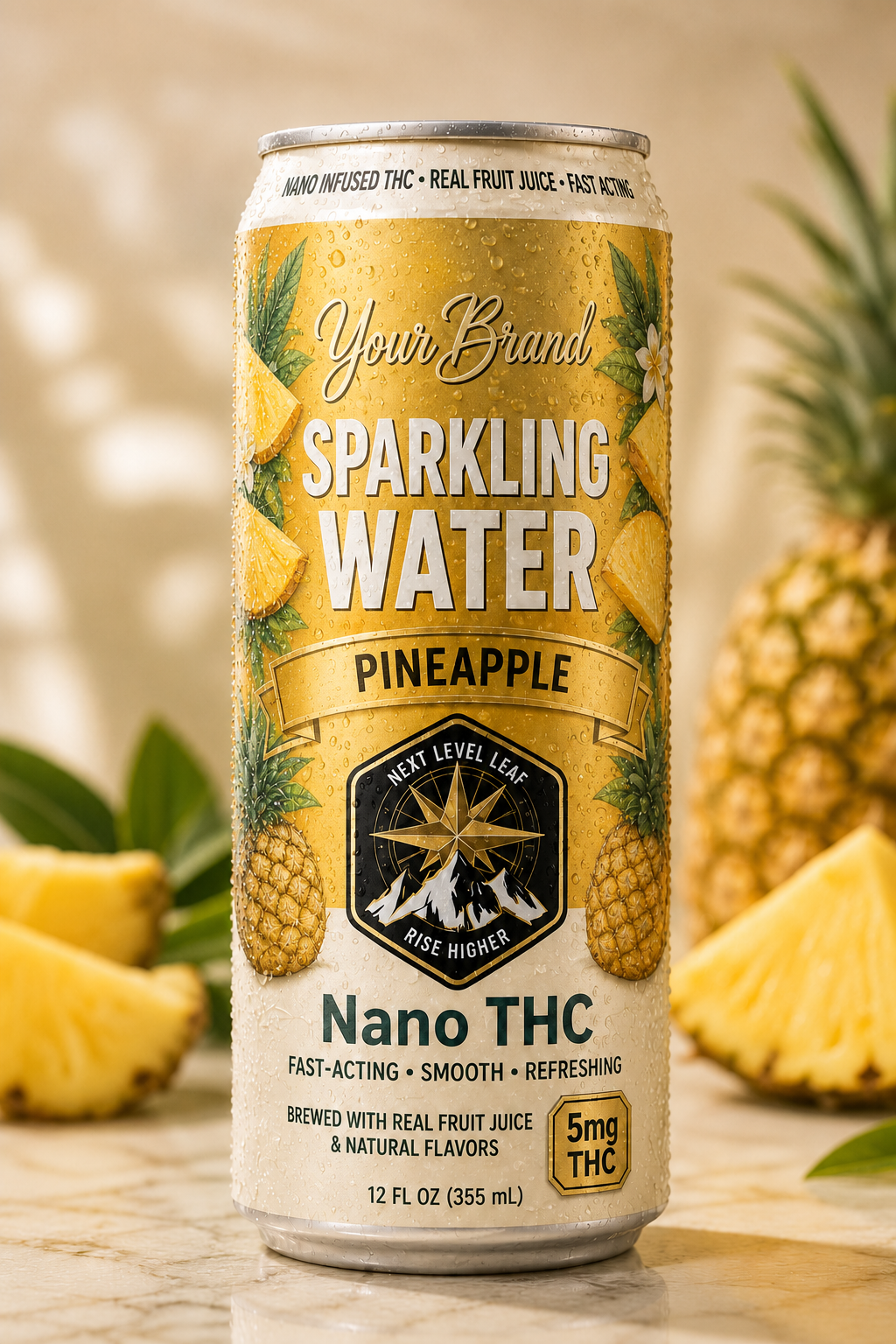
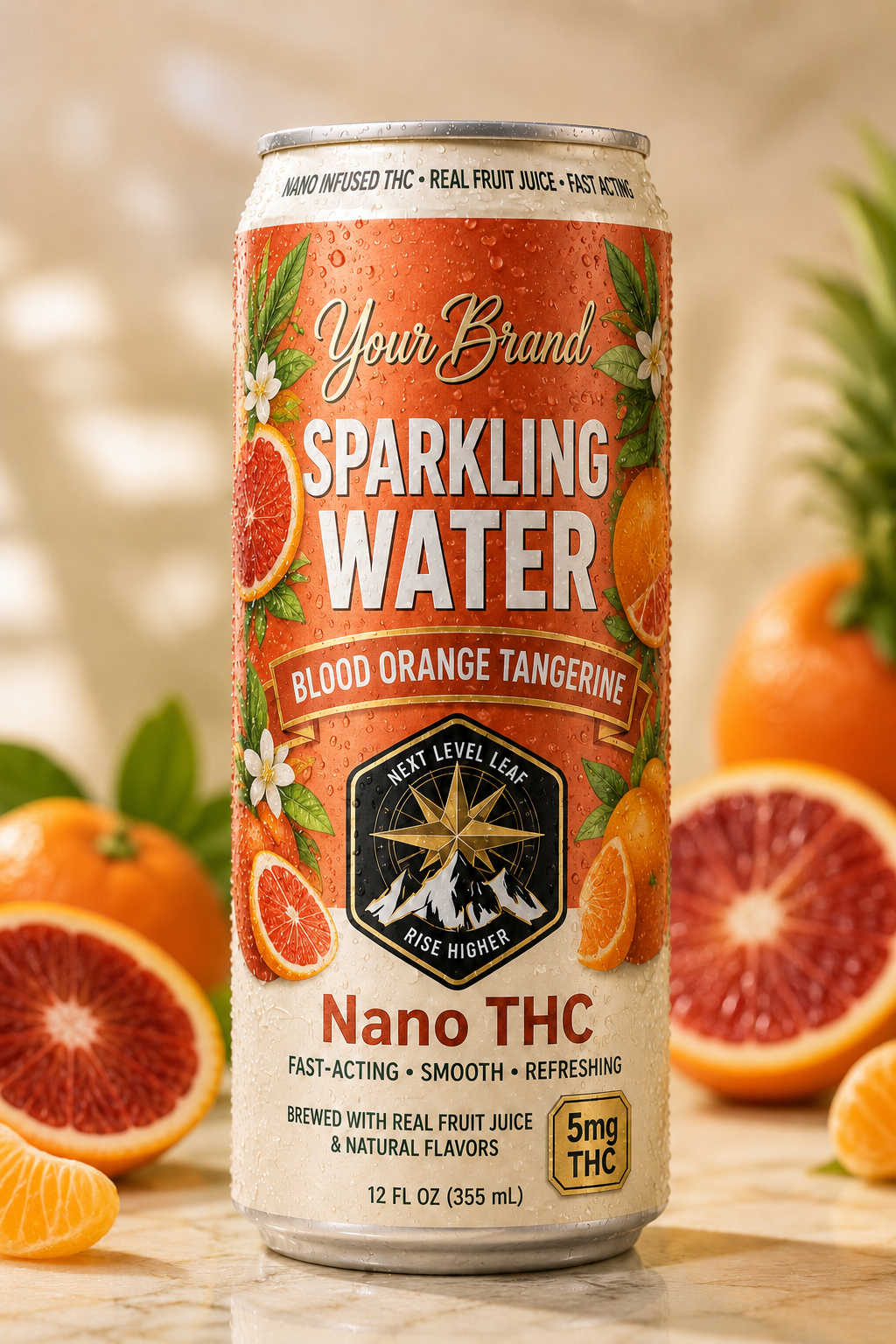
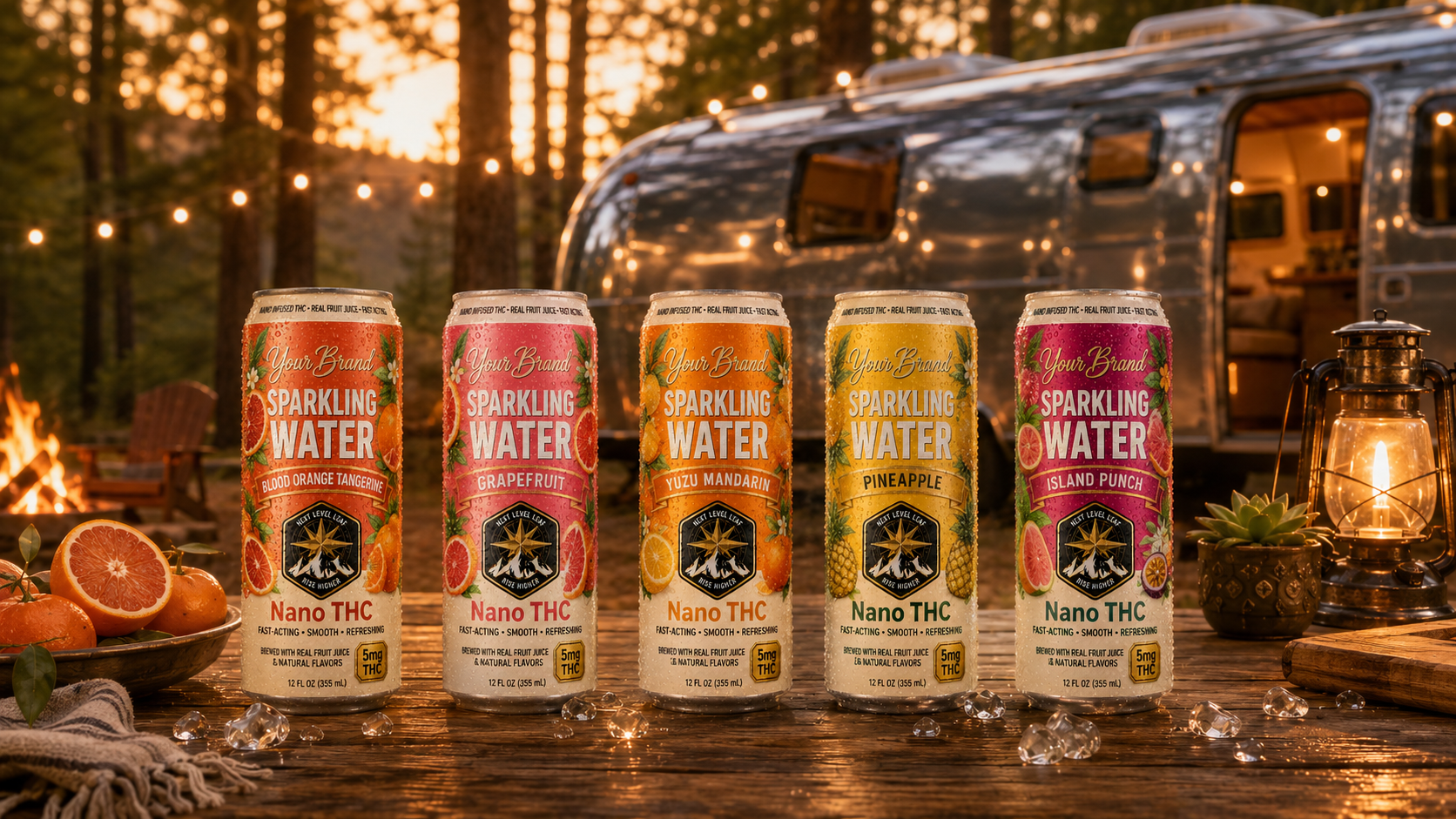
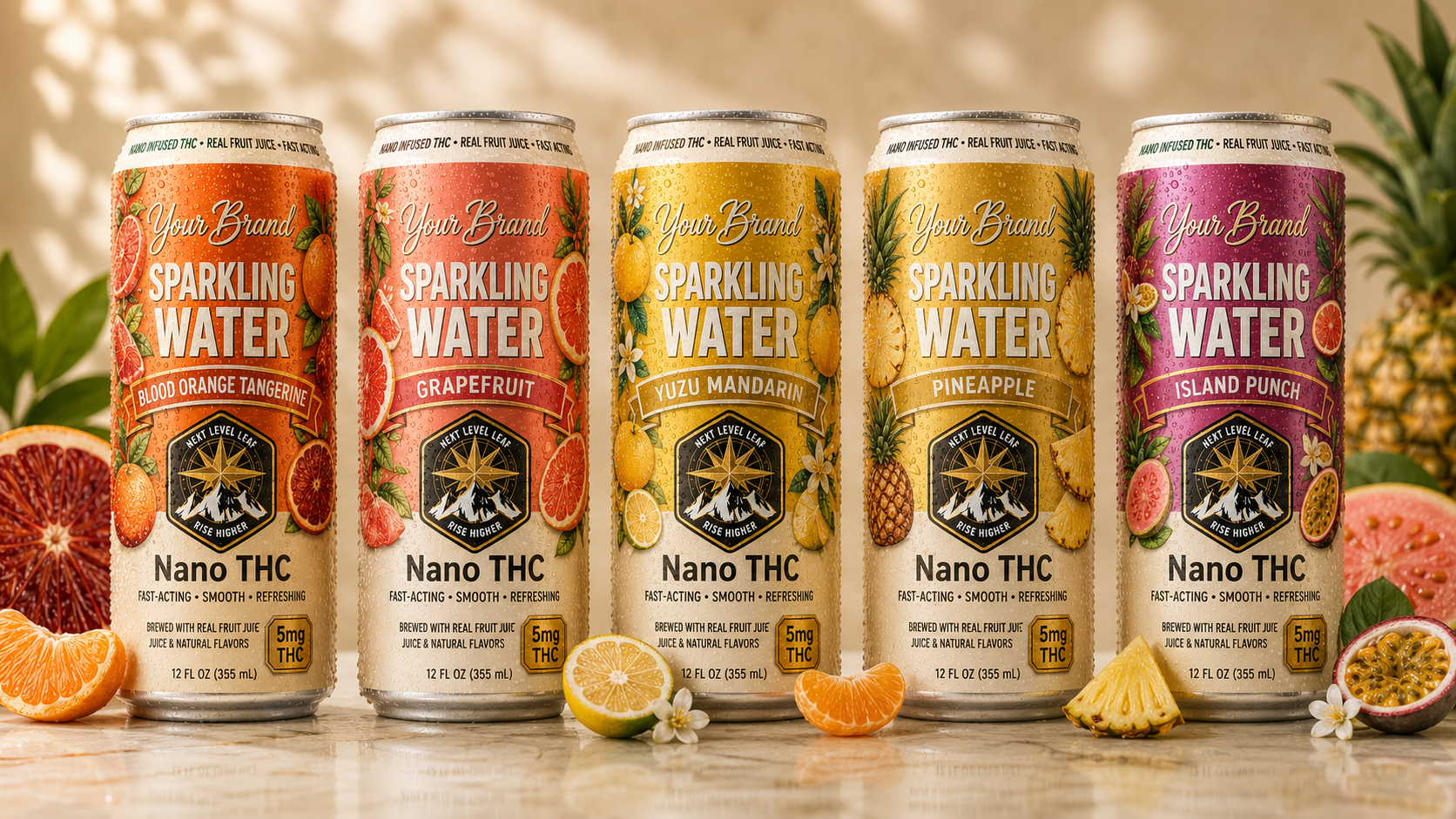
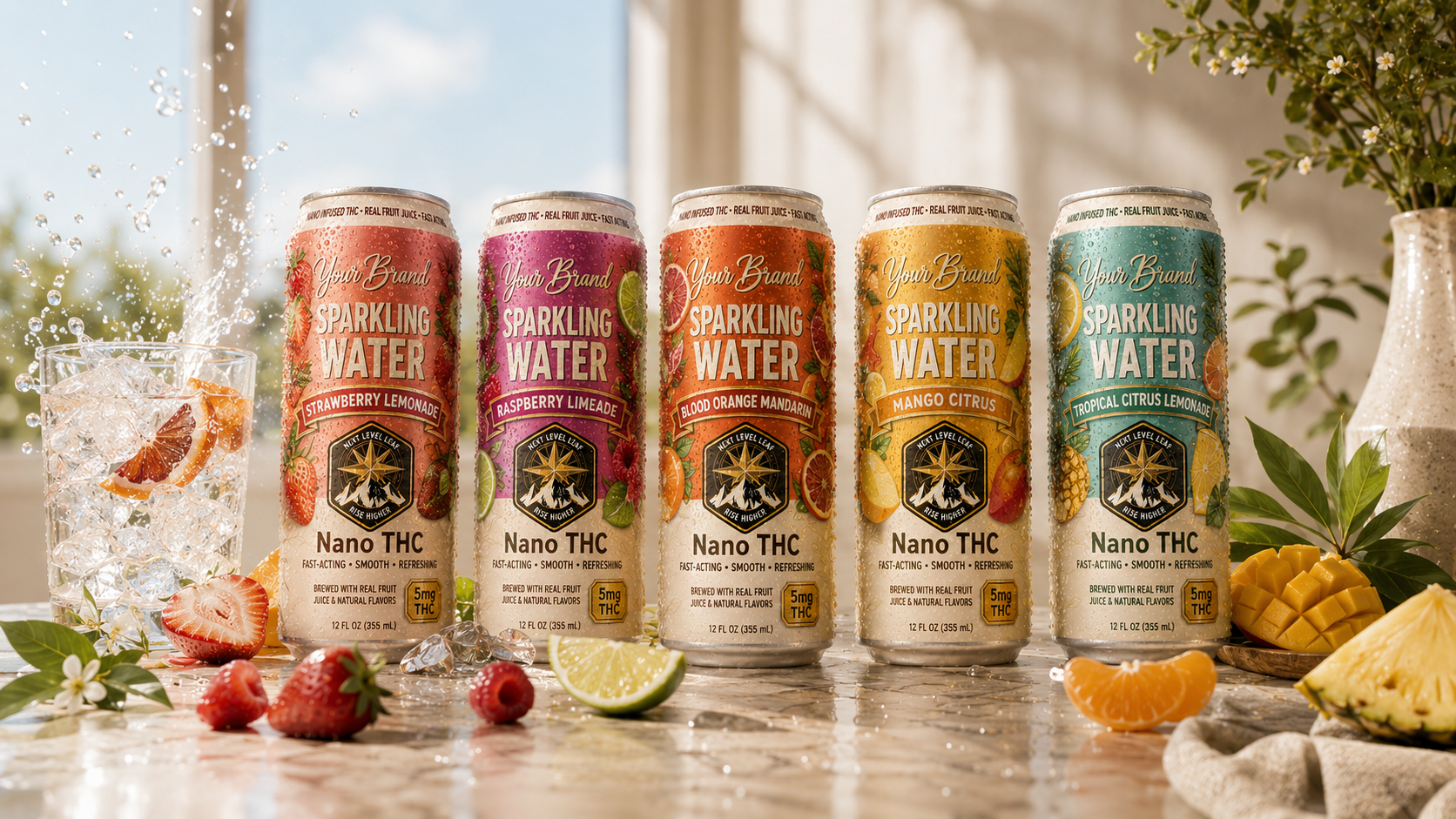
Real fruit gives the product a clearer story. Customers understand fruit before they understand the manufacturing details. Blood orange mandarin, grapefruit, pineapple, yuzu mandarin, tropical citrus lemonade, raspberry lemonade, and strawberry lemonade all create a product experience that is easy to imagine.
For a brand, that matters. A fruit-forward THC drink can feel refreshing, premium, adult, and visually strong without needing to over-explain the concept.
Launch with less friction
A white-label framework can reduce the number of custom formulation decisions needed before the first production run.
Give customers a simple story
Fruit-forward flavors are easy to understand and can make the beverage feel more familiar, refreshing, and retail-ready.
Learn before going bigger
The first run can help the brand test flavor, dose, packaging, sell-through, and reorder potential before scaling.
White-label vs private-label vs custom formulation
White-label real fruit THC drinks usually start with a more production-ready framework. Private-label may allow more brand-specific decisions while still avoiding a fully custom build. Custom formulation is usually more involved and may be best when the brand needs a specific ingredient stack, fruit system, format, or sensory experience.
The best path depends on how much control you need, how quickly you want to launch, how much R&D you are prepared to do, and how clearly the product is already defined.
Best for speed
A strong option when you want to move faster with a fruit-forward product that is easier to scope.
Best for brand fit
A middle path when you want more control over flavor, dose, packaging, and positioning.
Best for unique builds
Useful when the product needs custom R&D, a specific fruit system, a unique ingredient stack, or a more complex format.
What types of white-label real fruit THC drinks can brands explore?
Fruit-forward THC drinks can take several forms. Some are sparkling and light. Some are still and smoother. Some are juice-inspired. Some use puree or a stronger fruit story. The right option depends on the audience, sales channel, pricing, dose, and packaging plan.
- Real fruit THC sparkling water
- Fruit-forward THC seltzers
- Still fruit THC drinks
- Juice-inspired THC beverages
- Fruit puree THC beverages
- Low-sugar fruit THC drinks
- Lemonade-style THC drinks
- Tropical fruit THC drinks
Real fruit can make the product feel more premium, but the production plan still has to make sense. Fruit direction, dose, packaging, shelf-life planning, testing, and first-run quantity all need to fit together.
What makes a white-label real fruit drink quote-ready?
A project becomes easier to quote when the main decisions are clear. You do not need a finished formula to start the conversation, but you should have a practical product direction.
For example, “we want a fruit THC drink” is broad. “We want a 10mg sparkling grapefruit THC drink in a 12oz slim can for a regional retail launch” gives the production team something much more useful to evaluate.
Packaging and retail presentation
Fruit-forward drinks are visual products. Packaging should make the flavor easy to understand while keeping the product adult, premium, and appropriate for the channel.
That means the label should communicate the flavor, dose, serving size, brand identity, and product type clearly. It should also support retailer questions around finished-product testing, batch-specific COAs, and documentation.
Testing, COAs, and quality control still matter
A strong product story is not enough. A serious THC beverage needs finished-product testing, COAs, batch documentation, packaging checks, and clear quality expectations.
This is especially important for B2B conversations. Retailers, distributors, and buyers are more likely to trust a product when the brand can provide clear documentation and explain what is in the can.
Flavor directions that can work well
Real fruit white-label drinks often work best when the flavor is familiar enough to understand quickly but specific enough to feel premium. Citrus, tropical, berry, and lemonade profiles are strong starting points.
- Blood orange mandarin for a premium citrus direction
- Grapefruit for a tart, cocktail-adjacent profile
- Yuzu mandarin for a modern, differentiated citrus flavor
- Pineapple or mango citrus for tropical positioning
- Raspberry lemonade or strawberry lemonade for familiar fruit-and-citrus appeal
- Island punch for a bolder, lifestyle-driven tropical direction
What affects MOQ, cost, and timeline?
White-label production can be simpler than a fully custom build, but the details still matter. MOQ, cost, and timing are shaped by the beverage format, fruit system, cannabinoid dose, packaging, testing expectations, and production schedule.
- Still or sparkling format
- Fruit flavor, juice, or puree direction
- Target THC or cannabinoid dose
- Can or bottle size
- Sweetness and calorie target
- Packaging status and label readiness
- Testing, COAs, and batch documentation
- Expected first-run quantity and timeline
What to prepare before requesting a quote
The quote process becomes more useful when you can describe the product in practical terms. Start with the details that shape production.
- Fruit direction, such as grapefruit, blood orange, pineapple, mango, yuzu, berry, or lemonade
- Still or sparkling preference
- Target THC or cannabinoid dose per can
- Can or bottle size
- Sweetness and calorie preference
- Whether you want fruit flavor, juice, puree, or a cleaner-label direction
- Packaging status
- Target states and sales channels
- Expected first-run quantity and timeline
Where to go next
If you are still comparing fruit-forward options, start with the Real Fruit THC Drinks hub. If you want a sparkling format, review Real Fruit THC Sparkling Water. If you are comparing production paths, read Co-Packing vs White Label THC Beverages. If your concept is clear, the next step is to request a quote.