

Define the product
Control the formula, cannabinoid amount, ingredients, sensory targets, package, label version, and other agreed requirements.
Understand how a commercial beverage is tied to one product specification, one identifiable batch, and the records used to support testing, release, sales, and repeat production.
Good quality control does not begin with the laboratory report. It begins before production, when the formula, ingredients, package, label, testing plan, and release requirements are defined.
Updated August 25, 2026
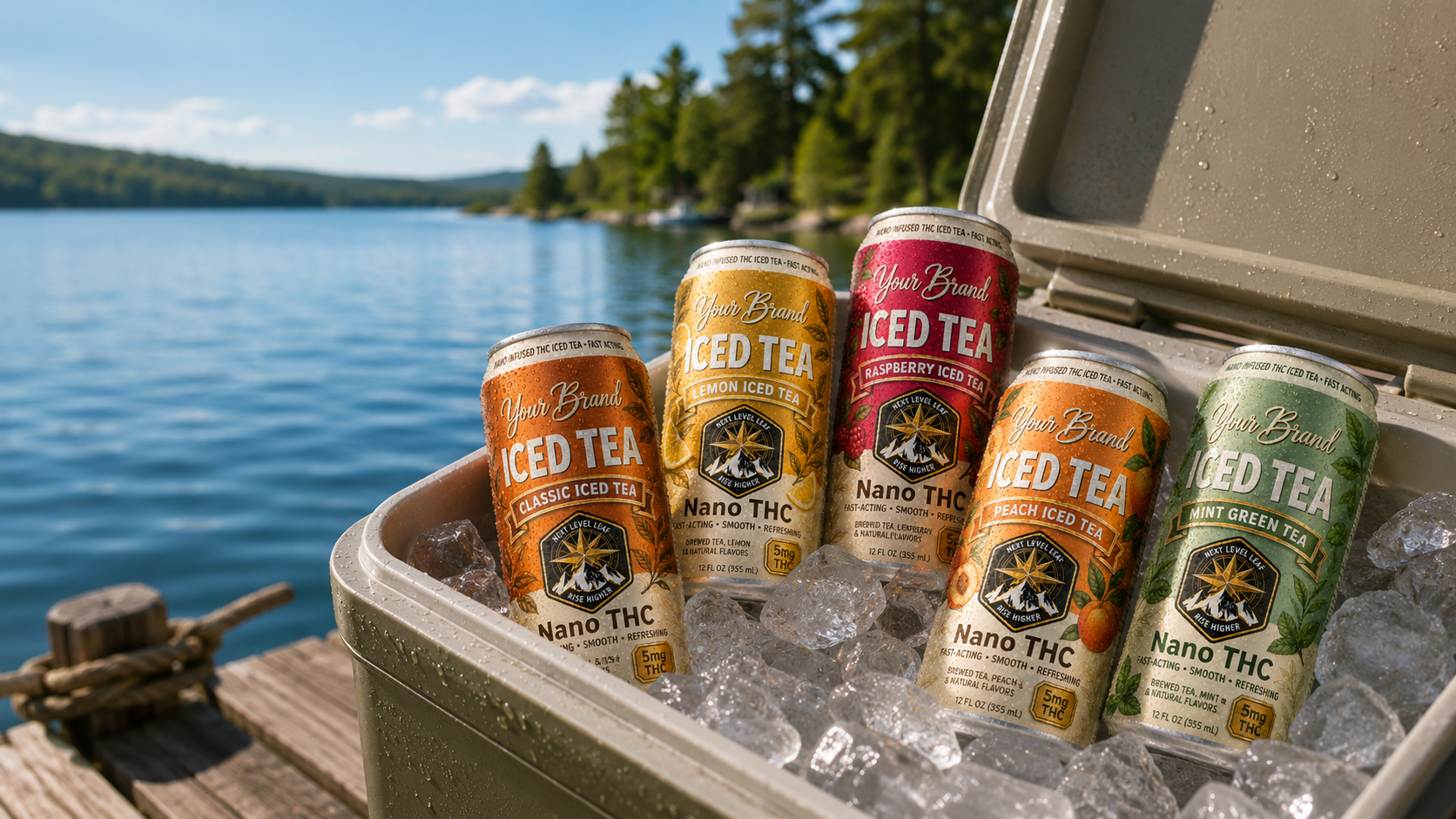
A useful quality system connects the product in the package to its formula, ingredients, production record, testing, and lot identity.
Short answer: THC beverage quality control should connect the approved specification to ingredients, production, packaging, finished-product testing, release records, and the exact batch sold.
That connection helps a brand answer practical buyer questions: What was made? Which batch is this? Does the package match the product? What was tested? Which records support release? What happens if a problem is reported?
The quality path
The testing panel and release requirements should be defined for the actual product, markets, and sales channels.
Control the formula, cannabinoid amount, ingredients, sensory targets, package, label version, and other agreed requirements.
Match received ingredients to approved suppliers, identities, lots, specifications, and available supporting records.
Confirm the current formula, packaging components, artwork version, quantities, test plan, and production instructions.
Document batching, processing, filling, closure, coding, labeling, case packing, and relevant in-process checks.
Review the correct product, label, lot code, closure, container condition, case configuration, and count.
Use the defined laboratory plan to evaluate the batch-specific beverage against the applicable specifications.
Confirm that required records, checks, and results are complete before inventory enters the sales channel.
Keep records that allow the team to answer questions, investigate complaints, identify affected lots, and prevent repeat issues.
A repeatable beverage needs a current source of truth for what should be made. The specification should identify the formula version, target cannabinoid amount, ingredients, package, label, sensory expectations, testing plan, and other product requirements.
When the formula, supplier, cannabinoid input, package, artwork, or test requirement changes, the current version should be identified before production. Quiet changes make it harder to compare batches and determine what a customer actually received.
Quality control is the documented connection between what the brand approved, what production made, what the laboratory tested, and what the customer received.
Supplier documents and ingredient certificates help establish what entered production. They do not prove the final cannabinoid amount or other batch-specific results in the finished beverage.
The finished product has gone through batching, mixing, processing, filling, and packaging. The testing plan should therefore connect to the beverage being sold, using a sample identity and batch or lot reference that match the finished inventory.
Read water-dispersible THC, beverage stability and shelf life, and the production process for the product-development context.
There is no single laboratory panel that automatically fits every THC beverage. The right plan depends on the formula, package, process, label, sales channels, and applicable jurisdictions.
Before production, identify:
Product-specific legal and regulatory review remains necessary. A laboratory report does not, by itself, establish that a formula, label, claim, package, or sales plan is lawful in every market.
A certificate is useful only when it clearly connects to the correct product and batch. When reviewing a finished-product report, confirm:
| Check | Buyer question | Why it matters |
|---|---|---|
| Laboratory identity | Who performed the work, and do the required credentials apply? | The report should identify the responsible laboratory. |
| Product and sample | Does the name and description match the finished beverage? | A report for an ingredient or another SKU is not the same result. |
| Batch or lot | Can the report be tied to the cans or bottles being sold? | Traceability depends on a clear batch connection. |
| Dates | When was the sample received, tested, and reported? | Dates help connect the report to the production and release timeline. |
| Methods and analytes | What was evaluated and how? | The report should address the defined testing plan. |
| Units and results | Are the units clear and relevant to the package or serving? | Unclear units can cause incorrect conclusions. |
| Specification review | Do results meet the agreed product and market requirements? | A result needs context before it supports release. |
Quality control includes the finished package, not only the beverage. Before release, the team should confirm the correct container, closure, label or decoration, flavor, cannabinoid statement, lot code, case configuration, and visible condition.
Artwork and legal review should occur before packaging is printed. The brand should verify that the final file matches the intended formula and sales plan. A manufacturer may perform production and quality checks, but those checks do not replace the brand's product-specific legal review.
Production completion and product release are not always the same moment. The agreed plan may require completed batch records, packaging checks, finished-product results, or other documentation before inventory is distributed.
The responsible parties should know who reviews the information, which conditions must be met, how the release is documented, and what happens if something is missing or outside the agreed specification.
A lot or batch identifier should connect finished inventory to the production record, ingredients, packaging, testing, release decision, and distribution information available to the brand.
If a retailer or customer reports a problem, record the product, batch, date, complaint, purchase or storage information, photographs, and any available sample. Use the records to define the affected scope, investigate the likely cause, document the decision, and make the appropriate correction.
Clear traceability turns a vague product complaint into a question that can be investigated.
Retailers and distributors may ask for product specifications, ingredient information, finished-product reports, lot identification, storage guidance, insurance or business records, and other documentation. The exact request varies by buyer and market.
Organize the current documents by product and batch so the sales team can answer a legitimate request without searching across old emails or sending an outdated file.
Make the correct document easy to find, but do not treat document availability as a substitute for product, label, or market review.
As a brand adds orders, flavors, doses, packaging versions, and markets, the number of records grows. The team needs to know which formula, artwork, package, test plan, and specification apply to each run.
The standard commercial starting point is approximately 1,200 cans per flavor and dose. A selective 360-can prototype option may be available for qualified projects when a smaller validation run is appropriate.
Next Level Leaf can also help qualified brands plan multi-pallet orders, larger-volume programs, recurring production, and expanding product lines. Quality expectations should remain connected to every SKU and batch as volume grows.
| Your stage | Next resource | Action |
|---|---|---|
| You are defining the beverage | Formulation hub | Clarify the formula, cannabinoid system, flavor, stability, and product requirements. |
| You are preparing for production | Production process | Connect the specification, package, materials, schedule, testing, and release path. |
| You are building repeat orders | Scaling production | Strengthen forecasting, version control, inventory, quality, and reorder planning. |
| You are evaluating manufacturing fit | Capabilities | Review the formats and project stages Next Level Leaf supports. |
| You are ready to scope the project | Request a quote | Share the product, package, quantity, markets, timing, and testing expectations. |
This page provides general product-development information and is not legal, regulatory, laboratory, or quality-system advice for a specific product.
Related resources
Move up to the manufacturing hub, across to production and scale, or down to a project quote.
Review manufacturing paths, formulation, packaging, quality, and commercial production.
Explore the manufacturing hubSee where specifications, packaging, testing, and release fit in the complete run.
Review the production processPlan version control, inventory, testing, and traceability for larger recurring programs.
Plan for scaleReview the product formats and stages that Next Level Leaf can help support.
Review capabilitiesUse the current state resources as one input to product-specific market review.
Explore state resourcesShare your product, package, quantity, markets, and testing expectations.
Request a production quoteFAQ
These answers cover specifications, testing, certificates, release, traceability, issue response, and repeat production.
Share the beverage format, cannabinoid amount, package, quantity, markets, timing, existing specifications, and testing expectations. We can help identify the manufacturing path and the questions that need to be resolved before production.