

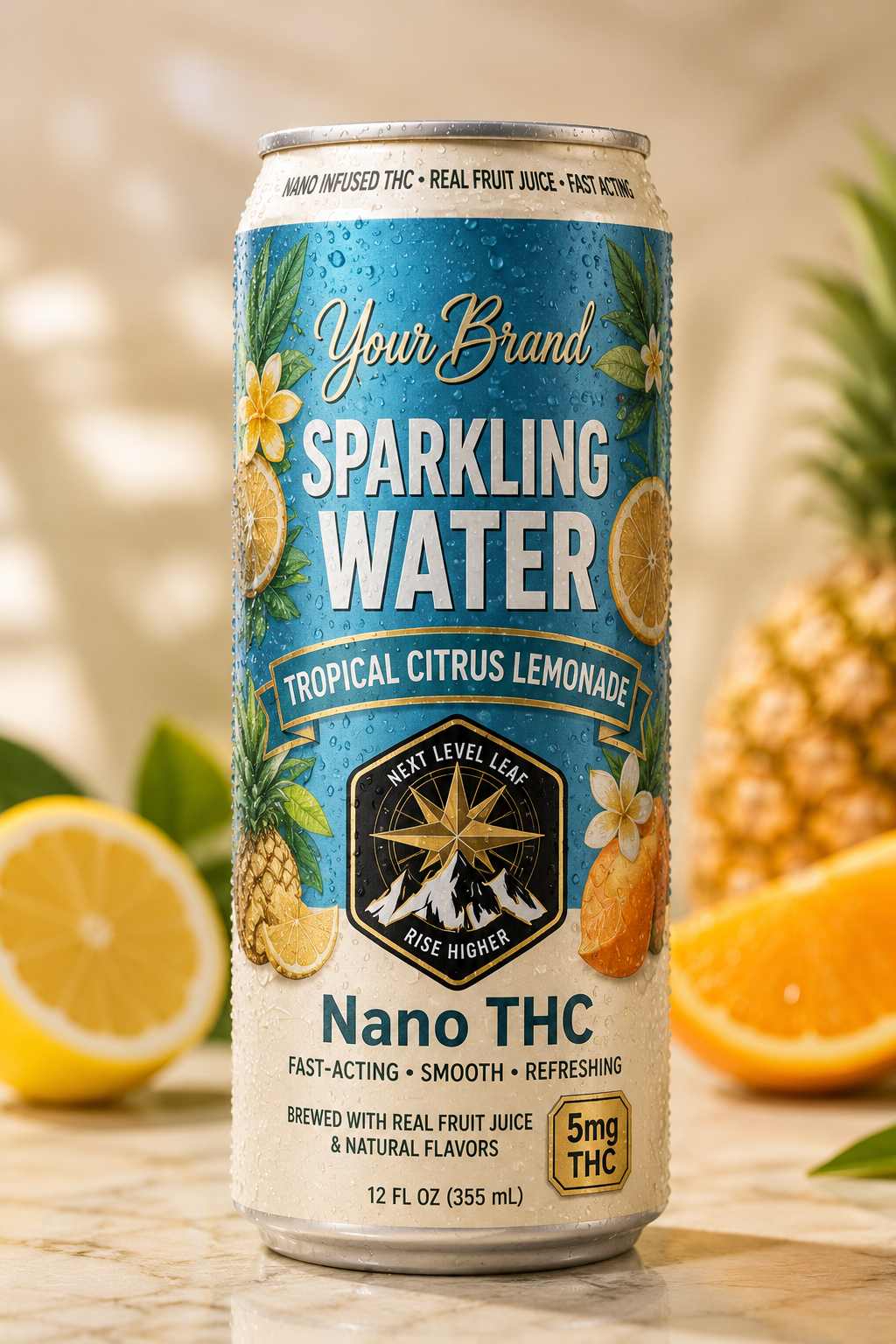
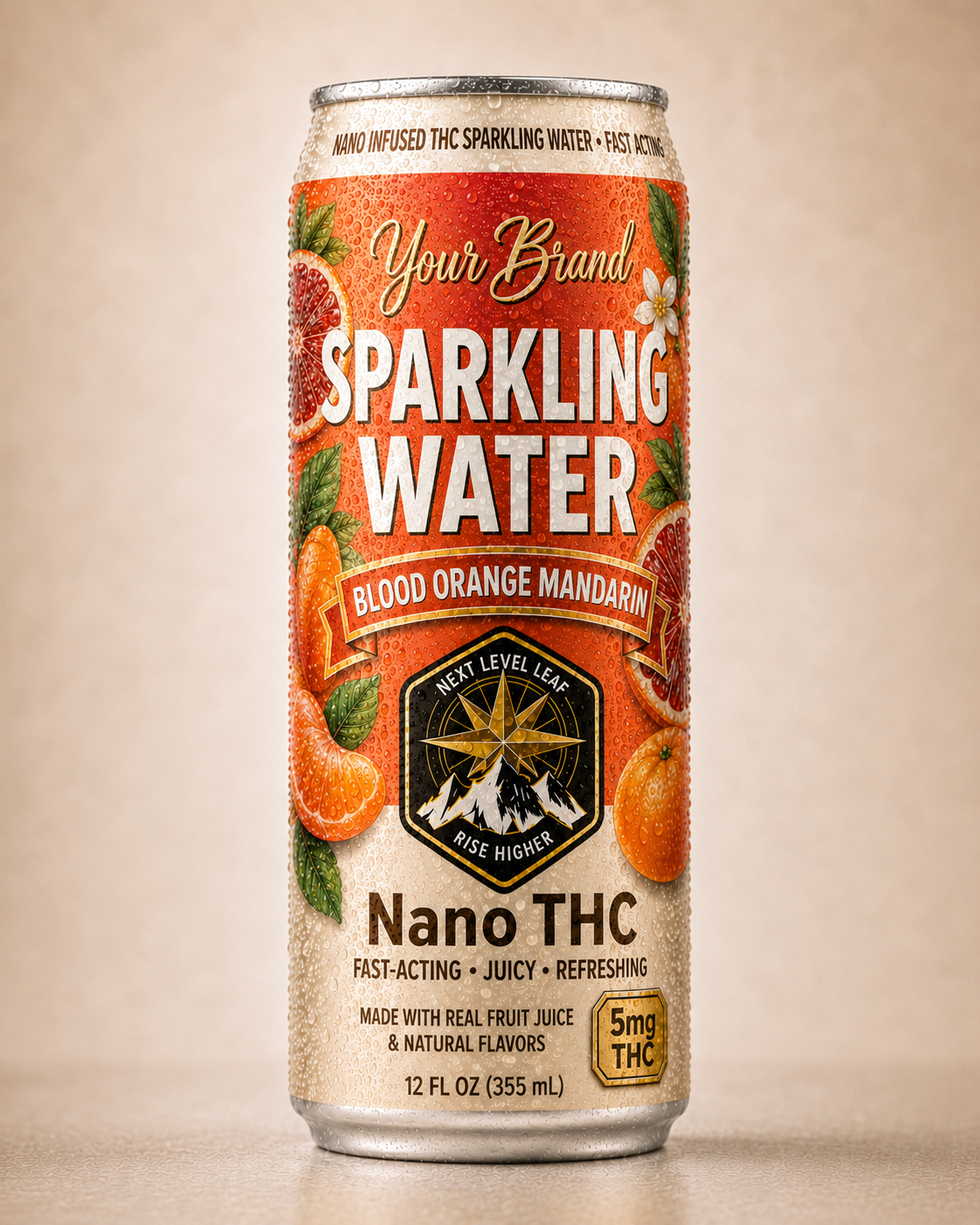
Why formulation matters for real fruit THC drinks
Real fruit beverages can look simple from the outside, but the formula does a lot of work. It has to carry the fruit story, support the infused ingredient, taste balanced, match the packaging, and hold up after production.
That is why formulation should be considered early. Fruit choice, cannabinoid input, sweetness, acidity, carbonation, mouthfeel, color, shelf-life expectations, and packaging all affect each other.
A real fruit THC drink is not just a flavor plus a dose. It is a finished beverage system that needs to taste good, test correctly, package well, and repeat consistently.
The main pieces of a real fruit THC beverage formula
Every product is different, but most real fruit THC drinks are built around a few core decisions. The clearer these decisions are, the easier it becomes to scope the right production path.
Flavor, juice, or puree
The fruit system shapes taste, color, sweetness, body, calories, stability, and the product story.
- Natural flavor
- Juice-inspired profiles
- Puree-based concepts
Dose and experience
The cannabinoid input needs to fit the beverage format, dose target, flavor system, and finished-product testing plan.
- Target mg per can
- Water-compatible input
- Finished-product COAs
Sweetness, acid, and finish
Fruit, acidity, sweetness, carbonation, and infused notes need to work together so the drink feels complete.
- Sweetness level
- Acidity and brightness
- Aftertaste control
How fruit choice changes the formula
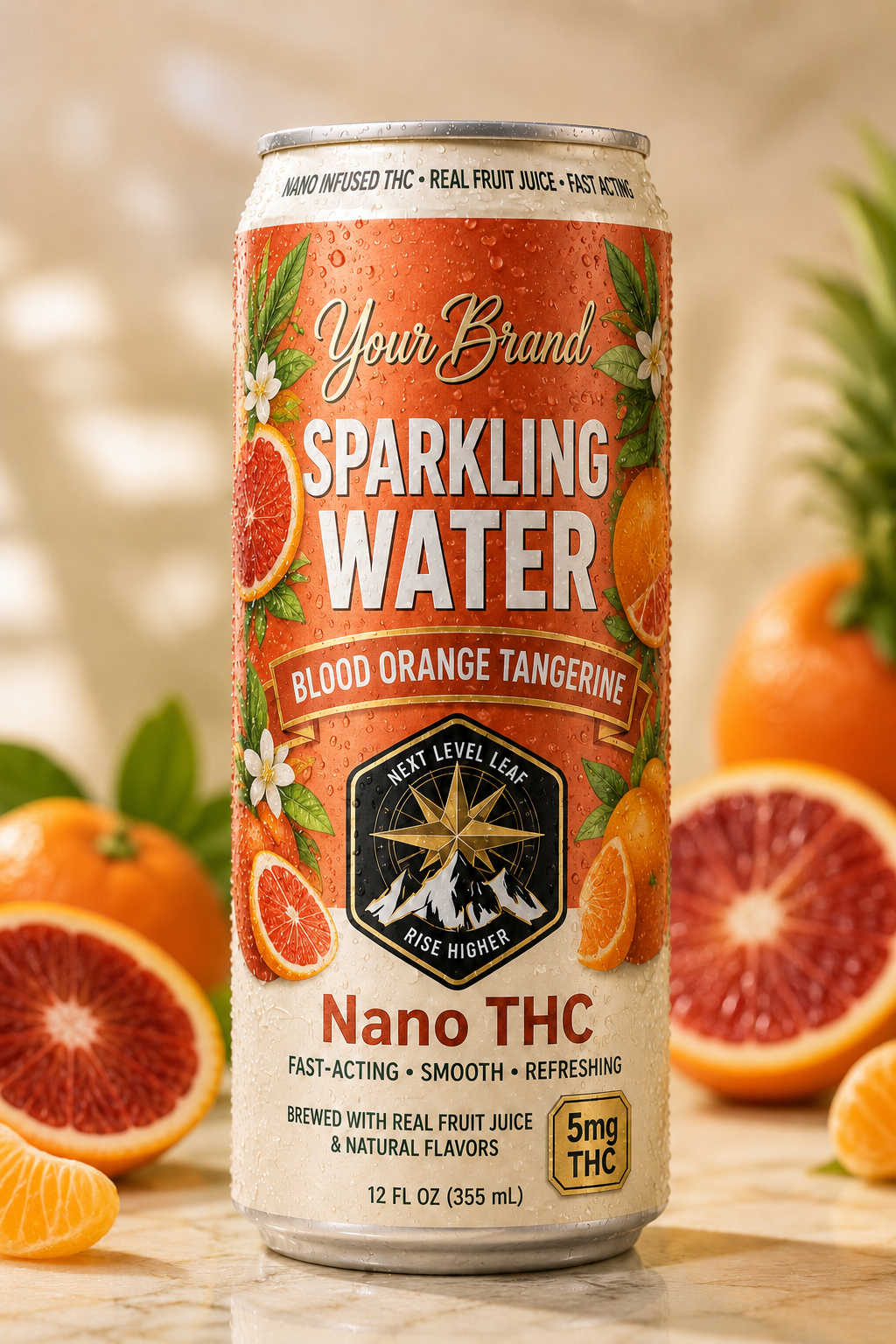
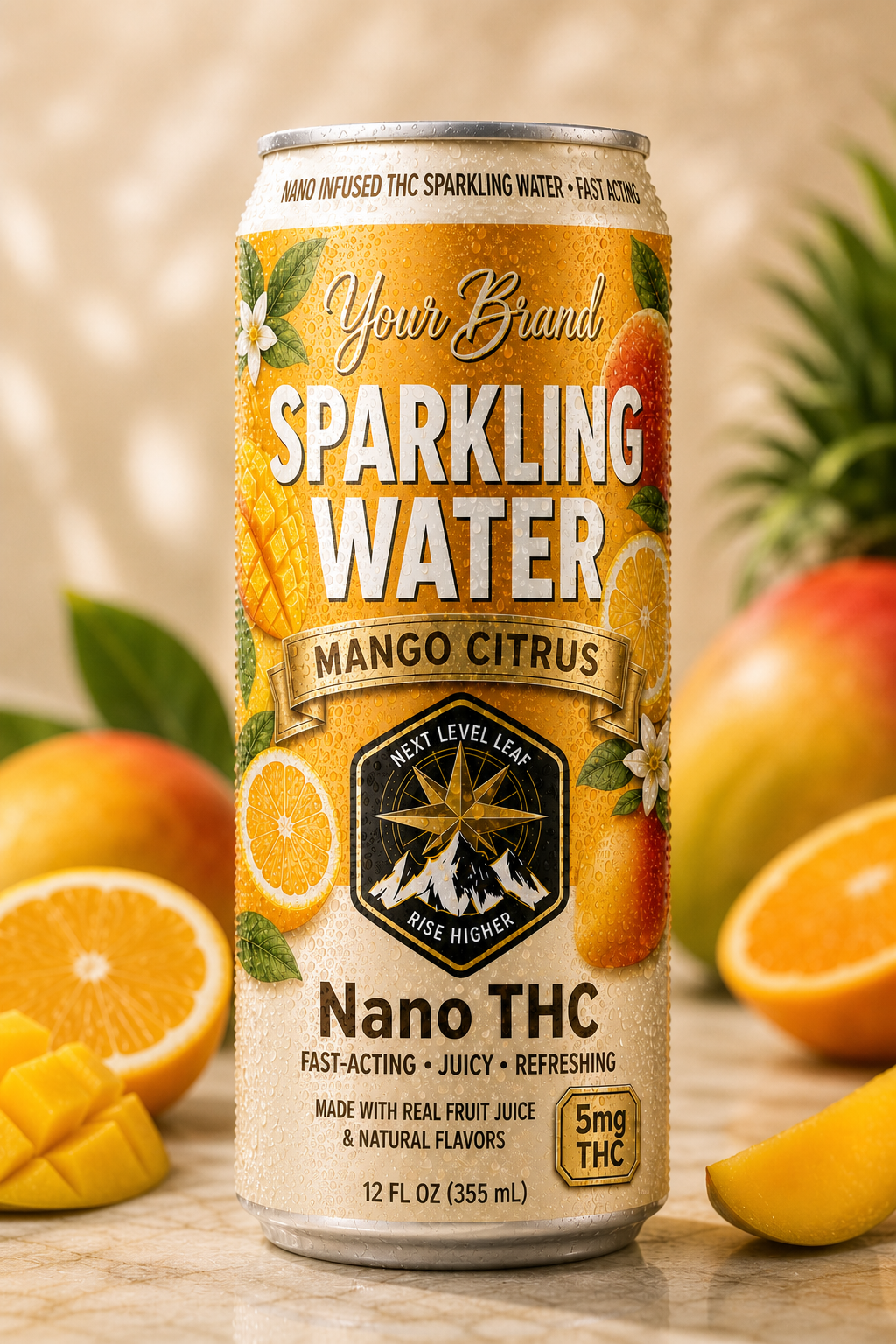
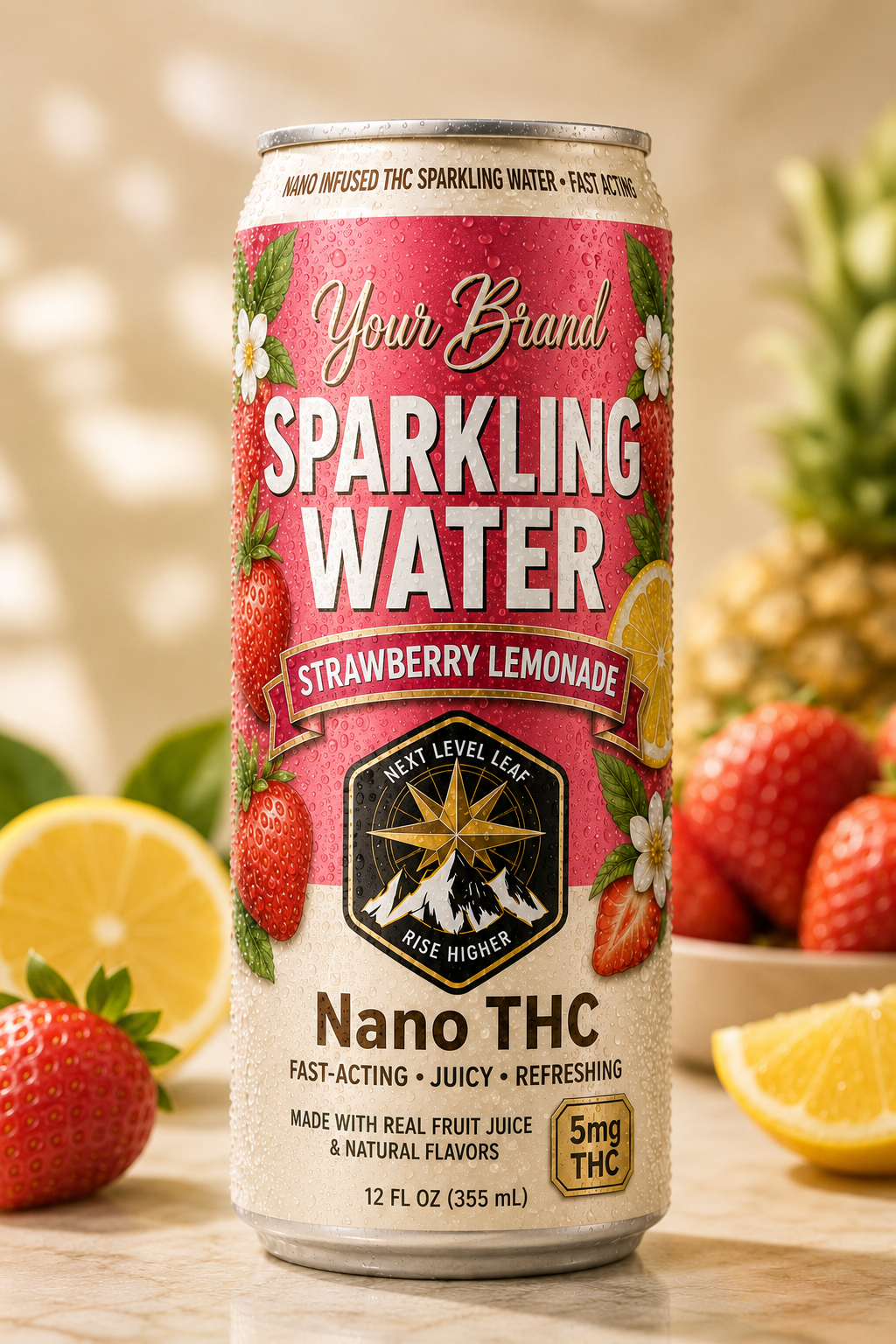
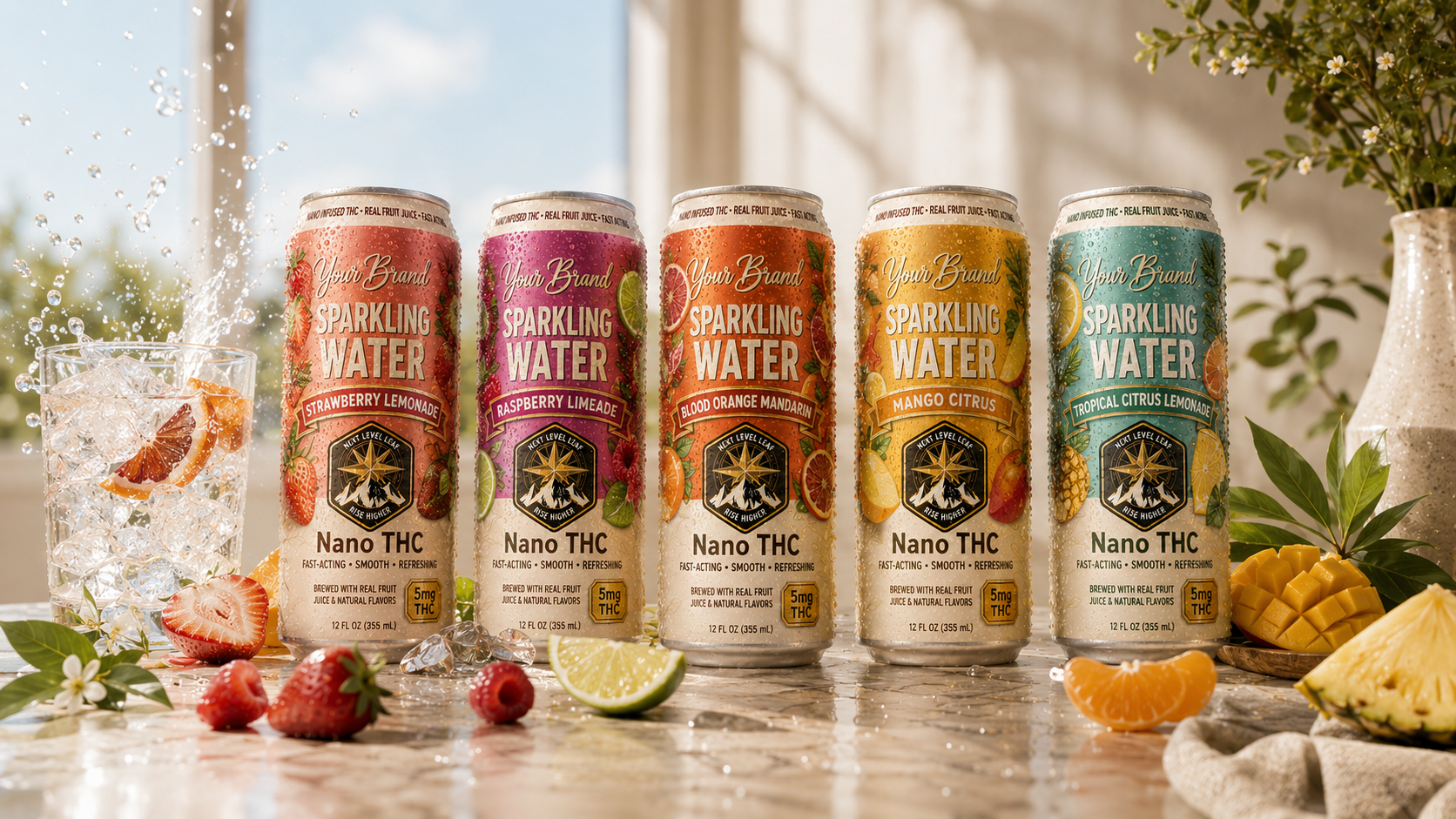
Different fruit profiles behave differently. Grapefruit can feel dry, tart, and adult. Yuzu mandarin can feel premium and modern. Pineapple and mango citrus can feel tropical and bold. Raspberry lemonade and strawberry lemonade can feel familiar and approachable.
Those flavor choices also change what the formula needs. A tart citrus drink may need a different sweetness strategy than a tropical punch. A lemonade-style product may need a different acid balance than a light sparkling water.
Juice, puree, and natural flavor each have tradeoffs
Real juice can create a familiar fruit story, but it can also add sugar, calories, acidity, color, and production considerations. Puree can add body and natural color potential, but it may affect sediment, texture, processing, and stability. Natural flavor can be lighter and more flexible, but the product story needs to be clear and responsible.
Some beverages may use one approach. Others may use a blended strategy, such as a small amount of juice or puree supported by natural flavor to improve taste while managing sugar, cost, and shelf-life planning.
The best fruit system is not always the most complex one. It is the one that gives the brand the right balance of flavor, positioning, cost, production fit, and customer appeal.
How THC affects flavor development
THC inputs can add formulation challenges. The beverage needs enough flavor structure to support the cannabinoid system without becoming overly sweet, overly acidic, or heavy.
Fruit-forward profiles can help because citrus, berry, tropical, and lemonade flavors often have enough brightness and intensity to work with infused beverages. The goal is balance, not cover-up. The finished drink should taste intentional from the first sip through the finish.
Still vs sparkling formulation
Sparkling real fruit THC drinks need to work after carbonation. Carbonation can sharpen acidity, change sweetness perception, and make some flavors feel thinner or more bitter. A flavor that tastes strong in a still sample may need adjustment once it becomes sparkling.
Still fruit THC drinks have different needs. They may need more mouthfeel, a smoother finish, or a different sweetness and acid balance. Still formats can fit flavored water, tea, lemonade, juice-inspired, and non-carbonated alcohol-alternative concepts.
Low-sugar formulation considerations
Low-sugar fruit drinks can be appealing, but reducing sugar changes the beverage. Sugar affects body, flavor carry, balance, and finish. If sugar is reduced, the formula may need more attention to acid balance, flavor intensity, sweetener choice, and mouthfeel.
A low-sugar THC drink should not feel empty. It should still have enough fruit character and balance to feel like a finished beverage.
Color, clarity, sediment, and visual expectations
Real fruit can affect how the drink looks. Some concepts are designed to be clear or lightly tinted. Others may intentionally have stronger color. Puree-based or juice-forward drinks may need extra planning around sediment, separation, cloudiness, and customer expectations.
The visual experience should match the packaging. If the can suggests a bright fruit-forward beverage, the product inside should feel aligned with that promise.
Shelf-life and stability planning
Real fruit drinks need to be planned around shelf life and stability. Juice and puree can affect acidity, color, flavor, microbial risk, sediment, and visual consistency. Sweeteners, flavors, cannabinoids, carbonation, and packaging all play a role.
This is why a formula should be evaluated as a packaged beverage, not just as a good-tasting sample. The product needs to make sense after it is produced, stored, shipped, sold, and reordered.
Packaging, testing, and COAs
Formulation does not stop with the liquid. The finished product needs packaging that communicates the flavor, dose, serving size, and brand position clearly. It also needs finished-product testing, batch-specific COAs, and documentation that can support retail and wholesale conversations.
For a serious launch, the product should be easy to explain and easy to document. Flavor, formula, packaging, testing, and COAs should all support the same product story.
What affects cost, MOQ, and timeline?
Formulation complexity can affect cost and timing. A simple fruit-forward white-label drink may move faster than a custom puree-based beverage with a unique ingredient stack, low-sugar target, and special packaging requirements.
- Fruit flavor, juice, puree, or blended approach
- Still or sparkling format
- Target THC or cannabinoid dose
- Sweetness and calorie goals
- Acidity, mouthfeel, and finish
- Color, clarity, or sediment expectations
- Packaging status and label readiness
- Testing, COAs, and batch documentation
- First-run quantity and timeline
What to prepare before requesting a quote
The quote conversation is much more productive when the brand can describe the product experience clearly. You do not need a finished formula, but you should know the direction you want to explore.
- Fruit direction or desired flavor lineup
- Whether the drink should be still or sparkling
- Target THC or cannabinoid dose per can
- Can or bottle size
- Sweetness and calorie preference
- Whether you prefer juice, puree, natural flavor, or a blended approach
- Any low-sugar, low-calorie, or cleaner-label goals
- Packaging status and label readiness
- Target states and sales channels
- Expected first-run quantity and timeline
Where to go next
If you are comparing ingredient paths, review Real Juice vs Natural Flavor in THC Drinks and Fruit Puree THC Beverages. If you want a lighter product, read Low-Sugar THC Drinks. If your formulation direction is clear, the next step is to request a quote.