

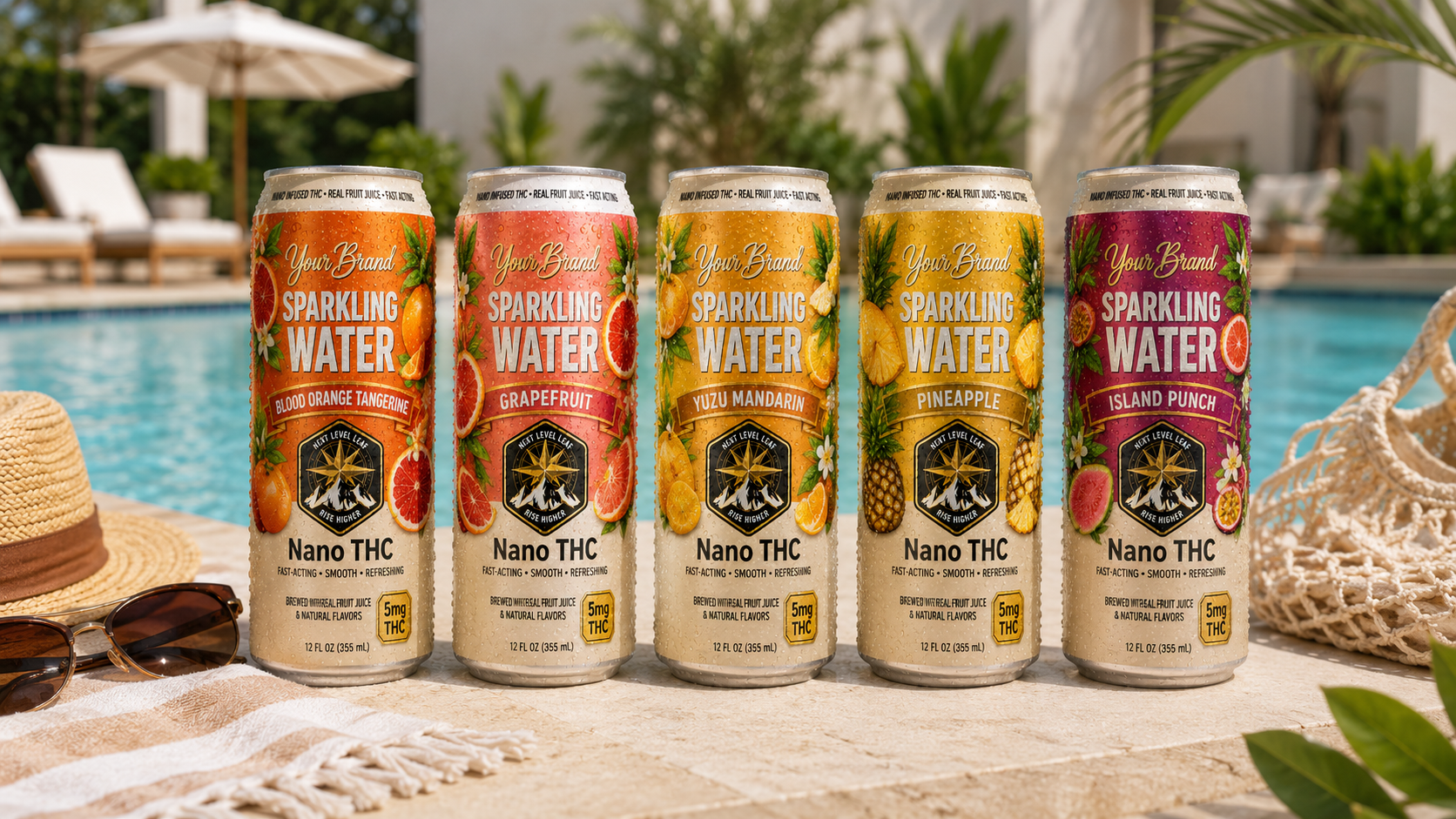
Why low-sugar THC drinks are worth considering
Many customers want THC beverages that feel lighter than a soda and more flavorful than plain sparkling water. Low-sugar drinks can help brands meet that expectation while still creating a product that feels refreshing and adult.
This format can be especially useful for brands that want to compete in premium seltzer, sparkling water, functional refreshment, real fruit, tea, lemonade, or alcohol-alternative categories.
A low-sugar THC drink should not taste like a compromise. The formula needs enough fruit character, acidity, sweetness balance, and dose clarity to feel intentional.
Low sugar does not mean no flavor
One of the biggest mistakes in low-sugar beverage development is removing sweetness without rebuilding the flavor experience. Sugar affects body, balance, aroma, acidity, and how the flavor carries across the sip.
That means the formula has to be built carefully. Citrus, grapefruit, yuzu, berry, lemonade, tropical fruit, and tea-lemonade profiles can help because they give the beverage more structure than a very light flavor alone.
Light and refreshing
Sparkling low-sugar THC drinks can work well when the brand wants a crisp, social, alcohol-alternative product.
- Good for citrus and berry
- Works with seltzer-style positioning
- Can support lower-calorie goals
Smoother and easy to drink
Still low-sugar THC drinks can fit flavored water, tea, lemonade, juice-inspired, or non-carbonated formats.
- No carbonation needed
- Different mouthfeel
- Good for tea and lemonade styles
More flavor identity
Fruit-forward profiles can make a low-sugar drink feel more complete without requiring a heavy juice or soda formula.
- Citrus, berry, tropical
- Cleaner product story
- Premium flavor direction
How real fruit affects sugar and calories
Real fruit can make a beverage feel more premium, but juice and puree can add sugar and calories. That is not automatically a problem, but it has to fit the product promise.
If the brand wants a low-sugar THC drink, the formula may use a lighter real-fruit approach, a fruit-forward natural flavor system, or a small amount of juice or puree supported by other flavor tools. The goal is to keep the product refreshing without making the flavor feel thin.
Sweetener strategy matters
Reducing sugar usually means the sweetness system needs more attention. Some drinks can be lightly sweet. Some may need a non-sugar sweetener. Some may use a blend. The right choice depends on the flavor, calorie target, audience, and product positioning.
The sweetener should support the beverage instead of taking it over. A low-sugar THC drink can lose trust quickly if the finish tastes artificial, the fruit flavor disappears, or the sweetness does not match the drinking occasion.
Low sugar is a positioning advantage only when the drink still tastes good. The beverage has to earn the “better-for-you” story through balance, not just a lower sugar number.
Flavor directions that work well for low-sugar THC drinks
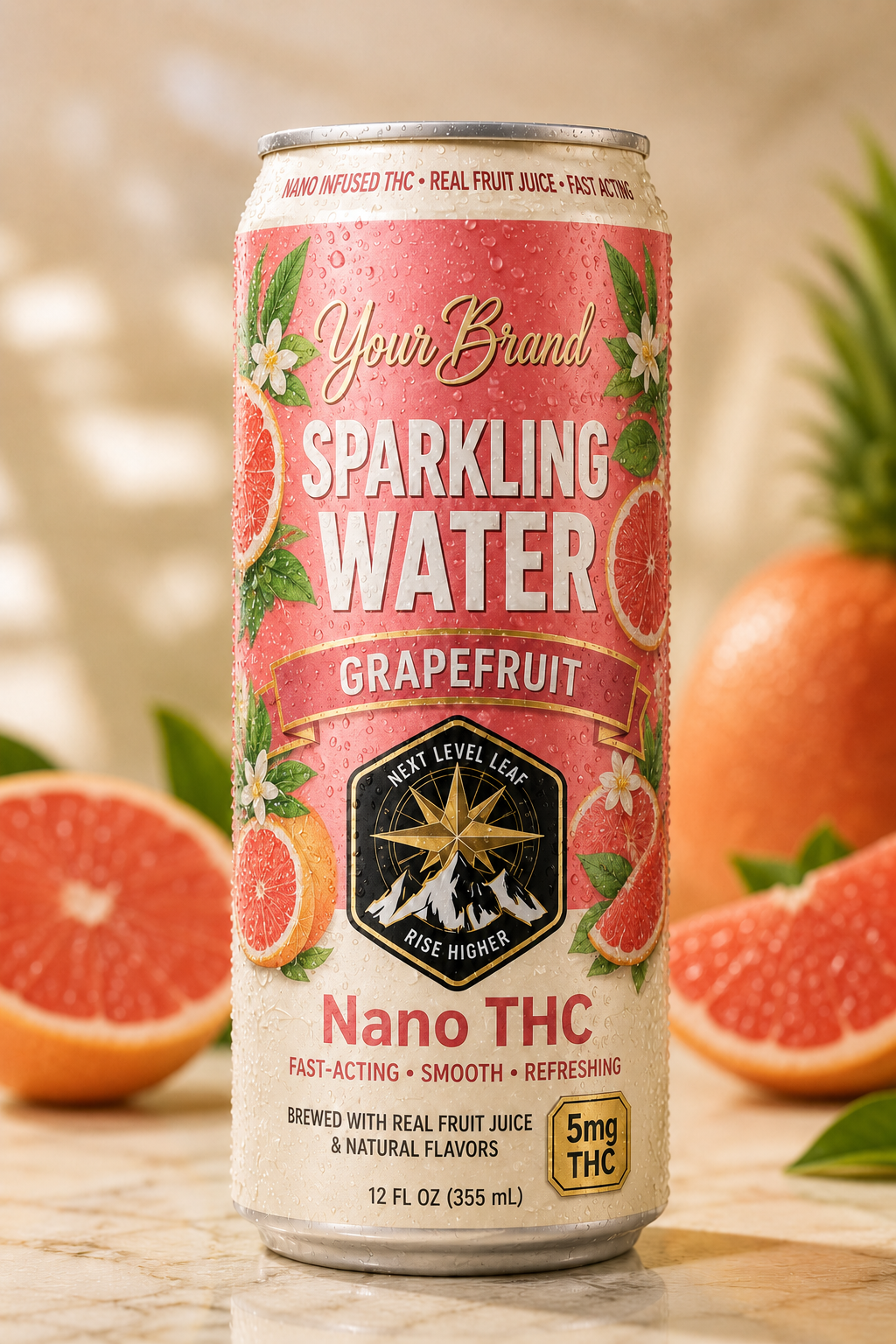
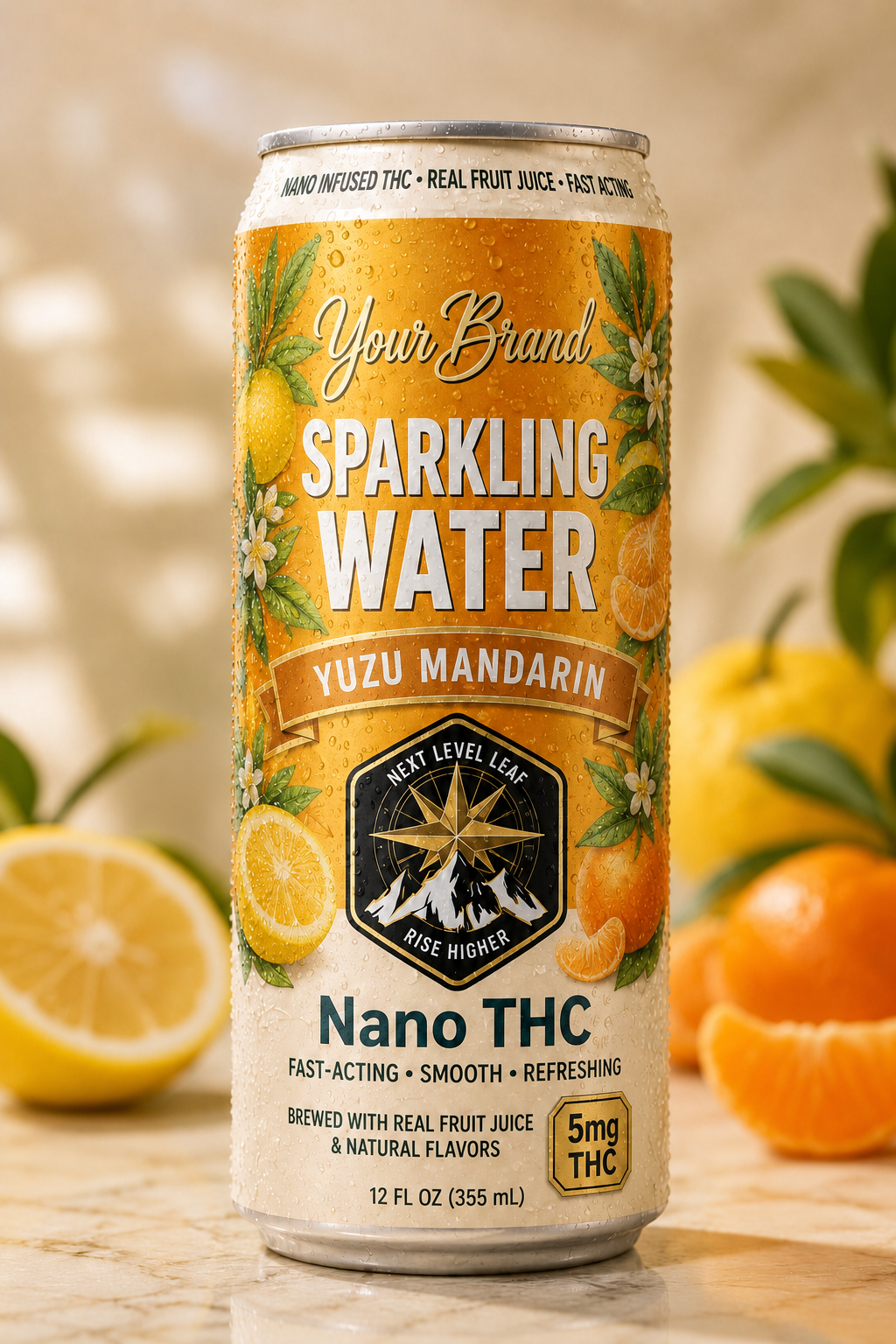
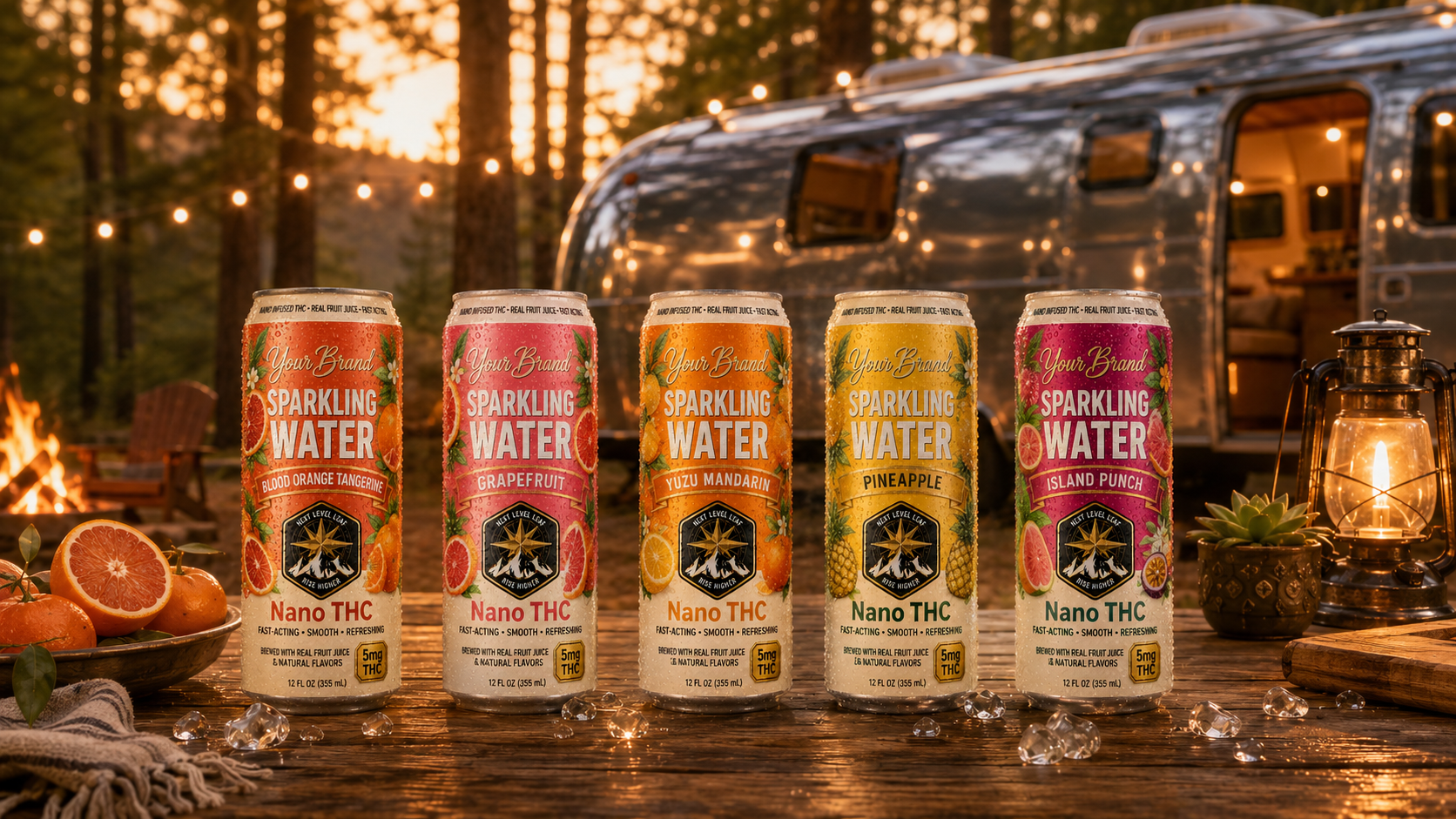
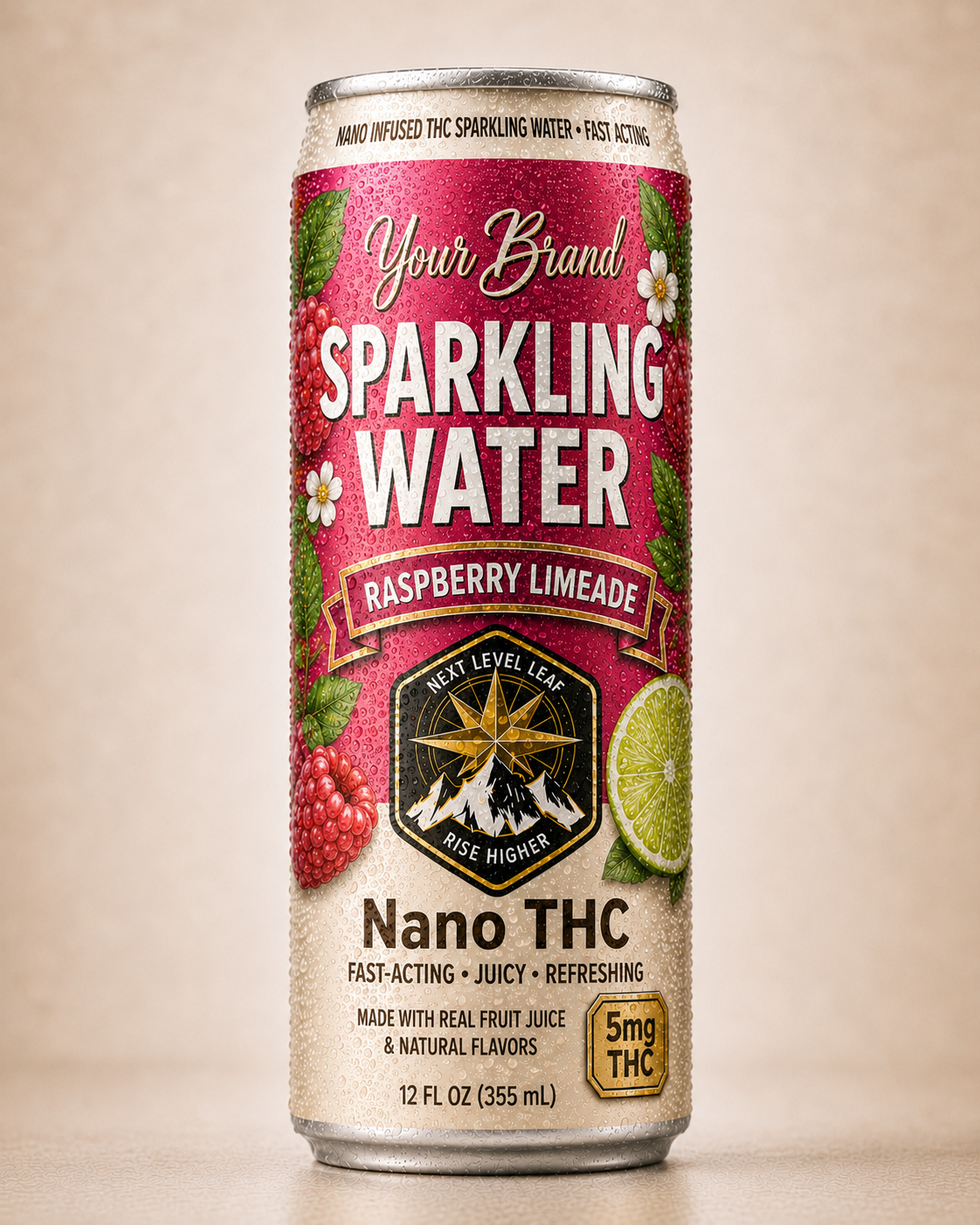
Some flavors naturally support low-sugar beverage design better than others. Citrus, tart berry, grapefruit, yuzu, and lemonade-style profiles can work well because they do not require the same sweetness expectations as a cola, root beer, or fruit punch soda.
- Grapefruit for a dry, tart, adult profile
- Yuzu mandarin for a modern premium citrus direction
- Raspberry lemonade for a familiar berry-citrus balance
- Strawberry lemonade for a more approachable summer direction
- Mango citrus for a tropical profile with acidity
- Blood orange mandarin for a premium citrus product story
Low-sugar THC drinks vs THC soda
THC soda can be a strong format when the brand wants bold flavor, sweetness, nostalgia, and stronger flavor masking. Low-sugar THC drinks are different. They usually fit brands that want a lighter, cleaner, more modern beverage experience.
Neither option is automatically better. Soda can be powerful for retail clarity and nostalgic flavors. Low-sugar real fruit drinks may be better for premium sparkling, functional, wellness-adjacent, alcohol-alternative, or modern refreshment positioning.
Low-sugar THC drinks vs THC seltzer
A THC seltzer can be very light and minimal. A low-sugar real fruit THC drink can still stay light while giving the product more flavor identity. That can be useful when a brand likes the seltzer occasion but wants more fruit-forward shelf appeal.
This is where real fruit direction, natural flavor, carbonation, acidity, and sweetness balance all matter. The drink should feel more flavorful than plain sparkling water without becoming a soda.
Packaging and customer expectations
Low-sugar packaging should be clear without overpromising. Customers should understand the flavor, dose, product type, and drinking occasion quickly.
For THC beverages, the package should also stay adult-oriented, avoid youth-oriented fruit styling, communicate the cannabinoid dose clearly, and support access to finished-product testing or batch-specific COAs when appropriate.
Testing, COAs, and quality control
Low-sugar formulation does not reduce the need for finished-product testing, COAs, batch documentation, packaging checks, and quality control. The beverage still needs to be consistent, documented, and ready for serious retail or wholesale conversations.
Because low-sugar beverages can be more sensitive to flavor balance, it is also important to track production notes, flavor feedback, and any adjustments needed before a reorder or larger run.
What affects cost, MOQ, and timeline?
Cost and timing depend on the format, sweetener strategy, fruit system, target dose, packaging, testing expectations, and level of customization. A simple low-sugar sparkling drink may be easier to scope than a custom low-sugar puree-based product.
- Still or sparkling format
- Fruit flavor, juice, or puree direction
- Target sugar and calorie range
- Sweetener system
- Target THC or cannabinoid dose
- Can or bottle format
- Packaging status and label readiness
- Testing, COAs, and batch documentation
- First-run quantity and timeline
What to prepare before requesting a quote
The quote conversation is easier when the brand can describe what “low sugar” means for the product. A drink with 0g sugar, 2g sugar, 5g sugar, or a lower-sugar juice profile can require very different decisions.
- Flavor direction or desired flavor lineup
- Target sugar or calorie range
- Still or sparkling preference
- Target THC or cannabinoid dose per can
- Can or bottle size
- Preferred sweetener direction, if known
- Fruit flavor, juice, puree, or blended approach
- Packaging status and label readiness
- Target states and sales channels
- Expected first-run quantity and timeline
Where to go next
If you are comparing fruit systems, review Real Juice vs Natural Flavor in THC Drinks. If you want a sparkling format, read Real Fruit THC Sparkling Water. If you are still exploring the category, return to the Real Fruit THC Drinks hub. If your low-sugar direction is clear, the next step is to request a quote.