

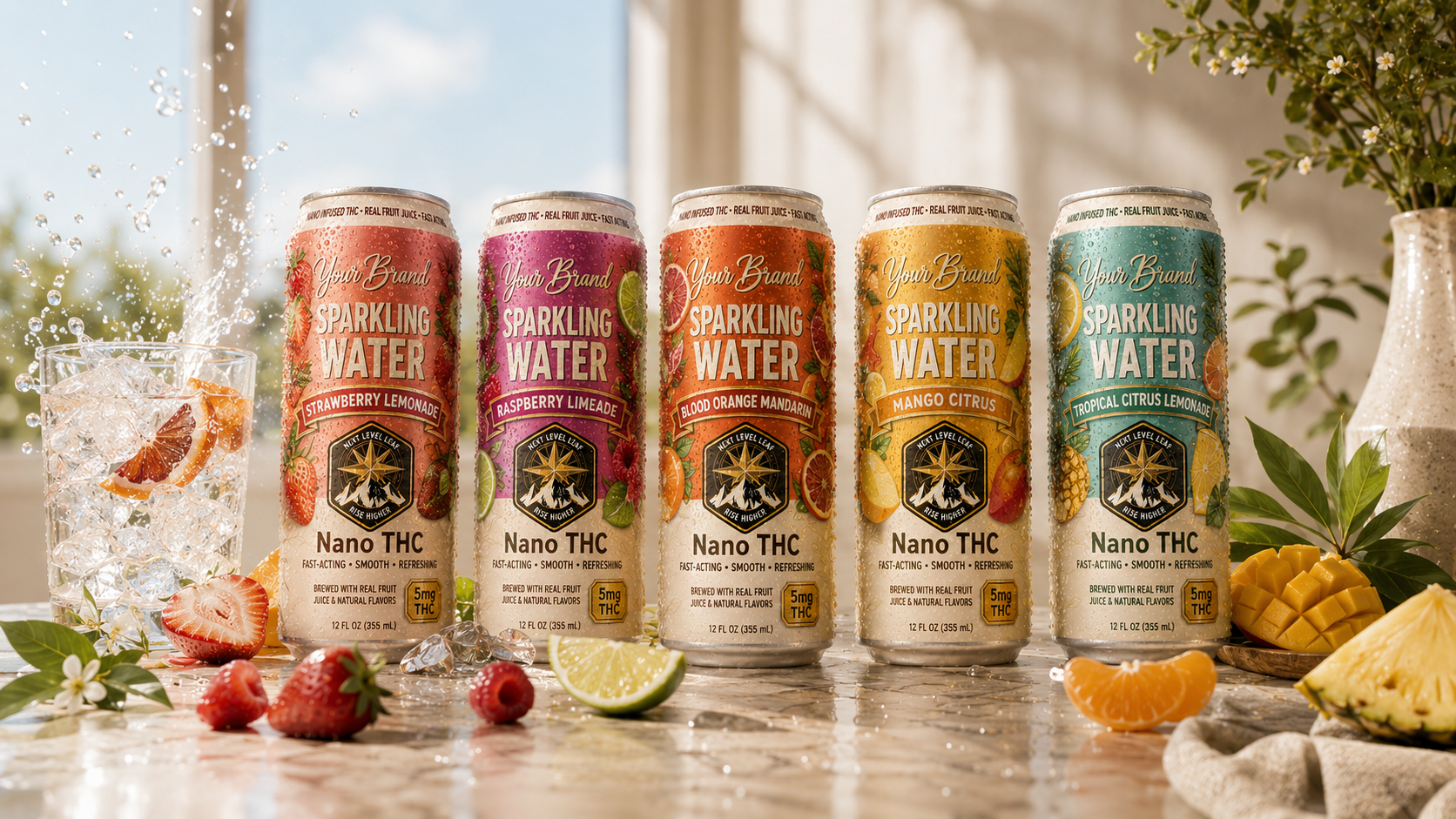
Why flavor strategy matters
A real fruit THC drink has to do more than taste good in a sample. The flavor has to make sense on the shelf, in the cooler, in a distributor conversation, and in the customer’s mind.
Strong flavors help the product feel real. A customer can picture grapefruit, pineapple, strawberry lemonade, or blood orange mandarin quickly. That makes the beverage easier to explain than a vague “infused fruit drink.”
The best flavor is not always the most unusual flavor. It is the flavor that fits the brand, works in the formula, and gives customers an easy reason to pick up the drink.
What makes a real fruit THC drink flavor strong?
The best fruit flavors usually share a few traits. They are recognizable, visually appealing, easy to package, strong enough to support the infused beverage experience, and appropriate for adult-oriented beverage branding.
Easy to understand
The customer should understand the flavor quickly without needing a long explanation or complicated ingredient story.
- Recognizable fruit
- Clear flavor name
- Simple product promise
Supports formulation
The flavor should help balance sweetness, acidity, infused notes, and the intended still or sparkling format.
- Citrus structure
- Berry brightness
- Tropical body
Feels brand-ready
The flavor should support packaging, product photography, retail presentation, and a more adult beverage story.
- Shelf appeal
- Visual identity
- Adult positioning
Citrus real fruit THC drink flavors
Citrus can be one of the strongest places to start because it brings brightness, acidity, and adult beverage appeal. Grapefruit, yuzu mandarin, blood orange mandarin, lemon, lime, and tropical citrus can all help a drink feel refreshing and less heavy.
Citrus also works well when a brand wants a beverage that feels crisp, modern, and cocktail-adjacent without becoming a full mocktail.
Tropical real fruit THC drink flavors
Tropical flavors can help a product feel bold and lifestyle-driven. Pineapple, mango citrus, island punch, and tropical citrus lemonade can work well when the brand wants a stronger visual identity and a more expressive fruit-forward drink.
The tradeoff is that tropical flavors can quickly become too sweet or too candy-like if the formulation and packaging are not handled carefully. For B2B beverage brands, the better direction is refreshing, adult, and premium.
Berry lemonade and fruit lemonade flavors
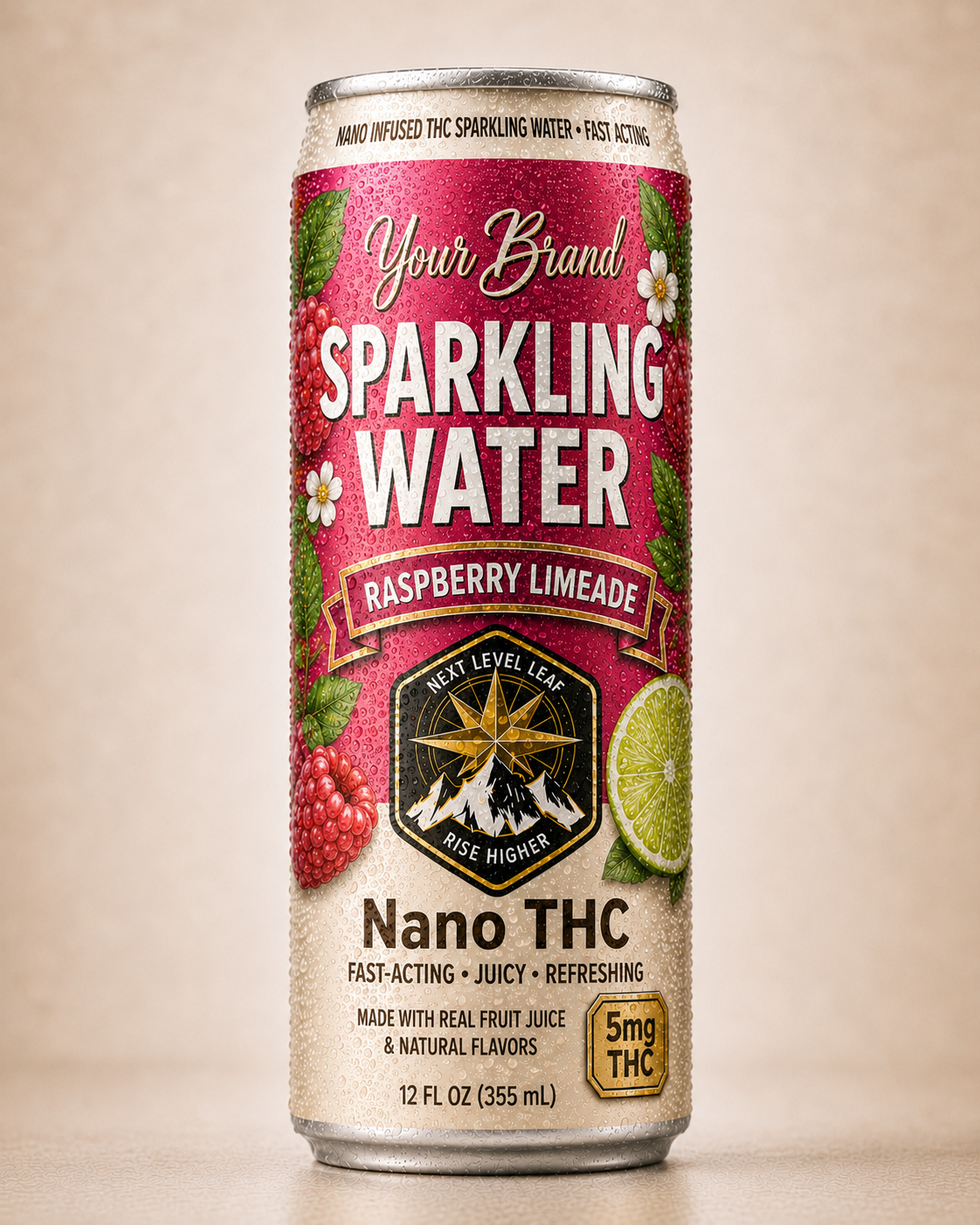
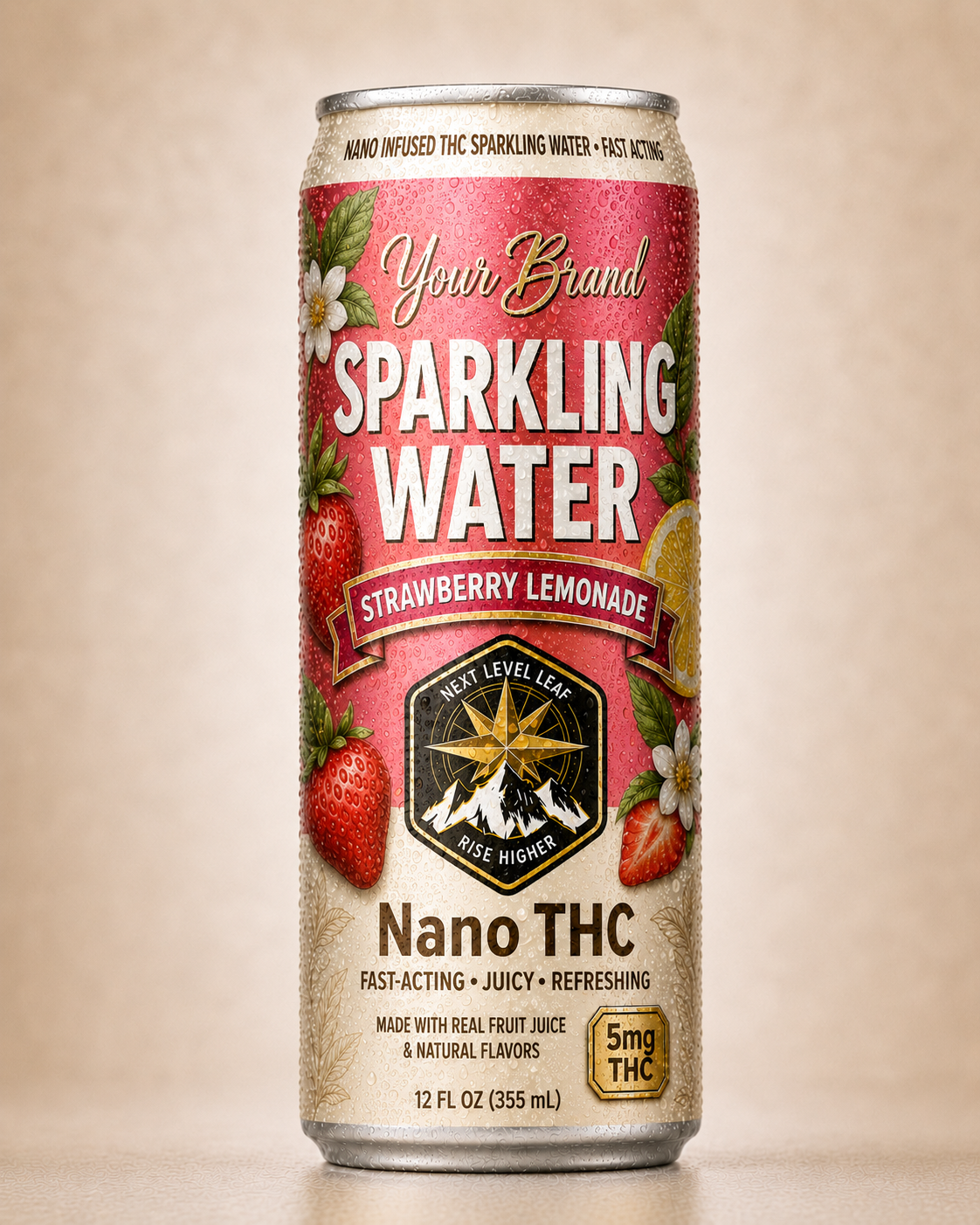
Lemonade-style flavors can work well because customers understand them immediately. Raspberry lemonade and strawberry lemonade can create a familiar fruit-and-citrus profile with enough acidity and structure to support an infused beverage.
These flavors may work in still drinks, sparkling drinks, low-sugar concepts, tea-lemonade formats, or summer-style alcohol alternatives.
Flavor should support the drinking occasion. A poolside drink, a still lemonade-style beverage, a premium citrus sparkling water, and a retail-ready fruit seltzer may all need different flavor choices.
How flavor affects still vs sparkling formats
Sparkling drinks often work well with crisp citrus, grapefruit, yuzu, pineapple, and lighter fruit profiles because carbonation adds brightness and lift. Still drinks may need more body, sweetness balance, acidity, or fruit depth because they do not have bubbles to carry the experience.
That is why the same flavor can behave differently depending on the format. A mango citrus sparkling drink may feel bright and refreshing, while a still mango citrus drink may need more mouthfeel or acid balance to feel complete.
How flavor affects low-sugar positioning
Some flavors work better in low-sugar products than others. Grapefruit, yuzu, blood orange, raspberry lemonade, and citrus-forward profiles can support a lighter sweetness level because they naturally carry more tartness and brightness.
Fruit punch and sweeter tropical flavors may need more careful formulation if the brand wants a low-sugar product that still tastes complete.
How flavor affects packaging and shelf appeal
Flavor names help sell the product. Blood orange mandarin feels different from orange. Yuzu mandarin feels different from citrus. Tropical citrus lemonade feels different from lemon. The more specific flavor name can create a more premium and differentiated product story.
Packaging should make the flavor clear without becoming youth-oriented or candy-like. The best fruit-forward THC beverage branding feels adult, refreshing, credible, and easy to understand.
Flavor lineup strategy
A brand may launch one hero flavor or a small lineup. A three-flavor lineup can feel more complete if each flavor plays a different role. For example, one citrus, one tropical, and one berry lemonade flavor can give the brand variety without making the product line feel scattered.
A focused flavor lineup is usually stronger than trying to launch too many flavors at once. The first run should help the brand learn which flavor direction customers actually want to reorder.
Flavor directions to consider
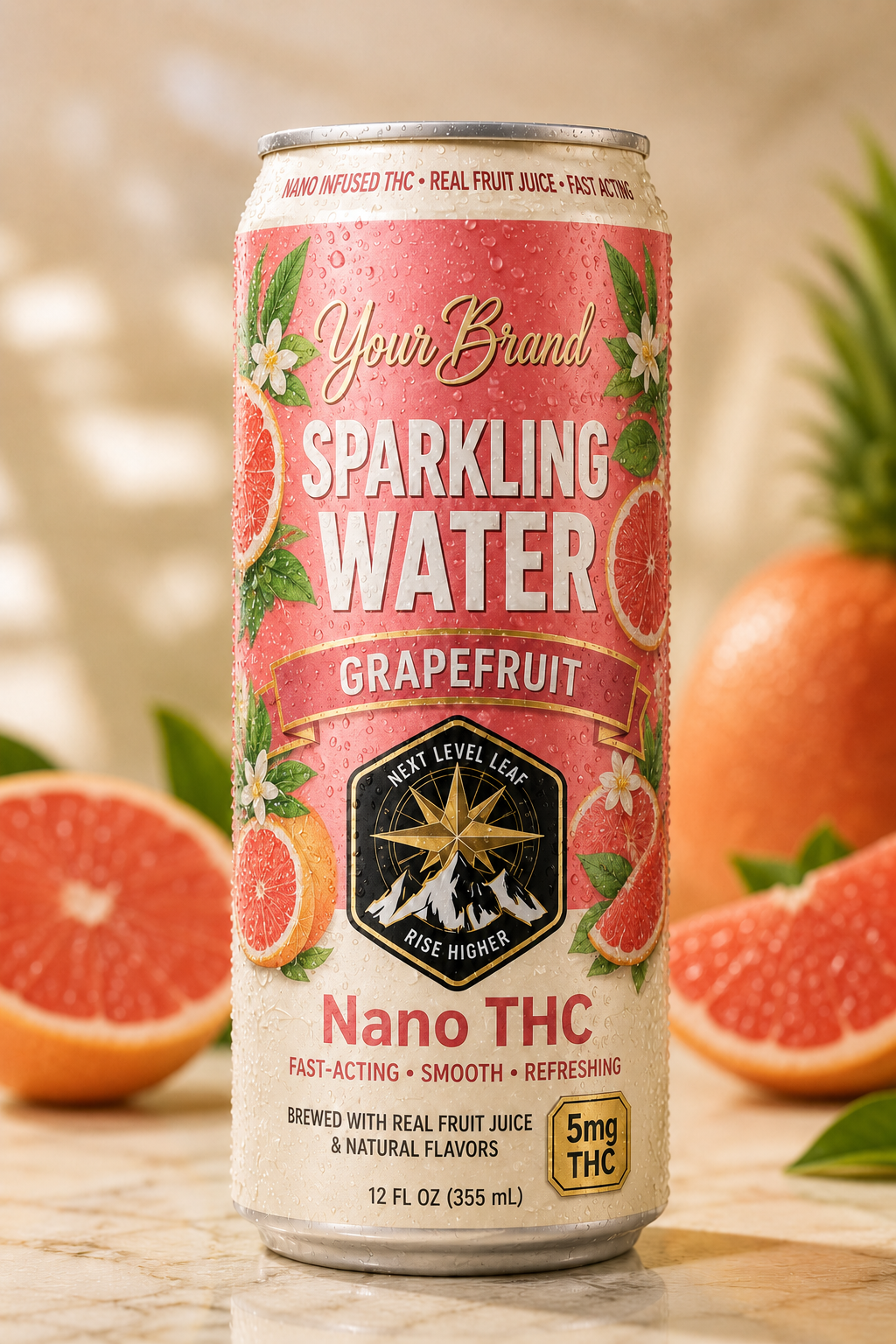
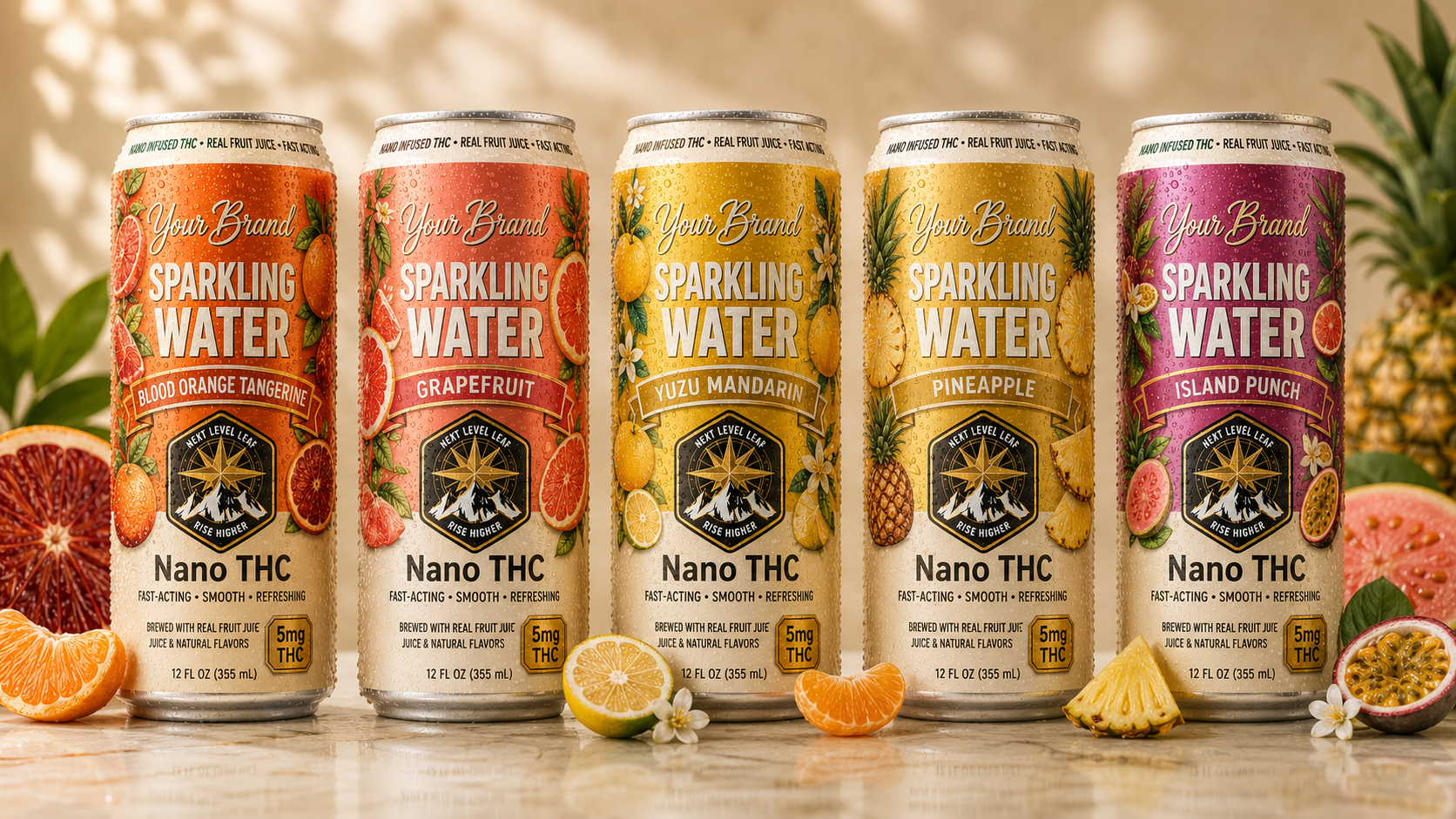
- Grapefruit: tart, crisp, adult, and cocktail-adjacent.
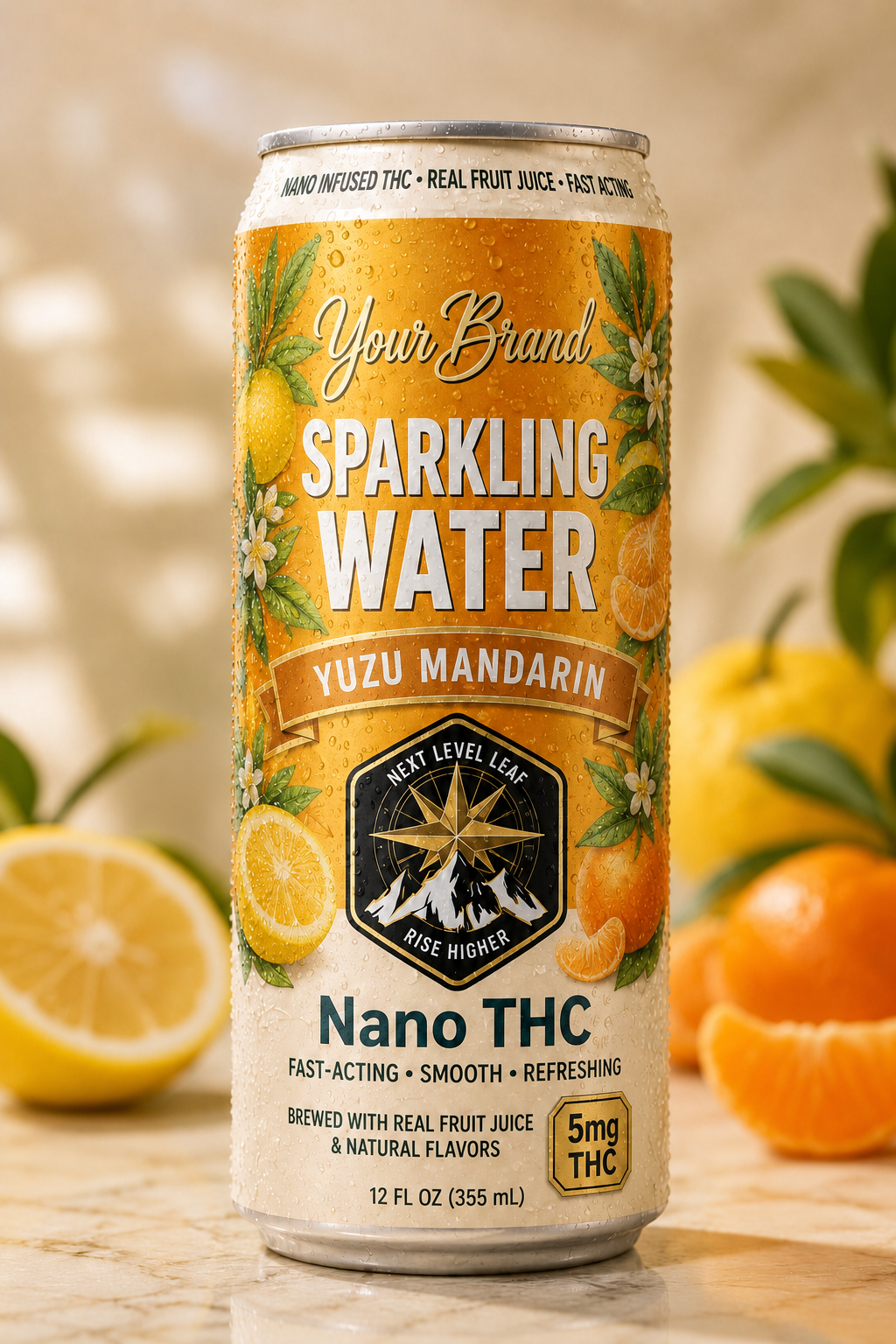
- Yuzu mandarin: premium, modern, citrus-forward, and differentiated.
- Blood orange mandarin: bright, citrusy, visually strong, and more premium than basic orange.
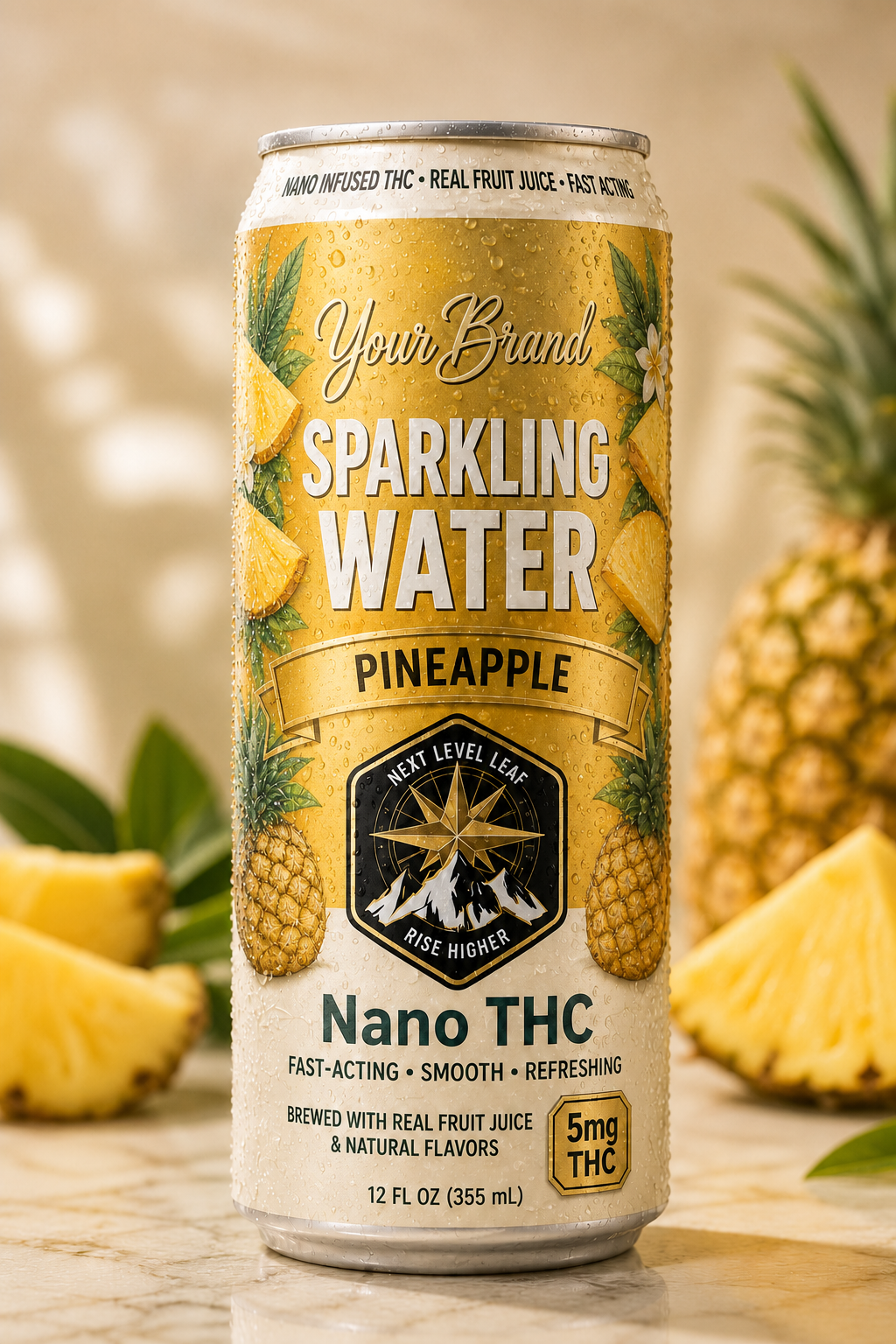
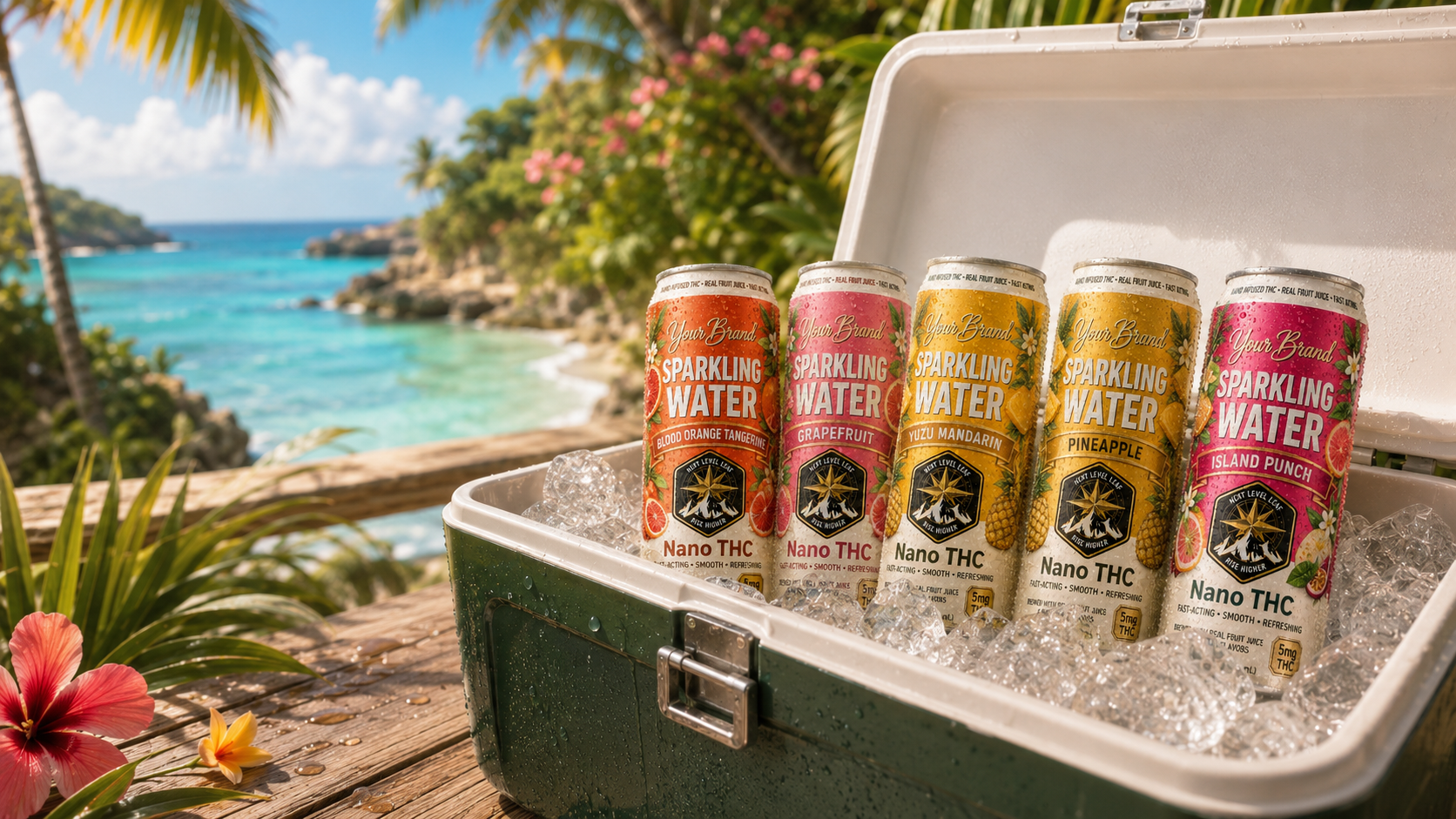
- Pineapple: tropical, recognizable, refreshing, and easy to picture in a cooler.
- Mango citrus: juicy, tropical, bright, and strong enough for still or sparkling drinks.
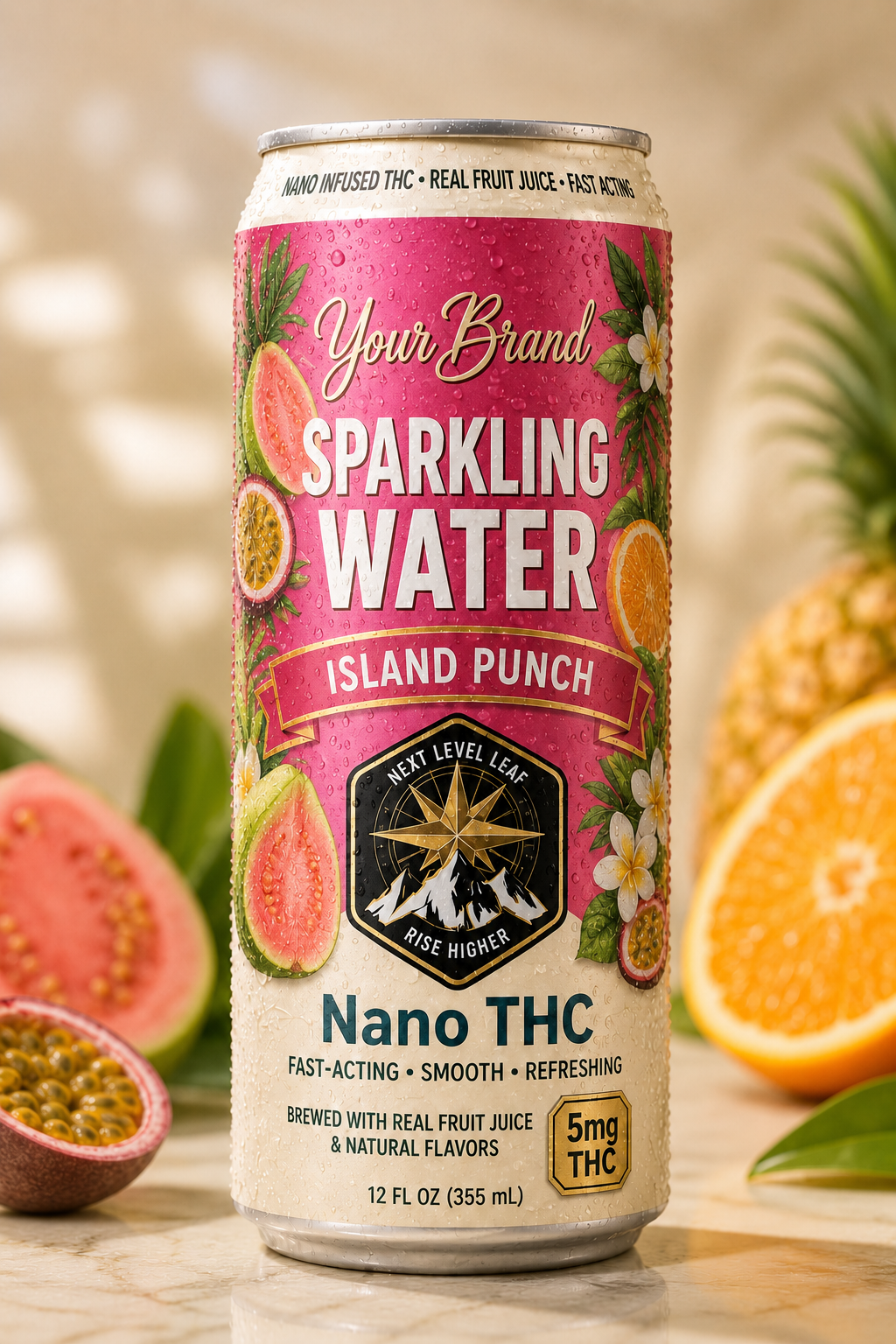
- Island punch: bold, tropical, lifestyle-driven, and visually expressive.
- Tropical citrus lemonade: familiar, refreshing, summer-oriented, and easy to understand.
- Raspberry lemonade: colorful, familiar, berry-citrus, and versatile across formats.
- Strawberry lemonade: approachable, bright, summer-friendly, and strong for still or lemonade-style concepts.
What to prepare before requesting a quote
The quote conversation is easier when the brand has a flavor direction or a short list of possible flavors. You do not need to have the final formula, but the flavor strategy should connect to the product format and launch plan.
- One hero flavor or a short flavor lineup
- Still or sparkling preference
- Target THC or cannabinoid dose per can
- Can or bottle size
- Sweetness and calorie goals
- Fruit flavor, juice, puree, or natural flavor preference
- Packaging status and label readiness
- Target states and sales channels
- Expected first-run quantity and timeline
Where to go next
If you are comparing ingredient systems, read Real Juice vs Natural Flavor in THC Drinks. If you want a lighter sparkling format, review Real Fruit THC Sparkling Water. If you are still planning the product format, return to the Real Fruit THC Drinks hub. If your flavor direction is clear, the next step is to request a quote.