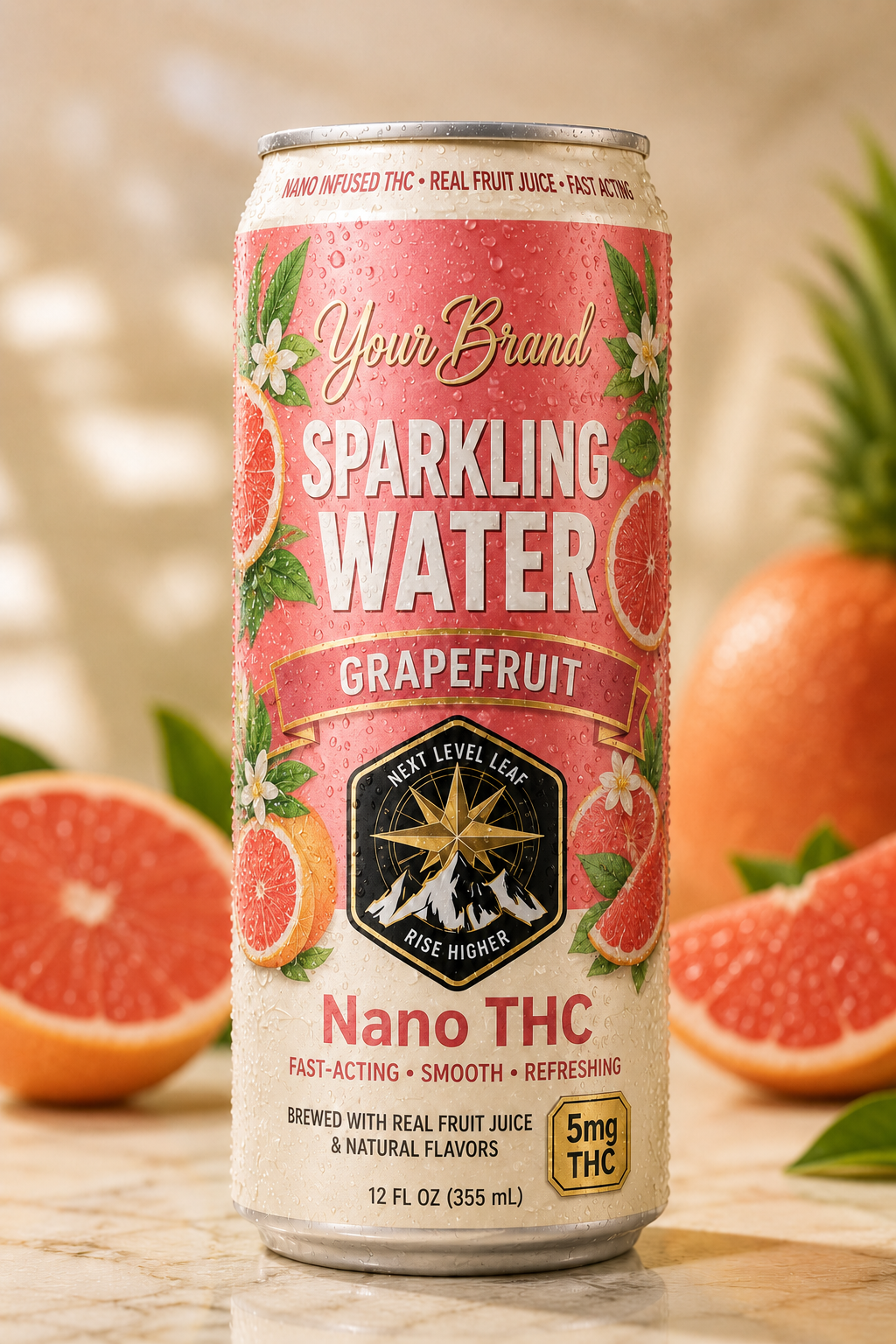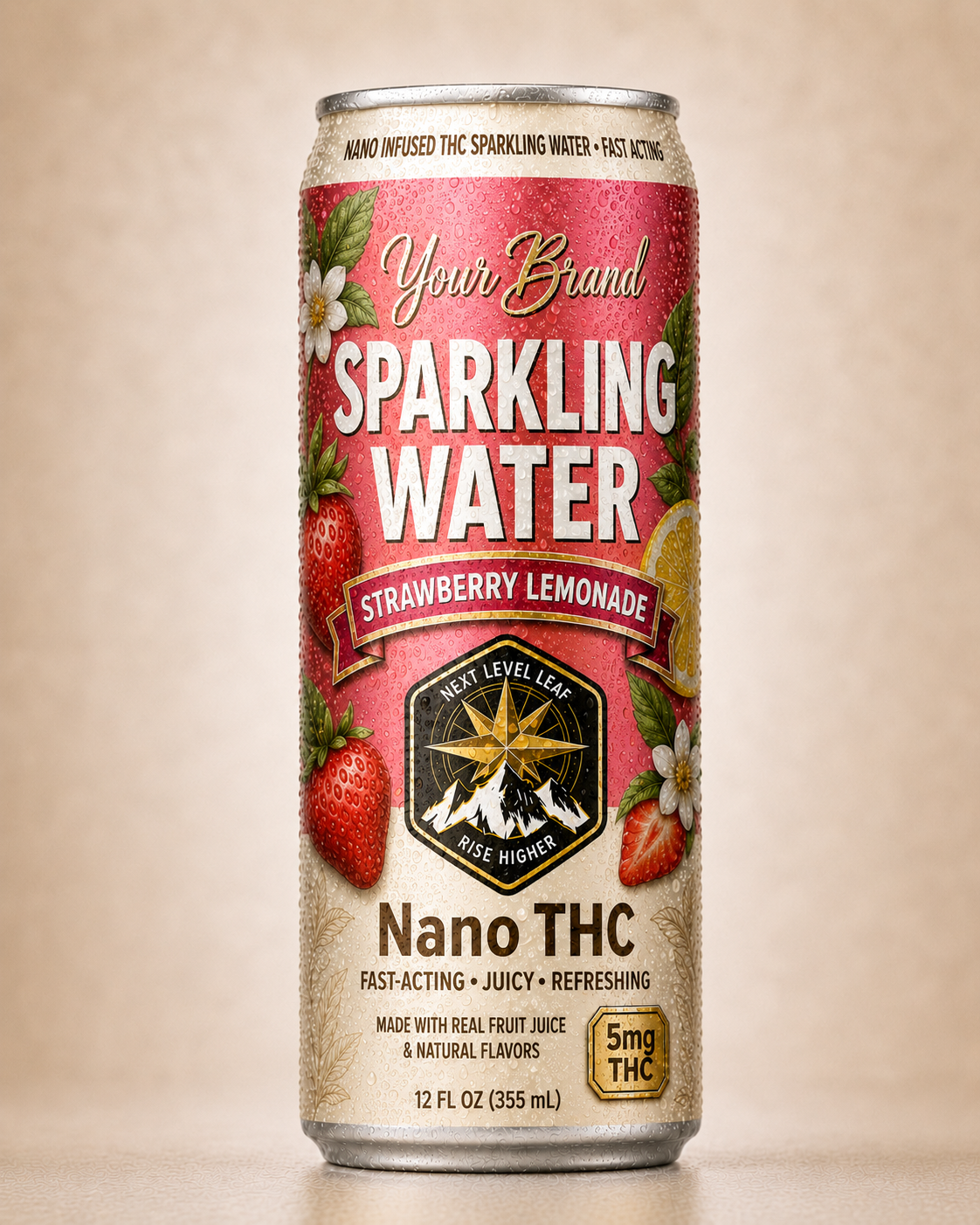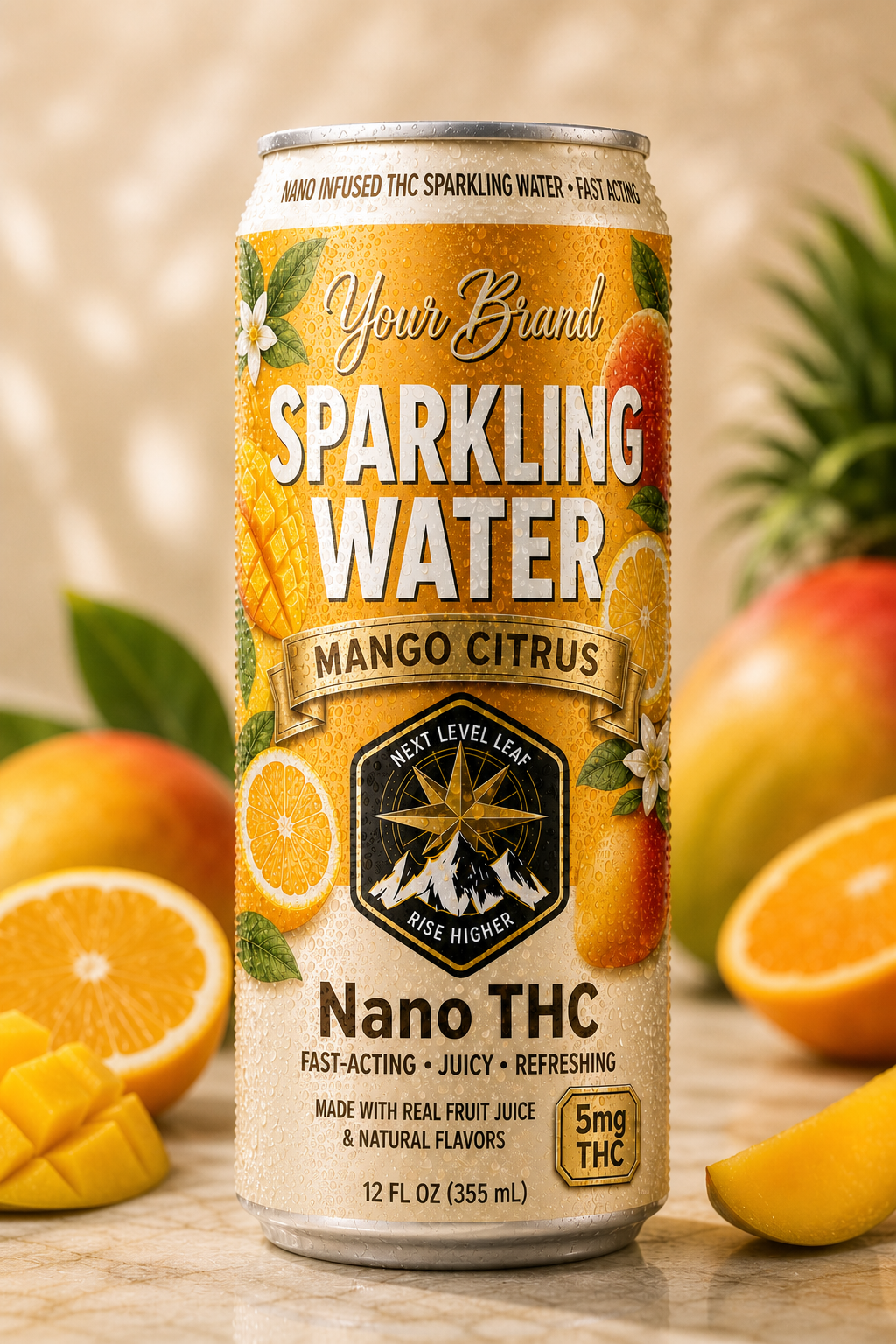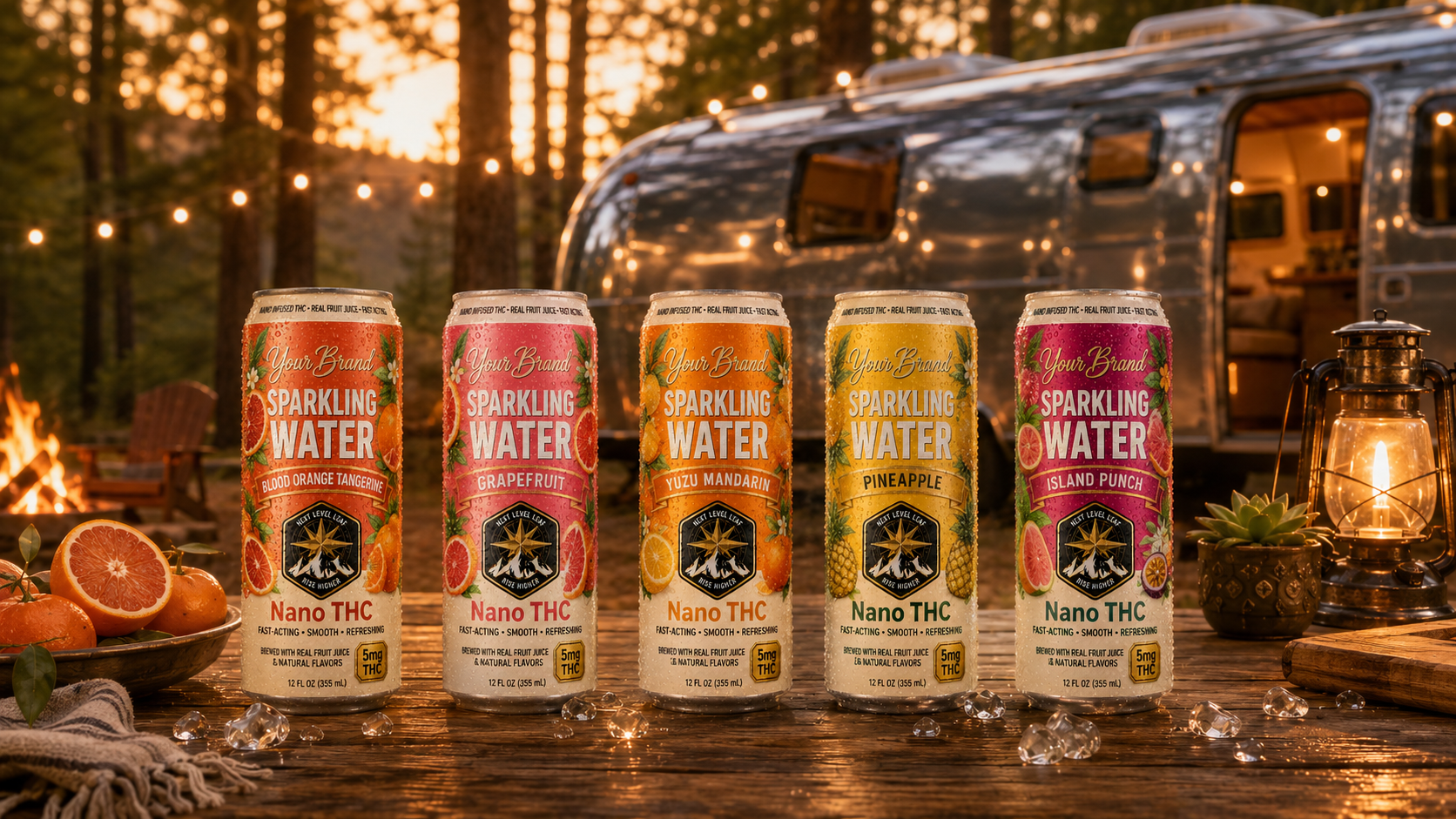


Why real fruit THC drink manufacturing needs planning
Real fruit drinks can look simple on the shelf, but they can be more complex behind the scenes. Fruit systems, cannabinoid inputs, sweetness, acidity, carbonation, shelf-life expectations, and packaging all affect production.
A basic lightly flavored THC seltzer may be easier to scope quickly. A fruit-forward beverage with juice, puree, natural color, low-sugar goals, or still-drink positioning may require more planning before the first run.
The goal is not just to make a batch. The goal is to produce a beverage that tastes good, tests correctly, packages cleanly, and can be sold with confidence.
The basic manufacturing path
Every project is different, but most real fruit THC drink projects move through the same broad stages. The clearer the product direction is up front, the easier it is to scope cost, timeline, and production readiness.
Define the product
The brand decides the format, flavor direction, target dose, fruit system, can or bottle size, packaging plan, and launch goal.
- Still or sparkling
- Fruit flavor, juice, or puree
- White-label, private-label, or custom
Build the production plan
The formula, ingredients, cannabinoid input, packaging, testing expectations, and production schedule are aligned before batching.
- Formula direction
- Input and dose planning
- Packaging readiness
Produce and document
The batch is produced, filled, packaged, tested, documented, and prepared for release or shipment.
- Finished-product testing
- Batch-specific COAs
- Finished goods
Fruit system decisions affect production
The fruit system is one of the biggest decisions in this category. A light natural flavor profile is usually different from a juice-forward drink, and both are different from a puree-based beverage.
Juice and puree can create stronger flavor, color, and product story, but they can also affect sugar, calories, acidity, sediment, stability, processing, and shelf-life planning. Those details can influence production cost, timeline, and feasibility.
Still vs sparkling manufacturing
Sparkling real fruit THC drinks need to be built around carbonation. Carbonation can change how sweetness, acidity, fruit intensity, and cannabinoid notes show up in the finished beverage.
Still real fruit THC drinks need their own balance. Without carbonation, the product may need more attention to mouthfeel, fruit depth, acidity, and finish so it feels intentional instead of flat.
A still drink is not just a sparkling drink without bubbles. A sparkling drink is not just a still drink with carbonation added. Each format needs its own formulation and production plan.
White-label, private-label, or custom manufacturing
The production path depends on how much customization the brand needs. White-label can be useful when speed and simplicity matter. Private-label can give the brand more control over flavor, dose, packaging, and positioning. Custom formulation may make sense when the product needs a unique fruit system, ingredient stack, or sensory experience.
The best path is the one that fits the stage of the brand. A first run may not need to be overly complex. It needs to prove whether the product can win customers and earn a reorder.
Packaging readiness can affect the timeline
Packaging is often one of the biggest timeline variables. Label files, sleeve decisions, can size, QR code placement, compliance review, and finished artwork all need to line up with production scheduling.
If artwork is not ready, production may be delayed. If the can size changes, packaging may need to be revised. If COA access or batch documentation will be linked on the package, that should be planned before final artwork is approved.
Testing, COAs, and quality control
Serious THC beverage manufacturing should include finished-product testing, batch-specific COAs, quality-control checks, and documentation that supports retail and wholesale conversations.
For real fruit drinks, testing and quality control are especially important because fruit systems can affect stability, color, acidity, and shelf-life expectations. The finished product should be evaluated as a packaged beverage, not just as a good-tasting sample.
What makes a project quote-ready?
A project becomes easier to quote when the core production details are clear. The manufacturing team does not need every detail finalized, but it does need enough information to understand the likely path.
- Product type: sparkling, still, seltzer-style, lemonade-style, tea, or juice-inspired
- Flavor direction or desired flavor lineup
- Fruit system: flavor, juice, puree, or blended approach
- Target THC or cannabinoid dose per can
- Can or bottle size
- Sweetness and calorie goals
- Packaging status and label readiness
- Target states and sales channels
- Expected first-run quantity and timeline
What affects MOQ, cost, and timeline?
MOQ, cost, and timeline are shaped by the format, formulation complexity, fruit system, cannabinoid dose, packaging, testing, and production schedule. A simple white-label sparkling fruit drink may be easier to quote than a custom puree-based low-sugar still beverage.
- White-label, private-label, or custom formulation path
- Real juice, puree, natural flavor, or blended fruit system
- Still or sparkling production requirements
- Target cannabinoid dose and input cost
- Packaging format and artwork readiness
- Testing, COAs, and documentation needs
- First-run quantity and reorder plan
How to make the first run smarter
The first run should help the brand learn. That may mean choosing a focused flavor lineup, a practical format, a clear dose, and packaging that can be executed without unnecessary delay.
A highly customized product can make sense later, but the first run should be built around the fastest path to useful market feedback, retailer conversations, and reorder data.
Where to go next
If you are still choosing a fruit system, read Real Juice vs Natural Flavor in THC Drinks. If you are planning packaging, review Real Fruit THC Drink Packaging. If you need broader process context, read Beverage Production Process. If your manufacturing direction is clear, the next step is to request a quote.