

Start with the tea product your customer will understand fastest
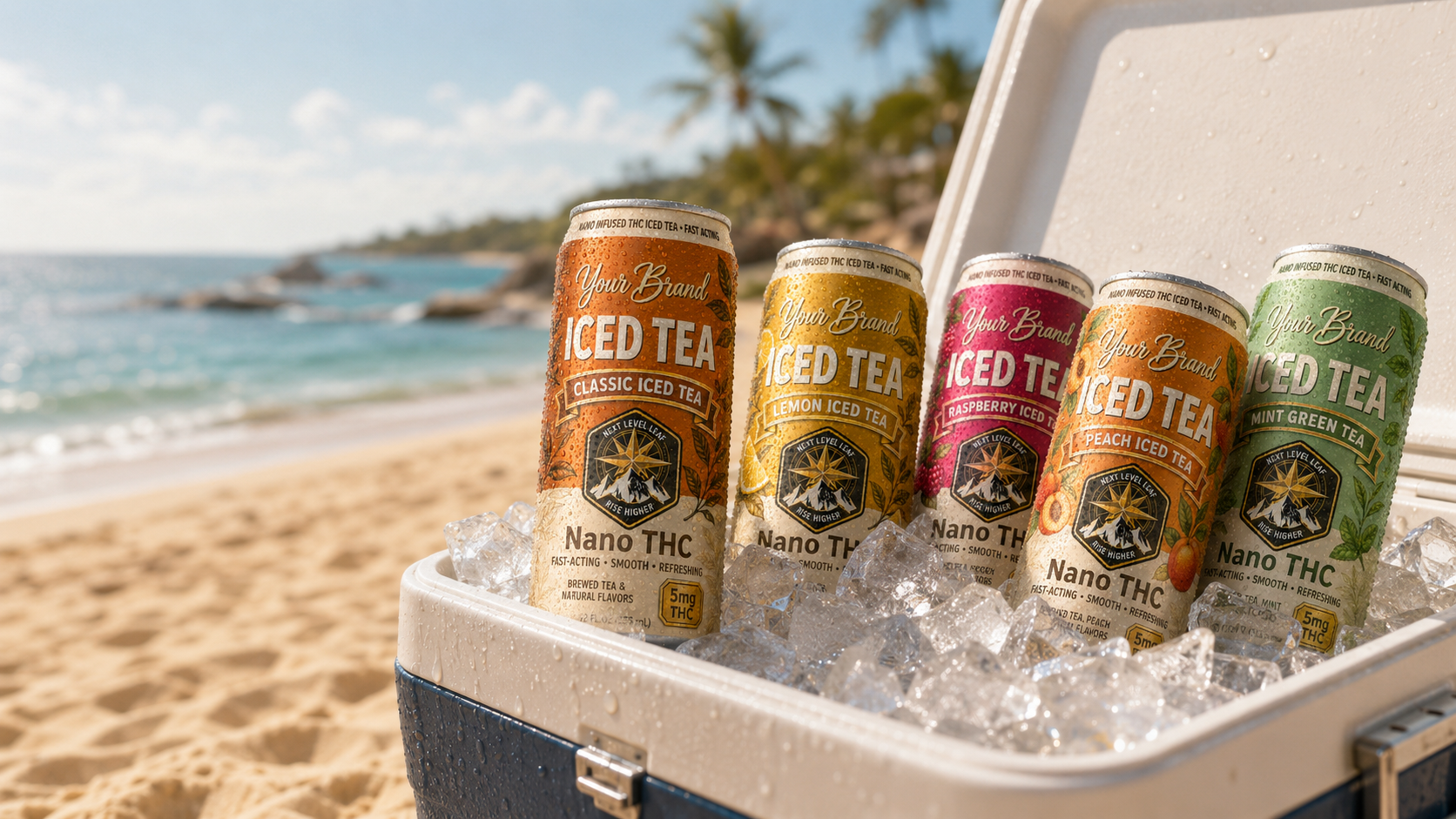
Infused tea can go in several directions. It can be a classic THC iced tea, a tea lemonade, a caffeine-free herbal tea, a hibiscus flavor, a green tea, a sparkling tea, or a custom functional tea concept.
The strongest first product is not always the most unusual idea. It is usually the one your customer can understand quickly, your retailer can explain confidently, and your brand can support with flavor, packaging, dose clarity, testing, and repeat purchase.
For many beverage brands, tea works because it already feels familiar. The job is to make the flavor, dose, packaging, and occasion clear enough that the customer wants to try it.
Core infused tea directions
Most founders should start by choosing the kind of tea product they want to build. The format decision affects flavor, dose, sweetness, packaging, retail positioning, and production planning.
 RTD
RTD
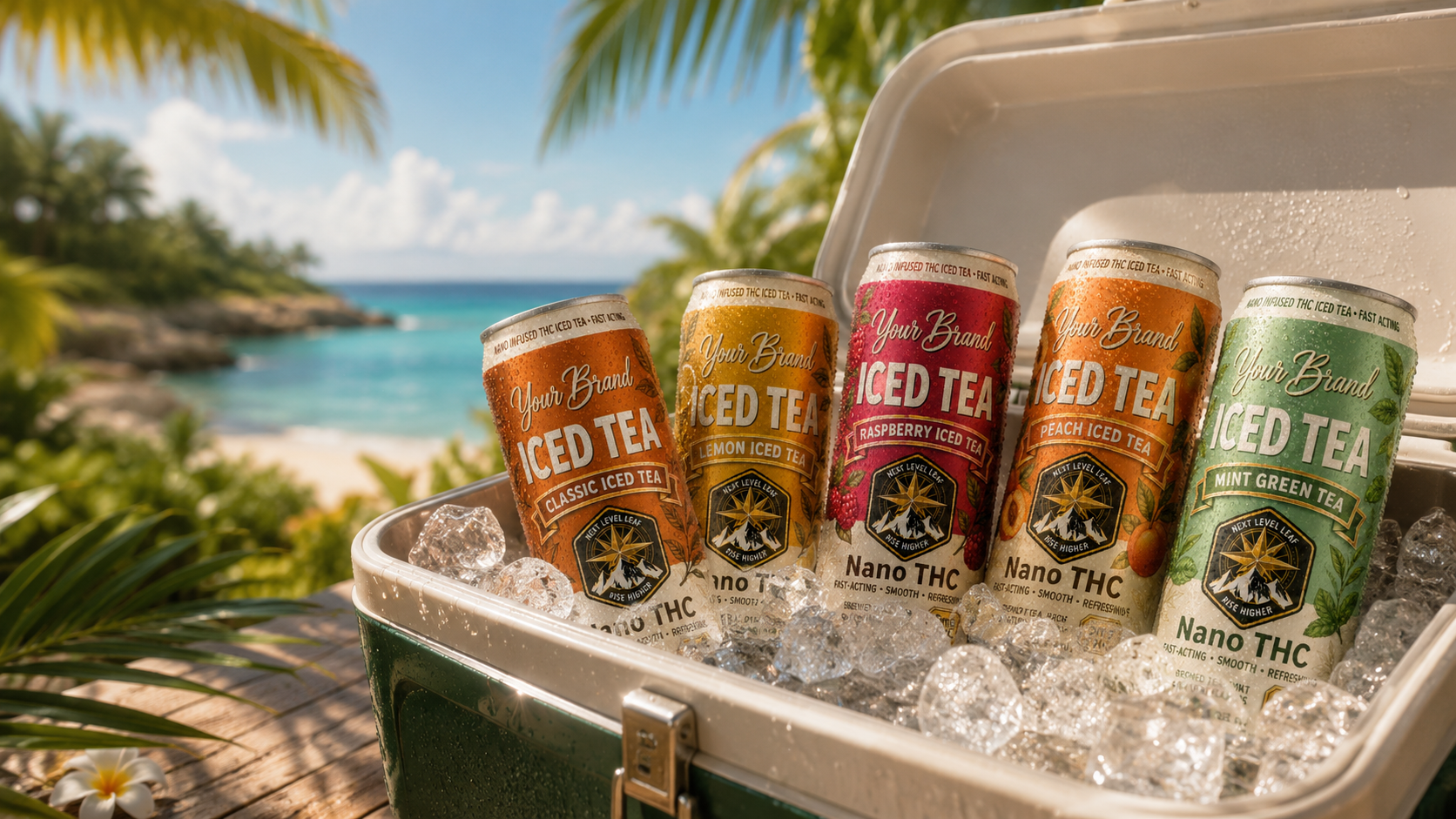
Ready-to-drink THC tea
Best when the brand wants a finished, packaged beverage customers can open, drink, sample, and reorder.
- Retail-ready format
- Clear serving size
- Strong for sampling
 Classic
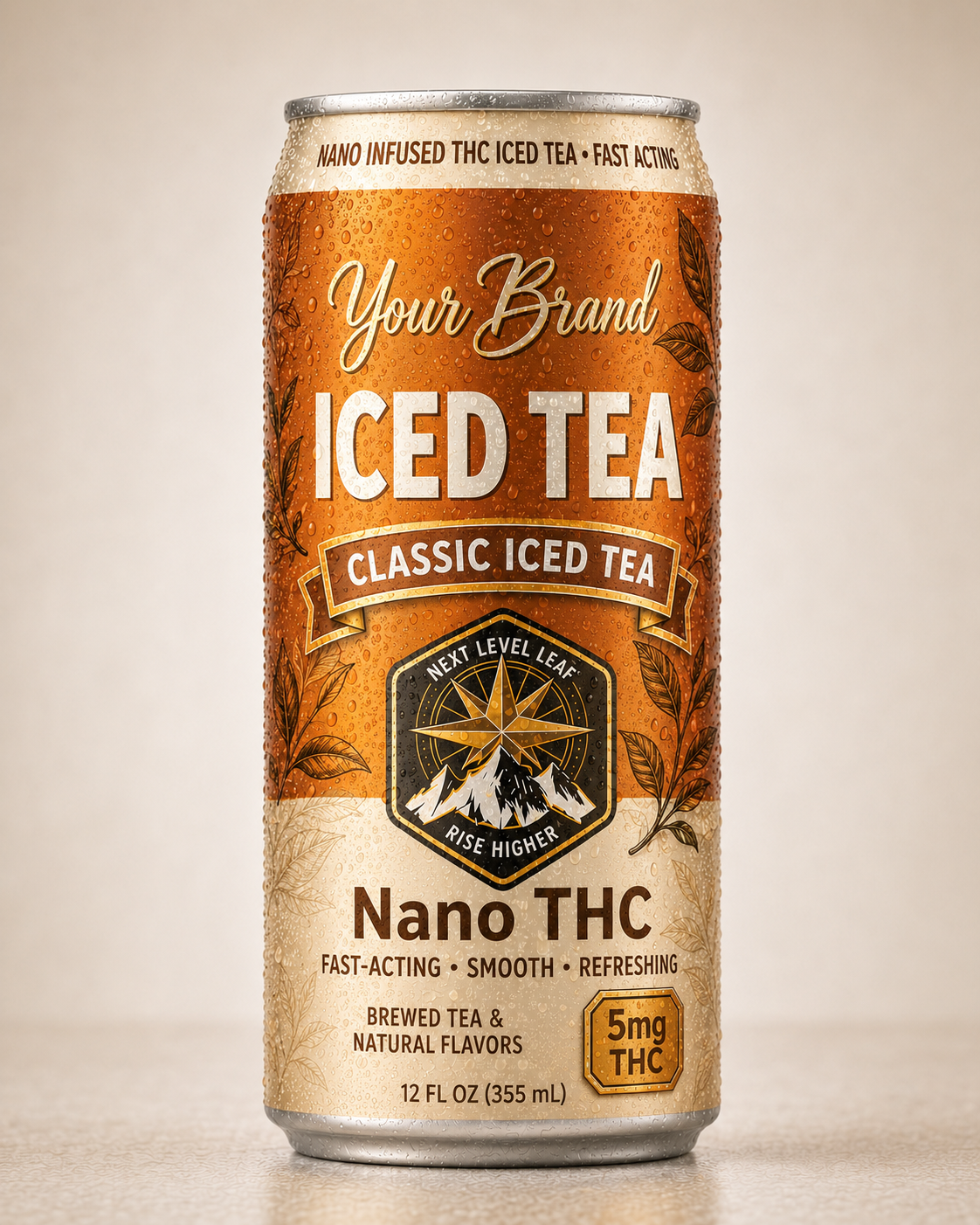
THC iced tea
Best when you want a familiar tea-based product that customers understand quickly.
- Black tea base
- Sweet or lightly sweetened
- Still or sparkling options
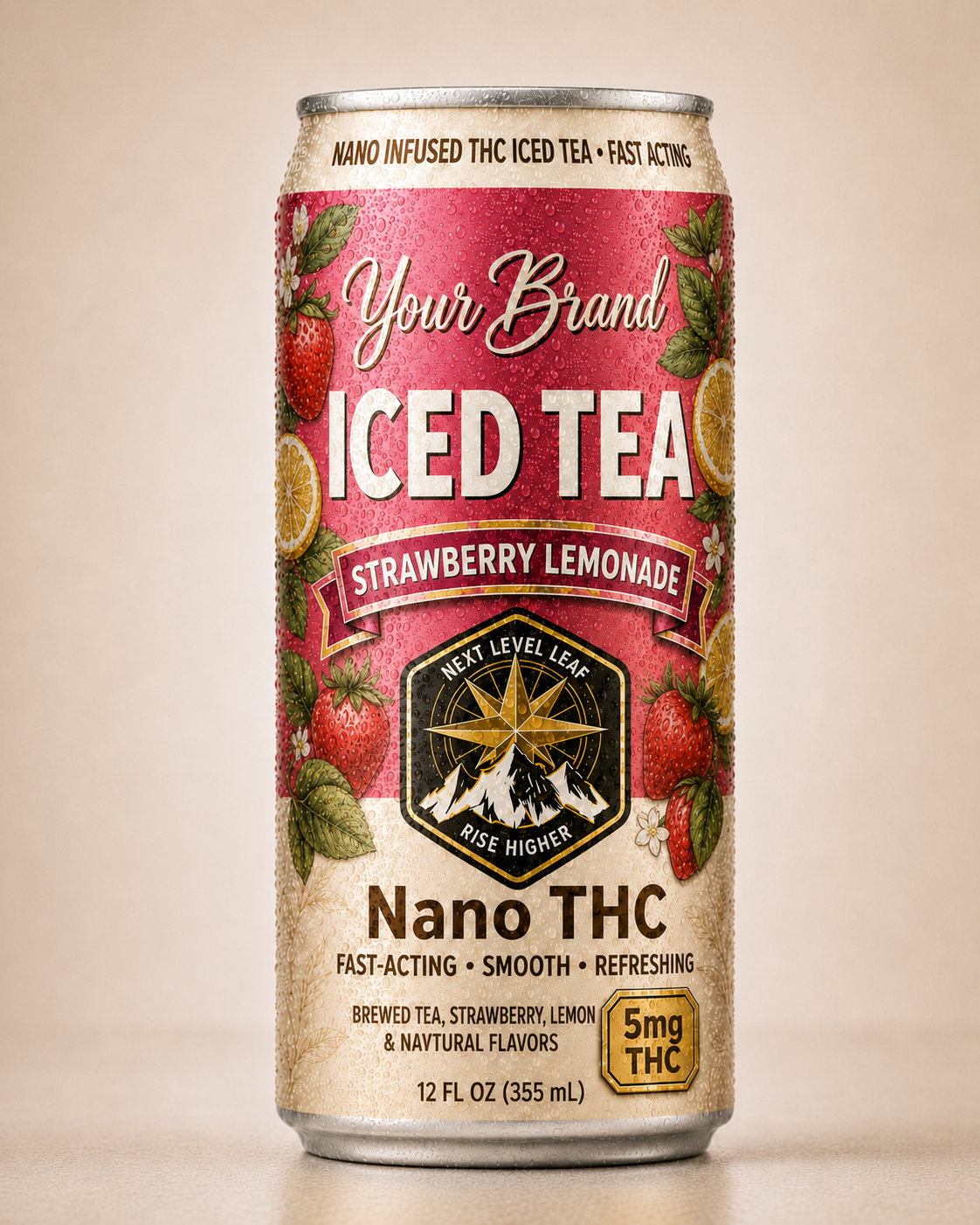 Hybrid
THC tea lemonade
Best when you want a bright, citrus-forward tea format with broad customer recognition.
- Arnold Palmer-style direction
- Strong summer appeal
- Great for low-dose THC
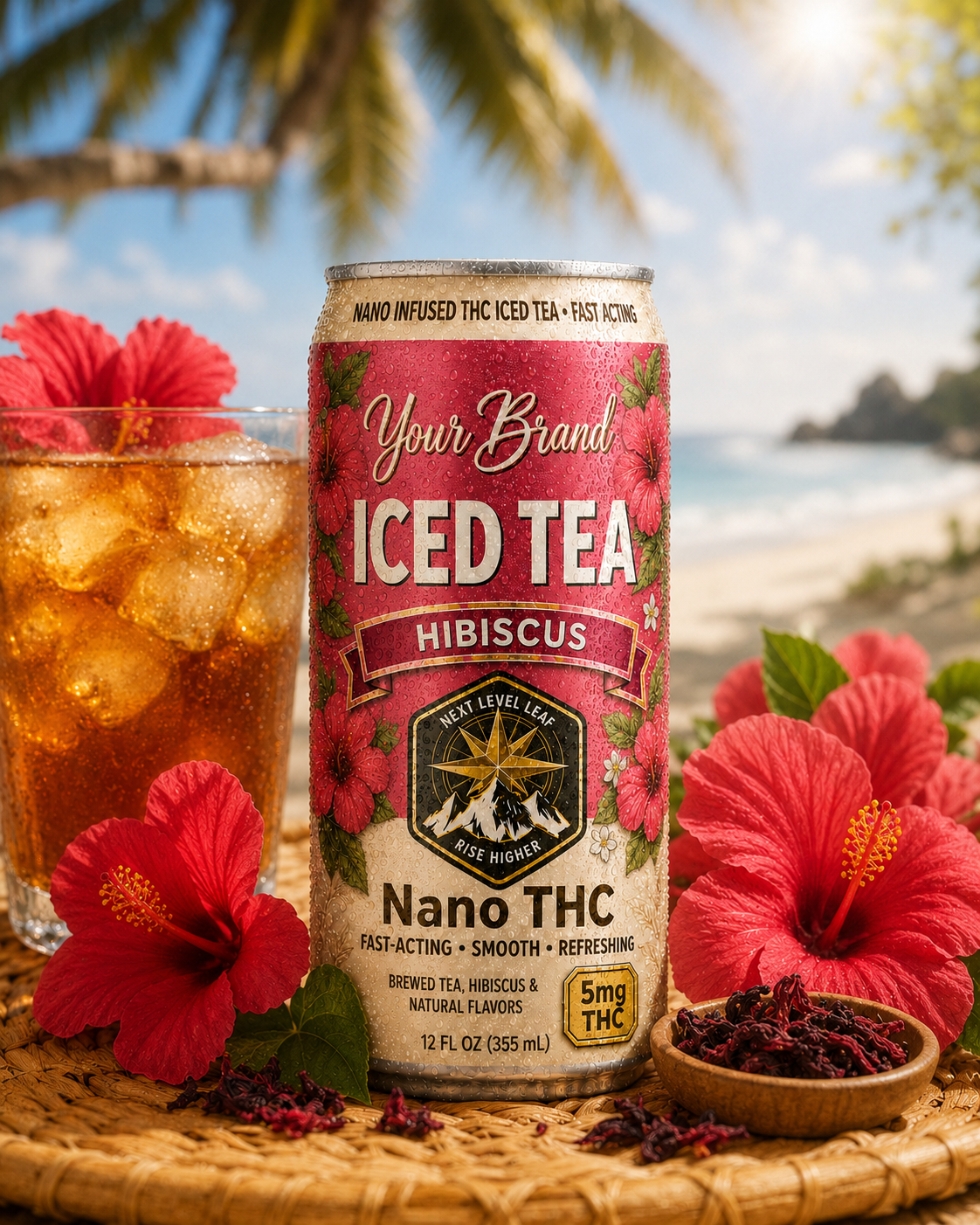
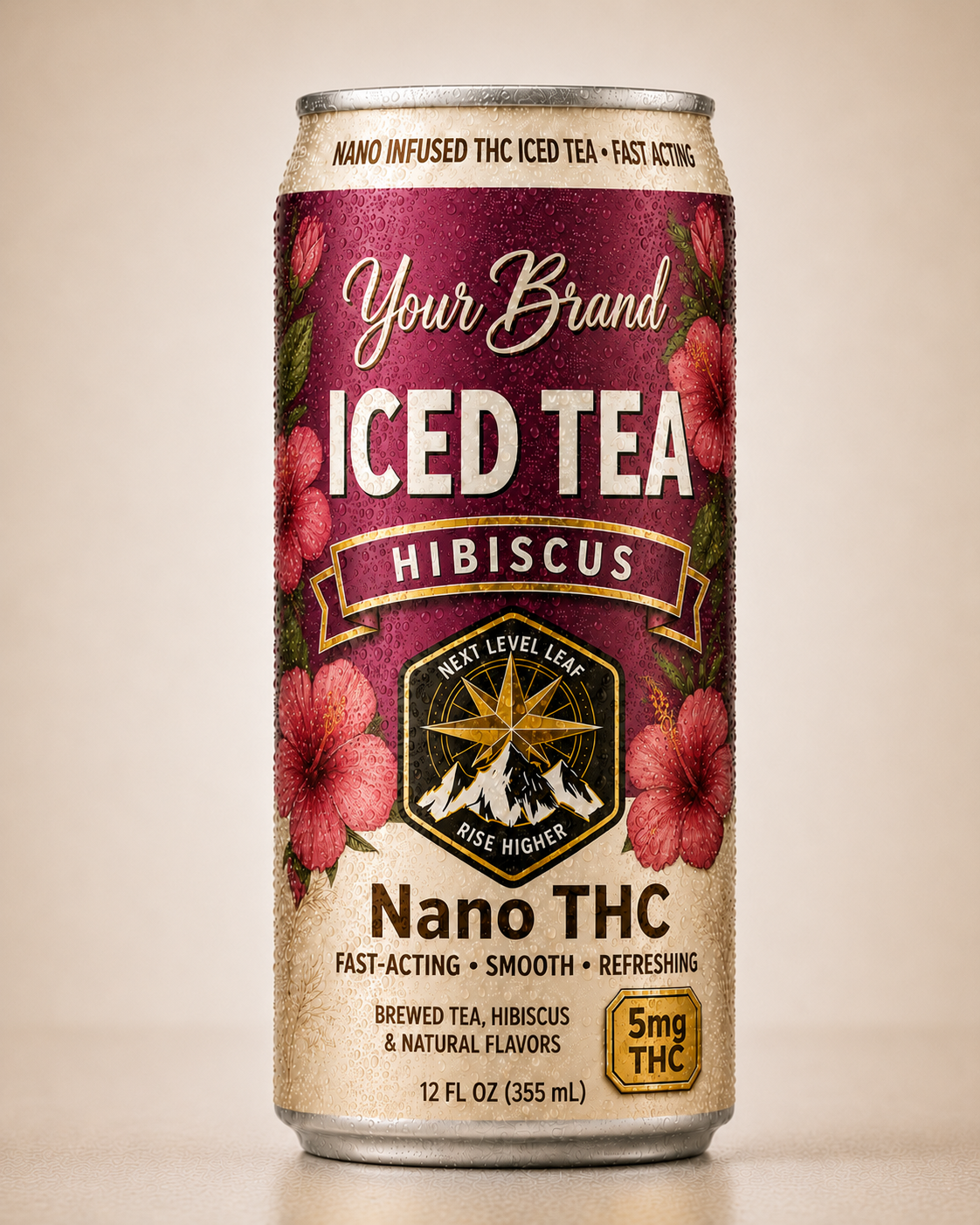 Botanical
Hibiscus THC iced tea
Best when the brand wants a tart, floral, ruby-red tea flavor with premium botanical appeal.
- Caffeine-free potential
- Distinct visual story
- Refreshing and elevated
 Caffeine-Free
Caffeine-free THC tea
Best when the brand wants an afternoon, evening, relaxation, or alcohol-alternative tea concept.
- Herbal or botanical base
- Evening-friendly positioning
- Still or sparkling options
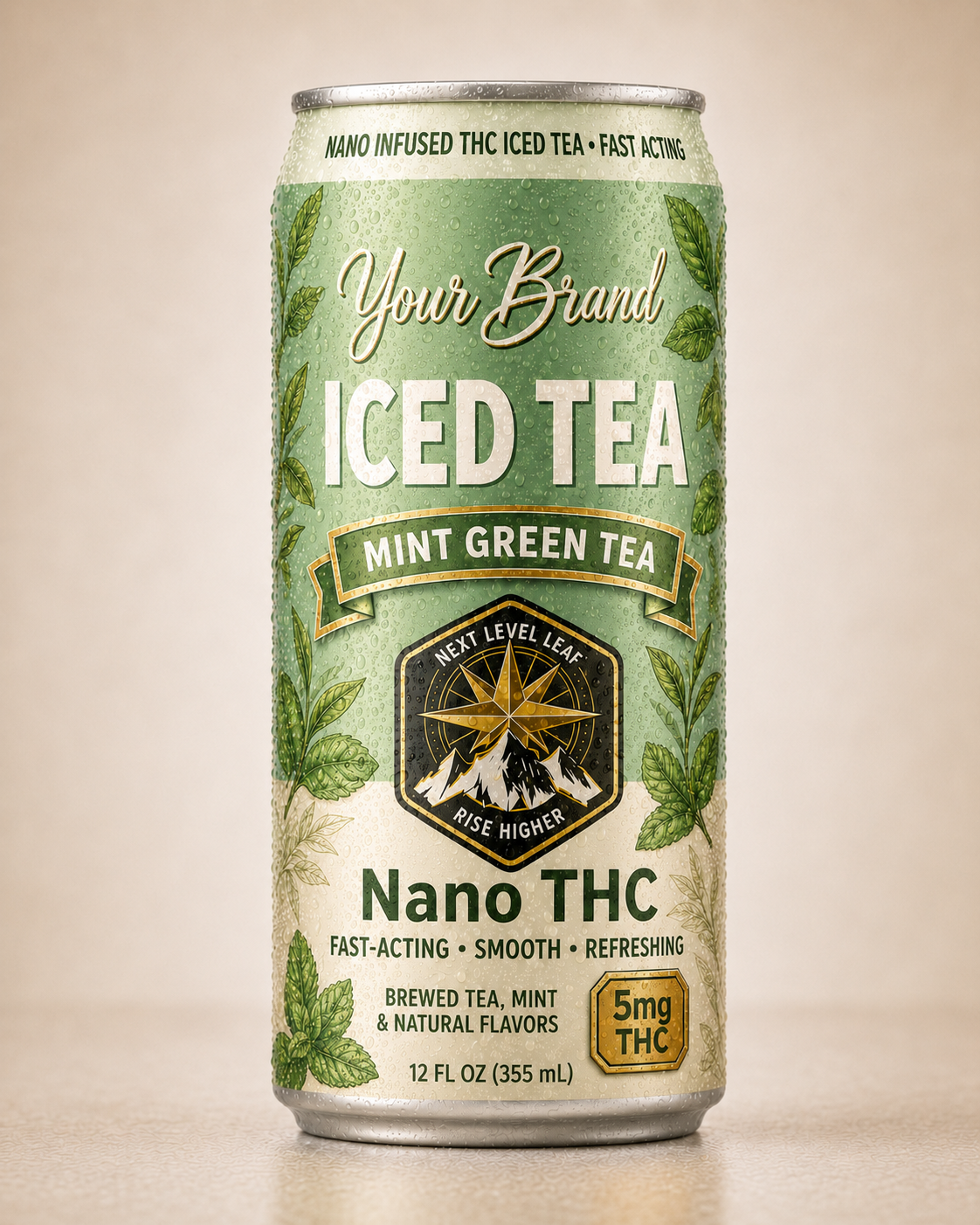 Herbal
Herbal infused tea
Best when the brand wants a botanical, wellness-adjacent, or functional tea direction.
- Mint
- Hibiscus
- Chamomile-style direction
Choose the product path before choosing the flavor
The flavor matters, but the format usually matters first. A tea bag concept, a tincture-added tea, an infused honey, and a ready-to-drink canned tea are different businesses. If your goal is beverage retail, sampling, cooler placement, and repeat beverage purchasing, ready-to-drink THC tea usually gives you the cleanest commercial path.
Once the format is clear, it becomes much easier to choose the flavor, dose, sweetness level, carbonation, packaging, and launch plan.
If you are building a beverage brand, start with the finished product experience: what the customer sees, tastes, drinks, understands, and wants to buy again.
Infused tea can solve a different problem than coffee or soda
Coffee is tied to the morning. Soda is tied to nostalgia and bold flavor. Seltzer is tied to clean, light refreshment. Mocktails are tied to alcohol replacement and occasion-based drinking.
Tea sits in a different lane. It can be casual, refreshing, adult, approachable, and repeatable. A tea product can feel appropriate at lunch, in the afternoon, outside, at events, with food, or as a light alcohol alternative.
That flexibility can make infused tea a smart option for brands that want a beverage people understand without needing a complicated education process.
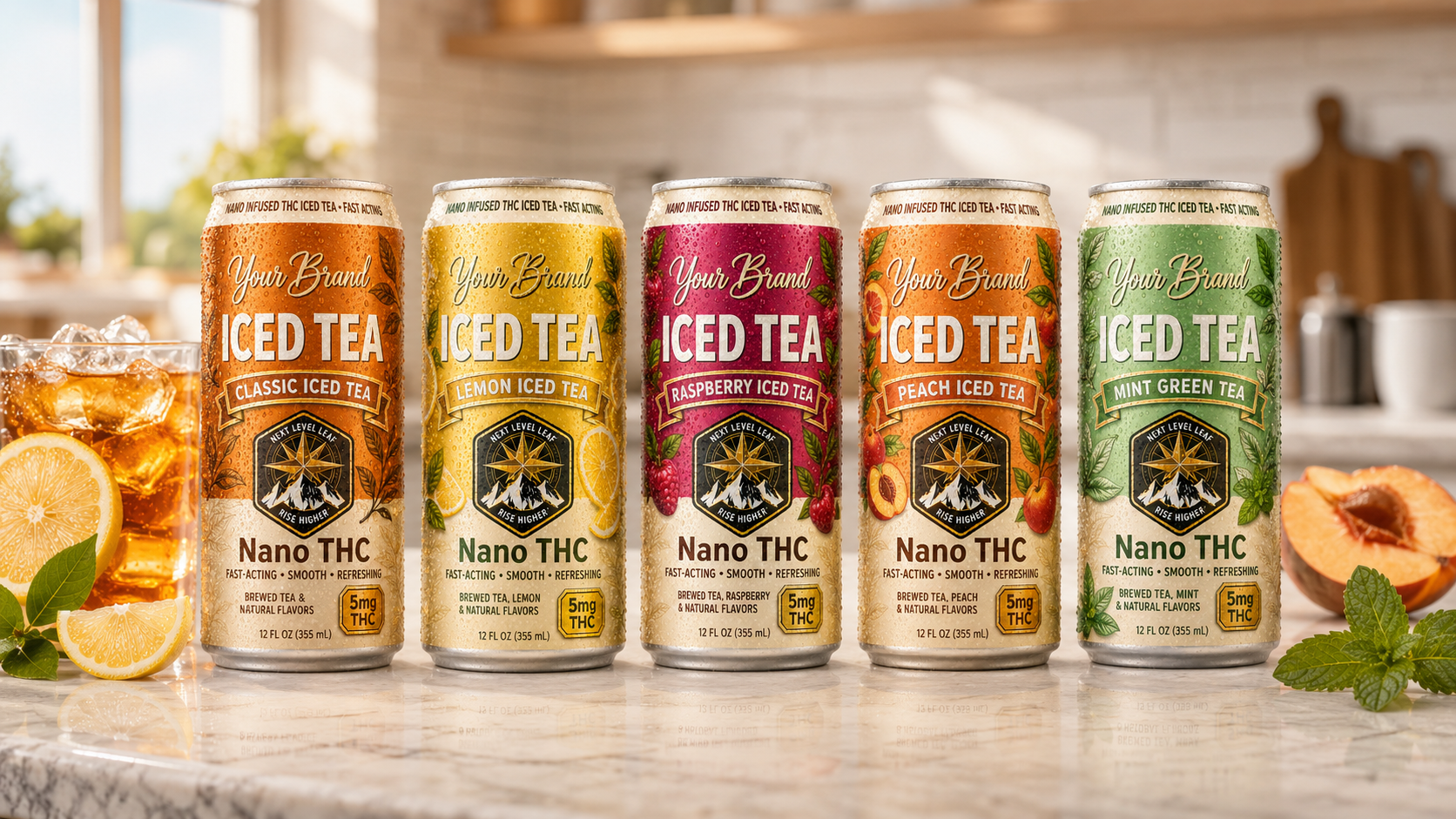
Flavor strategy matters early
Tea flavors can be subtle or bold depending on the base. That means flavor development needs to account for the tea type, sweetness level, acidity, cannabinoid input, and whether the product is still or sparkling.
Sweet tea, lemon tea, peach tea, raspberry tea, mint tea, hibiscus, green tea, strawberry lemonade, and tea lemonade each create a different customer expectation. The strongest product is not always the most creative. It is usually the one the target customer can understand quickly and want to buy again.
Dose strategy is part of the product strategy
THC tea dosing should match the customer and the occasion. A lower-dose tea can be easier to sample and more approachable for a wider audience. A 10mg THC tea may be familiar to many infused beverage shoppers. Higher-dose products can work for experienced consumers, but they should be positioned carefully.
For tea concepts that are refreshing, social, caffeine-free, or alcohol-alternative, the strongest dose is not always the smartest dose. The best dose is the one that supports the experience and encourages repeat purchase.
Tea is also useful for functional beverage concepts
Tea can be a natural bridge between classic beverage and functional beverage positioning. Green tea, herbal tea, hibiscus, mint, chamomile-style concepts, yerba mate-style concepts, and botanical blends can all support different product directions.
That does not mean every infused tea should become a complex supplement beverage. The functional ingredients should support the product idea, not make the drink harder to explain.
Simple tea-first concept
A classic iced tea, sweet tea, peach tea, hibiscus tea, or tea lemonade with a clear THC dose and clean packaging.
Functional tea concept
A tea-based product with herbs, botanicals, CBD, CBG, low-dose THC, adaptogens, or nootropic-style positioning.
What to clarify before requesting a quote
You do not need every detail finalized before reaching out, but the quote process is much more useful when the product direction is clear.
- Tea format: ready-to-drink iced tea, sweet tea, green tea, tea lemonade, hibiscus tea, herbal tea, caffeine-free tea, or sparkling tea
- Target THC or cannabinoid dose per can
- Still or carbonated format
- Sweetness level and flavor direction
- Whether caffeine should be present, reduced, or avoided
- Target states or sales channels
- Packaging status and label direction
- Estimated launch quantity and timeline
- White-label, private-label, or custom R&D direction
Explore the infused tea guides
These guides are organized around the customer journey: choose the product format, understand the manufacturing path, compare flavors, think through dose and onset, and move toward quote-ready planning.
Ready-to-Drink THC Tea
Compare RTD tea with homemade cannabis tea, tinctures, tea bags, and infused honey.
Explore RTD tea →THC Iced Tea
Explore THC iced tea as a familiar product line for ready-to-drink infused beverage brands.
Explore iced tea →White-Label THC Tea
Understand white-label, private-label, and custom THC tea launch paths.
Explore white-label tea →THC Tea Manufacturing
See how tea concepts move from idea to formulation, production, testing, COAs, MOQ, and quote readiness.
Explore manufacturing →How THC Tea Is Made
Bridge the difference between homemade cannabis tea and commercial RTD THC tea manufacturing.
Explore how it is made →THC Tea Onset and Dosing
Think through low-dose, 10mg, higher-dose, onset expectations, packaging, and customer experience.
Explore dosing →THC Tea Bags vs RTD
Compare tea bags, tinctures, infused honey, and ready-to-drink THC tea from a commercial brand perspective.
Compare formats →THC Tea Lemonade
Explore tea lemonade and Arnold Palmer-style THC tea as a familiar infused beverage concept.
Explore tea lemonade →Hibiscus THC Iced Tea
Explore hibiscus as a botanical, ruby-red, caffeine-free THC iced tea flavor opportunity.
Explore hibiscus tea →Caffeine-Free THC Tea
Explore evening-friendly, herbal, botanical, and alcohol-alternative THC tea concepts.
Explore caffeine-free tea →Best Flavors for Infused Tea
Compare sweet tea, lemon, peach, raspberry, mint, hibiscus, green tea, and herbal tea directions.
Explore tea flavors →Infused Tea Brand Strategy
Think through customer, occasion, flavor, format, positioning, and product-line strategy.
Explore brand strategy →The simplest recommendation
If you are considering infused tea, start with the product your customer can understand the fastest. For many brands, that means ready-to-drink iced tea, tea lemonade, peach tea, hibiscus, or a simple low-dose THC tea before moving into more complex functional concepts.
Once the first product direction is clear, it becomes much easier to discuss dose, flavor, manufacturing, testing, COAs, MOQ, packaging, and launch timing.