

THC tea manufacturing starts with the format
If you are exploring an infused tea brand, the first decision is not the cannabinoid input. It is the tea product itself.
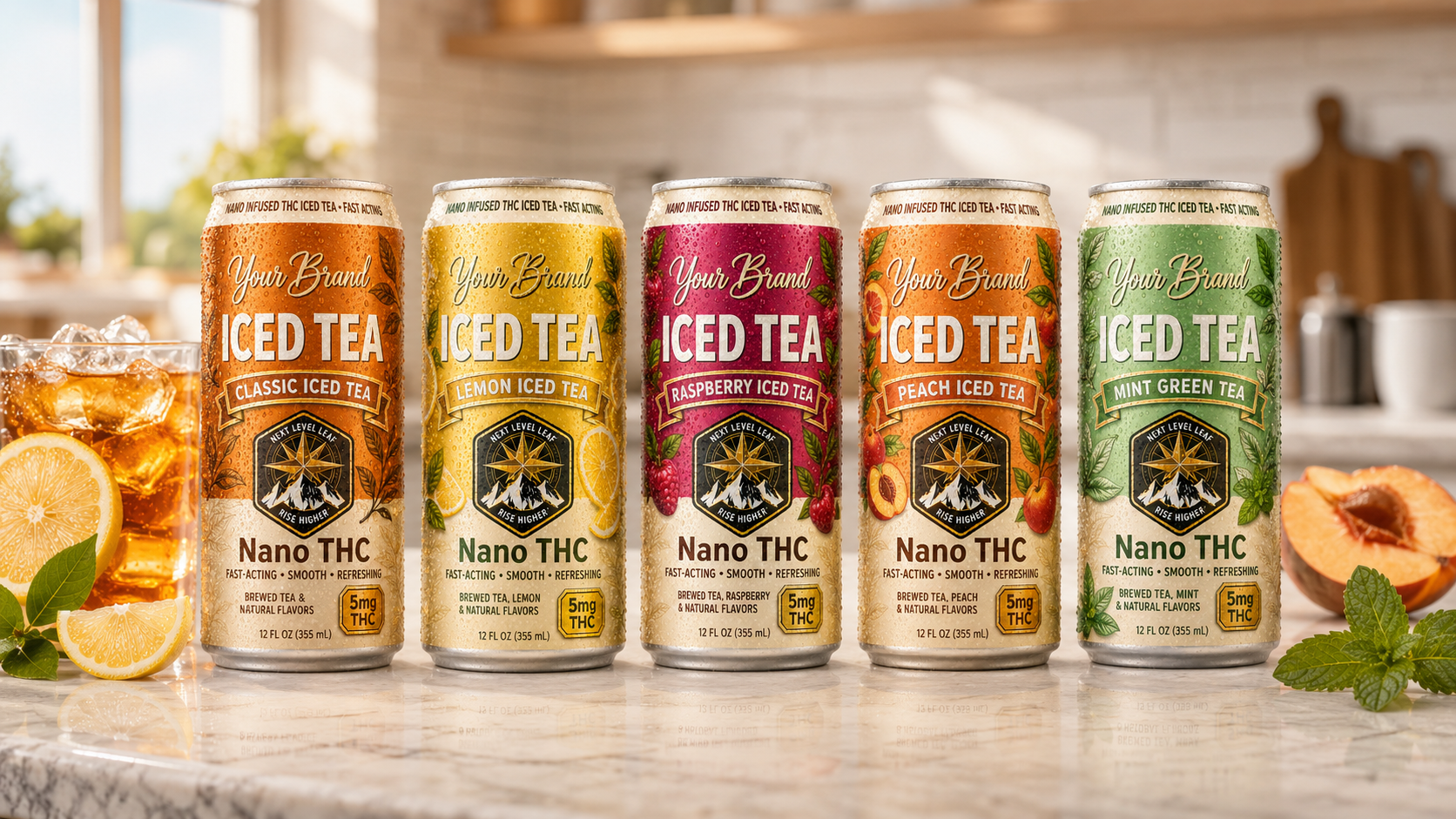
A sweet tea, a lightly sweetened black iced tea, a peach tea, an iced tea lemonade, a green tea, a herbal tea, and a sparkling tea are all different products. They have different flavor expectations, different sweetness needs, different customer use occasions, and different production considerations.
When the format is clear, the rest of the quote conversation becomes much more useful.
A strong THC tea project should be easy to describe in one sentence: “10mg THC iced tea lemonade,” “low-dose peach green tea,” “Southern-style sweet tea with THC,” or “caffeine-free herbal THC tea.”
Common THC tea manufacturing directions
These are the directions most brands should consider before moving into more custom R&D.
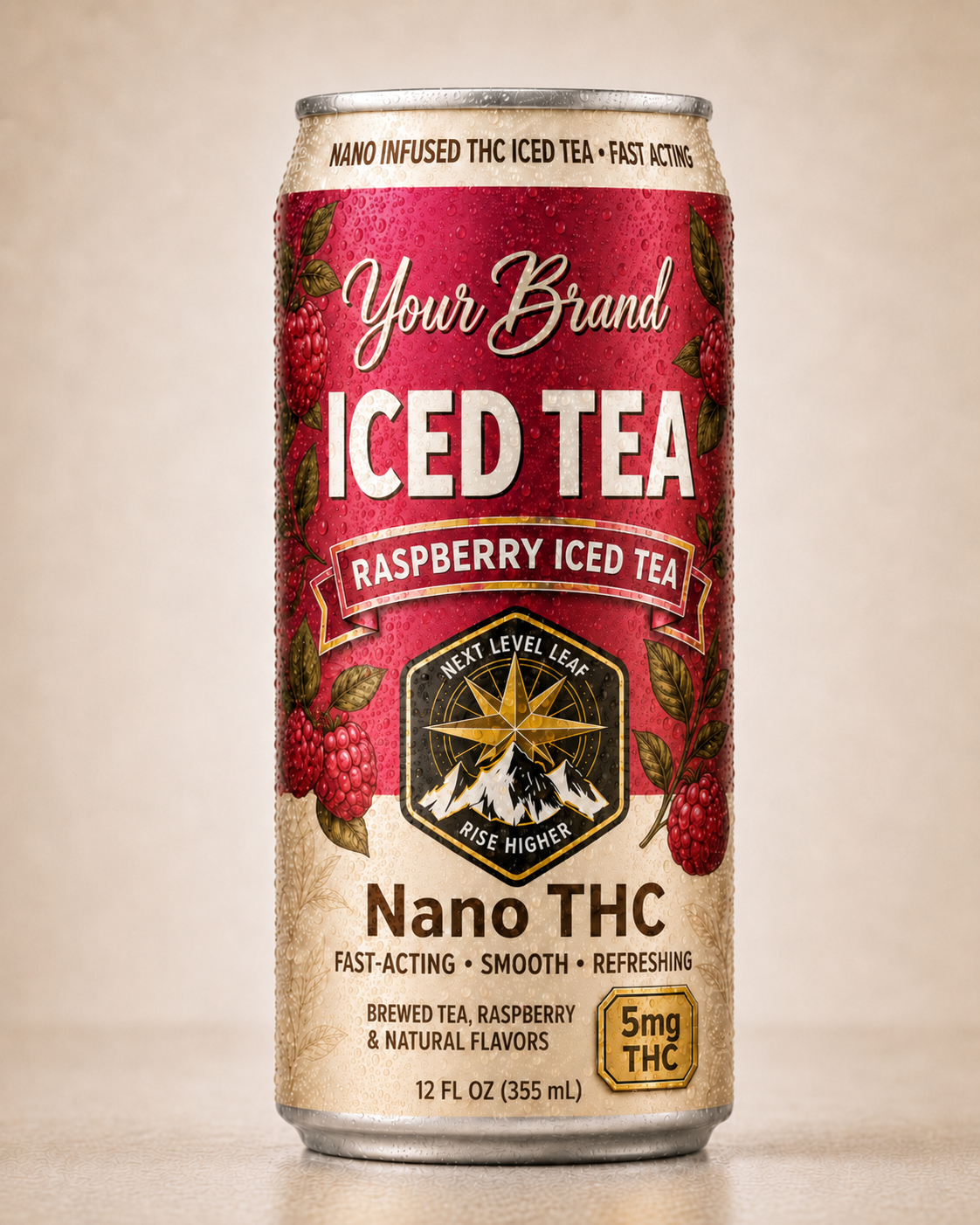
 Classic
Black iced tea
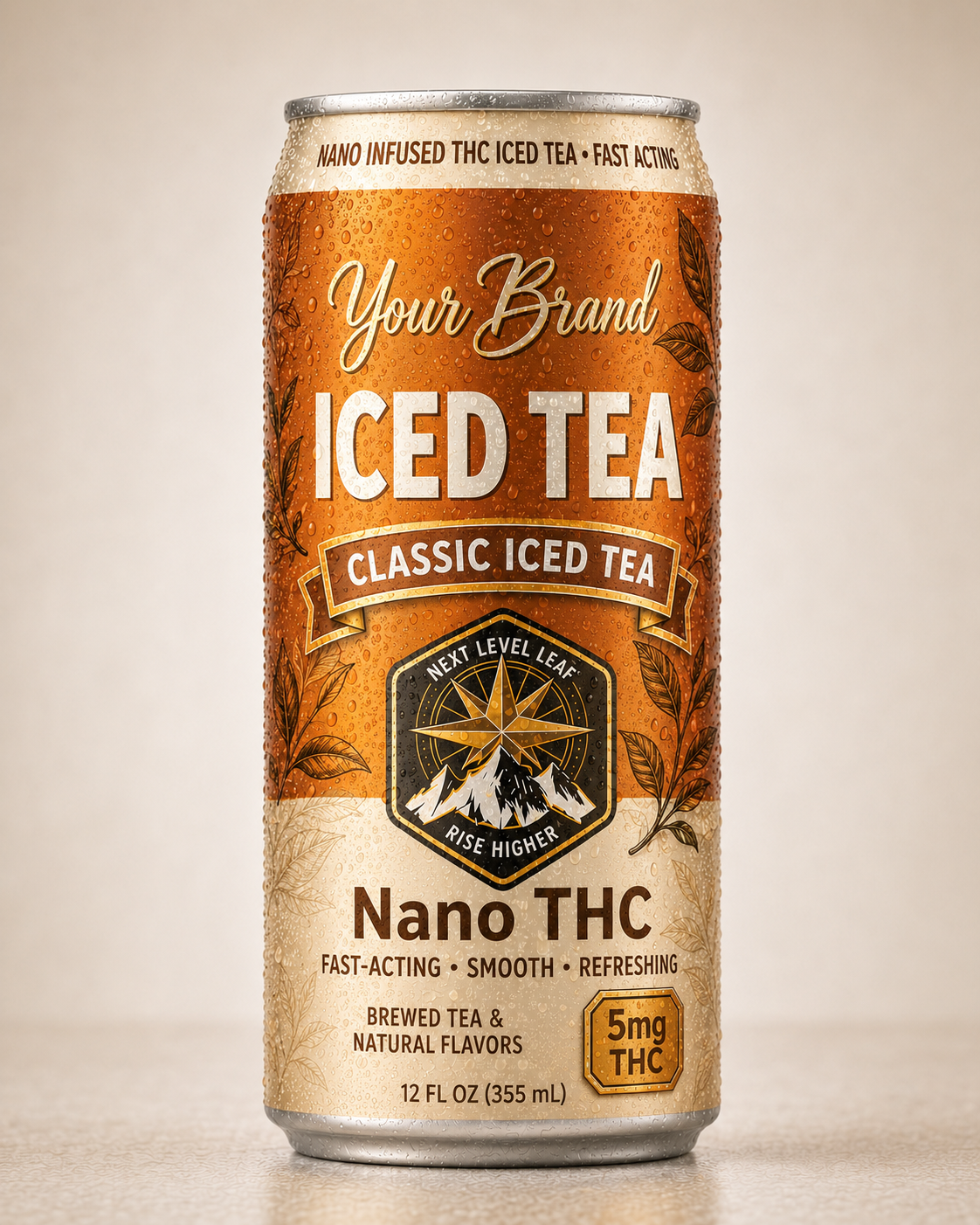
A familiar format that can work well for brands that want a straightforward tea product with broad recognition.
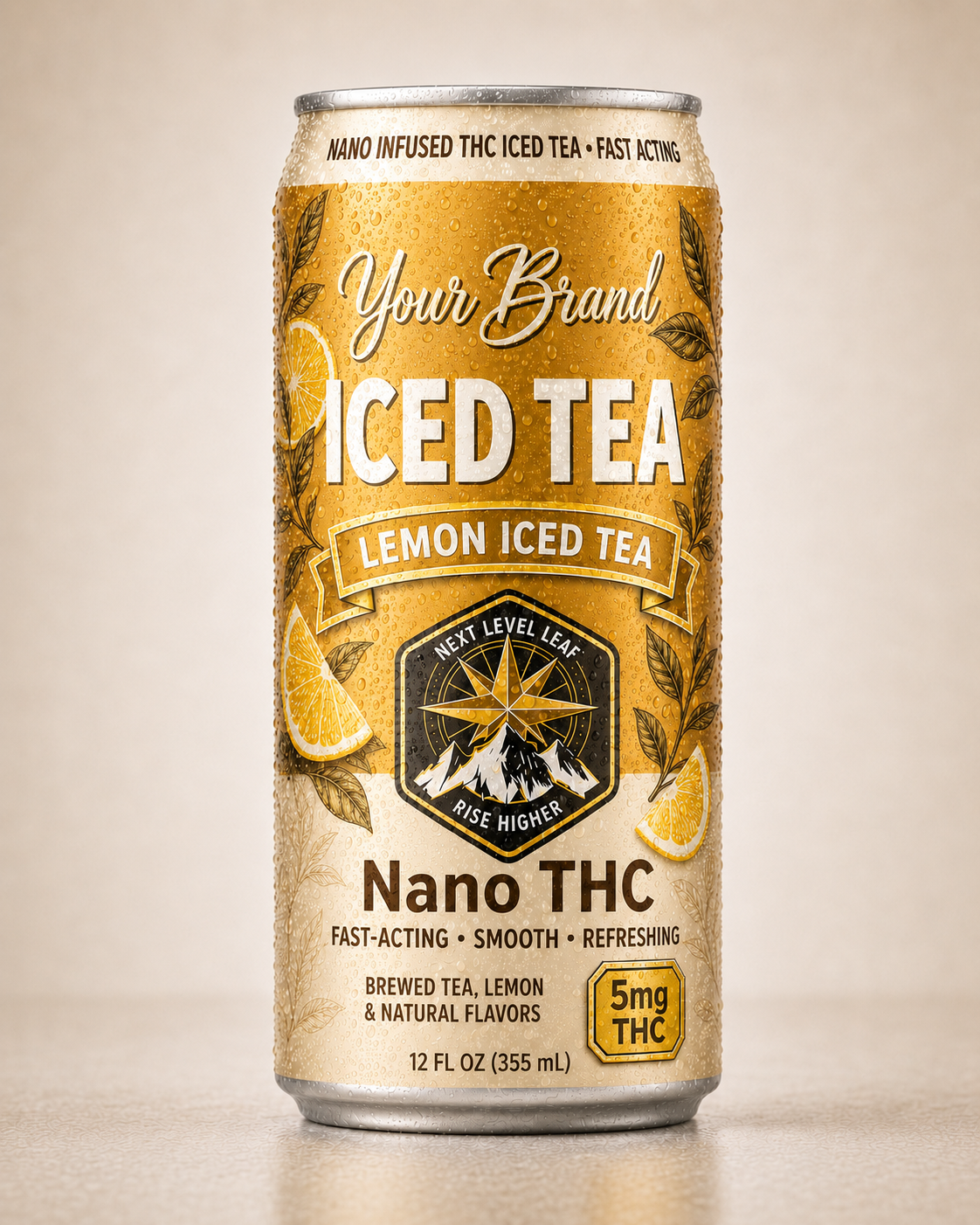 Regional
Sweet tea
A strong option for brands targeting customers who already understand Southern-style tea and want a familiar flavor experience.
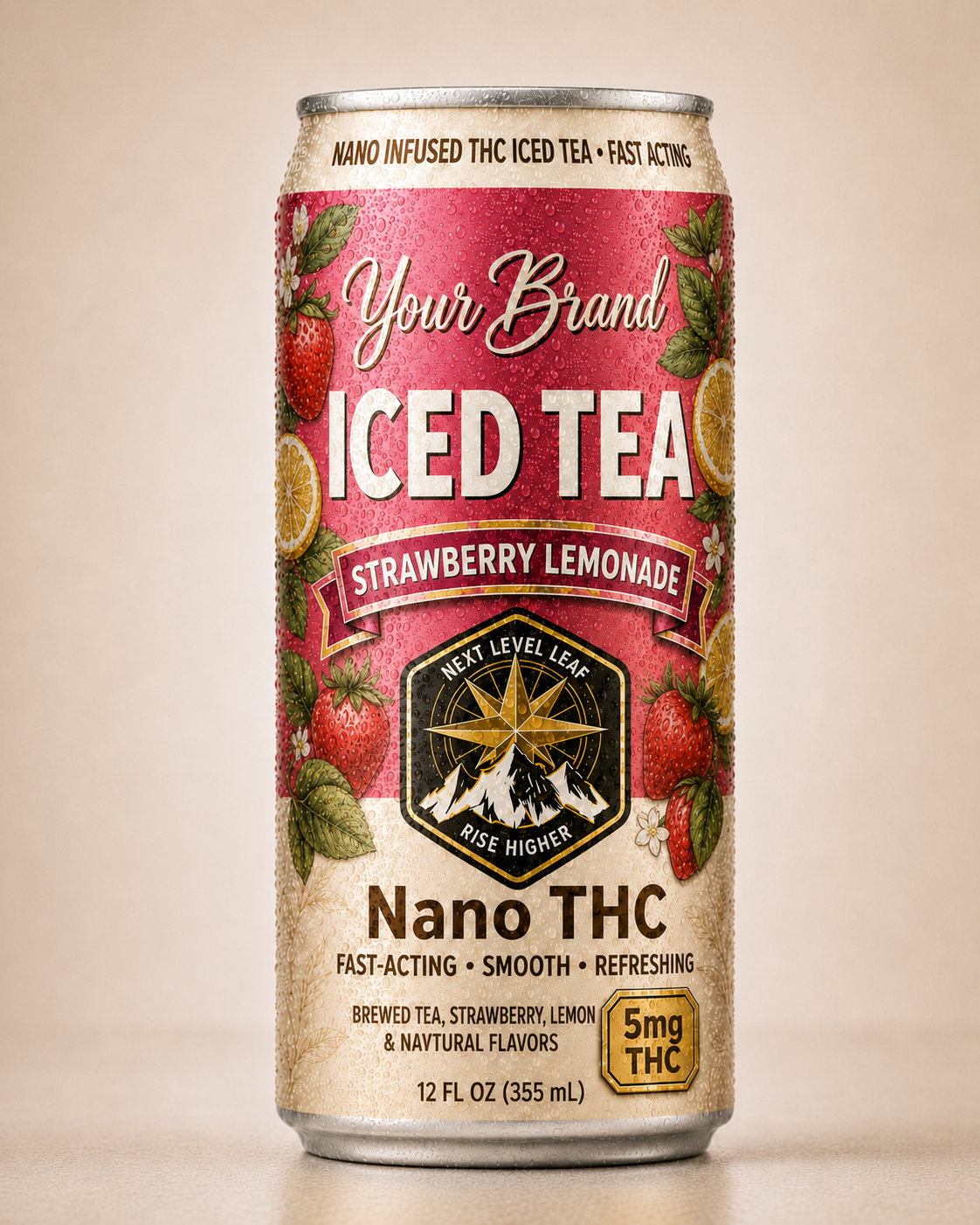 Citrus
Iced tea lemonade
A bright, approachable tea direction that may be easier to explain and sample than more niche functional tea concepts.
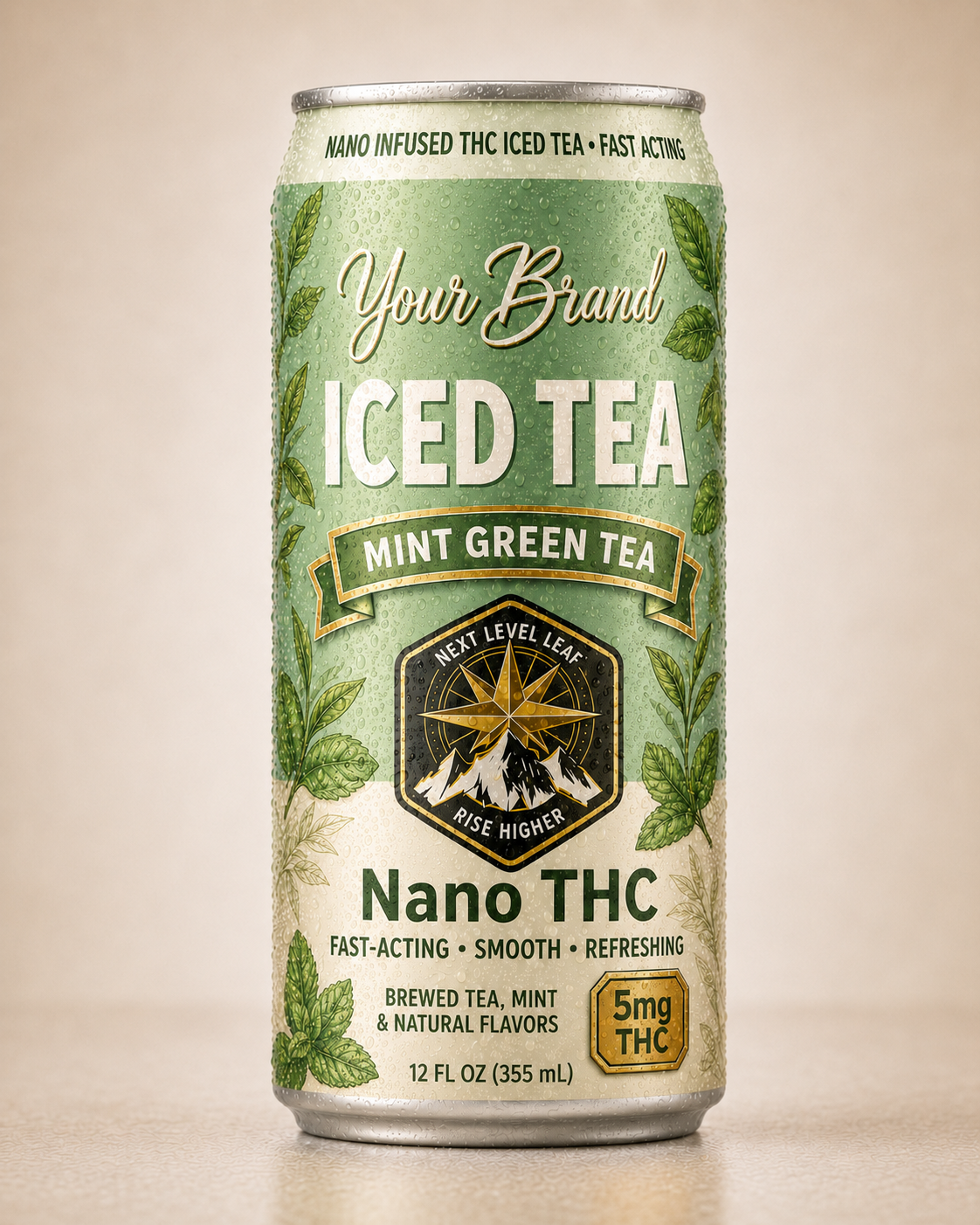 Light
LightGreen tea
A lighter tea base that can support lemon, peach, honey, mint, berry, or functional beverage positioning.
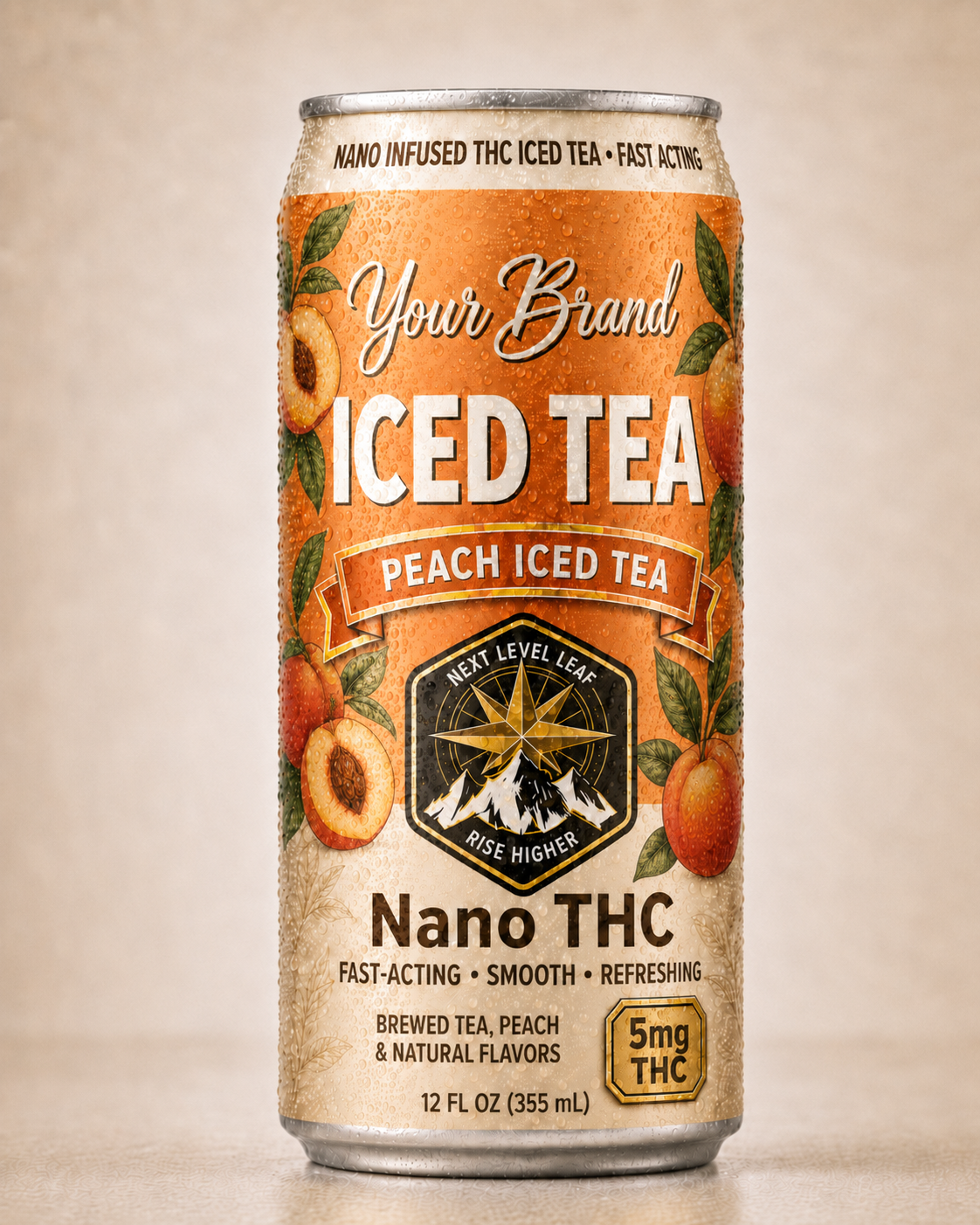 Botanical
Herbal tea
A caffeine-free or wellness-adjacent path for brands exploring hibiscus, mint, chamomile-style, or botanical tea concepts.
 Modern
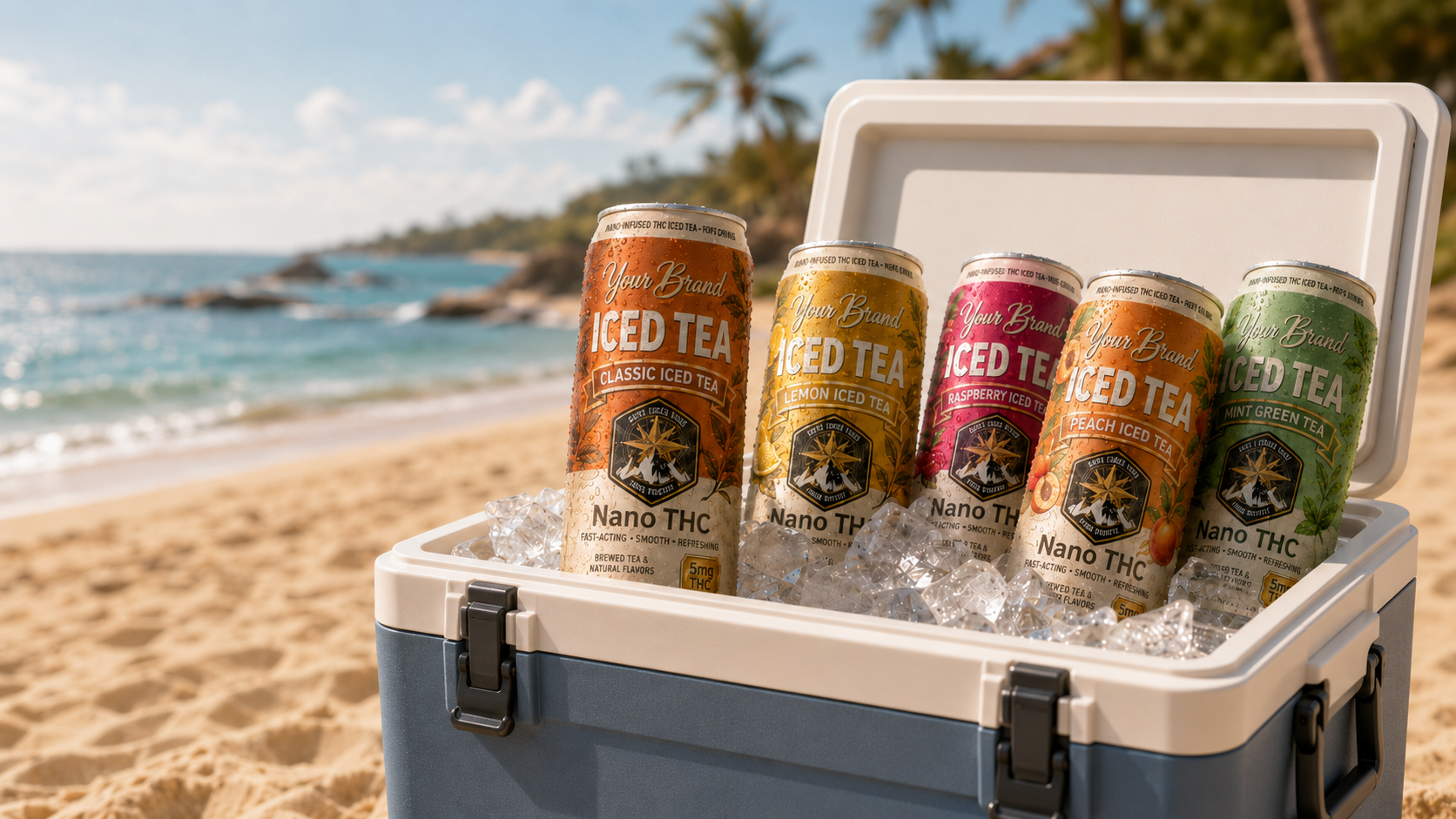
Sparkling tea
A more contemporary option that combines tea flavor with carbonation and a lighter ready-to-drink beverage feel.
How THC tea moves from concept to production
The exact process depends on the project, but most infused tea projects move through the same general sequence.
1. Define the product
Choose the tea format, target customer, flavor, dose, sweetness level, caffeine preference, packaging direction, and target sales channel.
2. Evaluate the formula path
Decide whether the product fits a white-label, private-label, or custom R&D path based on how unique the tea concept needs to be.
3. Plan dose and input
Determine the target THC or cannabinoid dose and whether the input is appropriate for a beverage format.
4. Balance flavor
Tea, sweetness, acidity, botanicals, and cannabinoids need to work together so the drink tastes finished, not experimental.
5. Prepare packaging
Labels should make the format, flavor, THC amount, responsible-use language, and brand identity clear.
6. Produce, test, and document
Finished products should be supported with testing, batch-specific COAs, and professional documentation.
White-label vs custom THC tea manufacturing
Not every tea project needs a custom formulation from the beginning. In many cases, a more production-ready path is the right first step because it helps the brand get into market faster and test demand.
Custom development may make sense when the brand needs a unique tea base, unusual flavor system, specific sweetness target, functional ingredient stack, or proprietary customer experience.
White-label THC tea
Best when speed, simplicity, and a more proven production path matter more than creating something highly proprietary.
Private-label THC tea
Best when the brand wants a more specific positioning, packaging direction, dose, flavor, or product-line strategy.
Custom THC tea
Best when the product needs custom R&D, unique ingredients, a signature flavor, or a very specific functional stack.
Dose strategy affects the manufacturing plan
A 2mg THC tea, 5mg THC tea, 10mg THC tea, and 25mg THC tea are different products. Dose affects the consumer, drinking occasion, repeat-use pattern, retail conversation, and state planning.
Lower-dose THC tea may be more approachable and sessionable. A stronger product may appeal to experienced THC consumers, but it can narrow the target customer and change the sales story.
The right dose should match the customer and the channel, not just the maximum number that sounds impressive.
For many tea concepts, an approachable dose can make the product easier to sample, explain, and reorder, especially if the goal is broader retail adoption.
Flavor and sweetness need to be decided early
Tea can be delicate, bold, tannic, sweet, citrusy, herbal, or botanical. That flexibility is valuable, but it means flavor decisions need to be made early.
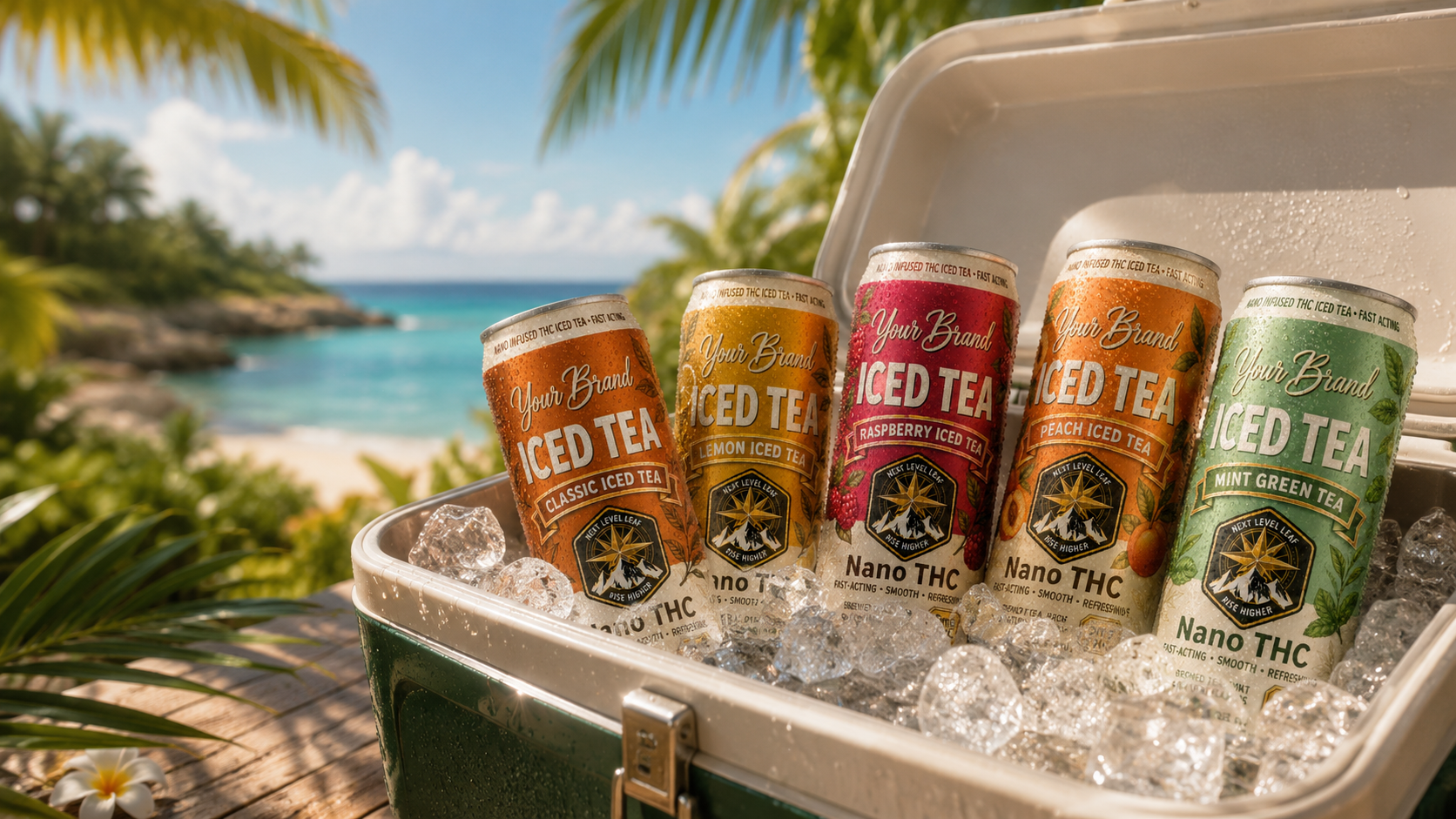
Sweet tea, lemon tea, peach tea, berry tea, mint tea, hibiscus tea, and green tea each create a different expectation. The product also needs to account for cannabinoid taste, acidity, sweetness, mouthfeel, and aftertaste.
If the product is still, the flavor has to carry without carbonation. If the product is sparkling, carbonation becomes part of the experience.
Testing, COAs, and documentation matter
THC tea manufacturing should include finished-product testing, batch-specific COAs, and professional documentation. This helps support retailer confidence, customer trust, and responsible brand positioning.
The label should clearly communicate what the product is, the flavor, the THC amount, whether the product is intoxicating, and any relevant responsible-use language.
Documentation is not just a backend requirement. It is part of the product’s credibility.
What affects THC tea manufacturing cost?
Cost depends on the product details. Before a useful quote can be created, the project needs enough information to estimate the major production variables.
- Tea base and ingredient quality
- Flavor complexity
- THC or cannabinoid dose per can
- Can size and packaging format
- Still vs sparkling production requirements
- Sweetness system and acidity
- Testing, COAs, and documentation
- Minimum order quantity and production volume
- Freight and fulfillment needs
- White-label vs custom development path
What to prepare before requesting a THC tea quote
You do not need every detail finalized before reaching out. But you should be able to describe the product direction clearly enough to begin scoping the project.
- Tea format: sweet tea, iced tea, green tea, herbal tea, sparkling tea, or tea lemonade
- Flavor direction
- Target THC or cannabinoid dose per can
- Still or carbonated format
- Sweetness level and caffeine preference
- Target states or sales channels
- Packaging or label status
- Estimated launch quantity
- Timeline and launch goals
If you are early in the process, request a quote anyway. The conversation can help clarify which tea format, dose, flavor, and production path make the most sense.
The simplest recommendation
If you want to manufacture a THC tea, start with a format customers already understand. Sweet tea, iced tea lemonade, peach tea, black iced tea, and green tea are often easier starting points than a complex functional tea with too many ingredients.
Once the first product is clear, you can expand into herbal tea, sparkling tea, THC+CBD ratios, functional botanicals, or more custom flavor profiles.
If you are ready to scope the project, complete the White Label Information Request.