How to choose the right THC tea flavor lineup
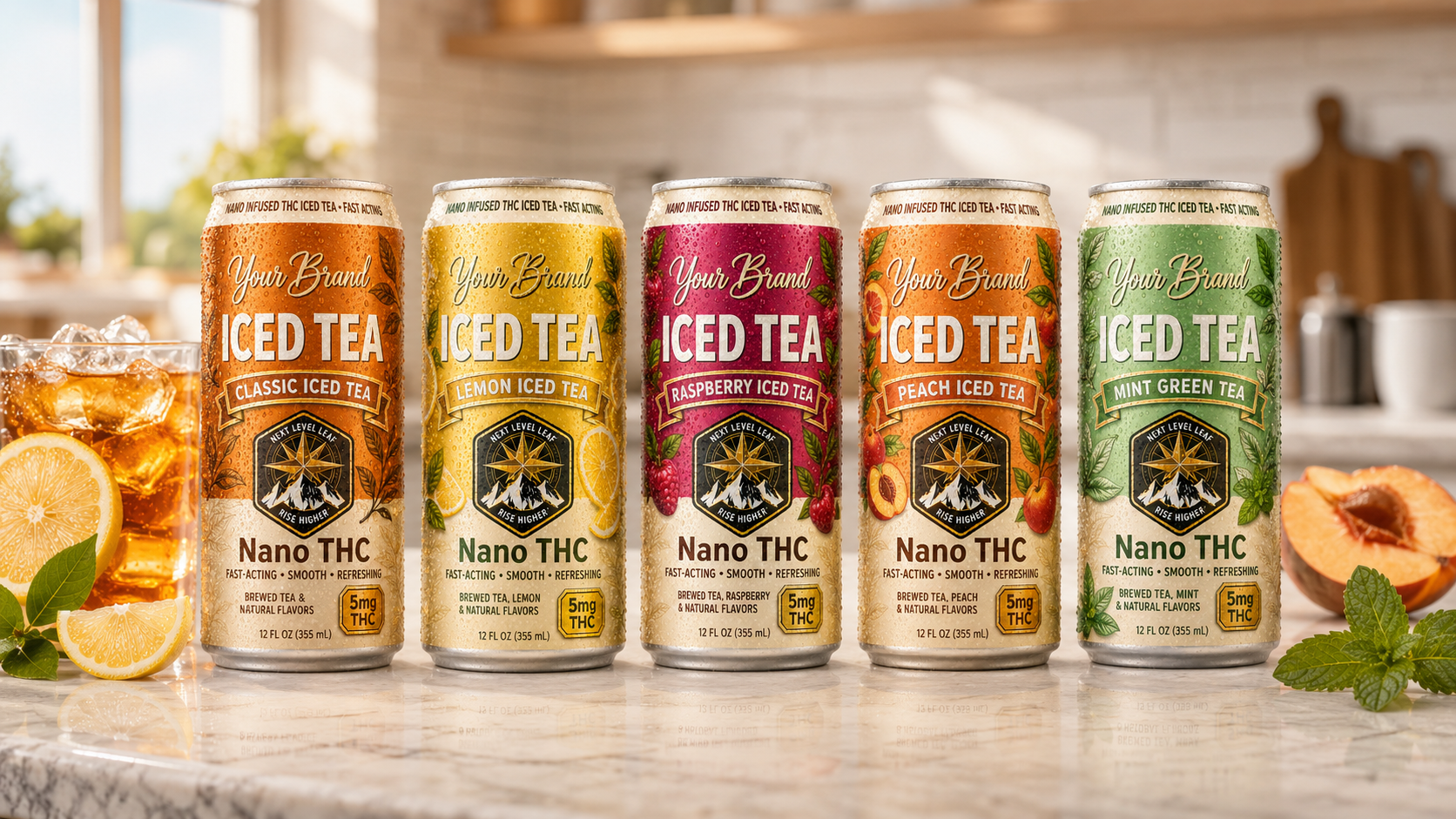
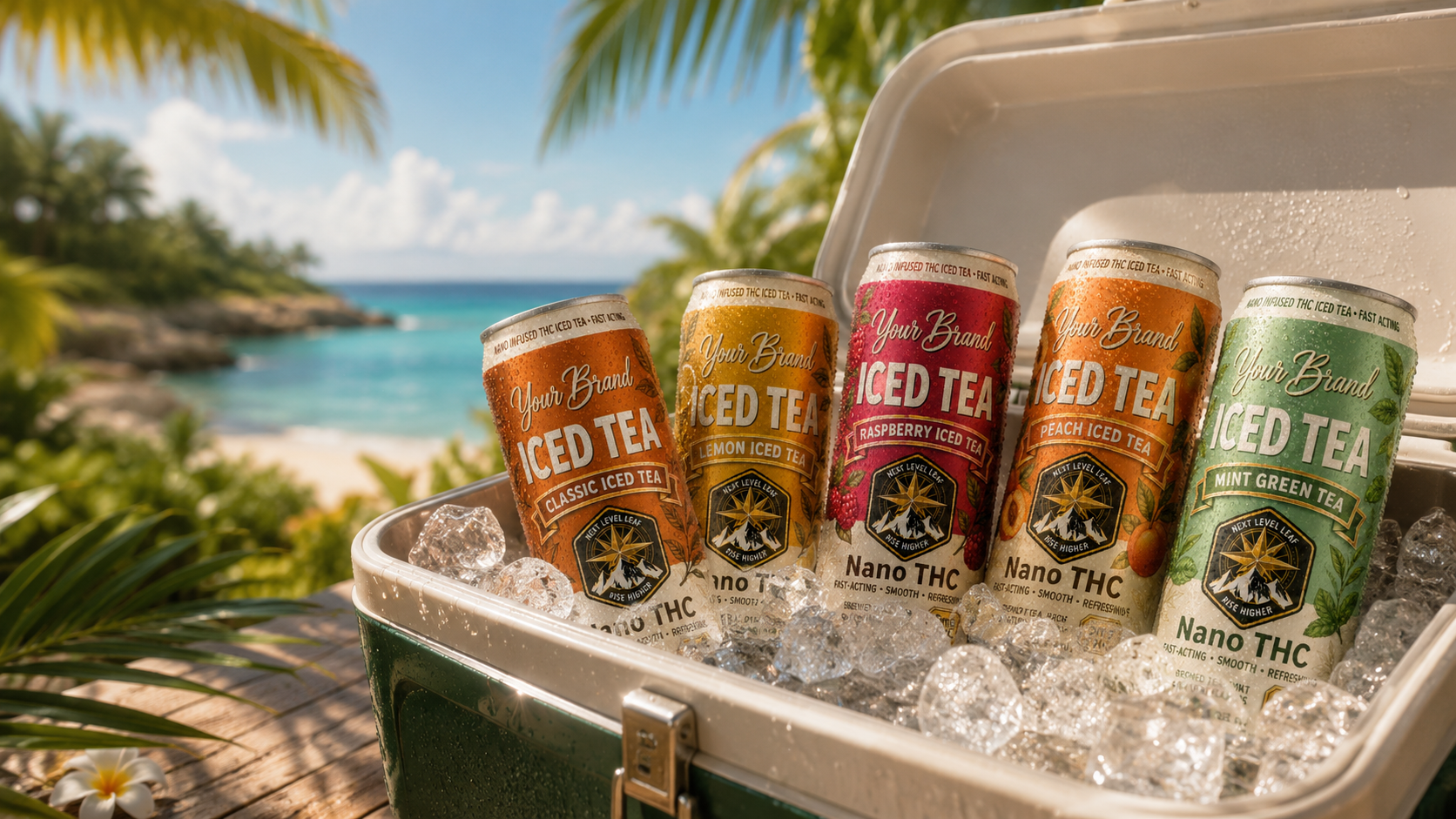
A good THC tea lineup should not feel random. The flavors should make sense together and give the customer clear choices. For most brands, a focused three-SKU or four-SKU lineup is stronger than a long list of flavors that all compete with each other.
Anchor flavor
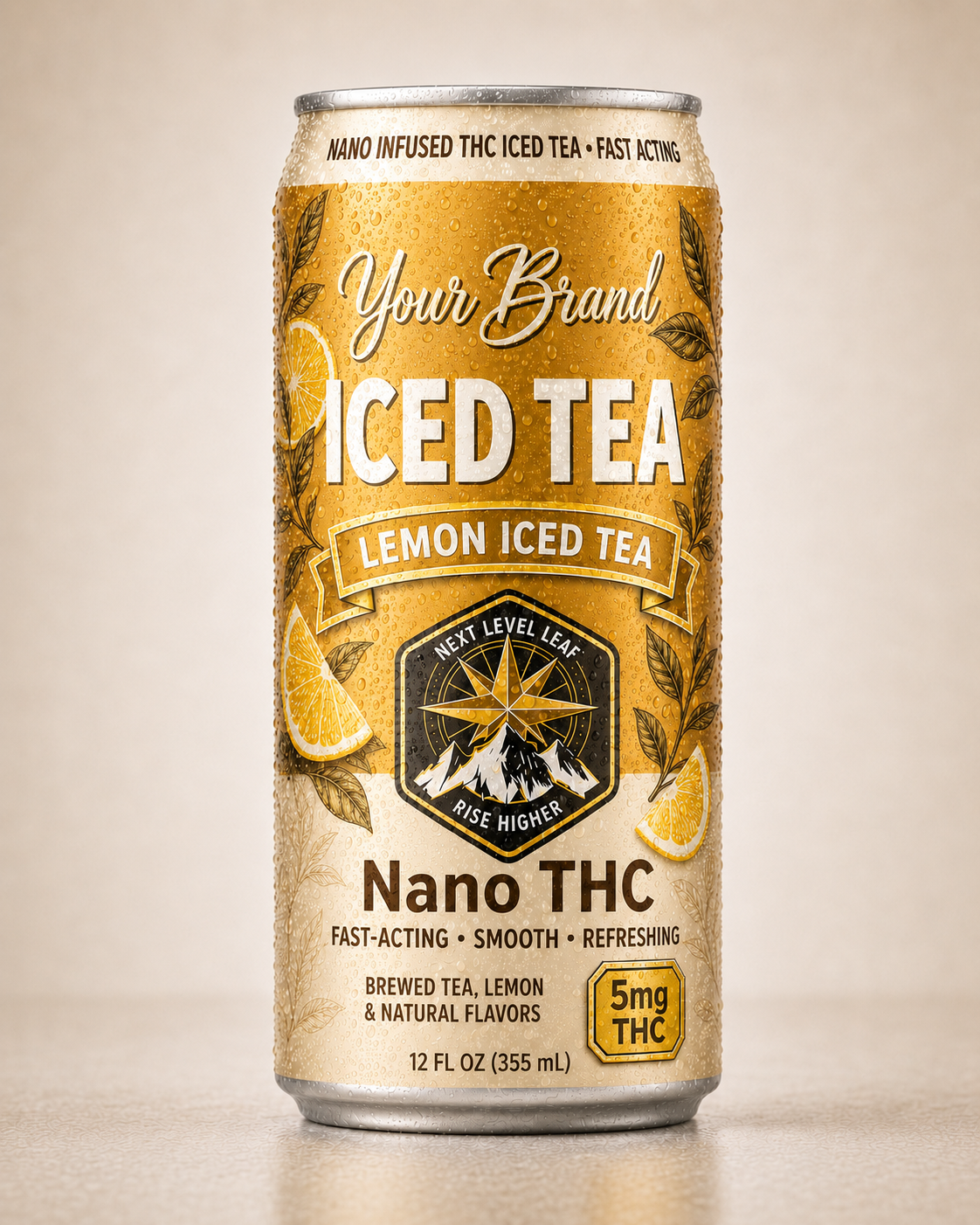
Classic iced tea, lemon iced tea, sweet tea
Gives the line a familiar starting point and makes the category easy to understand.
Fruit-forward flavor
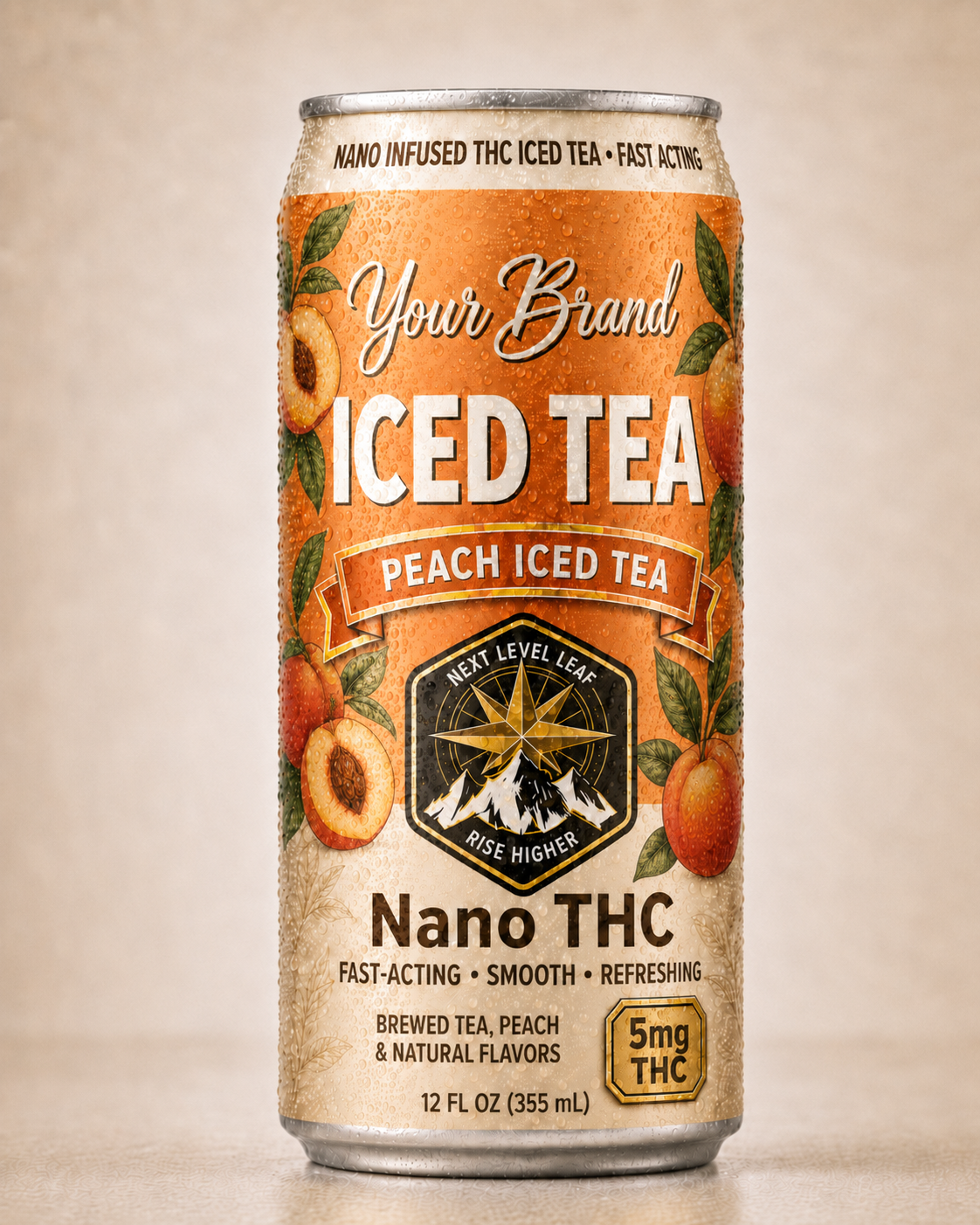
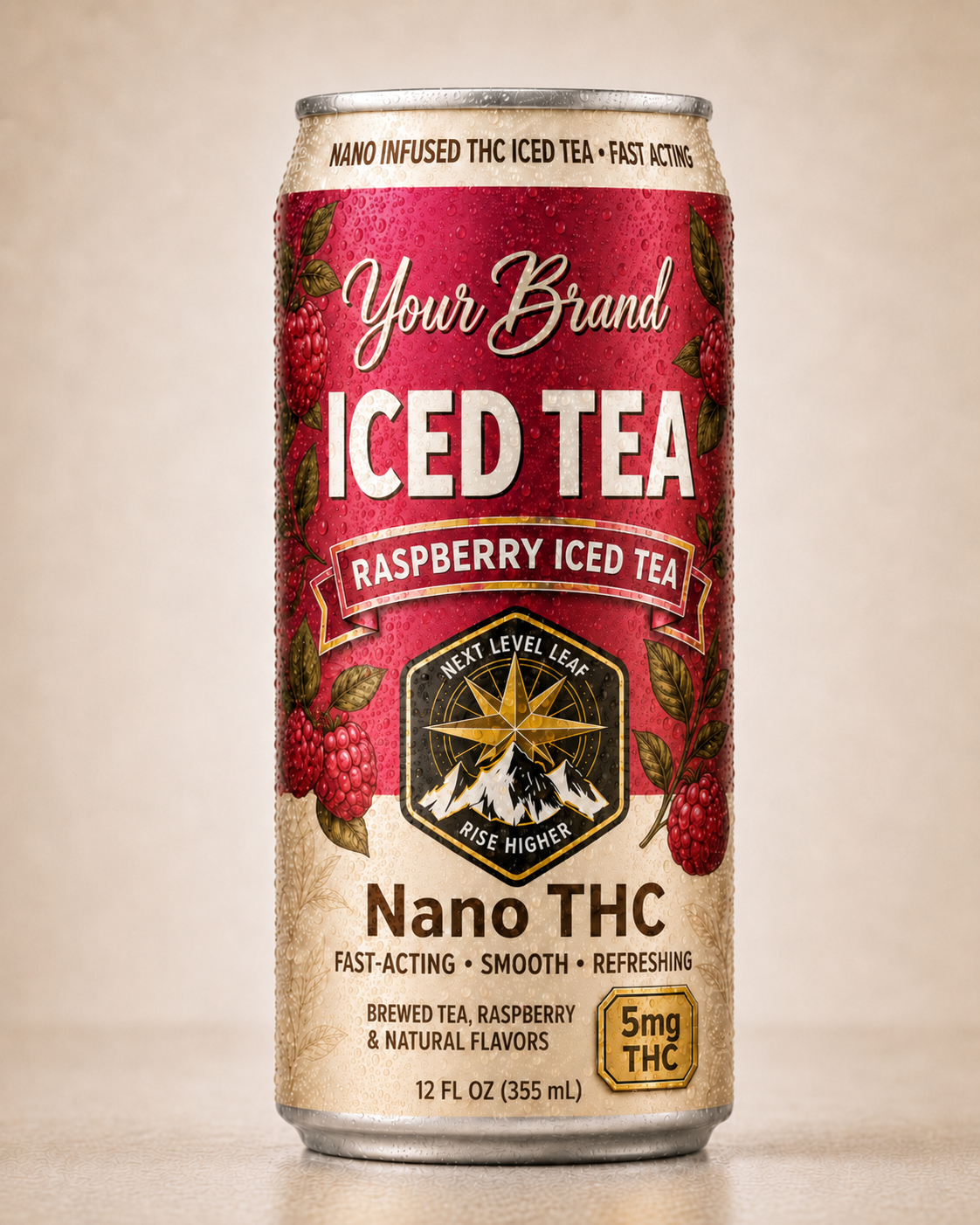
Peach iced tea, raspberry iced tea, strawberry tea
Adds retail appeal, broader flavor personality, and more color to the lineup.
Lemonade-style flavor
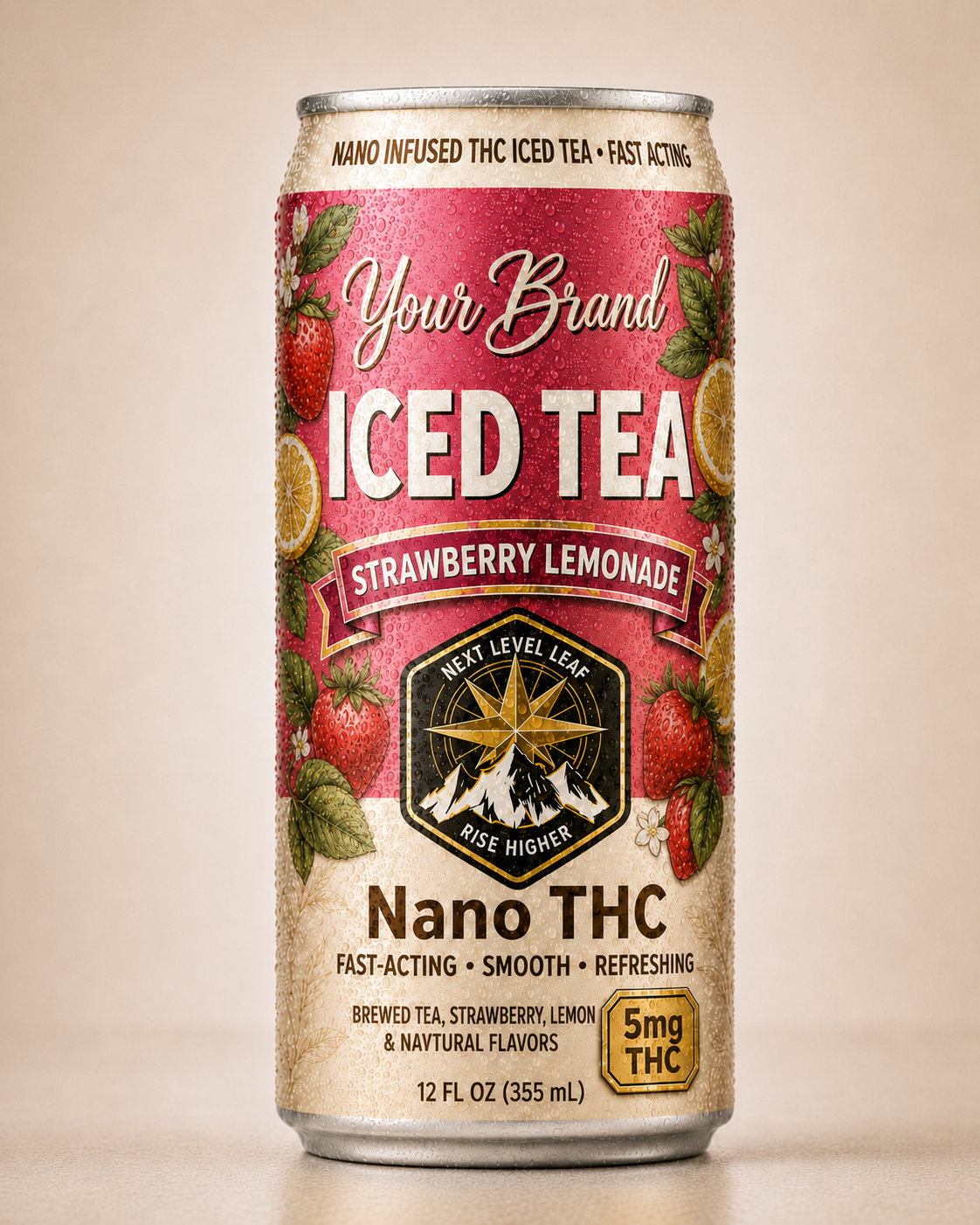
Arnold Palmer, strawberry lemonade tea, raspberry lemonade tea
Helps the product feel more refreshing, higher-impact, and summer-friendly.
Botanical or caffeine-free flavor
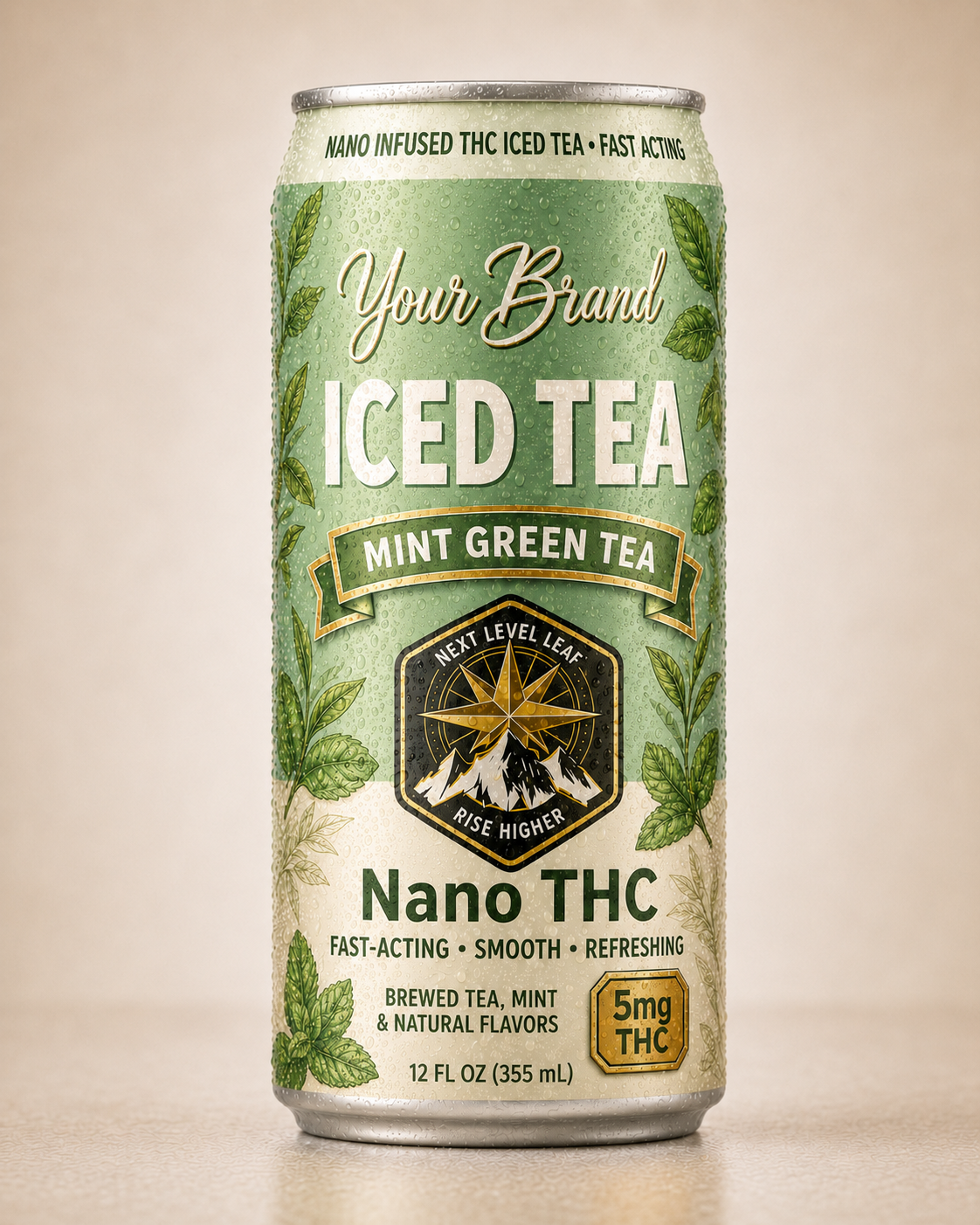
Hibiscus, mint, herbal tea, rooibos-style tea
Creates a different customer occasion and can support evening or caffeine-free positioning.
Still tea, sparkling tea, or tea lemonade?
Infused tea does not have to be only one format. Some brands want a still ready-to-drink iced tea. Others want sparkling tea, tea lemonade, or a tea-inspired mocktail. The format changes the customer expectation.
Still
Still THC iced tea
Best for classic tea, sweet tea, peach tea, and familiar ready-to-drink tea occasions.
Sparkling
Sparkling THC tea
Best for brands that want a lighter, more modern drink that can sit closer to seltzers or spritzers.
Lemonade
THC tea lemonade
Best for bold flavor, citrus brightness, fruit-forward appeal, and strong warm-weather retail positioning.
Caffeine decisions matter
Tea flavor planning should also consider caffeine. Black tea and green tea bring natural caffeine. Herbal tea, hibiscus, mint, rooibos-style botanicals, and fruit tea concepts can be caffeine-free depending on the ingredient system.
That choice changes the product occasion. A caffeinated tea may feel better for daytime, lunch, golf, beach, outdoor, or afternoon use. A caffeine-free tea may work better for evening, relaxation-adjacent, mocktail, or end-of-day beverage occasions.
For more on caffeine-free tea concepts, review Caffeine-Free THC Tea. For hibiscus-specific product ideas, review Hibiscus THC Tea.
How flavor helps with THC formulation
THC is oil-based, and tea is water-based. That means the cannabinoid input needs to be compatible with the beverage system. Emulsion planning, flavor system, sweetness, acidity, and finished-product testing all matter.
Tea flavors with citrus, fruit, lemonade, berry, peach, hibiscus, and mint can help create a stronger flavor structure. That can be useful when the formula needs to balance tea tannins, sweetness, cannabinoid notes, and the finish of the drink.
For deeper formulation planning, review Nano vs. Emulsion, Emulsions, and Flavor Systems.
White-label vs custom infused tea flavors
White-label THC tea is usually best when a brand wants a faster path to launch using a flavor direction that is already close to production-ready. Custom or private-label infused tea makes more sense when the brand wants more control over tea base, sweetness, fruit system, cannabinoid stack, packaging, and flavor identity.
White-label
Brands that want a faster launch path with less flavor-development risk.
Start with familiar flavors like classic, lemon, peach, raspberry, or tea lemonade.
Private-label
Brands that want a branded flavor direction without building everything from scratch.
Use a known format but customize sweetness, naming, packaging, dose, or cannabinoid stack.
Custom formulation
Brands with a specific flavor vision, channel, state strategy, or premium product concept.
Build around tea base, fruit system, acidity, sweetness, cannabinoid input, and sensory target.
Infused tea flavor concepts that may work well
These concepts are practical starting points for beverage planning. The right choice depends on the audience, channel, dose, state strategy, packaging, and launch timeline.
Classic
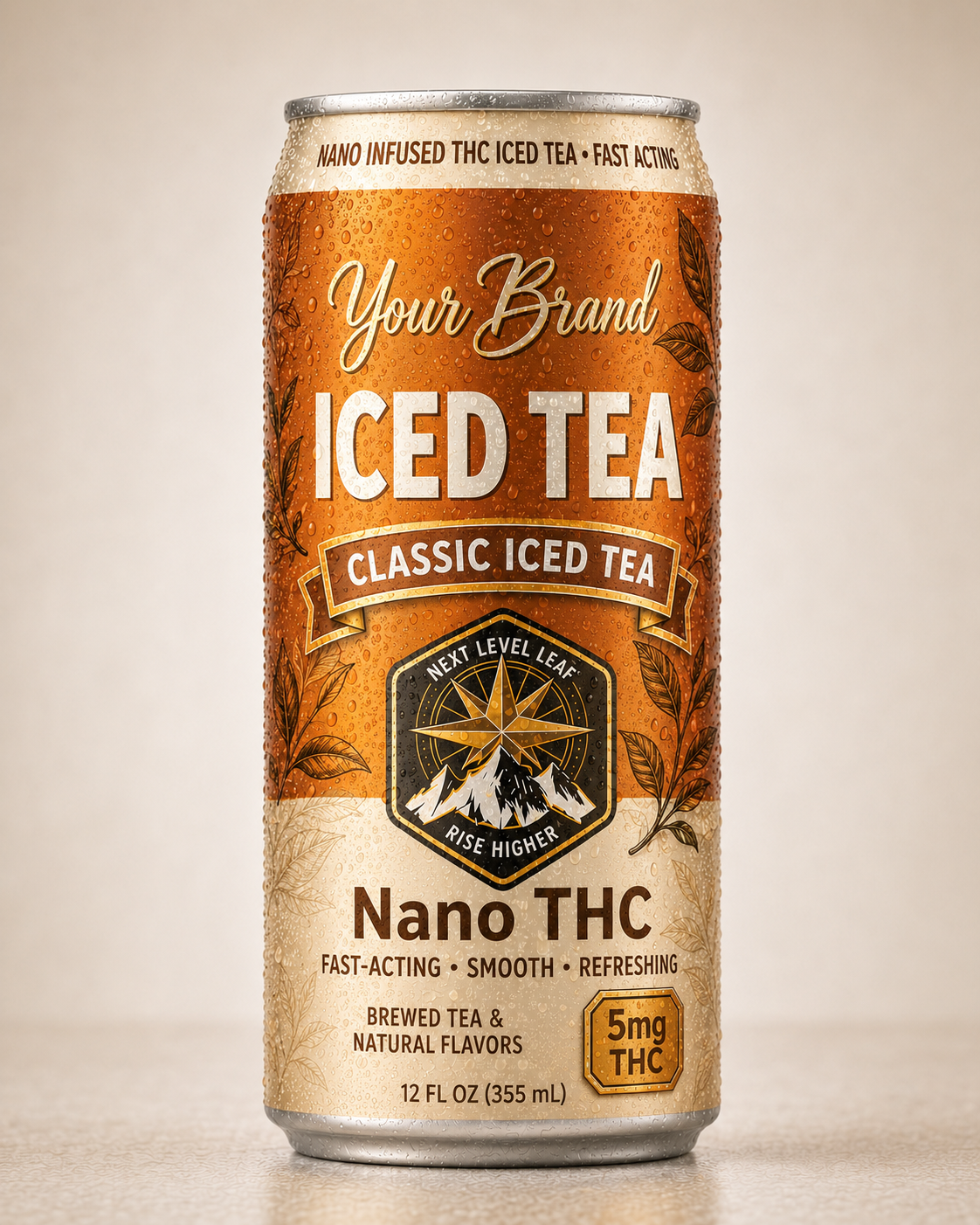
Classic 5mg THC iced tea
A simple, familiar product for brands that want an easy first SKU with broad appeal.
Peach
Peach sweet tea
A Southern-style fruit tea concept for warm-weather, outdoor, patio, and retail cooler occasions.
Lemonade
THC Arnold Palmer
A tea-plus-lemonade concept with strong familiarity and bright acidity.
Berry
Raspberry lemon iced tea
A berry-citrus tea direction that can feel fruit-forward without losing the tea identity.
Herbal
Hibiscus berry tea
A caffeine-free or botanical-leaning option with natural color potential and a more premium feel.
Green Tea
Mint green tea THC drink
A cleaner, lighter concept for brands that want a refreshing tea profile with less sweetness.
What to know before scoping an infused tea flavor
The fastest way to move from flavor idea to quote is to clarify the beverage direction before the production conversation starts.
- Tea base: black tea, green tea, herbal tea, hibiscus, mint, rooibos-style, or blended tea
- Flavor direction: classic, lemon, peach, berry, lemonade, tropical, herbal, or botanical
- Format: still, sparkling, tea lemonade, mocktail-style, or functional tea
- THC dose per can or serving
- Whether CBD, CBG, CBN, THCV, caffeine, adaptogens, mushrooms, or electrolytes are part of the concept
- Sweetness level, acidity, mouthfeel, color, and aftertaste expectations
- Packaging format, can size, first-run quantity, target states, and launch timing
Where to go next
Still choosing the right tea direction? Start with the Infused Tea hub. If you want a production-focused view, review THC Tea Manufacturing. If you want a faster launch path, review White-Label THC Tea. If your flavor direction is tea lemonade, review THC Tea Lemonade.
When you know the flavor direction, dose, format, and target launch path, the next step is to request a quote so the beverage can be scoped around flavor, formulation, packaging, testing, MOQ, and production timing.