

Why emulsion strategy matters
THC and many cannabinoids are oil-based, while most beverages are water-based. A beverage emulsion helps disperse cannabinoids into the drink so the finished product can be produced, packaged, tested, and consumed more consistently.
The emulsion is not just a technical ingredient. It can influence flavor, aftertaste, clarity, color, mouthfeel, cloudiness, dose accuracy, stability, cost, minimums, and the types of beverages that are realistic for a brand to launch.
The right emulsion is the one that works with the product format, dose, flavor system, clarity goals, and production path—not just the one that sounds best in a spec sheet.
Standard emulsion vs clear emulsion planning
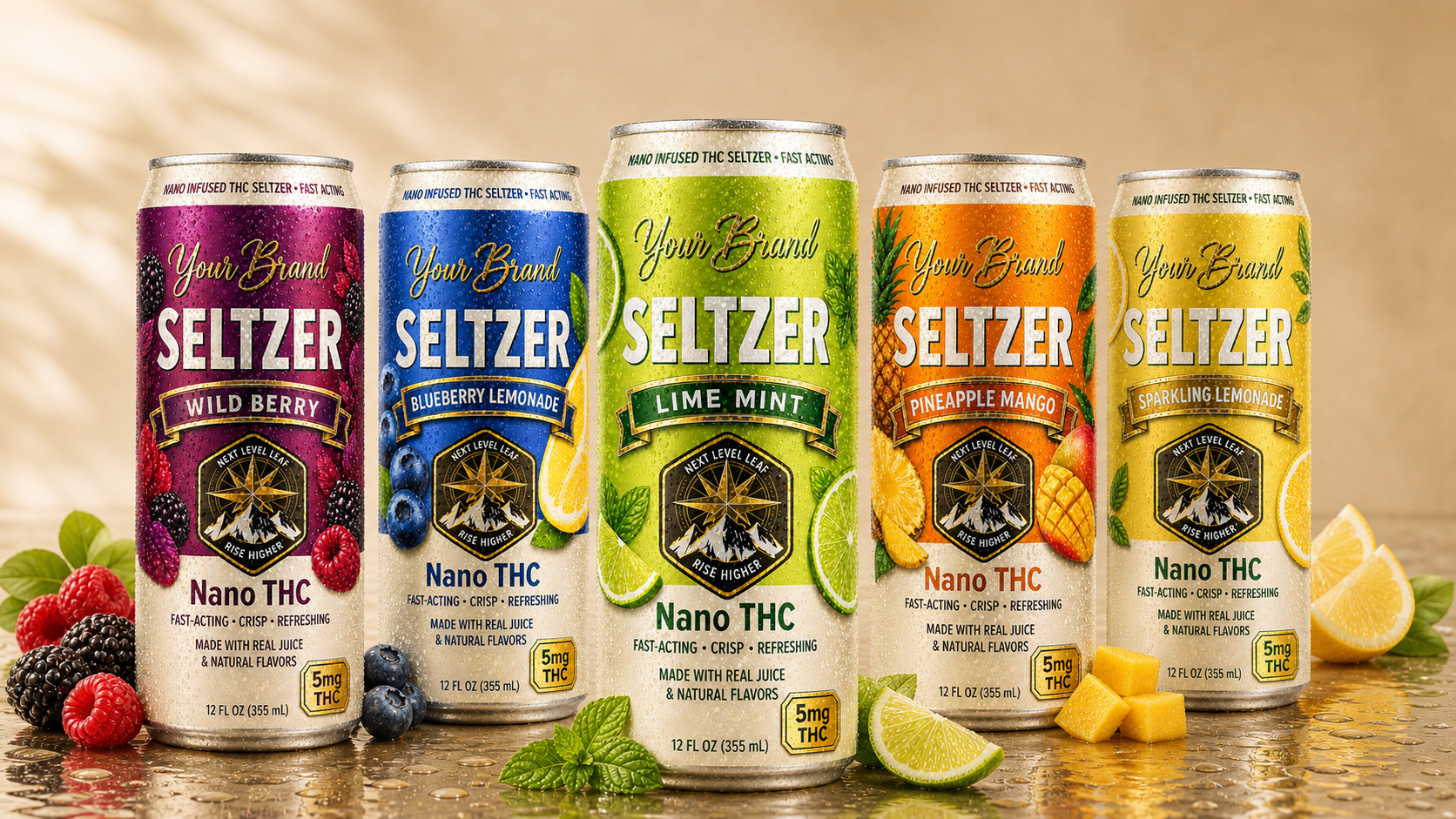
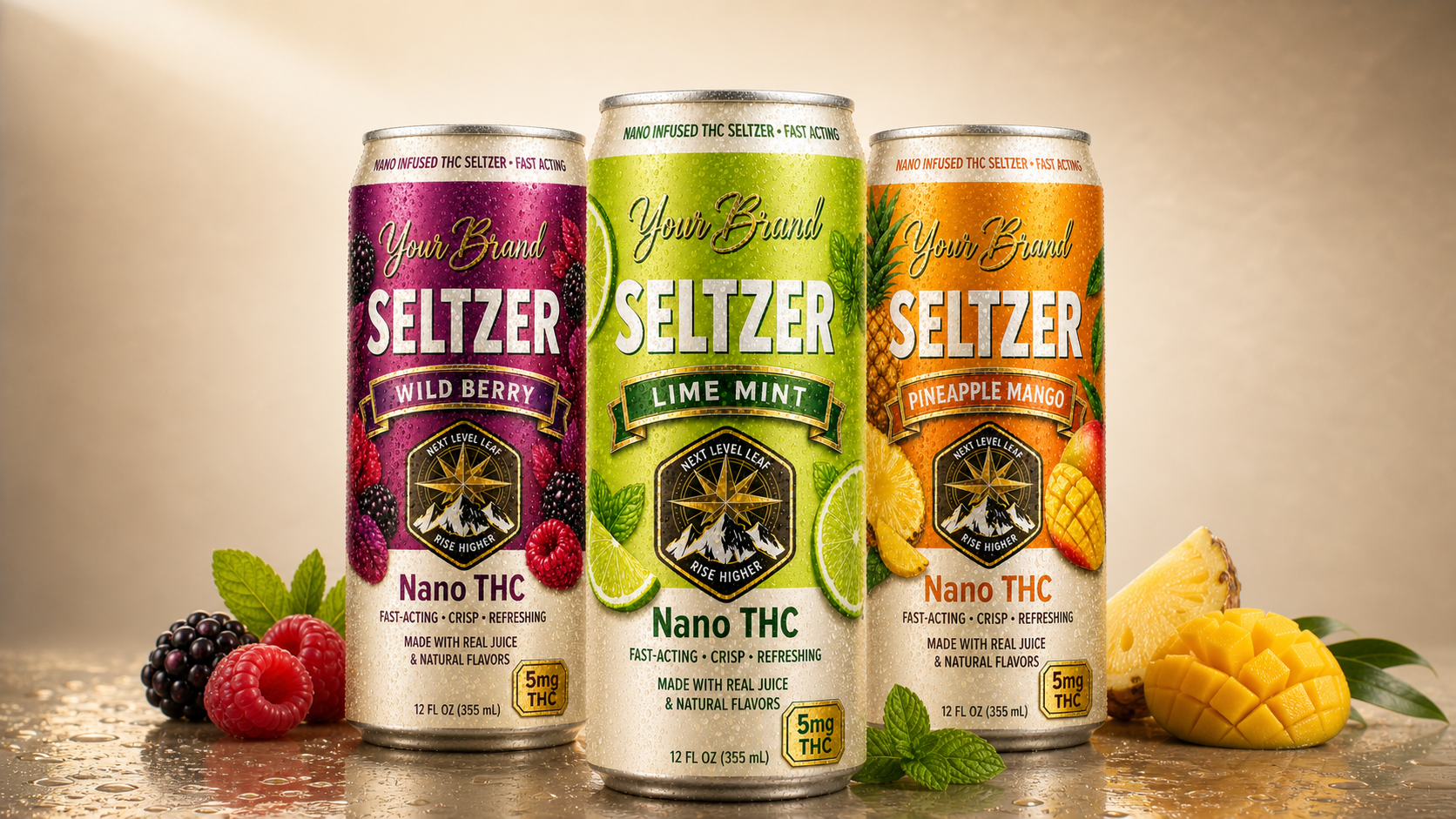
Some beverage concepts can work well with a standard emulsion, especially when the product has stronger flavor, color, body, or natural cloudiness. Other products may need a clearer input if the goal is a clean seltzer or sparkling water look.
Standard emulsion
Can fit many sodas, teas, coffees, juices, real fruit drinks, mocktails, and fuller-flavor beverages.
Clearer inputs
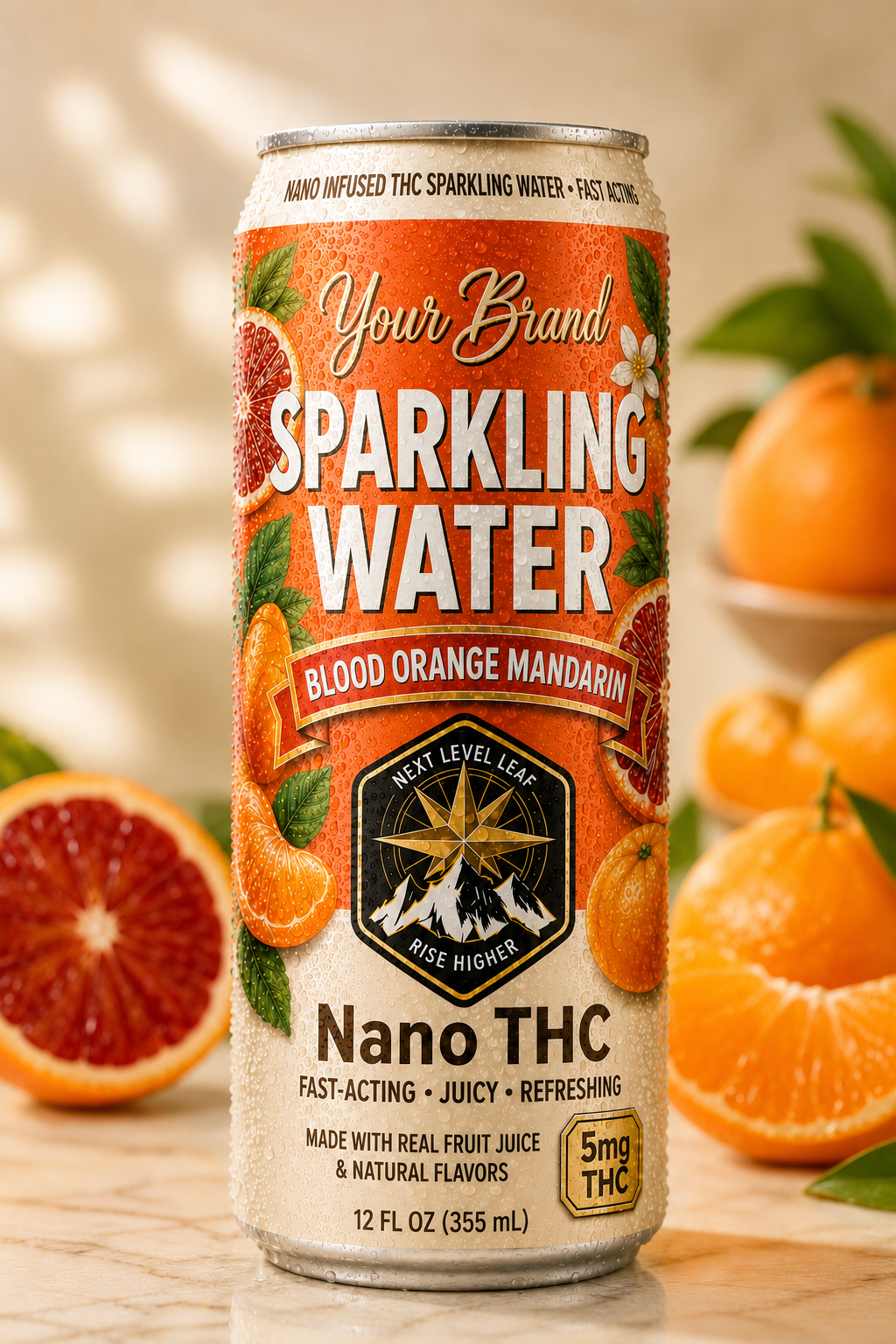
May be needed for clear seltzers, sparkling waters, or products where visual clarity is central to the brand.
Potency considerations
Higher doses can create more flavor and clarity challenges, especially in lighter beverage formats.
Emulsion strategy by beverage format
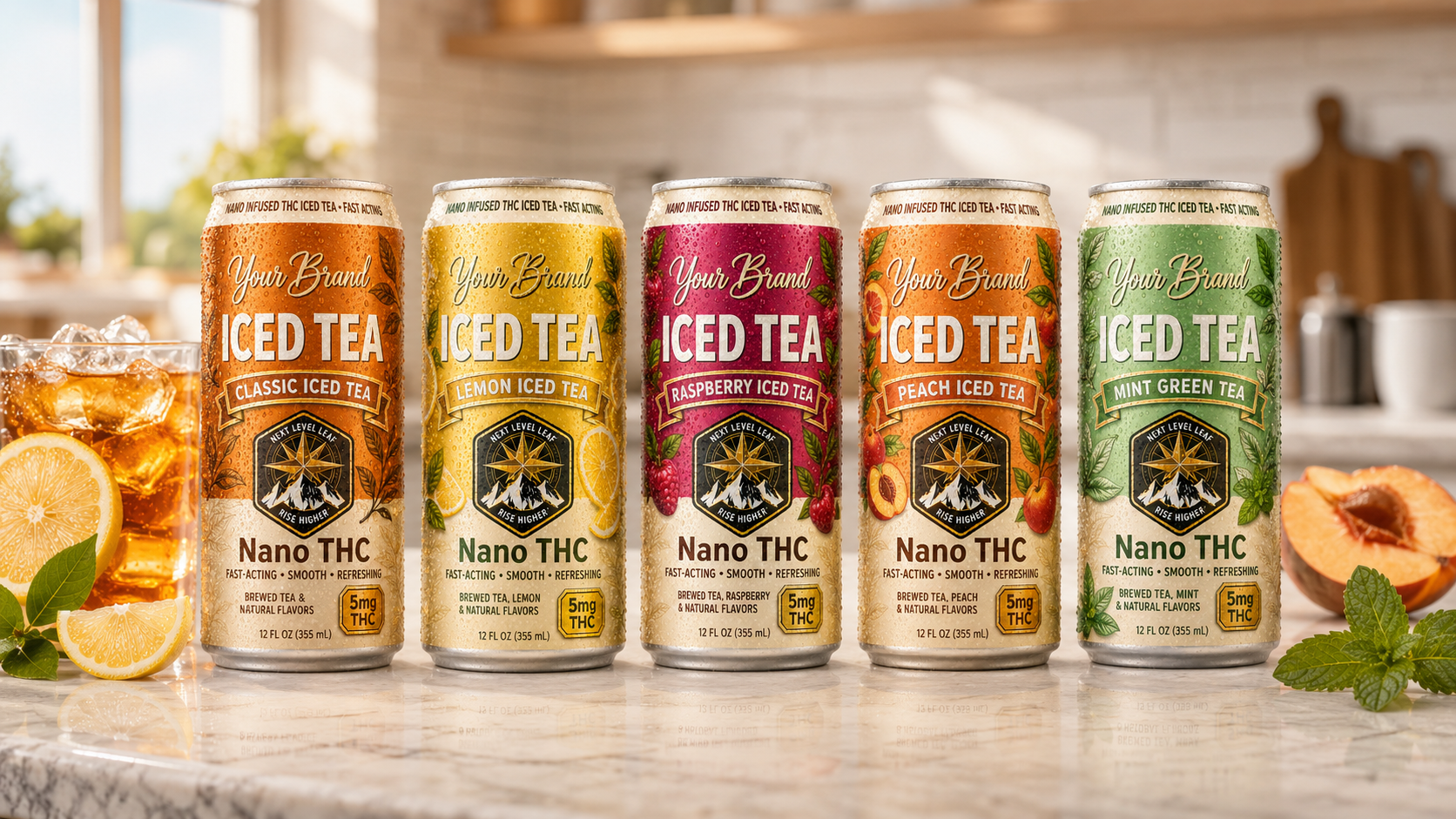
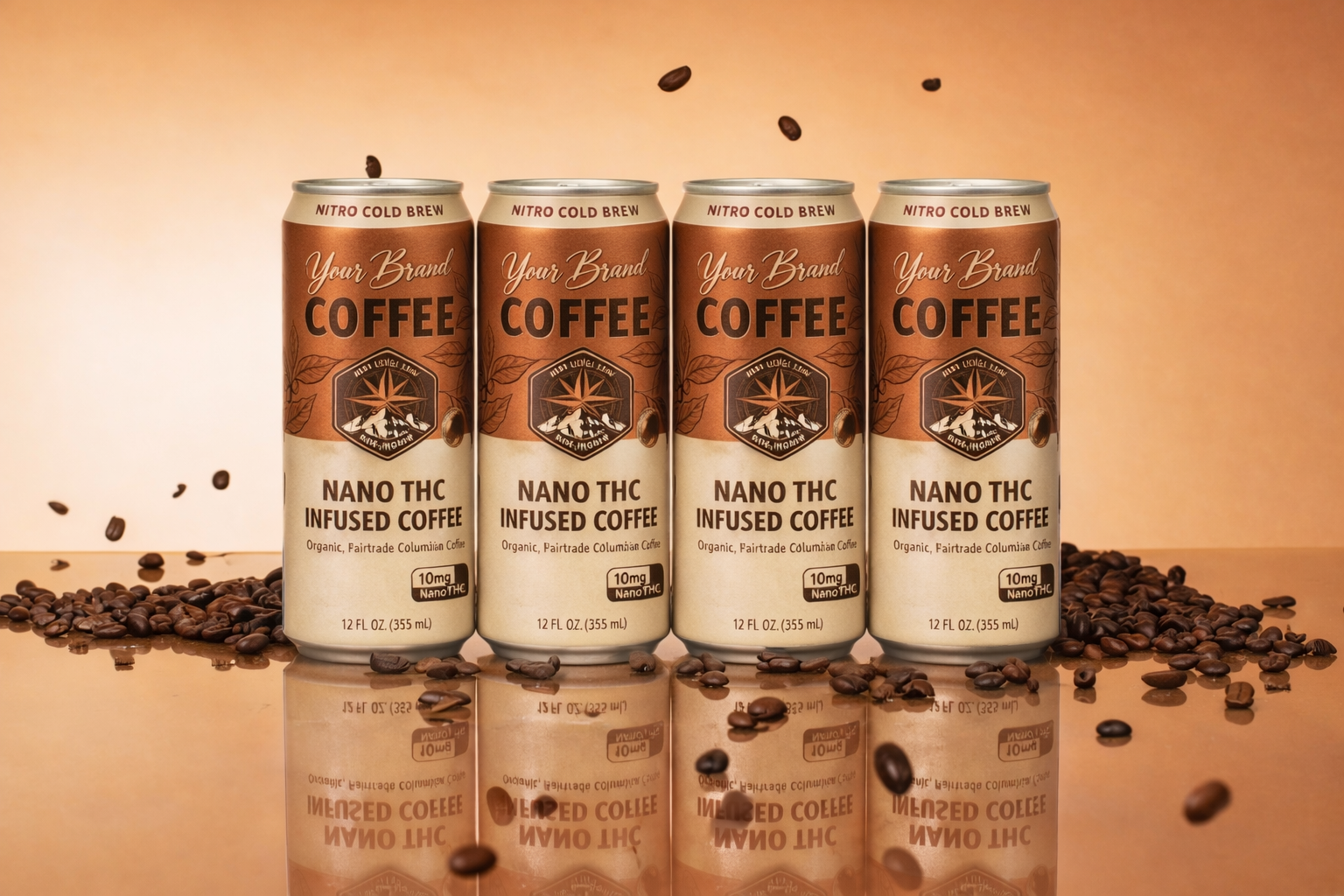
The right emulsion path depends heavily on beverage format. A clear seltzer, sweet tea, coffee, soda, mocktail, and real fruit drink each create different constraints.
Supports cannabinoid dispersion while trying to preserve a clean, light beverage experience.
Clarity, bitterness, aftertaste, and dose level can be more noticeable.
Fuller flavor systems can help support flavor masking and mouthfeel.
Sweetness, acidity, carbonation, and dose still need to be balanced.
Ritual-based beverages may support stronger flavors and more defined product identity.
Base flavor, bitterness, color, and mouthfeel need careful evaluation.
Fruit systems, puree, juice, and stronger flavors can support more complex formulas.
Stability, sediment, color, carbonation, and shelf-life planning become more important.
Nanoemulsion and onset language
Nanoemulsion is often discussed because small droplet size may support beverage compatibility and a more consistent consumer experience. However, public-facing beverage copy should avoid overpromising onset, intensity, or effects.
Brands should focus on clear dose, responsible serving guidance, professional testing, and a consistent finished product rather than making aggressive claims.
Flavor masking and emulsion taste
Emulsion choice can affect bitterness, aroma, aftertaste, mouthfeel, and flavor masking. Lighter products often expose these notes more than full-flavor products.
For flavor system planning, review Natural Flavors, Sweeteners, and Acids.
Clarity, color, and visual expectations
Clarity matters most when the product is meant to look like sparkling water or a clean seltzer. It may matter less in tea, coffee, soda, juice, lemonade, puree-based drinks, or mocktail-style beverages.
For visual planning, review Natural Colors and Fruit Puree.
Testing, COAs, and dose accuracy
Emulsion strategy should support finished-product testing and label accuracy. Brands need confidence that the cannabinoid dose is consistent and that finished-product COAs match the label.
For cannabinoid planning, review THC for Beverages and Cannabinoids for THC Beverages.
Stability and shelf-life planning
The emulsion should be evaluated alongside pH, flavor, sweeteners, preservatives, carbonation, packaging, and intended storage conditions. A stable emulsion in one beverage format may not behave the same way in another.
For stability planning, review Preservatives and Acids.
What to prepare before requesting a quote
An emulsion-ready beverage quote is easier to scope when the brand knows the desired format, dose, and clarity target. You do not need a finished formula, but the product concept should be specific enough to evaluate.
- Beverage format, such as seltzer, soda, tea, coffee, lemonade, mocktail, real fruit drink, spritzer, shot, or functional drink
- Target THC dose and any CBD, CBG, CBN, or other cannabinoid stack details
- Clarity preference, such as clear, lightly cloudy, opaque, fruit-forward, coffee, or tea-based
- Flavor direction and sweetness target
- Carbonation, acidity, color, mouthfeel, and shelf-life goals
- Target states and sales channels
- Packaging status, first-run quantity, and launch timeline
Where to go next
If you are still exploring ingredient options, return to the Ingredients hub. If you want to connect emulsion decisions with cannabinoids, review Cannabinoids and THC for Beverages. If your beverage direction is clear, the next step is to request a quote.