

Why preservative strategy matters
THC beverage brands need products that taste good on day one and remain consistent through storage, shipping, retail placement, and customer purchase. Shelf-life strategy helps protect product quality, appearance, flavor, and retailer confidence.
Preservatives may be part of that strategy, but stability also depends on pH, processing, packaging, carbonation, refrigeration, ingredient choices, and finished-product testing.
The best shelf-life strategy is built into the formula from the beginning. It should not be treated as a last-minute fix after the drink already tastes good in a sample.
Preservation is more than one ingredient
In beverage development, preservation is a system. A finished drink may rely on acid balance, thermal process, carbonation, packaging, preservatives, refrigeration, ingredient selection, or a combination of these factors.
Acid balance
pH and acid strategy can affect flavor, stability, preservation, and production planning.
Production method
Processing, filling, packaging, and storage expectations all influence shelf-life strategy.
Ingredient system
Fruit, tea, sweeteners, botanicals, probiotics, and functional ingredients can all affect stability planning.
Formats that need shelf-life planning
All THC beverages need quality planning, but some formats naturally require more shelf-life attention because of fruit, sugar, tea, botanicals, puree, lower acidity, or more complex ingredient systems.
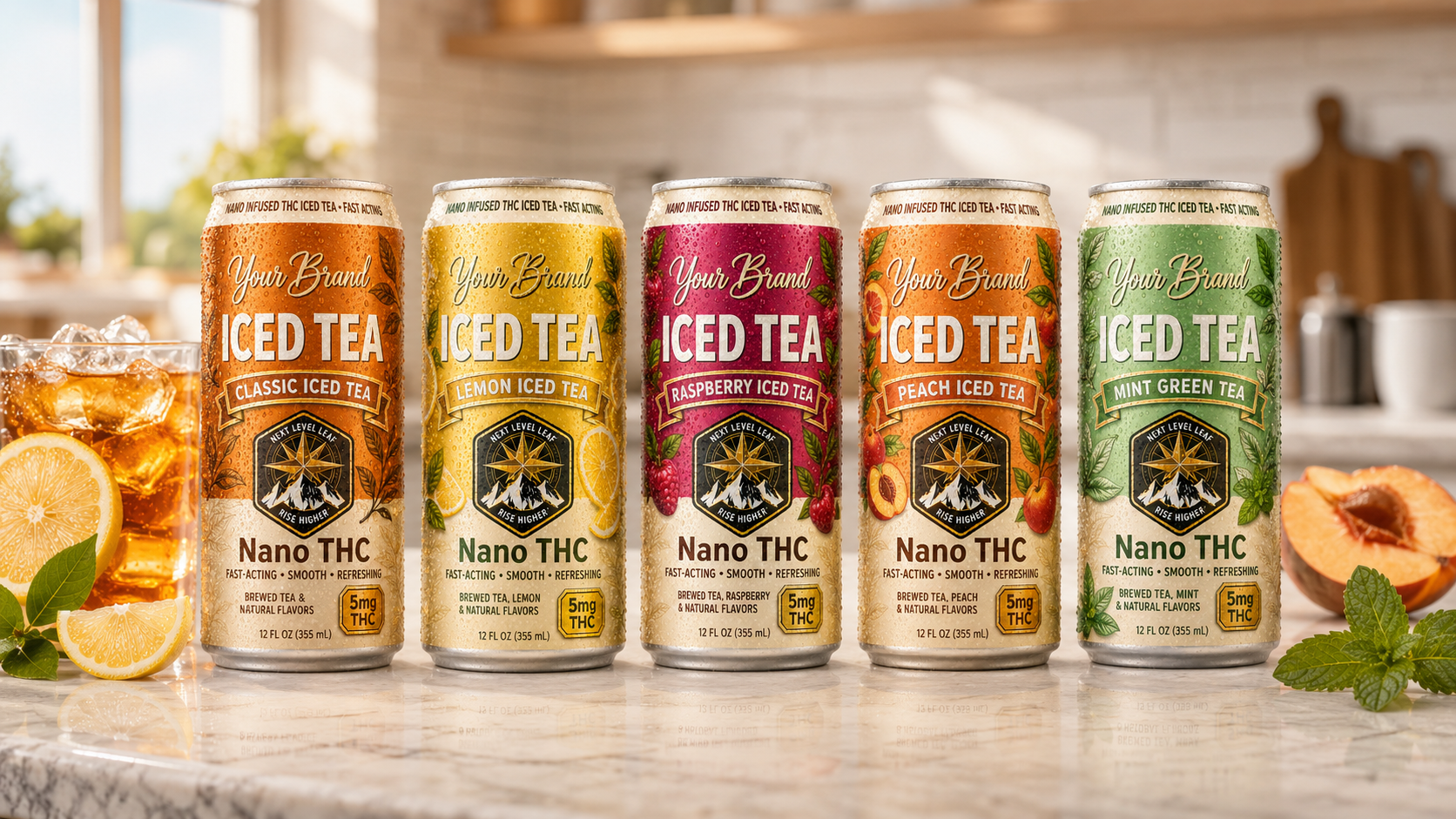
Can involve brewed ingredients, sweetness, acidity, and flavor systems that need stability planning.
pH, color, sediment, flavor drift, and storage expectations should be evaluated.
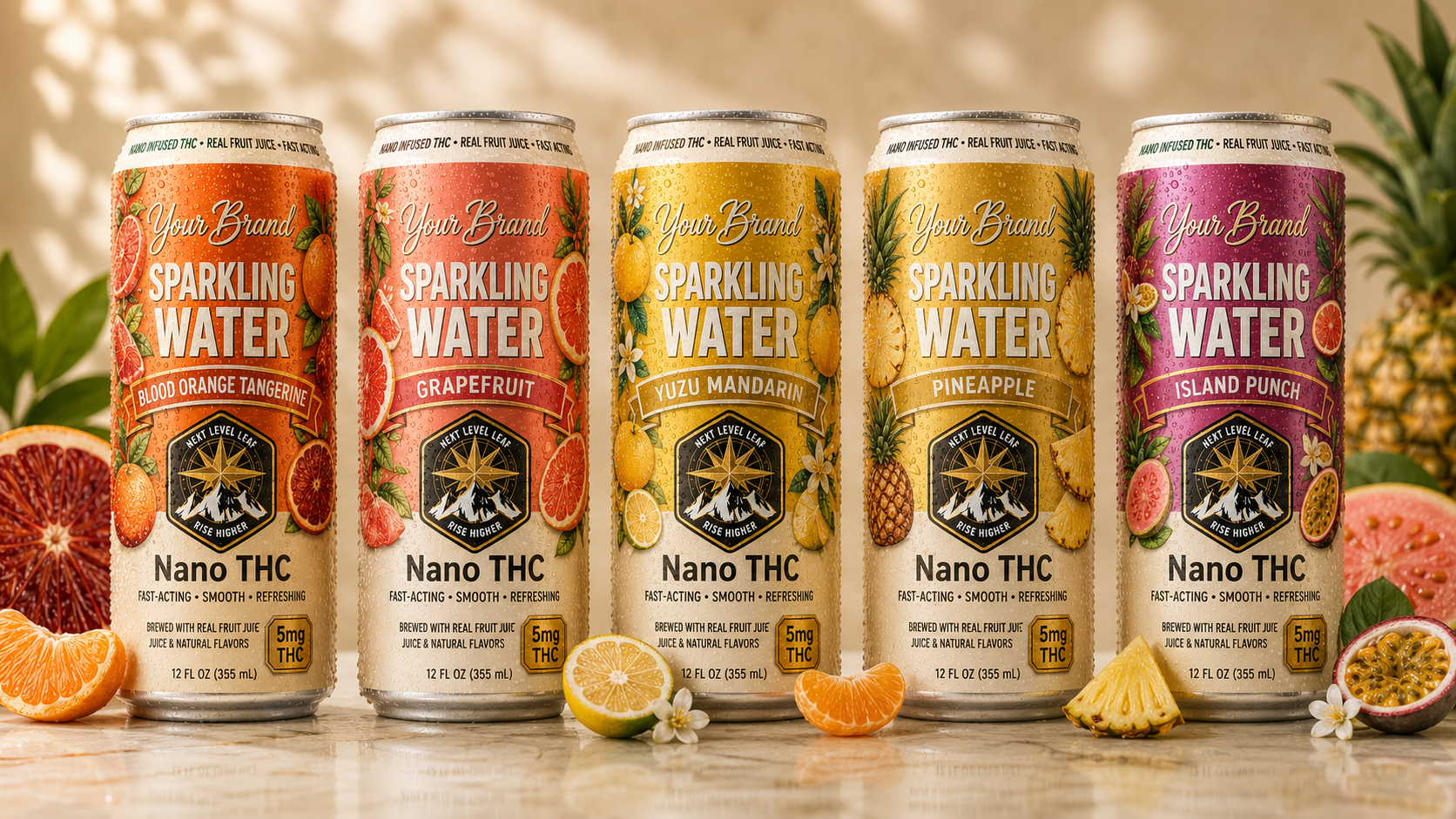
Fruit systems can support flavor and color but may add complexity.
Puree, juice, sediment, color stability, and microbial expectations need review.
Adaptogens, mushrooms, probiotics, botanicals, and other ingredients may influence stability.
Ingredient compatibility, label claims, flavor, and process tolerance need planning.
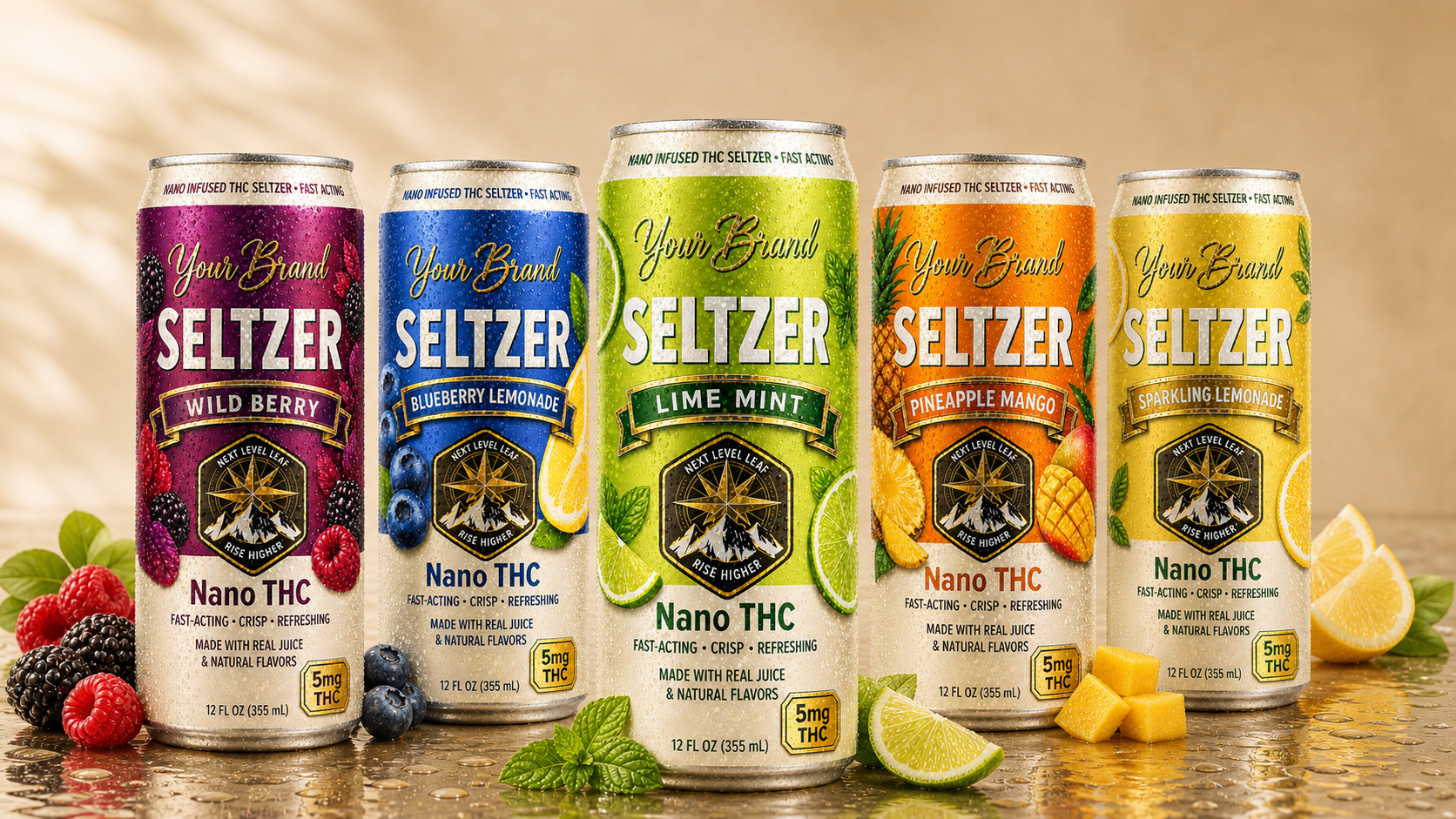
Often simpler, but still require carbonation, flavor, emulsion, and package stability planning.
Light formulas can expose off-notes and instability more easily.
pH, acids, and preservation
pH is one of the most important considerations in beverage stability. Acid strategy affects tartness, preservation planning, flavor balance, and production process.
For pH and acid planning, review Acids for THC Beverages.
Preservatives and flavor quality
Preservatives and stability decisions should not make the drink taste artificial, harsh, or disconnected from the flavor story. The finished product still needs to taste like a beverage customers would buy again.
Flavor, sweetness, acidity, carbonation, mouthfeel, and cannabinoid input all have to work together. For flavor planning, review Natural Flavors and Sweeteners.
Fruit systems and preservative planning
Fruit ingredients can improve product identity, color, and taste, but they may also require more careful shelf-life planning. Juice, puree, natural flavors, and color systems each behave differently.
For fruit system planning, review Fruit Puree and Natural Colors.
Functional ingredients and shelf-life strategy
Functional ingredients can make a beverage more differentiated, but they may also influence flavor, solubility, stability, processing tolerance, label language, and customer expectations.
For functional ingredient planning, review Adaptogens, Mushrooms, and Probiotics.
Testing, COAs, and documentation
Preservative strategy does not replace finished-product cannabinoid testing, COAs, label accuracy, or batch documentation. Depending on the product, shelf-life and quality checks may also be part of a professional development plan.
Retailers and distributors want confidence that the beverage will remain consistent and accurately labeled through its intended sales window.
What to prepare before requesting a quote
A shelf-life-ready beverage quote is easier to scope when the brand knows the desired format, target shelf life, and ingredient direction. You do not need a finished formula, but the product concept should be specific enough to evaluate.
- Beverage format, such as seltzer, spritzer, soda, tea, lemonade, mocktail, real fruit drink, juice, coffee, or functional drink
- Target cannabinoid dose
- Flavor direction and sweetness target
- Fruit, tea, botanical, adaptogen, mushroom, probiotic, or functional ingredient plans
- Desired shelf-life and storage expectations
- Still or sparkling format
- Packaging status, target states, first-run quantity, and launch timeline
Where to go next
If you are still exploring ingredient options, return to the Ingredients hub. If you want to connect preservation with pH and flavor, review Acids, Natural Flavors, and Fruit Puree. If your shelf-life expectations are clear, the next step is to request a quote.