Cannabinoids
Compare THC, CBD, CBG, CBN, and other cannabinoid inputs for dose strategy, positioning, testing, COAs, and product identity.
Explore cannabinoids →The ingredients behind a THC beverage shape how the product tastes, looks, feels, sells, and holds up after production.
Explore cannabinoids, fruit juice, fruit puree, adaptogens, mushrooms, sweeteners, coffee, tea, natural flavors, functional stacks, packaging considerations, testing, COAs, and quote-ready formulation decisions.
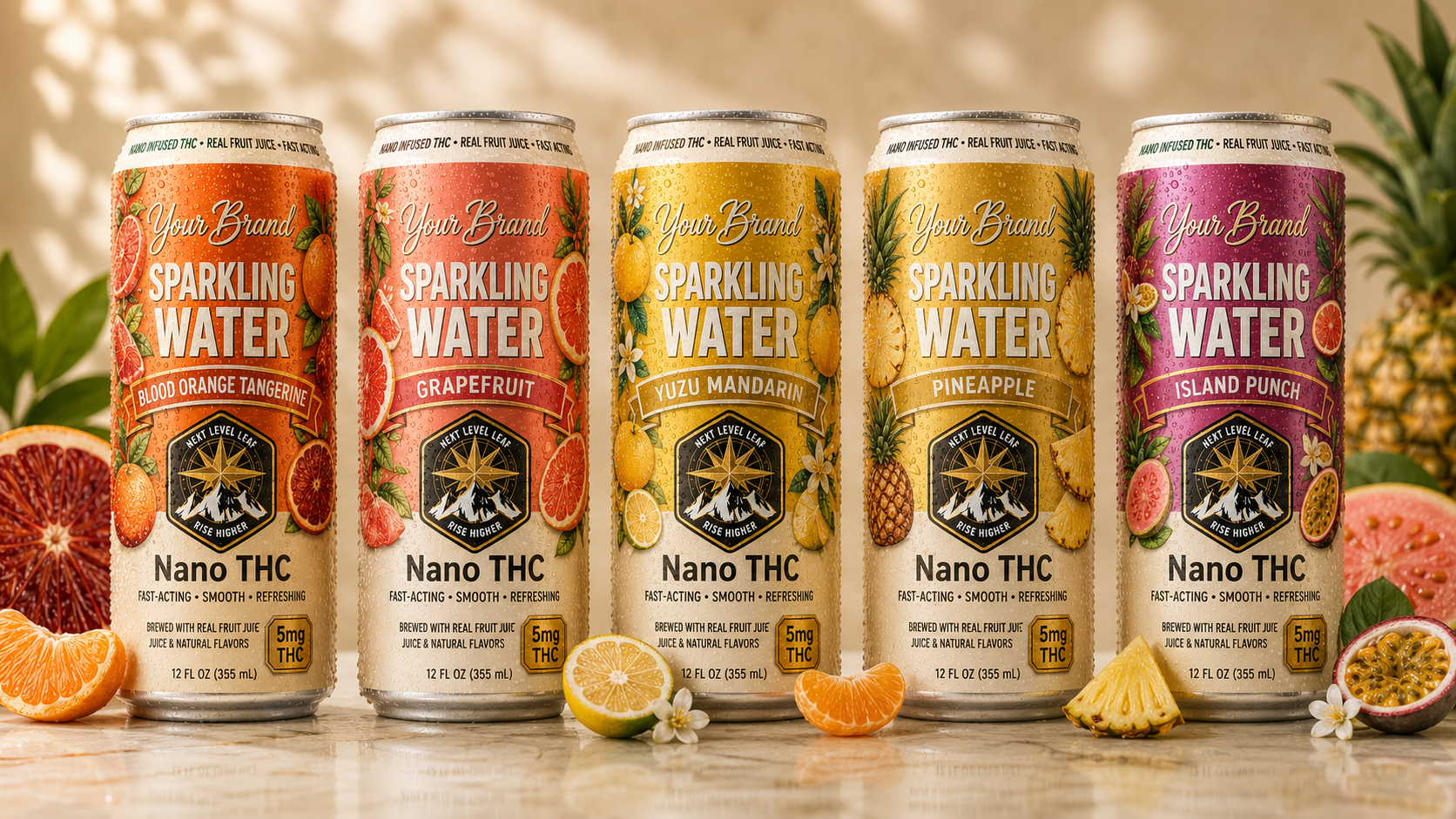
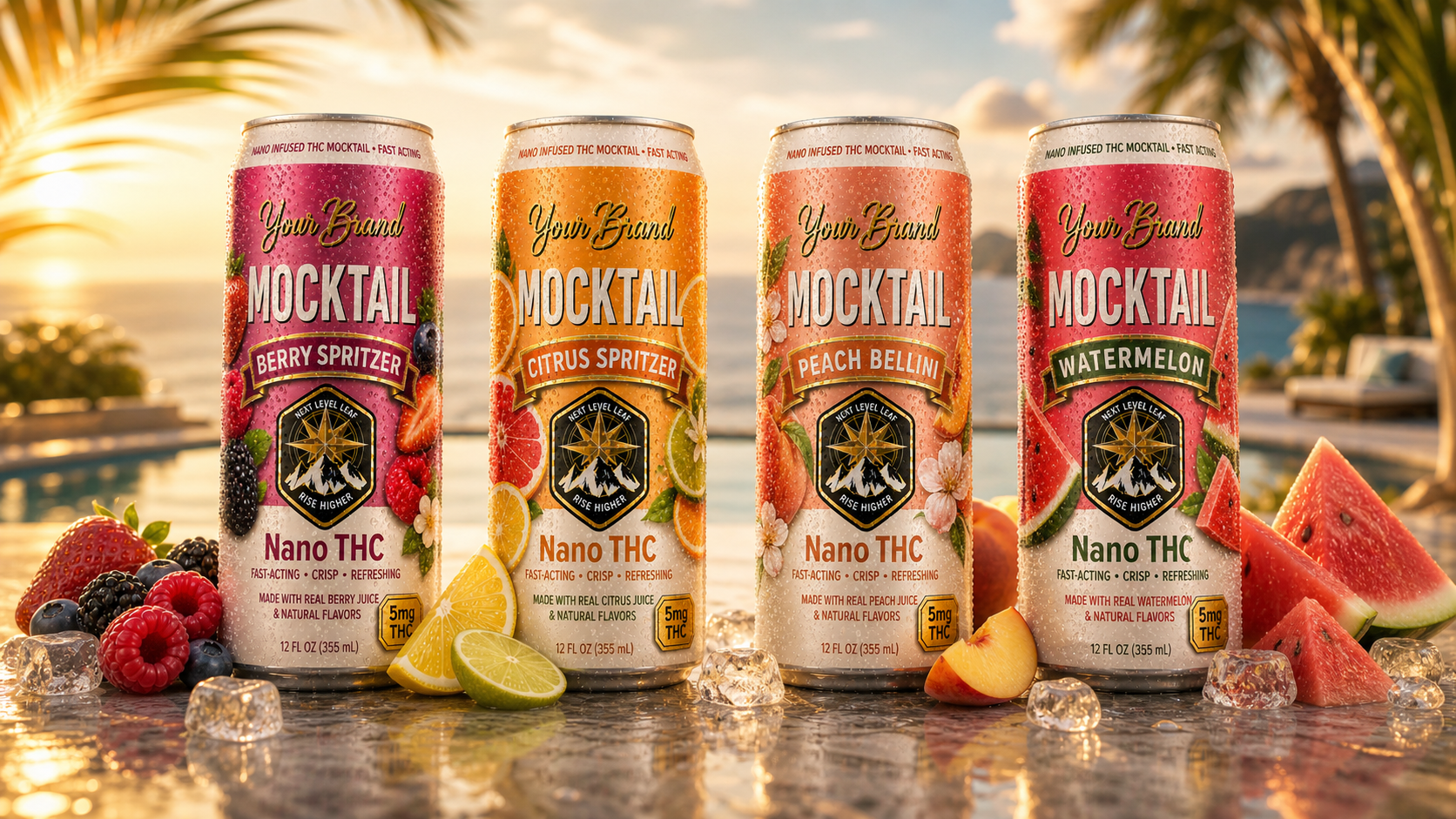
THC beverage ingredients include cannabinoids, flavors, fruit systems, sweeteners, acids, carbonation, coffee, tea, adaptogens, mushrooms, botanicals, vitamins, minerals, and other functional inputs that shape the finished product. For brands, ingredient choices affect taste, shelf appeal, cost, stability, labeling, testing, COAs, and how easily the product can be positioned for retailers and customers.
Ingredient library
Use these ingredient guides to think through cannabinoids, functional inputs, fruit systems, and sweeteners before requesting a quote.
Compare THC, CBD, CBG, CBN, and other cannabinoid inputs for dose strategy, positioning, testing, COAs, and product identity.
Explore cannabinoids →Explore juice-based drink concepts, citrus, berry, tropical flavor systems, sweetness, acidity, color, and mouthfeel.
Explore fruit juice →Use fruit puree to support flavor, natural color potential, body, texture, and a stronger real-fruit product story.
Explore fruit puree →Explore adaptogenic beverage concepts for calm, focus, evening, and wellness-adjacent product directions.
Explore adaptogens →Review mushroom beverage positioning for coffee, tea, seltzer, mocktail, and functional drink concepts.
Explore mushrooms →Compare sweetness systems, sugar levels, low-sugar strategies, agave, honey, flavor balance, and calorie expectations.
Explore sweeteners →Popular ingredient paths
Move from category-level strategy into specific ingredients that affect dose, product story, flavor, and manufacturing planning.
Plan the core cannabinoid input, dose language, testing expectations, and flavor masking needs.
Explore THC →Review evening, calm, and relaxation-oriented product positioning while avoiding medical claims.
Explore CBN →Consider a familiar adaptogen for calm, evening-friendly, or lower-stimulation beverage concepts.
Explore Ashwagandha →Explore a gentle botanical path for tea, citrus-herbal, mocktail, and calm beverage concepts.
Explore Lemon Balm →Review a daytime, active, energy-adjacent, or focus-adjacent adaptogen direction.
Explore Rhodiola →Plan calm-focus, smoother caffeine, tea, coffee, and balanced functional beverage ideas.
Explore L-Theanine →Explore mushroom-based functional beverage positioning for focus-adjacent and coffee concepts.
Explore Lion’s Mane →Review energy-adjacent mushroom beverage concepts for active and daytime products.
Explore Cordyceps →Compare calm, evening, mocktail, tea, and low-stimulation mushroom beverage ideas.
Explore Reishi →Review how agave can support smoother sweetness in fruit-forward, tea, lemonade, and mocktail-style beverages.
Explore Agave →Explore honey as a premium sweetener direction for teas, lemonades, mocktails, and fruit beverages.
Explore Honey →Share the beverage format, dose, ingredients, flavor direction, and first-run goals.
Start quote request →Ingredients are not just a formula detail. They shape the product story, manufacturing path, label language, customer expectation, and quote process. A THC beverage with the same dose can feel completely different depending on whether it is built as a clean seltzer, fruit spritzer, soda, coffee, tea, mocktail, or functional beverage.
Ingredient choices also affect what has to be tested, what must appear on the label, what the product can responsibly claim, how stable the beverage may be, and how the drink will taste after production.
The best ingredient strategy starts with the customer and the drinking occasion, then works backward into dose, flavor, sweetness, color, mouthfeel, packaging, and manufacturing feasibility.
Before a product can be quoted clearly, the major ingredient decisions need to be defined. Some brands want the fastest white-label path. Others need a more customized private-label or full custom formulation.
Clarify whether the product is THC-only, balanced with CBD, or built around a broader cannabinoid stack.
Sweetness, acidity, fruit intensity, bitterness, and flavor masking all affect whether the drink tastes finished.
Adaptogens, mushrooms, vitamins, minerals, caffeine, and other inputs should support the product concept without creating risky claims.
Cannabinoids are the foundation of an infused beverage. The brand needs to decide which cannabinoids are included, how much is in each can, how the dose is disclosed, and how the finished product will be tested.
THC, CBD, CBG, CBN, and other cannabinoid inputs can support different product directions, but the label should stay clear, responsible, and supported by batch-specific COAs.
Fruit ingredients can do more than create flavor. Juice, puree, citrus systems, berry systems, and tropical fruit directions can influence color, body, acidity, sweetness, shelf appeal, and the overall drinking experience.
A fruit-forward THC beverage may need different formulation decisions than a clear seltzer or a coffee. If the product relies on fruit juice, fruit puree, or natural color cues, those choices should be part of the manufacturing plan from the start.
Sweeteners affect flavor, mouthfeel, calories, label perception, and product positioning. Some brands want low-sugar or zero-sugar drinks. Others want cane sugar, honey, agave, or a fuller flavor profile that feels more indulgent.
The best sweetener choice depends on the beverage category. A soda may need more sweetness and body. A tea may benefit from honey or cane sugar. A fruit spritzer may need enough sweetness to support acidity without feeling heavy.
Functional ingredients can make a product more differentiated, but they need careful planning. Adaptogens, mushrooms, botanicals, electrolytes, vitamins, minerals, caffeine, and relaxation-oriented stacks can all affect taste, label language, compliance review, and customer expectations.
Brands should avoid disease claims and medical claims. The product can be positioned around a beverage occasion or customer preference without promising to treat, cure, prevent, or manage a health condition.
The more complex the ingredient stack, the more important it is to plan formulation, testing, stability, label language, and production details early.
An ingredient-based quote is easier to scope when the brand can explain what the beverage should be and what it should avoid. You do not need a finished formula, but the product concept should be specific enough to evaluate.
Related beverage formats
Ingredient decisions change depending on whether the brand is building coffee, tea, soda, seltzer, spritzers, mocktails, or real fruit drinks.
Review fruit-forward spritzers where flavor, color, carbonation, and low-dose THC need to work together.
Explore spritzers →Explore fruit systems, juice-inspired beverages, puree-supported drinks, still formats, and low-sugar options.
Explore real fruit drinks →Learn how emulsion, flavor, sweetness, acidity, carbonation, stability, and dose affect the finished beverage.
Explore formulation →Compare cannabinoid, caffeine, flavor, and functional ingredient decisions for THC coffee products.
Explore infused coffee →Explore tea, lemonade, herbal, hibiscus, caffeine-free, and fruit-forward tea beverage concepts.
Explore infused tea →Understand how white-label and private-label manufacturing can support ingredient-driven THC beverages.
Explore manufacturing →FAQ
These answers help brands think through ingredient choices before scoping a white-label or private-label beverage project.
Share your beverage format, target dose, flavor direction, functional ingredient interests, sweetener preference, packaging status, target states, and first-run goals. Those details make it easier to scope the right formulation and production path.