

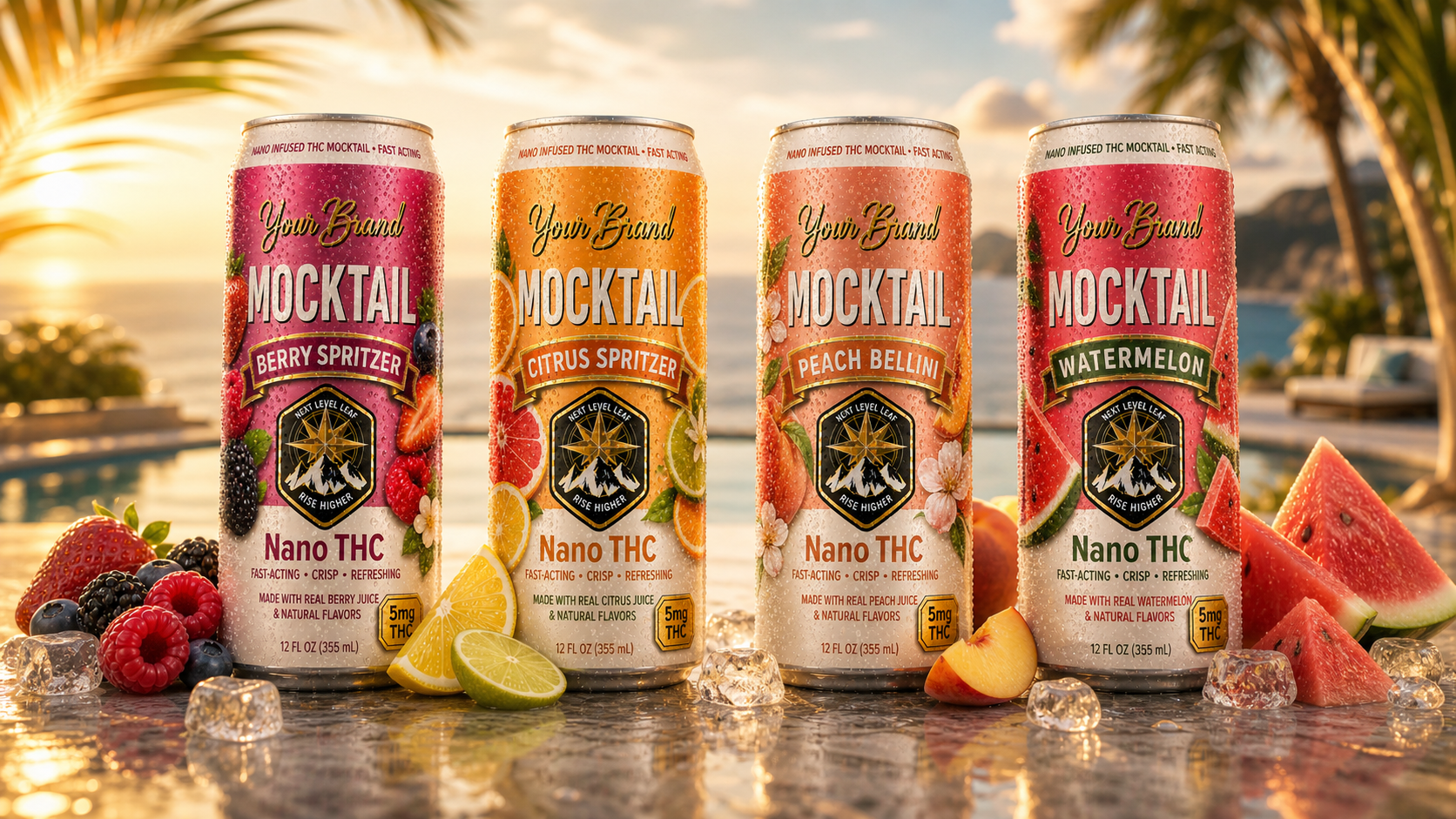
Why cannabinoid planning matters
The cannabinoid plan is one of the first decisions in an infused beverage project. It influences dose, cost, flavor, bitterness, emulsion needs, label language, customer expectation, testing requirements, retailer confidence, and the finished drink experience.
A beverage can be THC-only, balanced with CBD, built around a minor cannabinoid such as CBG, CBN, or THCV, or designed as a broader cannabinoid stack. The best choice depends on the product format, target customer, intended feel, target states, and launch channel.
Context note: This page discusses reported consumer experiences, anecdotal use, emerging research, and practical beverage planning. These are not guaranteed effects, medical claims, or medical advice. Cannabinoid effects can vary based on dose, ratio, format, timing, food intake, tolerance, and individual response.
The goal is not to add every cannabinoid possible. The goal is to choose a cannabinoid direction that fits the beverage format, the customer occasion, the intended experience, and the production path.
Compare cannabinoid beverage options
Use this page as a starting point for comparing cannabinoid options. Each related guide goes deeper into a specific cannabinoid, how people often describe the experience, how it may work in beverage concepts, and what to consider before requesting a quote.
THC for Beverages
Explore Delta-9 THC dose planning, reported effects, social drinks, stronger formats, THC stacks, flavor systems, testing, and production planning.
Explore THC →CBD for Beverages
Explore CBD beverage concepts, softer cannabinoid stacks, THC + CBD ratios, calm adult-use drinks, and non-intoxicating beverage directions.
Explore CBD →CBG for Beverages
Explore clear-headed, lighter, daytime-friendly CBG drink concepts for seltzers, teas, real fruit drinks, lemonades, and THC + CBG stacks.
Explore CBG →CBN for Beverages
Explore sleepy, calm, heavy, evening-oriented CBN drink concepts, THC + CBN mocktails, teas, tart cherry drinks, and nighttime-friendly formats.
Explore CBN →THCV for Beverages
Explore clearer, lighter, sharper, less-heavy THC beverage concepts using THCV in seltzers, teas, coffees, spritzers, and premium stacks.
Explore THCV →Nano vs Emulsion
Understand how cannabinoid delivery, water compatibility, onset expectations, clarity, taste, and consistency affect finished THC drinks.
Explore nano vs emulsion →Common cannabinoid options for beverages
Each cannabinoid can shape the way a beverage is built and understood. THC usually drives the main adult-use effect. CBD may make the concept feel softer or more familiar. CBG may feel clearer and more daytime-friendly. CBN may feel heavier and more evening-oriented. THCV may feel lighter, sharper, and less heavy for some consumers.
Euphoric, relaxing, social, appetite-forward, sensory, body-heavy, sleepy at higher doses, or stronger for experienced consumers.
Seltzers, sodas, teas, coffees, mocktails, real fruit drinks, lemonades, juices, and adult-use beverage lines.
Subtle, calm, soft, familiar, less intense, and often used to round out a THC beverage concept.
THC + CBD lemonades, low-dose seltzers, balanced teas, softer mocktails, and non-intoxicating drink concepts.
Clear-headed, lighter, focused, calm-but-not-sleepy, daytime-friendly, and useful for active, social, or creative occasions.
CBG seltzers, THC + CBG citrus drinks, sparkling lemonades, green teas, real fruit spritzers, and afternoon beverage concepts.
Sleepy, slow, calm, heavy, body-oriented, nighttime-friendly, and often connected with evening unwind occasions.
THC + CBN mocktails, herbal-style teas, tart cherry spritzers, peach teas, evening lemonades, and after-dinner drinks.
Clearer, lighter, sharper, more alert, less heavy, and less appetite-forward than standard THC for some consumers.
THCV seltzers, THC + THCV coffees, citrus spritzers, teas, daytime drinks, active-use concepts, and premium minor-cannabinoid stacks.
THC dose planning for beverages
Many beverage brands evaluate lower-dose formats because they can feel more social, sessionable, approachable, and easier for customers to understand. Common concept ranges include 2.5mg, 5mg, and 10mg Delta-9 THC per can, depending on the target customer, target states, serving size, sales channel, and beverage format.
Higher-dose concepts may be appropriate for some channels or experienced consumers, but they often require more careful planning around flavor, serving guidance, label clarity, state rules, and customer expectation. A clean 5mg seltzer and a 100mg soda are not just different doses. They are different products.
Light, approachable, sessionable, and friendly for canna-curious or lower-tolerance customers.
Mainstream retail, alcohol alternatives, trial packs, social seltzers, and low-intensity spritzers.
Noticeable for many consumers, but still approachable when the product is clear and well-labeled.
Seltzers, teas, lemonades, real fruit drinks, mocktails, and social beverage concepts.
A more classic adult-use benchmark with a stronger effect for many consumers.
Sodas, teas, lemonades, mocktails, real fruit drinks, juices, and more experienced-consumer products.
Stronger, heavier, and more clearly built for experienced consumers.
Bold sodas, juices, flavor-forward formats, and channels where strong serving guidance is expected.
Cannabinoid stack examples
The stack should match the beverage occasion. A citrus spritzer may need a very different cannabinoid direction than a coffee, tea, mocktail, soda, or evening-positioned drink.
Low-dose THC, optionally paired with CBD or CBG.
Light, refreshing, social, alcohol-alternative, and easier for mainstream customers to understand.
THC + CBD.
Can feel softer, more familiar, and more approachable than a THC-only concept for some customers.
THC + CBG or THC + THCV.
Can support a clearer, lighter, more daytime-friendly beverage direction.
THC with careful attention to caffeine, flavor, dose, and serving expectation.
Premium coffee culture with infused beverage differentiation and a ritual-based format.
THC + CBN or THC + CBD + CBN.
Can create a heavier, slower, nighttime-friendly beverage direction without making sleep-treatment claims.
THC-only or THC stack depending on dose.
Bold sweetness and flavor structure can help support stronger cannabinoid flavor masking.
How cannabinoids connect to real beverage formats
Cannabinoid choices should make sense in the can. A drink should not feel like a random cannabinoid list. The dose, stack, flavor, mouthfeel, carbonation, and packaging should all support the same customer occasion.
Low-dose and social
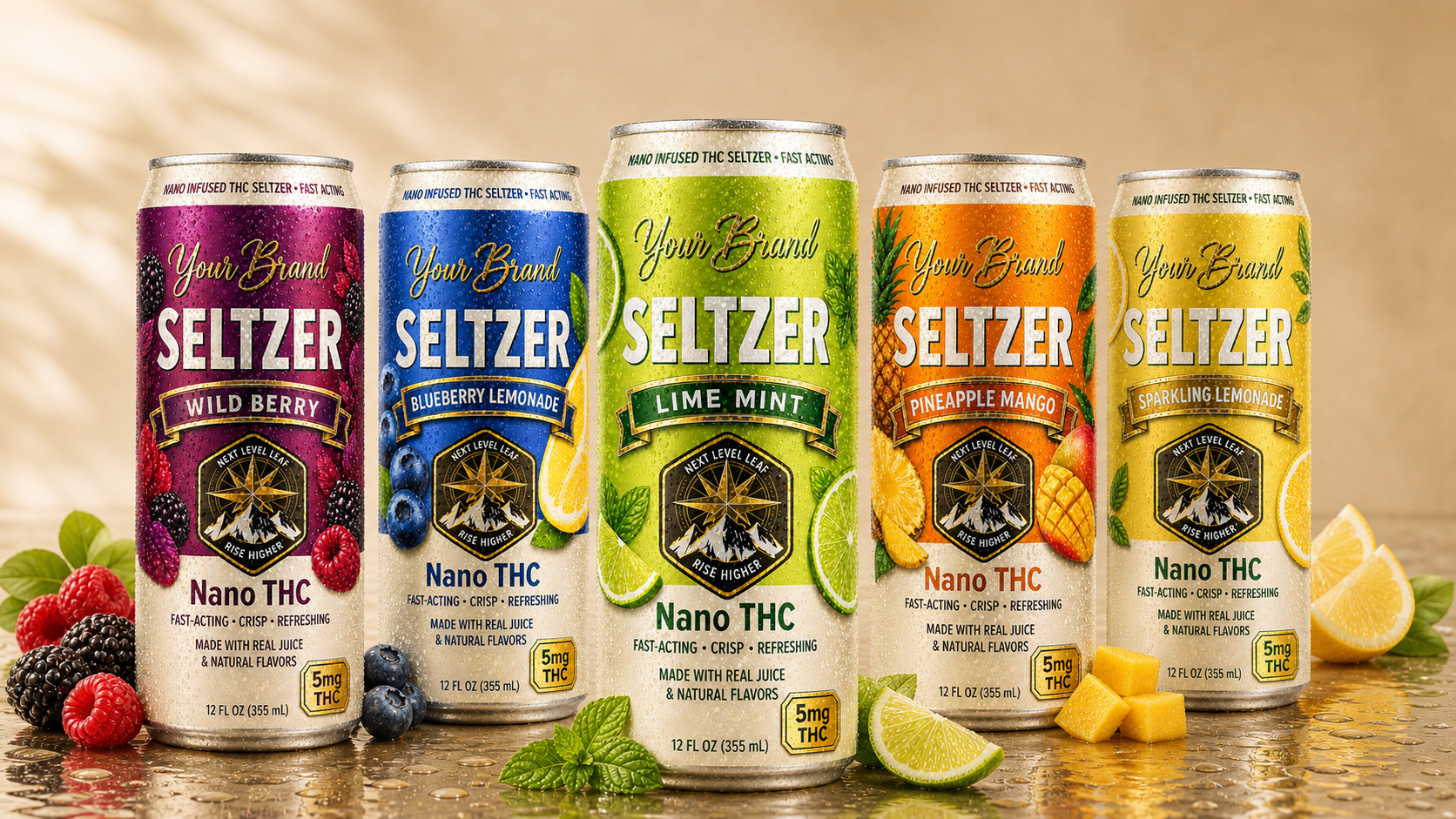
Seltzers often work best with lower THC doses, clean flavors, crisp profiles, and simple alcohol-alternative language.
Bold and flavor-forward
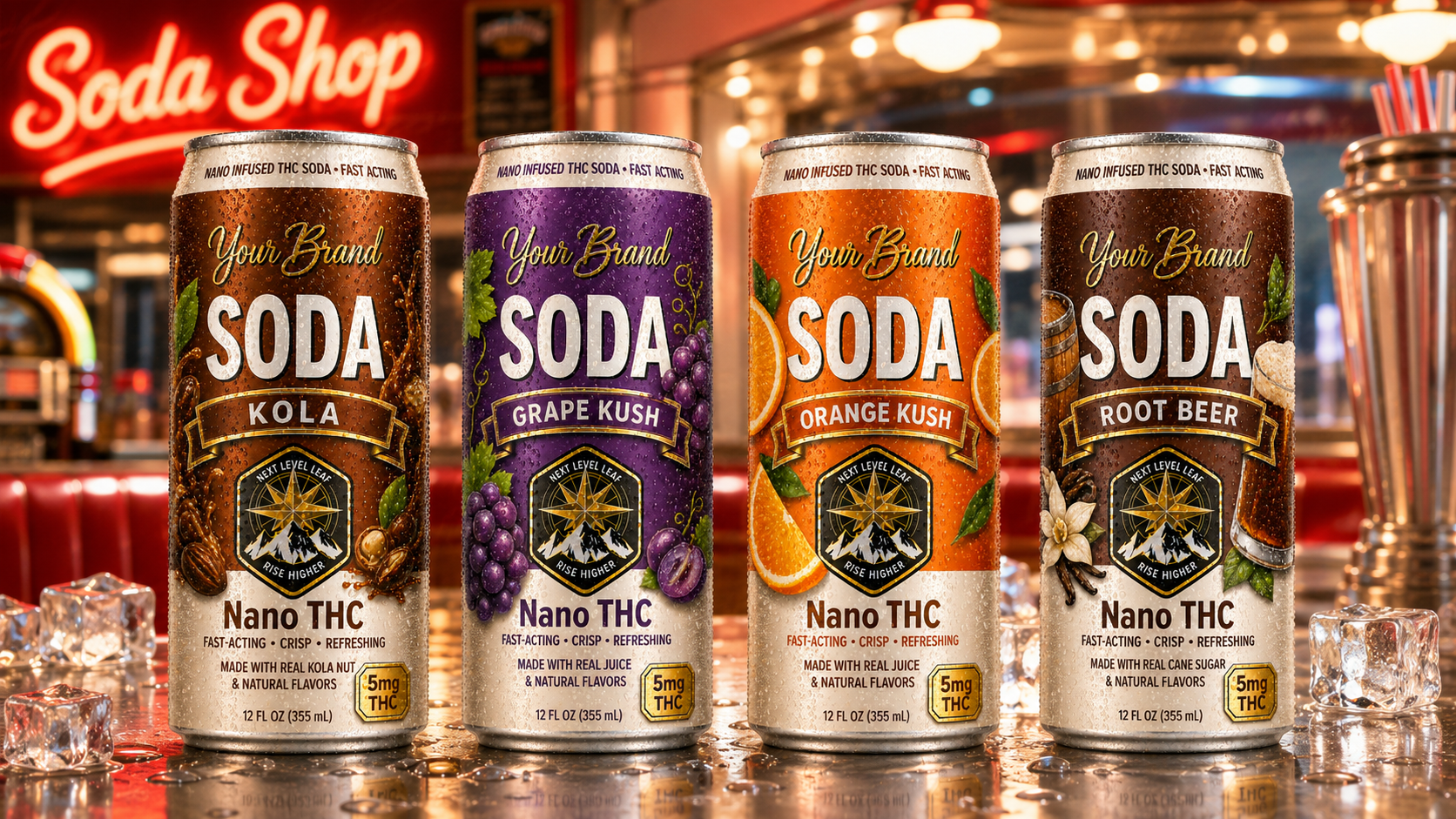
Sodas can support stronger flavors, higher cannabinoid intensity, nostalgic profiles, and more experienced-consumer concepts.
Familiar ritual
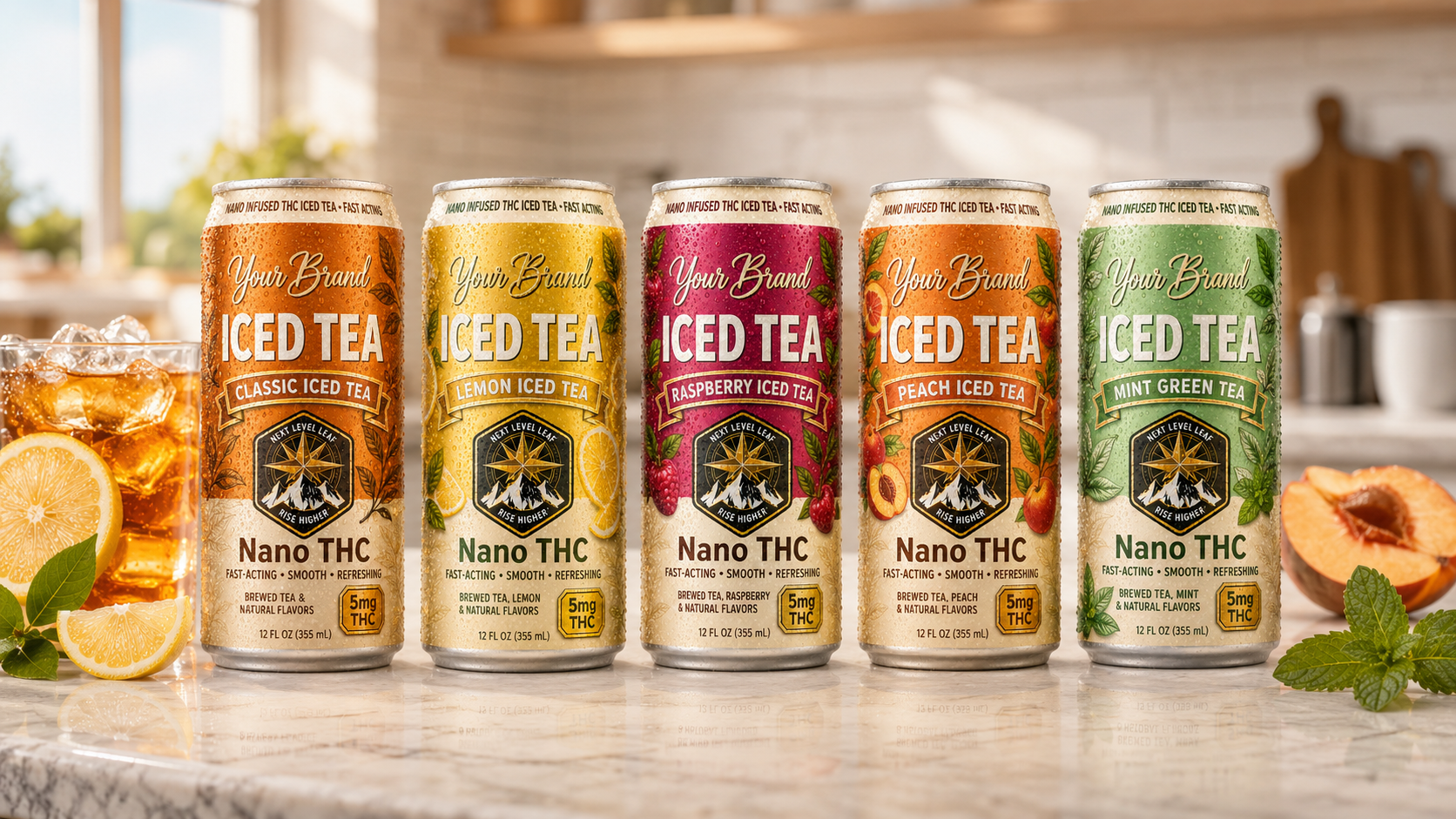
Teas can fit THC, CBD, CBG, CBN, caffeine, herbal, or lemonade-style concepts depending on the use occasion.
Premium and ritual-based
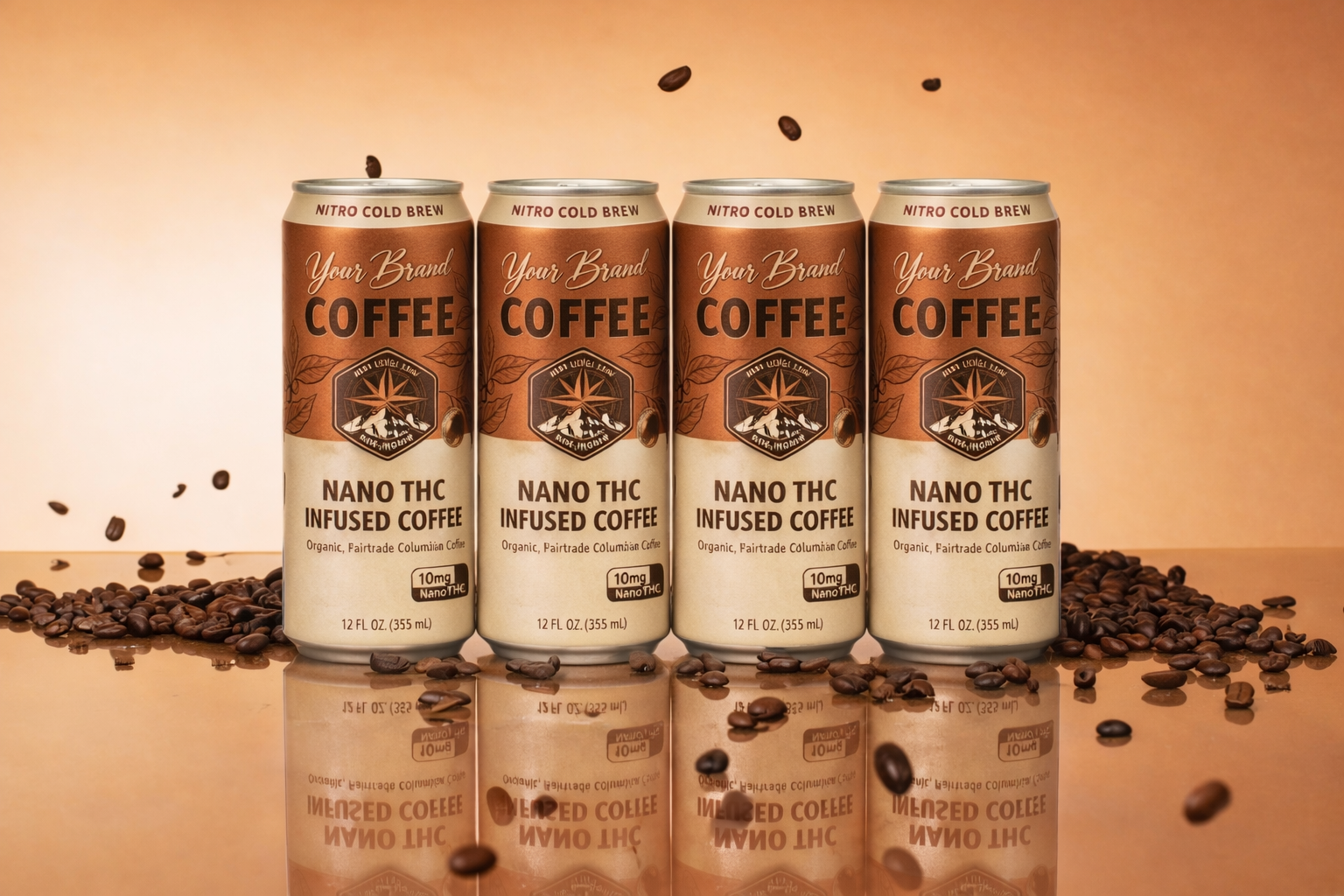
Infused coffee can connect THC with caffeine, flavor, functionality, and premium adult beverage habits.
Alcohol alternative
Mocktails can make cannabinoid beverages feel adult, elevated, social, and occasion-specific without alcohol.
Flavor and color
Real fruit drinks and spritzers can create a more premium visual and sensory experience for THC beverages.
Flavor, emulsions, and cannabinoid delivery
Cannabinoids are oil-based while beverages are water-based. That is why emulsion planning matters. The cannabinoid input can affect taste, bitterness, clarity, mouthfeel, onset expectations, stability, and dose consistency.
Light seltzers can expose cannabinoid notes more easily. Sodas, juices, lemonades, teas, coffees, and real fruit drinks may have more flavor structure. Higher-dose products usually need more careful flavor masking and finished-product testing.
For deeper formulation planning, review Nano vs Emulsion, Emulsions, Flavor Systems, Natural Flavors, Sweeteners, and Acids.
Testing, COAs, and label accuracy
Finished-product testing and batch-specific COAs are essential for professional cannabinoid beverages. They help support dose accuracy, retailer confidence, customer trust, batch documentation, and label integrity.
The label should clearly communicate cannabinoid content, serving size, warnings, responsible use language, and any required market-specific disclosures. If the product includes THC, CBD, CBG, CBN, THCV, caffeine, botanicals, adaptogens, mushrooms, or other functional ingredients, the finished can should match the COA and the sales conversation.
How to talk about cannabinoids without overclaiming
Cannabinoid beverages can be described clearly without turning the drink into a medical product. The safest, strongest public language usually focuses on dose, intended experience, beverage format, flavor, use occasion, cannabinoid stack, and production quality.
A cannabinoid beverage should not be positioned as a product for anxiety, depression, pain, inflammation, insomnia, diabetes, appetite loss, weight loss, neurological disease, or medication replacement. Better language focuses on what the drink is built to feel like: low-dose social, balanced, clear-headed, daytime-friendly, evening-friendly, appetite-forward, flavor-forward, alcohol-alternative, or stronger for experienced consumers.
Strong cannabinoid beverage pages should help customers understand the drink concept while still protecting the brand: clear milligrams, responsible experience language, adult-oriented packaging, finished-product testing, COAs, and realistic production planning.
What to prepare before requesting a quote
A cannabinoid beverage quote is easier to scope when the dose and product concept are clear. You do not need every technical detail finished, but the cannabinoid direction should be specific enough to evaluate.
- Beverage format, such as seltzer, spritzer, soda, tea, coffee, lemonade, mocktail, juice, shot, real fruit drink, or functional drink
- Target Delta-9 THC dose per can or serving
- Whether CBD, CBG, CBN, THCV, or another cannabinoid should be included
- Desired cannabinoid ratio, if known
- Intended customer experience, such as light, social, relaxing, clear-headed, evening-friendly, appetite-forward, or stronger
- Flavor direction, sweetness preference, acidity, carbonation, mouthfeel, and shelf-life goals
- Target states and sales channels
- Packaging status and label direction
- Expected first-run quantity, budget expectations, and launch timeline
Where to go next
If you are still exploring the broader ingredient section, return to the Ingredients hub. To understand the main adult-use cannabinoid, review THC for Beverages. To compare supporting cannabinoids, review CBD, CBG, CBN, and THCV. To understand formulation choices, review Nano vs Emulsion, Emulsions, and THC Beverage Formulation. If you know your dose and product direction, the next step is to request a quote.