

What is THCV?
THCV stands for tetrahydrocannabivarin. It belongs to the varin cannabinoid family and has a shorter side chain than Delta-9 THC. That small structural difference is part of why THCV is discussed as a distinct cannabinoid with a different feel, different receptor behavior, and different product strategy.
THCV is found naturally in some cannabis and hemp genetics, but it is usually considered a minor cannabinoid because it is less abundant and harder to source at meaningful commercial levels than THC or CBD. That scarcity is one reason THCV can create a premium ingredient story for beverage brands.
What does THCV feel like?
Consumers and cannabis educators often describe THCV as more alert, clear-headed, motivated, energetic, and functional-feeling than a traditional THC-heavy experience. It is commonly associated with daytime use, social use, activity-oriented occasions, and less “couch-lock” positioning.
It is also commonly discussed as less munchies-oriented than standard THC. That does not mean every consumer will experience appetite changes, and it does not mean a beverage should be marketed as a weight-loss product. It does mean THCV gives brands a credible reason to build an appetite-conscious, cleaner, less heavy THC beverage concept.
Clear-headed THC positioning
THCV can help brands design beverages that feel more intentional, lighter, and less foggy than traditional edible-style THC products.
Daytime and social use
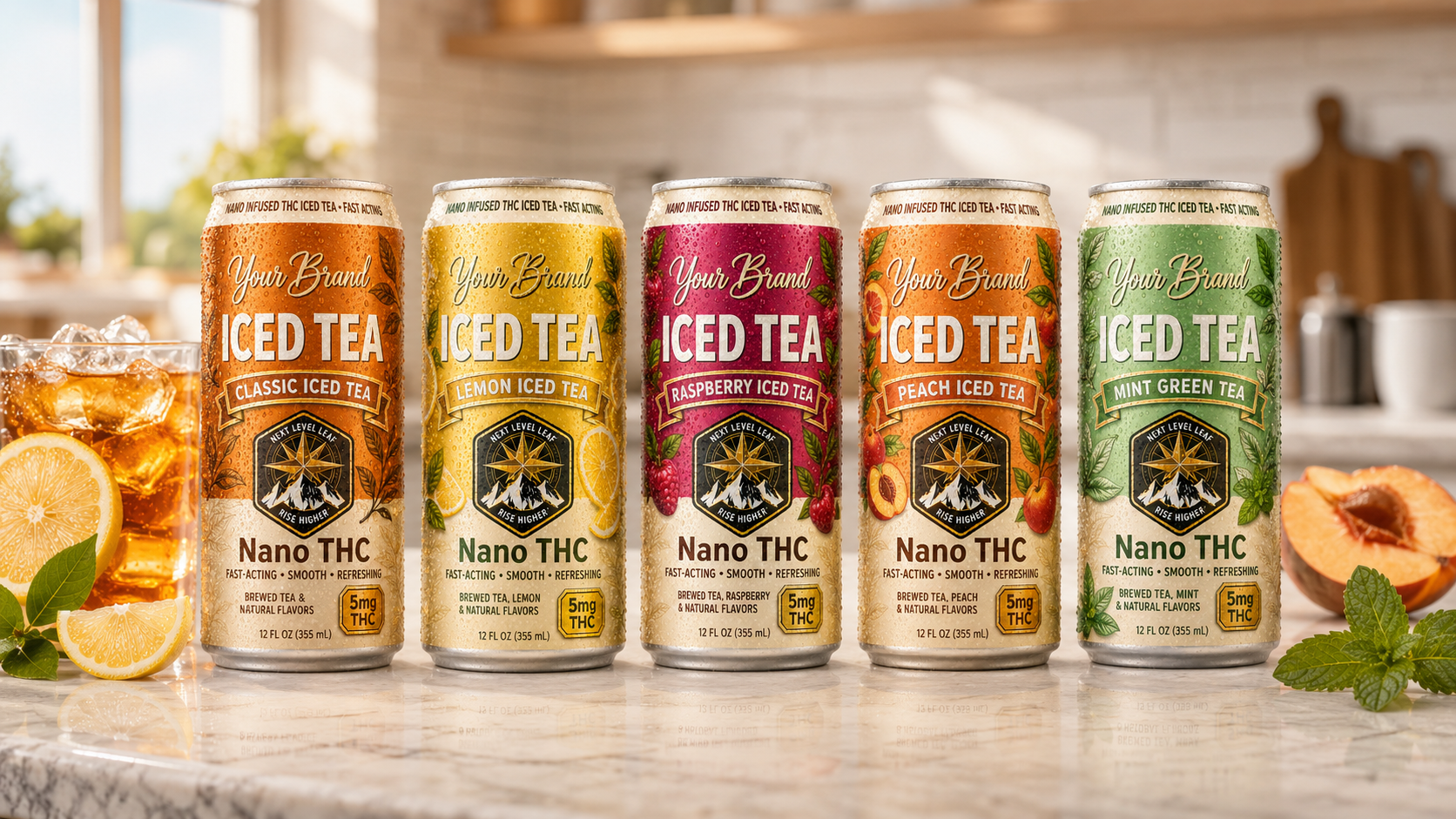
THCV fits seltzers, teas, coffees, spritzers, and functional beverages built for adult consumers who want a usable experience.
Less munchies-oriented story
THCV is often associated with appetite and food-reward research, giving brands a different story than THC products known for increasing appetite.
How THCV may work physiologically
THCV is commercially interesting because it interacts with cannabinoid receptors differently than standard THC. THC is best known as a CB1 receptor agonist. THCV is commonly described in the literature as a CB1 antagonist or modulator at lower levels and as having different activity at higher levels, along with partial CB2 activity.
In plain English, THCV may interact with the same system as THC, but it may steer the signal differently. That helps explain why THCV is associated with a clearer, less heavy, more functional-feeling cannabinoid profile instead of a classic high-THC edible experience.
For beverage development, the experience is not determined by THCV alone. It depends on the ratio of Delta-9 THC to THCV, the presence of CBD, CBG, CBN, caffeine, botanicals, mushrooms, sweeteners, acids, flavors, dose, beverage format, and individual tolerance.
What emerging research suggests THCV may support
THCV should be discussed with more substance than a simple “minor cannabinoid” label. Emerging research gives brands a clearer view of why sophisticated beverage companies are interested in it.
THCV has been studied for its interaction with CB1 signaling, appetite pathways, food reward, and eating behavior.
Supports appetite-conscious, less munchies-oriented THC beverage positioning.
Preclinical and early human research has explored THCV in relation to glucose regulation, insulin sensitivity, pancreatic beta-cell function, and metabolic markers.
Supports a science-forward functional cannabinoid story without turning the beverage into a metabolic product.
THCV has been explored in preclinical models related to inflammatory signaling and pain pathways.
Supports interest in THCV as a biologically active minor cannabinoid, not just a label novelty.
Preclinical studies have explored THCV in Parkinson’s models, seizure-related models, and neuroprotective pathways.
Supports a premium, research-backed cannabinoid story while avoiding disease claims on beverage packaging.
Human and preclinical work has explored whether THCV may reduce or modulate certain THC-like effects in some contexts.
Supports a clearer, less heavy, more controlled THC beverage concept.
Potential consumer benefits brands can communicate
For a beverage page, the strongest language is experience-led. Brands can explain the intended consumer direction without making the drink sound like a medication.
- Clearer headfeel: a less foggy, more usable THC experience.
- More alert orientation: a better fit for daytime, social, or active adult occasions.
- Less heavy profile: a product story that moves away from sleepy edible-style positioning.
- Appetite-conscious positioning: a cannabinoid direction that is less associated with traditional THC munchies.
- Functional-feeling experience: a modern cannabinoid stack for seltzers, teas, coffees, citrus drinks, and functional beverages.
- Premium differentiation: a minor cannabinoid story that sophisticated cannabis, hemp, and beverage brands already recognize.
THCV vs THC
THC is usually associated with the primary intoxicating effect in hemp-derived Delta-9 beverages. It may be relaxing, euphoric, appetite-stimulating, heavy, sedating, or edible-like depending on dose and consumer tolerance.
THCV is different. It can help brands design a beverage that feels more alert, less heavy, and more functional in its positioning. Instead of simply making a drink “stronger,” THCV can help make the experience feel more specific.
How THCV can steer the beverage experience
Clearer, lighter, more alert THC experience.
Daytime THC seltzer, citrus spritzer, tea, or mocktail.
Bright, functional-feeling, active-lifestyle direction.
Citrus seltzer, electrolyte drink, tea, or real fruit beverage.
Balanced, controlled, less intense positioning.
Low-dose social beverage or approachable first-product launch.
Energy-adjacent, focus-adjacent, motivated experience.
THC coffee, tea, or functional beverage.
Clean, refreshing, modern, less heavy experience.
Seltzer, lemonade, spritzer, or real fruit THC drink.
Best beverage formats for THCV
THCV is usually strongest in beverage formats that already imply refreshment, clarity, activity, or functionality. It is less naturally aligned with heavy dessert-style or sleep-forward products unless it is being used very intentionally.
Light, crisp, low-calorie, and easy to position around clarity and social use.
Daytime, social, low-calorie, active-lifestyle.
Tea carries familiar ritual, lighter refreshment, and functional beverage cues.
Calm-but-alert, afternoon, wellness-adjacent.
Caffeine and coffee culture already support alertness and motivation.
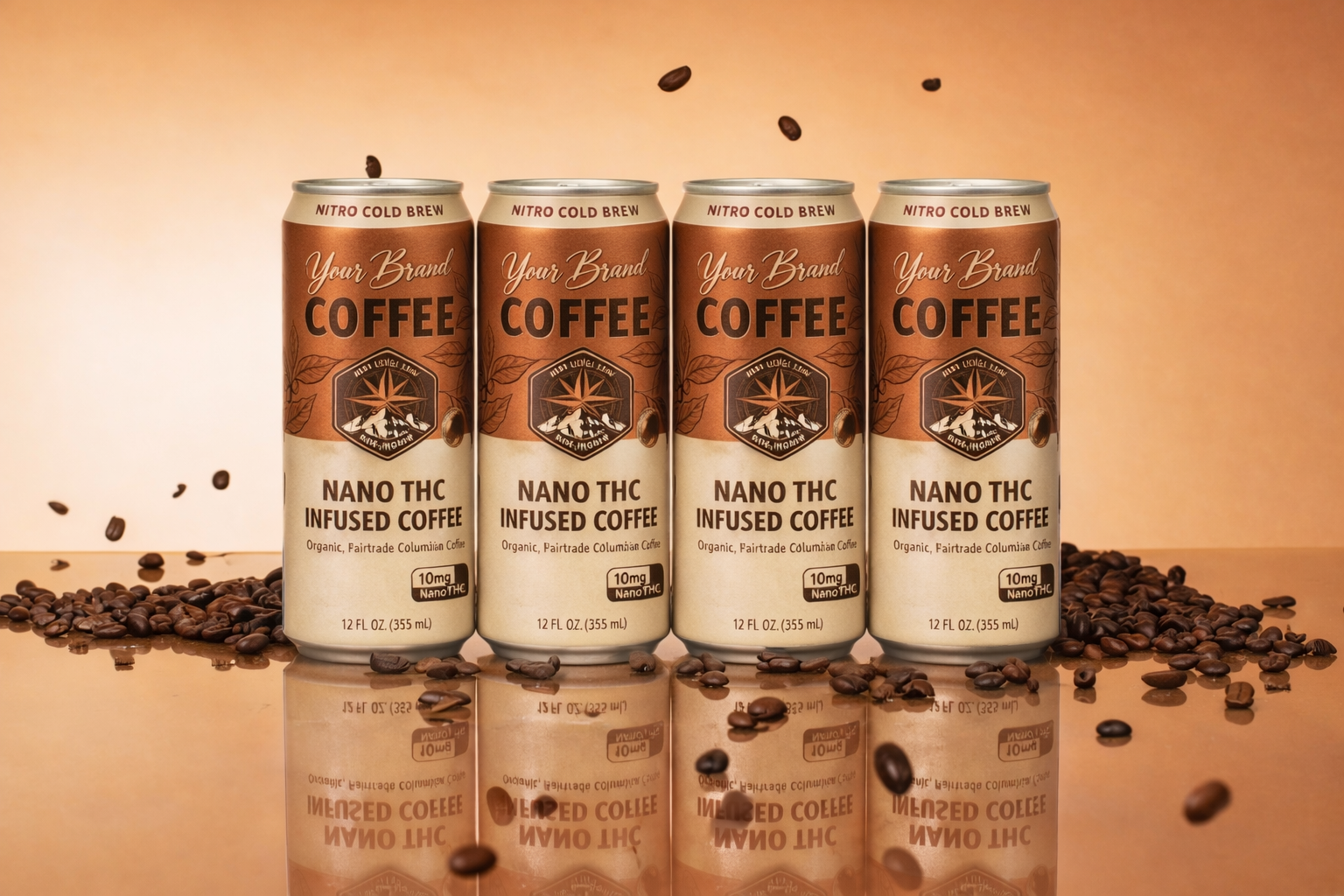
Morning alternative, energy-adjacent, premium functional coffee.
Fruit, citrus, acidity, and color make the cannabinoid story more approachable.
Bright, refreshing, flavorful, and differentiated.
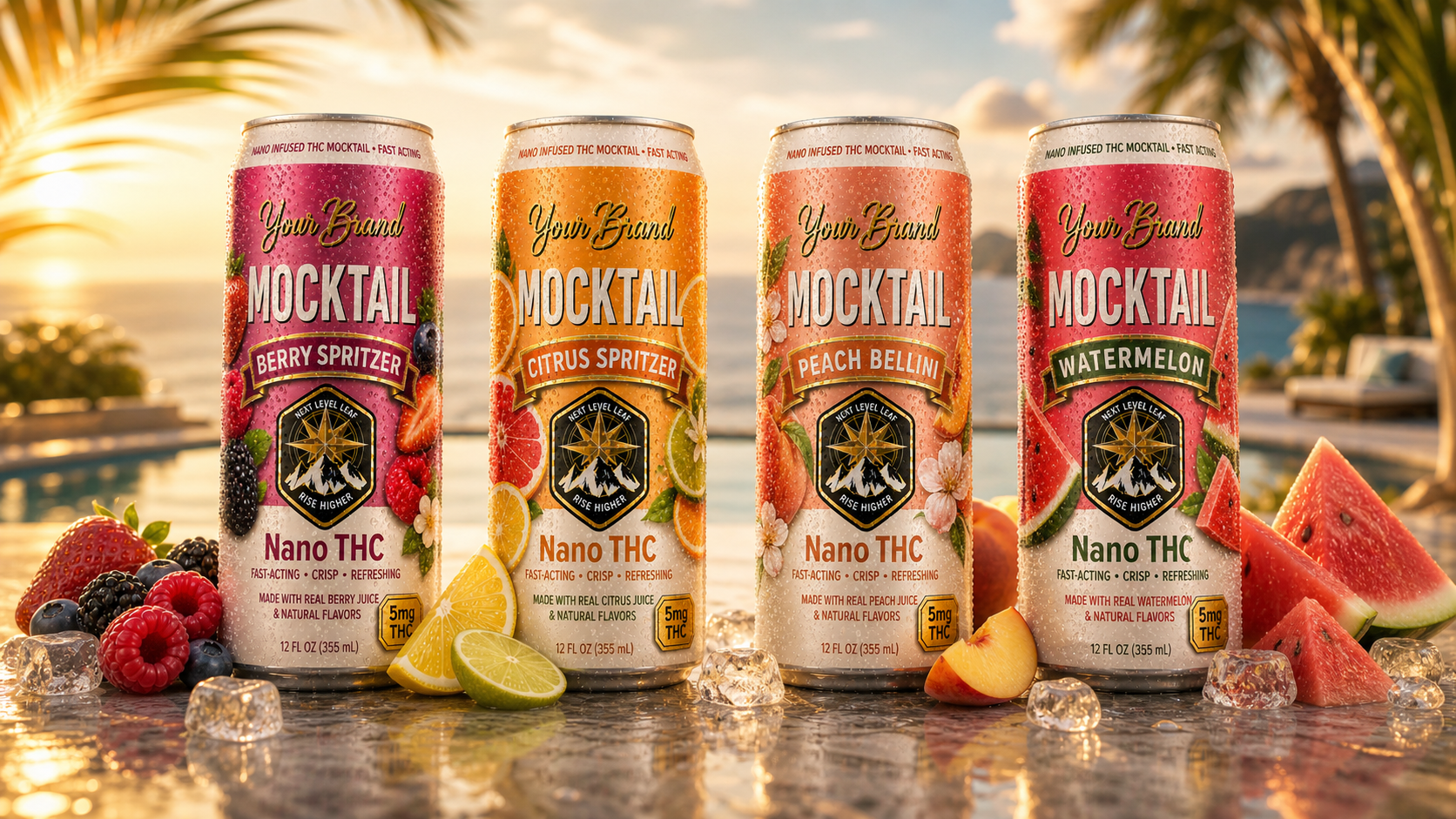
Mocktails support social adult-use moments without alcohol.
Elevated, social, less sedating, alcohol alternative.
How brands should position THCV
THCV gives brands a way to create a product that is more specific than “10 mg THC.” The best language is direct, benefit-oriented, and experience-led.
- Clear THC
- Daytime THC
- Functional THC
- Active-lifestyle THC
- Appetite-conscious THC
- Social THC without the heavy edible feel
- Premium minor-cannabinoid stack
- THCV-enhanced seltzer, tea, coffee, lemonade, or mocktail
What brands should avoid claiming
Brands can talk about what emerging research suggests THCV may support, and they can talk about reported consumer experience themes. The line to avoid is turning those themes into disease, diagnosis, cure, or guaranteed body-composition claims.
Claim-aware positioning
Better language: “THCV may support a clearer, more alert, less heavy cannabinoid experience,” “THCV is being studied for its role in appetite and metabolic signaling,” or “THCV can help brands create a daytime-friendly THC beverage.”
Avoid direct claims that a THCV beverage supports weight loss, manages diabetes, resolves PTSD symptoms, reverses Parkinson’s disease, addresses Alzheimer’s disease, supports MS outcomes, controls seizure disorders, or guarantees appetite changes.
THCV, flavor, and emulsion planning
Minor cannabinoids still need to work inside the full beverage system. Flavor, acid, sweetener, mouthfeel, emulsion, carbonation, color, and packaging can all influence how the finished drink tastes and feels.
For formulation planning, review Emulsions, Nano vs Emulsion, Flavor Systems, Natural Flavors, and Acids.
THCV beverage concepts that may work well
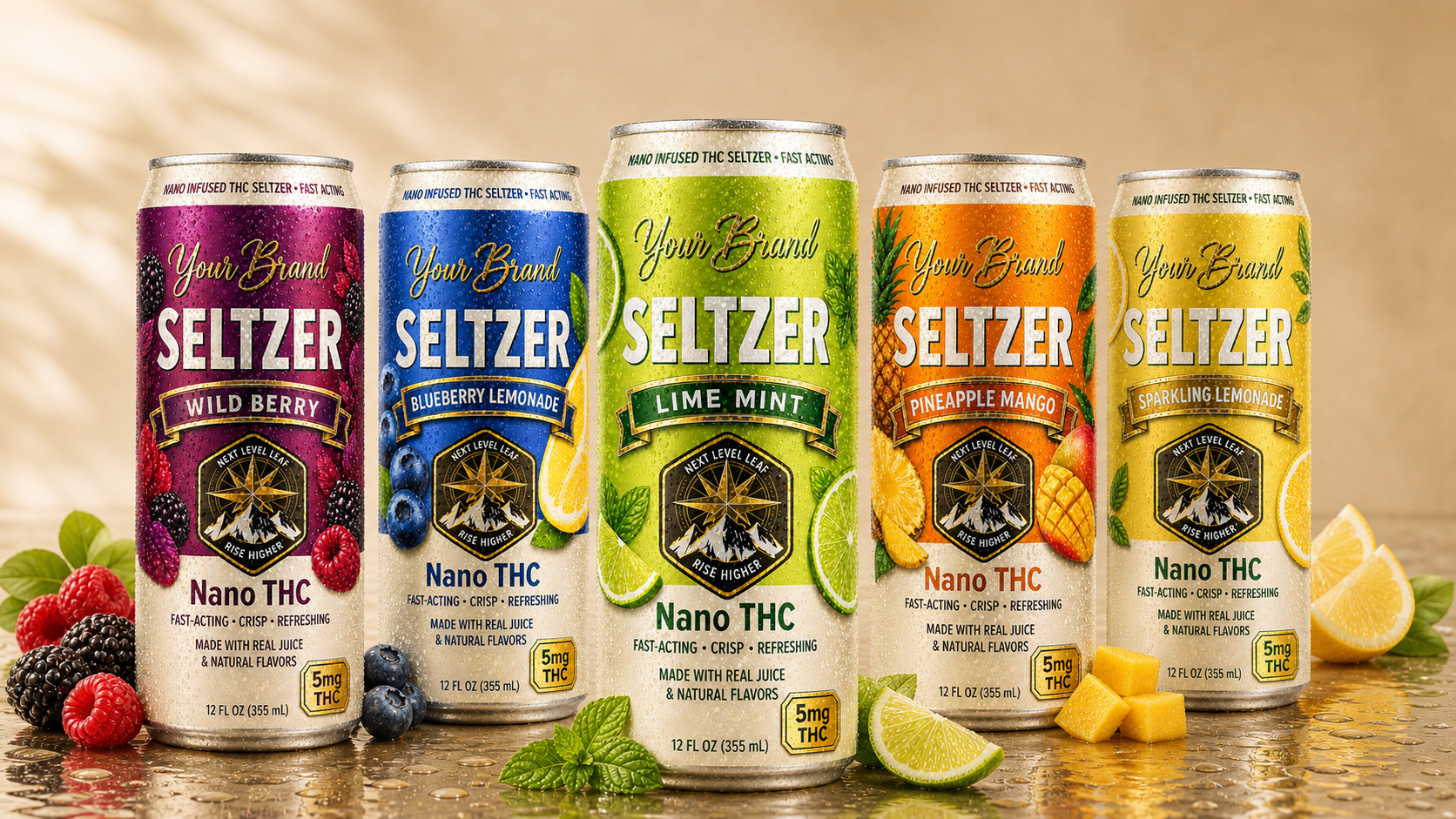
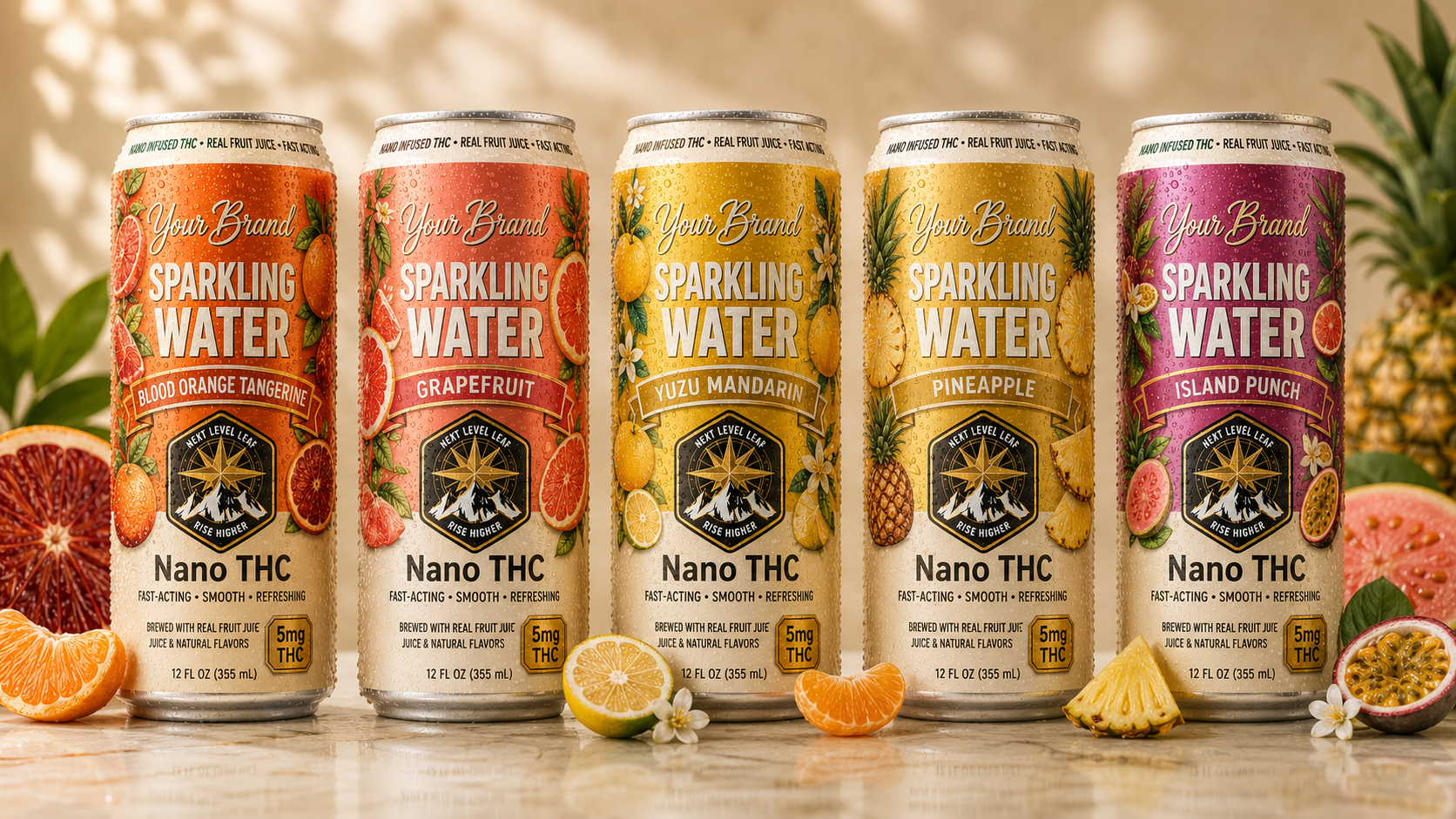
- THCV citrus seltzer: clear, crisp, social, low-calorie, and daytime-friendly.
- THCV green tea citrus: refreshing, calm-but-alert, and wellness-adjacent.
- THCV mango spritzer: tropical, bright, flavorful, and less heavy than a soda.
- THCV functional lemonade: approachable, citrus-forward, and active-lifestyle oriented.
- THCV nitro cold brew: ritual-based, premium, caffeinated, and motivation-adjacent.
- THCV berry mocktail: adult-oriented, social, elevated, and alcohol-free.
What to prepare before requesting a THCV beverage quote
A THCV beverage quote is easier to scope when the brand knows the beverage format, target cannabinoid stack, intended experience direction, flavor profile, and first-run goals.
- Beverage format, such as seltzer, tea, coffee, lemonade, mocktail, real fruit drink, or functional beverage
- Target Delta-9 THC dose and proposed THCV direction
- Desired experience direction, such as clear, alert, daytime, social, appetite-conscious, functional-feeling, or premium
- Any CBD, CBG, CBN, caffeine, electrolyte, vitamin, adaptogen, mushroom, botanical, or probiotic plans
- Flavor direction, sweetness target, acidity, carbonation, mouthfeel, and shelf-life goals
- Packaging status, target states, first-run quantity, and launch timeline
Where to go next
If you are still exploring cannabinoid options, return to the Cannabinoids hub. If you want to compare related cannabinoids, review THC, CBG, and CBN. If your THCV beverage direction is clear, the next step is to request a quote.