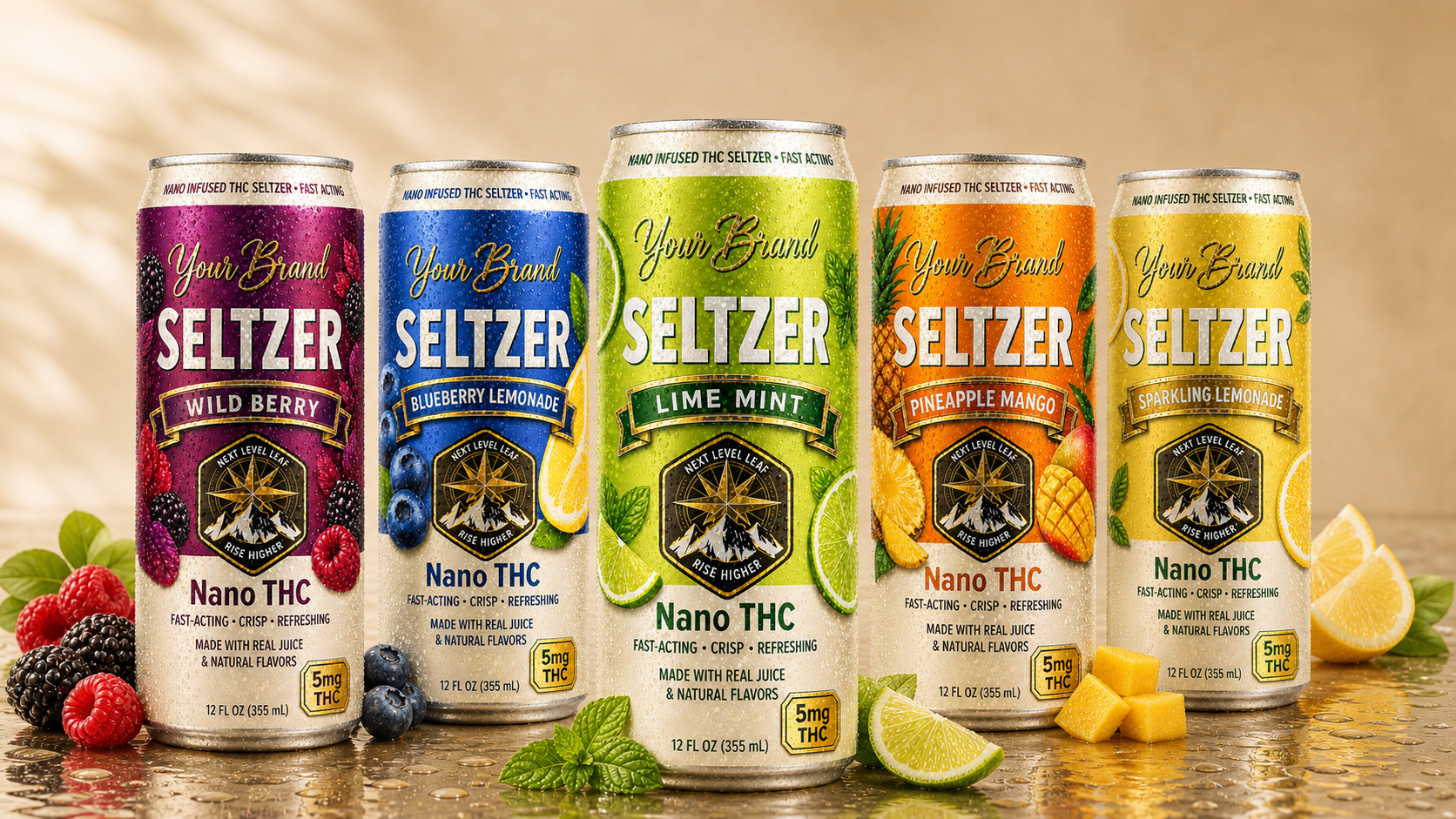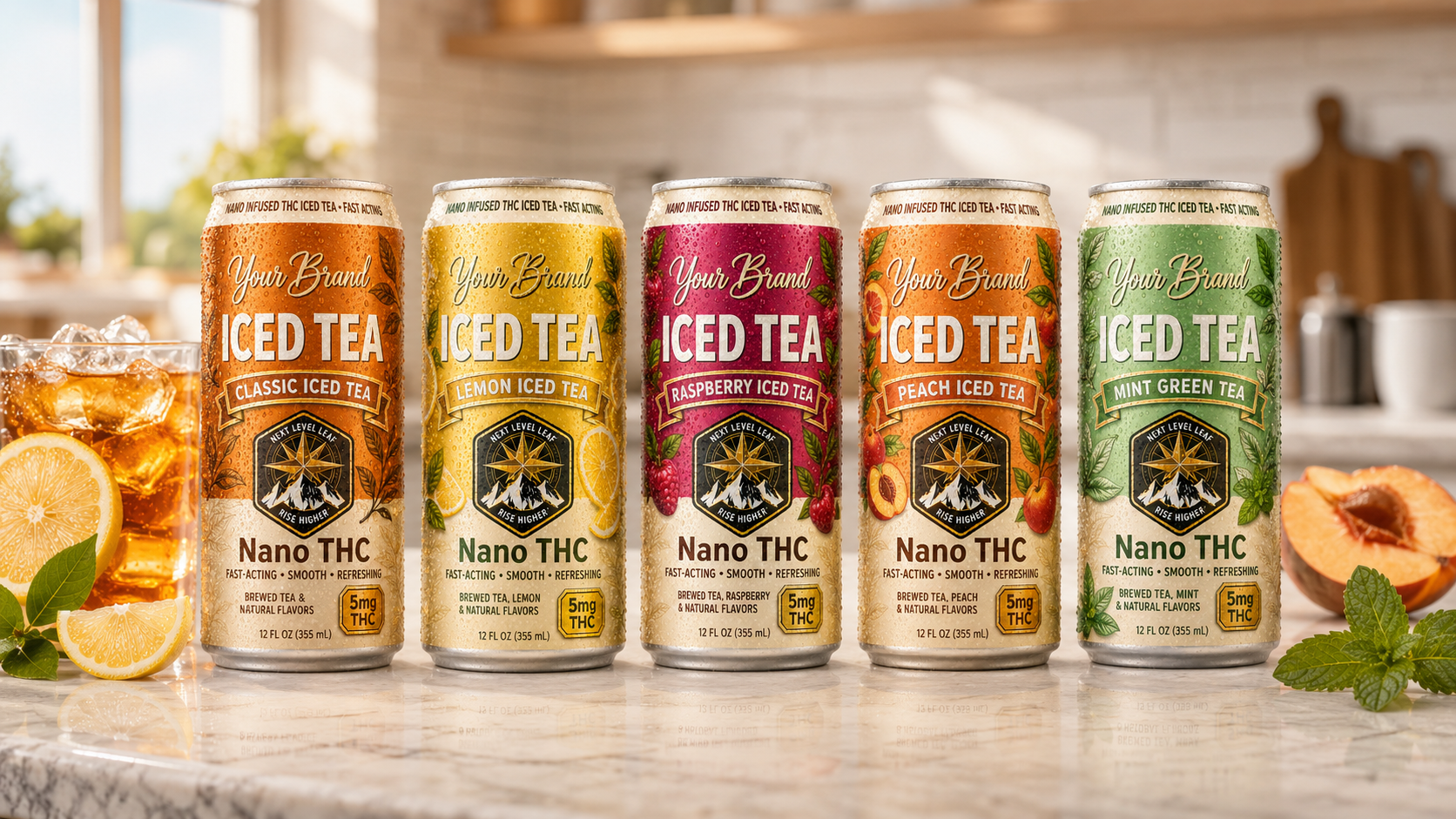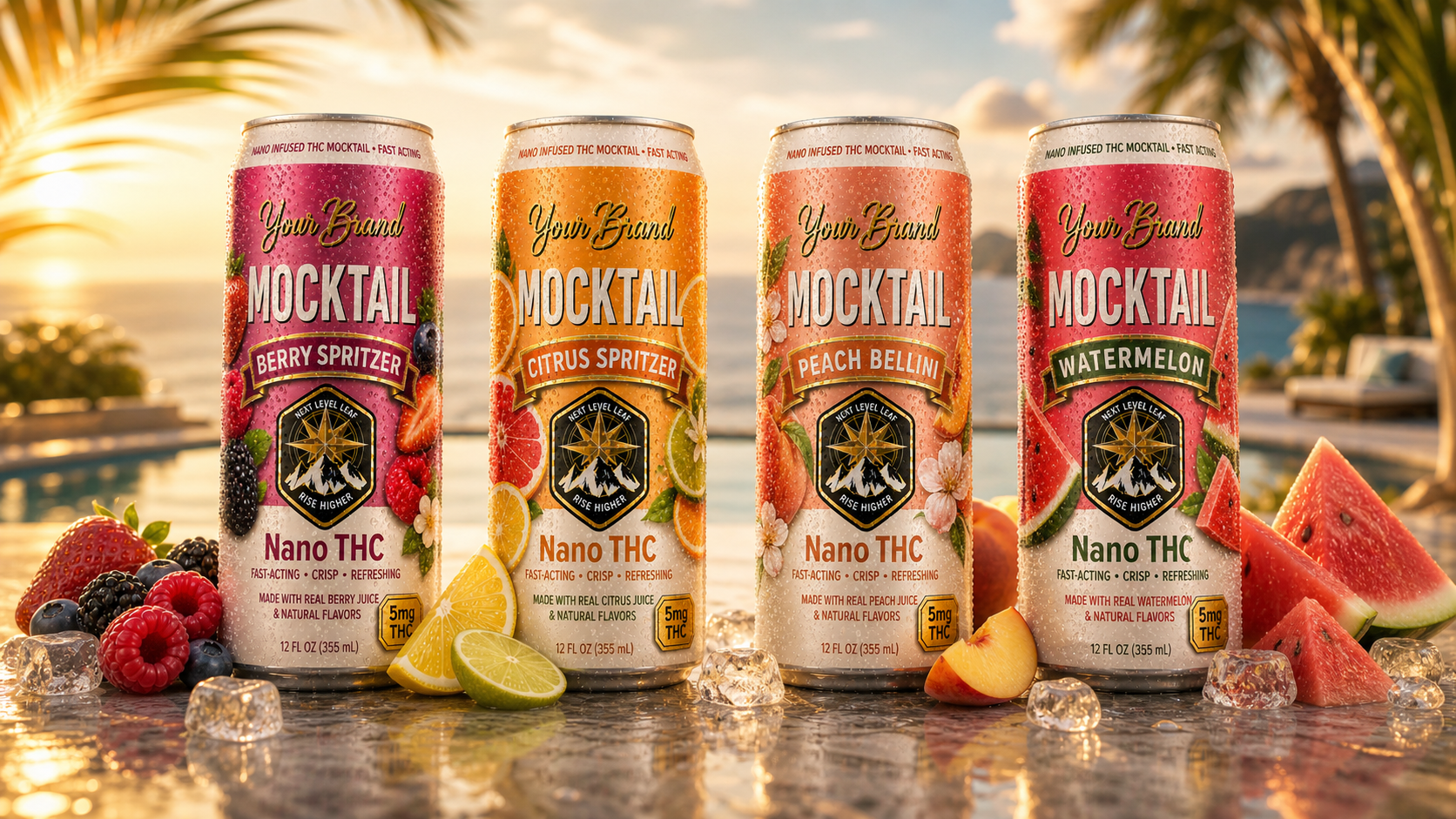


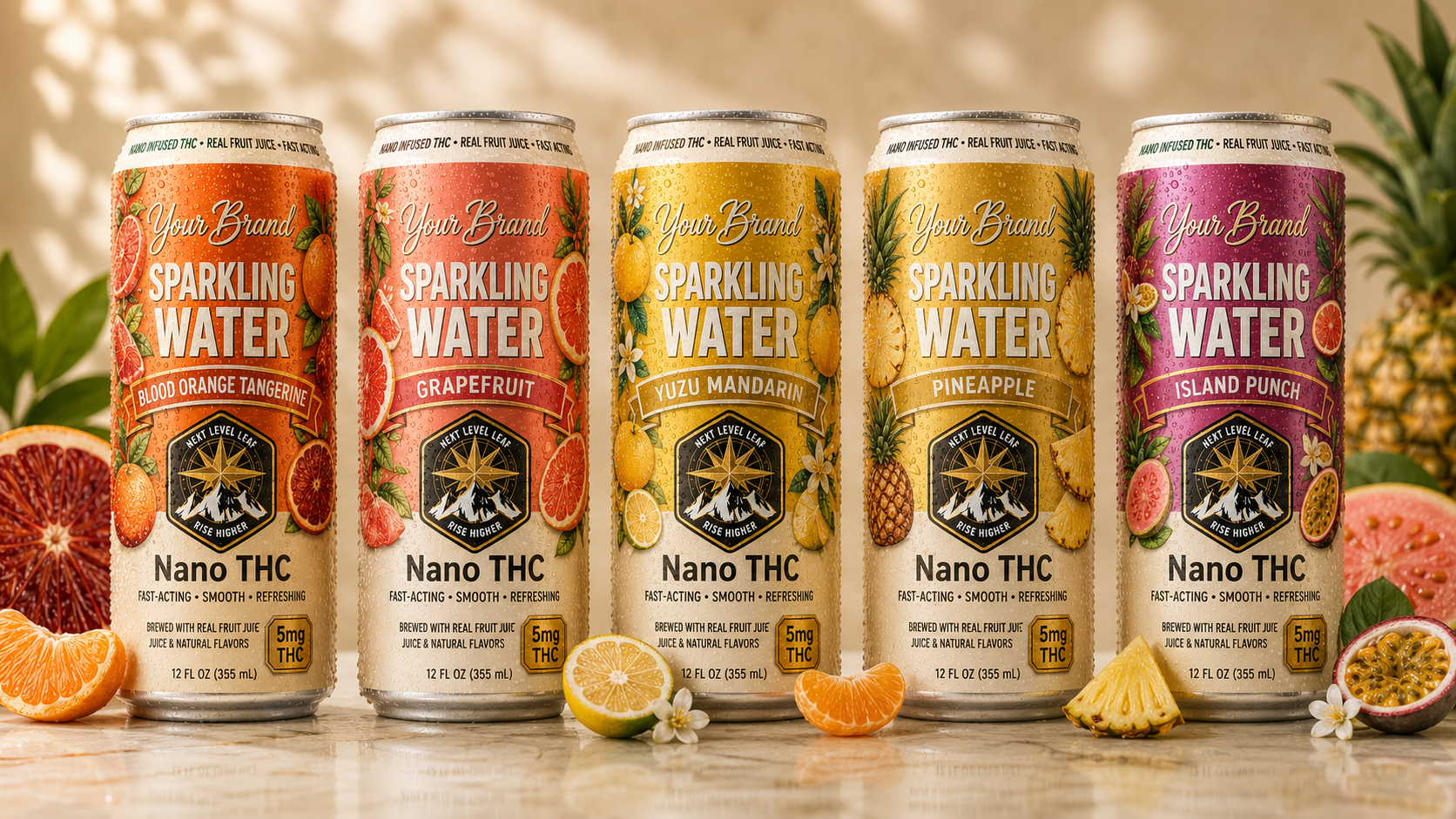
Why acid strategy matters
Acidity shapes how a THC beverage tastes from the first sip. It can make fruit flavors feel brighter, help sweetness feel cleaner, support carbonation, and make the finished product feel more refreshing.
Without the right acid balance, a beverage can taste flat, syrupy, overly sweet, thin, or unbalanced. Too much acidity can make the drink sharp, harsh, or disconnected from the flavor story.
Acid balance is not just about tartness. It helps connect sweetness, fruit flavor, mouthfeel, carbonation, and cannabinoid taste into one finished beverage experience.
Common acid directions in beverage formulation
Different acids can create different taste impressions. The right choice depends on the beverage category and flavor profile.
Citric acid
Common in citrus, lemonade, fruit drinks, sodas, and many bright beverage concepts.
Malic acid
Useful for apple-like, berry, tropical, and fruit-forward tartness where a smoother fruit bite is desired.
Acid systems
Some beverages use blended acid systems to support pH, taste, stability, and category expectations.
Acid strategy by beverage format
The acid system should match the drink. A lemonade needs a different balance than a seltzer, sweet tea, coffee, soda, mocktail, or real fruit beverage.
Supports crispness, fruit brightness, and refreshing finish.
Too much acid can feel sharp because there is less sugar and body to balance it.
Supports citrus identity, fruit intensity, and sweetness balance.
Needs enough sweetness and mouthfeel to avoid tasting thin or harsh.
Can brighten tea, hibiscus, ginger, fruit, and botanical notes.
Must fit the tea base or botanical profile rather than overpowering it.
Supports classic beverage structure, sweetness balance, and cocktail-style flavor direction.
Needs alignment with carbonation, sweetness, and flavor intensity.
Acidity and cannabinoid flavor balance
THC and other cannabinoid inputs can create bitterness or off-notes depending on dose, emulsion, and beverage base. Acidity can help shape the flavor experience, but it is not a stand-alone solution.
The final formula should also consider sweeteners, natural flavors, mouthfeel, carbonation, fruit systems, and the cannabinoid stack. For dose planning, review THC for Beverages and Cannabinoids for THC Beverages.
Acids and sweetener strategy
Acidity and sweetness work together. A low-sugar drink often needs careful acid control so it does not taste too sharp. A full-sugar soda or lemonade may need more acidity to avoid tasting heavy.
For sweetness planning, review Sweeteners for THC Beverages, Low-Sugar THC Beverages, and Cane Sugar for THC Beverages.
Acids, natural flavors, and fruit systems
Acid strategy should reinforce the flavor system. Citrus flavors often need a bright acid profile. Berry and tropical flavors may need a different tartness profile. Real fruit drinks may need acidity that supports juice or puree without making the product harsh.
For flavor and fruit system planning, review Natural Flavors, Fruit Puree, and Natural Colors.
pH, stability, and production planning
Acids also matter because pH influences beverage formulation and production planning. The exact pH target depends on the beverage format, ingredients, process, shelf-life expectations, packaging, and regulatory review.
pH should be evaluated in the context of the finished beverage, not guessed from the flavor idea alone.
Testing, COAs, and label accuracy
Acid decisions do not change the need for finished-product cannabinoid testing, COAs, label accuracy, and batch documentation. They also affect ingredient statements, customer perception, nutrition facts, and finished-product quality.
Professional documentation helps retailers and distributors understand the product and helps keep the label aligned with the actual beverage.
What to prepare before requesting a quote
An acid-balanced beverage quote is easier to scope when the brand knows the desired format, flavor direction, and tartness target. You do not need a finished formula, but the product concept should be specific enough to evaluate.
- Beverage format, such as seltzer, spritzer, soda, tea, lemonade, mocktail, real fruit drink, juice, coffee, or functional drink
- Target cannabinoid dose
- Flavor direction and desired tartness level
- Sweetness target and preferred sweetener system
- Natural flavor, juice, puree, or blended fruit system preference
- Color, mouthfeel, carbonation, and shelf-life goals
- Target states and sales channels
- Packaging status, first-run quantity, and launch timeline
Where to go next
If you are still exploring ingredient options, return to the Ingredients hub. If you want to connect acidity with flavor, review Natural Flavors, Sweeteners, and Fruit Puree. If your acid-balanced beverage direction is clear, the next step is to request a quote.