

Why cane sugar matters in THC beverage strategy
Cane sugar is one of the most familiar sweetener directions for mainstream beverages. It can help a THC drink taste more like a finished commercial beverage, especially when the product needs sweetness, body, and a familiar mouthfeel.
That makes cane sugar a strong fit for products where the brand wants a full-flavor experience rather than a very light wellness drink. It can be especially useful for sodas, sweet teas, lemonades, juices, and fruit-forward beverages.
Cane sugar works best when the product is designed to be full-flavor. It should support the drink’s identity, not simply cover up poor flavor balance.
Where cane sugar can fit
Cane sugar can work across several THC beverage formats, especially products designed around familiar sweetness, fruit intensity, tea, citrus, soda flavor, or a classic retail beverage experience.
THC sodas
Sodas often need sweetness and body to feel familiar, flavorful, and comparable to mainstream beverage expectations.
Sweet teas
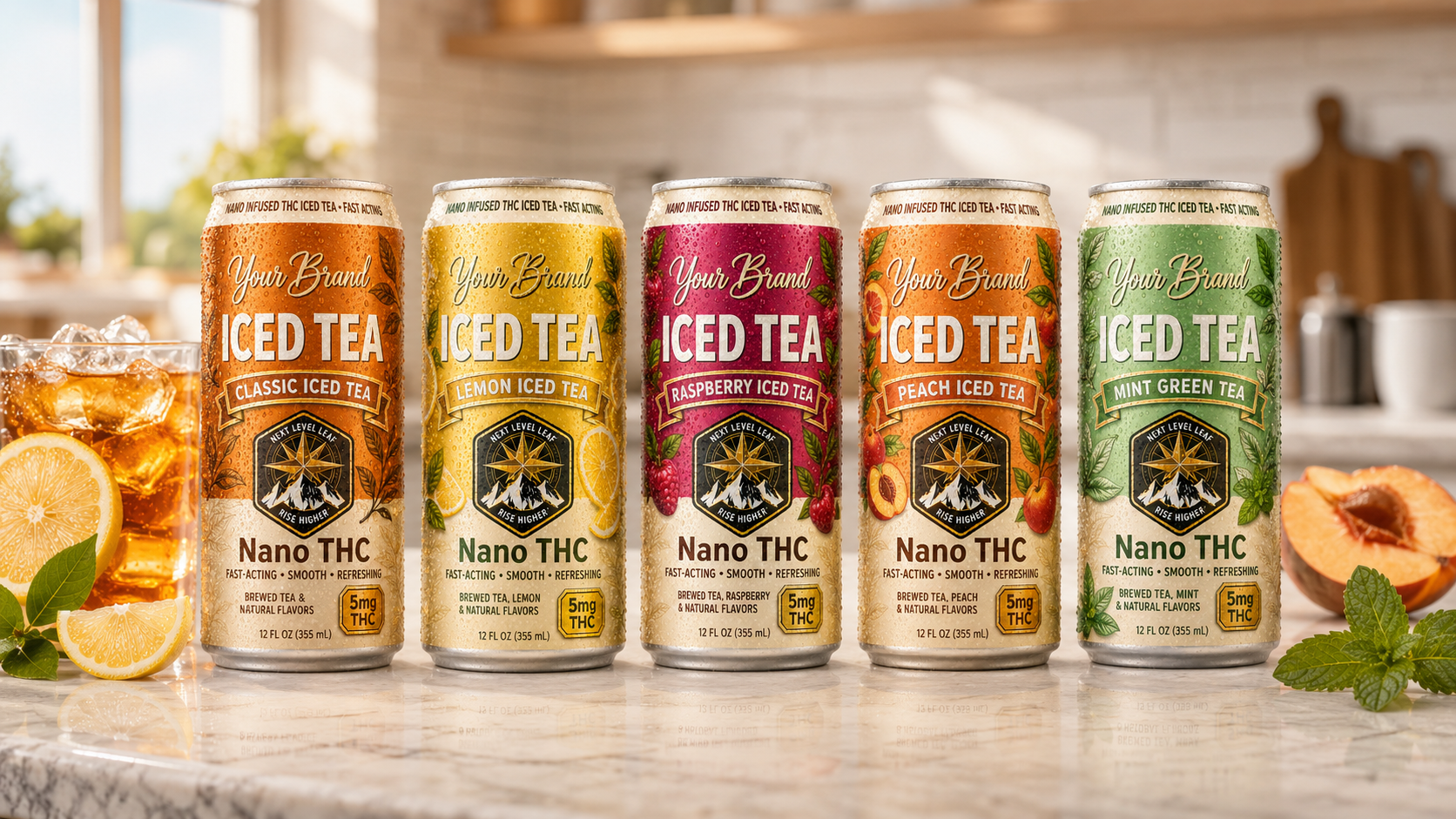
Southern-style sweet tea, peach tea, lemon tea, and hibiscus tea can all fit a cane-sugar direction.
Lemonades and fruit drinks
Cane sugar can help balance acidity, fruit intensity, and cannabinoid bitterness in fuller beverage concepts.
Cane sugar vs agave vs honey vs low-sugar
Cane sugar is familiar and direct. Agave can feel smoother and more premium. Honey can bring a recognizable flavor identity. Low-sugar systems can reduce calories, but often require more formulation work around aftertaste, body, and mouthfeel.
Sodas, sweet teas, lemonades, fruit drinks, juices, full-flavor beverage concepts.
Increases sugar and calories; may not fit every wellness-adjacent or low-calorie brand direction.
Fruit-forward drinks, citrus, mocktails, spritzers, smoother premium sweetness.
Still contributes sugar and calories; may increase cost depending on formula and sourcing.
Tea, lemonade, botanical drinks, functional beverages, premium wellness-adjacent concepts.
Distinct flavor, aroma, and color influence need to fit the formula.
Seltzers, lighter spritzers, modern wellness drinks, lower-calorie concepts.
Mouthfeel, bitterness, aftertaste, and cannabinoid flavor balance need careful planning.
Flavor systems that pair well with cane sugar
Cane sugar can support familiar, nostalgic, and full-flavor beverage profiles. It can be especially useful when the brand wants the product to taste satisfying rather than ultra-light.
- Cola and craft soda: classic sweetness, body, and familiar retail cues.
- Sweet tea: Southern-style, peach tea, lemon tea, and fruit tea concepts.
- Lemonade: acidity and sweetness balance for full-flavor refreshment.
- Berry lemonade: fruit-forward with enough sweetness to feel complete.
- Orange cream or fruit soda: nostalgic soda positioning with stronger flavor structure.
- Juice-style drinks: fuller sweetness and mouthfeel for stronger fruit concepts.
Cane sugar and cannabinoid flavor balance
Cannabinoid inputs can create bitterness or off-notes depending on dose and ingredient choice. Cane sugar can help improve flavor balance and body, but it should not be the only masking strategy.
Acidity, flavor system, carbonation, mouthfeel, and beverage base all need to work together. For cannabinoid planning, review Cannabinoids for THC Beverages.
Cane sugar, calories, and label perception
Cane sugar creates a familiar beverage experience, but it also contributes sugar and calories. That may be acceptable or even desirable for full-flavor drinks, but it should be intentional.
Brands should decide whether the product is meant to be a classic soda, sweet tea, lemonade, juice-style drink, or a lighter modern beverage. The sweetener strategy should match that positioning.
Cane sugar in sodas, teas, and lemonades
Sodas, sweet teas, and lemonades are three of the clearest fits for cane sugar. These formats are familiar, flavorful, and often expected to have more sweetness than a seltzer or spritzer.
If the brand wants a lower-sugar version, the product can be scoped differently, but the formula may need more attention to mouthfeel, acidity, natural flavors, and bitterness control.
Testing, COAs, and label accuracy
Cane sugar does not change the need for finished-product cannabinoid testing, COAs, label accuracy, and batch documentation. It also affects ingredient statements, nutrition facts, calorie expectations, and customer perception.
Professional documentation helps retailers and distributors understand the product and helps keep the label aligned with the actual beverage.
What to prepare before requesting a quote
A cane-sugar beverage quote is easier to scope when the brand knows the desired beverage format and sweetness direction. You do not need a finished formula, but the product concept should be specific enough to evaluate.
- Beverage format, such as soda, sweet tea, lemonade, juice, fruit drink, mocktail, coffee, or functional drink
- Target cannabinoid dose
- Flavor direction and sweetness level
- Whether cane sugar should be the primary sweetener or part of a blended system
- Calorie or sugar target, if known
- Fruit system, acidity, color, and mouthfeel goals
- Target states and sales channels
- Packaging status, first-run quantity, and launch timeline
Where to go next
If you are still comparing sweetener directions, return to Sweeteners for THC Beverages. If you want a more premium sweetener story, review Agave and Honey. If your cane-sugar beverage direction is clear, the next step is to request a quote.