

Why agave matters in THC beverage strategy
Agave can help a THC beverage feel more premium than a standard sugar-sweetened drink while still providing real sweetness and body. It can be especially useful when the brand wants a cleaner, smoother, or more elevated sweetener story.
The decision should be practical, not just aesthetic. Agave affects cost, calories, label language, sweetness perception, mouthfeel, flavor balance, and how the drink compares to cane sugar, honey, fruit juice, or low-sugar systems.
Agave works best when it supports the product identity. It should make the beverage feel smoother, more balanced, and more premium—not just more expensive to produce.
Where agave can fit
Agave can work across several THC beverage formats, especially products built around fruit, citrus, tea, lemonade, or mocktail-style positioning.
Real fruit drinks
Agave can support mango, citrus, berry, pineapple, peach, and tropical fruit concepts with a smoother sweetness profile.
Lemonades and teas
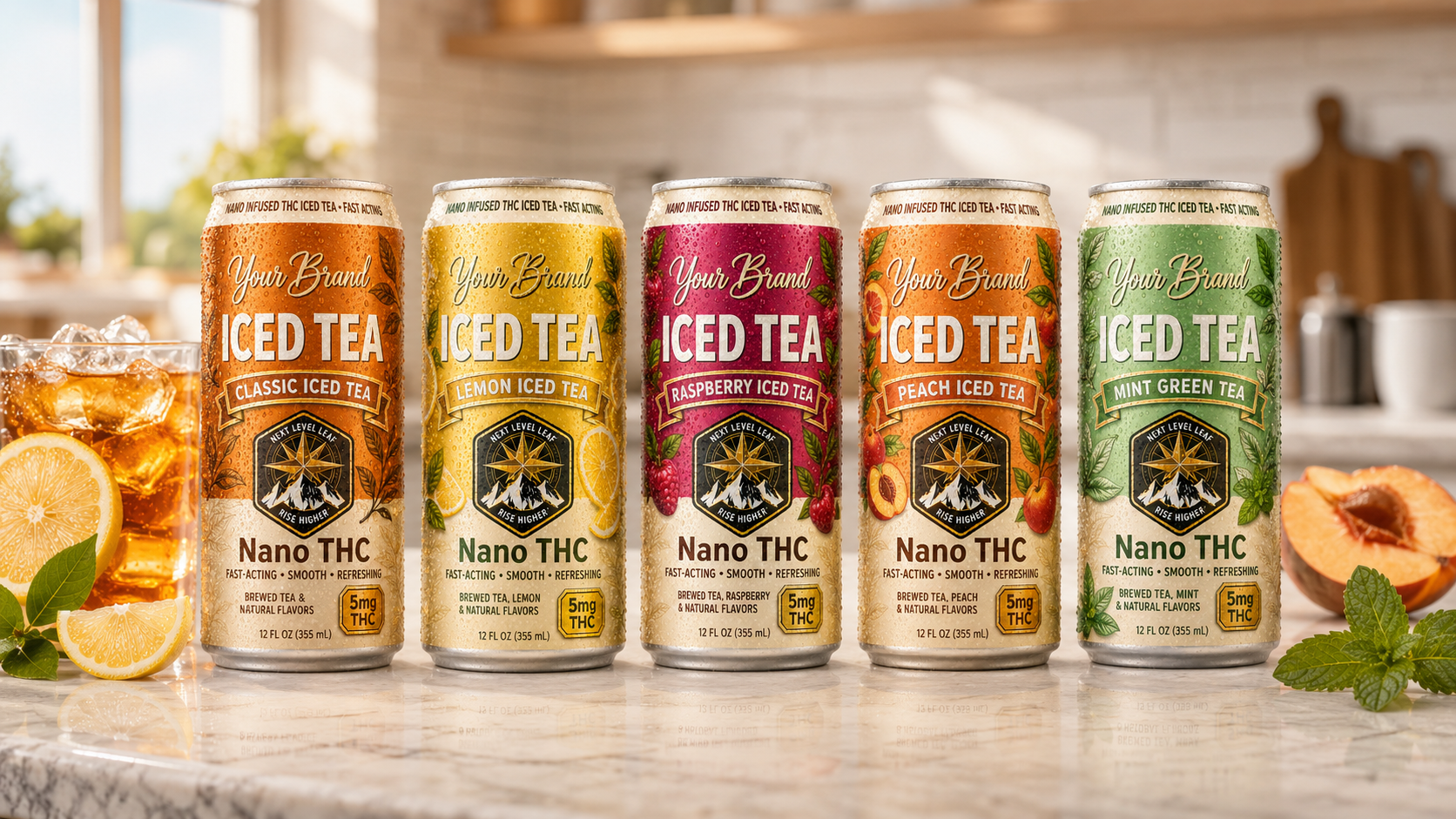
Agave can help balance acidity in lemonades, iced teas, hibiscus tea, peach tea, and citrus-forward beverages.
Mocktails and spritzers
Agave can support a more elevated alcohol-alternative feel in margarita-inspired, paloma-style, and fruit spritzer concepts.
Agave vs cane sugar vs honey
Each sweetener creates a different product story. Cane sugar is familiar and classic. Honey is recognizable and can add its own flavor note. Agave can feel smooth, modern, and premium, especially in citrus and fruit-forward drinks.
Premium fruit drinks, lemonades, teas, mocktails, spritzers, wellness-adjacent concepts.
Still contributes sugar and calories; may increase cost depending on formula and sourcing.
Sodas, sweet teas, lemonades, full-flavor fruit drinks, familiar mainstream profiles.
May feel less premium and can increase sugar and calorie load.
Tea, lemonade, botanical drinks, premium functional beverages.
Distinct flavor can become part of the formula whether the brand wants it or not.
Seltzers, lighter spritzers, modern wellness drinks, lower-calorie concepts.
Mouthfeel, bitterness, aftertaste, and cannabinoid flavor balance need careful planning.
Flavor systems that pair well with agave
Agave can pair especially well with bright, acidic, tropical, and mocktail-style flavor systems. It may help smooth sharp edges in citrus-forward drinks without making the beverage feel as heavy as some other sweetness approaches.
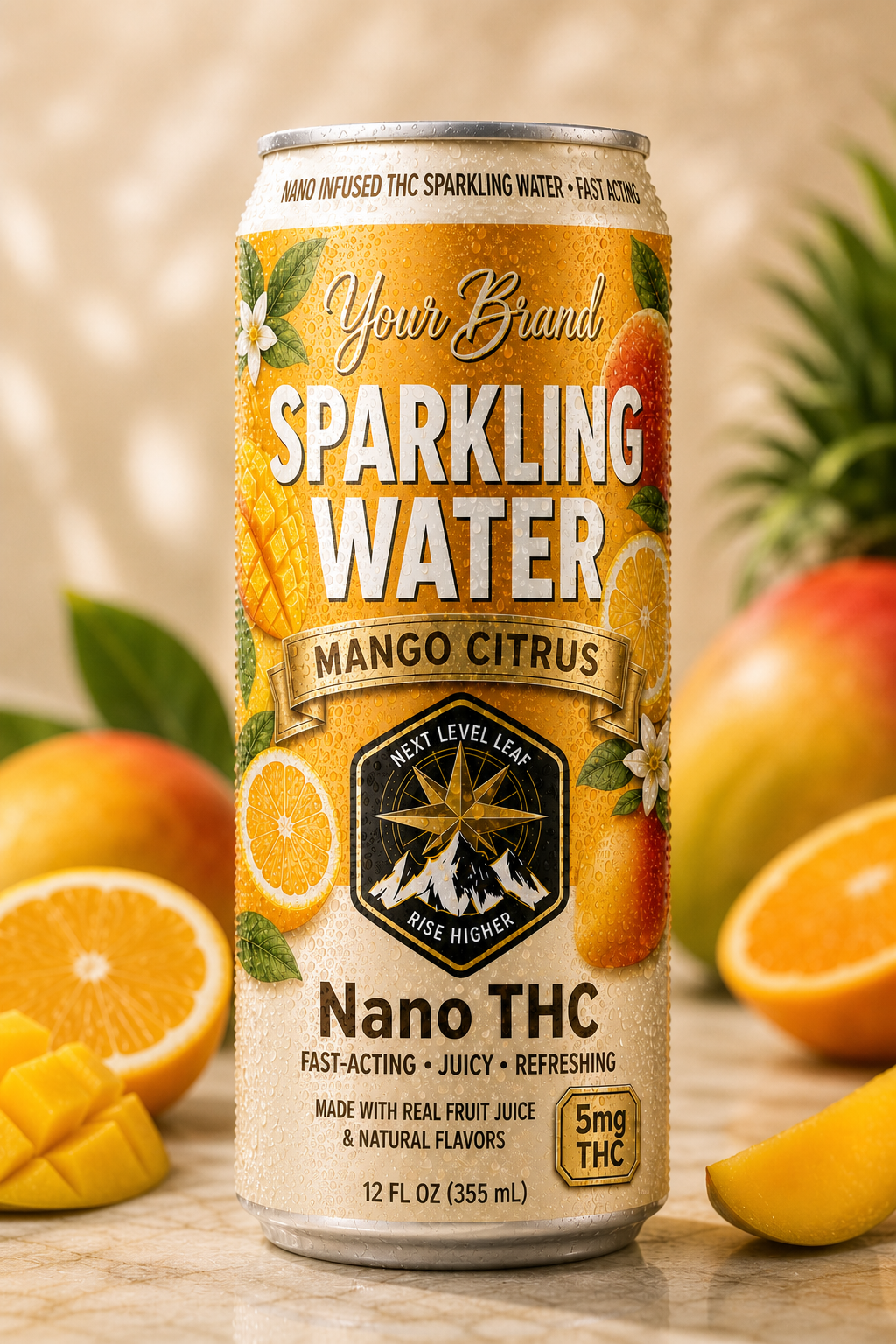
- Mango citrus: smooth tropical sweetness with bright acidity.
- Paloma-inspired: grapefruit, lime, and agave-style positioning for adult beverage occasions.
- Margarita-inspired: citrus, lime, agave, and low-dose THC for alcohol-alternative positioning.
- Peach tea: soft fruit sweetness with a premium tea story.
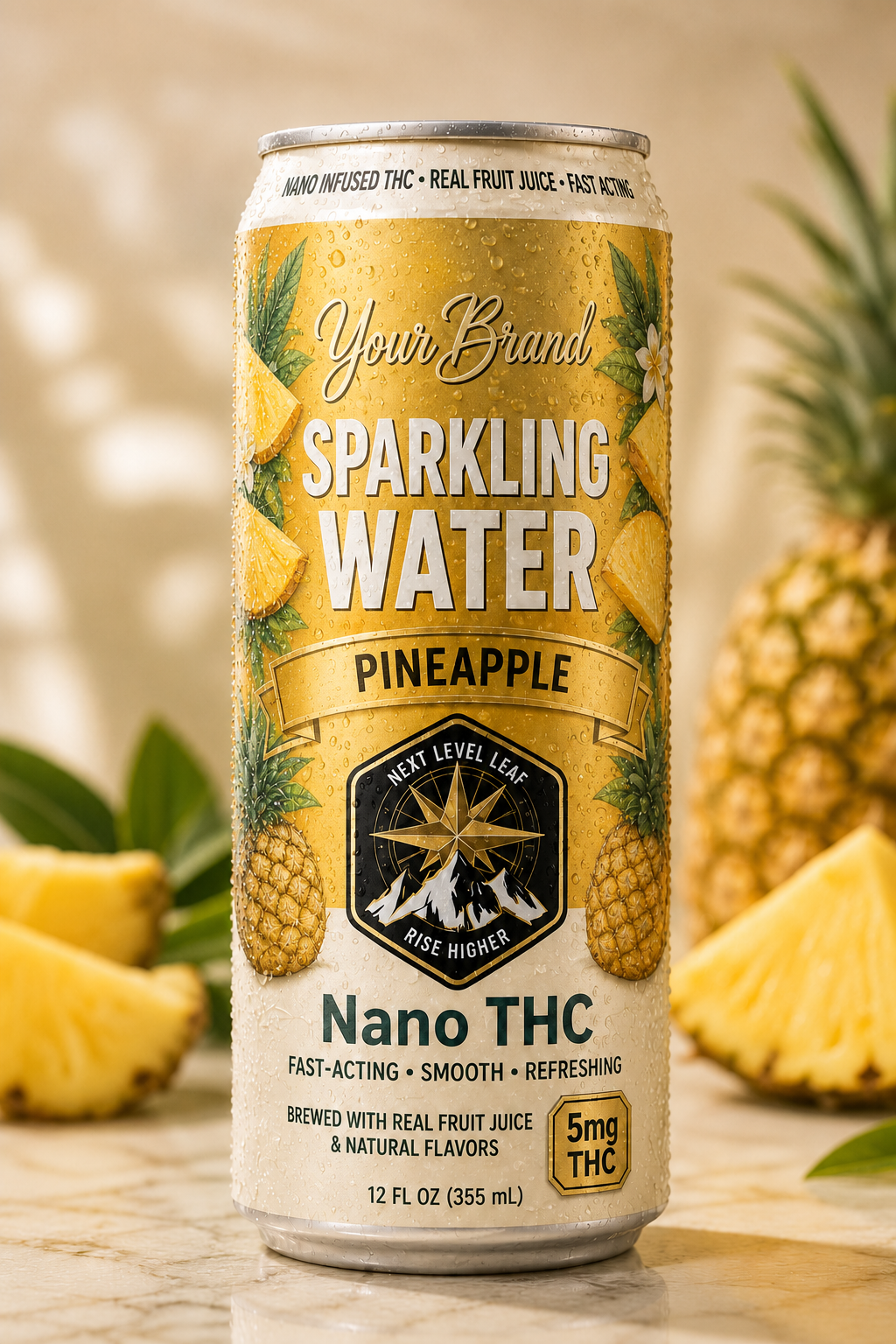
- Pineapple spritz: tropical fruit with sparkling refreshment.
- Berry lemonade: fruit acidity balanced by smoother sweetness.
Agave and cannabinoid flavor balance
Cannabinoid inputs can create bitterness or off-notes depending on dose and ingredient choice. Agave can help soften the beverage, but it should not be the only flavor-masking strategy.
Acidity, flavor system, mouthfeel, carbonation, and the beverage base all need to work together. For cannabinoid planning, review Cannabinoids for THC Beverages.
Agave, calories, and label perception
Agave can sound more premium on a label, but it is still a sweetener. Brands should be realistic about sugar and calorie expectations. The right decision depends on whether the product is designed as a light spritzer, a fuller lemonade, a tea, a mocktail, or a fruit-forward drink.
If the brand wants a lower-sugar product, agave may still be part of a blended system, but sweetness, mouthfeel, and flavor balance need to be tested.
Agave in mocktail-style THC beverages
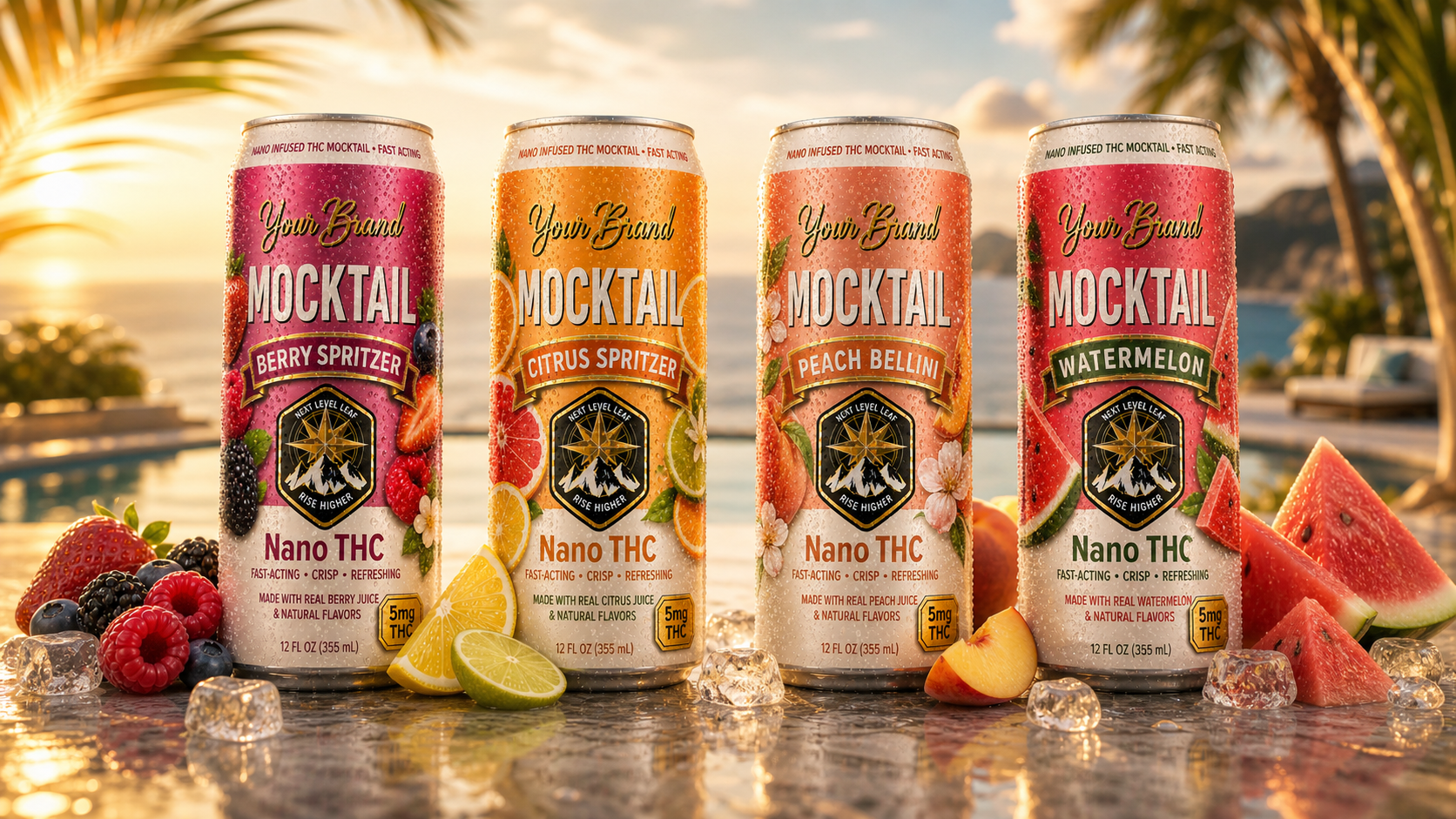
Agave can be especially useful in mocktail-style concepts because it already fits familiar adult beverage directions like margarita-inspired, paloma-style, tropical citrus, and elevated spritzers.
For brands targeting alcohol-alternative occasions, agave can help the product feel more sophisticated without relying on cocktail claims or alcohol-adjacent regulatory confusion.
Testing, COAs, and label accuracy
Agave does not change the need for finished-product cannabinoid testing, COAs, label accuracy, and batch documentation. It also affects ingredient statements, nutrition facts, calorie expectations, and customer perception.
Professional documentation helps retailers and distributors understand the product and helps keep the label aligned with the actual beverage.
What to prepare before requesting a quote
An agave-based beverage quote is easier to scope when the brand knows the desired beverage format and sweetness direction. You do not need a finished formula, but the product concept should be specific enough to evaluate.
- Beverage format, such as tea, lemonade, mocktail, spritzer, soda, real fruit drink, or functional drink
- Target cannabinoid dose
- Flavor direction and sweetness level
- Whether agave should be the primary sweetener or part of a blended system
- Calorie or sugar target, if known
- Fruit system, acidity, color, and mouthfeel goals
- Target states and sales channels
- Packaging status, first-run quantity, and launch timeline
Where to go next
If you are still comparing sweetener directions, return to Sweeteners for THC Beverages. If you want to compare another premium sweetener story, review Honey for THC Beverages. If your agave beverage direction is clear, the next step is to request a quote.