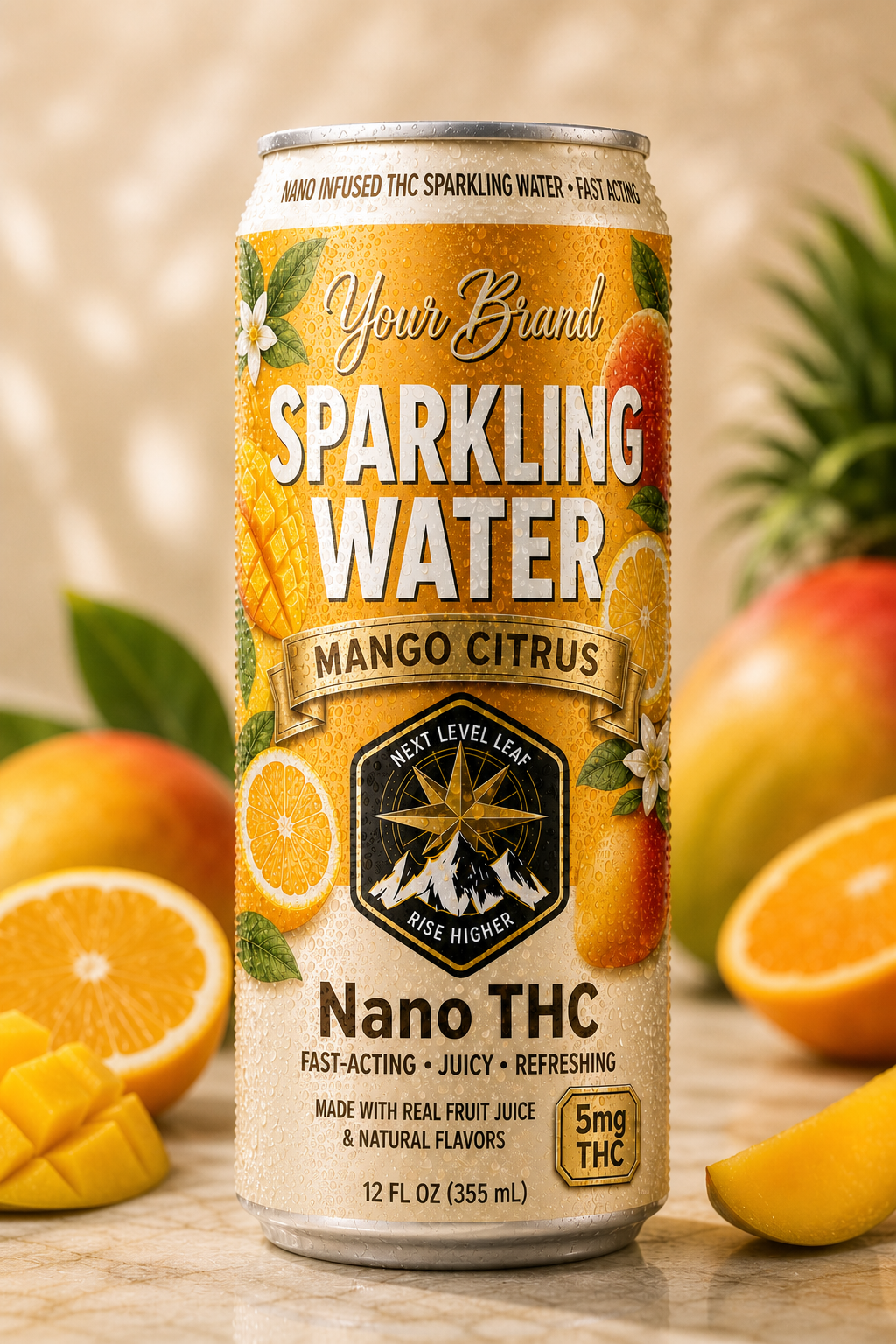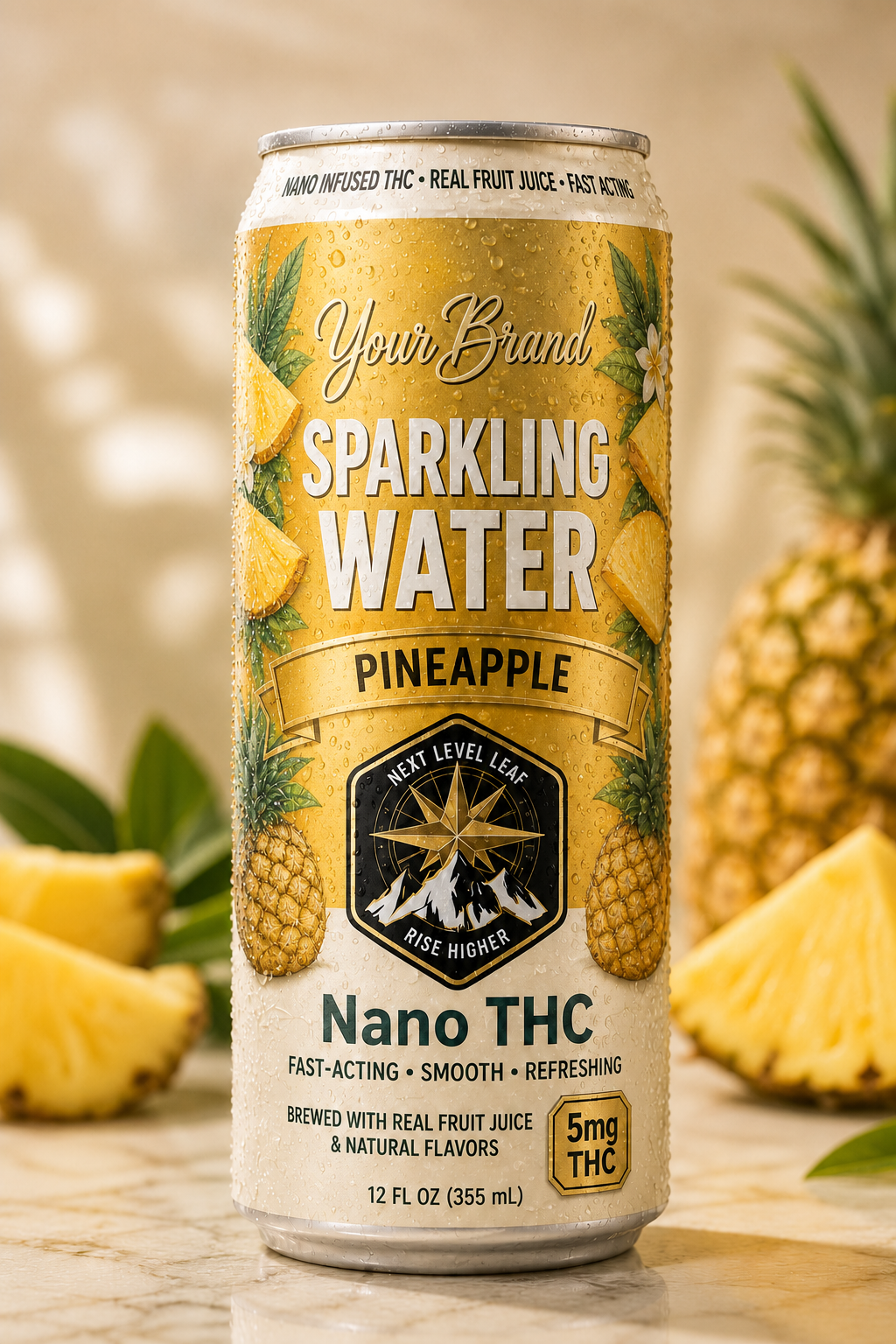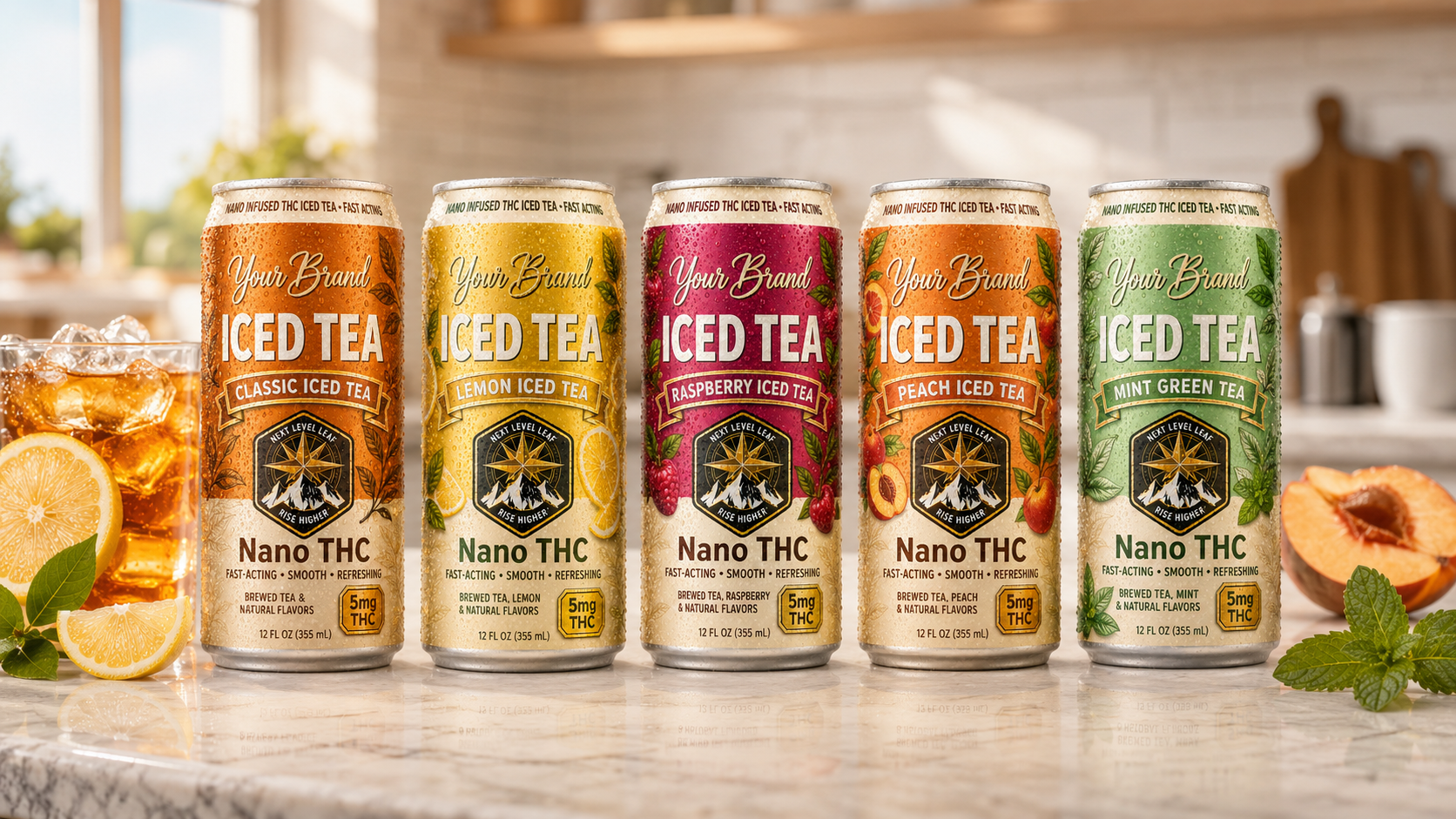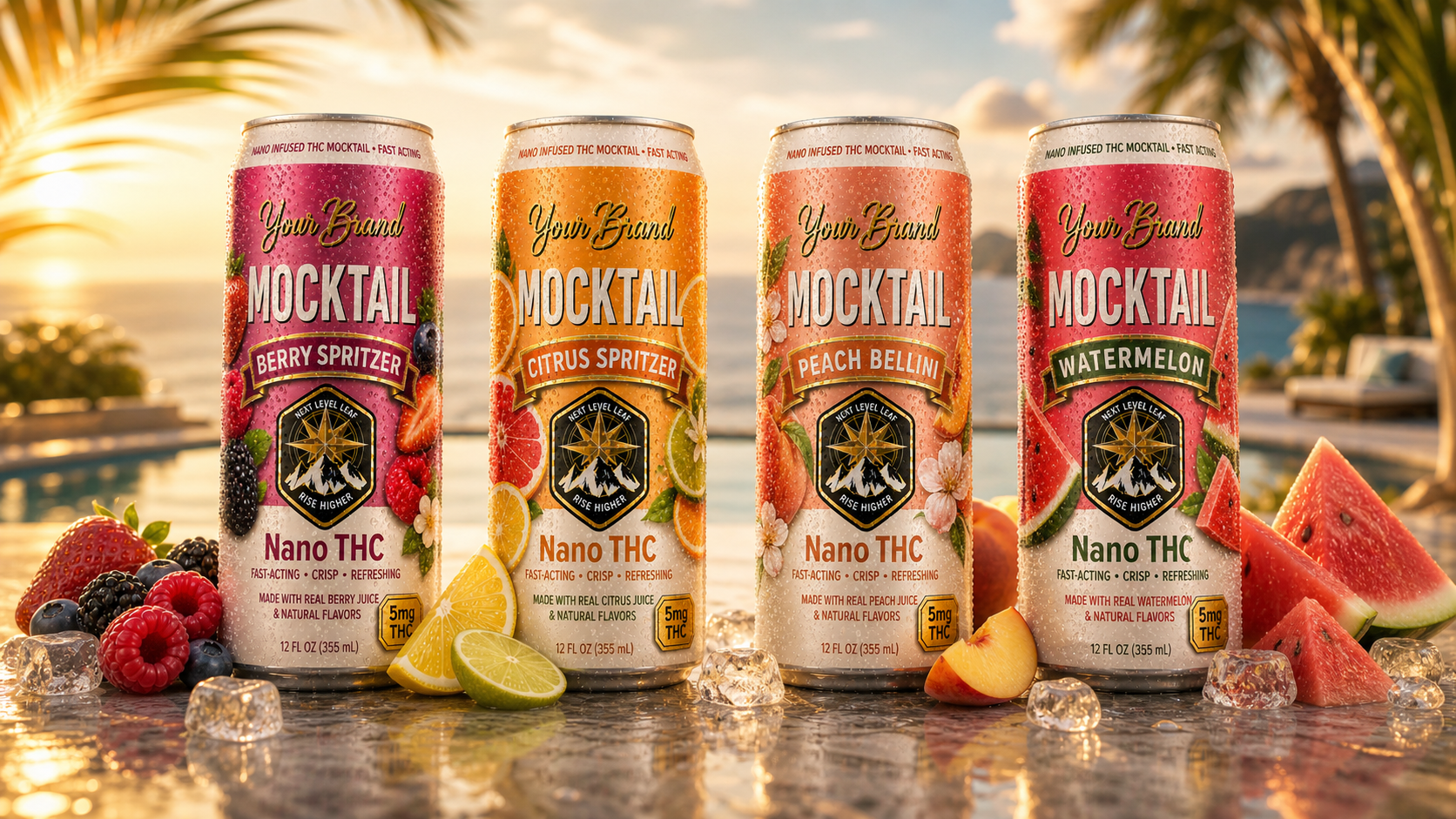


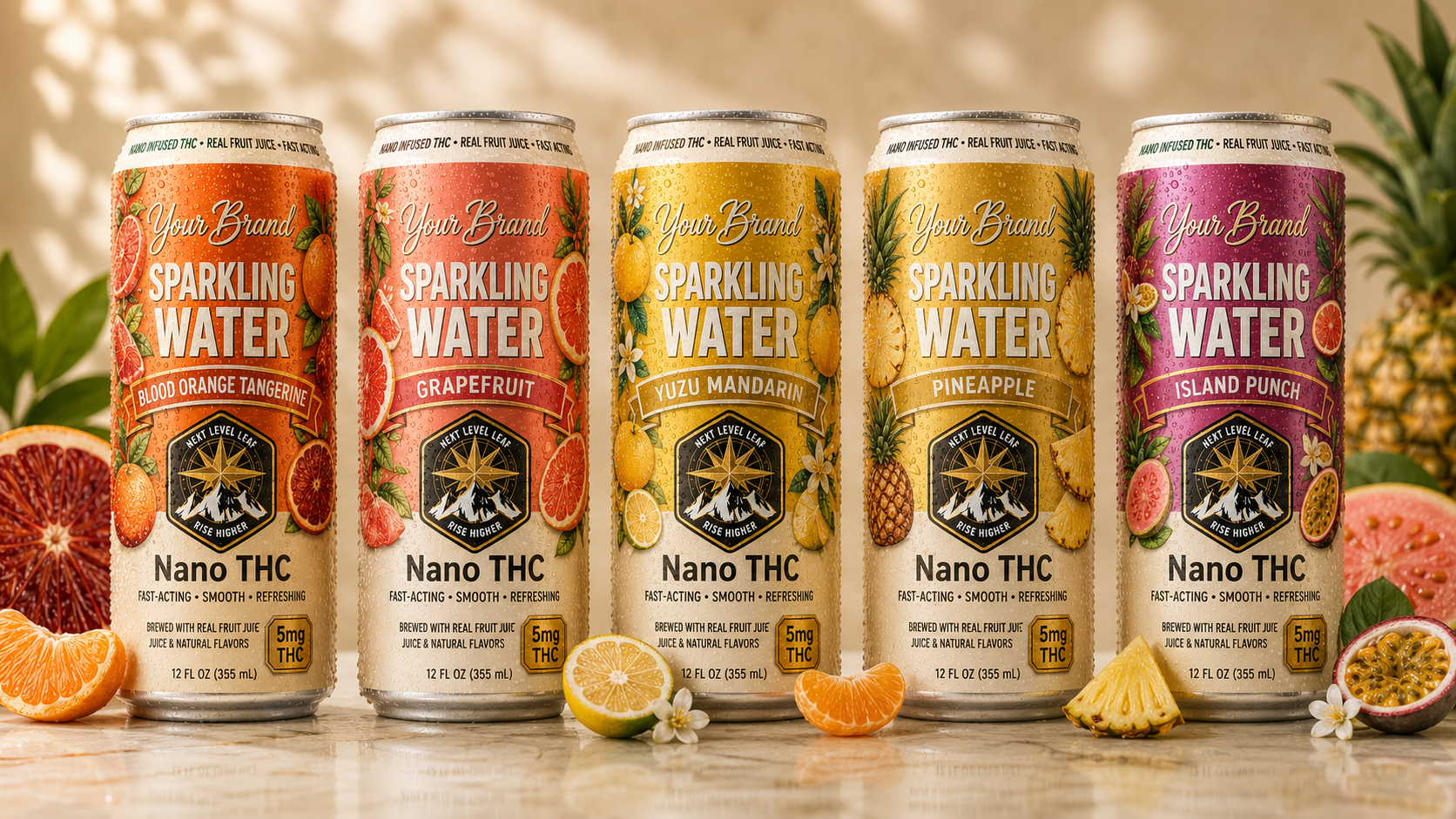
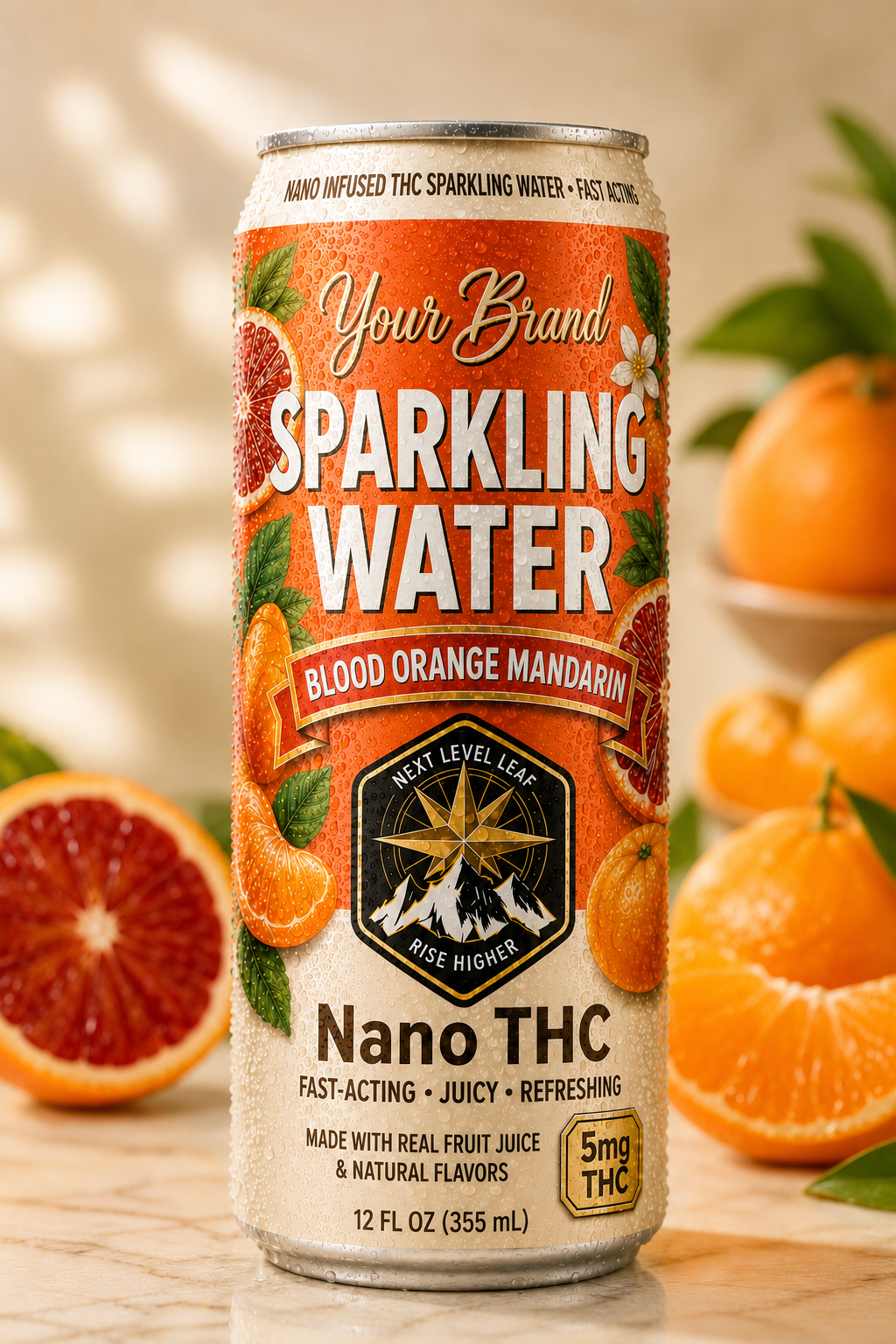
Why fruit puree matters in THC beverage strategy
Fruit puree can make a THC beverage feel more flavorful, visual, and substantial. It can create a stronger fruit impression than a simple flavor system and may help the product feel more premium on shelf.
The tradeoff is complexity. Puree may affect texture, settling, color, sweetness, acidity, carbonation, shelf-life expectations, filling, cost, and quality-control planning. The goal is to use puree where it improves the drink, not simply because it sounds good on the label.
The best fruit puree beverage concepts balance real fruit identity with production practicality. A stronger fruit story only helps if the finished drink tastes good, looks right, and holds up as expected.
Where fruit puree can fit
Fruit puree can be used in several beverage categories, but the format matters. A still lemonade, fruit drink, or mocktail may handle puree differently than a highly carbonated seltzer or lighter spritzer.
Real fruit drinks
Puree can support stronger fruit flavor, color, and body for real-fruit-positioned THC beverages.
Spritzers
Puree can help a spritzer feel more fruit-forward, but carbonation, sediment, and mouthfeel need planning.
Lemonades and teas
Fruit puree can support citrus, berry, peach, mango, or tropical directions in teas and lemonades.
Fruit puree vs juice vs natural flavor
Natural flavor can keep a beverage lighter and simpler. Juice can support a more familiar fruit story while still allowing flexibility. Fruit puree can add more body, color, texture, and real-fruit identity.
The right choice depends on the product concept. A crisp seltzer may need natural flavor. A real fruit drink may need juice or puree. A premium spritzer may use a balanced fruit system that gives enough color and flavor without becoming too heavy.
Seltzers, lighter spritzers, low-calorie drinks, clean sparkling formats.
May not create enough fruit body, color, or visual identity for a real fruit product story.
Fruit drinks, lemonades, teas, citrus beverages, moderate fruit-forward positioning.
Can affect sugar, acidity, color, nutrition facts, cost, and label expectations.
Real fruit beverages, mocktails, lemonades, thicker fruit drinks, premium fruit-forward concepts.
Can affect viscosity, sediment, filling, shelf life, carbonation behavior, and production complexity.
Flavor directions that work well with puree
Fruit puree is strongest when the flavor can carry the added body and color. Berry, peach, mango, pineapple, watermelon, citrus, blood orange, strawberry lemonade, raspberry lemonade, and tropical blends can all make sense depending on the product format.
- Berry: strong color, familiar flavor, and good visual identity.
- Peach: soft, premium, and useful for tea or mocktail-style beverages.
- Mango: rich, tropical, and useful for bolder fruit-forward concepts.
- Pineapple: bright, tropical, and strong for spritzers or mocktails.
- Watermelon: refreshing and easy to understand in summer or lifestyle positioning.
- Citrus: useful for acidity, brightness, and balance.
Sweetness, mouthfeel, and acidity
Fruit puree can change how sweet, thick, acidic, and complete a beverage feels. It may add natural sugars or change sweetness perception. It may also increase mouthfeel and make the drink feel more substantial.
The key is balance. A puree-supported beverage should not feel heavy unless that is the intended product style. For sweetener planning, review Sweeteners for THC Beverages.
Natural color and visual identity
Puree may help support natural color cues, but color still needs to be planned. Processing, pH, oxygen, light, packaging, and shelf life can all affect how the beverage looks over time.
If color is central to the product story, it should be treated as part of formulation and quality planning, not as an afterthought.
Production and stability considerations
Fruit puree can increase formulation and production complexity. That does not mean it is a bad choice. It means the beverage needs to be scoped correctly before production.
- Viscosity and fill behavior
- Sediment or settling expectations
- pH and acidity
- Sweetness and calorie level
- Color and appearance over time
- Carbonation compatibility
- Ingredient sourcing and cost
- Label statements and nutrition facts
- Finished-product testing and batch documentation
Fruit puree and cannabinoids
Fruit puree does not replace proper cannabinoid formulation, testing, or COA documentation. A puree-supported THC beverage still needs dose accuracy, label clarity, finished-product testing, batch-specific COAs, and responsible packaging.
For dose planning, review Cannabinoids for THC Beverages.
What to prepare before requesting a quote
A fruit puree beverage quote is easier to scope when the brand knows the desired beverage format and fruit direction. You do not need a finished formula, but the product concept should be specific enough to evaluate.
- Beverage format, such as real fruit drink, lemonade, tea, soda, seltzer, spritzer, mocktail, juice, or functional drink
- Target cannabinoid dose
- Fruit direction, such as berry, mango, peach, pineapple, watermelon, citrus, or tropical blend
- Puree, juice, natural flavor, or blended fruit system preference
- Sweetness, calorie, color, and mouthfeel goals
- Still or sparkling format
- Target states and sales channels
- Packaging status, first-run quantity, and launch timeline
Where to go next
If you are still exploring ingredient options, return to the Ingredients hub. If you want to compare fruit-forward product formats, review Real Fruit THC Drinks and Fruit Puree THC Drinks. If your fruit puree beverage direction is clear, the next step is to request a quote.