


Why fruit puree changes the beverage
Fruit puree can change how an infused beverage tastes, looks, and feels. Compared with a simple flavor system, puree may add depth, color, body, and a more recognizable fruit impression.
That can be valuable for brands that want the drink to feel more like a premium fruit beverage instead of a lightly flavored sparkling water. It can also help a product stand out in a cooler, on a website, or in sales material.
Fruit puree should be used because it improves the product experience, not just because it sounds good on a label. The best puree-supported drinks balance flavor, mouthfeel, stability, cost, and production practicality.
When fruit puree makes sense
Puree can make sense when a brand wants a stronger fruit story, richer color, fuller mouthfeel, or more premium presentation. It can be especially useful for berry, tropical, citrus, peach, mango, watermelon, and lemonade-style beverage directions.
It may not be needed for every brand. If the goal is the cleanest, lightest, lowest-calorie seltzer possible, a flavor-based or juice-inspired system may be the better starting point.
More fruit depth
Puree can help the drink taste more like fruit instead of only fruit flavoring.
Visual identity
Fruit systems may support a more recognizable color cue, depending on the formula and production path.
Fuller body
Puree can add more texture and weight, which may be useful for spritzers, mocktails, and real fruit beverages.
Puree vs juice vs natural flavor
Natural flavor can help keep a THC beverage lighter, clearer, and often simpler to produce. Juice can support a more familiar fruit story while still allowing a range of formulation approaches. Puree can create a stronger fruit impression, but it usually brings more formulation considerations.
The right choice depends on the product goal. Some brands need a crisp low-calorie seltzer. Others need a fruit-forward spritzer or mocktail-style beverage with more body and visual appeal.
Formulation considerations for puree-supported drinks
Fruit puree can affect sweetness, acidity, color, texture, sediment, fill behavior, cost, and shelf-life planning. These are not reasons to avoid puree. They are decisions to clarify before production.
- Sweetness: puree may add natural sugars or change how sweetness is perceived.
- Acidity: fruit intensity often needs to be balanced with tartness and overall drinkability.
- Color: fruit color can be a strength, but it needs to stay acceptable through production and shelf life.
- Sediment: some fruit systems may require expectations around clarity, settling, or shake behavior.
- Carbonation: puree-supported sparkling drinks need the right balance of bubbles, body, and finish.
- Stability: fruit systems should be evaluated for shelf-life, flavor consistency, and appearance.
How puree affects the THC experience
The puree itself does not replace proper cannabinoid formulation. A finished product still needs an appropriate cannabinoid input, dose control, finished-product testing, batch-specific COAs, and clear label language.
What puree can do is improve the beverage experience around the dose. A stronger fruit system may help the drink feel more complete, more flavorful, and more beverage-first.
Best puree-supported flavor directions
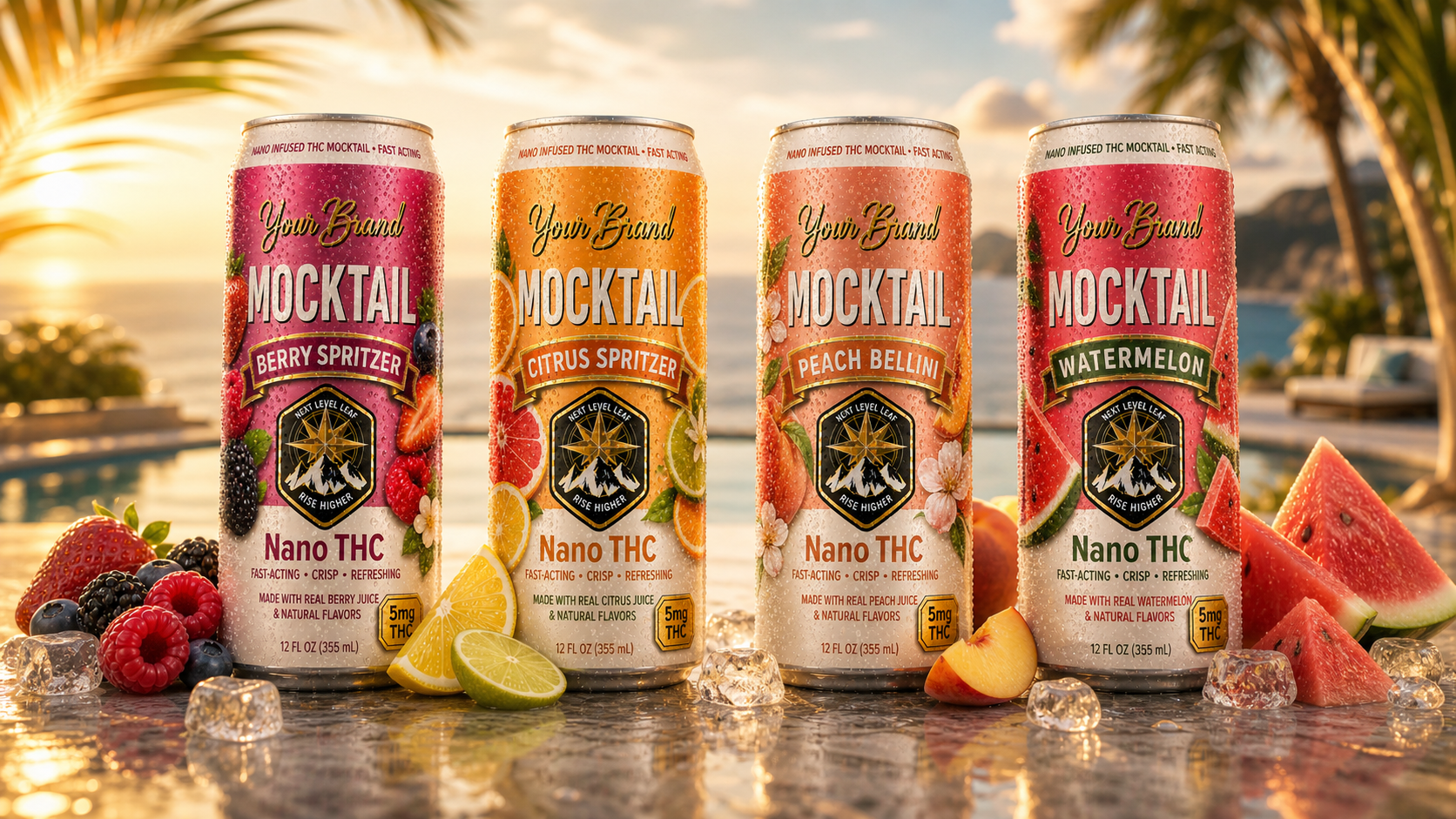
Fruit puree works best when the flavor direction is already strong. Berry, peach, pineapple, mango, watermelon, blood orange, citrus, and lemonade-style flavors can all give a THC beverage a more complete fruit identity.
- Berry Spritzer: colorful, familiar, and useful for a premium fruit-forward drink.
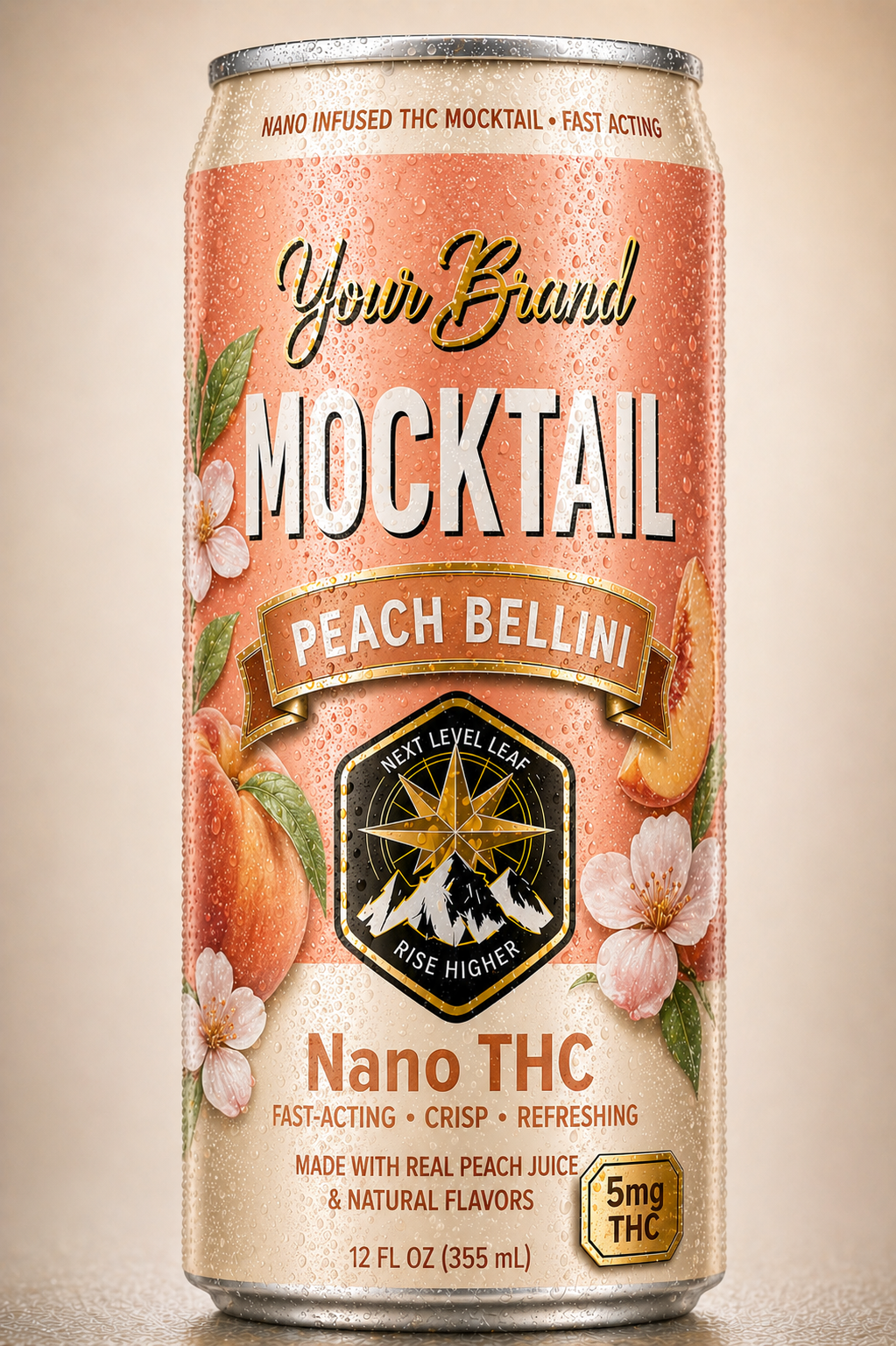
- Peach Bellini-Inspired: soft, elevated, and strong for mocktail-adjacent positioning.
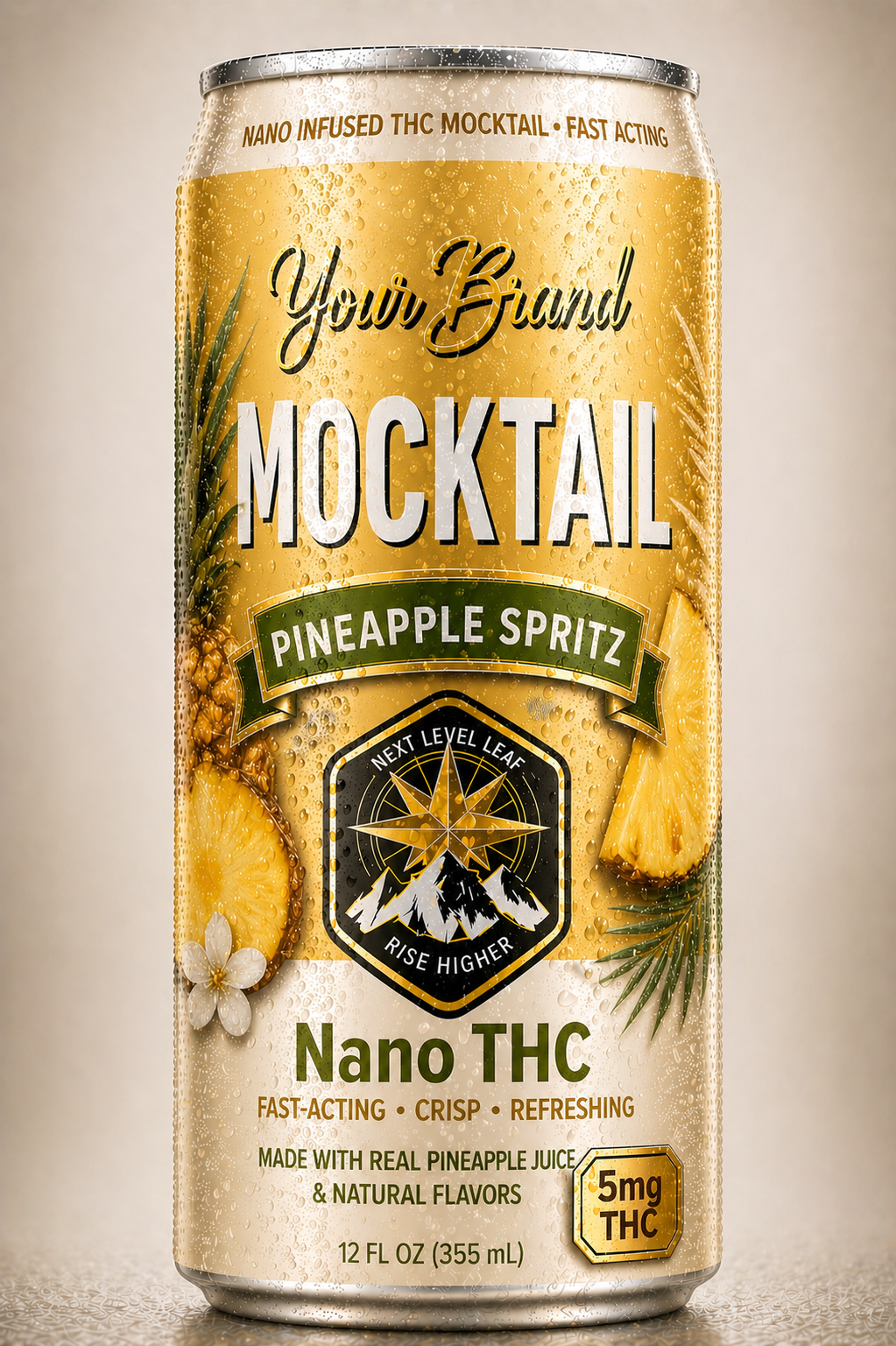
- Pineapple Spritz: tropical, bright, and visually clear for warm-weather occasions.
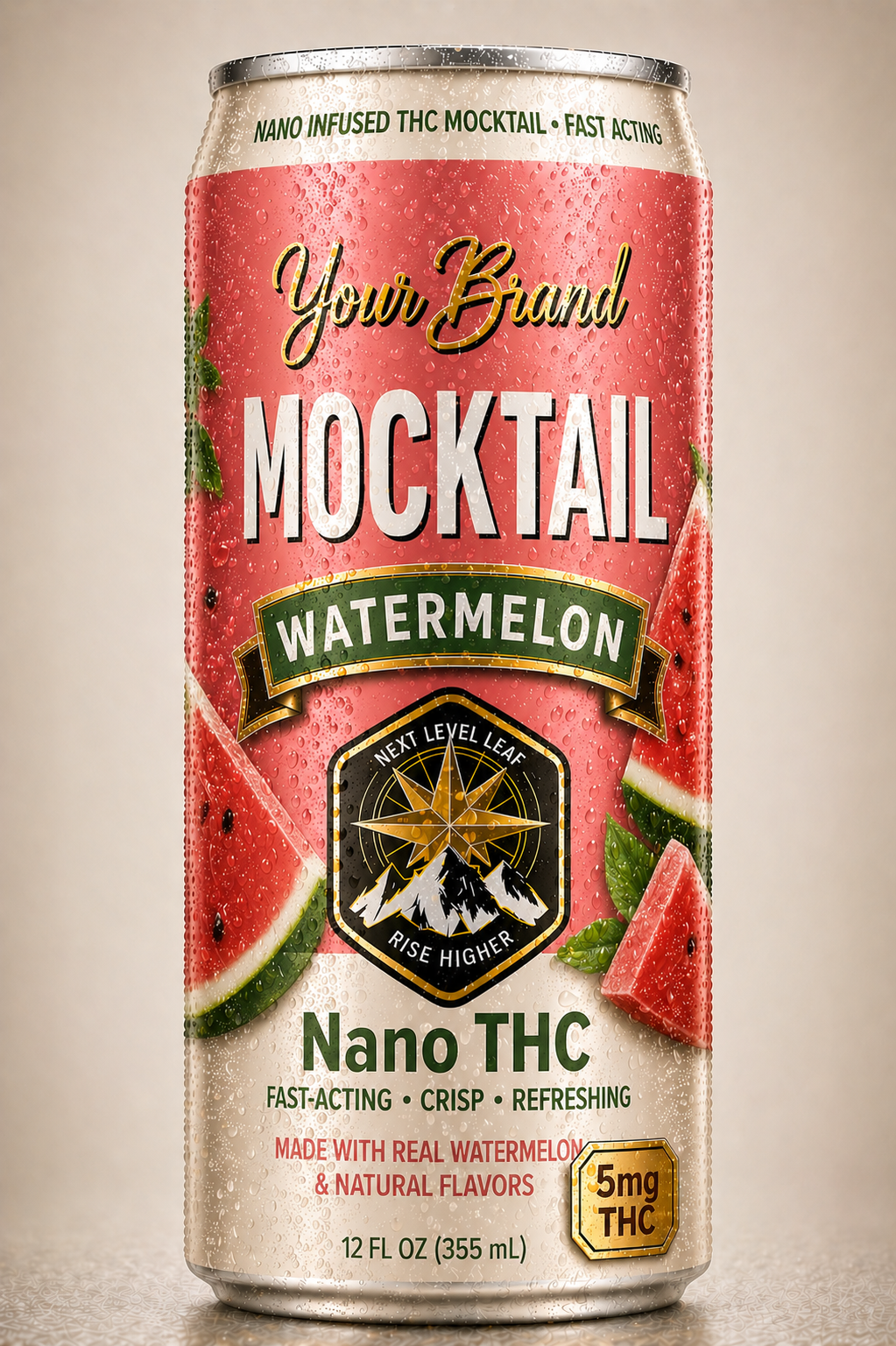
- Watermelon: refreshing, recognizable, and easy to understand.
- Citrus: crisp, acidic, and helpful for balance.
- Mango or Tropical Citrus: richer, bolder, and strong for lifestyle-driven brands.
Packaging and label clarity
Puree-supported beverages can look more premium, but packaging still needs to be adult-oriented and clear. The label should communicate flavor, THC dose, serving size, responsible use, QR or COA access, and any relevant product details.
If a beverage uses real fruit or puree, the brand should make sure the language is accurate and aligned with the actual formulation. A strong real-fruit story should be supported by the product itself.
Cost, MOQ, and production planning
Puree can influence cost and production planning because it may affect ingredients, formula development, stability review, batching, filling, and quality-control steps. This does not mean puree is the wrong choice. It means the first run should be scoped carefully.
A simpler flavor-based seltzer may be easier to launch quickly. A puree-supported THC drink may create a more differentiated product, but it should be planned with realistic expectations around formulation and production.
What to prepare before requesting a quote
A fruit puree THC drink quote is easier to scope when the product direction is clear. You do not need a finished formula, but you should know how fruit-forward you want the beverage to be.
- Flavor direction, such as berry, peach, pineapple, watermelon, mango, citrus, or tropical citrus
- Whether the drink should be still, sparkling, spritzer-style, or mocktail-style
- Target THC or cannabinoid dose per can
- Can size and packaging direction
- Natural flavor, juice, puree, or blended fruit system preference
- Sweetness, calorie, color, and mouthfeel goals
- Target states and sales channels
- Expected first-run quantity and launch timeline
Where to go next
If you are exploring the broader category, start with THC Fruit Spritzers. If you want a lighter sparkling format, read Real Fruit THC Seltzers. If you want a broader fruit-forward beverage strategy, explore Real Fruit THC Drinks. If your puree direction is clear, the next step is to request a quote.