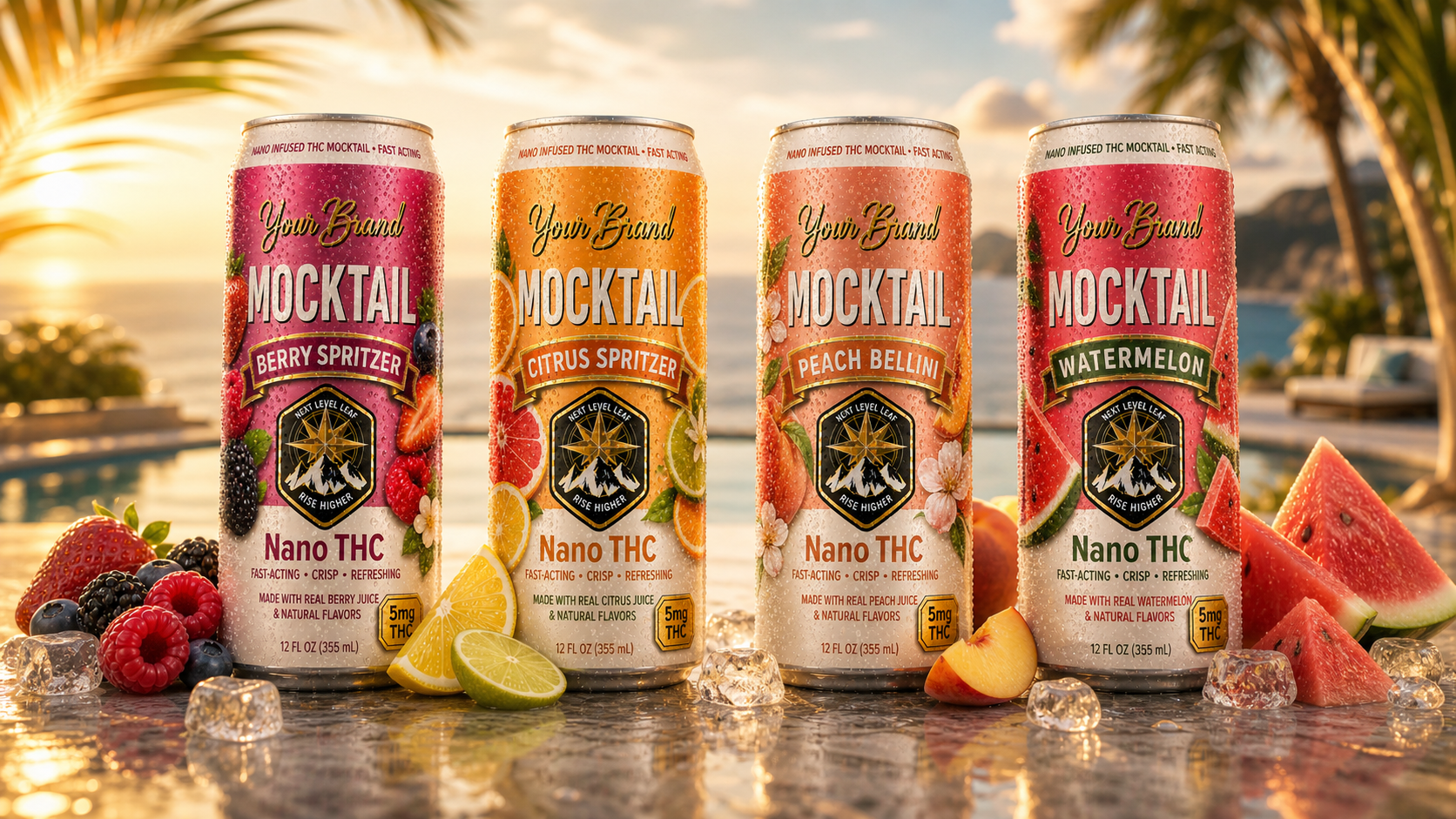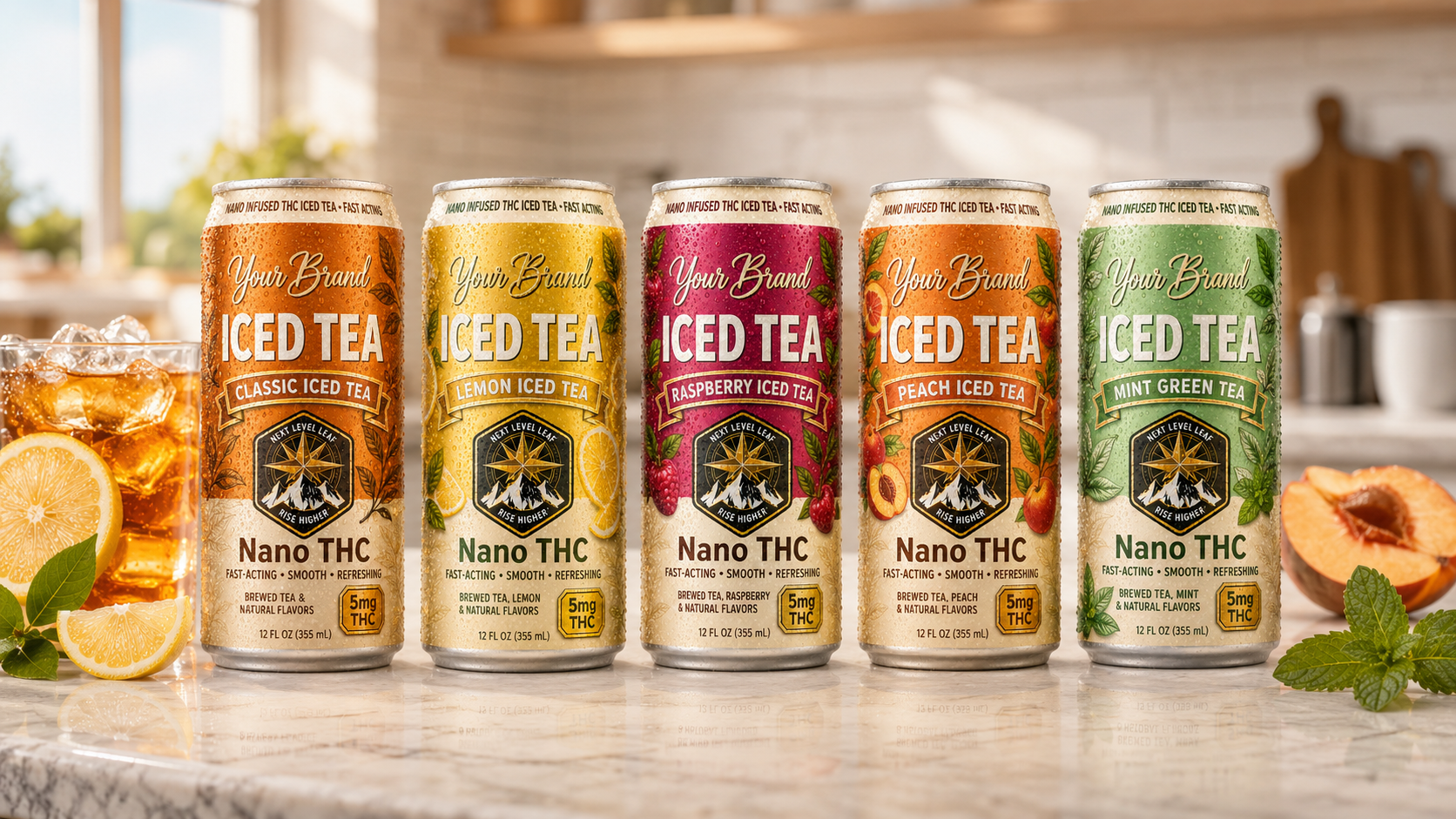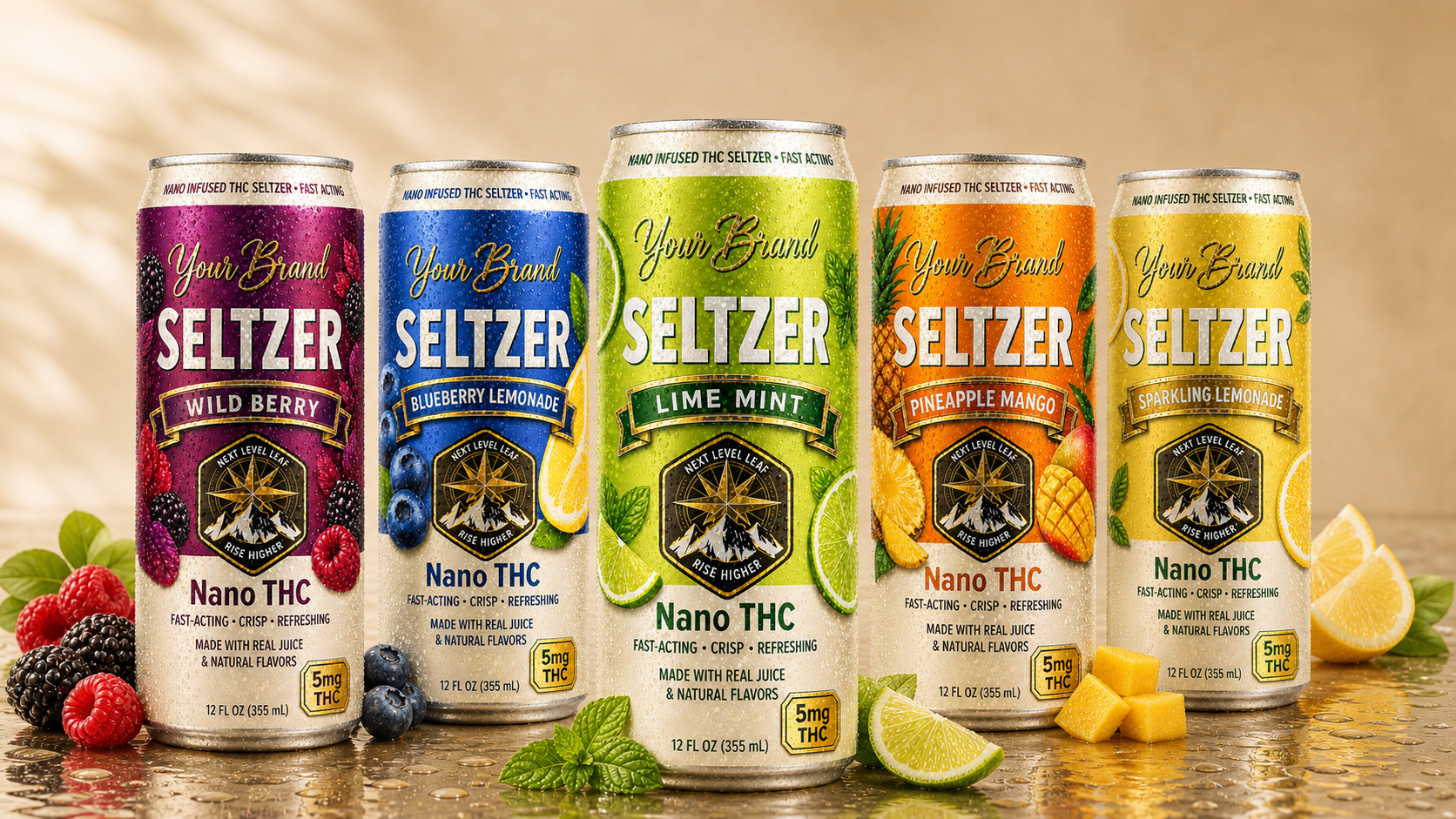


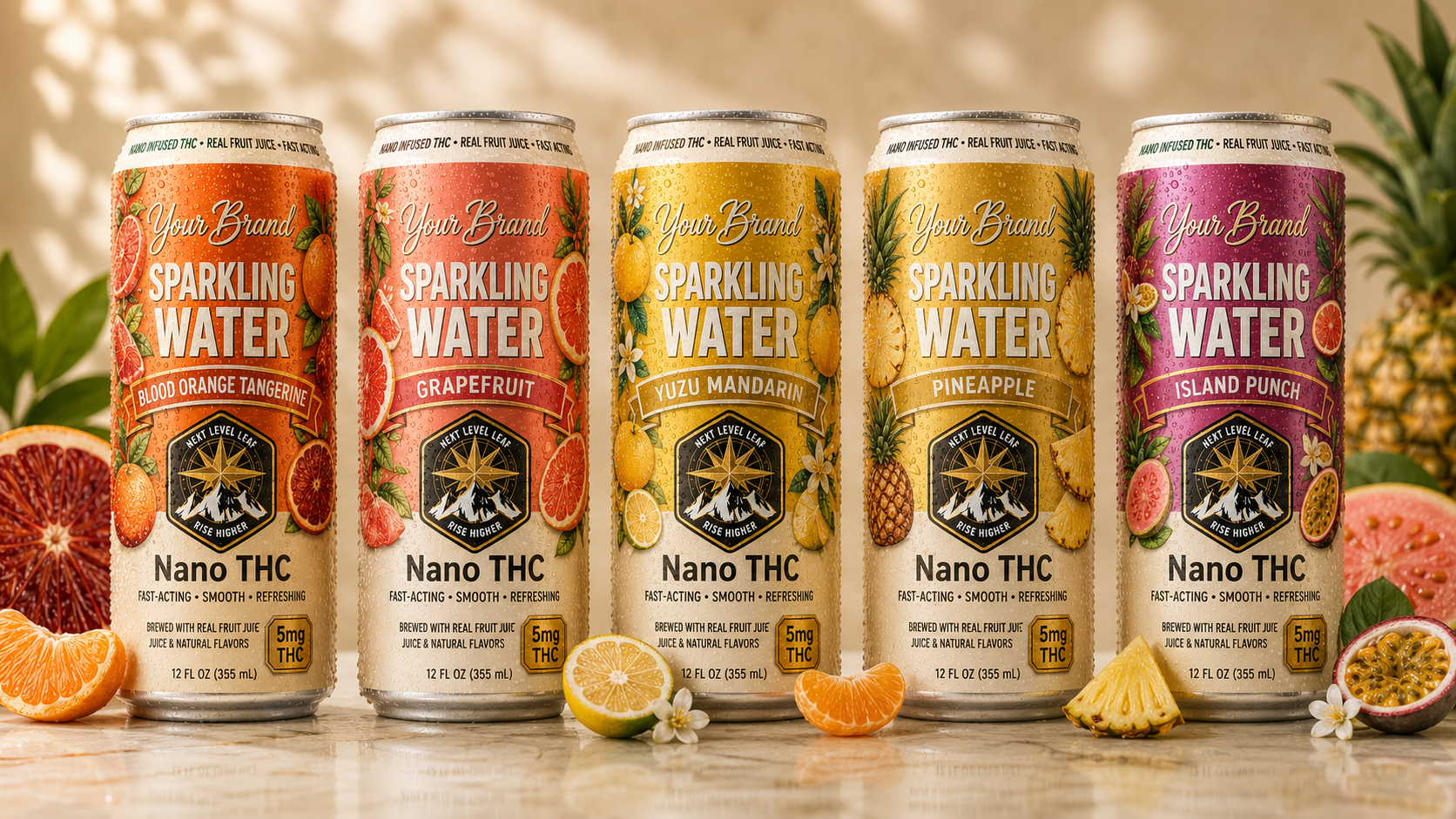
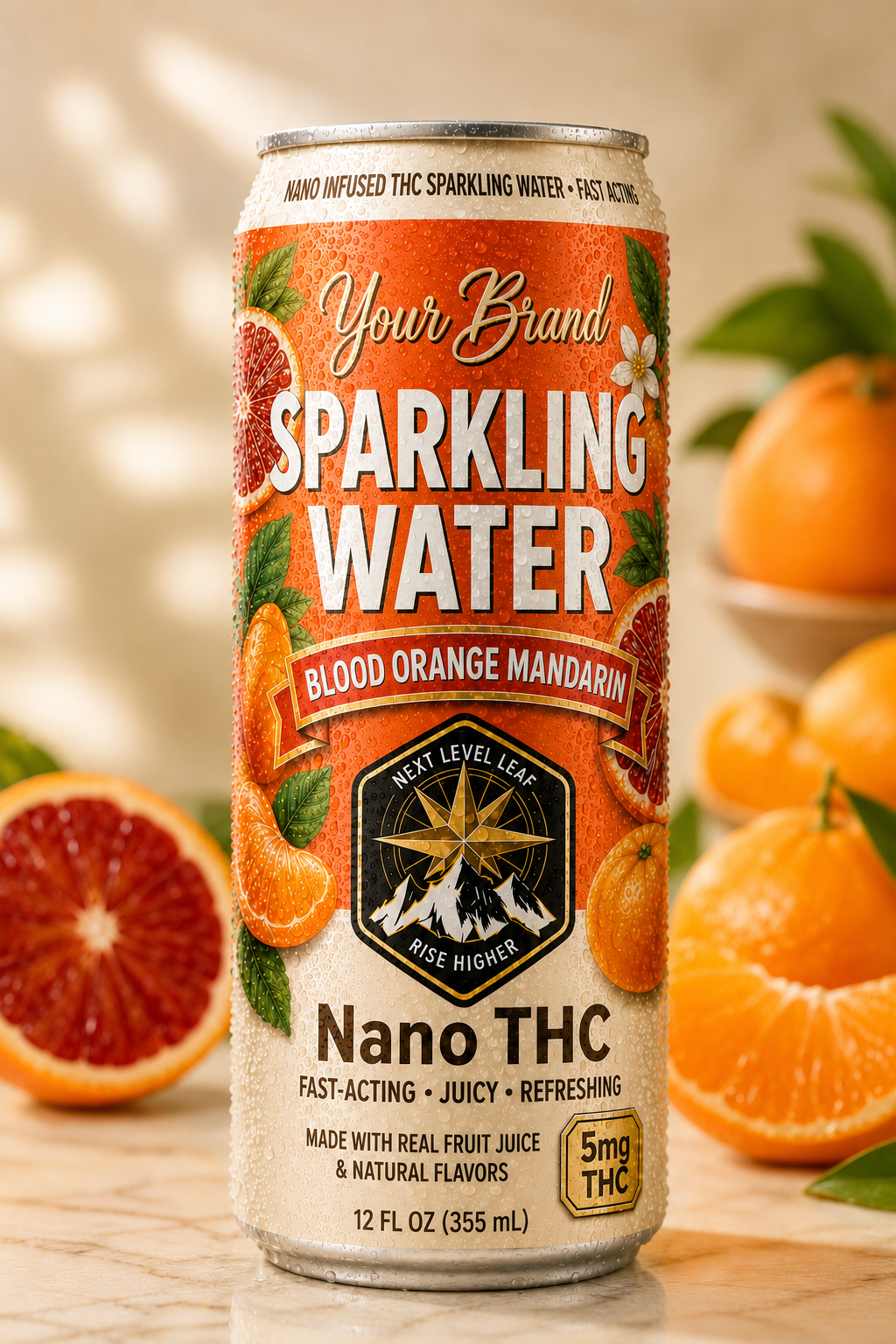
Why natural color strategy matters
Color is one of the first signals customers use to understand a beverage. A berry drink, citrus drink, mango spritzer, peach tea, or hibiscus mocktail should visually support the flavor story and the brand promise.
In THC beverages, color can also help the product feel more finished and premium. But natural color systems must be planned around formulation realities, including pH, processing, packaging, shelf life, and ingredient compatibility.
The best color strategy is not just attractive. It is believable, stable, aligned with the flavor, and practical for production.
Where natural colors can fit
Natural color strategy can be useful across several THC beverage categories, especially products that rely on fruit-forward, botanical, tea, lemonade, or mocktail-style positioning.
Real fruit drinks
Natural color cues can support citrus, berry, mango, pineapple, peach, watermelon, and tropical flavor directions.
Spritzers and mocktails
Light color can help sparkling drinks feel more flavorful and premium without becoming heavy.
Tea and functional drinks
Tea, hibiscus, citrus, ginger, botanical, and wellness-adjacent concepts can use color to strengthen the ingredient story.
Natural color vs fruit color vs clear beverages
Not every THC beverage needs visible color. Some seltzers and sparkling waters may perform better as clear or lightly colored drinks. Other products need color to support their fruit, juice, puree, or mocktail identity.
Seltzers, sparkling waters, low-sugar drinks, clean beverage positioning.
May feel too thin if the flavor story promises a richer fruit experience.
Real fruit drinks, lemonades, teas, spritzers, mocktails, premium fruit-forward concepts.
Can vary with fruit system, pH, processing, and storage conditions.
Products needing a more specific visual target or consistent flavor-color alignment.
Stability, sourcing, cost, label language, and color drift should be reviewed.
Color stability considerations
Natural colors can be sensitive to product conditions. A color that looks strong in a sample may shift over time if pH, heat, oxygen, light exposure, packaging, or ingredient compatibility are not considered.
Brands should think about whether the product will be still or sparkling, refrigerated or shelf-stable, clear or opaque, and packaged in cans or another format.
Flavor directions that benefit from natural color
Natural color strategy is most useful when the visual cue supports a clear flavor direction. Customers expect color to match the experience.
- Berry: red, purple, or berry-toned color can strengthen flavor expectation.
- Blood orange and mandarin: warm citrus tones can support premium fruit identity.
- Mango and pineapple: golden tropical color can support richer fruit positioning.
- Hibiscus: deep pink or red color can support botanical tea and mocktail concepts.
- Peach: soft peach tones can work for teas, lemonades, and spritzers.
- Watermelon: light pink color can support refreshing summer beverage positioning.
Natural colors and fruit systems
Natural color strategy often overlaps with juice, puree, and natural flavor decisions. A fruit puree may add color and mouthfeel. Juice may add a familiar fruit cue. Natural flavor may keep the drink lighter but require a separate color strategy if visual identity matters.
For fruit system planning, review Fruit Puree for THC Beverages and Natural Flavors for THC Beverages.
Natural colors and sweetener strategy
Color can influence sweetness perception. A vivid fruit color may make customers expect a sweeter or fuller flavor. A clear drink may make customers expect a lighter, crisper product.
For sweetness planning, review Sweeteners for THC Beverages and Low-Sugar THC Beverages.
Testing, COAs, and label accuracy
Natural color decisions do not change the need for finished-product cannabinoid testing, COAs, label accuracy, and batch documentation. They also affect ingredient statements, customer perception, nutrition facts, and the finished product’s visual consistency.
Professional documentation helps retailers and distributors understand the product and helps keep the label aligned with the actual beverage.
What to prepare before requesting a quote
A natural color beverage quote is easier to scope when the brand knows the desired format, flavor direction, and visual target. You do not need a finished formula, but the product concept should be specific enough to evaluate.
- Beverage format, such as seltzer, spritzer, soda, tea, lemonade, mocktail, real fruit drink, juice, or functional drink
- Target cannabinoid dose
- Flavor direction and desired color direction
- Whether the drink should be clear, lightly colored, fruit-colored, or more vivid
- Natural flavor, juice, puree, or blended fruit system preference
- Sweetness, acidity, mouthfeel, and carbonation goals
- Target states and sales channels
- Packaging status, first-run quantity, and launch timeline
Where to go next
If you are still exploring ingredient options, return to the Ingredients hub. If you want to compare fruit systems, review Fruit Puree, Natural Flavors, and Natural Color THC Beverages. If your color direction is clear, the next step is to request a quote.