

What is CBD?
CBD stands for cannabidiol. It is a naturally occurring cannabinoid found in cannabis and hemp. Unlike Delta-9 THC, CBD is not typically associated with the classic intoxicating high people expect from a THC drink.
That makes CBD useful for two different beverage directions. It can lead a CBD-forward beverage where the goal is a non-intoxicating cannabinoid drink. It can also sit beside THC as part of a THC + CBD ratio where the brand wants a smoother, more familiar, or more balanced cannabinoid concept.
CBD is also widely recognized. That matters commercially. A customer may not understand every minor cannabinoid, but they have probably heard of CBD. For brands, CBD can make a cannabinoid beverage feel less intimidating, more familiar, and easier to explain in retail conversations.
Context note: This page discusses reported experiences, emerging research, physiological theories, and beverage-planning ideas. These are not guaranteed effects, medical claims, or medical advice. Individual response can vary based on dose, THC ratio, tolerance, food intake, timing, medications, and the finished formula.
CBD works best in a beverage line when the customer can quickly understand what it is, how many milligrams it contains, when they might drink it, and why it belongs in that format.
What does CBD feel like?
CBD is usually more subtle than THC. People do not typically describe CBD as euphoric, intoxicating, trippy, or mentally strong the way they may describe THC at higher doses.
Instead, many consumers describe CBD as calm, soft, steady, familiar, non-intoxicating, and less intense. Some people report using CBD when they want to feel more settled, take the edge off, relax after work, create an evening ritual, or enjoy a cannabinoid product without chasing a strong THC effect.
In a beverage, that can translate into drinks that feel approachable: a CBD citrus seltzer, CBD peach tea, CBD raspberry lemonade, CBD real fruit spritzer, CBD mocktail, or a low-dose THC + CBD drink that feels softer than a THC-only beverage.
Subtle and calm
People often describe CBD as calmer, softer, and less mentally intense than THC. That can make it useful for approachable beverage concepts.
Smoother ratio ideas
Some consumers report that CBD makes THC feel smoother or less edgy, although research is mixed and the ratio matters.
Daily or evening ritual
CBD can fit a daily ritual, afternoon reset, post-work beverage, or evening unwind concept without making the drink a sleep or anxiety product.
How CBD may work physiologically
CBD does not behave like THC. THC is strongly associated with CB1 receptor activity, which helps explain its classic intoxicating effect. CBD appears to work through a broader and more indirect set of pathways.
Researchers have explored CBD in relation to serotonin-related signaling, TRP channels, PPAR-related pathways, calcium channels, inflammatory signaling, and indirect effects on the endocannabinoid system. In plain language, CBD is interesting because it may influence several systems involved in mood, stress response, comfort, sleep-wake regulation, and how THC feels.
That does not mean a CBD beverage should promise those outcomes. It means CBD gives brands another way to build a cannabinoid drink that feels different from a THC-only product. The beverage still needs to be framed around experience, format, dose, flavor, and occasion.
What research and consumer reports suggest CBD may support
CBD is one of the most studied cannabinoids. The FDA has approved a prescription cannabidiol medicine for certain seizure disorders. That is a very different context from a consumer beverage, but it shows CBD has real pharmacology and explains why the public takes CBD seriously.
Outside that prescription-drug setting, research interest around CBD includes anxiety-related studies, sleep-related studies, pain and comfort research, inflammation-related pathways, neurological research, and CBD’s interaction with THC. The evidence is not the same for every use case, and many studies use doses, formats, and populations that are very different from a canned beverage.
Consumer reports are also part of the commercial picture. Many people say CBD helps them feel calmer, less wound up, more settled, less THC-edgy, or better able to wind down. Some people do not feel much from CBD at all. Others only notice CBD when it is paired with THC, CBG, CBN, terpenes, or other functional ingredients.
For beverage brands, the useful takeaway is not that CBD treats anything. The useful takeaway is that CBD has a strong consumer association with calm, balance, softness, familiarity, and approachability. That can make a CBD-forward beverage or THC + CBD stack easier for customers to understand.
CBD has been studied in prescription, anxiety-related, sleep-related, neurological, and THC-interaction research contexts.
The beverage should not borrow medical claims, but research helps explain why CBD has serious consumer interest.
People often describe CBD as calm, subtle, softening, familiar, and less intense than THC.
CBD can fit drinks built around approachability, daily ritual, evening unwind, or smoother THC ratio concepts.
Some people say CBD balances THC, while some research suggests the interaction depends heavily on dose, ratio, timing, and delivery method.
THC + CBD beverages should be built around clear ratios and realistic expectations, not one-size-fits-all promises.
Regulators have raised concerns about CBD products with unproven claims, inconsistent labeling, and unknown safety questions.
Finished-product testing, COAs, adult-oriented packaging, responsible language, and dose clarity matter.
What CBD can add to the customer experience
CBD can make a cannabinoid beverage feel more approachable. That is one of its biggest commercial advantages. A customer who is nervous about THC may be more open to a CBD-forward drink or a low-dose THC + CBD beverage than a stronger THC-only product.
CBD can also change how a THC product is perceived. A drink with 5mg THC feels different on shelf than a drink with 5mg THC + 10mg CBD. The THC may still be the main noticeable cannabinoid, but CBD can make the product feel more intentional, more balanced, and less like a basic THC seltzer.
Some brands may also use CBD as a bridge ingredient. It can connect THC beverages to wellness-adjacent beverage categories, tea rituals, fruit drinks, mocktails, adaptogens, mushrooms, electrolytes, and other functional concepts without making the drink sound like a medicine.
Less intimidating
CBD can make a cannabinoid drink feel easier to try for customers who are curious but cautious about THC.
Smoother THC concepts
A simple THC + CBD ratio can give the beverage a softer, more intentional feel than a THC-only drink.
Daily or evening use
CBD can fit beverage occasions like afternoon reset, post-work unwind, calm social sipping, or evening mocktails.
CBD vs THC
CBD and THC are both cannabinoids, but they usually play very different roles in a beverage. THC usually drives the main adult-use effect. CBD usually shapes the edges of the drink: the perceived softness, familiarity, balance, and approachability.
Subtle, calm, soft, familiar, non-intoxicating, and less intense for many consumers.
Mood-lifting, euphoric, social, sensory, appetite-forward, body-heavy, or stronger depending on dose.
Can lead a CBD-forward drink or support a THC + CBD stack.
Usually drives the main noticeable adult-use cannabinoid effect.
Good for canna-curious customers, daily rituals, calm beverage concepts, or softer THC ratio drinks.
Good for customers who want a clear THC beverage experience, from low-dose social sipping to stronger formats.
Can CBD balance THC?
This is one of the most important questions for THC beverage brands. Many consumers believe CBD can make THC feel smoother, less edgy, or less mentally intense. Some people specifically look for THC + CBD ratios because they believe the experience feels more balanced than THC alone.
The research is more complicated. Some studies suggest CBD may blunt or change certain THC effects. Other research suggests high oral doses of CBD may increase THC exposure or intensify some THC-related effects by changing metabolism. That does not make CBD bad. It means dose, ratio, delivery format, and timing matter.
For beverages, this is why clear ratio planning is important. A 2.5mg THC + 10mg CBD drink, a 5mg THC + 10mg CBD drink, a 10mg THC + 10mg CBD drink, and a 10mg THC + 50mg CBD drink are not the same product. They may feel different, cost different, taste different, and create different customer expectations.
CBD should not be treated as a magic “THC neutralizer.” It is better understood as a cannabinoid that may steer the experience depending on dose, ratio, timing, emulsion, and the person drinking it.
CBD vs CBG
CBD and CBG are both commonly described as non-intoxicating, but they do not tell the same beverage story. CBD is more familiar. CBG feels newer, brighter, and more cannabinoid-forward for many brands.
People often associate CBD with calm, balance, subtlety, and approachability. People often associate CBG with clear-headed, lighter, focused, calm-but-not-sleepy, and more daytime-friendly experiences. A CBD drink may feel more familiar. A CBG drink may feel more differentiated.
Some beverage concepts can use both. A CBD + CBG drink may make sense when the brand wants a non-intoxicating cannabinoid beverage that feels calm, clear, and more modern than a basic CBD product. For more on that direction, review CBG for THC Beverages.
CBD vs CBN
CBD and CBN can both fit calmer beverage concepts, but CBN usually points more clearly toward evening and nighttime-friendly drinks. CBD is broader. It can fit daily, daytime, evening, THC-ratio, and non-intoxicating beverage concepts.
People often describe CBN as heavier, sleepier, slower, and more end-of-day. CBD is usually described as more subtle and less direction-specific. That makes CBD more flexible, but sometimes less distinctive unless the drink concept is clear.
A CBD peach tea could feel like a daily ritual. A THC + CBN mocktail could feel like an evening unwind drink. A THC + CBD mocktail sits somewhere in between: familiar, social, calmer, and less intense than a stronger THC-only concept.
CBD vs THCV
CBD and THCV usually point in very different directions. CBD is commonly associated with calm, balance, and softness. THCV is more often discussed around alert, clear, lighter, less heavy, and more appetite-conscious THC experiences.
A CBD beverage may be the better fit for an approachable seltzer, tea, lemonade, or calm mocktail. A THCV beverage may be more interesting for a sharper, lighter, more active-use THC stack. A brand could also explore THC + CBD + THCV, but that concept needs a clear reason to exist so the formula does not become confusing.
How CBD can change the drink experience
CBD can change a drink before the customer ever opens the can. It changes what the customer expects. It changes how the retailer explains it. It changes how the dose is read. It changes whether the product feels like a THC-only drink, a wellness-adjacent cannabinoid drink, or a more balanced ratio beverage.
Light and approachable
A low-dose THC + CBD drink can feel like a gentle entry point for social sipping, canna-curious customers, or alcohol-alternative occasions.
Balanced adult-use drink
A 5mg THC beverage with CBD can still feel clearly adult-use while giving the product a softer, more intentional ratio.
Non-intoxicating ritual
A CBD-forward tea, lemonade, real fruit drink, or mocktail can fit customers who want cannabinoids without a classic THC high.
Best beverage formats for CBD
CBD can fit many beverage formats, but not every format creates the same customer expectation. A CBD seltzer, CBD tea, CBD lemonade, CBD soda, CBD coffee, and CBD real fruit drink all feel different.
Clean, crisp, and easy to position as a CBD-forward or low-dose THC + CBD drink.
Daytime, social, wellness-adjacent, canna-curious, lower-calorie, or lighter adult-use occasions.
Familiar flavors with more structure than plain sparkling water.
Afternoon refreshment, evening unwind, tea lemonade, peach tea, hibiscus, or citrus-forward concepts.
Adult, intentional, alcohol-alternative formats that can support THC + CBD concepts.
Social occasions, hospitality, events, dinner, post-work unwind, or evening use.
Bold flavor systems can help cover cannabinoid bitterness and make the product more familiar.
Retail cooler, nostalgic adult soda, flavor-forward, or stronger stack concepts.
Coffee already has a strong ritual and caffeine story, so the CBD decision needs to make sense with the full experience.
Morning routine, focus-adjacent beverage, premium coffee audience, or caffeine + cannabinoid concept.
Fruit systems can support flavor balance, sweetness, acidity, color, and shelf appeal.
Refreshing, premium, lifestyle-friendly, fruit-forward, or alcohol-alternative beverages.
How to position a CBD beverage
The best CBD beverage concepts are easy to understand. A customer should quickly know whether the drink is CBD-forward, THC + CBD, calm and non-intoxicating, fruit-forward, evening-friendly, alcohol-alternative, or part of a broader cannabinoid product line.
CBD should not be vague. Words like calm, balanced, functional, and wellness only work when the drink explains what that actually means: a familiar dose, a clear ratio, a real beverage format, a use occasion, and a flavor people want to drink.
CBD sparkling water
A clean, simple drink for brands that want a non-intoxicating cannabinoid product with broad familiarity.
Balanced social drink
A low-dose THC beverage with CBD can work for a lighter adult-use occasion and clear ratio language.
CBD lemonade or real fruit drink
A fruit-forward CBD drink can feel more flavorful, premium, and easier to understand than a plain cannabinoid seltzer.
How to talk about CBD without overclaiming
CBD is easy to overstate because customers already connect it with wellness. A stronger beverage concept keeps the drink grounded in the product itself: the dose, the ratio, the flavor, the format, the use occasion, and the supporting ingredients.
A CBD drink should not be positioned as a product for anxiety, sleep disorders, pain, inflammation, seizure disorders, or medication replacement. The more durable path is a clear cannabinoid beverage that feels approachable, responsible, and easy to understand.
It is fair to discuss reported experience. It is fair to say people often associate CBD with calm, balance, softness, evening unwind, or a less intense cannabinoid experience. It is also fair to explain that research is exploring why CBD may influence stress-related, sleep-related, comfort-related, neurological, and THC-interaction pathways. The key is not turning those topics into promises about the finished drink.
CBD can make a beverage feel familiar and approachable, but the product still needs strong fundamentals: good flavor, stable emulsion, clear milligram labeling, finished-product testing, COAs, and a format that makes sense for the customer.
Formulation planning for CBD drinks
CBD is oil-based, and drinks are water-based. That is why emulsion, flavor planning, dose consistency, and finished-product testing matter.
Depending on the input, CBD can affect bitterness, aroma, clarity, mouthfeel, aftertaste, and how the flavor system performs. A light seltzer may expose off-notes more easily than a fruit drink, tea, soda, coffee, or mocktail.
The formula should be planned around the finished beverage, not just the cannabinoid target. Dose, sweetness, acidity, carbonation, flavor intensity, serving size, packaging, and shelf-life expectations all need to work together.
For deeper formulation context, review Nano vs Emulsion, Emulsions, and Flavor Systems.
CBD beverage concepts that may work well
CBD can fit many beverage directions. These are starting points for product format, flavor, cannabinoid ratio, and customer experience planning.
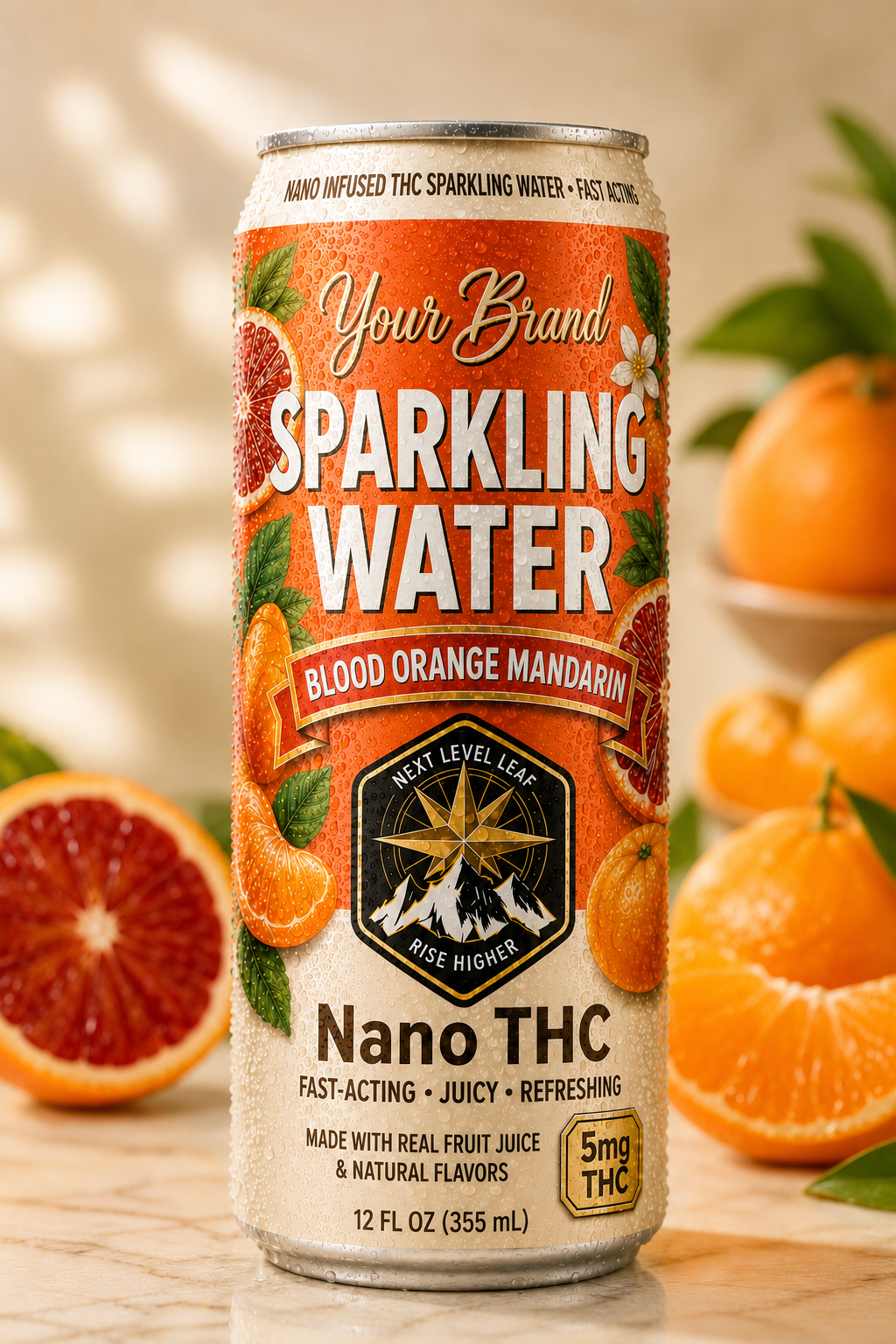
CBD citrus seltzer
A clean, refreshing CBD-forward beverage for brands that want a simple non-intoxicating cannabinoid drink.
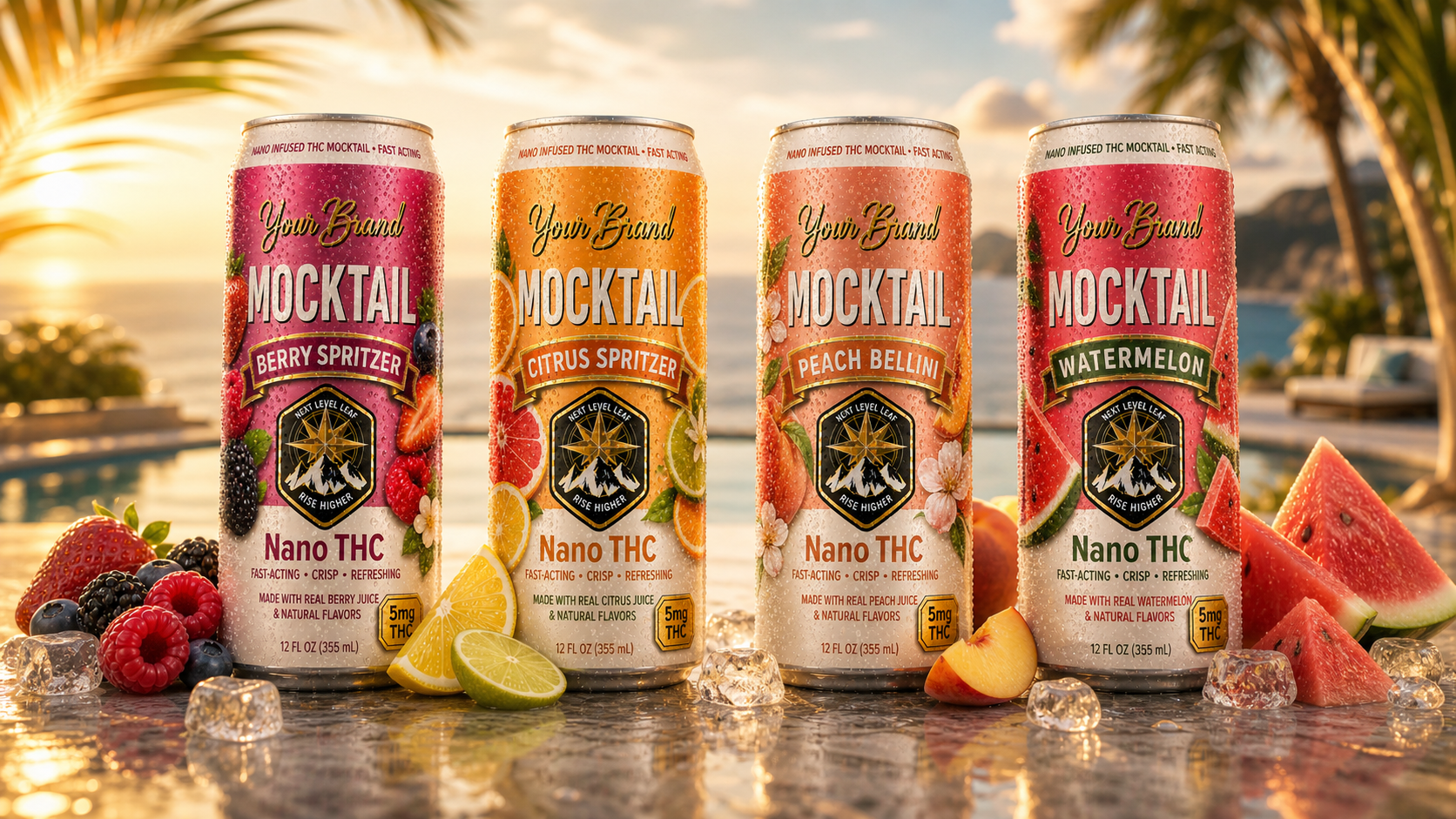
5mg THC + 10mg CBD spritzer
A low-dose adult-use drink with clear ratio language and a lighter, smoother social beverage feel.
CBD raspberry lemonade
A fruit-forward CBD drink that uses citrus, sweetness, and berry flavor to support a more approachable taste profile.
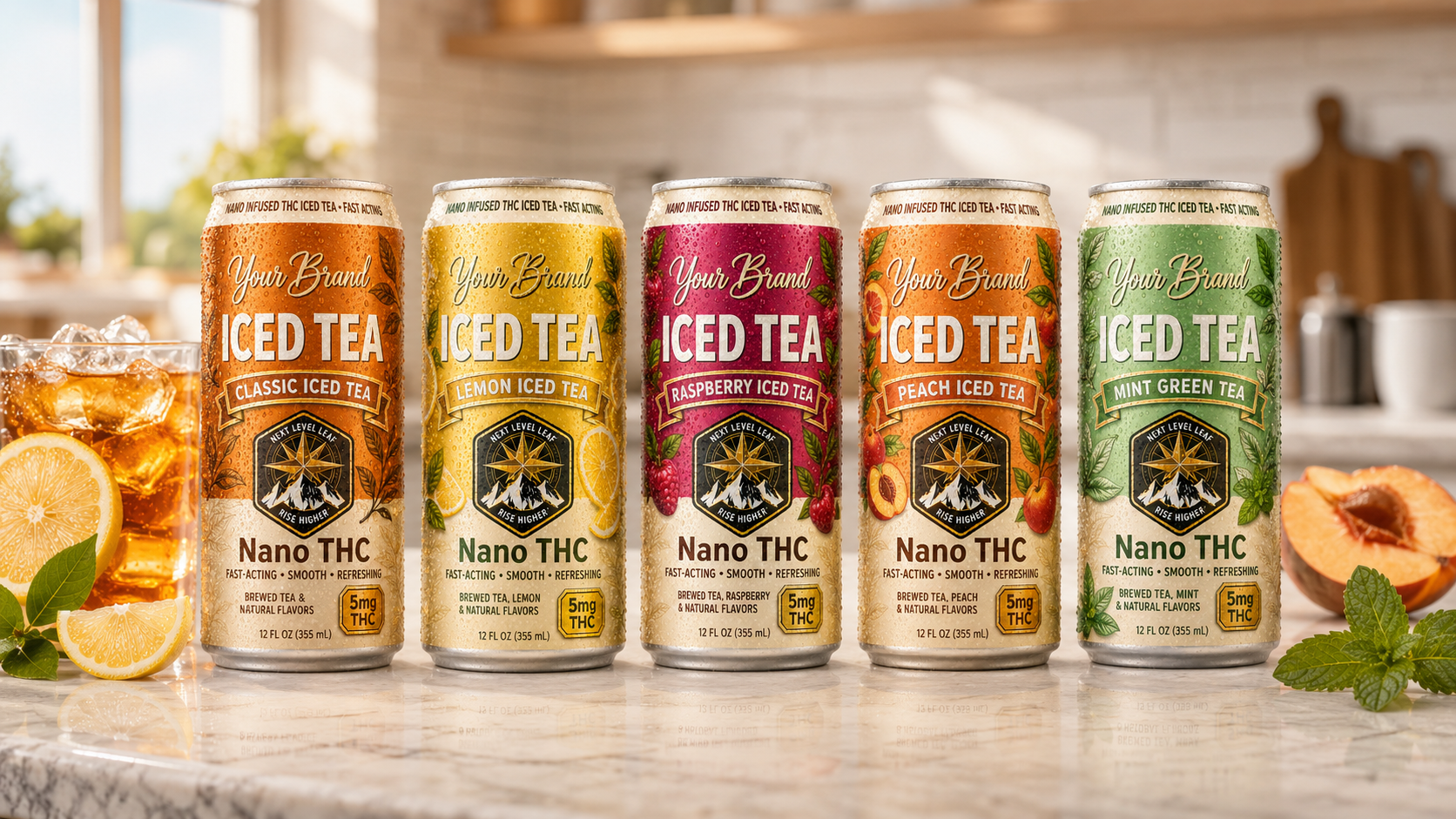
CBD peach iced tea
A familiar beverage ritual that can fit afternoon, evening, or non-intoxicating cannabinoid occasions.
CBD + CBG functional drink
A non-intoxicating cannabinoid stack for brands that want something clearer, more modern, and more cannabinoid-forward than basic CBD.
THC + CBD + CBN evening mocktail
A more layered cannabinoid beverage direction for brands building an adult evening ritual without positioning the drink as a sleep-treatment product.
CBD with caffeine, adaptogens, mushrooms, or terpenes
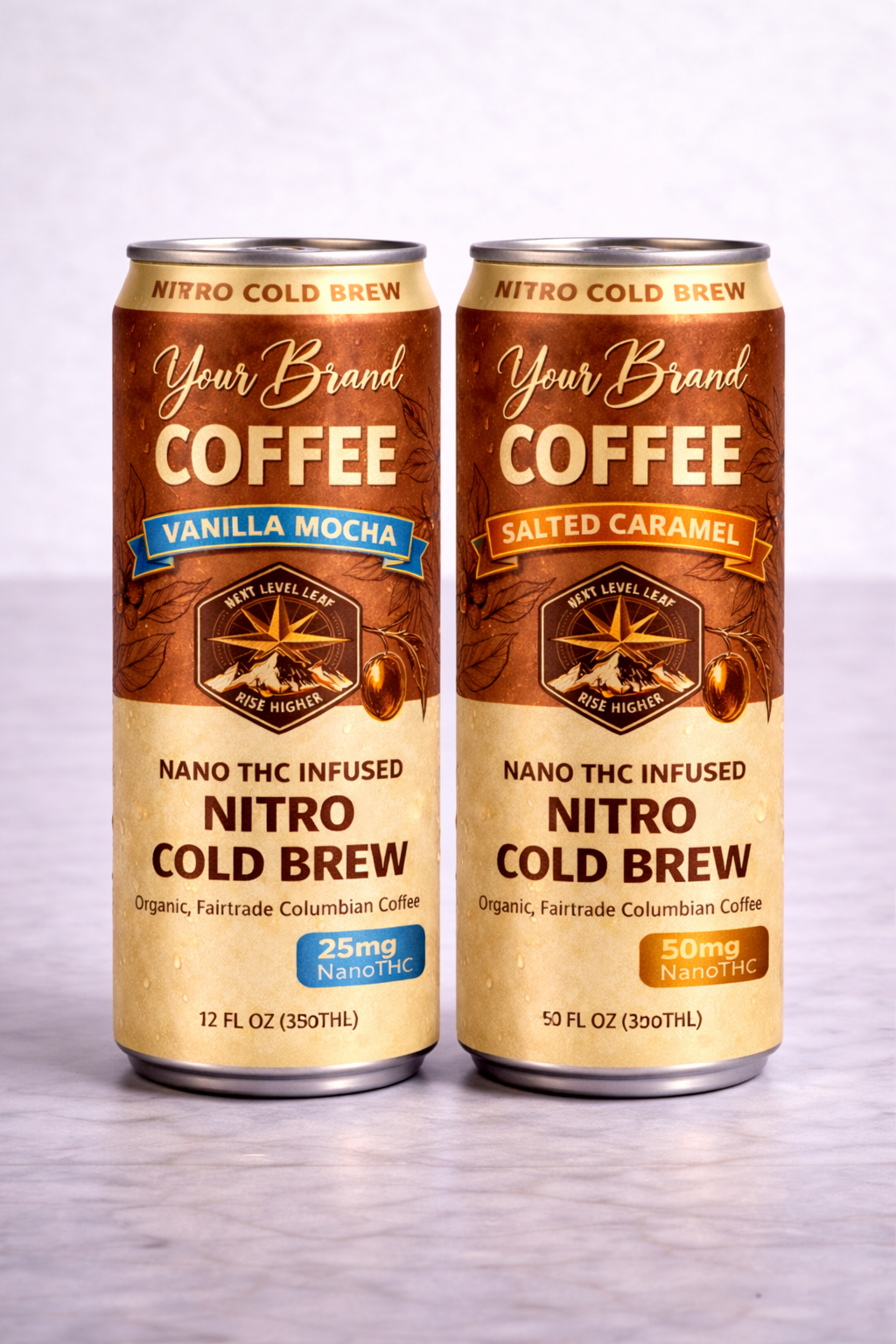
CBD can be paired with other ingredients, but the combination needs to make sense. A CBD coffee, CBD mushroom drink, CBD adaptogen beverage, CBD electrolyte drink, or CBD terpene-inspired mocktail should still feel like a real beverage first.
Some brands may look at CBD with caffeine to create a smoother morning ritual. Others may look at CBD with CBG for a clearer non-intoxicating cannabinoid stack. Others may explore CBD with CBN for evening concepts, or CBD with citrus, botanical, and terpene-inspired flavor systems to give the drink more sensory direction.
The risk is complexity. A formula can sound impressive but become hard to explain. The best concepts make the intended experience obvious: calm but not sleepy, lighter THC social drink, evening unwind, non-intoxicating ritual, balanced mocktail, or approachable fruit-forward cannabinoid beverage.
For adjacent ingredient planning, review Adaptogens, Mushrooms, and Probiotics.
Testing, COAs, and retailer confidence
CBD beverages need strong documentation. Finished-product testing, batch-specific COAs, dose accuracy, label clarity, adult-oriented packaging, and lot-level records help retailers and distributors evaluate the product more confidently.
This is especially important for CBD because the broader market has had quality and labeling issues. Some products have been mislabeled. Some have made claims they should not make. Some have contained more or less cannabinoid content than expected. A professional beverage brand should not look like that category.
If a product includes THC, CBD, CBG, CBN, THCV, terpenes, caffeine, adaptogens, mushrooms, or other functional ingredients, the finished can needs to match the label, the COA, and the sales conversation.
What to know before scoping a CBD beverage
A CBD beverage project is easier to scope when the intended experience, target dose, beverage format, and first-run goals are clear. You do not need a finished formula, but the product direction should be clear enough to discuss.
The clearer these choices are, the easier it is to turn a CBD idea into a realistic beverage plan with the right format, dose, flavor system, testing expectations, packaging path, MOQ, and production timeline.
- Beverage format: seltzer, tea, lemonade, mocktail, soda, coffee, real fruit drink, shot, or functional beverage
- Target CBD dose per can or serving
- Target THC dose, if any
- Whether the drink is CBD-forward, THC + CBD, CBD + CBG, CBD + CBN, or a broader cannabinoid stack
- Whether the intended feel is subtle, calm, balanced, smoother THC, evening unwind, non-intoxicating, or lighter social use
- Flavor direction, sweetness level, acidity, carbonation, and mouthfeel preference
- Whether adaptogens, mushrooms, probiotics, electrolytes, fruit juice, botanicals, terpenes, or caffeine are part of the concept
- Target states, retail channels, and compliance considerations
- Packaging status, first-run quantity, launch timeline, and budget expectations
Where to go next
Still comparing cannabinoid directions? Start with the Cannabinoids hub. If the main effect should come from THC, review THC for Beverages. If you want a brighter non-intoxicating cannabinoid direction, review CBG for Beverages. If the product is built around evening unwind, review CBN for Beverages. If you want a lighter, clearer THC stack, review THCV for Beverages.
When the product direction is clear, the next step is to request a quote so the beverage can be scoped around format, cannabinoid dose, flavor, packaging, testing, MOQ, and production timing.