
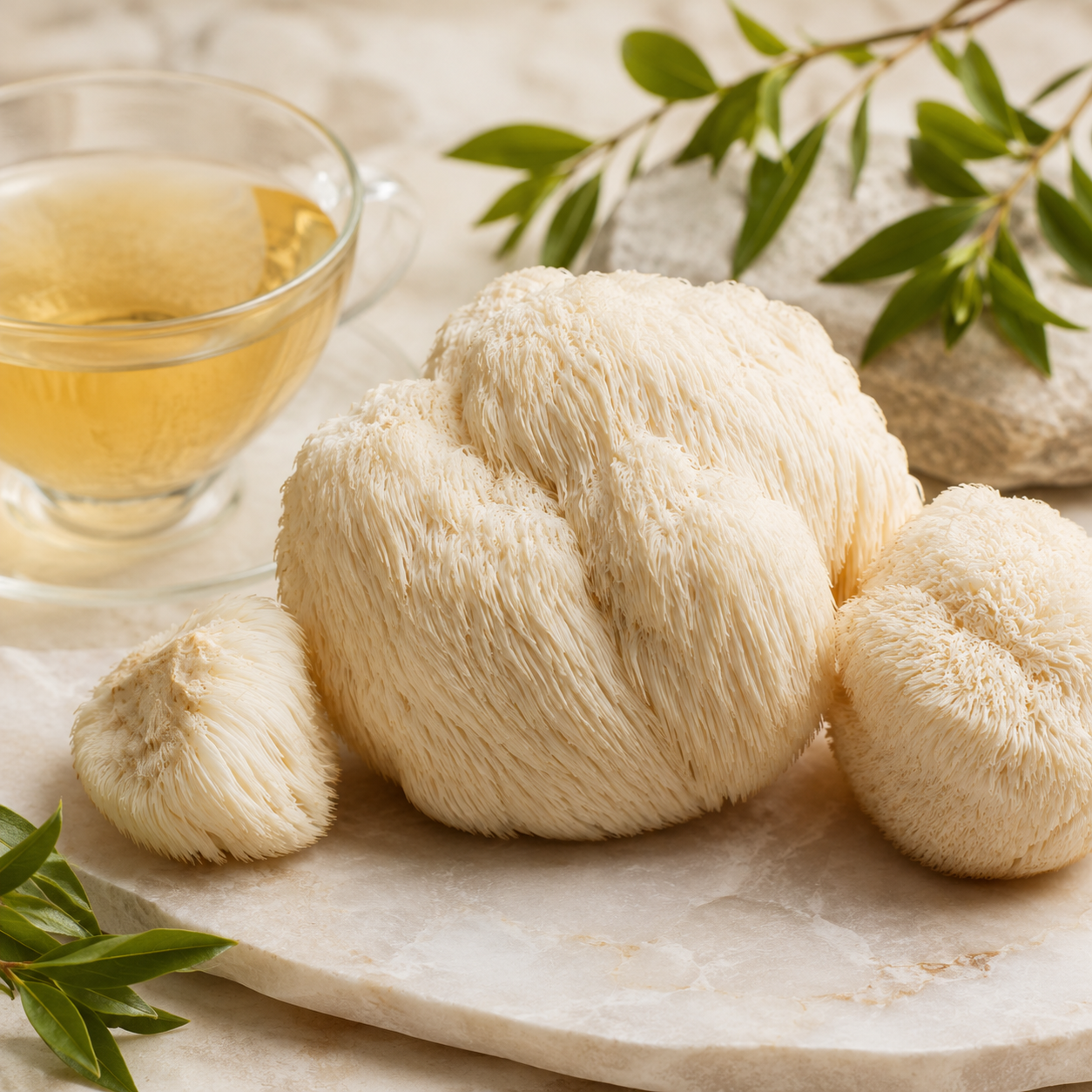
Focus Direction
Lion’s Mane
Lion’s Mane can fit coffee, tea, and focus-oriented beverage concepts when the product story is built around daily ritual and clear functional direction.
Explore Lion’s Mane →Functional mushroom ingredients can help a THC beverage feel more intentional, occasion-specific, and differentiated when the mushroom direction matches the drink format, flavor system, cannabinoid dose, and brand promise.
Use this hub to explore Lion’s Mane, Cordyceps, and Reishi for mushroom coffee, botanical teas, cocoa-inspired drinks, fruit-forward mocktails, spritzers, sodas, and other functional beverage concepts.
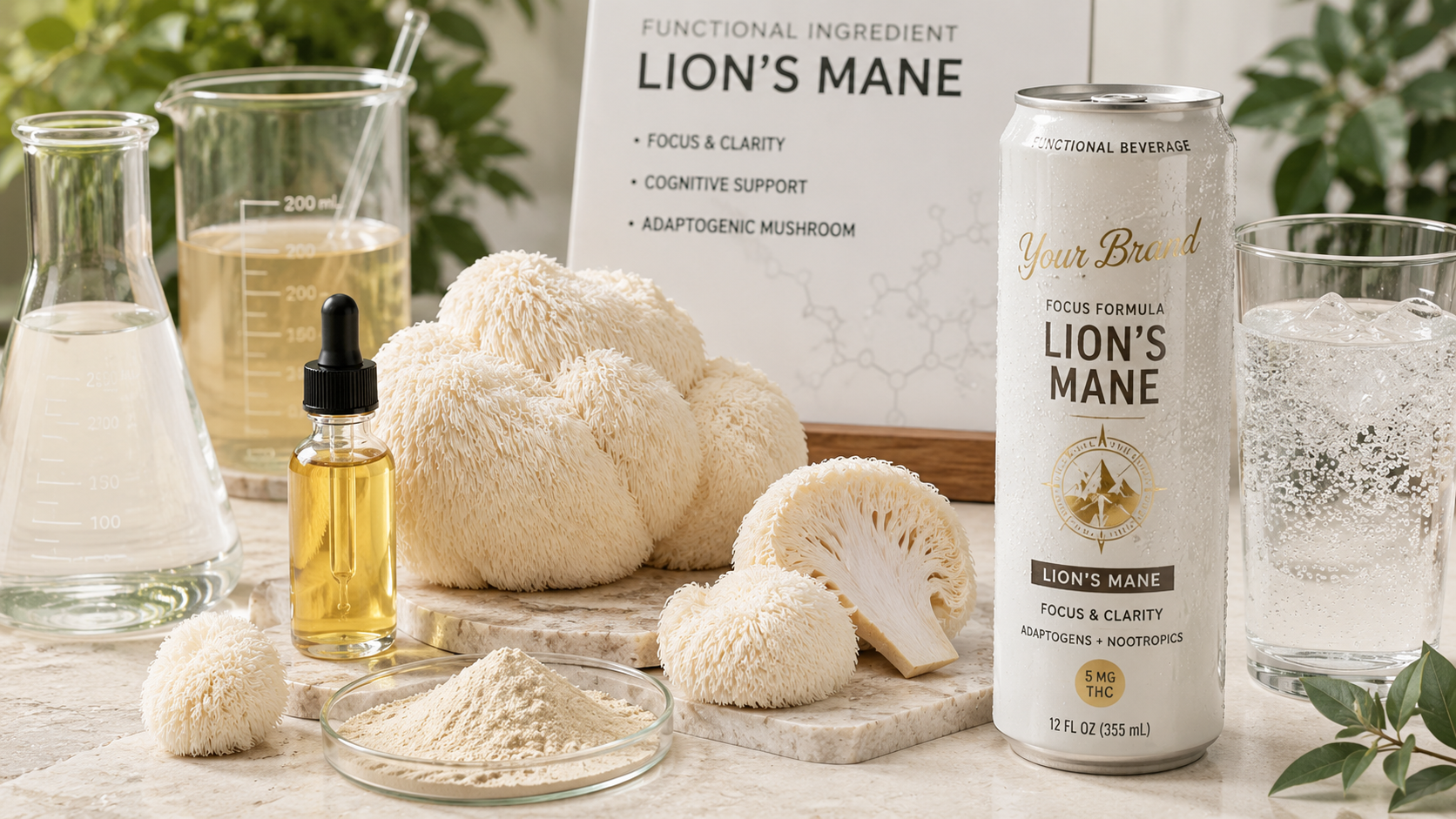
Mushroom beverage concepts work best when the ingredient story is simple, the flavor system is strong, and the public-facing language stays claim-conscious.
Functional mushrooms for THC beverages are ingredient directions that may support focus, active, evening, ritual, or wellness-adjacent beverage concepts. For brands, the real decision is not just which mushroom sounds interesting. It is whether that ingredient fits the beverage format, flavor profile, dose strategy, label expectations, testing plan, cost, and first production run.
Mushroom Ingredient Pages
Use these ingredient pages to connect each mushroom direction to a real beverage concept, not just a trend word on a label.
Lion’s Mane can fit coffee, tea, and focus-oriented beverage concepts when the product story is built around daily ritual and clear functional direction.
Explore Lion’s Mane →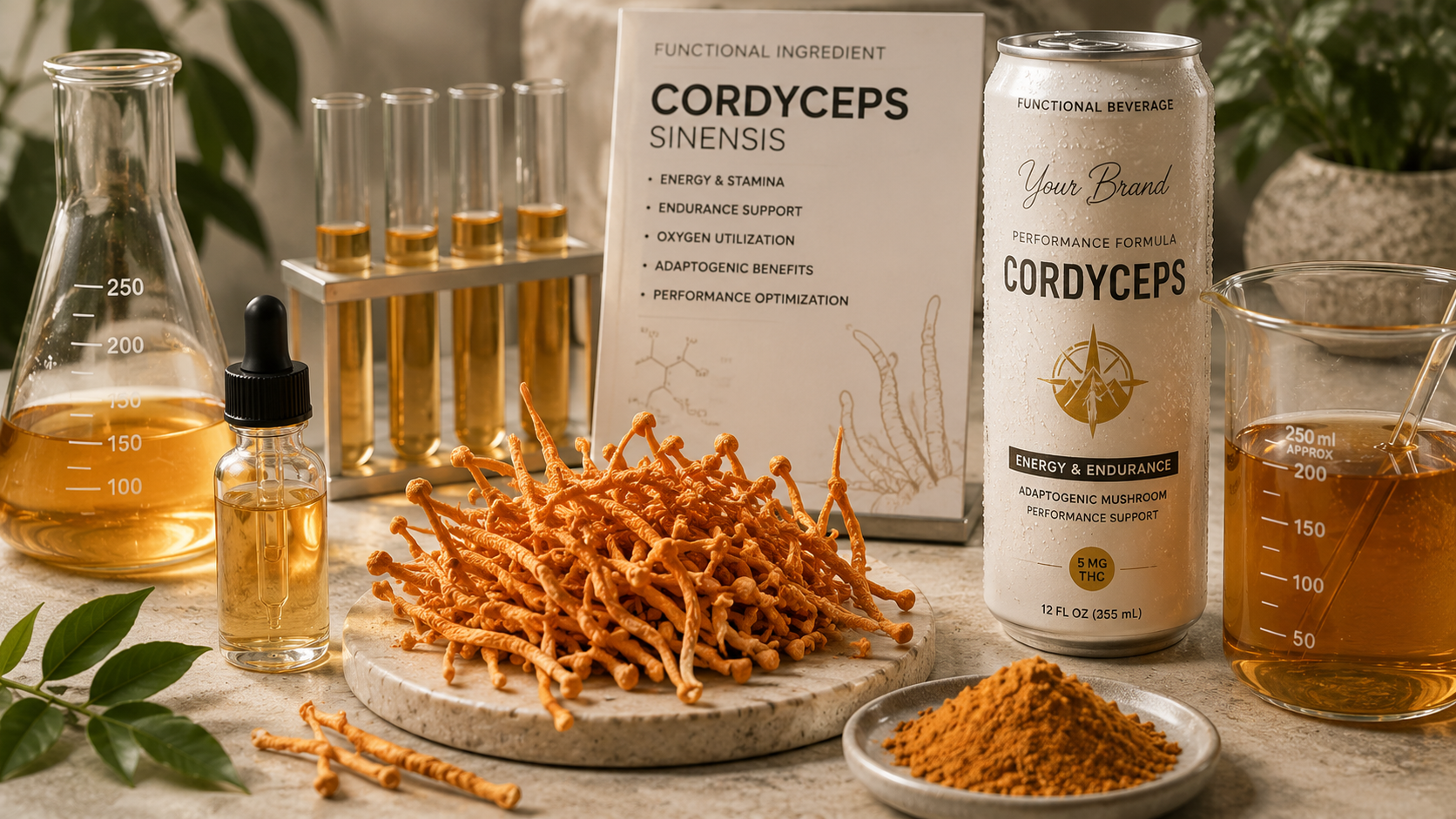
Cordyceps can fit active, energy-adjacent, hydration, coffee, tea, or citrus beverage concepts when the formula and flavor are planned carefully.
Explore Cordyceps →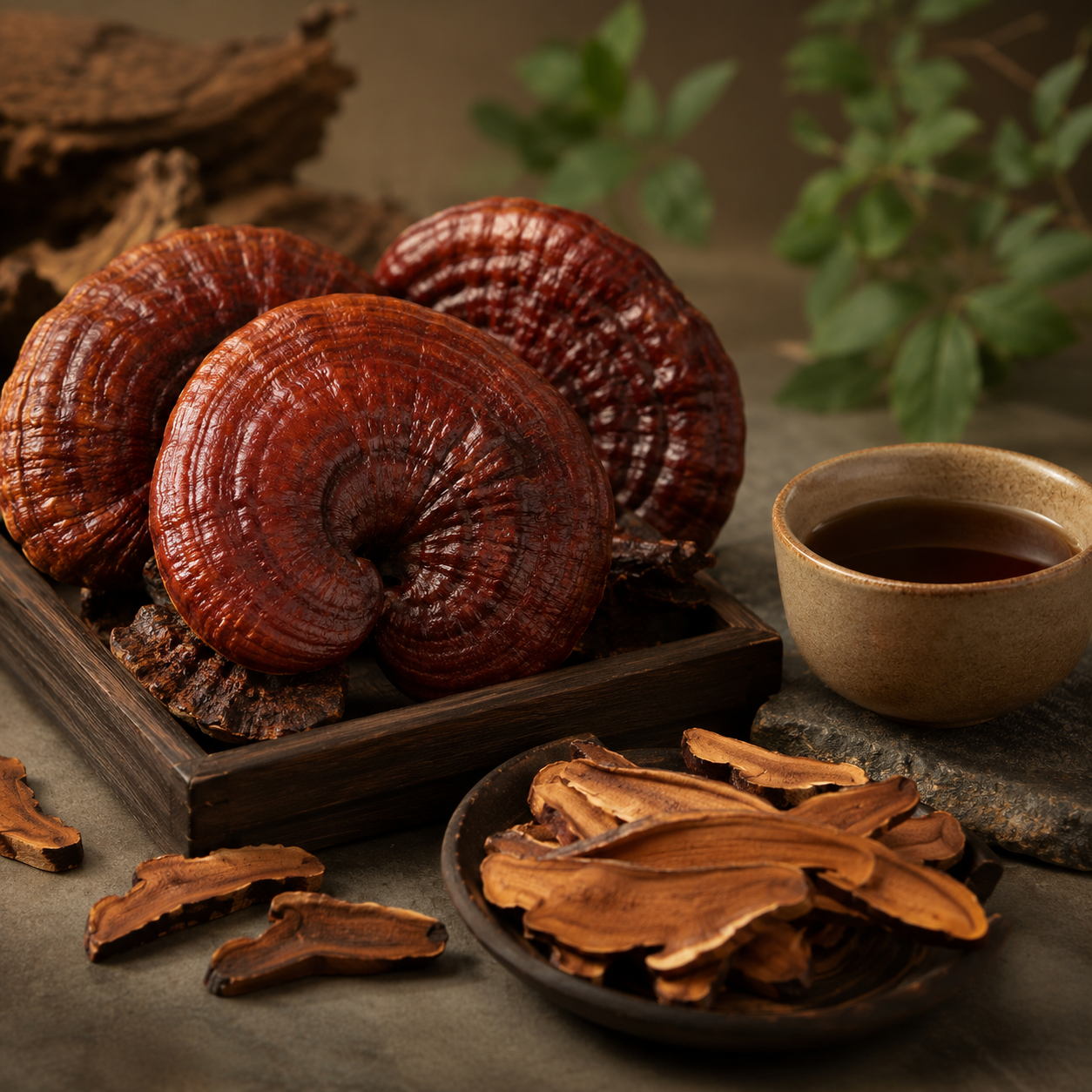
Reishi can fit calm, evening, tea, cacao, mocktail, or THC + CBN-style concepts where the finished drink is meant to feel grounded and slow.
Explore Reishi →A mushroom ingredient does not automatically make a beverage stronger, better, or more premium. It only helps when it supports a clear drinking occasion. For a THC beverage brand, that occasion might be a focus-oriented coffee, an active citrus drink, a calming evening mocktail, a botanical tea, or a fruit-forward functional beverage.
The flavor system matters. Some mushroom ingredients can bring earthy, bitter, woody, cocoa-like, or savory notes. Those notes may fit naturally in coffee, cocoa, tea, and darker botanical drinks, but they can be harder to carry in very light sparkling beverages unless the formula is built carefully.
The strongest mushroom THC beverage concepts are easy to understand: what mushroom direction is being used, what cannabinoid dose is in the can, when someone might drink it, and what kind of adult beverage experience the brand is trying to create.
Lion’s Mane, L-theanine, coffee, tea, low-dose THC, CBD, or CBG depending on the product direction.
Coffee, tea, low-dose functional drinks, sparkling teas.
Cordyceps, caffeine, guarana, electrolytes, citrus, tropical fruit, tea bases, or low-dose cannabinoid stacks.
Coffee, tea, citrus drinks, functional seltzers, hydration-style beverages.
Reishi, ashwagandha, lemon balm, CBN, low-dose THC, botanical flavors, cacao, or warm spice profiles.
Mocktails, teas, cacao-style drinks, spritzers, still drinks.
Mushroom stack, adaptogen stack, fruit system, botanical base, or coffee/cocoa base.
Functional coffee, mocktails, fruit drinks, sodas, shots, and tea formats.
Functional mushroom beverages should sound useful without sounding medical. Brands should avoid disease claims, treatment claims, and medical promises. The safest product story is usually the drinking occasion, ingredient stack, flavor, cannabinoid dose, and experience direction.
A brand can position a focus-oriented coffee, active citrus beverage, calm evening drink, or mushroom-inspired functional mocktail without presenting the product as a solution for a health condition.
Mushroom ingredients can affect flavor, color, mouthfeel, solubility, sediment, stability, and cost. Those details matter early because the finished drink still needs to taste polished and be easy for retailers and customers to understand.
Functional mushroom ingredients can be paired with THC, CBD, CBG, CBN, or other cannabinoid strategies depending on the product concept. The stack should be simple enough for customers to understand and responsible enough for retailers to evaluate.
For cannabinoid planning, review cannabinoids for THC beverages. For botanical functional directions, review adaptogens for THC beverages.
Format Examples
Mushroom beverage planning changes depending on the beverage base, flavor strength, cannabinoid dose, and customer occasion.
Coffee can support mushroom ingredients with roasted, mocha, vanilla, and daily ritual flavor cues.
Tea and botanical formats can support softer functional ingredient stories and ritual positioning.
Fruit-forward drinks may support functional stacks when the flavor system has enough structure.
Fruit systems can provide sweetness, acidity, and flavor depth for more complex ingredient stacks.
Connected Ingredient Paths
Mushroom ingredients usually work best when they are planned alongside cannabinoids, adaptogens, sweeteners, fruit systems, tea bases, and the final beverage format.
Explore cannabinoids, adaptogens, mushrooms, fruit systems, sweeteners, and other functional ingredient directions.
Explore ingredients →Compare ashwagandha, lemon balm, rhodiola, L-theanine, and mushroom-adjacent functional drink directions.
Explore adaptogens →Review THC, CBD, CBG, CBN, dose strategy, cannabinoid stacks, testing, COAs, and label clarity.
Explore cannabinoids →Use fruit juice to give functional drinks more familiar flavor, color, acidity, and mouthfeel.
Explore fruit juice →Balance botanical, mushroom, and cannabinoid notes with the right sweetness strategy.
Explore sweeteners →Share the format, dose, ingredient direction, flavor, packaging status, and first-run goals.
Start the quote request →FAQ
These answers help brands evaluate mushroom ingredients before scoping a functional THC beverage project.
Share your beverage format, target cannabinoid dose, mushroom direction, flavor profile, packaging status, target states, and first-run goals. Those details make it easier to scope the right formulation and production path.