Why fruit juice strategy matters
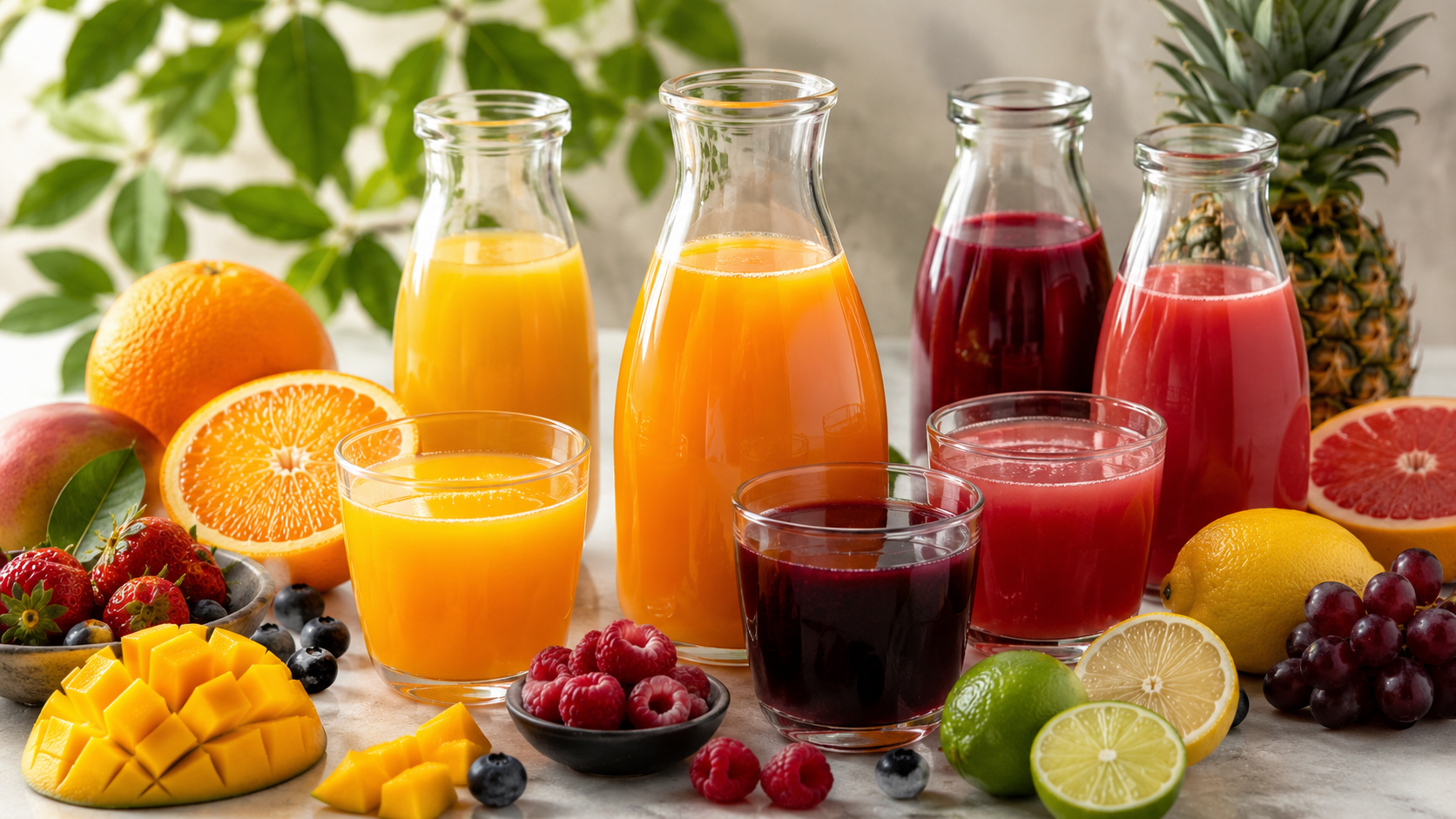
Fruit juice gives a THC beverage a flavor foundation people already understand. A citrus lemonade, mango fruit drink, berry spritzer, or juice-supported mocktail can feel more natural and complete than an abstract flavor name with no recognizable fruit identity.
Juice can also change how a drink tastes and feels. It may add brightness, aroma, natural color, perceived quality, mouthfeel, and sweetness. The tradeoff is that juice systems can require more careful planning around stability, sediment, haze, carbonation, packaging, and finished-product consistency.
The strongest fruit juice THC beverages use juice because it improves the finished drink: better flavor, more natural fruit identity, stronger color, a more memorable customer experience, and a clearer reason for the product to exist.
When fruit juice makes sense in a THC beverage
Fruit juice is most useful when the product needs more than a light natural flavor. It can help a brand build a drink that feels closer to lemonade, juice, tea, mocktail, spritzer, soda, or a premium fruit-forward refreshment.
Recognizable fruit
Orange, lemon, lime, grapefruit, pineapple, mango, berry, cherry, peach, and tropical directions are easy for customers to understand quickly.
More body and aroma
Juice can make a drink feel more complete by adding aroma, flavor depth, acidity, natural sweetness, and a softer finish.
More product substance
A juice-forward concept can feel more premium and differentiated than a basic flavored seltzer when the can, claim structure, and formula align.
Fruit juice directions for THC beverages
The right juice direction depends on the customer, occasion, and format. A bright citrus drink may work well for refreshment and daytime occasions. A tropical fruit drink may fit a fuller, more flavorful product. Berry and mixed-fruit directions can create color, aroma, and familiar retail appeal.
Citrus juice systems
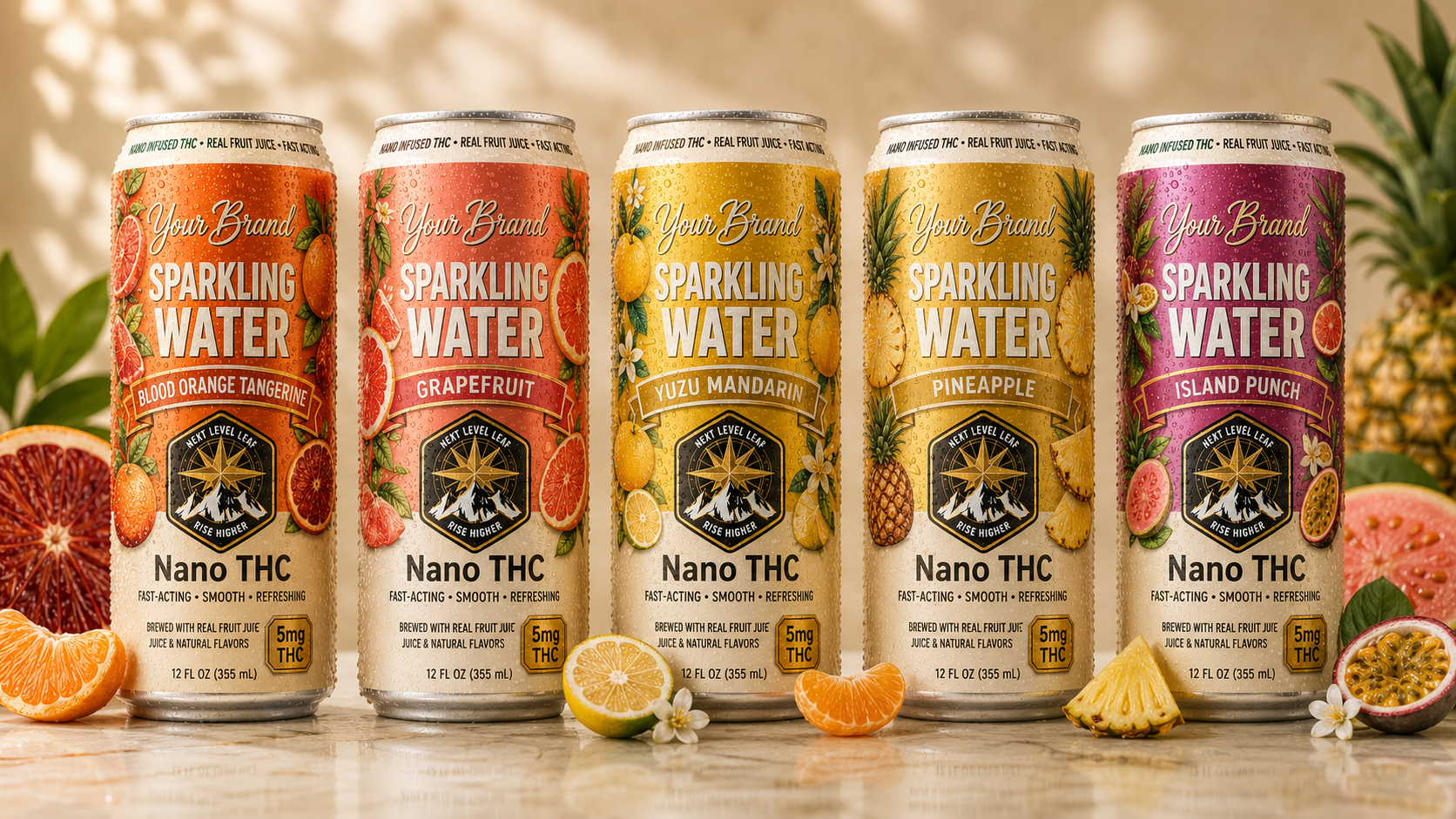
Lemon, lime, orange, grapefruit, yuzu, mandarin, and blood orange can support bright, tart, clean, refreshing beverages.
Tropical fruit drinks
Pineapple, mango, passionfruit, guava, and citrus-tropical blends can create stronger flavor identity and a fuller mouthfeel.
Berry and mixed fruit
Berry, cherry, pomegranate, raspberry lemonade, and mixed-fruit systems can support color, aroma, and easy customer recognition.
Fruit juice strategy by beverage format
Fruit juice can work across several THC beverage formats, but it should not be used the same way in every product. Still drinks can usually carry more juice character. Sparkling drinks often need a lighter, cleaner approach so carbonation and finish stay crisp.
Creates a clear real-fruit product identity with more body, color, and flavor.
Plan juice level, sweetness, acidity, mouthfeel, color, shelf-life, and finished-drink consistency.
Supports familiar citrus flavor, brightness, and refreshment.
Balance tartness and sweetness so the drink is not too sharp, too sugary, or too heavy.
Adds fruit structure to cocktail-inspired, non-alcoholic adult beverages.
Fruit, botanical notes, acid, sweetness, carbonation, and cannabinoid input should feel layered but clean.
Makes sparkling drinks feel more fruit-forward than basic seltzers.
Carbonation, color, sediment, sweetness, mouthfeel, and clarity expectations need early planning.
Adds familiarity and softness to tea-based THC beverages.
Tea bitterness, fruit identity, sweetness, acidity, color, and shelf-life should be aligned.
Fruit juice vs fruit puree
Fruit juice is usually lighter and more fluid. Fruit puree can add more body, texture, color, and visible fruit character. Juice often fits cleaner drinks, citrus beverages, lemonades, teas, and sparkling formats. Puree may fit richer fruit drinks where the brand wants a thicker, more visibly fruit-forward profile.
For puree-specific planning, review Fruit Puree and Fruit Puree THC Beverages.
Fruit juice, sweetness, and acidity
Juice brings flavor, sugar, acid, color, aroma, and sometimes body. Those are advantages when the formula is balanced. They become problems when the beverage turns too sharp, too sweet, too heavy, too cloudy, or too inconsistent from batch to batch.
A citrus-forward THC drink may need sweetness to round the finish. A tropical drink may need acid to keep it from feeling thick or flat. A berry drink may need careful color and aroma work so it tastes bright instead of dull.
For related planning, review Sweeteners, Low-Sugar THC Drinks, and Real Juice vs Natural Flavor in THC Drinks.
Fruit juice and cannabinoid flavor
Fruit juice can help create more flavor structure around THC, but it does not automatically solve bitterness, emulsion character, or aftertaste. The cannabinoid input, flavor system, sweetness, acid, carbonation, and mouthfeel still have to work together.
This is especially important for lighter drinks. A juice-supported spritzer or sparkling fruit beverage may need a cleaner cannabinoid system than a heavier soda, lemonade, or juice-forward mocktail.
For cannabinoid and formulation planning, review THC for Beverages, Cannabinoids, Flavor Masking THC, and Beverage Stability and Shelf Life.
Fruit juice beverage concepts that can work well
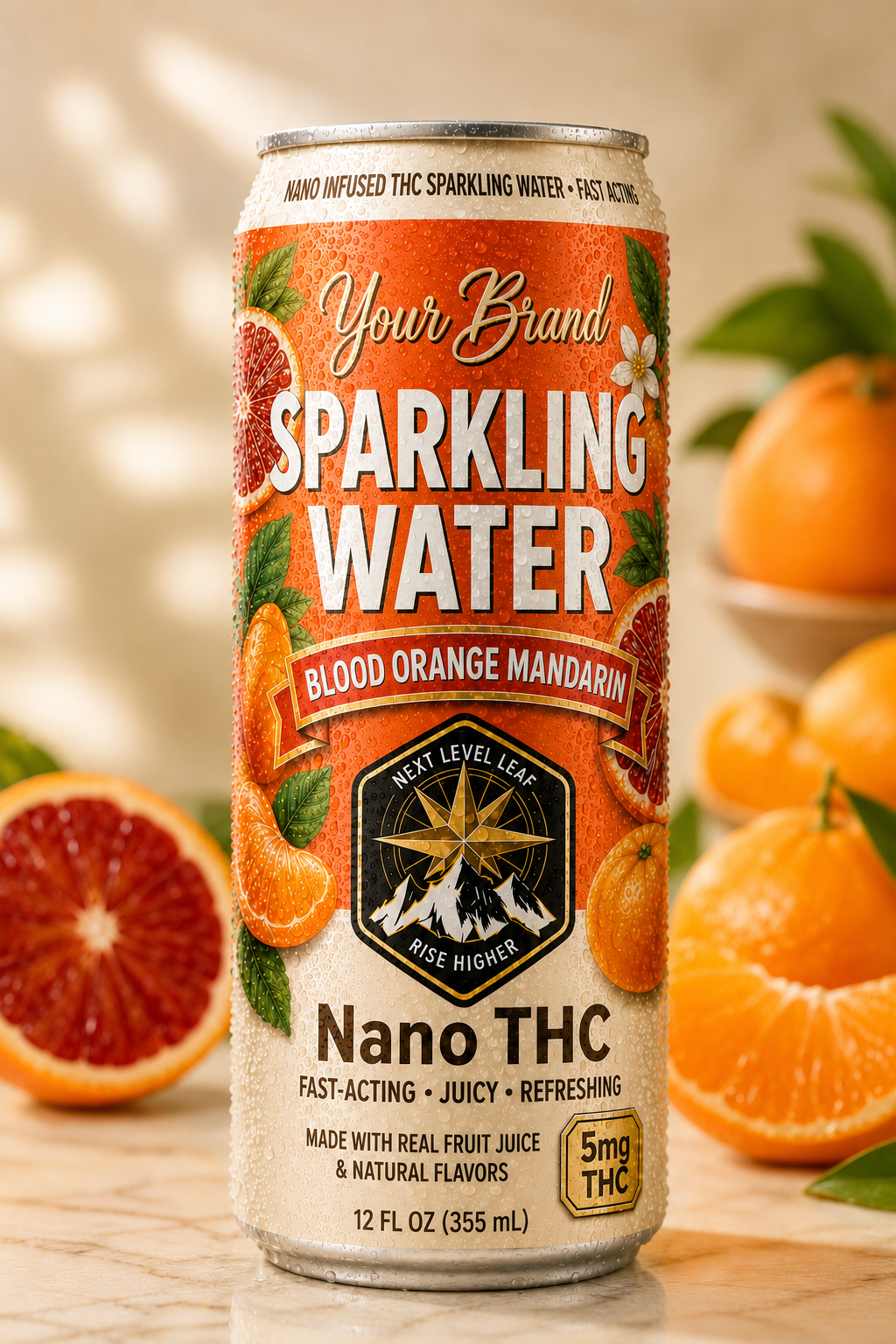
- Blood orange mandarin THC drink: bright, colorful, citrus-forward, and easy to understand.
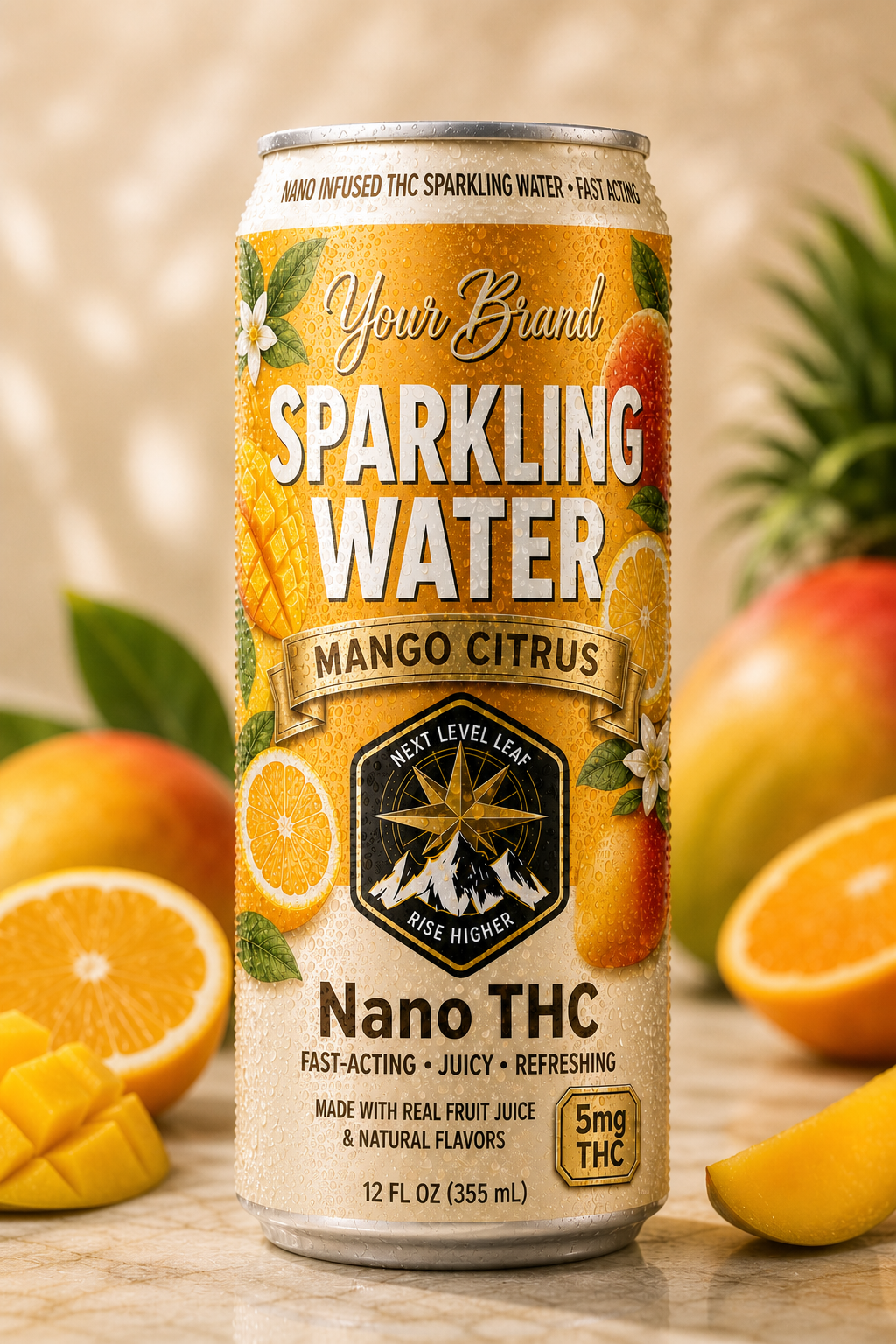
- Mango citrus fruit beverage: tropical, familiar, and flavorful without needing to feel like a soda.
- Pineapple lemonade: tart, refreshing, and summer-friendly.
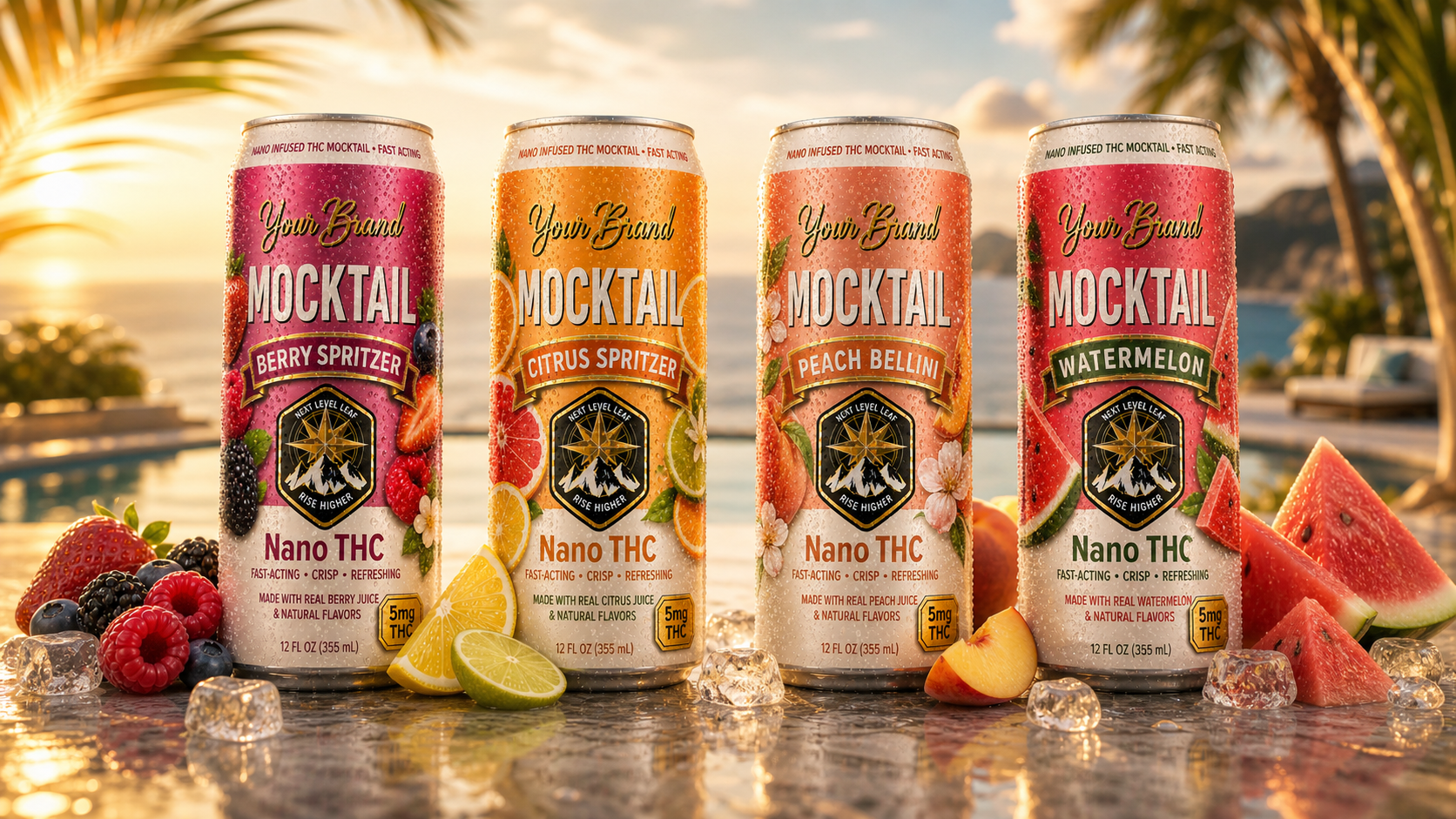
- Berry citrus spritzer: fruit-forward, sparkling, light, and adult-oriented.
- Peach tea lemonade: familiar, Southern-inspired, and easy to merchandise.
- Yuzu mandarin mocktail: premium, citrus-forward, and modern.
Production considerations for juice-based THC beverages
Fruit juice THC beverages should be planned around juice level, sweetness, acidity, color, cannabinoid input, shelf-life goals, carbonation, packaging, and production method. A still fruit drink, sparkling juice beverage, tea blend, and mocktail may each need a different process path.
Important production questions include whether the drink is still or carbonated, how much juice is present, how the formula handles haze or sediment, what packaging format is being used, and how the finished product will be tested and documented.
For broader production planning, review Beverage Manufacturing, THC Beverage Formulation, and Real Fruit THC Beverage Formulation.
What to prepare before requesting a fruit juice beverage quote
A fruit juice THC beverage quote is easier to scope when the brand knows the format, fruit direction, target dose, and first-run goals. A finished formula is not required, but the product concept should be specific enough to evaluate.
- Beverage format, such as still fruit drink, lemonade, tea, mocktail, spritzer, soda, or sparkling beverage
- Target THC dose and any CBD, CBG, CBN, caffeine, electrolyte, vitamin, adaptogen, mushroom, or functional ingredient plans
- Fruit direction, such as citrus, tropical, berry, stone fruit, mixed fruit, or tea-fruit blend
- Desired juice level, sweetness target, acidity, color, carbonation, mouthfeel, and shelf-life goals
- Packaging status, target states, first-run quantity, and launch timeline