
White-label and private-label infused beverage manufacturing Ingredient strategy for beverage brands
Functional Mushroom • Calm Beverage Concepts

Reishi for THC Beverages

Reishi is a functional mushroom direction for calm, evening, botanical, mocktail, tea, and low-dose THC beverage concepts when the formula and language stay responsible.

For THC beverage brands, reishi can help shape an adult beverage concept around ritual, flavor, and lower-stimulation occasions without making sleep, treatment, or medical claims.

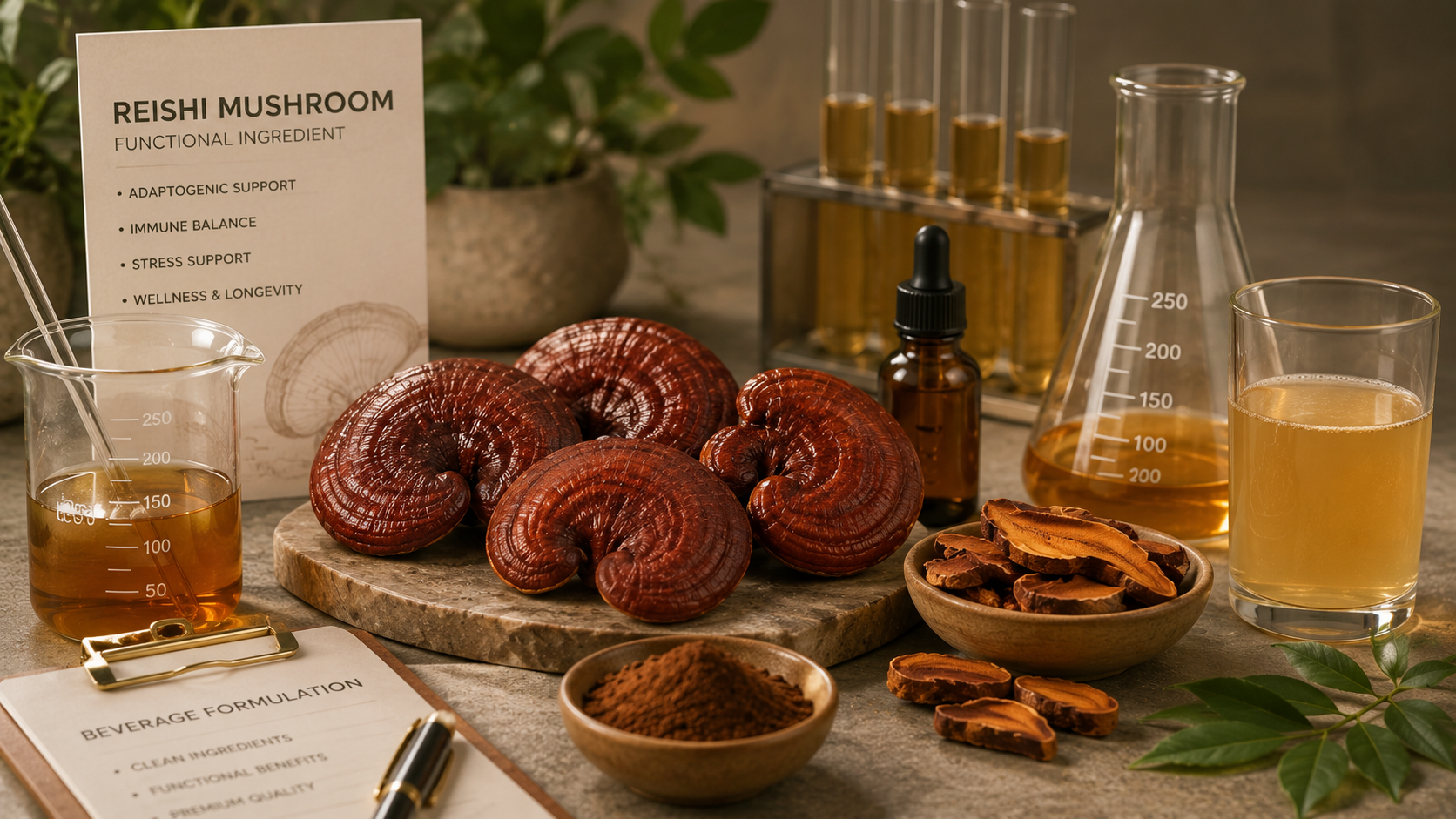
reishi mushroom beverage ingredient for calm functional THC drink formulation

Reishi can be used in THC beverages when the brand wants a calm, evening-oriented, mushroom-forward product experience. It is best positioned around ritual, botanical flavor, adult beverage occasion, and ingredient identity rather than medical language, sleep-treatment claims, or guaranteed relaxation outcomes.

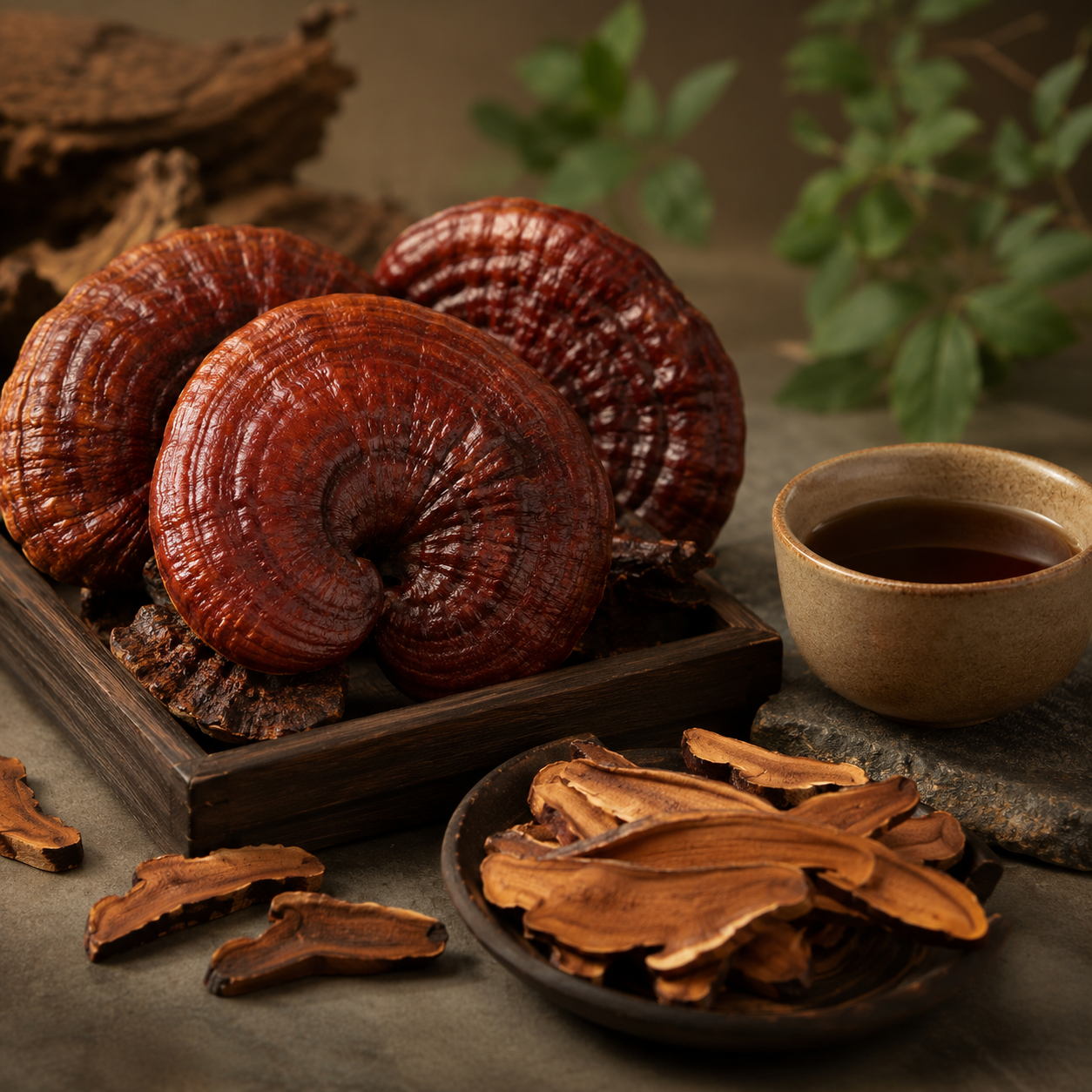
reishi mushroom ingredient for calm THC beverage and functional mocktail planning
Reishi can fit calm mocktails, functional teas, cacao-style drinks, botanical spritzers, and low-dose evening THC beverage concepts.

What is reishi?

Reishi is a functional mushroom used in powders, extracts, teas, coffees, cacao-style blends, capsules, and mushroom beverage concepts. In beverages, brands usually explore reishi because consumers already associate the ingredient with calm, evening, and ritual-based categories.

For a THC beverage, the practical question is not whether reishi is trendy. It is whether the ingredient supports a finished drink people can understand, enjoy, reorder, and explain in a retail setting.

How consumers usually understand reishi

People often associate reishi with calm, grounding, evening use, lower-stimulation routines, and end-of-day rituals. Those are consumer associations, not guaranteed effects. That distinction matters because beverage language should avoid promising that the product treats sleep problems, anxiety, stress, inflammation, or any medical condition.

The stronger customer-facing direction is a clear adult beverage occasion: an evening mocktail, calm iced tea, botanical spritzer, low-dose THC unwind drink, or mushroom-forward functional beverage.

Where reishi can fit in THC beverage concepts

Reishi can pair with low-dose THC, CBD, CBN, lemon balm, ashwagandha, botanical tea bases, ginger, berry, cacao, vanilla, spice, citrus, and other calm-oriented flavor systems. The stack should be simple enough for a customer to understand and responsible enough for retailers to evaluate.

For a low-dose product, reishi may support the brand story without making the beverage feel too heavy. For a more evening-oriented product, the formula may also explore CBD, CBN, tea, cacao, or mocktail-style flavor cues.

Flavor and formulation considerations

Reishi inputs can bring earthy, bitter, woody, or dark notes depending on the extract type, dose, and source. That can work well in tea, cacao, ginger, cherry, berry, vanilla, and botanical systems, but it needs to be planned carefully in lighter sparkling formats.

The finished product still has to taste like a beverage first. Brands should consider sweetness, acidity, solubility, sediment, color, mouthfeel, cannabinoid taste, and shelf stability before locking a formula.

Claim-conscious positioning

Reishi beverage copy should stay clear of sleep-treatment, anxiety, inflammation, immune disease, recovery, or medical claims. A safer and more commercially useful direction is to describe the format, flavor, ingredient stack, cannabinoid dose, and drinking occasion.

For example, an evening botanical mocktail with reishi and low-dose THC is easier to defend than a product that claims to make people sleep, reduce stress, or treat a condition.

Project planning note: Before production, define the beverage format, target cannabinoid dose, reishi input, flavor direction, sweetener preference, target states, packaging status, first-run quantity, and launch timing.

Brand Planning

What reishi can add to a beverage concept

Use the ingredient to clarify the beverage experience, not to make the product harder to explain.

Evening occasion

Useful for calm, lower-stimulation, end-of-day, or unwind-oriented beverage concepts.

Botanical pairing

Can pair with tea, cacao, ginger, berry, lemon balm, ashwagandha, CBD, CBN, and low-dose THC.

Premium ritual story

Fits mocktails, functional teas, cacao-style drinks, and mushroom blends where the product feels intentional.

Related ingredient and beverage paths

Connect reishi to the broader beverage format, formulation, and quote path.

Frequently asked questions

Yes. Reishi can be used in THC beverages when the ingredient input, flavor system, dose, finished beverage format, and product occasion are planned carefully.
Reishi is usually a better fit for calm, evening, botanical, tea, mocktail, cacao-style, and low-dose unwind concepts than for sharp daytime or energy-positioned beverages.
A reishi THC beverage should not be positioned as a sleep-treatment product. A safer direction is to focus on evening routine, calm occasion, adult ritual, flavor, and ingredient identity without medical promises.
Reishi may work with tea, cacao, vanilla, berry, cherry, ginger, spice, citrus, and botanical flavors depending on the extract type, dose, bitterness, sweetness, acidity, and beverage base.
Prepare the beverage format, THC or cannabinoid dose, flavor direction, other calm ingredients, target states, packaging status, first-run quantity, and launch timing.

Ready to explore reishi in a THC beverage?

Share the product format, target dose, flavor direction, ingredient stack, target states, packaging status, and first-run goals. Those details make it easier to scope the right formulation and production path.