White-label and private-label infused beverage manufacturingIngredient strategy for beverage brands
Adaptogen • Calm Beverage Concepts • Claim-Conscious Planning

Ashwagandha for THC Beverages

Ashwagandha can support calm, evening-friendly, and adaptogenic beverage concepts when the ingredient direction fits the drink format, flavor system, cannabinoid dose, and customer occasion.

For THC beverage brands, ashwagandha is strongest when it helps tell a clear product story without turning the drink into a medical, stress-treatment, anxiety, or sleep-disorder claim.

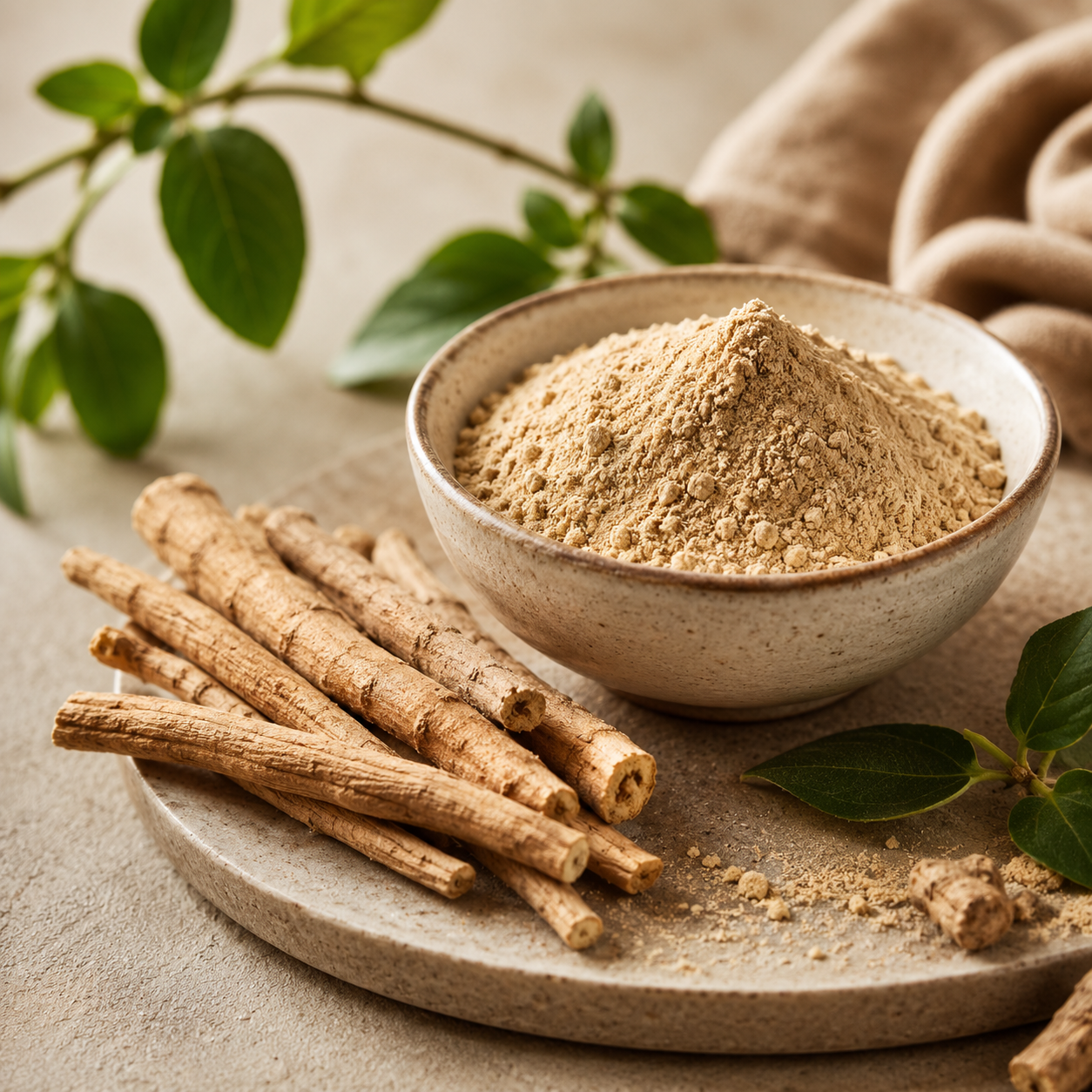
ashwagandha root and botanical ingredients for adaptogenic THC beverage formulation

Ashwagandha beverage concepts work best when the drink has enough flavor structure to carry earthy, herbal, or root-like notes.

Ashwagandha can be used in THC beverages when the brand wants a calm, adaptogenic, evening-friendly, or lower-stimulation functional drink concept. The safer commercial direction is ingredient identity, flavor, dose, and drinking occasion — not claims that the beverage treats stress, anxiety, sleep disorders, or medical conditions.

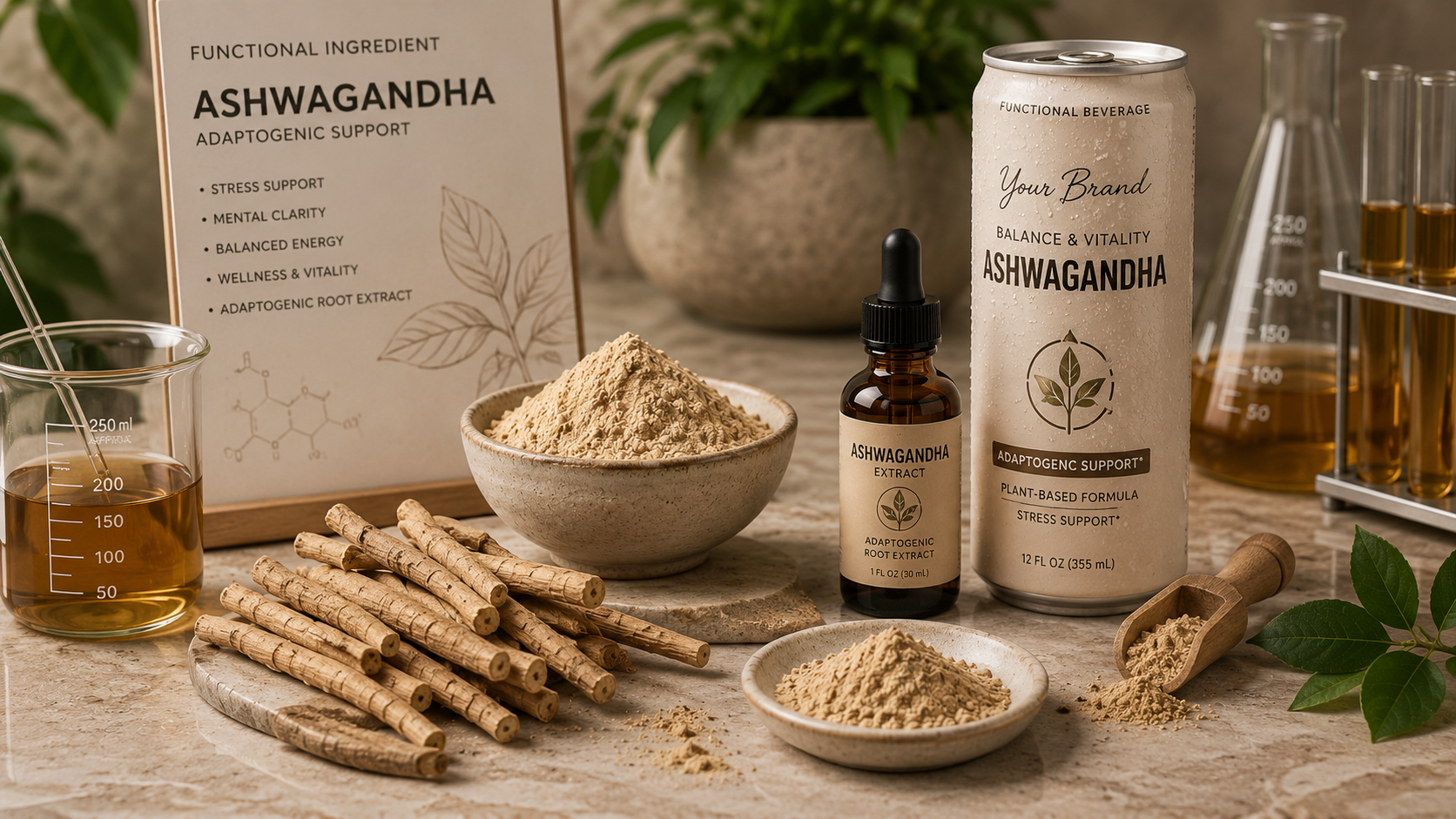
ashwagandha ingredient image with root and functional beverage formulation materials
Use ashwagandha as part of a clear beverage concept: calm mocktail, botanical tea, lower-dose unwind drink, or adaptogenic functional beverage.

What is ashwagandha?

Ashwagandha is an adaptogenic herb widely used in capsules, powders, functional foods, and wellness-oriented beverage formulas. In beverage planning, it is usually selected because the ingredient is familiar to consumers who already follow functional wellness categories.

For brands, the practical question is not whether ashwagandha is popular. It is whether the flavor, dose, format, documentation, and customer occasion fit the product someone would actually buy and drink.

Where ashwagandha fits best in THC beverages

Ashwagandha is usually a better fit for calm, botanical, evening, or ritual-based concepts than for bright high-energy beverages. It can work in low-dose THC mocktails, teas, spritzers, still drinks, cocoa-style concepts, or real fruit drinks when the flavor system has enough structure.

It can also be considered with CBD, CBN, lemon balm, reishi, L-theanine, ginger, vanilla, honey, agave, berry, tea, citrus, and botanical flavors depending on the finished product goal.

Flavor and formulation considerations

Ashwagandha can bring earthy, rooty, bitter, or herbal notes depending on the ingredient form and use level. That can be useful in a warm botanical concept, but it can be harder in a very light sparkling drink unless the flavor system is designed carefully.

Brands should plan around ingredient form, solubility, sediment, sweetness, acidity, flavor masking, cannabinoid input, finished-product testing, label expectations, COAs, and retail channel requirements.

Project planning note: Before production, define the beverage format, target THC or cannabinoid dose, desired adaptogen stack, flavor direction, target states, packaging status, first-run quantity, and launch timeline.

Claim-conscious positioning

Consumers may associate ashwagandha with calm, stress resilience, unwinding, and evening routines. Those consumer associations should not be turned into guaranteed outcomes or treatment claims.

A stronger public-facing direction is a calm adult beverage occasion, adaptogenic ingredient identity, responsible dose, and flavor-forward product story.

Brand Planning

What ashwagandha can add

Use the ingredient to make the drink easier to understand, not more complicated.

Calm Occasion

Evening-friendly positioning

Fits end-of-day, lower-stimulation, unwind, mocktail, and adult ritual beverage concepts.

Flavor Strategy

Needs structure

Works best with flavor systems that can support earthy, rooty, spice, tea, vanilla, citrus, berry, or botanical notes.

Compliance Mindset

Avoid treatment claims

Position the product around ingredient identity and occasion rather than stress, anxiety, sleep, or medical claims.

Related Paths

Continue planning the beverage stack

Connect ashwagandha to other adaptogens, mushrooms, cannabinoids, sweeteners, and beverage formats.

FAQ

Questions about ashwagandha for THC beverages

These answers help brands evaluate the ingredient before scoping a formula or production run.

Yes. Ashwagandha can be used in THC beverages when the ingredient form, flavor system, dose, label direction, documentation, and finished-product testing plan are reviewed carefully.
Ashwagandha often fits calm mocktails, functional teas, low-dose evening beverages, botanical spritzers, and adaptogenic beverage concepts when the flavor system can support earthy or herbal notes.
An ashwagandha beverage should not be positioned as a treatment product for stress, anxiety, or sleep disorders. A better direction is calm occasion, adult ritual, ingredient identity, and responsible functional beverage language.
Ginger, citrus, berry, vanilla, tea, honey, agave, spice, cacao, and botanical flavors can work depending on the ingredient form, use level, and sweetness strategy.
Prepare the beverage format, flavor direction, THC or cannabinoid dose, adaptogen stack, target states, packaging status, first-run quantity, and launch timeline.

Ready to explore ashwagandha in a beverage?

Share the product format, target dose, flavor direction, adaptogen stack, target states, packaging status, and first-run goals. Those details make it easier to scope the right formulation and production path.