Why L-theanine matters in a THC beverage concept
L-theanine is commonly associated with tea, calm focus, smoother caffeine concepts, and more balanced functional beverages. For brands, its commercial value is that the ingredient is familiar enough to explain and flexible enough to fit multiple beverage formats.
An L-theanine THC beverage does not need to sound medical. It can simply feel like a calmer functional drink, a tea-inspired ritual, a smooth coffee concept, or a low-dose adult beverage built around balance.
The best L-theanine beverage concepts are simple: a clean format, a clear dose, a familiar flavor, and an ingredient stack that supports the drinking occasion.
Best beverage formats for L-theanine
Tea and herbal drinks
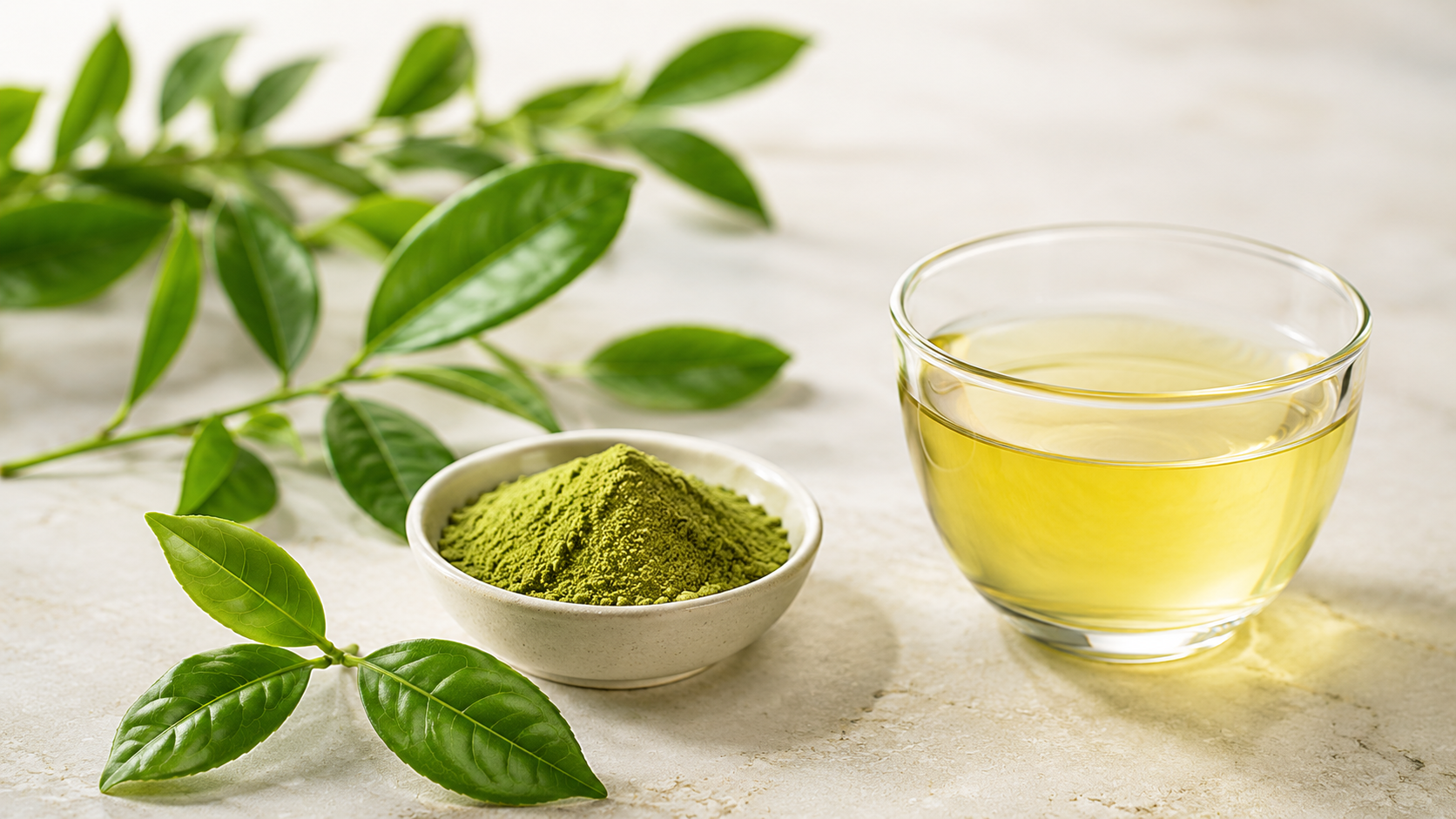
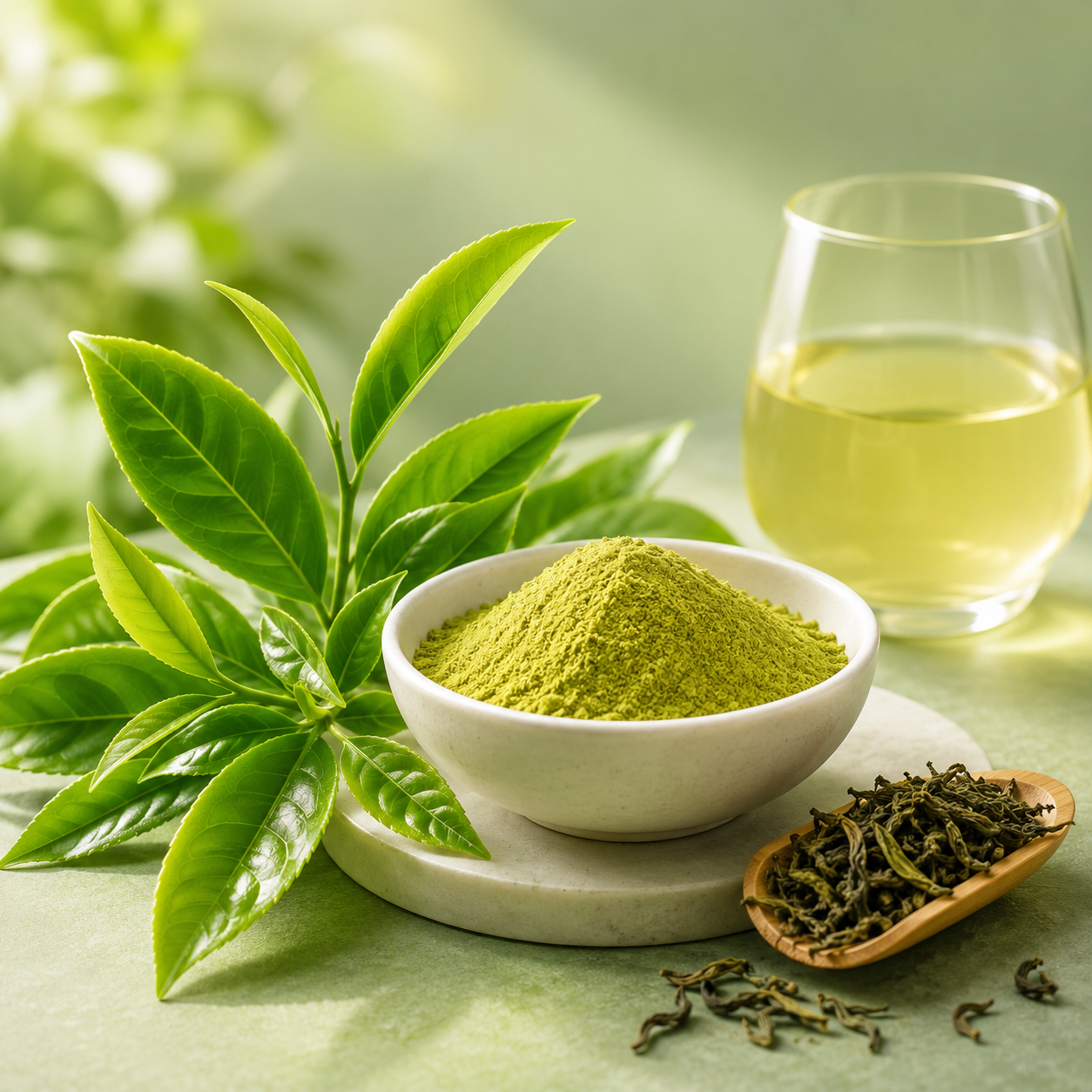
L-theanine has a natural connection to tea concepts, making it a strong fit for iced tea, green tea, and tea-lemonade beverages.
Coffee and caffeine concepts
L-theanine can support a smoother functional coffee story when paired with caffeine and a clear flavor system.
Seltzers and mocktails
Light sparkling drinks and mocktails can use L-theanine as part of a calm-focus or balanced adult beverage concept.
How L-theanine can shape the drink experience
A smoother functional caffeine story that can fit coffee, tea, or clean-energy-style beverages.
Functional coffee, green tea, or citrus energy refresher.
A balanced adult beverage concept that may fit daytime, social, or unwind-friendly occasions.
Tea lemonade, light seltzer, or botanical mocktail.
A softer functional beverage direction that can feel approachable and easy to understand.
Calm tea, low-dose spritzer, or fruit-forward functional drink.
A botanical calm-focus direction without making the product sound like a treatment product.
Herbal tea, citrus mocktail, or evening-friendly spritzer.
Flavor and formulation considerations
L-theanine is often easier to work with than stronger-tasting botanicals, but it still needs to be selected and dosed around the finished beverage. The product should taste complete, not like a functional powder was added after the fact.
Brands should consider dose, solubility, ingredient source, label clarity, caffeine strategy, cannabinoid stack, sweetness, acidity, and whether the drink is positioned for daytime, evening, tea ritual, focus, or social use.
L-theanine beverage concepts that may work well
- L-theanine green tea THC drink: familiar, simple, and ritual-friendly.
- L-theanine + caffeine coffee: a smooth functional coffee concept for daily-use positioning.
- L-theanine citrus seltzer: light, clean, and balanced.
- L-theanine lemon balm mocktail: botanical, calm-oriented, and adult.
- L-theanine tea lemonade: approachable, refreshing, and easy to explain.
What to prepare before requesting an L-theanine beverage quote
- Beverage format, such as tea, coffee, lemonade, seltzer, mocktail, spritzer, soda, or functional drink
- Target THC dose and any CBD, CBG, CBN, caffeine, adaptogen, mushroom, or botanical plans
- Desired product direction, such as calm focus, smoother caffeine, balanced social use, or tea ritual
- Flavor direction, sweetener preference, can size, packaging status, target states, and first-run quantity