

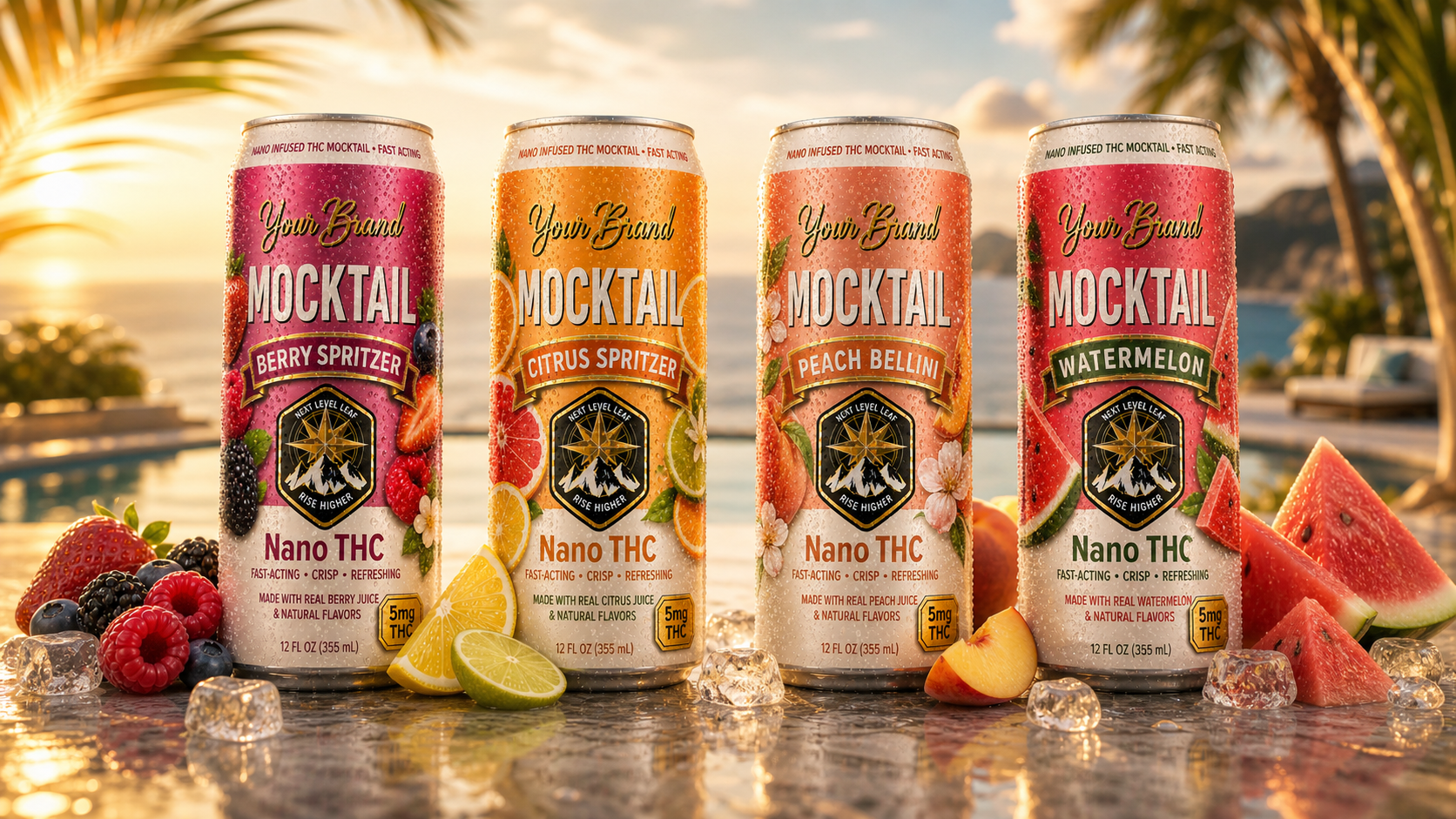
Why probiotic positioning matters in THC beverages
Probiotic beverages sit at the intersection of functional drinks, wellness-adjacent positioning, and everyday refreshment. For THC beverage brands, this can create a differentiated product story that feels more intentional than a basic infused drink.
The opportunity is strongest when the product is designed around a real beverage occasion: a functional soda, a sparkling fruit drink, a lemonade, a tea, or a light spritzer that customers can understand quickly.
A probiotic-positioned THC beverage should be beverage-first, claim-conscious, and production-realistic. The product needs to taste good and make sense before the ingredient story can help it sell.
Probiotic, postbiotic, or gut-health-positioned?
Not every gut-health-positioned beverage needs the same technical path. Some products may explore live cultures. Others may consider postbiotic-style positioning, ingredient-forward functional language, or broader gut-health-adjacent beverage concepts.
The right direction depends on processing, shelf-life expectations, refrigeration, pH, carbonation, label language, ingredient compatibility, target retailer, and the manufacturing path.
Probiotic concepts
May require careful planning around viability, processing, storage, shelf life, and label language.
Postbiotic-style ideas
May support a functional beverage story with different processing and stability considerations.
Gut-health-adjacent
Can focus on ingredient story, beverage occasion, and wellness-adjacent positioning without disease claims.
Claim-conscious probiotic beverage positioning
Gut health is a sensitive area for public-facing beverage copy. Brands should avoid disease claims, treatment claims, and medical promises. That includes language around IBS, inflammation, digestive disorders, immune disease, anxiety, and other health conditions.
Better positioning usually focuses on the beverage occasion, ingredient story, daily ritual, lifestyle fit, and functional drink category rather than promising a specific clinical outcome.
Gut-health-positioned, wellness-adjacent, functional beverage.
IBS treatment language, gut-healing promises, inflammation claims.
Everyday functional soda, refreshing ritual, ingredient-forward drink.
Medical replacement, therapeutic claims, outcome guarantees.
Wellness-adjacent ingredient story and functional beverage positioning.
Prevents illness, treats infection, immune disease claims.
Digestive wellness-adjacent, light functional refreshment.
Digestive treatment promises, reflux claims, bloating-cure language.
Formulation and processing considerations
Probiotic-positioned drinks can be more complex than simple flavored beverages. Heat, pH, carbonation, preservatives, shelf life, packaging, refrigeration, and storage conditions can all affect what is realistic.
Brands should evaluate whether the concept requires live culture viability, whether a shelf-stable product is possible, whether refrigeration is expected, and how the final label will describe the ingredient strategy.
Flavor systems that can work
Probiotic beverage concepts often work best with flavor systems that already feel refreshing and functional. Fruit-forward flavors, citrus, berry, ginger, lemonade, tea, and functional soda-style profiles can all support the product story.
- Functional soda: familiar, refreshing, and easy to understand in retail.
- Lemonade: acidic and fruit-forward, useful for sweetness and functional refreshment.
- Tea: botanical and ritual-based, useful for wellness-adjacent positioning.
- Fruit spritzers: sparkling, social, and lighter than soda or juice.
- Real fruit drinks: useful when the brand wants stronger flavor and visual identity.
Probiotics and cannabinoids
Probiotic-positioned beverages can be paired with THC, CBD, CBG, CBN, or other cannabinoid strategies depending on the product concept. The stack should be easy to understand and responsible enough for retailers to evaluate.
A low-dose THC functional soda may need a different cannabinoid architecture than a non-intoxicating CBD beverage, a relaxation-positioned drink, or a fruit-forward spritzer. For dose planning, review Cannabinoids for THC Beverages.
Testing, COAs, and label accuracy
Probiotic positioning does not replace the need for finished-product cannabinoid testing, COAs, label accuracy, and batch documentation. A probiotic or gut-health-positioned product may also require extra attention to ingredient identity, viability expectations, label statements, storage conditions, and claim review.
Professional documentation helps retailers and distributors understand the product and reduces confusion around ingredient stacks, cannabinoid content, and brand positioning.
What to prepare before requesting a quote
A probiotic beverage quote is easier to scope when the brand knows the desired format, flavor direction, and functional positioning. You do not need a finished formula, but the product concept should be specific enough to evaluate.
- Beverage format, such as functional soda, tea, lemonade, fruit drink, seltzer, spritzer, mocktail, shot, or wellness drink
- Desired positioning, such as gut-health-positioned, wellness-adjacent, daily ritual, or functional refreshment
- Target THC or cannabinoid dose
- Any desired CBD, CBG, CBN, adaptogen, mushroom, probiotic, or postbiotic-style direction
- Flavor direction and sweetener preference
- Storage expectations, such as shelf-stable or refrigerated
- Target states and sales channels
- Packaging status, first-run quantity, and launch timeline
Where to go next
If you are still exploring ingredient options, return to the Ingredients hub. If you want to compare functional ingredient directions, review Adaptogens and Mushrooms. If your probiotic beverage direction is clear, the next step is to request a quote.