


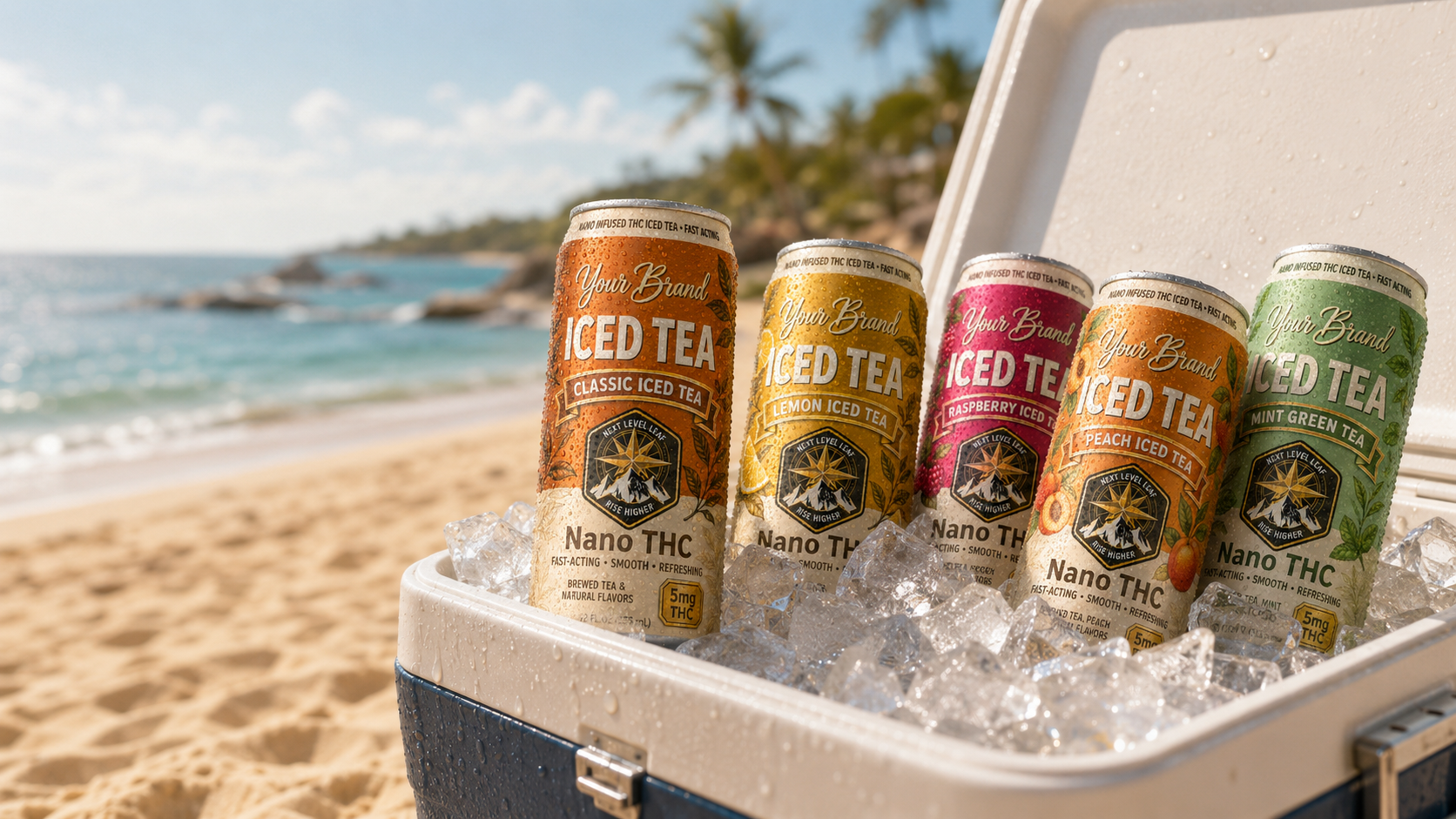
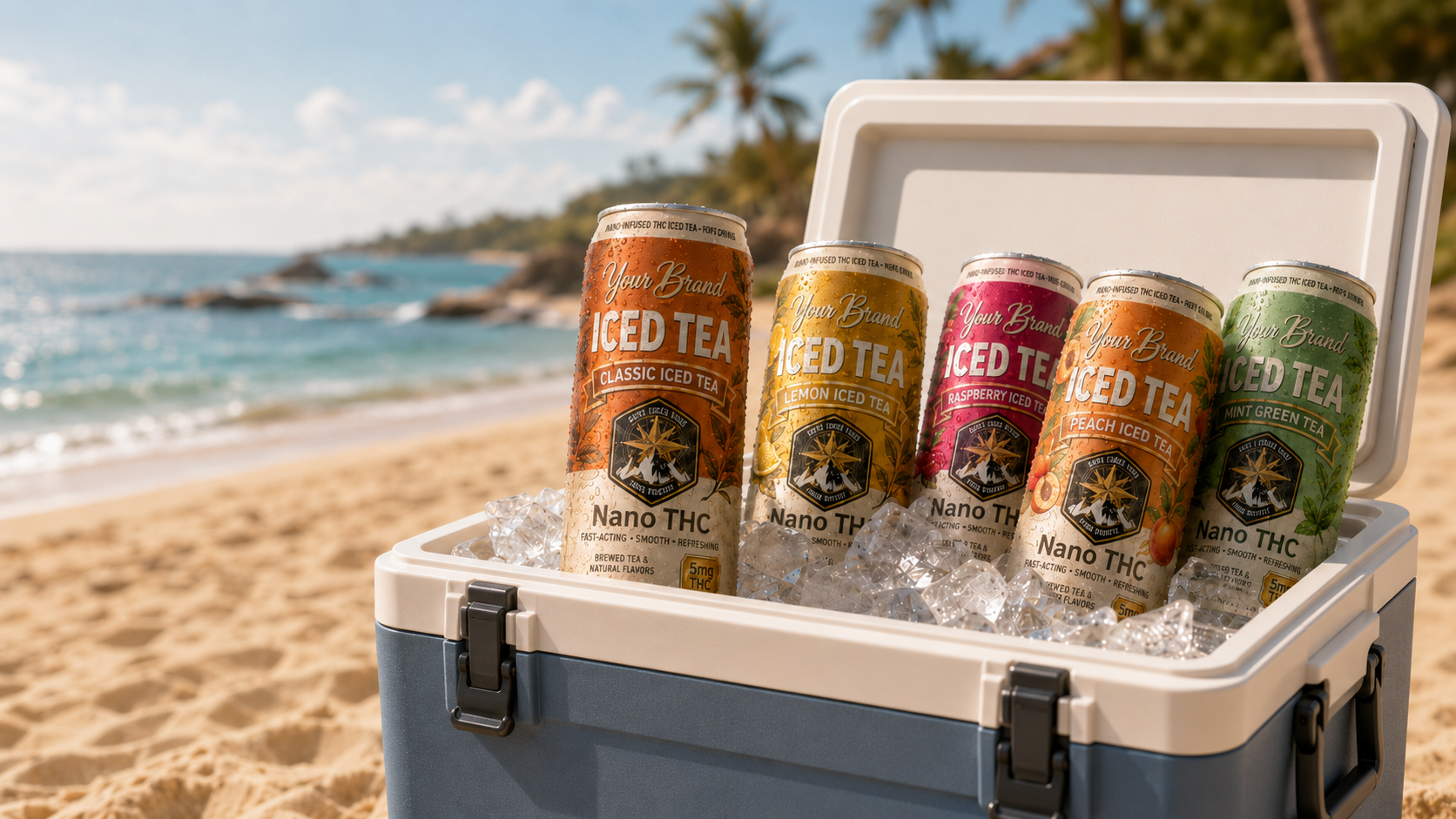
Why THC iced tea is a strong product line
THC iced tea has a simple advantage: people already know iced tea. That makes the product easier to explain than a more complicated functional beverage or a niche cannabis format.
A customer can see the can, understand the flavor, read the dose, and decide whether the product fits the occasion. That clarity matters when you are trying to build a product people will sample, buy, and reorder.
For brands, THC iced tea can also be more flexible than coffee. It can fit lunch, afternoon, outdoor events, pool days, boating, warm weather, food pairings, and alcohol-alternative occasions.
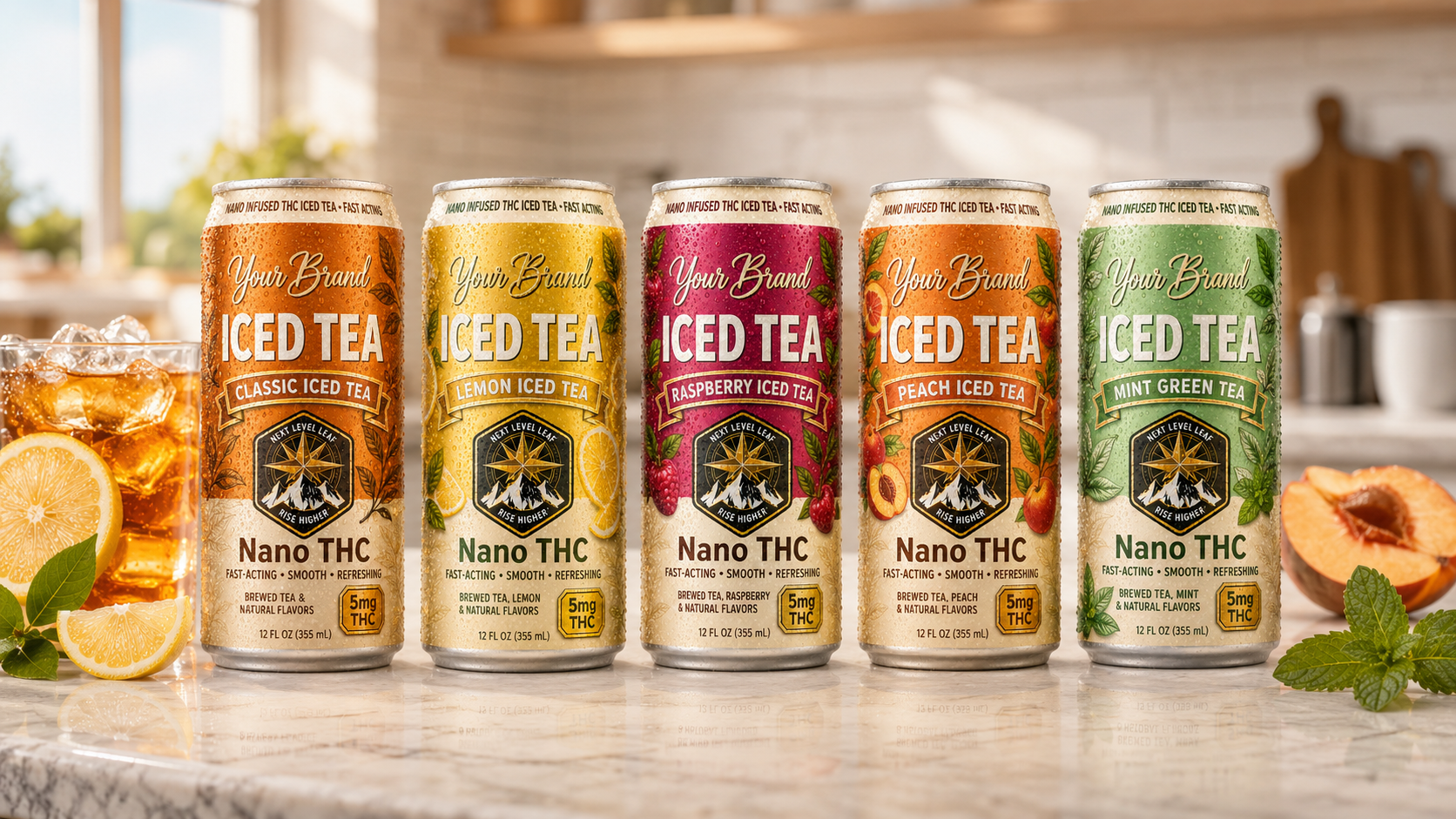
A strong THC iced tea product should be simple to explain: “10mg classic iced tea,” “low-dose lemon THC tea,” “peach THC iced tea,” or “strawberry lemonade THC tea.”
Popular THC iced tea flavors
The best first flavor is usually the one your target customer can understand quickly and want to buy again.
 Classic
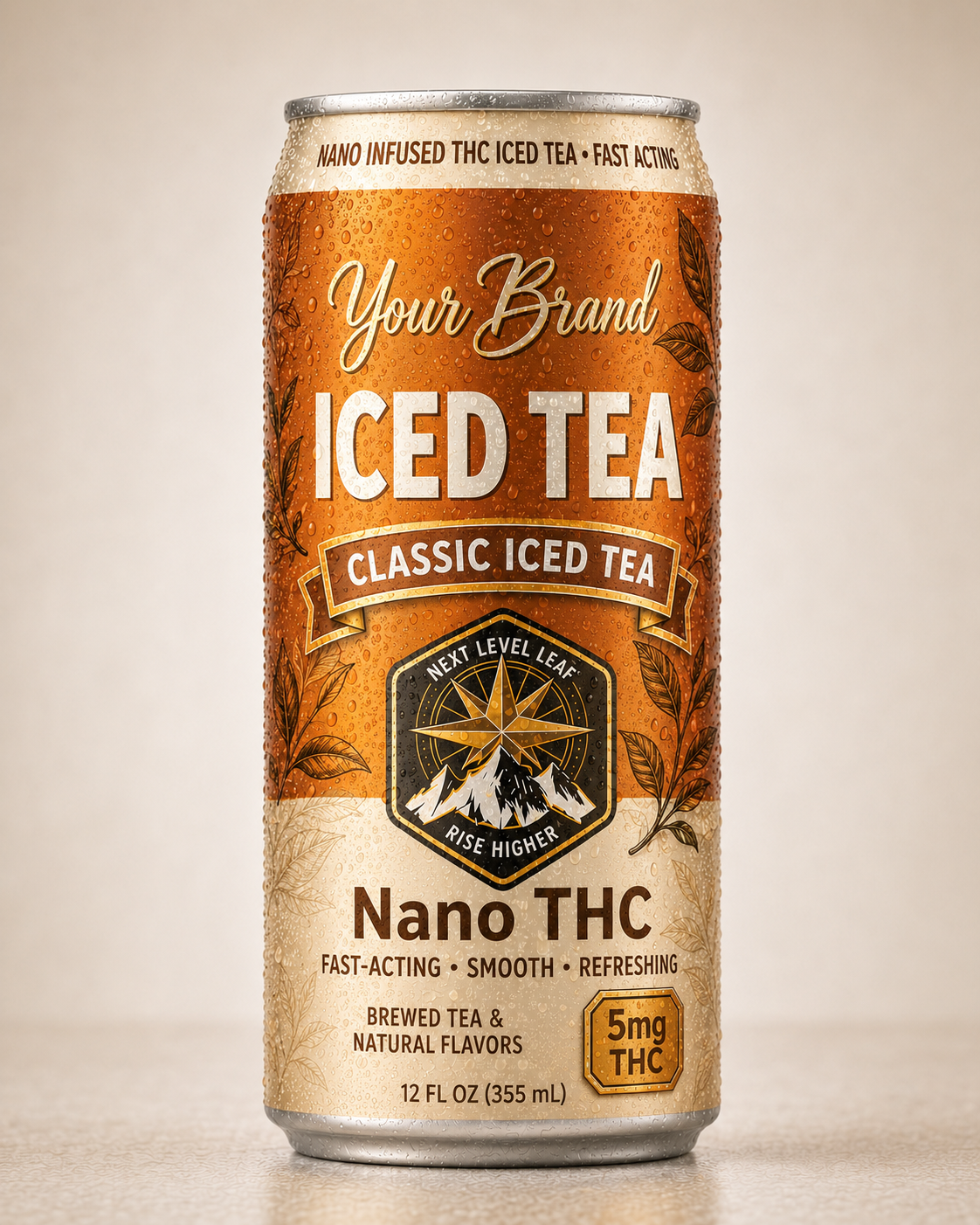
Classic THC iced tea
Best when the brand wants the simplest, most familiar tea product story.
- Easy to explain
- Strong first SKU
- Broad customer fit
 Citrus
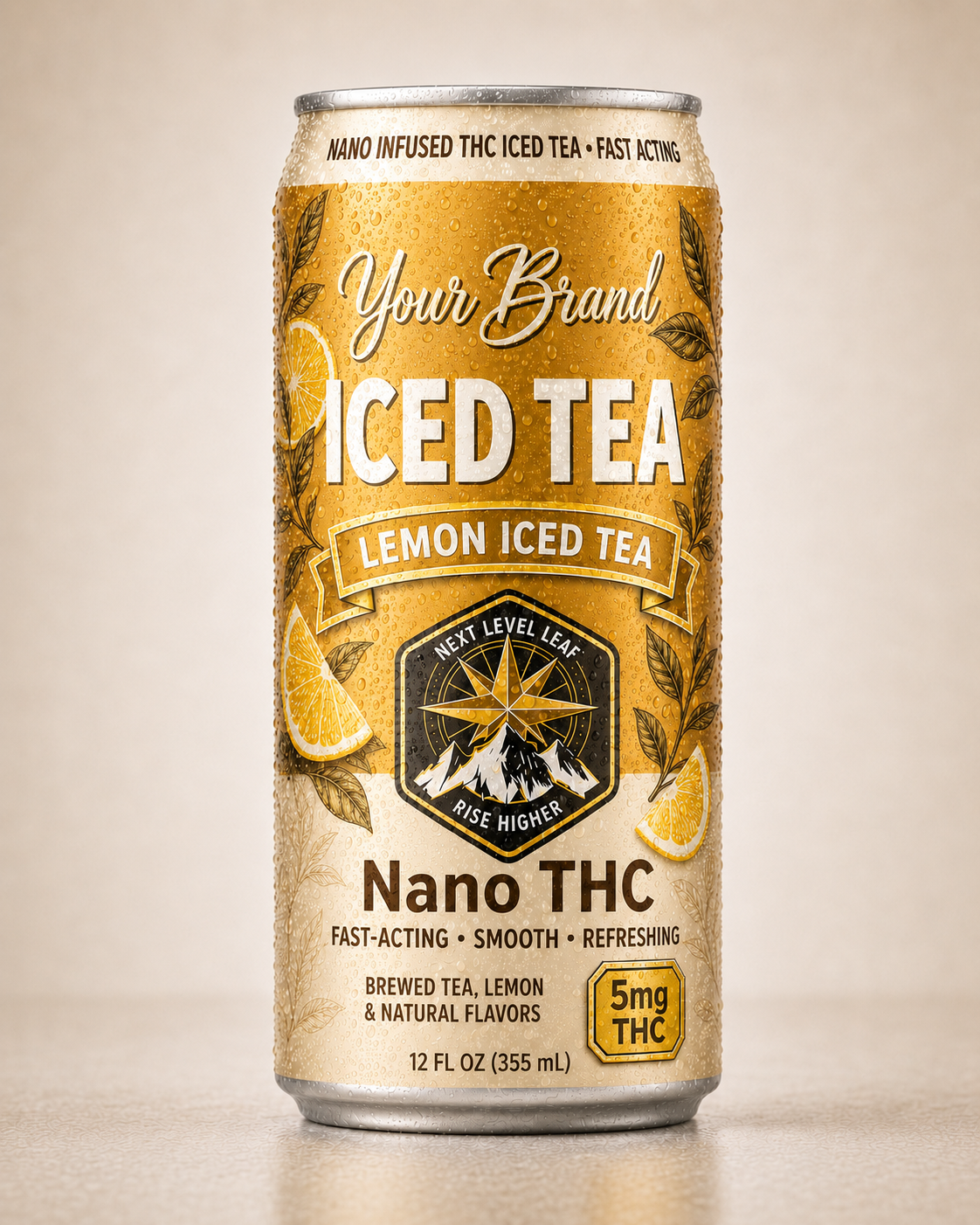
Lemon THC iced tea
Best when the product needs brightness, acidity, and a clean refreshing finish.
- Easy sampling
- Warm-weather appeal
- Good flavor masking support
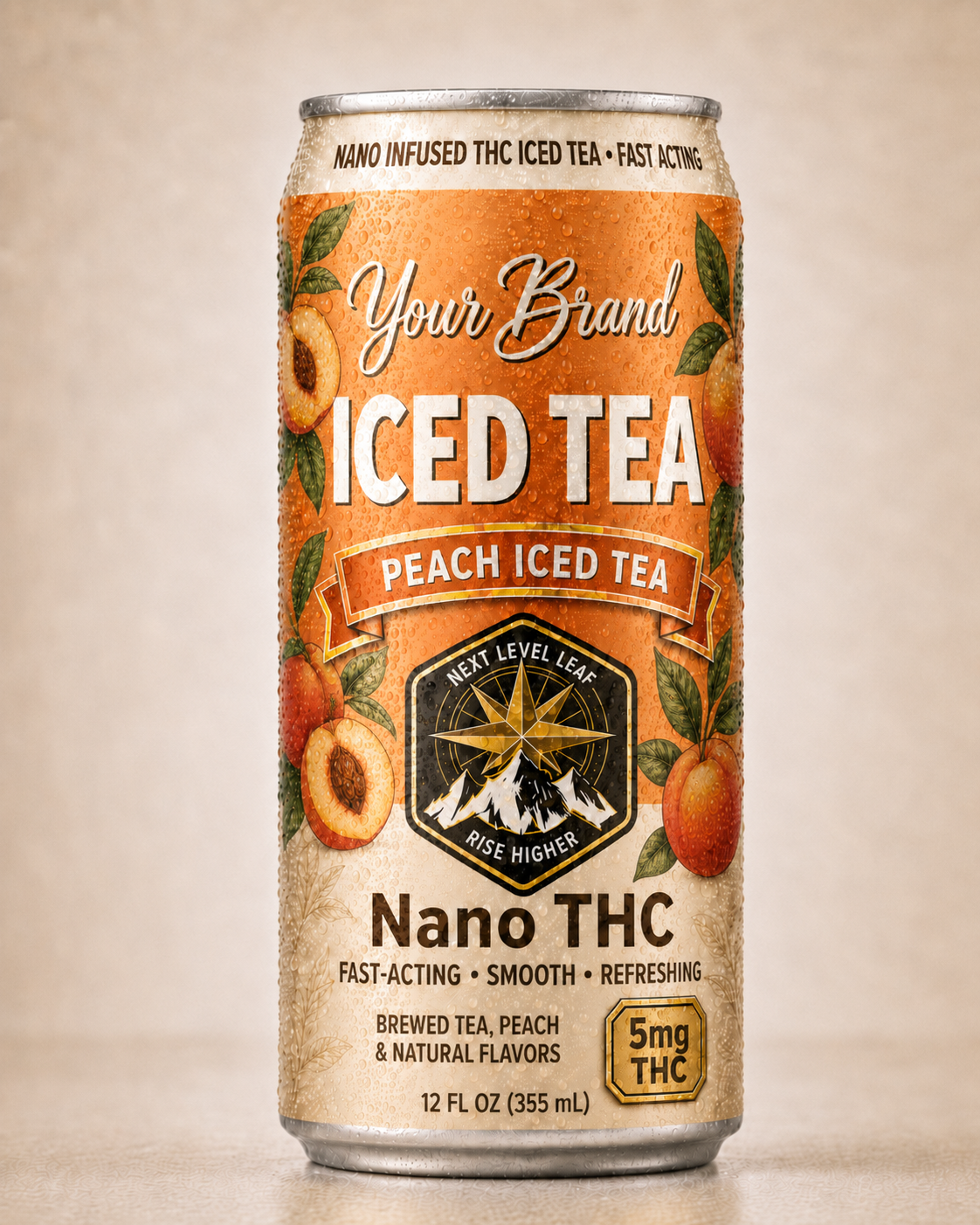 Fruit
FruitPeach THC iced tea
Best when the brand wants a softer, approachable, fruit-forward tea product.
- Familiar flavor
- Southern tea appeal
- Retail-friendly direction
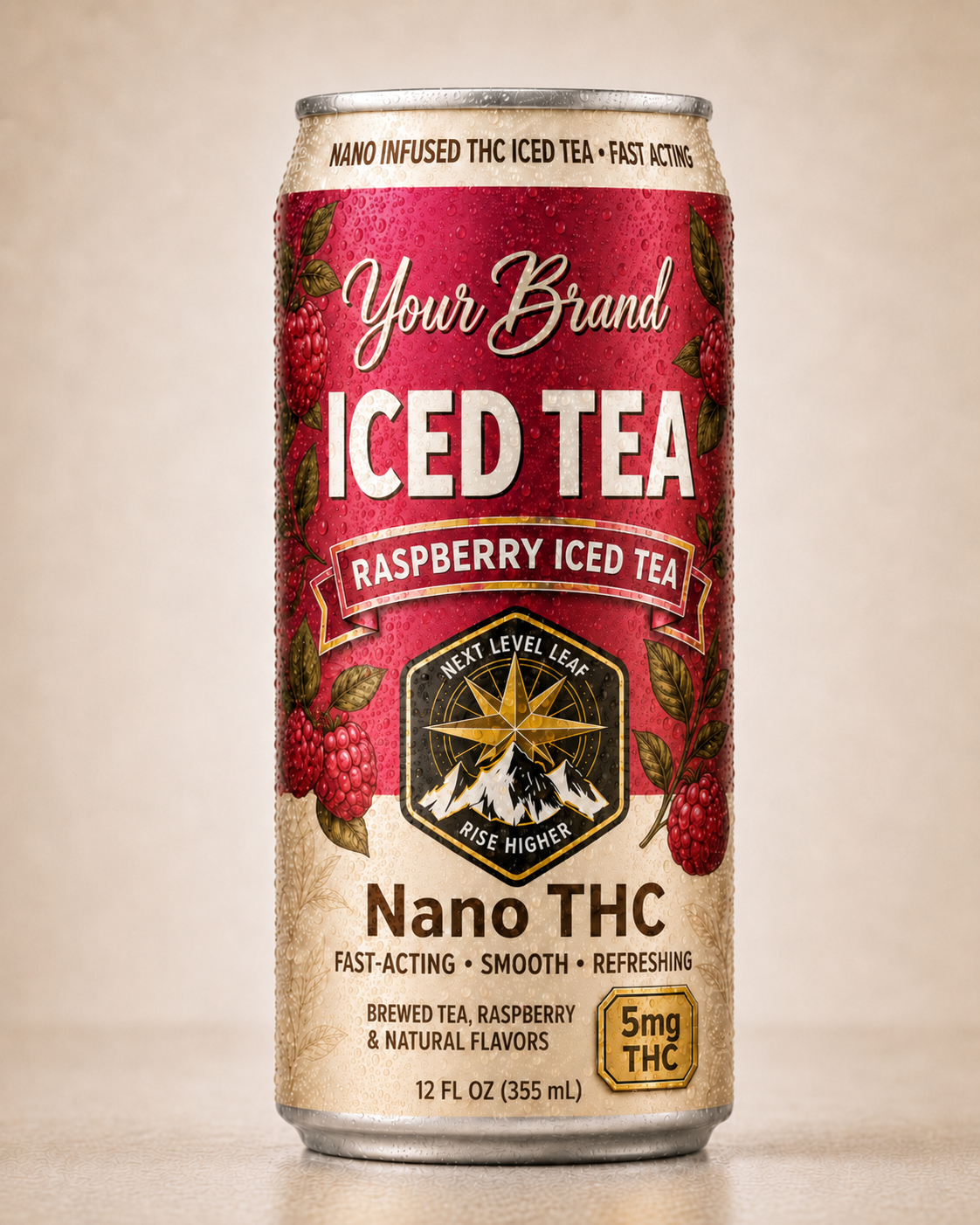 Berry
BerryRaspberry THC iced tea
Best when the brand wants a bolder flavor with stronger visual and taste personality.
- Flavor-forward
- Good lineup flavor
- Stronger shelf differentiation
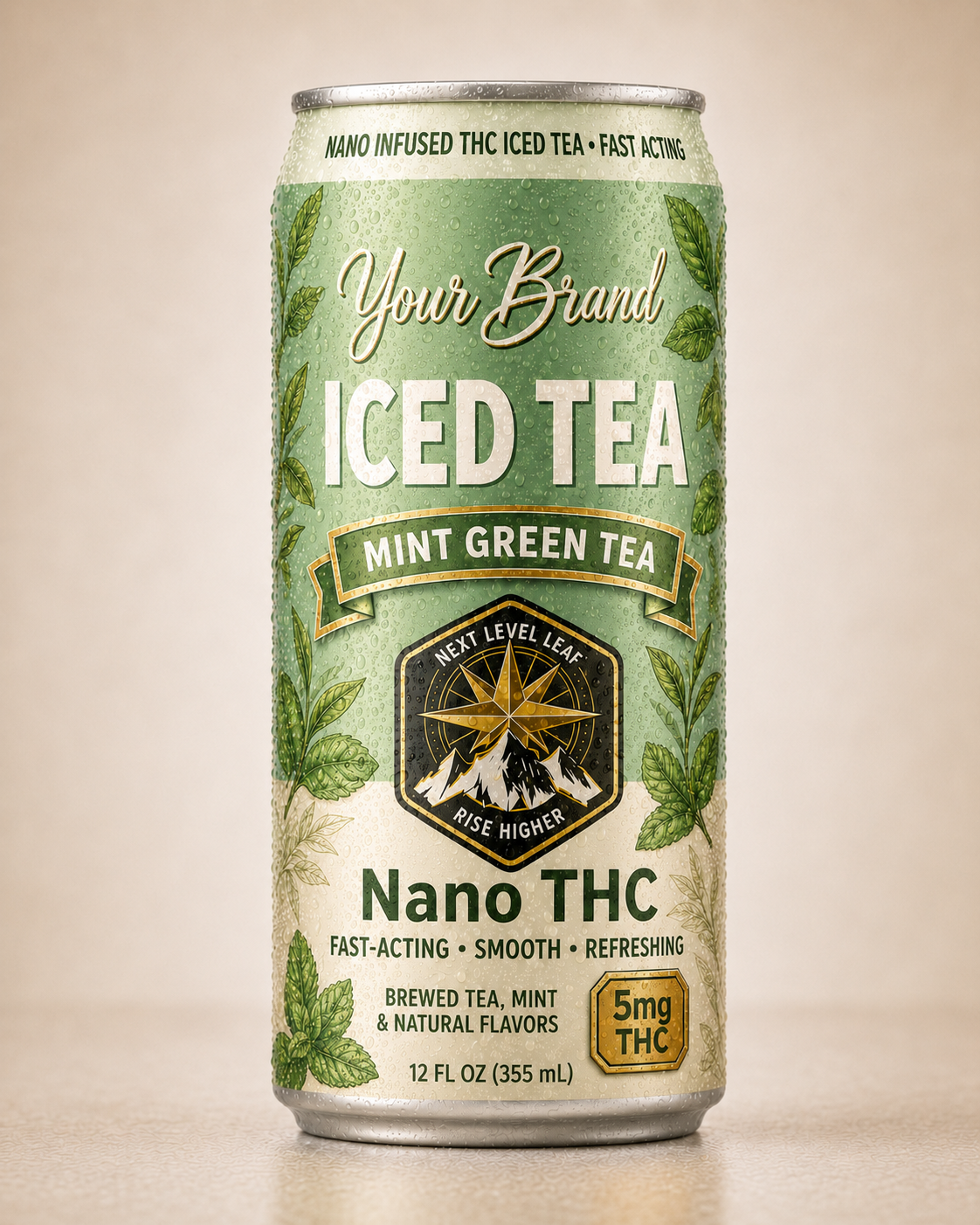 Green Tea
Mint green THC tea
Best when the brand wants a lighter, cleaner, more botanical tea direction.
- Premium feel
- Less sweet profile
- Wellness-adjacent positioning
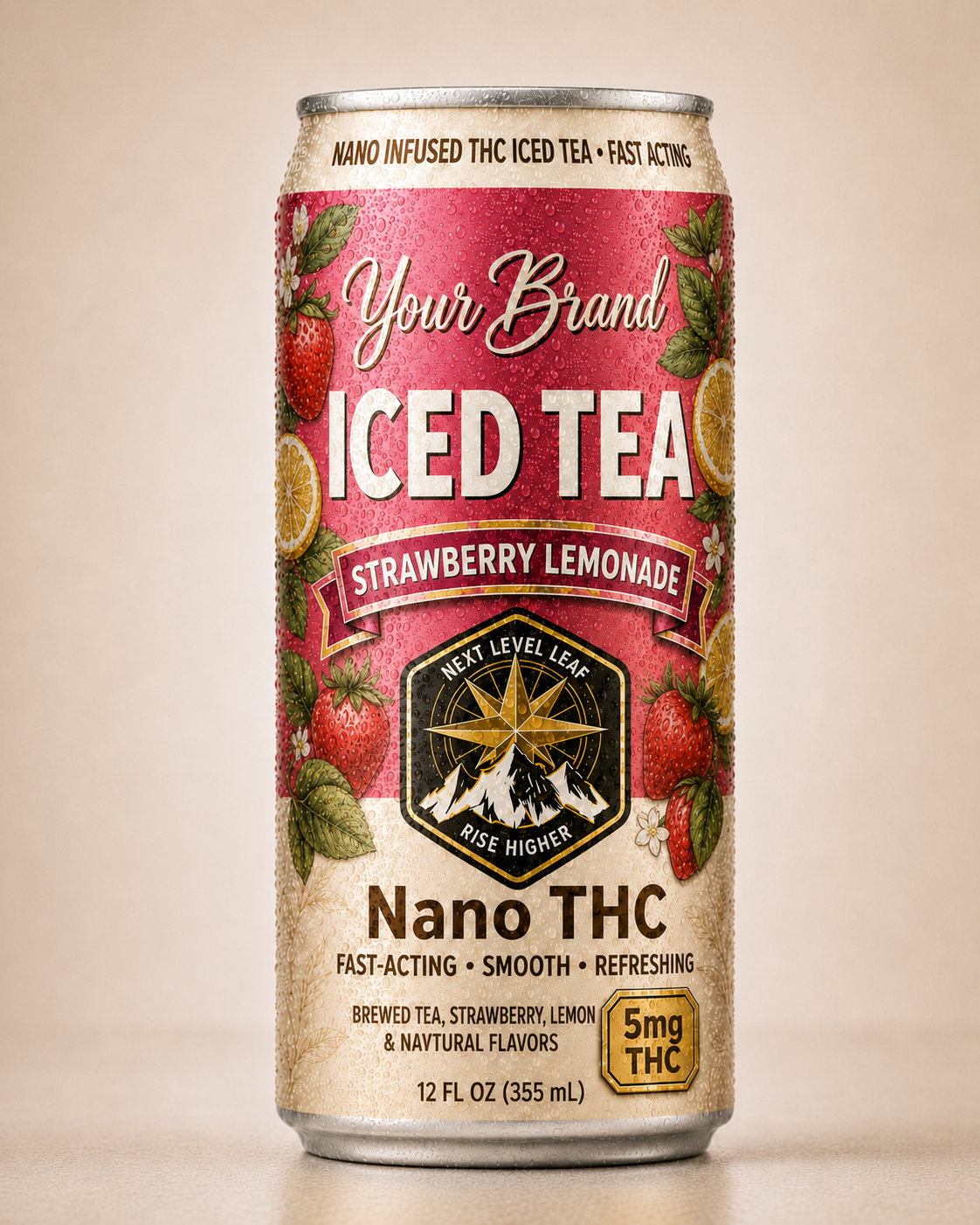 Hybrid
Strawberry lemonade THC tea
Best when the brand wants a bright tea-lemonade flavor with social and seasonal appeal.
- Easy first sip
- Strong summer fit
- Good social content angle
THC iced tea is not the same as homemade cannabis tea
When many people search for THC tea, they find content about homemade cannabis tea: decarboxylated flower, butter or coconut oil, tinctures, infused honey, and tea bags.
That is not the same as launching a commercial ready-to-drink THC iced tea. A beverage brand needs repeatable formulation, a defined dose, finished-product testing, batch-specific COAs, packaging, shelf-life planning, and manufacturing support.
The customer should not have to brew, mix, dose, or guess. They should be able to open the can and know what they are drinking.
Dose strategy changes the customer
A low-dose THC iced tea can feel approachable and sessionable. A 10mg THC iced tea may be familiar to many infused beverage shoppers. A higher-dose iced tea may appeal to more experienced THC consumers, but it can narrow the customer base and change the retail conversation.
The right dose should match the target customer and use occasion. If the goal is broader adoption, sampling, and repeat purchase, an approachable dose is often easier to work with.
If the brand is targeting experienced THC consumers, higher potency may make sense, but the packaging and customer education need to be very clear.
Still or sparkling THC iced tea?
Still THC iced tea feels closest to the traditional iced tea experience. It can work well for classic tea, sweet tea, lemon tea, peach tea, and tea lemonade concepts.
Sparkling THC tea feels lighter and more modern. It may fit brands that want a more refreshing, social, or alcohol-alternative direction.
Still THC iced tea
Best for classic iced tea, sweet tea, lemon tea, peach tea, and more traditional tea expectations.
Sparkling THC tea
Best for lighter, modern, more social tea concepts that need a crisp carbonated finish.
Flavor masking matters
Tea has natural bitterness, tannins, aroma, and acidity. Cannabinoid inputs can create additional flavor challenges. The finished product needs to taste like a real beverage, not a prototype.
Citrus, peach, berry, stronger tea notes, and the right sweetness level can all help create a more balanced product. The goal is not just to cover taste. The goal is to build a finished THC iced tea that people want to drink again.
Flavor is not just a marketing decision. It is part of formulation, sampling, customer adoption, and repeat purchase.
Packaging should make the product obvious
The can or bottle should make the product clear quickly: THC iced tea, flavor, dose, serving size, responsible-use language, and brand identity.
If a customer or retailer has to work too hard to understand the product, the sales path becomes harder.
Batch-specific COAs, finished-product testing, and clear dose communication also help support retailer confidence.
What to prepare before requesting a THC iced tea quote
You do not need a finished formula before reaching out, but the quote conversation is more useful when the product direction is clear.
- Tea base: black tea, green tea, herbal tea, or tea lemonade
- Flavor direction
- Target THC or cannabinoid dose
- Still or sparkling format
- Can or bottle preference
- Sweetness level and caffeine preference
- Packaging or label status
- Target states and sales channels
- Expected launch quantity
- White-label, private-label, or custom formulation path
The simplest recommendation
If you are launching THC iced tea for the first time, start with a flavor customers already understand: classic iced tea, lemon iced tea, peach iced tea, or tea lemonade.
After the first product proves demand, it becomes easier to expand into raspberry, mint green tea, strawberry lemonade, herbal tea, sparkling tea, or a wider lineup.
If you are ready to scope a THC iced tea product, complete the White Label Information Request.