


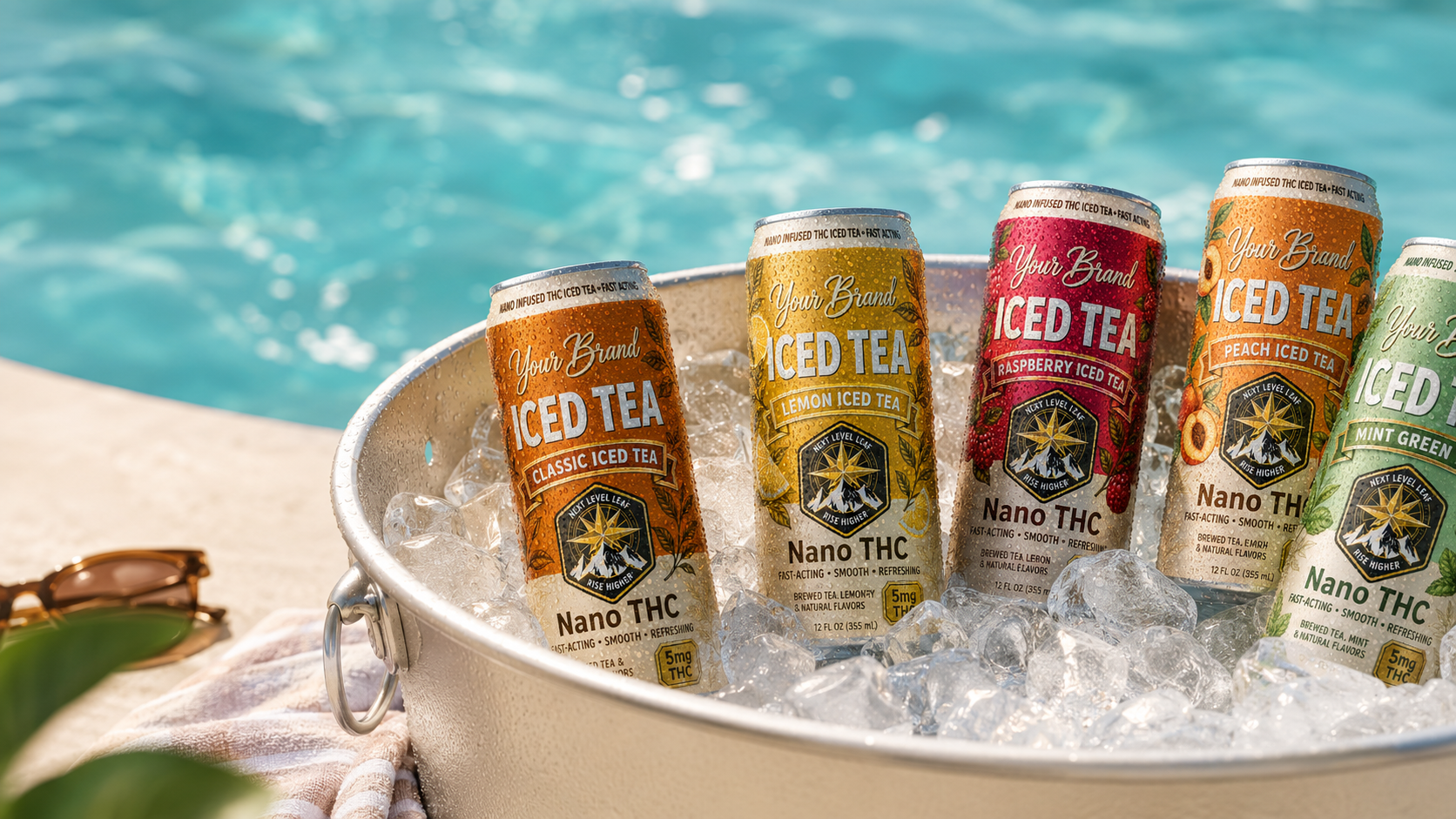
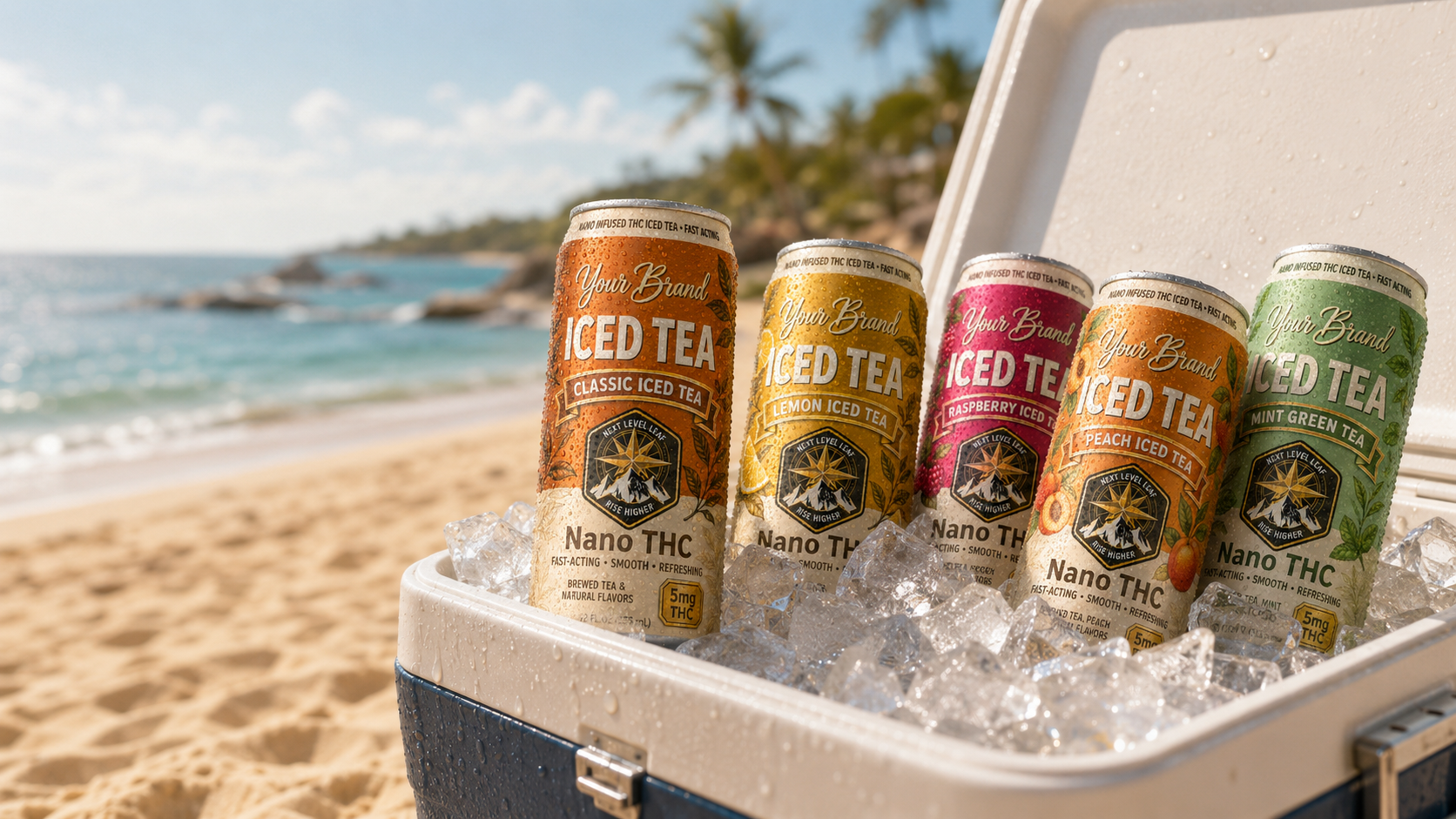
RTD THC tea is different from DIY cannabis tea
Most consumer articles about THC tea focus on homemade cannabis tea. They explain decarboxylated flower, fat sources, tinctures, infused honey, tea bags, and delayed edible-style effects.
That is useful for a home consumer, but it is not the same problem a beverage brand is trying to solve.
A ready-to-drink THC tea brand needs a consistent finished product. The can or bottle should have a defined flavor, measured dose, repeatable formulation, batch-specific documentation, and packaging that works in a retail or direct-sales environment.
DIY cannabis tea asks the customer to make the product. Ready-to-drink THC tea gives the customer a finished beverage they can understand, open, and drink.
Common RTD THC tea formats
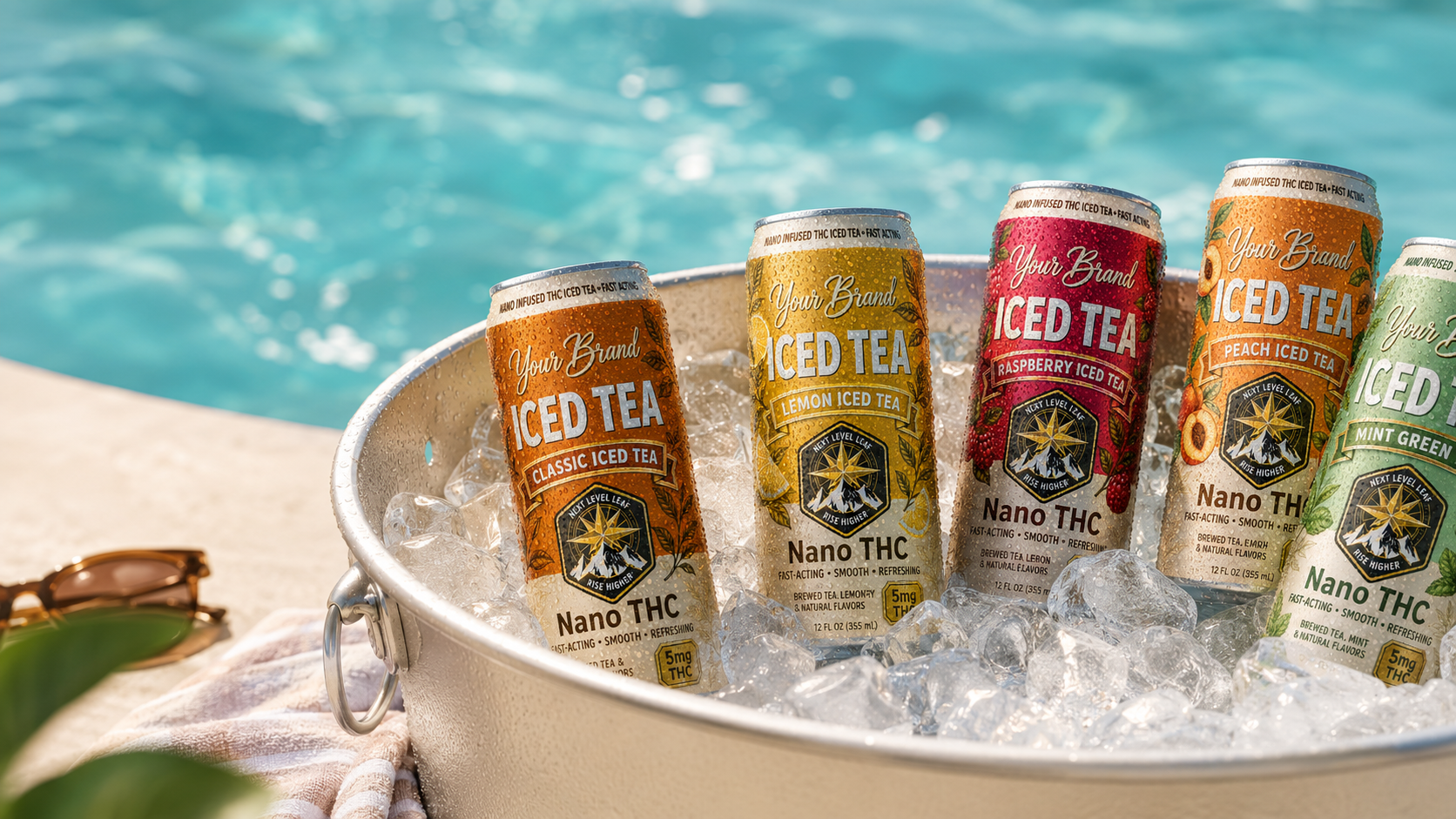
The best ready-to-drink THC tea format depends on the customer, use occasion, dose, flavor, sales channel, and packaging plan.
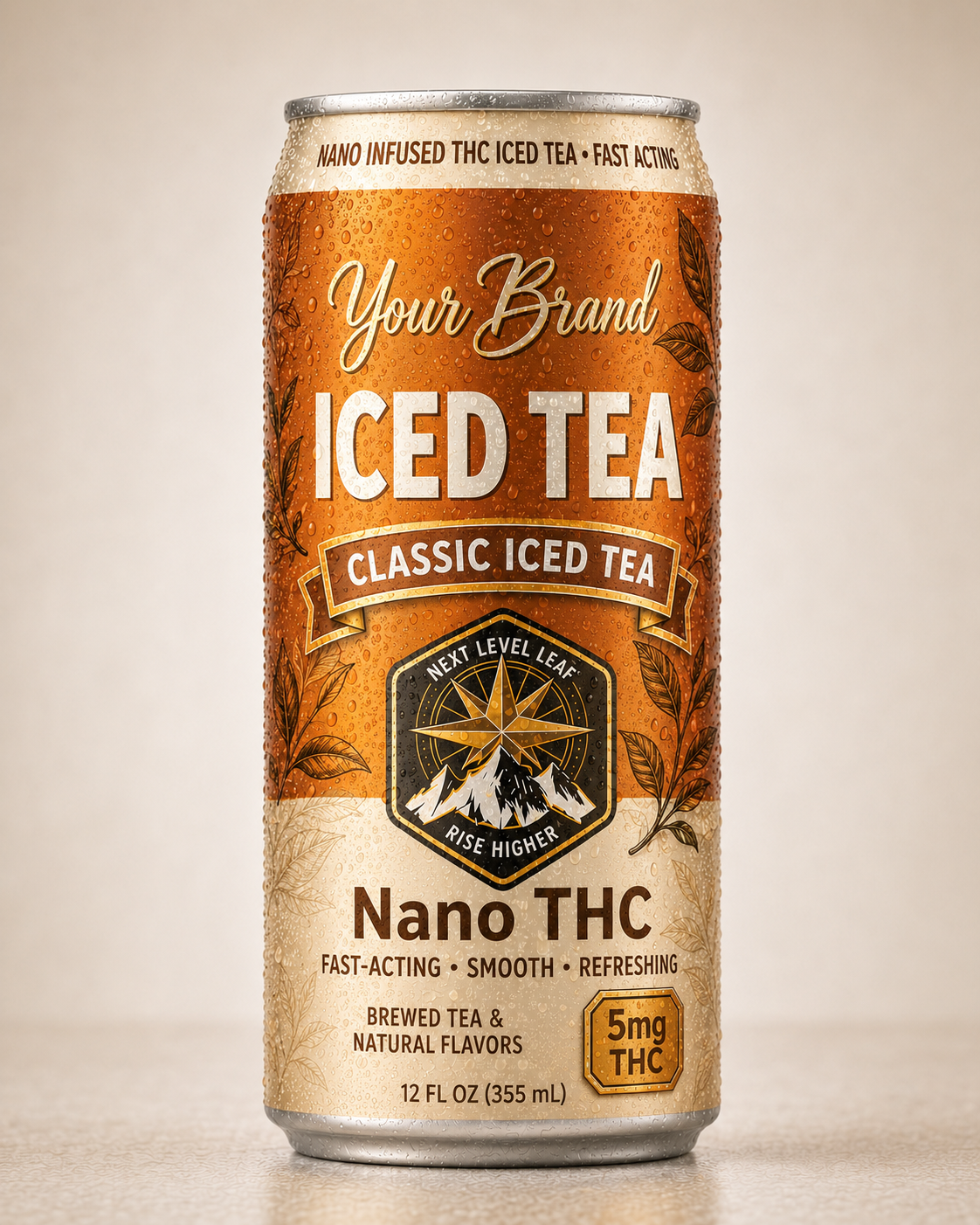 Classic
THC iced tea
A familiar starting point for a brand that wants the simplest tea story.
- Broad recognition
- Easy to explain
- Strong hero SKU candidate
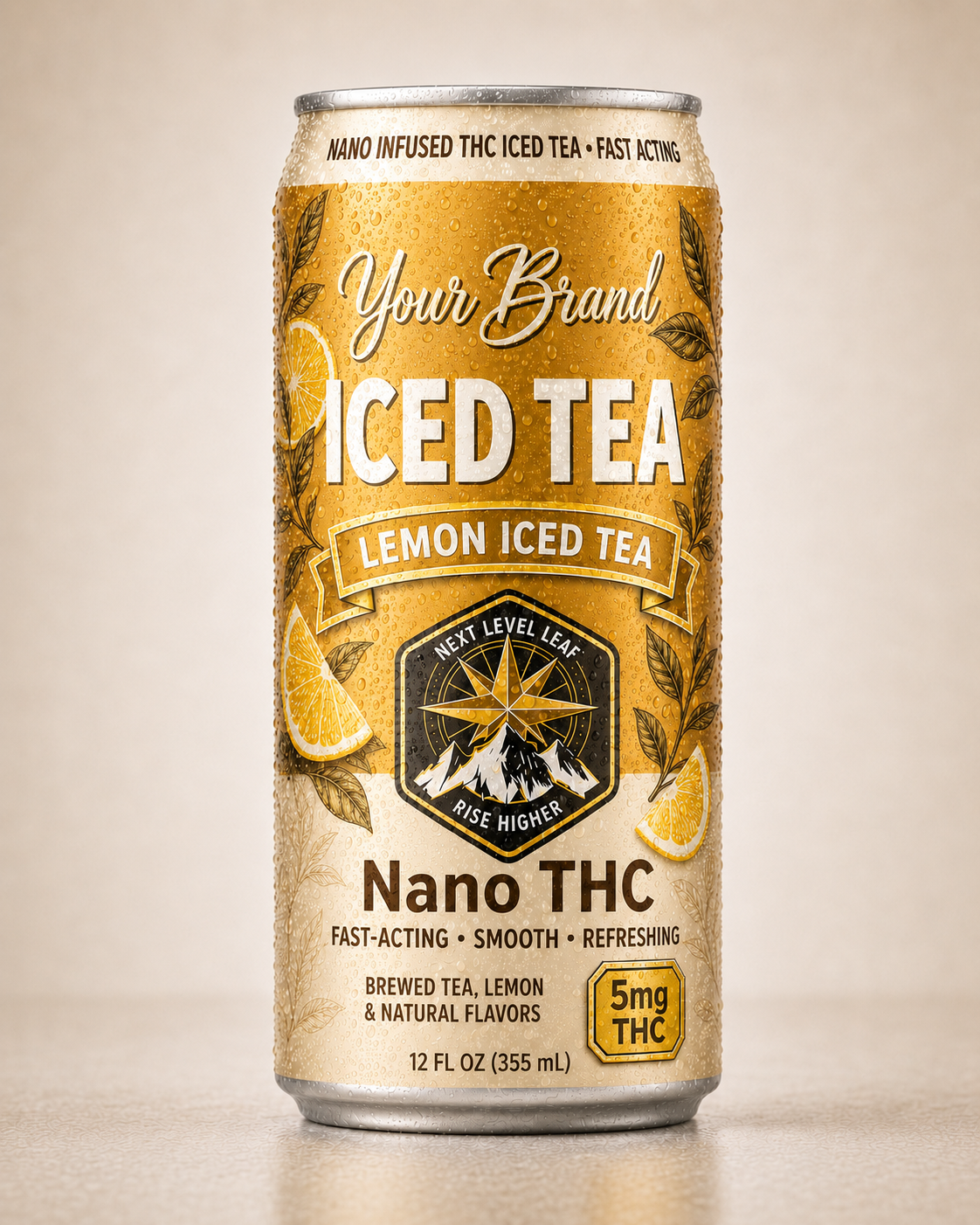 Citrus
Lemon THC tea
A bright, refreshing flavor that can help balance tea, sweetness, and cannabinoid taste.
- Easy sampling
- Warm-weather appeal
- Clean product story
 Fruit
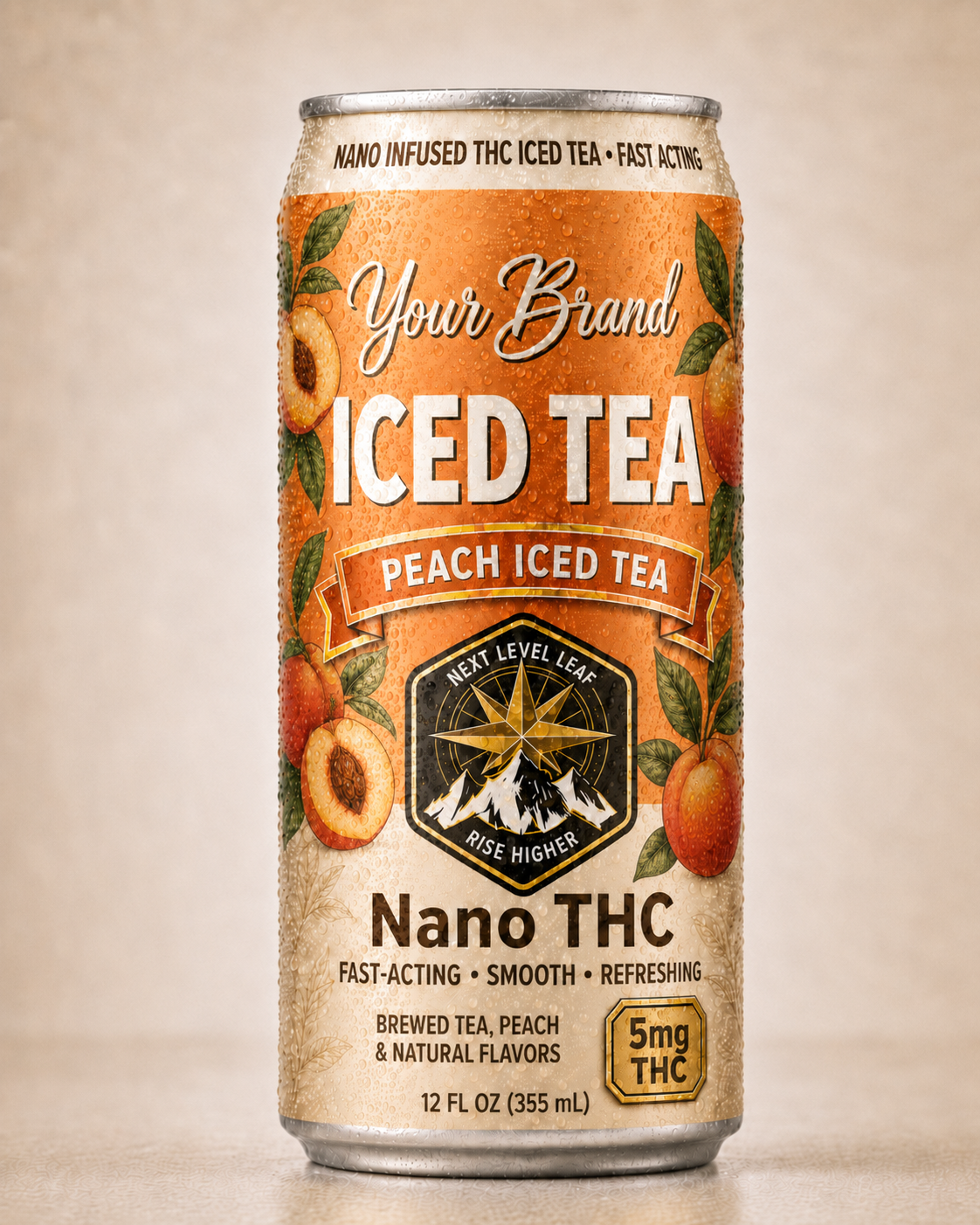
FruitPeach THC tea
A softer, familiar fruit-forward tea flavor that can feel approachable and retail-friendly.
- Familiar tea flavor
- Regional appeal
- Good lineup option
 Berry
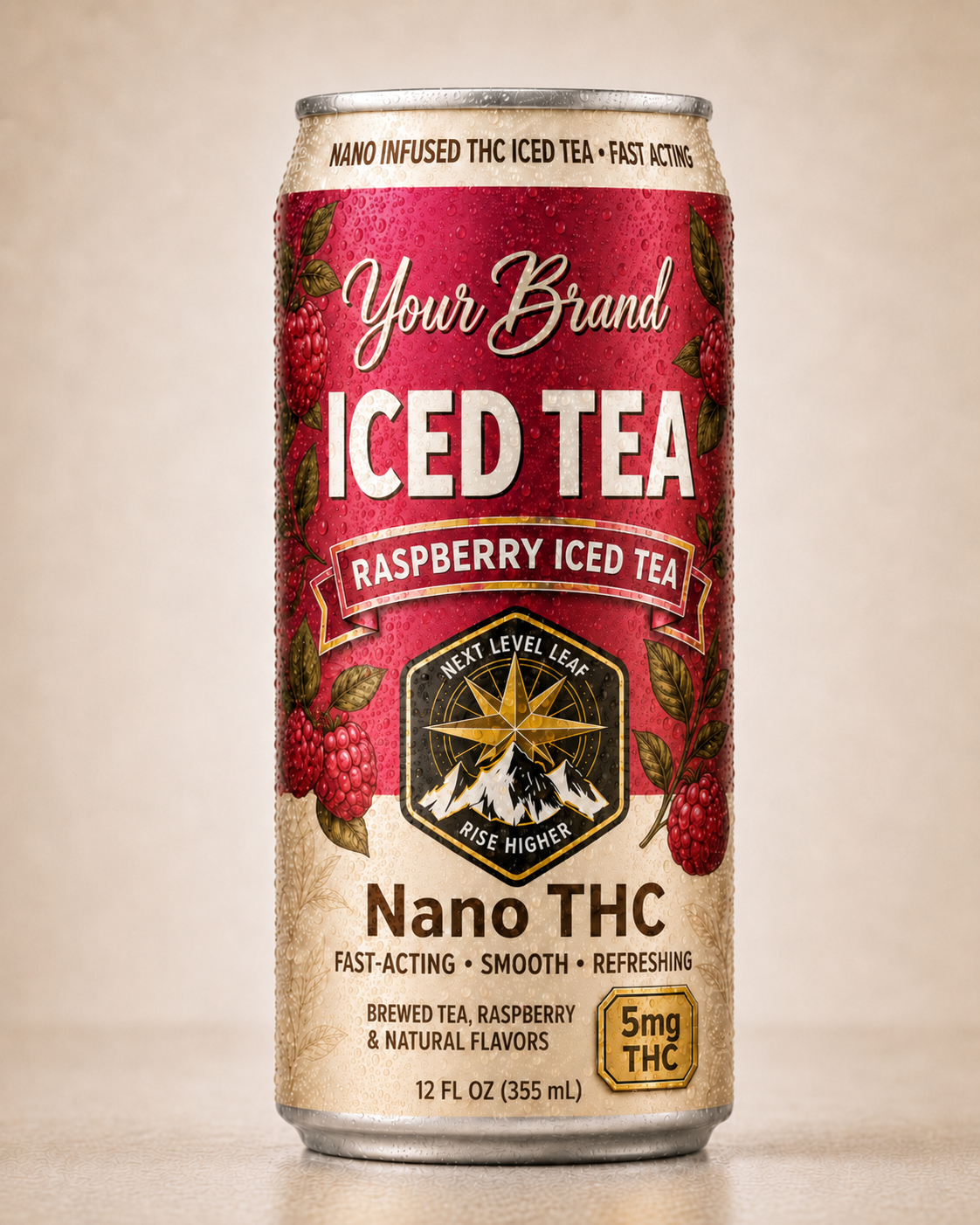
BerryRaspberry THC tea
A bolder berry direction for brands that want more visual and flavor intensity.
- Flavor-forward
- Good for variety packs
- Stronger shelf personality
 Botanical
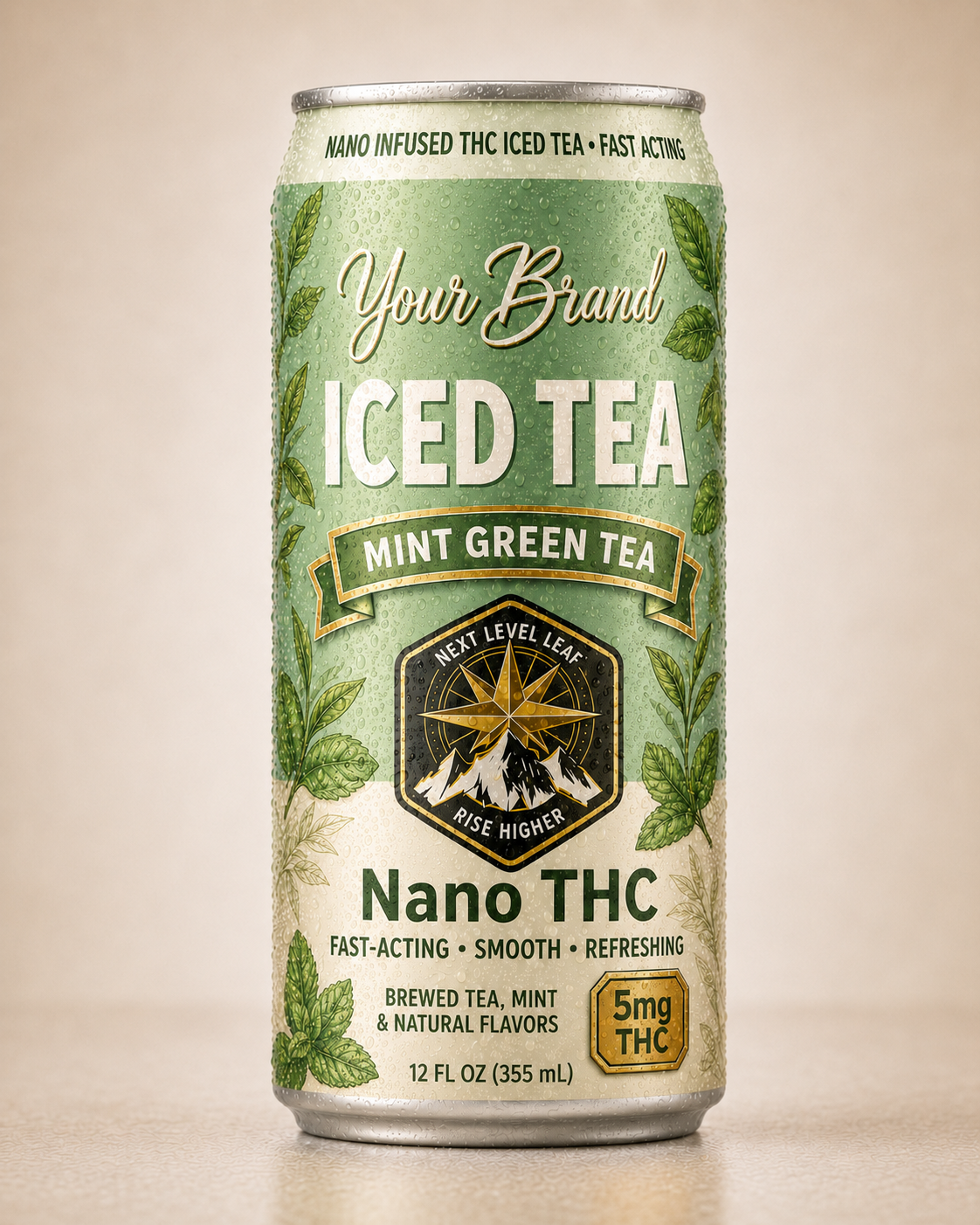
Mint green THC tea
A lighter tea direction that can feel more premium, botanical, or wellness-adjacent.
- Cleaner finish
- Less soda-like
- Premium tea feel
 Hybrid
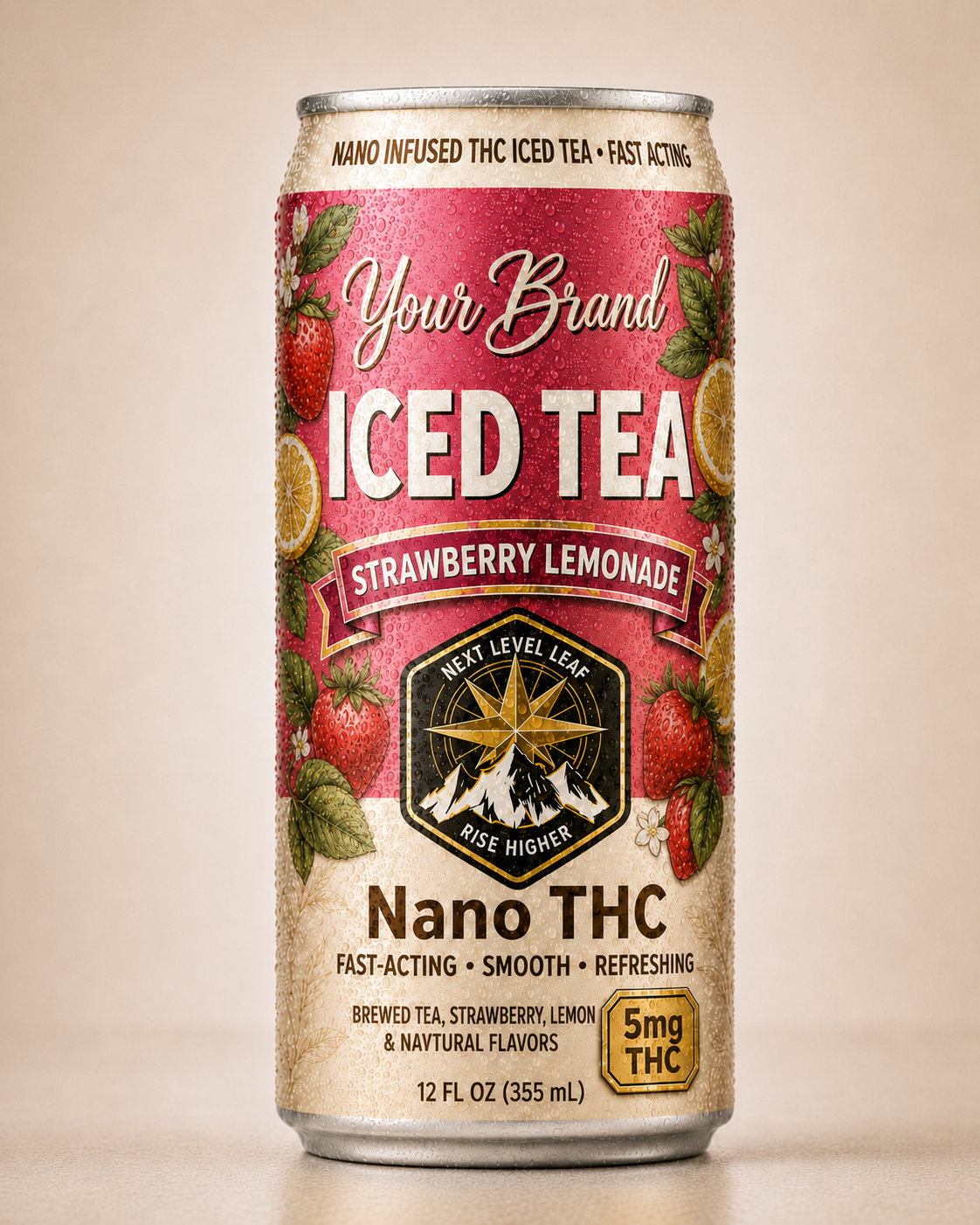
THC tea lemonade
A familiar tea-lemonade direction with strong warm-weather, social, and sampling potential.
- Bright and familiar
- Great first impression
- Strong social content fit
RTD tea bags, tinctures, and bottled tea are not the same product
When people search for THC tea, they often see several different product types: tea bags, tinctures added to brewed tea, infused honey, and ready-to-drink bottled or canned tea.
For a brand trying to launch a beverage line, ready-to-drink tea is a different business model. It does not rely on the customer preparing the beverage. It is designed to be purchased, stocked, chilled, sampled, displayed, and reordered like a finished beverage.
Tea bags
Require preparation and education. Better for hot tea rituals or pantry-style products than grab-and-go beverage retail.
Tinctures or infused honey
Flexible but customer-mixed. The final taste and dose experience depends on how the customer uses the product.
Ready-to-drink THC tea
Finished product. The brand controls the flavor, dose, packaging, serving size, documentation, and customer experience.
Dose strategy should fit the product occasion
Ready-to-drink THC tea can be built around lower-dose, moderate-dose, or stronger THC formats. The right dose depends on the target customer and channel.
A low-dose THC iced tea may feel more approachable and repeatable. A 10mg tea may be familiar for many THC beverage shoppers. Higher-dose products may appeal to experienced THC consumers, but they can narrow the market and require more careful positioning.
If the goal is broad retail adoption, dose should support sampling, customer comfort, and repeat purchase.
Cans vs bottles for ready-to-drink THC tea
RTD THC tea can be sold in bottles or cans depending on the manufacturing path, branding, shelf life, retail channel, and product identity.
Cans can feel modern, scalable, lightweight, and retail-friendly. Bottles can feel more traditional for iced tea, but may create different packaging, shipping, and production considerations.
The right choice should be made around production fit, customer expectation, margin, shipping, and brand positioning — not just aesthetics.
Canned RTD THC tea
Often a strong fit for scalable beverage launches, cooler placement, outdoor occasions, and modern infused beverage positioning.
Bottled RTD THC tea
Can fit traditional iced tea expectations, but may require different packaging, freight, retail, and shelf-life planning.
Finished-product testing and COAs are part of the product
RTD THC tea should be supported by professional testing and documentation. That includes cannabinoid accuracy, batch-specific COAs, and clear packaging information.
This matters because retailers, distributors, and serious buyers want to understand what is in the product and how it is documented.
Testing and COAs also help separate a commercial beverage brand from homemade cannabis tea content online.
What a brand should decide before requesting a quote
You do not need a finished formula before reaching out, but you should be able to describe the product direction clearly.
- Tea format: classic iced tea, lemon tea, peach tea, raspberry tea, mint green tea, tea lemonade, herbal tea, or sparkling tea
- Target THC or cannabinoid dose per can
- Still or sparkling format
- Can or bottle preference
- Sweetness level and flavor direction
- Caffeine preference
- Packaging or label status
- Target states and sales channels
- Expected launch volume
- White-label, private-label, or custom formulation path
If your goal is a retail-ready THC tea brand, the quote conversation should focus on finished-product manufacturing, not DIY cannabis tea methods.
The simplest recommendation
If you are building your first ready-to-drink THC tea, start with a familiar format: classic iced tea, lemon iced tea, peach tea, or tea lemonade. These are easier for customers to understand and easier for retailers to explain.
Once the first product is clear, the brand can expand into raspberry, mint green tea, herbal tea, sparkling tea, THC+CBD ratios, or a wider flavor lineup.
If you are ready to scope a ready-to-drink THC tea product, complete the White Label Information Request.