

Start with the customer, not the flavor list
It is easy to start an infused tea project by brainstorming flavors. Classic iced tea, lemon, peach, raspberry, mint green tea, strawberry lemonade, hibiscus, and herbal blends can all sound good.
But the stronger starting point is the customer. Who are you trying to reach? Are they new to THC beverages? Are they already buying hemp beverages? Are they looking for a low-dose alcohol alternative? Are they a tea drinker first, or are they a cannabis customer looking for a new format?
Once the customer is clear, the format, flavor, dose, packaging, and retail channel become much easier to decide.
A strong infused tea brand should be easy to explain: “a low-dose iced tea lemonade,” “a classic THC sweet tea,” “a peach green tea with measured THC,” or “a caffeine-free herbal THC tea for a calmer evening occasion.”
Choose the tea occasion first
Tea is useful because it can fit more than one drinking occasion. It can feel light, refreshing, familiar, functional, social, or relaxing depending on the formula and the brand.
 Everyday
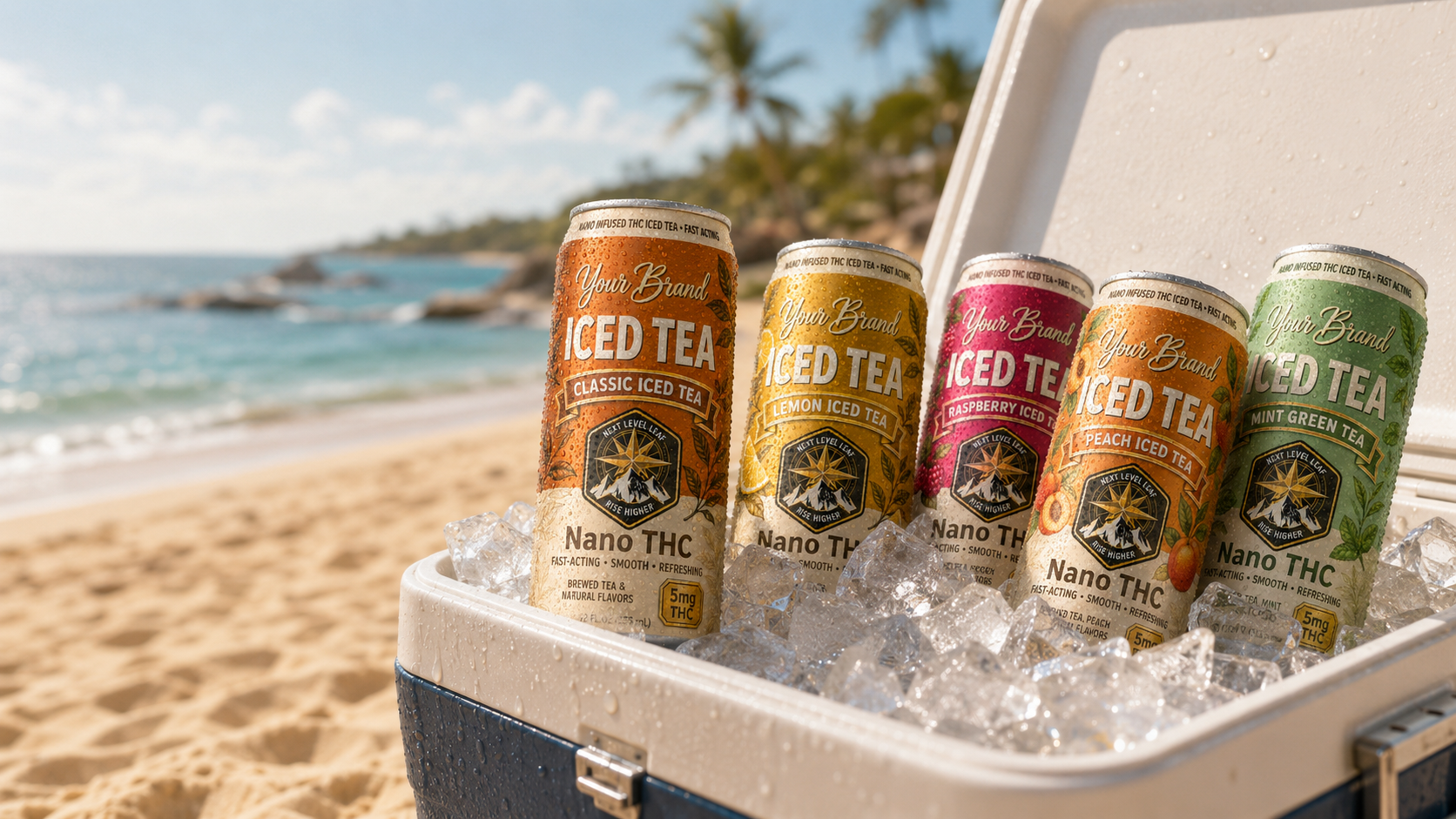
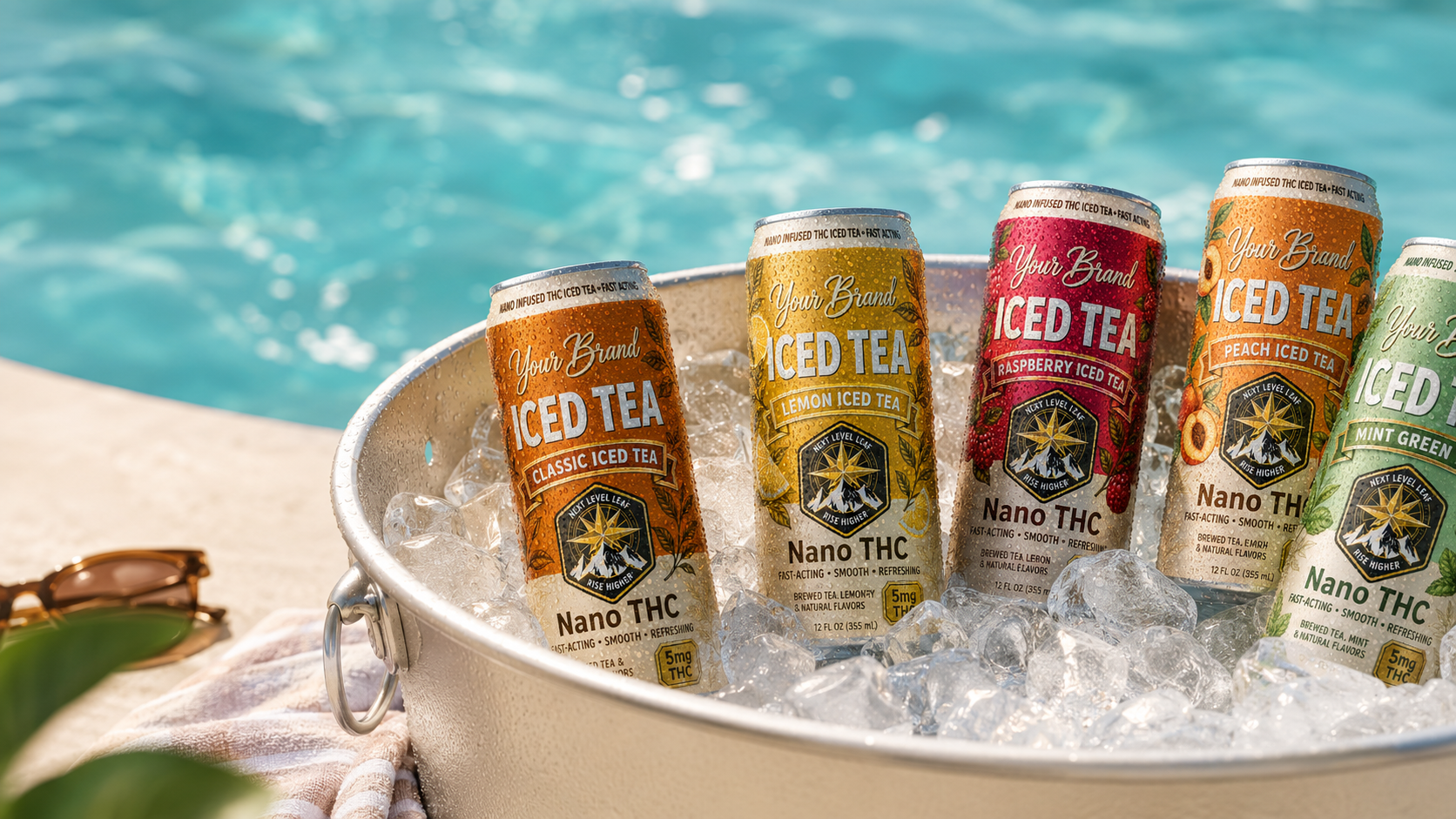
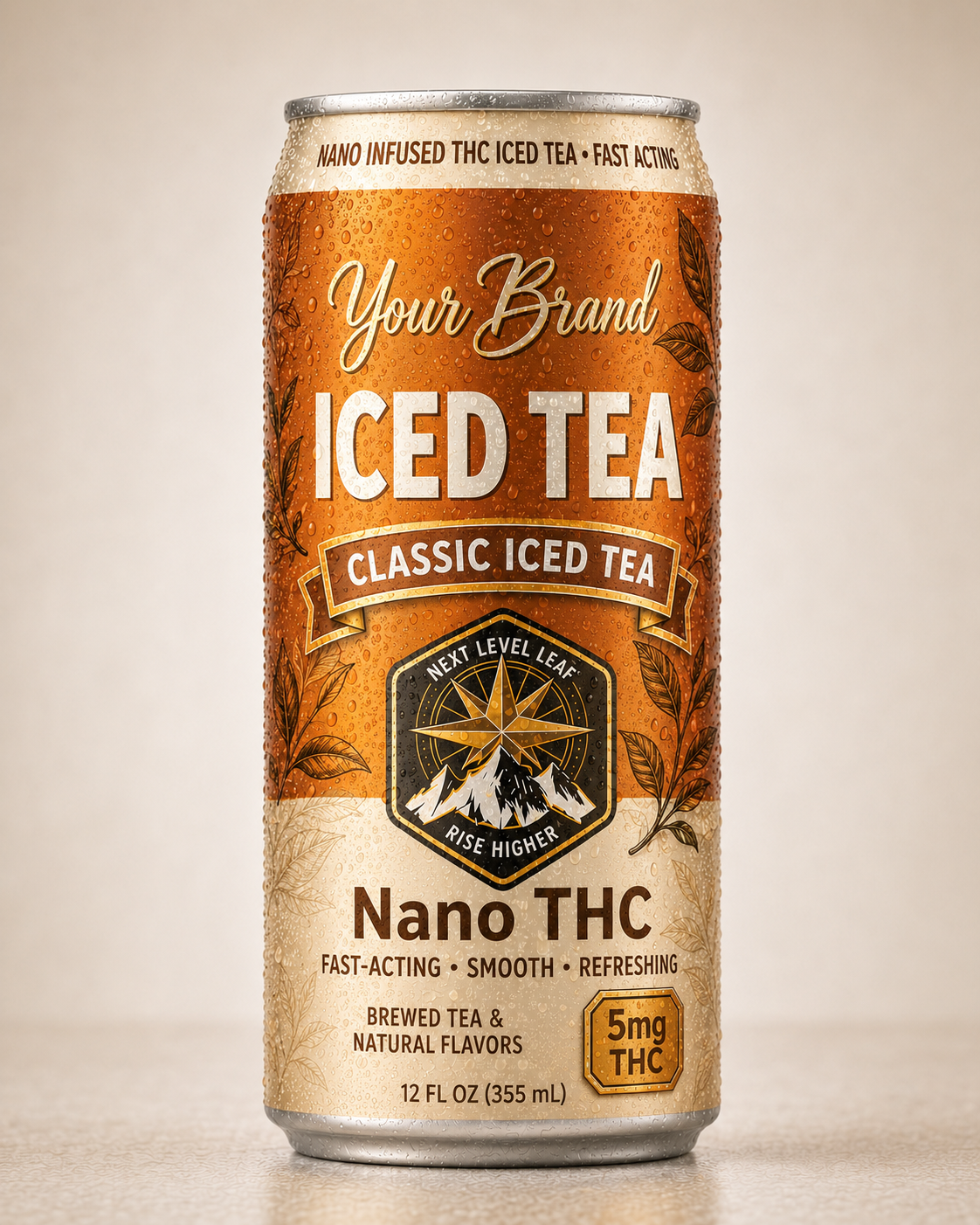
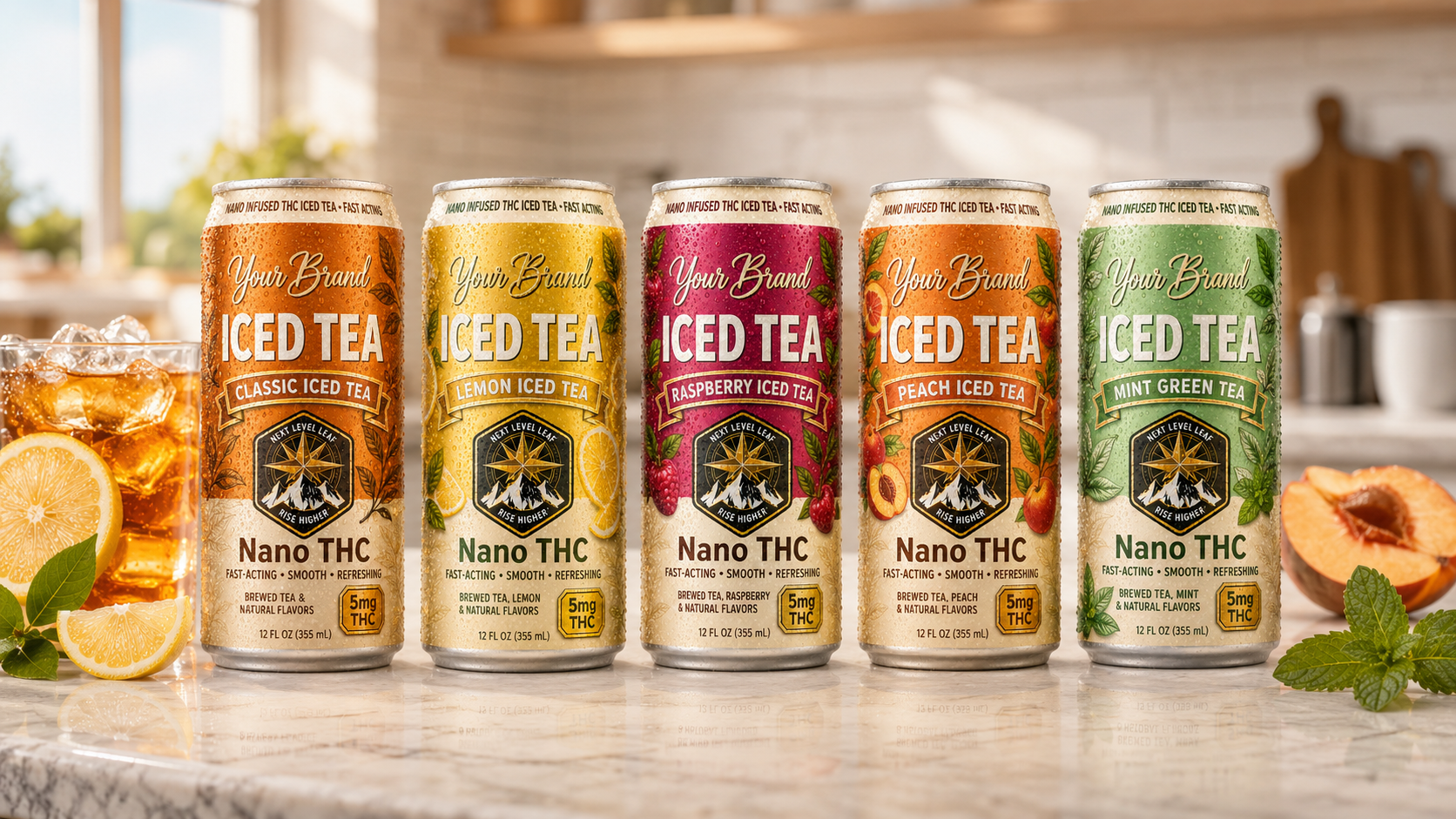
Classic iced tea
Best when you want a familiar product customers understand immediately.
 Refreshing
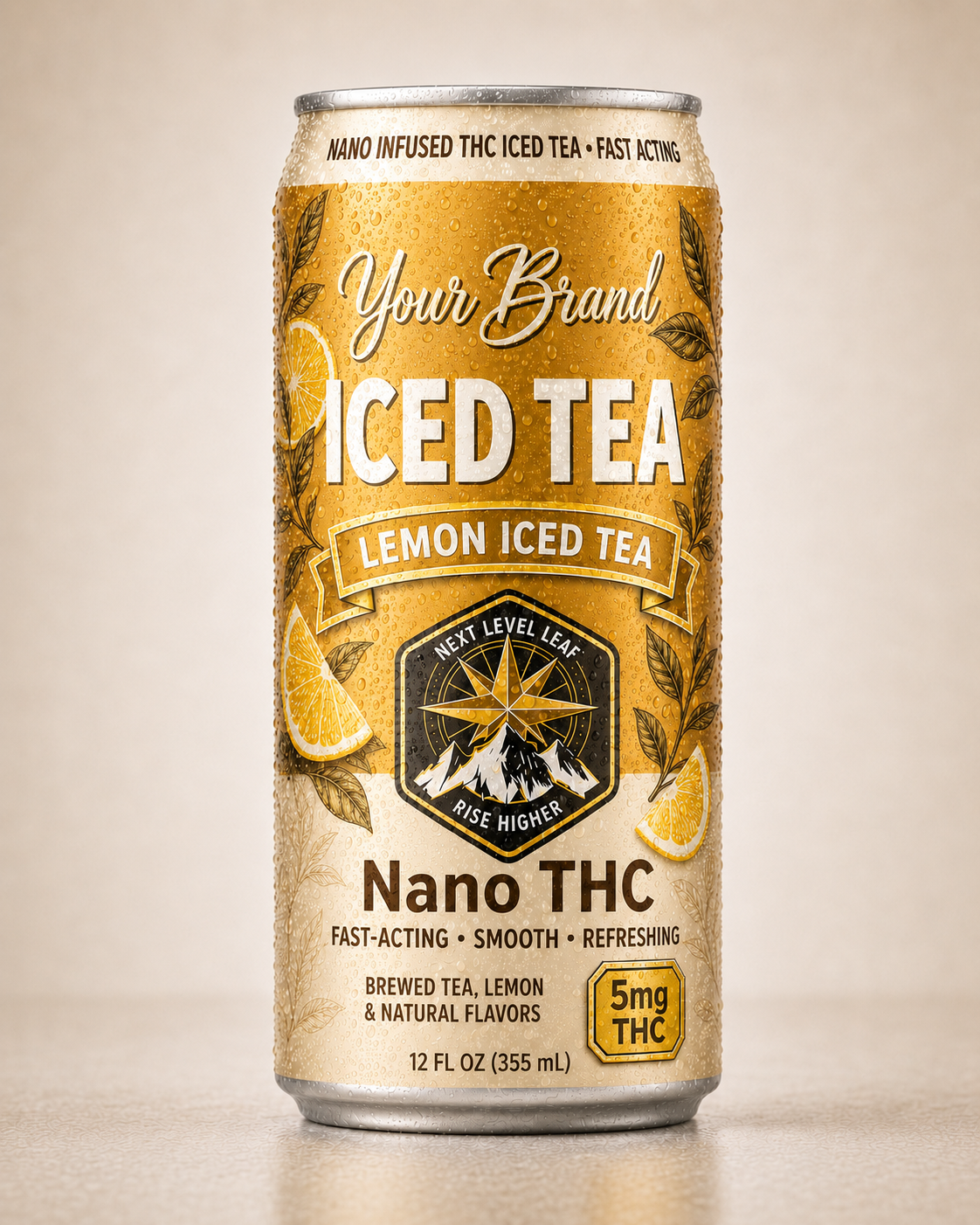
Lemon tea
Best when you want bright, clean flavor that feels easy to sample and explain.
 Approachable
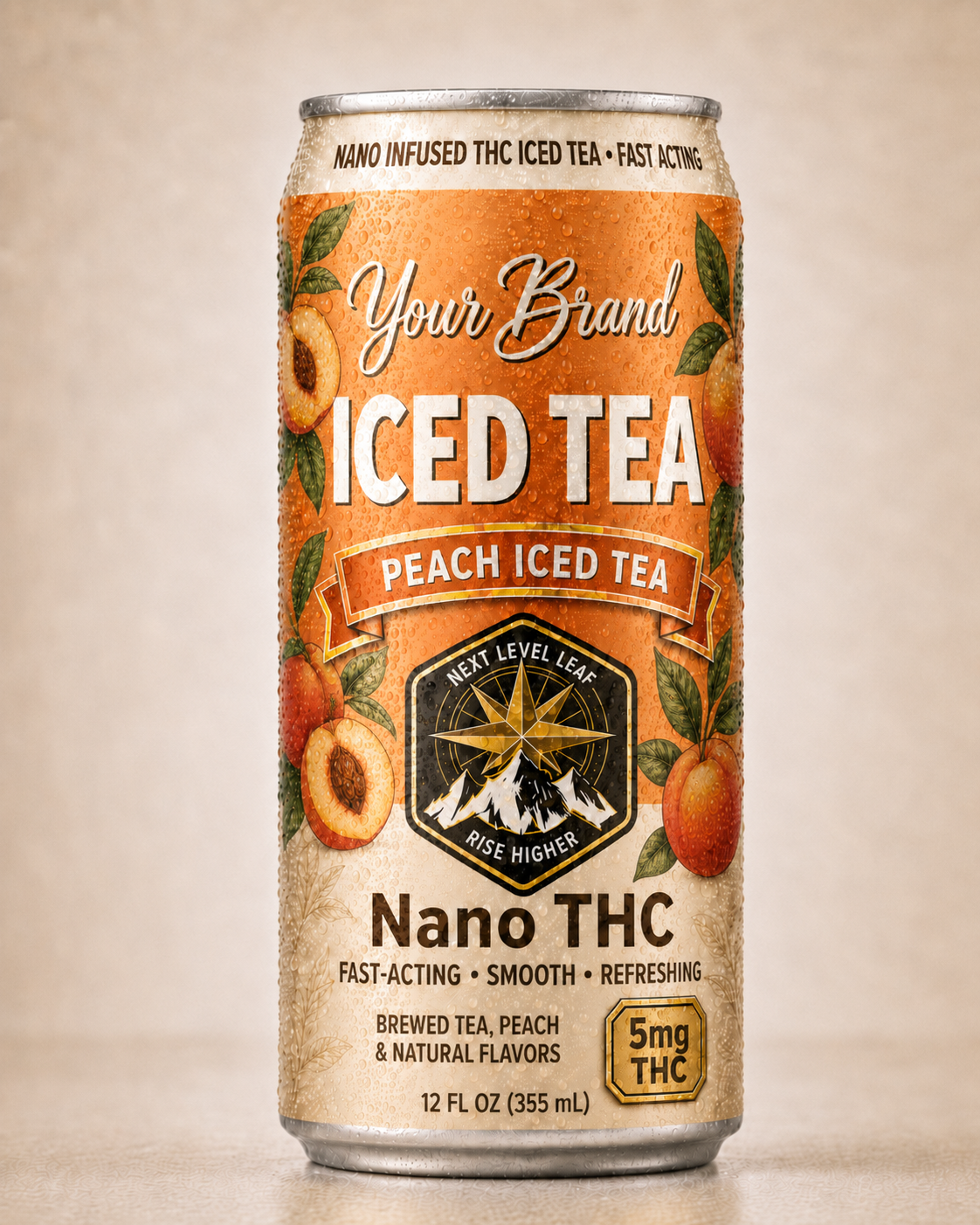
Peach tea
Best when you want a softer, fruit-forward flavor with broad recognition.
 Bold
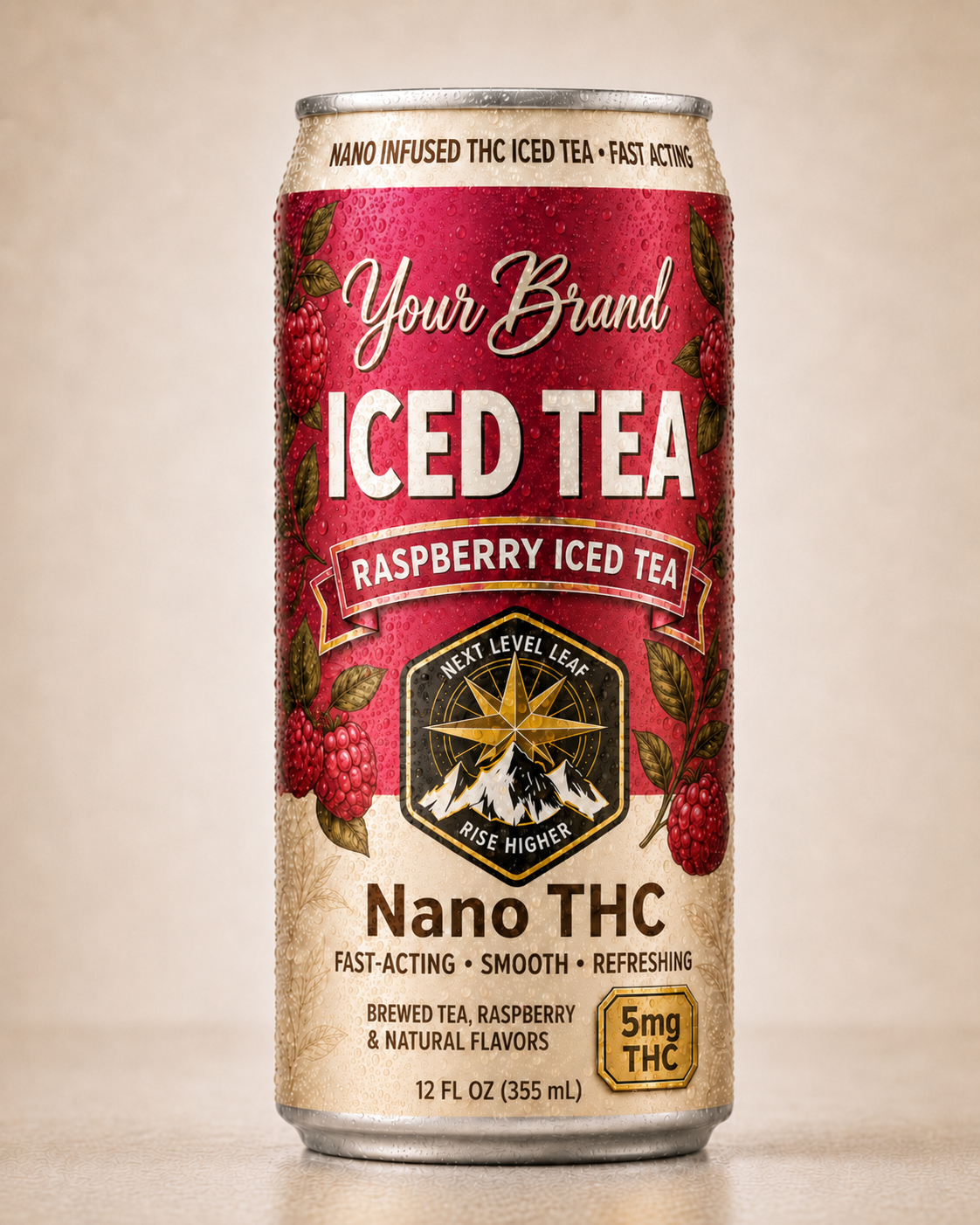
BoldRaspberry tea
Best when you want a stronger berry profile that can support a flavor-forward product line.
 Light
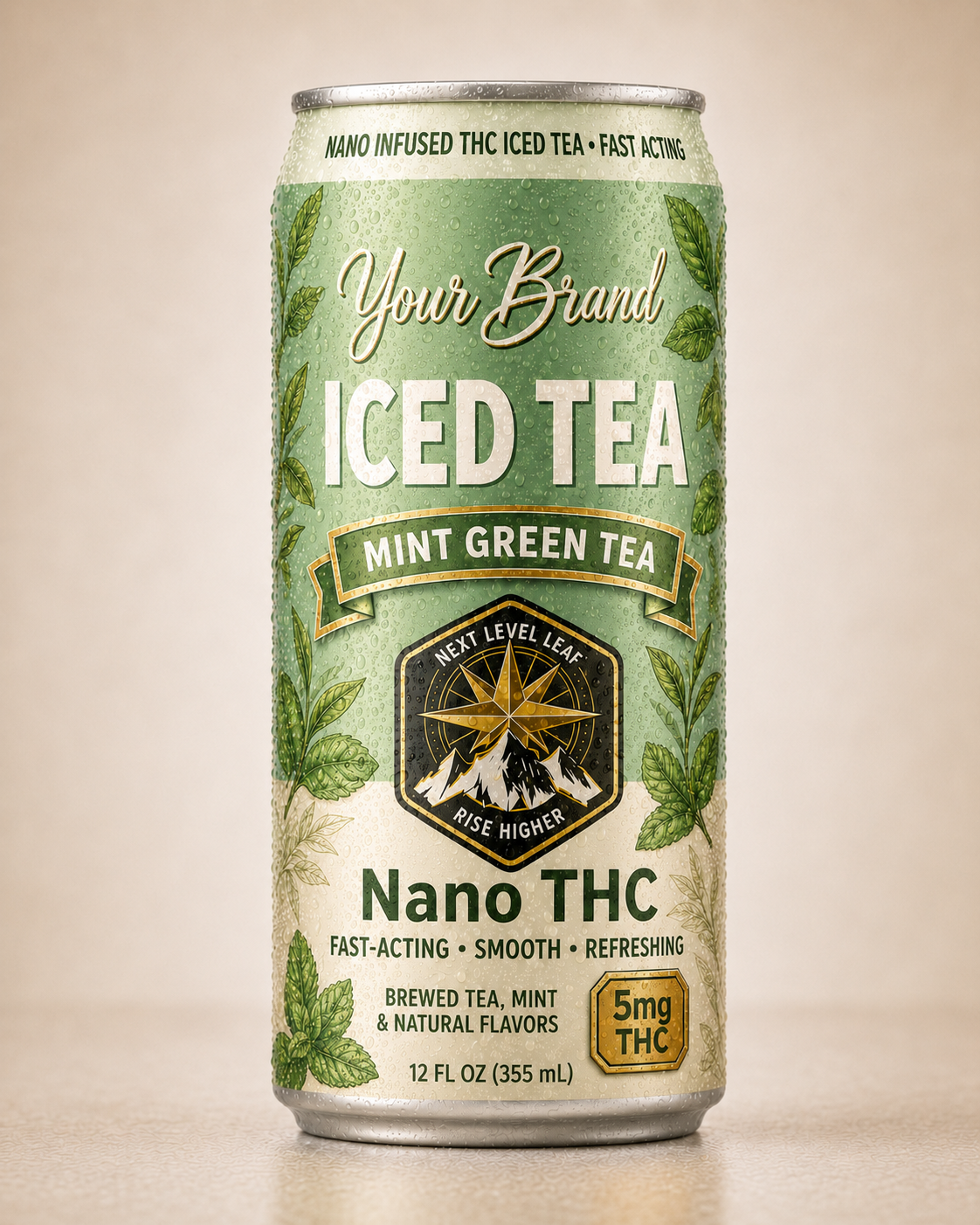
LightMint green tea
Best when you want a lighter, more botanical tea direction with a premium feel.
 Hybrid
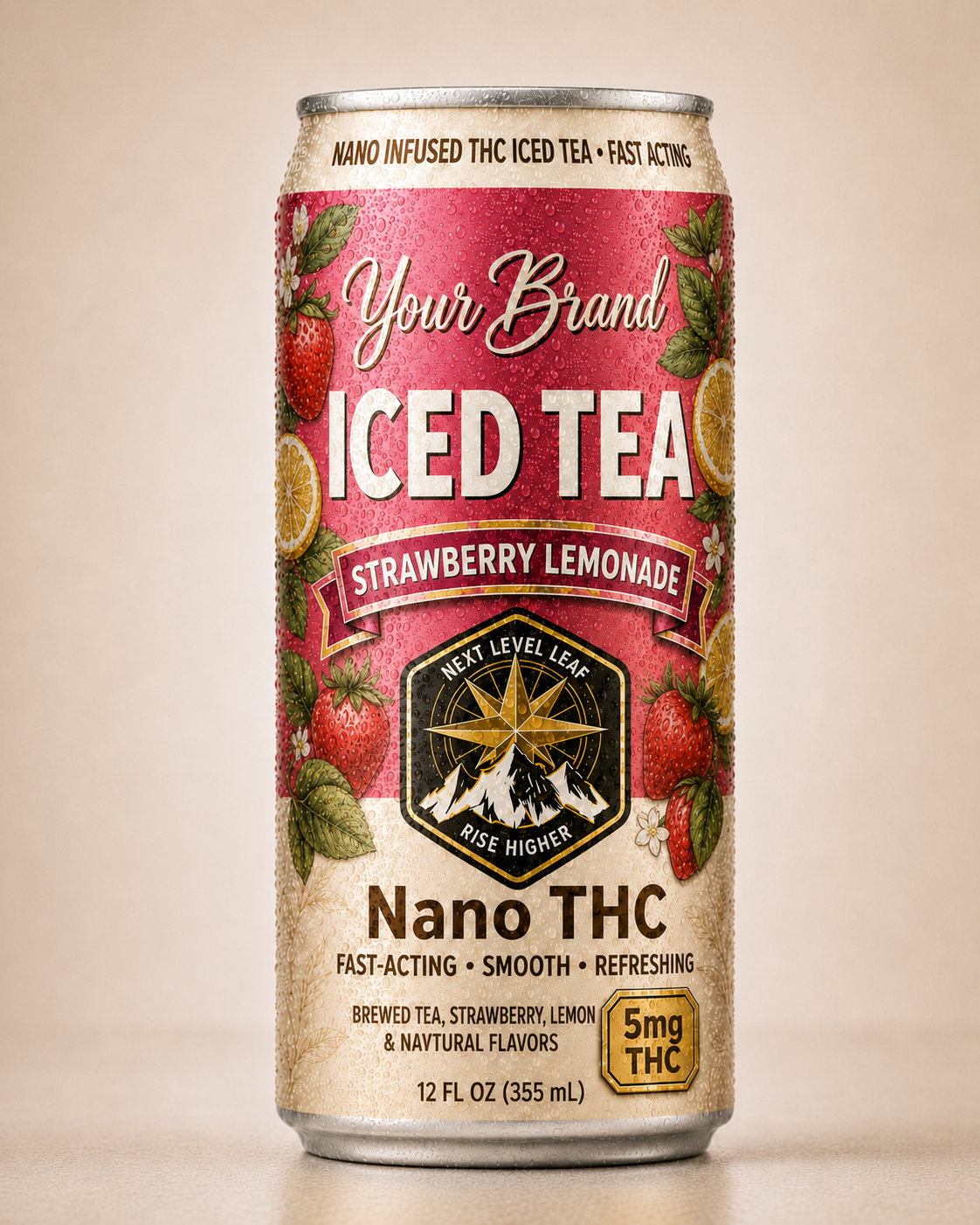
Strawberry lemonade tea
Best when you want a bright tea-lemonade hybrid that feels familiar and seasonal.
Decide whether your first product should be one SKU or a small lineup
A full lineup can look exciting, but it also adds complexity. More flavors can mean more artwork, more formulation work, more inventory decisions, more sales explanation, and more risk if the market has not validated the concept yet.
For many brands, the smartest first step is one strong hero SKU or a small lineup of two or three flavors. Once the product proves demand, the next run can expand with more confidence.
One hero SKU
Best when the brand wants to move faster, keep launch costs tighter, and focus all sales energy around one clear product.
Small flavor lineup
Best when the brand needs shelf presence, sampler appeal, or a multi-flavor launch for retail conversations.
Dose strategy is part of brand strategy
THC dose is not just a formulation decision. It affects who buys the product, when they drink it, how often they reorder it, how easy it is to explain in retail, and how the brand fits the market.
A lower-dose THC tea may be more approachable for newer customers and more suitable for repeat-use beverage behavior. A higher-dose THC tea may appeal to more experienced THC consumers, but it can narrow the audience and change the sales channel.
The right question is not simply “How strong can we make it?” The better question is “What dose fits the customer we want to serve and the occasion we want to own?”
For a broader beverage audience, low-dose or approachable-dose tea concepts may be easier to sample, explain, and sell than a high-dose niche product.
Packaging has to explain the product quickly
Infused tea packaging should make the product easy to understand at a glance. The customer should be able to see the flavor, tea format, THC amount, and adult-use positioning without needing a long explanation.
Retailers also need clarity. If a store employee cannot explain the product in one sentence, the sales path becomes harder.
Adult-oriented packaging, batch-specific COAs, finished-product testing, and clear dose communication can help support trust and make the brand feel more professional.
Retail strategy should shape the product
An infused tea made for smoke shops, hemp retailers, beverage stores, events, or direct-to-customer sampling may not need the exact same strategy.
If the product is going into retail coolers, the can needs shelf appeal and a clear reason to pick it up. If the product is sold through direct outreach or local accounts, sampling and education may matter more. If the product is built for a distributor conversation, documentation, margins, and reorder potential become even more important.
Retail cooler strategy
Prioritize immediate flavor clarity, visual shelf appeal, clear THC dosing, and a short product story.
Sampling strategy
Prioritize approachable flavor, moderate dosing, easy explanation, and strong first-impression taste.
Distributor strategy
Prioritize documentation, pricing logic, case configuration, account fit, and evidence that the product can move.
Do not overbuild the first formula
It can be tempting to add THC, CBD, CBG, adaptogens, nootropics, botanicals, vitamins, mushrooms, electrolytes, and several flavor notes into one tea. That may sound differentiated on paper, but it can become difficult to explain and harder to formulate well.
Functional ingredients can be valuable when they support the product promise. They should not make the beverage feel like a confusing supplement panel.
For most first launches, a clear tea format with a clear dose and strong flavor is more commercially useful than an overbuilt formula.
What to clarify before requesting a quote
You do not need a finished brand strategy deck before reaching out. But the more clearly you describe the product, the more useful the quote conversation will be.
- Target customer and use occasion
- Tea format: classic, sweet tea, lemon tea, peach tea, green tea, herbal tea, tea lemonade, or sparkling tea
- Target THC dose per can
- Flavor direction and sweetness level
- Still or carbonated format
- Packaging or label status
- Target states or sales channels
- Expected launch volume
- White-label, private-label, or custom formulation path
The simplest recommendation
If you are building an infused tea brand, start with a product your customer can understand quickly. Classic iced tea, lemon tea, peach tea, iced tea lemonade, or mint green tea can all create a strong starting point depending on the customer and sales channel.
Once the first product direction is clear, it becomes much easier to scope flavor, dose, manufacturing, testing, COAs, packaging, MOQ, and launch timing.
If you are ready to scope the project, complete the White Label Information Request.