

Why onset and dosing matter for THC tea brands
When customers buy THC tea, they are not only buying flavor. They are buying an expected experience. Dose, onset, serving size, and package communication all shape whether that experience feels positive, predictable, and worth buying again.
For a brand, dose strategy affects much more than the formula. It affects who the product is for, how retailers explain it, how easily people sample it, and whether the product supports repeat purchase.
A beverage that is too strong for the target customer may create hesitation. A dose that is too low for the intended customer may feel underwhelming. The goal is alignment.
The right THC tea dose is the dose that matches the customer, occasion, channel, and reorder behavior you want to create.
Common THC tea dose directions
There is no single perfect THC tea dose. The best dose depends on the market and the customer.
 Approachable
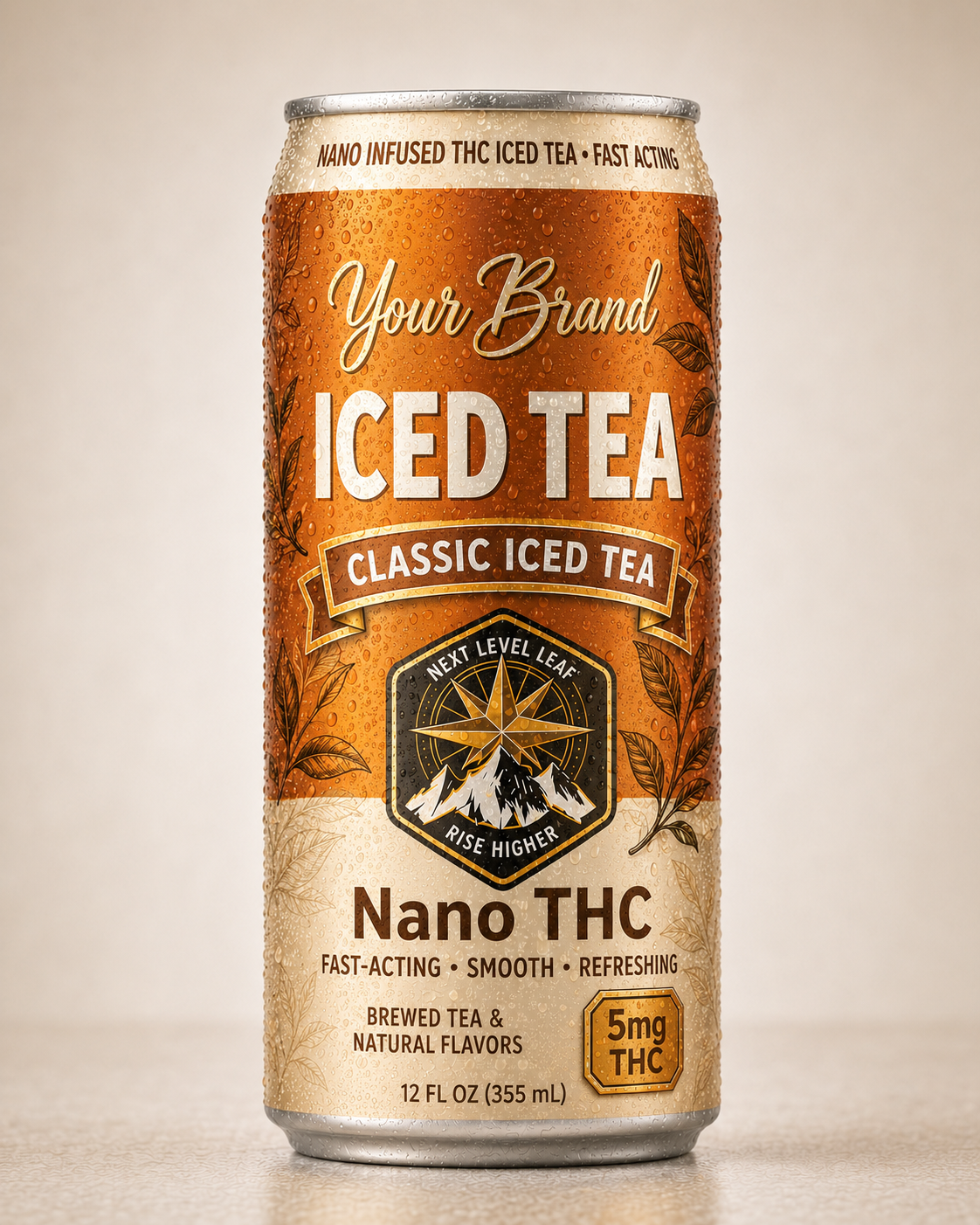
Low-dose THC tea
Best when the brand wants easy sampling, broad appeal, and a lower-friction first experience.
- Good for newer consumers
- Supports social sipping
- Potentially more repeatable
 Mainstream
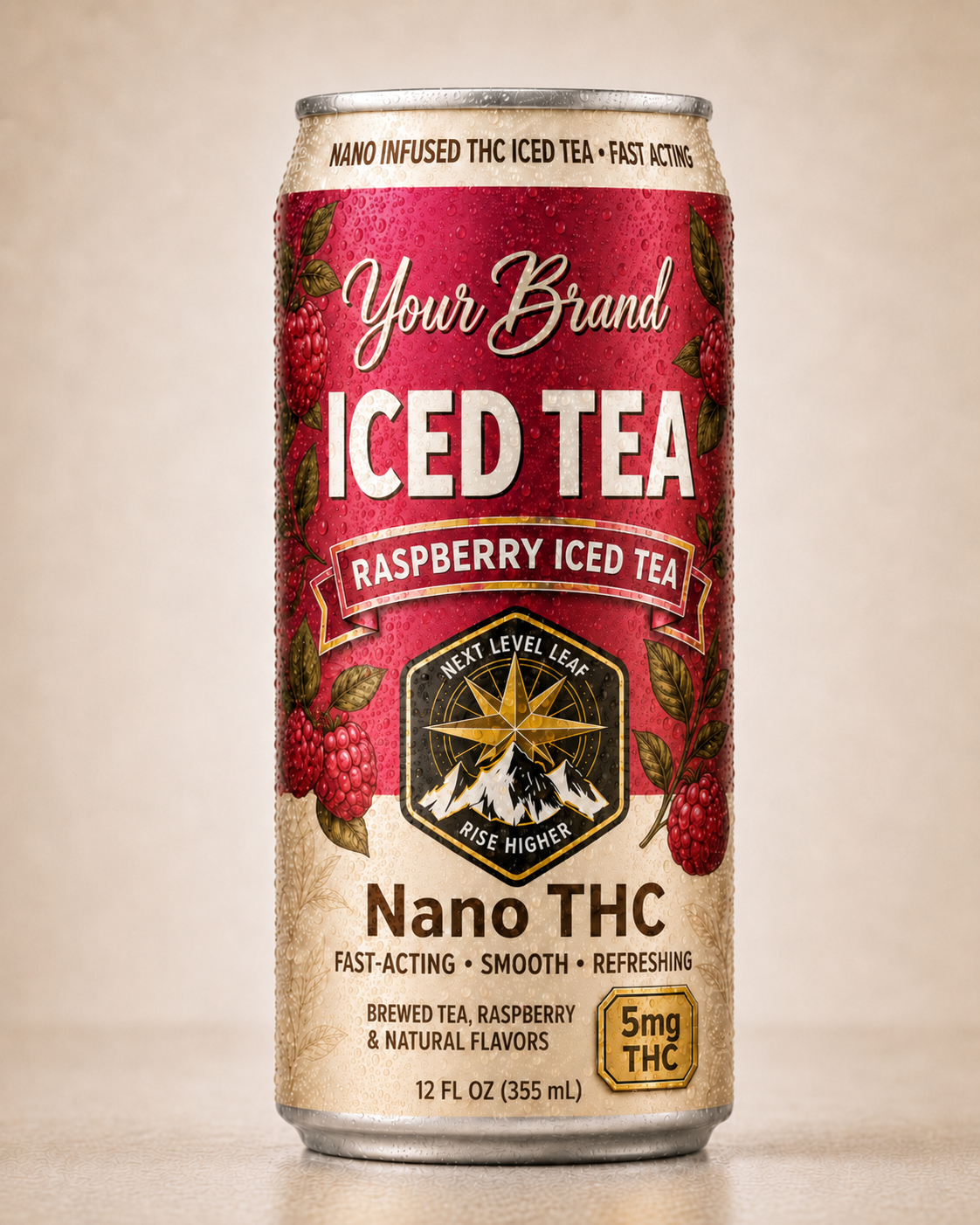
10mg THC tea
Best when the brand wants a familiar THC beverage dose that many infused beverage shoppers recognize.
- Clear product story
- Common beverage benchmark
- Works for experienced casual users
 Experienced
Higher-dose THC tea
Best for experienced THC consumers or shared-use positioning, with very clear packaging and serving guidance.
- Narrower customer
- More caution needed
- Different retail conversation
How long does THC tea take to kick in?
Onset can vary. A customer’s experience may depend on dose, body size, metabolism, food intake, tolerance, cannabinoid input, and the finished beverage system.
Many consumer articles about cannabis tea emphasize that edible-style effects can be delayed. That point matters for responsible customer communication, especially with higher-dose products.
For a brand, the safest approach is to communicate clearly and avoid overpromising exact timing. It is better to set realistic expectations than to make a claim that every person will feel the product at the same time.
Everyone absorbs and metabolizes cannabinoids differently. Food intake, tolerance, dose, and individual metabolism can all affect the experience.
Low-dose THC tea can be easier to sell broadly
Low-dose THC tea can make sense when the brand wants approachability. It may be easier for new customers to try, easier for a retailer to explain, and easier to position for casual or social use.
Lower-dose products may also be more sessionable. If the goal is beverage-style repeat purchase, the product should not feel intimidating to the customer.
This does not mean every THC tea should be low-dose. It means dose should match the business goal.
10mg THC tea is a familiar benchmark
A 10mg THC tea can be a clear and familiar direction for many infused beverage customers. It is easy to understand and can work well when the brand wants a straightforward THC iced tea product.
The product still needs responsible packaging, strong flavor, clear serving information, and finished-product testing. The dose alone does not make the product successful.
Higher-dose THC tea is not for every brand
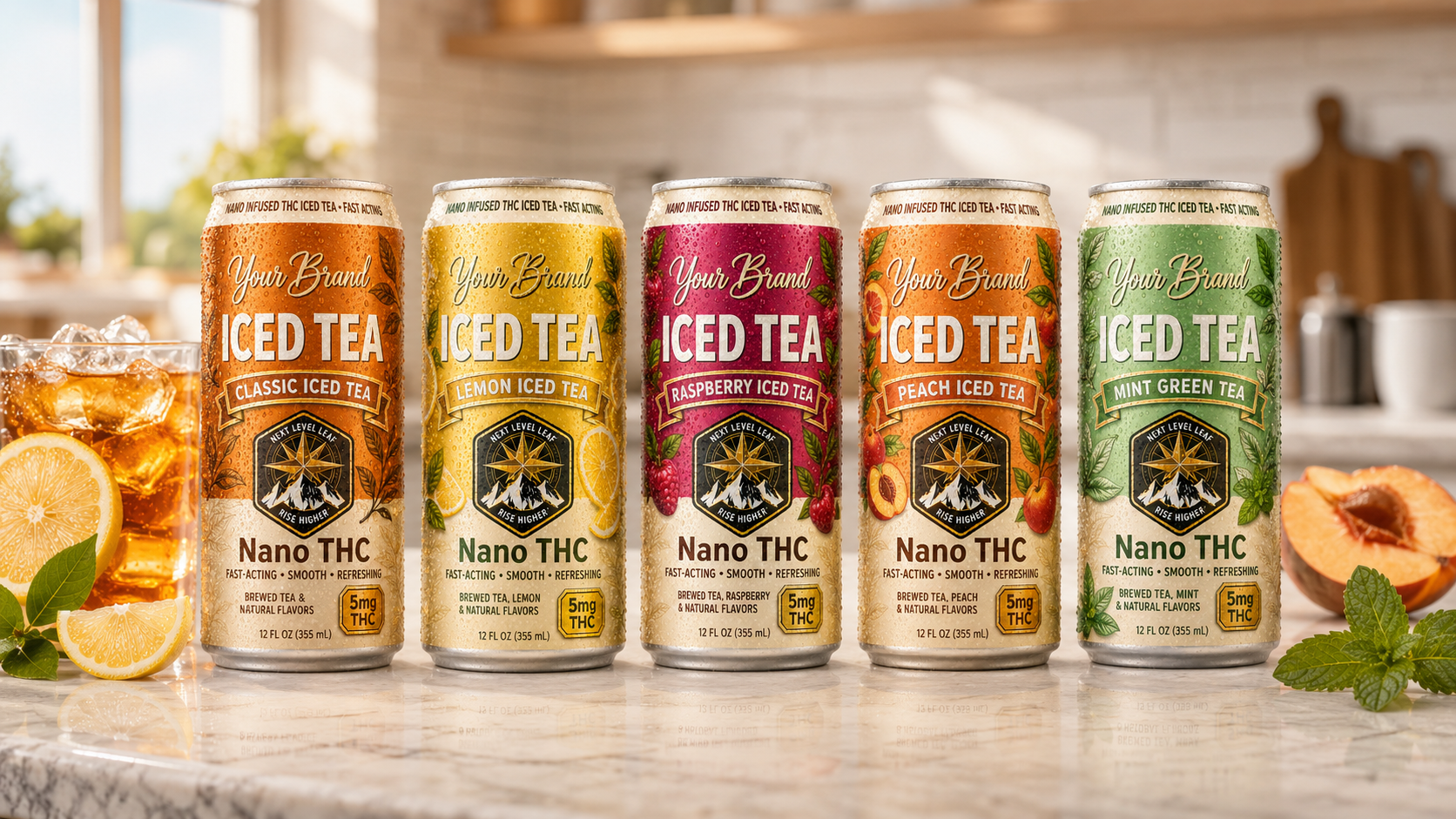
Higher-dose THC tea can be attractive because it looks stronger on the label. But stronger does not always mean easier to sell.
For many customers, a higher dose may create hesitation. It may also shift the product away from a beverage-style experience and toward a more niche cannabis experience.
If a brand chooses a higher-dose tea, the packaging, serving size, responsible-use language, and target customer need to be very clear.
THC and CBD ratios can change the positioning
Some tea products may combine THC and CBD. That can create a different product story than THC alone.
A THC-only tea is usually easier to explain as a euphoric adult-use beverage. A THC+CBD tea may be positioned more around balance, depending on the ratio and customer. CBD-only tea may be non-intoxicating, but it is a different customer promise.
The ratio should be part of the product strategy, not added just because it sounds more complete.
THC-only tea
Best when the brand wants a direct, euphoric adult-use product story.
THC+CBD tea
Best when the brand wants a more balanced cannabinoid story and can explain the ratio clearly.
CBD tea
Best when the brand wants a non-intoxicating tea product, but the customer promise is different from THC tea.
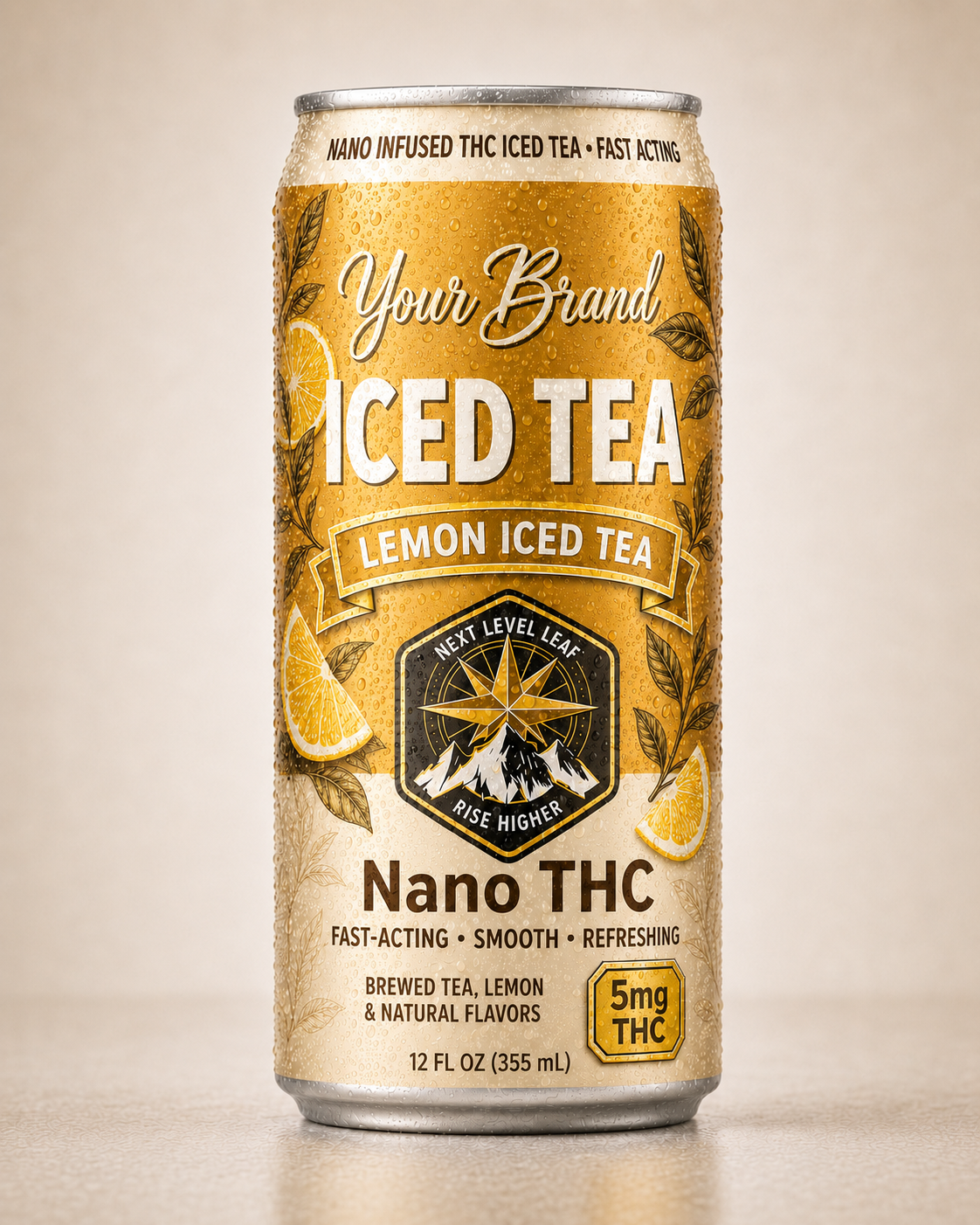
Packaging must communicate dose clearly
The label should make the dose easy to see and understand. Customers should not have to guess whether the dose is per can, per bottle, per serving, or per package.
Retailers also need clarity. If a store employee cannot explain the product quickly, the product becomes harder to sell.
For higher-dose products, clear serving and responsible-use communication becomes even more important.
Testing and COAs support dose credibility
Dose strategy is not just what the label says. A serious THC tea brand should support the finished product with testing and batch-specific COAs.
This helps retailers, buyers, and internal teams understand that the product was professionally manufactured and documented.
What to prepare before choosing a THC tea dose
- Target customer: new, casual, experienced, or niche high-potency consumer
- Primary use occasion: social, outdoor, evening, alcohol alternative, sampling, or retail cooler
- Tea format and flavor direction
- Desired dose per can or bottle
- Serving size and package size
- Whether the formula is THC-only, THC+CBD, or another cannabinoid ratio
- Target states and sales channels
- Packaging and label status
- Expected launch quantity
- White-label, private-label, or custom formulation path
The simplest recommendation
If you want broad adoption, easier sampling, and repeat beverage behavior, start with an approachable dose strategy. If your audience is more experienced, a stronger product may make sense, but it should be intentional.
Do not choose the dose only because it sounds strong. Choose the dose because it fits the customer and the product experience.
If you are ready to scope a THC tea dose strategy, complete the White Label Information Request.