

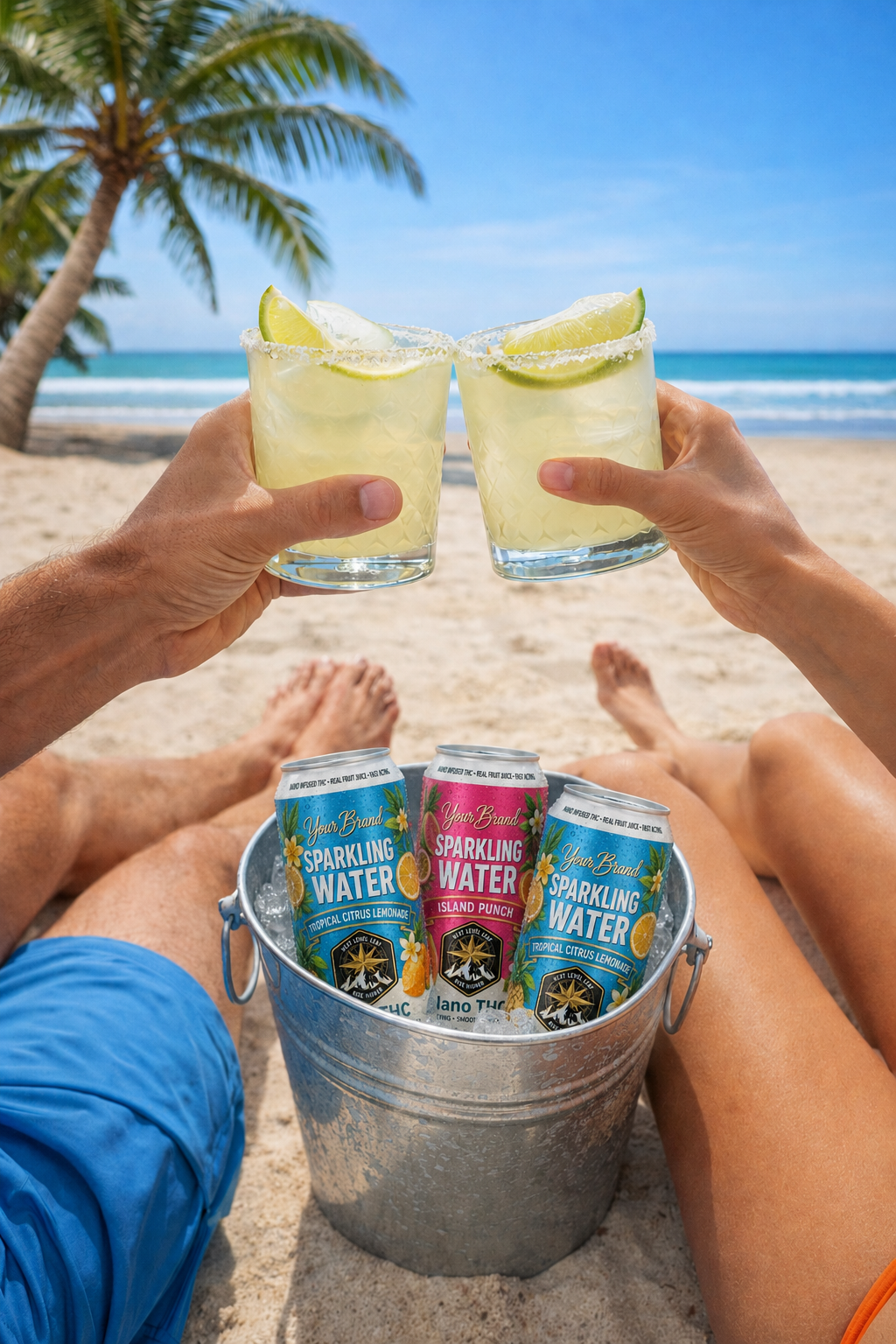
Why berry THC drinks can work well
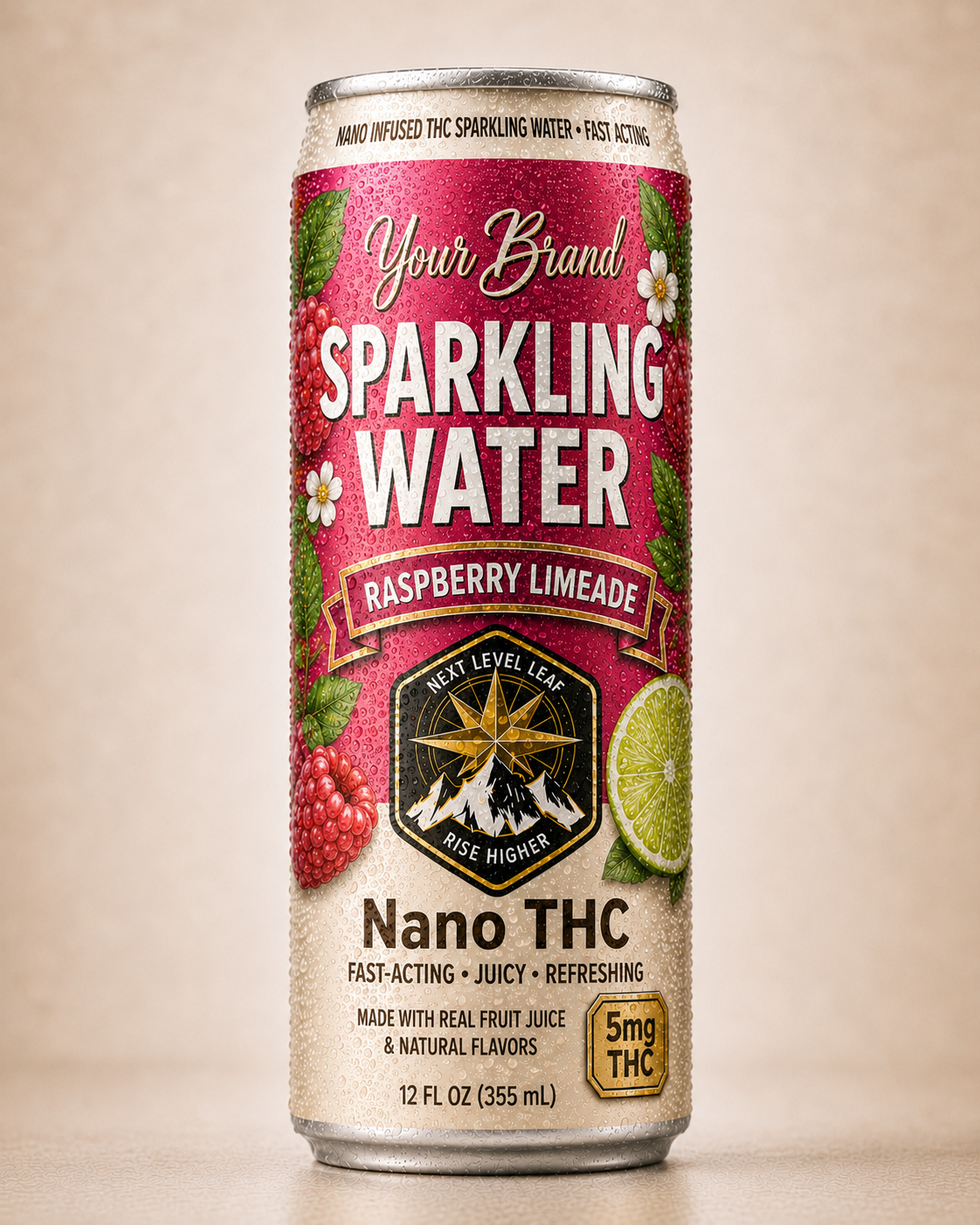
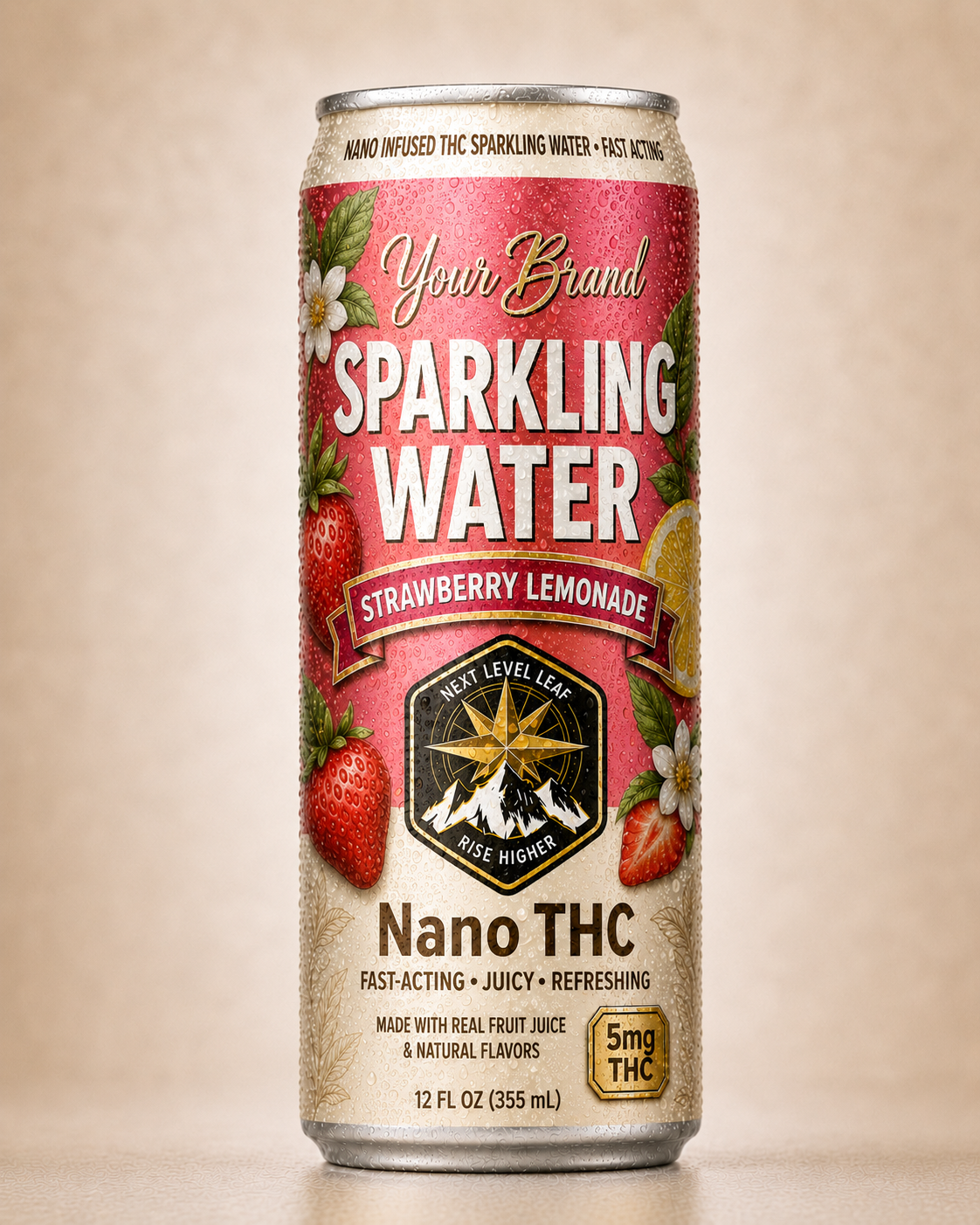
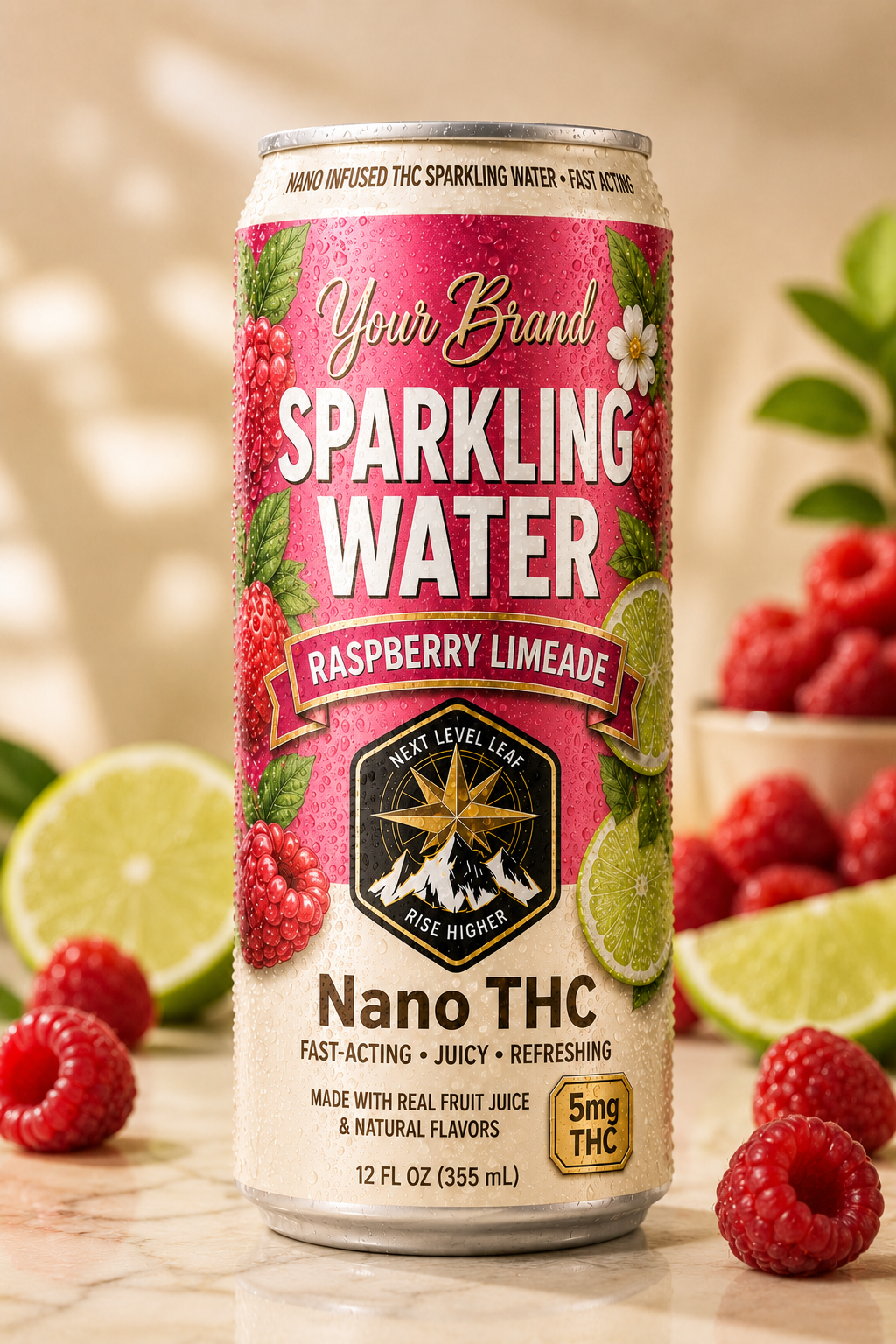
Berry flavors are familiar, colorful, and easy to imagine. Raspberry lemonade, strawberry lemonade, mixed berry, berry citrus, and berry tea all create clear expectations before the customer takes the first sip.
That matters for THC beverage brands. A clear berry flavor can make the product easier to explain to buyers, easier to photograph, and easier to place in a cooler or retail display.
A strong berry THC drink should feel like a finished beverage first. The flavor should be refreshing and balanced, while the dose, testing, packaging, and documentation support the product behind the scenes.
Still, sparkling, lemonade-style, or tea-based berry drinks
Berry THC drinks can work in several formats. A sparkling berry citrus drink can feel crisp and social. A still strawberry lemonade can feel smooth and familiar. A raspberry tea lemonade can connect berry flavor with an iced tea-style product story.
The format should match the brand’s customer, target channel, sweetness goal, dose, and first-run strategy.
Crisp and colorful
Best for berry citrus, raspberry spritz-style drinks, sparkling fruit waters, and lighter alcohol-alternative beverages.
- Carbonation adds lift
- Good for berry citrus
- Strong cooler appeal
Smooth and familiar
Best for strawberry lemonade, raspberry lemonade, flavored water-style drinks, and non-carbonated fruit beverages.
- No bubbles
- Mouthfeel matters
- Good for lemonade formats
Berry with structure
Best for brands that want berry flavor with a familiar iced tea or tea-lemonade base.
- Raspberry tea
- Strawberry tea lemonade
- Berry herbal concepts
Flavor directions for berry THC beverages
Berry flavors can feel broad if the brand does not define the direction. A specific flavor name helps the product feel more premium and easier to understand.
- Raspberry Lemonade: tart, colorful, familiar, and strong for still or sparkling formats.
- Strawberry Lemonade: bright, approachable, and useful for summer-style product positioning.
- Berry Citrus: refreshing and balanced when the brand wants more acidity and a lighter finish.
- Mixed Berry: broad, recognizable, and useful when the brand wants a simple fruit-forward profile.
- Blueberry Lemonade: familiar and visually strong, especially for lemonade-style products.
- Blackberry Citrus: darker, more premium, and useful for a more adult berry profile.
- Berry Tea Lemonade: familiar and flexible for iced tea-style line extensions.
How berry flavors affect formulation
Berry flavors can bring aroma, color cues, and strong customer recognition, but they still need balance. A berry drink can become too sweet, too tart, or too thin if the fruit system, acidity, and sweetness are not aligned.
Lemon, lime, citrus, or tea can help give berry drinks more structure. That is one reason raspberry lemonade and strawberry lemonade are practical directions for infused beverages.
Berry drinks work best when sweetness, acidity, fruit intensity, and finish are balanced. The flavor should feel refreshing enough for repeat drinking, not just strong in the first sip.
Real fruit, puree, juice, or natural flavor?
Berry THC drinks can be built with natural flavor, juice, puree, or a blended fruit system. Natural flavor may support a lighter product. Juice can create a more familiar fruit story. Puree can add body, color, and a stronger real-fruit impression.
Those choices affect sugar, calories, cost, color, sediment, stability, shelf-life planning, and production timeline. The right approach depends on how fruit-forward the brand wants the drink to feel and how practical the first production run should remain.
Low-sugar berry THC drinks
Low-sugar berry THC drinks can work, but they require careful balance. Berry flavors often need enough sweetness to feel round, while citrus or lemonade can help the drink stay bright without becoming heavy.
Raspberry lemonade, berry citrus, blackberry citrus, and strawberry lemon can be useful directions for brands that want a lighter sugar profile with a real fruit story.
Packaging and berry beverage branding
Berry packaging can be colorful and visually strong, but THC beverage packaging should still feel adult-oriented and responsible. Fruit-forward does not mean youth-oriented.
The strongest direction is usually refreshing, premium, and clear. Flavor names, color cues, dose language, QR or COA access, and adult-oriented design should all work together to make the product easier to trust and easier to sell.
Testing, COAs, and quality control
Berry THC drinks still need finished-product testing, batch-specific COAs, dose verification, label accuracy, and quality-control documentation. If the product uses juice or puree, the production plan may also need more attention to color, sediment, stability, and shelf-life expectations.
This is especially important for brands planning retail, wholesale, distributor, or multi-state conversations.
What affects MOQ, cost, and timeline?
Cost and timing depend on format, fruit system, dose, packaging, testing, and the level of customization. A white-label berry lemonade-style drink may be easier to quote than a custom puree-supported mixed berry product or a tea-lemonade blend.
- Still, sparkling, lemonade-style, tea-based, or juice-inspired format
- Raspberry, strawberry, mixed berry, berry citrus, or custom berry direction
- Natural flavor, juice, puree, or blended fruit system
- Target THC or cannabinoid dose
- Sweetness and calorie goals
- Can or bottle format
- Packaging status and label readiness
- Testing, COAs, and batch documentation
- First-run quantity and timeline
What to prepare before requesting a quote
A berry THC drink quote is easier to scope when the brand can describe the flavor direction, format, dose, and packaging status clearly. You do not need a finished formula, but the production direction should be focused enough to evaluate.
- Flavor direction, such as raspberry lemonade, strawberry lemonade, berry citrus, mixed berry, or berry tea lemonade
- Still, sparkling, lemonade-style, or tea-based preference
- Target THC or cannabinoid dose per can
- Can or bottle size
- Sweetness and calorie goals
- Fruit flavor, juice, puree, or blended approach
- Packaging status and label readiness
- Target states and sales channels
- Expected first-run quantity and timeline
Where to go next
If you are comparing fruit flavors, explore Best Real Fruit THC Drink Flavors. If you want a lemonade-style berry product, read Real Fruit THC Lemonade. If you are comparing fruit systems, review Real Juice vs Natural Flavor in THC Drinks. If your berry drink direction is clear, the next step is to request a quote.