


Real-Fruit THC Drinks for Distributors
Real-fruit THC drinks can give distributors a more premium infused beverage option for retailers, hospitality accounts, adult-beverage channels, and private-label programs.
The opportunity is not only adding another THC SKU. The better question is whether the product gives accounts a clear reason to buy, an easy shelf story, reliable documentation, and a path to repeat orders across the states and channels a distributor actually serves.
Real-fruit THC drinks can make sense for distributors that want a more premium, retailer-friendly beverage line with familiar fruit flavors and a clear adult-use occasion. The strongest distributor-ready programs usually combine approachable dosing, shelf-stable packaging, clean retail positioning, reliable COAs, and a product mix that fits the distributor’s target accounts and state-by-state sales model.
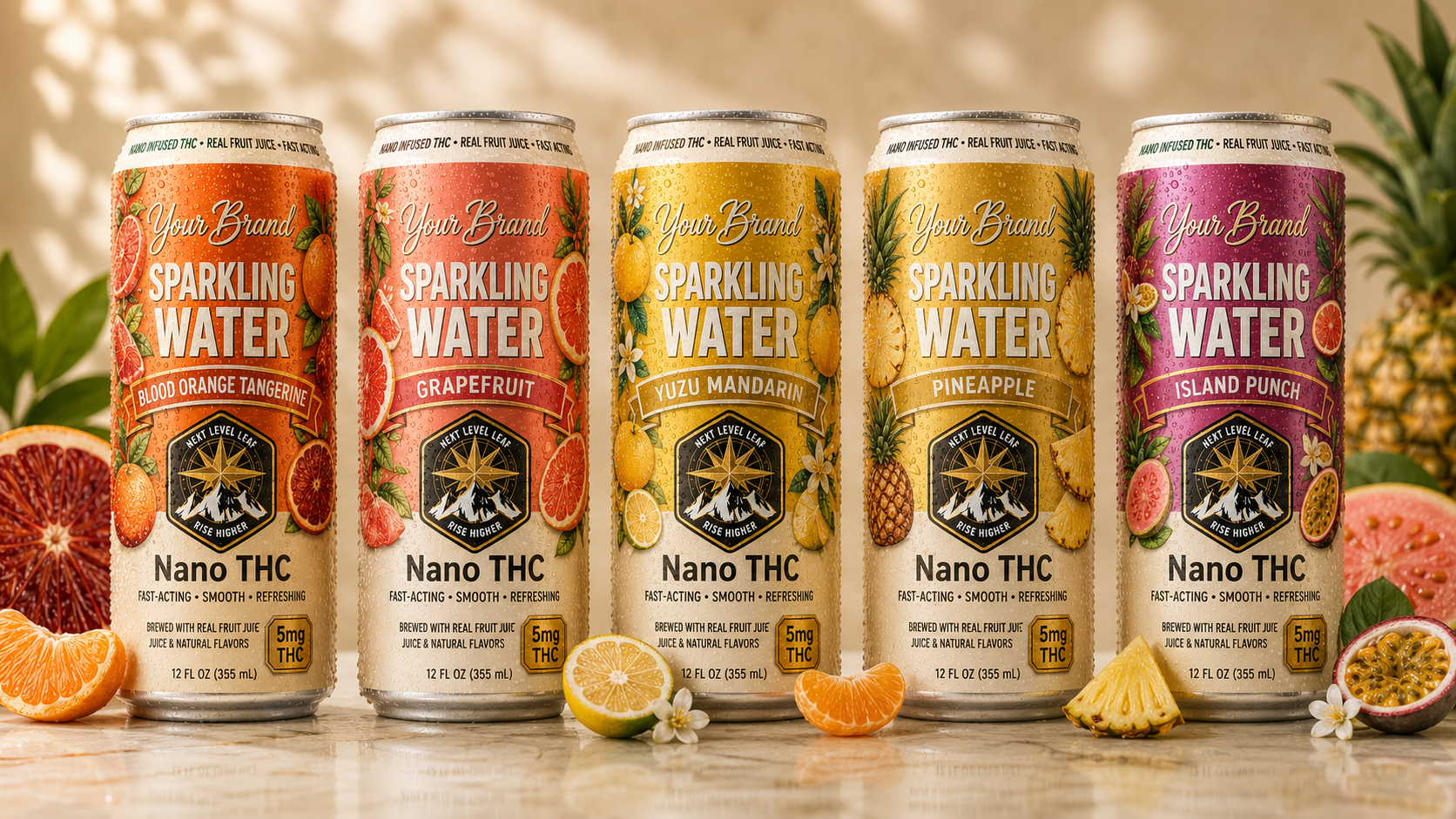
Why distributors are looking at real-fruit THC drinks
Distributors are often the bridge between product ideas and retail reality. A beverage may look interesting on paper, but it still has to earn shelf space, move by the case, give buyers confidence, and create enough repeat demand to justify the effort of adding a new line.
Real-fruit THC drinks can help because the product story is familiar. Retailers already know how customers respond to lemonade, citrus, berry, tropical fruit, tea, juice-inspired drinks, and sparkling refreshers. A fruit-forward THC beverage gives the sales team a clearer conversation than a generic infused drink with a vague flavor name.
Distributor fit depends on channel clarity. A real-fruit THC beverage should be scoped around the accounts you want to serve, the states you can operate in, the documentation retailers need, and the type of product story your sales team can repeat consistently.
Where real-fruit THC drinks can fit in a distributor portfolio
The best distributor programs usually start with a defined account type. A product meant for liquor stores may need a different shelf story than one meant for specialty grocery, resort accounts, restaurants, smoke shops, or regional adult-beverage retailers.
Retail beverage accounts
Fruit-forward THC drinks can work for retailers that want a premium canned beverage with familiar flavor cues and a clear adult shopper use case.
Hospitality and on-premise accounts
Restaurants, resorts, hotels, and event venues may be interested in low-dose, menu-friendly beverages that feel closer to mocktails or premium refreshers.
Private-label distributor lines
A distributor may use a real-fruit THC drink as a house-brand product if it has the right channel access, label strategy, product documentation, and first-run plan.
What makes a real-fruit THC drink distributor-ready?
Distributor-ready does not mean the drink only tastes good. It means the product is clear enough for buyers, documented enough for accounts, consistent enough for replenishment, and positioned well enough for the sales team to explain without overcomplicating the category.
- Clear account fit: the product should make sense for the retailers, hospitality groups, or adult-beverage channels the distributor already reaches.
- Retail-ready packaging: cans, labels, cartons, and case packs should look credible and avoid youth-oriented design cues.
- Measured dose strategy: the dose should be easy to communicate and appropriate for the channel, state rules, and buyer expectations.
- Reliable documentation: COAs, lot details, ingredient information, label files, and manufacturing details should be organized before sales outreach begins.
- Reorder logic: the first run should be planned around realistic account counts, velocity assumptions, reorder timing, and freight considerations.
Why fruit-forward positioning can help distributor sales teams
A distributor’s sales team needs simple language that buyers can understand quickly. “Raspberry lemonade THC drink,” “tropical citrus THC spritzer,” or “real-fruit THC refresher” is easier to explain than a product that depends entirely on technical formulation language.
Fruit-forward positioning can also give accounts a better merchandising story. A retailer may be able to group the drink with adult beverages, alcohol alternatives, wellness-adjacent coolers, specialty beverages, or hemp-derived THC beverage sets depending on state rules and store strategy. The clearer the product story is, the easier it is for the account to understand where it belongs.
Dose, format, and package planning for distribution
Distributors should think about dose as a channel decision, not only a product decision. A low-dose product may be easier for some mainstream retailers to test, while a 10mg product may be more familiar in certain THC beverage markets. Higher-dose products may have a narrower retail fit and can create more taste, positioning, and compliance considerations.
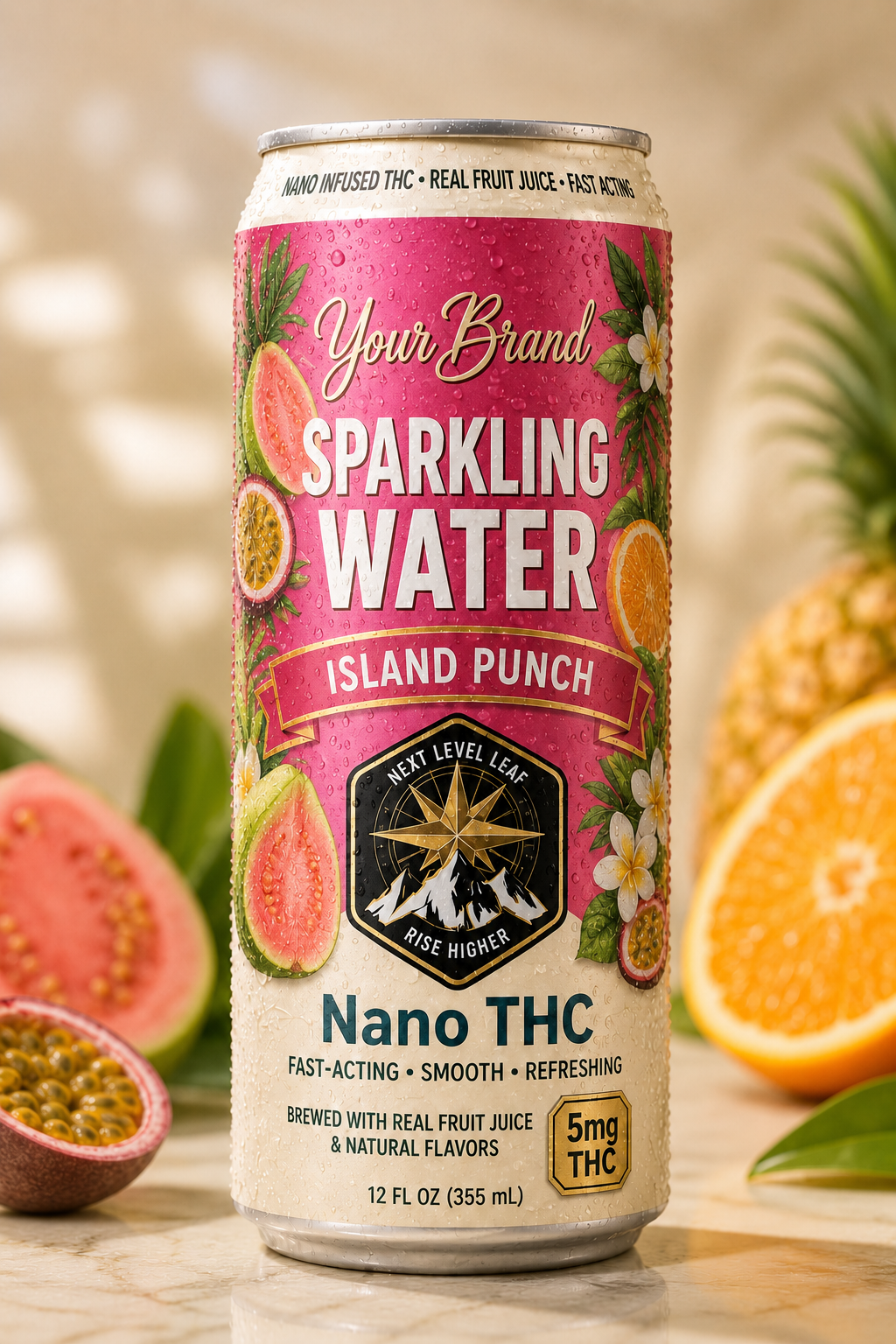
Format matters too. Sparkling fruit drinks can feel closer to spritzers and alcohol alternatives. Still fruit drinks can feel closer to lemonade, tea, juice-inspired beverages, or non-carbonated refreshers. Both can work, but the first product should match the distributor’s most realistic accounts instead of trying to satisfy every possible channel at once.
Documentation and compliance planning
Distributors should avoid treating compliance as an afterthought. Hemp-derived THC beverage rules can vary by state and may affect who can sell the product, where it can be placed, how it must be labeled, what testing is required, how age-gating is handled, and what documents accounts need before they order.
At a practical level, distributor programs should be organized around current COAs, lot-level information, label review, QR code access where appropriate, ingredient details, packaging specs, and clear product data for retail buyers. This does not replace legal review, but it makes the sales process more professional and reduces friction when accounts ask serious questions.
If you are evaluating a distributor-led launch, start by clarifying the states, account types, package size, dose range, and channel requirements. Then review the broader beverage manufacturing path to understand what is needed before quoting and production.
Private-label and house-brand opportunities for distributors
Some distributors may want to carry other brands. Others may want a house-brand THC beverage line that gives them a stronger margin story and a product they can offer to accounts with more control over positioning. A real-fruit THC drink can be a good fit for this kind of program when the distributor has enough account access and a clear launch plan.
A distributor house brand should not begin with too many SKUs. A stronger first step is usually a small, focused lineup with flavors that are easy to explain and easy to reorder. Citrus, berry lemonade, tropical, and fruit spritzer concepts can work well because they sound familiar and give retailers a simple shelf story.
What to prepare before requesting a quote
A distributor quote is easier to scope when the commercial plan is clear. You do not need every detail finalized, but you should know enough to define the first run and avoid creating a product that does not fit your accounts.
- Target states and whether each state allows the intended sales channel
- Account types: liquor stores, specialty retail, grocery, smoke shops, restaurants, hotels, event venues, or mixed channels
- Desired product format: sparkling, still, lemonade-style, tea-based, or juice-inspired
- Target dose, cannabinoid mix, can size, case pack, and first-run quantity
- Flavor direction, sweetness level, real-fruit positioning, and shelf-life goals
- Whether the program is white-label, private-label, house brand, or custom formulation
- Timing, freight needs, storage expectations, and whether samples or buyer presentations are needed
Related real-fruit THC beverage resources
These related pages can help you compare distributor-focused fruit drinks with retail, restaurant, formulation, and broader manufacturing options.
Frequently asked questions
Ready to scope a distributor-ready THC beverage?
Share the target states, account types, dose range, flavor direction, package size, and first-run goals. Next Level Leaf can help translate the opportunity into a practical white-label, private-label, or custom beverage path.