


Real-Fruit THC Drinks for Restaurants
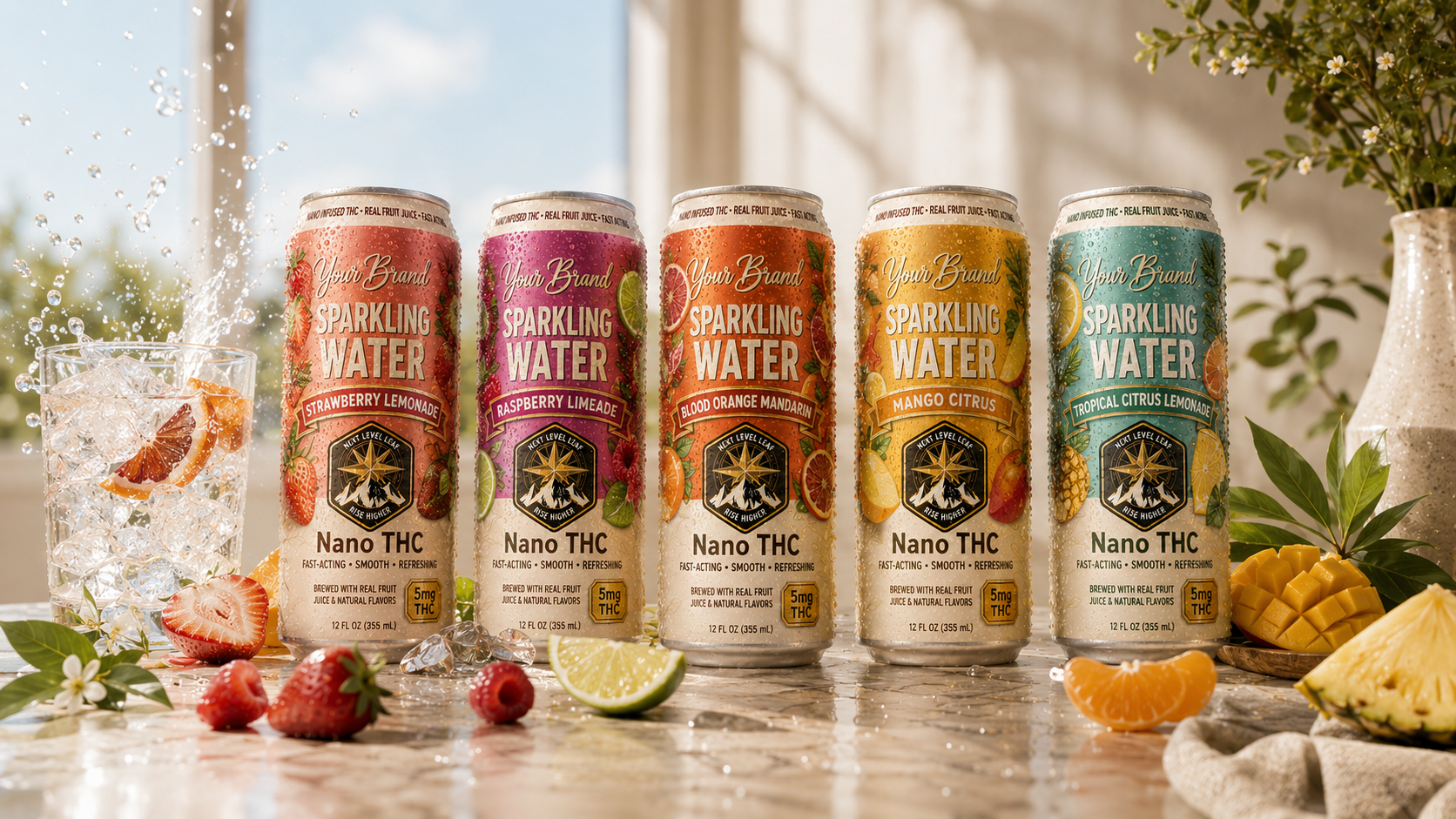
Real-fruit THC drinks can give restaurants a more menu-friendly way to explore alcohol alternatives, infused mocktail-style beverages, and premium non-alcoholic drink options.
The opportunity is not just adding a THC product to the menu. The better question is whether the drink fits the restaurant’s guest experience, service model, dose strategy, flavor story, packaging needs, and state-by-state retail environment.
Real-fruit THC drinks can make sense for restaurants that want a premium, easy-to-explain beverage option for adult guests who are looking beyond alcohol. The best restaurant-ready concepts usually have clear fruit flavor, measured dosing, adult-oriented packaging, strong COA and label support, and a service model that fits the restaurant’s state and local rules.
Why restaurants are evaluating real-fruit THC drinks
Restaurants already know how to sell a beverage experience. Guests understand citrus spritzers, berry lemonades, tropical refreshers, iced tea, mocktails, and other fruit-forward drinks. That familiarity matters because a THC beverage still has to feel approachable on the menu, not confusing or overly niche.
A real-fruit THC drink can sit closer to the restaurant beverage world than a plain infused seltzer. It can carry a clearer flavor promise, support a premium menu description, and give the restaurant a better way to talk about the drinking occasion: refreshing, social, non-alcoholic, measured, and intentional.
Restaurant fit depends on more than flavor. A good concept also needs responsible dosing, compliant labeling, clear guest communication, staff training, storage planning, and a realistic path for how the product will be sold, served, and replenished.
Where real-fruit THC drinks can fit on a restaurant menu
The strongest restaurant concepts usually start with a specific use case. The drink should have a reason to exist on the menu and a simple way for staff to explain it.
Alcohol-alternative drinks
Fruit-forward THC drinks can give adult guests a non-alcoholic option that still feels intentional, premium, and social.
Mocktail-style menu items
Citrus, berry, tropical, and lemonade-style directions can work well when the restaurant wants a crafted beverage feel without alcohol.
Private-label house drinks
Restaurants, hospitality groups, and regional concepts may use a branded canned drink as a signature beverage or retail-ready take-home item.
What makes a THC drink restaurant-ready?
A restaurant-friendly THC drink should be easy for the operator to manage and easy for the guest to understand. The best concepts are not built only around novelty. They are built around menu clarity, repeatable service, responsible positioning, and production quality.
- Clear flavor direction: citrus, berry, tropical, lemonade, tea, or fruit-spritzer profiles that sound natural on a menu.
- Measured dose: dose levels that are easy to communicate and appropriate for the intended dining or hospitality occasion.
- Adult-oriented packaging: can design and label language that look credible, not candy-like or youth-oriented.
- Documentation: COAs, lot information, QR access, ingredient details, and label review support where needed.
- Operational fit: storage, inventory rotation, staff education, state requirements, and how the product will be presented to guests.
Dose strategy for restaurant environments
Restaurants should think carefully about dose because the beverage may be consumed in a social setting where guests are eating, talking, celebrating, or choosing not to drink alcohol. For many restaurant concepts, lower or moderate doses can be easier to explain than high-dose products.
A 2.5mg or 5mg product may fit an approachable hospitality occasion. A 10mg product may be familiar for many THC beverage consumers, but it is not automatically the right first dose for every restaurant audience. Dose should be shaped by state rules, customer expectations, product format, and the restaurant’s service model.
Still, sparkling, canned, or menu-poured?
Most restaurant programs should begin by deciding whether the beverage is meant to feel like a canned premium drink, a sparkling spritzer, a lemonade-style refresher, a tea-based beverage, or a mocktail-inspired item. Each direction affects formulation, carbonation, sweetness, mouthfeel, packaging, shelf-life goals, and cost.
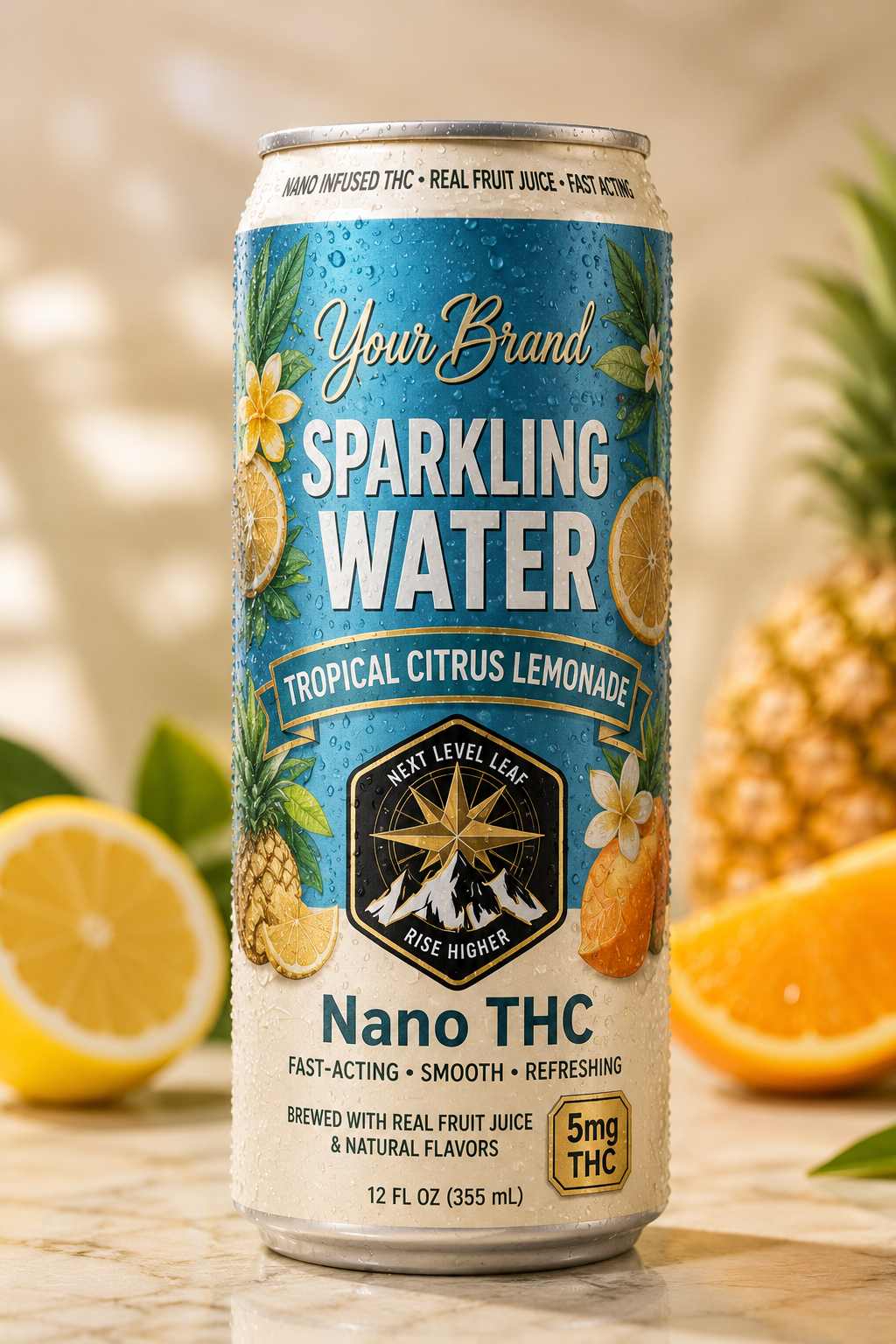
Canned drinks can simplify dosing, labeling, inventory, and consistency. Menu-poured or glassware service may feel more elevated, but it can create additional operational and compliance questions. For many operators, a finished canned beverage is the simplest place to start because the dose, label, and production details are more controlled.
Important compliance and service planning questions
Restaurant operators should not assume that a THC beverage can be served the same way in every state or local market. Rules can vary by state, local jurisdiction, license type, product source, THC type, testing requirements, age-gating, distribution route, packaging, and whether the product is sold for on-premise or off-premise use.
Before launching, restaurants should clarify whether the product can be sold in their state and channel, whether alcohol and THC can be present in the same service environment, how the item must be labeled, how staff should communicate the product, and what documentation the restaurant needs from suppliers and manufacturing partners.
If you are evaluating this for a restaurant, hospitality group, or regional concept, you can review the beverage manufacturing path and then request a quote once the product direction is clear.
What to prepare before requesting a quote
A quote is easier to scope when the restaurant has already defined the intended use case. The concept does not need to be fully engineered, but the basic direction should be clear enough to guide formulation and production planning.
- Restaurant type, hospitality setting, or regional brand concept
- Desired format: sparkling, still, lemonade-style, tea-based, juice-inspired, or mocktail-style
- Target dose and whether CBD, CBG, or other cannabinoids are being considered
- Flavor direction, sweetness level, and real-fruit or fruit-forward positioning
- Can size, label status, expected first-run quantity, and launch timeline
- Target state or states where the product will be sold or served
Related real-fruit THC beverage resources
These related pages can help you compare restaurant-ready fruit drinks with other real-fruit, still, sparkling, and manufacturing options.
Frequently asked questions
Ready to explore a restaurant-friendly THC beverage?
Share the flavor direction, dose range, package size, target state, and first-run goals. Next Level Leaf can help translate the concept into a practical white-label or private-label beverage path.