

What makes a still real fruit THC drink different?
The defining feature of this page is not simply the absence of carbonation. It is the use of a fruit system that helps create the beverage's flavor, body, color, sweetness, acidity, and overall drinking experience. Depending on the concept, that system may use real juice, puree, natural fruit flavor, or a combination of those approaches.
That distinction matters for production. Real juice and puree can make a beverage feel more fruit-forward and substantial, but they can also change sugar, calories, pH, sediment, color stability, ingredient handling, processing, and shelf-life planning.
A real-fruit THC beverage should be designed around the fruit system from the beginning. The goal is not to add fruit to an existing drink at the end of development, but to build flavor, acidity, sweetness, body, cannabinoid delivery, processing, and shelf life as one finished formula.
Real juice, fruit puree, natural flavor, or a blended system?
There is no single fruit system that is best for every THC beverage. The right choice depends on the product's flavor target, sugar and calorie goals, desired body, visual appearance, processing requirements, shelf-life target, package, cost, and sales channel.
Familiar fruit character
Juice can contribute recognizable fruit flavor, acidity, sweetness, color, and a stronger ingredient story. It can also add sugar, calories, and additional stability considerations.
More body and fruit intensity
Puree can create a fuller fruit experience and more texture, but it can increase sediment, viscosity, processing complexity, and shelf-life work.
More formulation flexibility
Natural flavor or a blended juice-and-flavor approach can help control sweetness, calories, consistency, cost, and flavor intensity while still delivering a clear fruit identity.
For a deeper comparison of these ingredient systems, see Real Juice vs Natural Flavor in THC Drinks.
Do real fruit THC drinks usually require custom R&D?
Often, yes. Once a project depends on a specific juice percentage, puree, proprietary fruit blend, sweetness target, body, color, or nutrition goal, the formula usually needs to be developed and evaluated as a complete system rather than treated as a simple flavor swap.
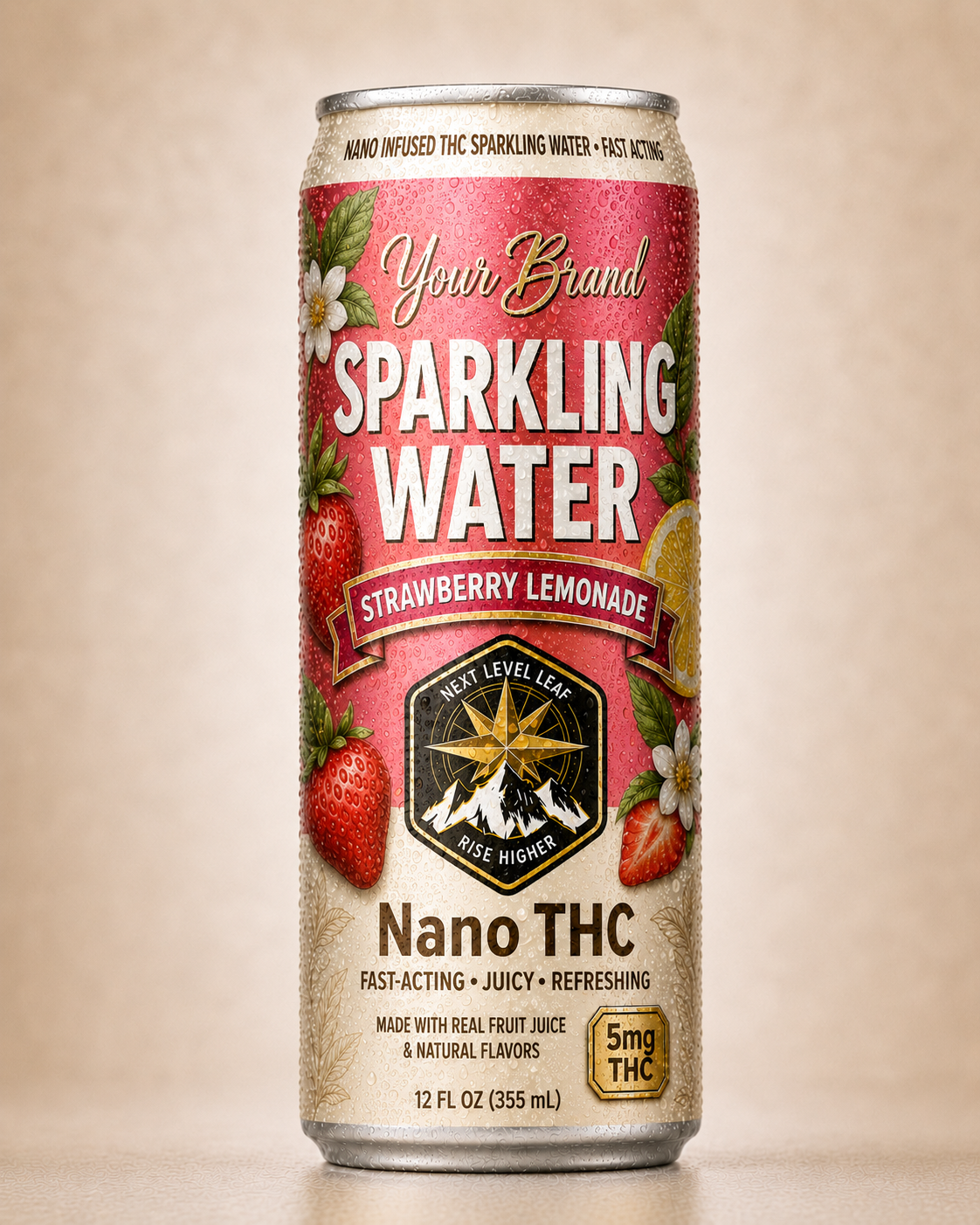
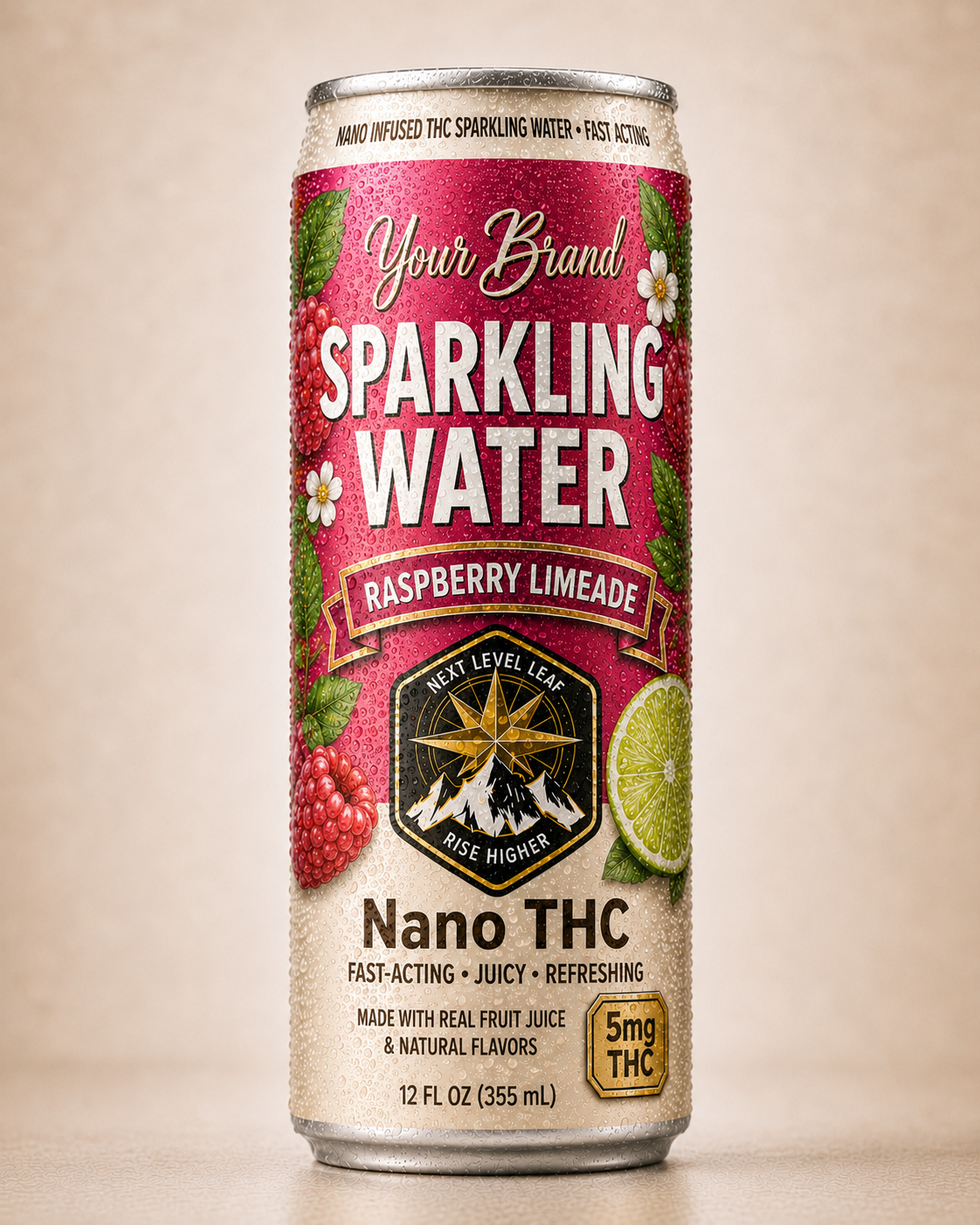
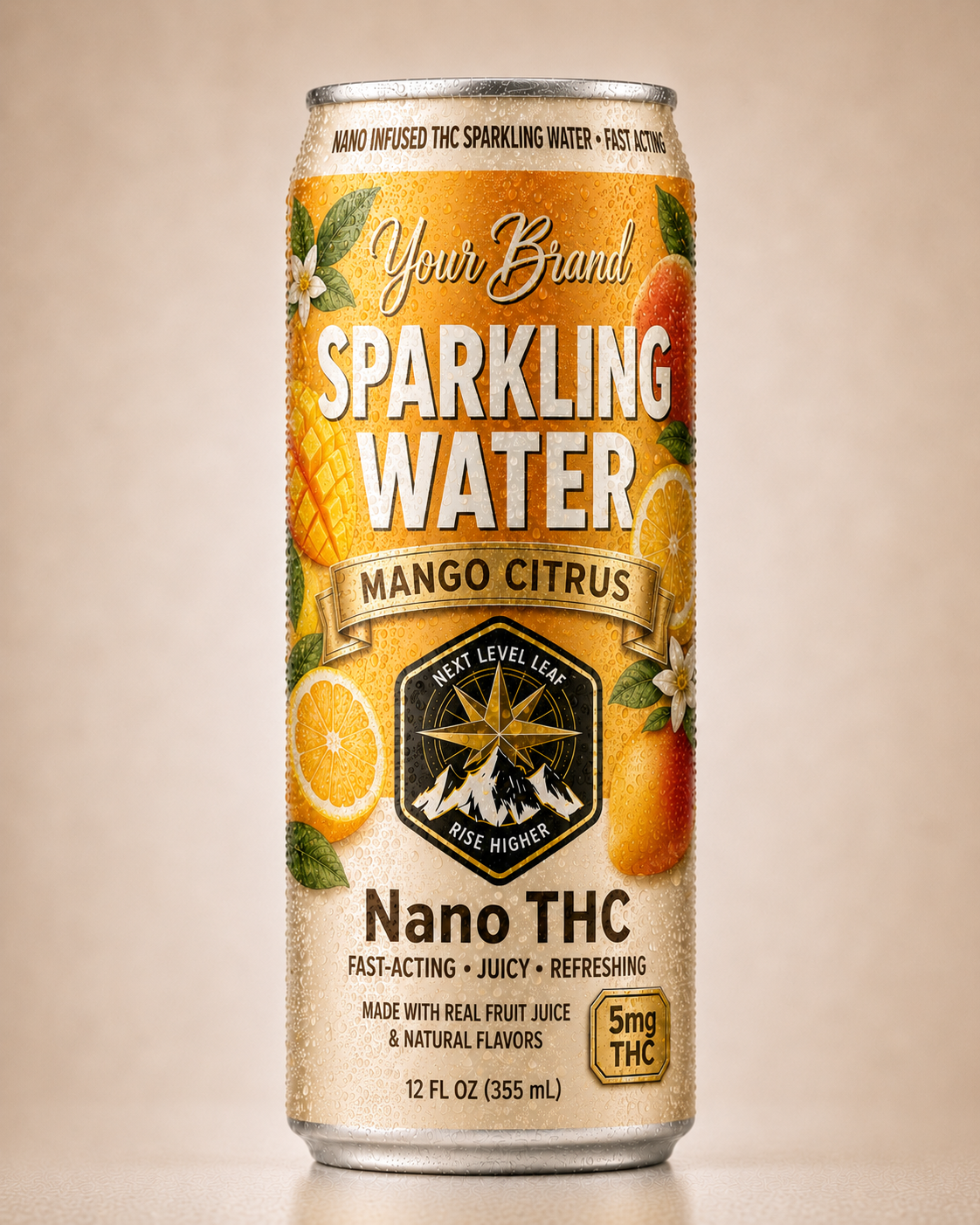
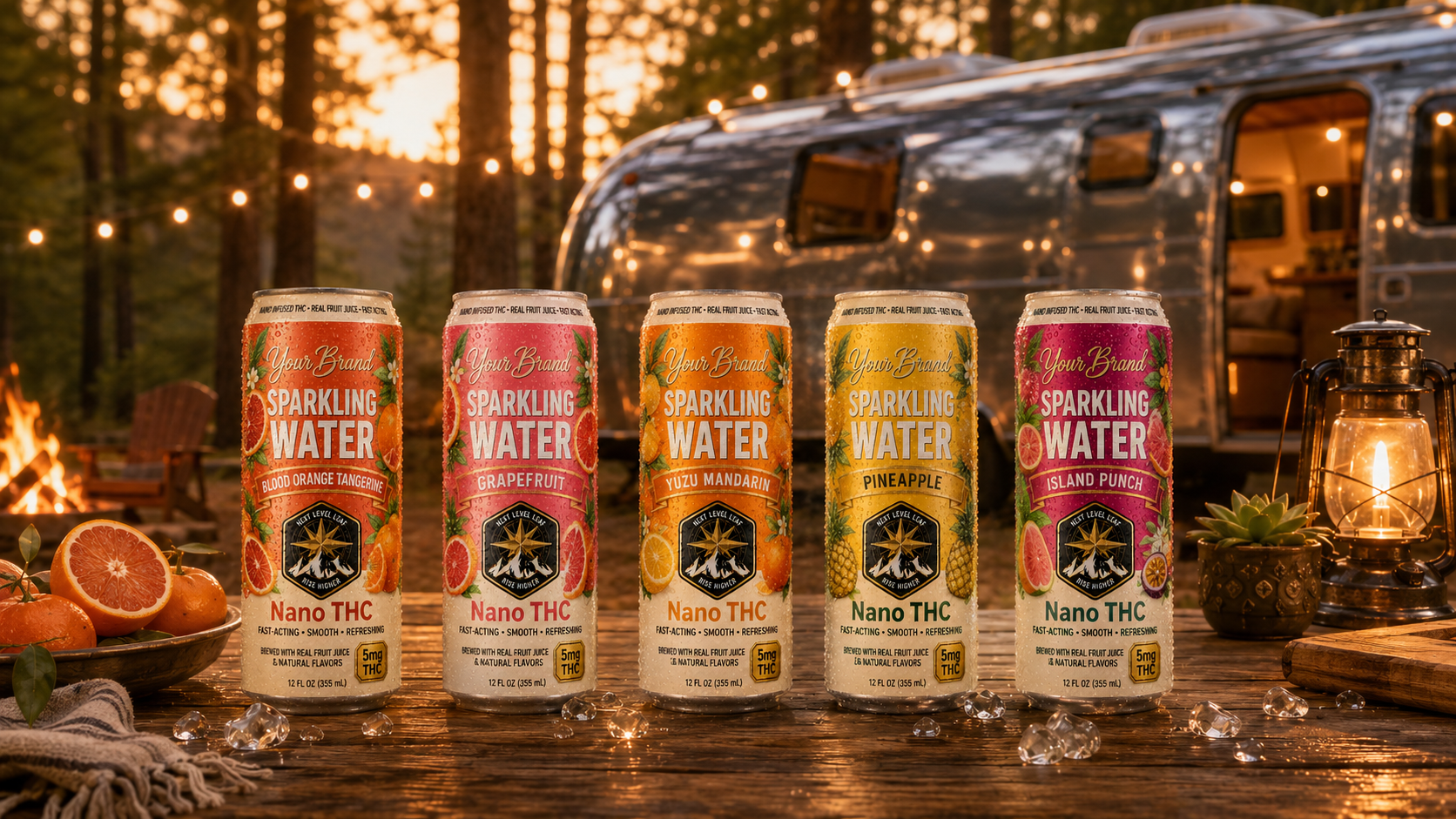
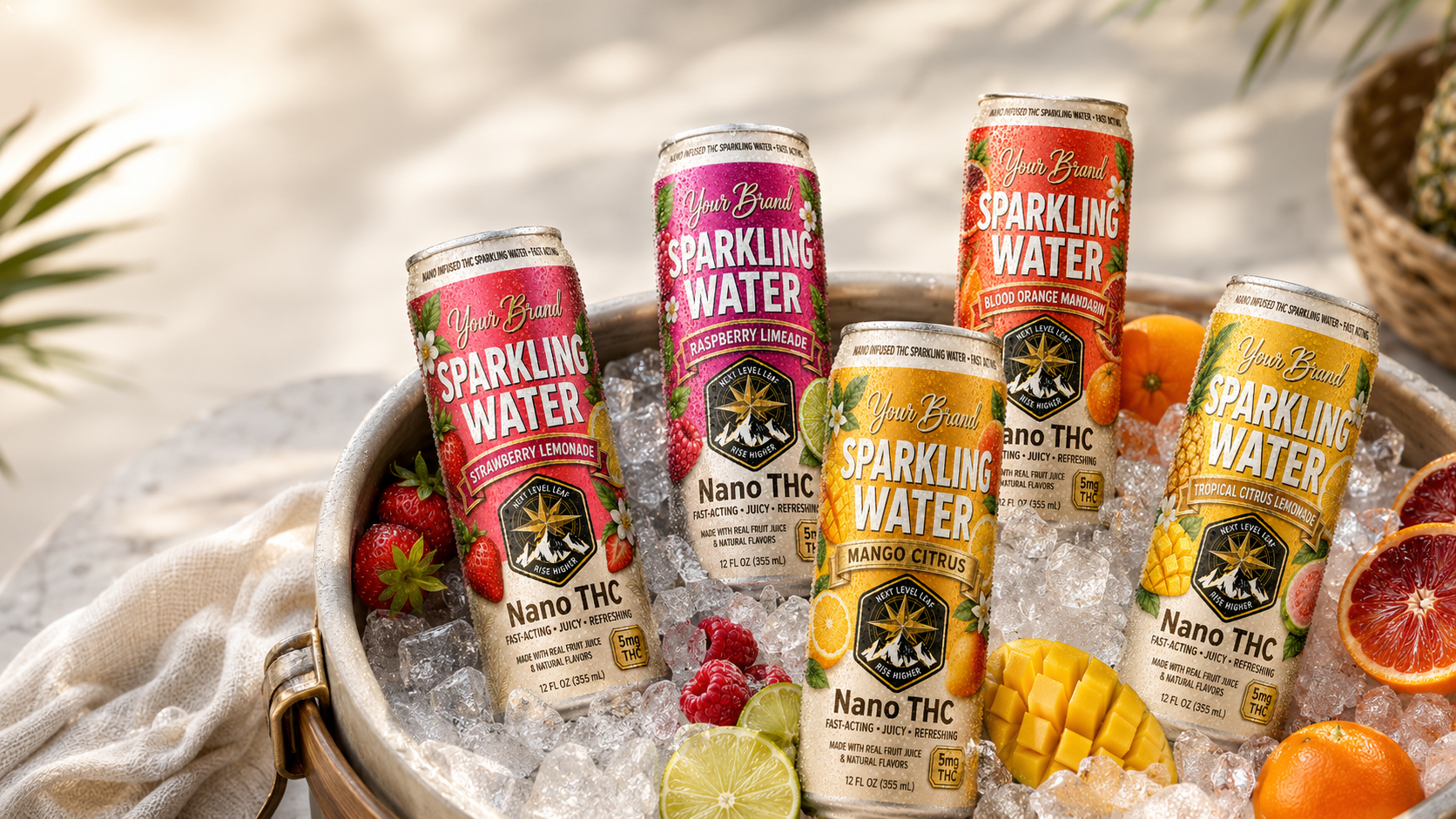
Custom R&D can be used for concepts such as strawberry lemonade, raspberry lemonade, mango citrus, pineapple, tropical fruit blends, blood orange mandarin, fruit punch-style drinks, and other fruit-forward still beverages. These are development directions, not a promise that every concept is already production-ready.
Looking for an existing still beverage profile instead? The broader Non-Carbonated THC Drinks page covers production-ready still juices, lemonade, tea-lemonade, nitro coffee, and the broader white-label or custom manufacturing decision.
What types of still real fruit THC drinks can brands explore?
The best format depends on how central the fruit system is to the product, how much sweetness and body the brand wants, the target THC dose, the sales channel, and the package.
- Juice-forward THC drinks: familiar fruit identity with real juice contributing flavor, acidity, sweetness, and color.
- Puree-based THC drinks: fuller texture and fruit intensity for concepts where body is part of the experience.
- Fruit-and-lemonade THC drinks: berry, citrus, tropical, and blended fruit directions built around an acid-and-sweetness structure.
- Lower-sugar fruit THC drinks: fruit-forward concepts designed around lighter sweetness and calorie targets.
- Blended fruit-system drinks: combinations of juice, puree, and natural flavor used to balance fruit character, consistency, cost, and stability.
Why flavor balance matters more without bubbles
Carbonation can make a beverage feel brighter and more refreshing. Without it, the formula needs to deliver refreshment through fruit, acidity, sweetness, mouthfeel, and finish.
A still drink that is too thin can feel unfinished. A still drink that is too sweet can feel heavy. A still drink that is too acidic can become harsh. The formula needs to feel intentional from the first sip through the finish.
Still THC drinks can be a strong category, but they need to be designed as still beverages from the beginning. Removing carbonation from a sparkling concept is not the same as formulating a good still drink.
What formulation issues become more important with real fruit?
Fruit ingredients affect more than flavor. Juice percentage, puree, acids, sweeteners, cannabinoid emulsion, pH, color, viscosity, sediment, heat processing, storage conditions, and package choice can all interact.
A strong formulation plan should decide which fruit characteristics are essential to the brand and which can be achieved more efficiently through flavor systems. That makes it easier to balance sensory quality with repeatable commercial production.
Flavor directions that work well
Still real fruit THC drinks often work well with familiar fruit profiles that already make sense without carbonation. Lemonade, tea-lemonade, tropical citrus, berry lemonade, mango citrus, and pineapple can all be strong directions.
- Strawberry lemonade for a familiar, summer-oriented still drink
- Raspberry lemonade for a berry-citrus flavor with strong recognition
- Mango citrus for a tropical still beverage with acidity and fruit depth
- Pineapple for a bright tropical direction
- Tropical citrus lemonade for a refreshing fruit-and-lemonade profile
- Blood orange mandarin for a more premium citrus direction
How do juice and puree affect stability and shelf life?
Juice and puree can introduce variables that a simpler flavor system may not have to the same degree. Color can change over time, suspended fruit material can settle, flavor can shift, and the finished beverage may require more attention to pH, processing, package compatibility, storage, and shelf-life validation.
The appropriate production and testing plan depends on the complete formula rather than the fruit ingredient alone. Real-fruit positioning should therefore be decided early enough that the formulation, process, package, and target shelf life can be developed together.
Packaging and retail expectations
Still fruit THC drinks need packaging that explains the product quickly. If the drink is still, the can or bottle should make that drinking experience clear. Customers should understand whether the product is a flavored water, lemonade-style drink, tea blend, juice-inspired beverage, or fruit-forward alcohol alternative.
As with other THC beverages, packaging should stay adult-oriented and clear. Dose communication, flavor name, serving size, finished-product testing, and batch-specific COA access should all support retailer and buyer confidence.
Testing, COAs, and quality control
Still real fruit THC drinks need the same serious documentation as sparkling beverages. Finished-product testing, batch-specific COAs, label accuracy, packaging checks, and quality control all matter.
If the product uses juice or puree, the production plan may also need extra attention to stability, color, sediment, storage, and shelf-life expectations.
What affects cost, MOQ, and timeline?
Cost and timing depend on the level of customization, fruit system, cannabinoid dose, package type, testing expectations, and production path. For commercial production, Next Level Leaf's primary planning quantity is approximately 1,200 cans per SKU. Selective qualified projects may use a smaller prototype step, while custom fruit, juice, or puree formulas require separately scoped R&D before commercial production.
- Fruit flavor, juice, puree, or blended approach
- Target THC or cannabinoid dose
- Sweetness and calorie goals
- Mouthfeel and acidity requirements
- Can or bottle format
- Packaging status and label readiness
- Shelf-life and stability expectations
- Testing, COAs, and batch documentation
- First-run quantity and timeline
What to prepare before requesting a quote
The quote process is easier when you can describe the still drinking experience you want. “Still” is a start, but the product also needs a fruit direction, sweetness target, dose, package, and launch plan.
- Fruit direction or desired flavor lineup
- Whether the drink should be water-like, lemonade-style, tea-based, or juice-inspired
- Target THC or cannabinoid dose per can
- Can or bottle size
- Sweetness and calorie preference
- Whether you prefer juice, puree, natural flavor, or a blended approach
- Packaging status and label readiness
- Target states and sales channels
- Expected first-run quantity and timeline
Where to go next
This page owns the specific topic of still real fruit THC drinks and the fruit-system decisions that come with juice, puree, and fruit-forward formulation. For the broader category of still beverages, production-ready options, and general still-beverage manufacturing paths, use Non-Carbonated THC Drinks. To compare fruit ingredient systems in more depth, review Real Juice vs Natural Flavor in THC Drinks. For broader formulation work, read Real Fruit THC Beverage Formulation. If the fruit concept is defined, request a quote.