


Real Fruit THC Drink Labeling
Real fruit THC drink labeling has to do more than look attractive. It needs to help retailers, distributors, regulators, and adult consumers quickly understand what the product is, what is in it, and how it should be handled.
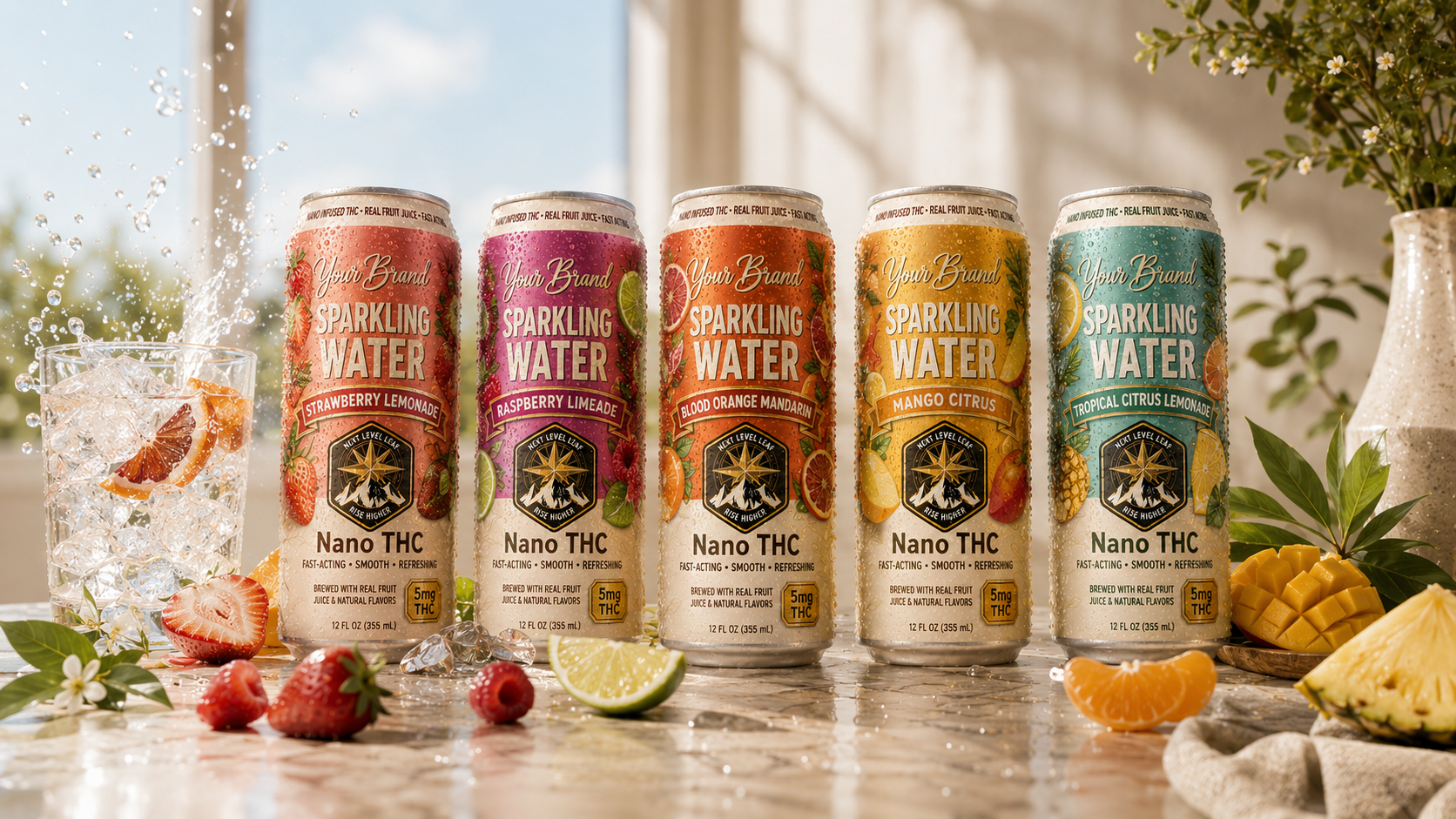
For fruit-forward THC beverages, the label is where flavor story, real fruit ingredients, THC dose, serving size, warnings, nutrition information, testing access, and adult-oriented brand presentation all come together.
Real fruit THC drink labeling is the process of presenting an infused fruit beverage with clear THC disclosures, accurate ingredient language, serving information, warnings, testing access, and adult-oriented packaging. For beverage brands, strong labeling can make the product easier for retailers to evaluate, easier for customers to understand, and easier to support with batch-specific documentation.
Why labeling matters for real fruit THC drinks
Real fruit THC drinks often have a more premium, refreshing, and lifestyle-driven appearance than many other infused beverage formats. That visual advantage is powerful, but it also creates responsibility. The label needs to make it clear that the product is an adult THC beverage, not a conventional fruit drink, juice, sparkling water, soda, or lemonade.
Good labeling helps the product feel credible. It supports retailer confidence, distributor review, customer trust, compliance conversations, and internal quality control. It also helps prevent one of the biggest mistakes in the category: building a product that looks appealing but does not clearly communicate dose, serving size, THC content, testing access, and adult-use expectations.
The best label is clear before it is clever. A customer should be able to look at the can and understand the flavor, format, THC amount, serving structure, and adult beverage positioning without needing a salesperson to explain it.
The main labeling decisions for fruit-forward THC beverages
Labeling should be considered early, not after the formula is finished. The ingredient system, package size, dose, sales channel, state strategy, and brand story all affect what needs to be shown on the can.
THC per can and serving
The label should make the THC amount easy to understand. Depending on the product, that may include THC per serving, THC per container, serving size, and number of servings.
Accurate ingredient story
If the drink uses juice, puree, concentrate, natural flavor, or a blend, the label language should match the formula. Real fruit claims should be supported by what is actually in the product.
Responsible shelf appeal
Fruit-forward labels can be colorful and premium without feeling youth-oriented. Avoid designs that look like children’s drinks, candy, cartoons, or conventional non-infused beverages.
QR codes and COAs
Batch-specific COAs, potency results, lot information, and QR-code access can make the product easier for retailers and distributors to trust.
What should usually appear on a real fruit THC drink label?
Exact requirements can vary by state, retail channel, and product type. Still, a serious THC beverage label usually needs to answer the same practical questions: what is it, what is in it, how much THC does it contain, who is it for, how should it be used, and where can documentation be found?
Product name and format
Make it clear whether the drink is a sparkling fruit drink, still fruit beverage, lemonade, juice-inspired drink, fruit spritzer, or real fruit THC beverage.
THC and other actives
List THC amount clearly and identify other cannabinoids when relevant, such as CBD, CBG, CBN, or THCV.
Warnings and age cues
Use adult-oriented warnings, age-gating language, serving guidance, and responsible-use language that fit the applicable market.
Common label elements to plan for
- Statement of identity or product type.
- Flavor name and beverage format.
- THC amount per serving and/or per container.
- Serving size and servings per container when applicable.
- Ingredient statement that accurately reflects juice, puree, concentrate, flavors, sweeteners, acids, and cannabinoids.
- Nutrition Facts or other nutrition information when required.
- Required warnings, age restrictions, and responsible-use language.
- Batch, lot, manufacturer, distributor, or responsible-party information.
- QR code or link to COAs and product documentation.
Real fruit claims need to match the formula
Real fruit can be a strong part of the product story, but the label should not overstate what the beverage contains. A drink made with real juice, fruit puree, fruit concentrate, natural flavors, or a combination of those inputs may each need different wording.
This is especially important because customers may interpret fruit language differently. A label that says “real fruit” should be supported by the formula. A label that uses fruit imagery should not create confusion about whether the product contains juice, puree, flavor, or a fruit-inspired flavor system.
Juice or puree-forward
This can support a premium product story, but may affect nutrition, sugar, color, sediment, texture, cost, and shelf-life planning.
Natural flavor and fruit cues
This can work well for low-sugar spritzers or sparkling fruit drinks when the product is not meant to feel like juice.
THC disclosures should be easy to find
In a THC beverage, dose clarity is one of the most important parts of the label. A real fruit drink may look refreshing and approachable, but it still needs to communicate that it contains THC and should be used only by adults in appropriate markets.
For many brands, a 5mg or 10mg beverage architecture can be easier to communicate than a high-dose drink because the serving story is more straightforward. But regardless of dose, the label should make the cannabinoid amount visible and understandable.
Do not hide the THC. A premium fruit-forward design can still make the THC amount clear. That clarity helps customers choose responsibly and helps retailers explain the product with less friction.
Claims discipline protects the product story
Real fruit THC drinks can be positioned around flavor, refreshment, adult beverage occasions, alcohol-alternative moments, fruit-forward taste, low-dose social sipping, or premium lifestyle use. They should not be positioned as medical products or as beverages that guarantee a specific effect.
Functional ingredients, cannabinoids, real fruit, and botanicals can all be commercially interesting, but the label should avoid disease, treatment, or guaranteed-result language. The safer and stronger path is usually a clear product story: what is in the can, how many milligrams it contains, what flavor it is, and what adult drinking occasion it fits.
Stronger label positioning usually focuses on:
- Flavor and beverage format.
- THC dose and serving clarity.
- Real fruit or fruit-forward ingredient story when accurate.
- Adult-oriented refreshment and alcohol-alternative occasions.
- Testing access, transparency, and product documentation.
QR codes, COAs, and retailer-ready documentation
For THC beverages, the label is only one part of the documentation system. Retailers and distributors may want to review COAs, potency results, batch information, ingredient details, and compliance materials before carrying the product.
A QR code can help connect the can to documentation without crowding the label. This can be especially useful for real fruit drinks because the label may already need room for flavor identity, ingredient information, nutrition information, warnings, and brand design.
Potency support
Finished-product COAs can help support the THC amount shown on the label.
Traceability
Batch and lot information helps connect the product to production records and testing documentation.
Easy access
A QR code can give retailers and consumers a simple path to documentation.
Retail confidence
Clear documentation can reduce friction when retailers, distributors, and buyers evaluate the product.
Packaging design should stay adult-oriented
Real fruit beverages can naturally lean bright, colorful, and refreshing. That can be an advantage, but the design should still feel like an adult beverage. Avoid anything that makes the product look like a children’s juice, candy drink, cartoon beverage, or standard non-infused fruit soda.
Adult-oriented design does not have to be boring. Premium typography, clean flavor cues, fruit imagery, restrained color systems, matte finishes, thoughtful hierarchy, and clear dosing can create a strong shelf presence without creating unnecessary compliance risk.
What to prepare before creating the label
A brand does not need final label art before requesting a quote, but it helps to know the product direction. The more clearly the product is scoped, the easier it is to plan label requirements, ingredient language, testing access, and packaging layout.
What fruit system is used?
Know whether the product uses juice, puree, concentrate, natural flavor, or a blend.
How much THC is in the can?
Identify the target THC amount, serving size, package size, and cannabinoid stack.
Where will it be sold?
Retail channel and target state can affect warnings, QR code expectations, documentation, and packaging decisions.
What should the product communicate?
Clarify whether the beverage is premium, low-sugar, sparkling, juice-inspired, alcohol-alternative, or functional-adjacent.
If you are still shaping the product itself, start with the real fruit THC drink flavor development guide. For production planning, review real fruit THC beverage formulation and shelf-stable real fruit THC drinks.
Related reading
Continue through the real-fruit THC drinks section with these related resources.
Frequently asked questions
Ready to scope a real fruit THC drink?
Share the beverage format, fruit direction, THC dose, packaging goals, and target channel. We can help think through the product path, documentation needs, label planning, MOQ, and production timing.