


Real Fruit THC Drink Flavor Development
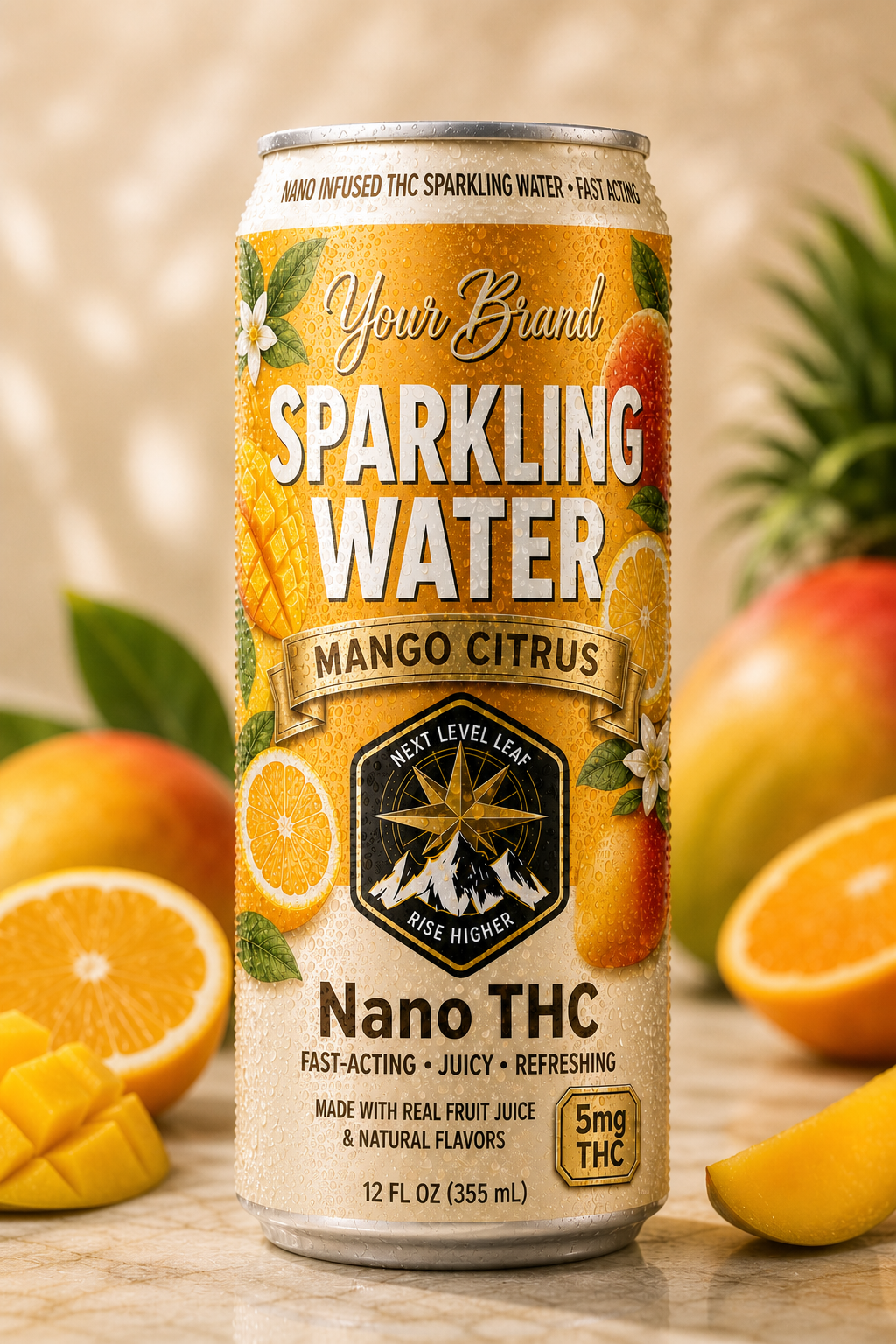
Real fruit THC drink flavor development is where the beverage idea becomes a product customers can understand, enjoy, and recognize on shelf.
For brands building fruit-forward THC beverages, flavor is not just about picking mango, citrus, berry, or lemonade. The right flavor direction affects formulation, sweetness, acidity, cannabinoid masking, shelf life, packaging, and how clearly the product fits the customer’s drinking occasion.
Real fruit THC drink flavor development is the process of building an infused beverage around fruit taste, aroma, sweetness, acidity, texture, dose, and manufacturing stability. For beverage brands, the goal is to create a fruit-forward THC drink that tastes refreshing, communicates clearly on shelf, supports the desired dose, and can be produced consistently at commercial scale.
Why flavor development matters for real fruit THC drinks
Real fruit THC drinks have a different job than basic flavored seltzers. They need to feel refreshing and premium, but they also need enough flavor structure to work with cannabinoids, carbonation or still texture, sweetness, acidity, and shelf-stable production.
A founder may start with a simple idea like mango citrus, raspberry lemonade, blood orange, grapefruit, or pineapple. The manufacturing question is more specific: what fruit system should be used, how sweet should it be, how much acidity is needed, what dose will the drink carry, and how will the final product taste after processing, packaging, and storage?
The best real fruit flavor concepts are easy to understand. A customer should be able to see the can and quickly know what kind of drink it is: sparkling fruit refresher, juice-inspired THC drink, low-sugar fruit beverage, lemonade-style drink, tropical spritzer, or premium alcohol-alternative.
The main choices that shape a real fruit flavor
Flavor development usually starts by narrowing the product direction. A real fruit THC drink can be built many ways, but each path creates different cost, stability, and sensory tradeoffs.
Juice, puree, flavor, or blend
Real juice and puree can create a stronger fruit story, while natural flavors and concentrates may help with cost, consistency, and shelf stability. Many strong formulas use a blend.
Still or sparkling
Sparkling drinks can feel lighter and more refreshing. Still fruit drinks can feel fuller, smoother, and closer to juice, lemonade, or iced tea.
Sweetness and acidity
Fruit flavor usually needs the right balance of sugar, acid, aroma, and mouthfeel. Too flat, too sharp, or too sweet can make the product feel unfinished.
Cannabinoid load
A 5mg or 10mg drink may need less flavor coverage than a stronger product. Dose can change how much flavor support is needed to keep the drink clean and enjoyable.
Fruit directions that work well for THC beverages
There is no single best fruit flavor. The right choice depends on the brand, customer, sales channel, and drinking occasion. That said, some fruit families are especially useful because they are familiar, refreshing, and flexible across still and sparkling formats.
Blood orange, grapefruit, yuzu, lemon
Citrus flavors can feel bright, adult, and refreshing. They also work well in sparkling formats and alcohol-alternative positioning.
Mango, pineapple, passionfruit
Tropical flavors can create a stronger lifestyle feel and may help support bolder fruit notes in a THC beverage.
Raspberry, strawberry, mixed berry
Berry flavors can work well in lemonade, spritzer, and juice-inspired drinks because they are familiar and visually easy to understand.
Real fruit, natural flavor, and puree are not the same thing
One of the biggest early decisions is how much real fruit character the product needs. Some brands want the strongest possible real fruit story. Others want the product to taste fruit-forward while staying lighter, lower sugar, easier to produce, and more shelf-stable.
Real juice, puree, concentrates, natural flavors, sweeteners, acids, colors, and stabilizers can all play a role. The best approach is usually not ideological. It is practical: the formula should match the brand story, cost target, shelf-life expectations, and customer experience.
When real juice or puree may make sense
- The brand wants a visibly fruit-forward or juice-inspired product story.
- The drink is positioned as premium, refreshing, or cleaner-label.
- The flavor needs more body, color, or fruit depth.
- The sales channel rewards a stronger ingredient story.
When a lighter fruit flavor system may make sense
- The brand wants a low-sugar or lower-calorie fruit drink.
- The drink is meant to feel closer to sparkling water or a spritzer.
- Production simplicity, cost control, and consistency are priorities.
- The product needs a clean taste profile without excess pulp, sediment, or texture.
How THC changes flavor development
THC beverage formulation is not the same as standard fruit beverage development. Cannabinoid inputs can affect aroma, bitterness, aftertaste, mouthfeel, clarity, and perceived sweetness. This is one reason fruit-forward drinks often need careful balancing.
Bold fruit flavors can help soften cannabinoid notes, but they do not replace good formulation. Acidity, sweetness, emulsion choice, flavor system, and dose all need to work together.
Top notes matter
Fruit aroma helps the drink feel fresh before the first sip and can make the flavor feel more complete.
Brightness matters
Acidity can make fruit flavors feel more alive, but too much can make the drink sharp or thin.
Balance matters
Sweetness can round out THC notes, but too much can move the product away from a premium adult beverage feel.
Texture matters
Still, sparkling, juice-inspired, and puree-based drinks each need a different texture target.
Commercial flavor strategy for beverage brands
Flavor development should connect to the business model. A product for a smoke shop, dispensary, grocery-style retailer, resort, restaurant, distributor, or wellness brand may need a different flavor story.
For a first launch, most brands are better served by clear, recognizable flavors than overly complex combinations. Mango citrus, raspberry lemonade, blood orange mandarin, grapefruit, pineapple, and strawberry lemonade are easier for customers to understand than abstract flavor names that require explanation.
Good first-run flavor logic
- Choose a lead flavor that is easy to understand at a glance.
- Use a second flavor to show variety without making the lineup feel scattered.
- Match sweetness to the sales channel and customer expectation.
- Keep the dose and flavor aligned so the drink tastes clean at the intended strength.
- Use adult-oriented packaging and clear THC disclosures from the beginning.
If you are comparing fruit-forward drinks against other formats, the real fruit THC drinks guide is the best place to start. For production planning, review real fruit THC beverage formulation and shelf-stable real fruit THC drinks.
What to prepare before scoping flavor development
The clearer the starting point, the easier it is to scope the right production path. A brand does not need a finished formula before requesting a quote, but it helps to know the basic direction.
What kind of fruit drink is it?
Decide whether the concept is sparkling, still, juice-inspired, low-sugar, puree-forward, lemonade-style, or spritzer-style.
What is in the can?
Identify the target THC dose, package size, cannabinoid stack, and whether the product should feel low-dose, moderate-dose, or stronger.
What should customers understand?
Clarify whether the product is positioned around real fruit, cleaner-label refreshment, premium alcohol alternative, retail cooler appeal, or functional beverage crossover.
How will it be sold?
Retail channel, state strategy, packaging, testing, and documentation all affect how the product should be scoped.
Related reading
Continue through the real-fruit THC drinks section with these related resources.
Frequently asked questions
Ready to build a fruit-forward THC beverage?
Share the flavor direction, dose, format, and packaging goals you have in mind. We can help scope the right path for a real fruit THC drink, fruit spritzer, lemonade, juice-inspired beverage, or sparkling fruit concept.