


Shelf-Stable Real-Fruit THC Drinks
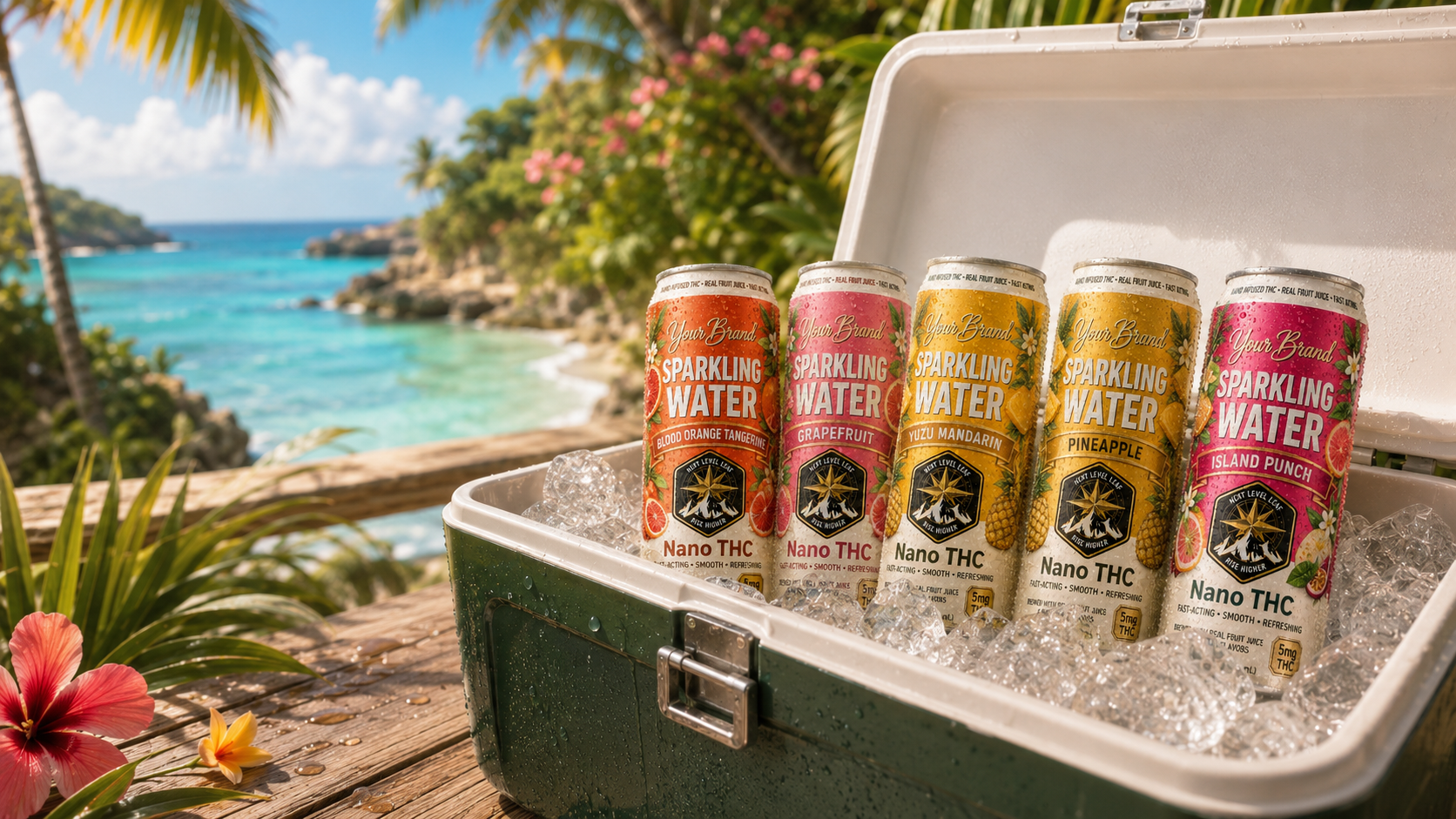
Shelf-stable real-fruit THC drinks can be attractive for brands that want a fruit-forward beverage without building a refrigerated distribution model.
The opportunity is strong, but shelf stability has to be planned through formulation, processing, packaging, testing, storage expectations, and the actual retail channel where the product will be sold.
Shelf-stable real-fruit THC drinks are infused beverages designed to hold quality and safety under ambient storage conditions when formulated, processed, packaged, and tested correctly. For brands, this can make retail placement, warehousing, shipping, and distributor conversations easier than a refrigerated product, but fruit ingredients add formulation and production decisions that need to be scoped before launch.
What shelf-stable means for a real-fruit THC beverage
In beverage planning, shelf-stable does not simply mean “put it in a can and ship it.” It means the finished drink is built around a formulation and production process intended for ambient storage under appropriate conditions. That matters more when the drink uses fruit juice, fruit puree, fruit-forward flavor systems, natural colors, sweeteners, acids, and cannabinoids.
A real-fruit THC drink can be still or sparkling, lightly sweet or full-flavored, low-dose or higher-dose depending on the format. But the more complex the fruit system becomes, the more important it is to think through acidity, texture, cloudiness, separation, sweetness, flavor drift, preservative strategy, processing method, packaging compatibility, and finished-product testing.
Why brands want shelf-stable fruit-forward THC drinks
Real fruit gives a THC beverage a clear customer story. Citrus, berry, tropical fruit, lemonade, grapefruit, mango, and yuzu-style concepts feel familiar and easy to understand. For a brand trying to stand out against plain seltzers or generic flavored beverages, fruit-forward positioning can make the drink feel more premium, more visual, and more adult.
Shelf stability adds a second layer of value. A shelf-stable product may be easier to warehouse, easier to ship, easier for retailers to manage, and easier for distributors to evaluate than a drink that requires cold-chain handling. That can be especially important for brands thinking about regional retail, liquor-adjacent channels, specialty markets, convenience retail, event placement, and broader wholesale distribution.
Common use cases
- Fruit-forward THC spritzers for adult-beverage retail channels.
- Still or sparkling THC lemonades with familiar flavor appeal.
- Tropical fruit THC drinks for lifestyle and summer-focused brands.
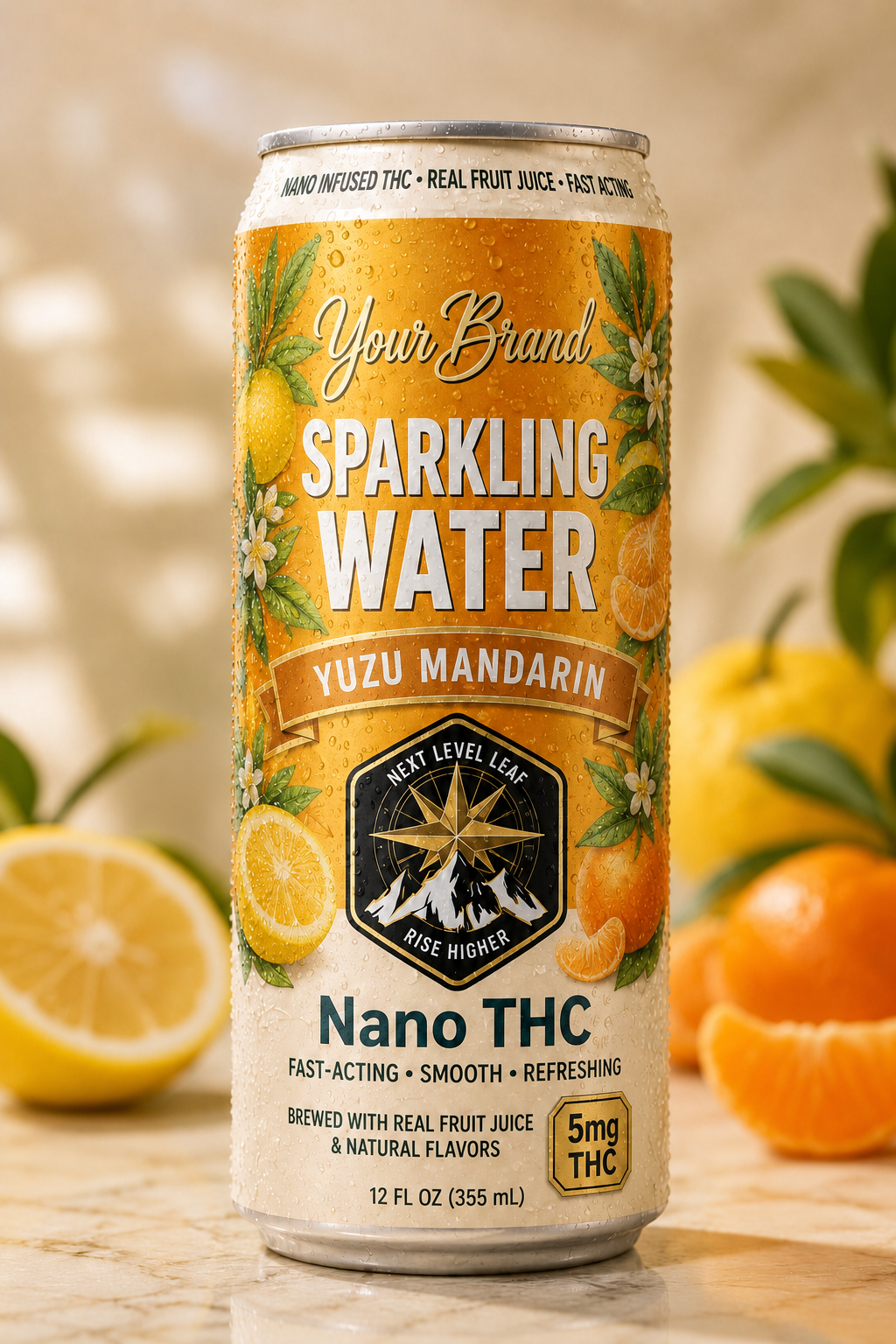
- Premium citrus profiles such as grapefruit, blood orange, yuzu, or mandarin.
- Low-sugar real-fruit-inspired beverages with a cleaner-label feel.
- Distributor-friendly fruit THC drinks that do not require a refrigerated launch model.
What makes real fruit more complex than basic flavoring
A basic flavored seltzer may rely mostly on water, carbonation, flavor, cannabinoid input, acid, and sweetener. A real-fruit drink may add juice, puree, pulp, cloud, color, additional sugars, texture, or fruit solids. Those ingredients can improve flavor and product appeal, but they can also change the way the beverage behaves over time.
For example, fruit can influence pH, sediment, haze, mouthfeel, color change, sweetness balance, and the way the cannabinoid emulsion tastes in the finished product. A formula that tastes great on day one still has to be evaluated for how it holds through manufacturing, storage, and the intended sales cycle.
Key formulation questions
- Will the beverage use real juice, fruit puree, natural fruit flavor, or a combination?
- Will the drink be still or sparkling?
- What sweetness level fits the brand and retail channel?
- Does the fruit profile help cover or complement the cannabinoid input?
- Will the drink be clear, cloudy, colored, pulp-style, or juice-inspired?
- What process and package are required to support shelf-stable goals?
These decisions should be made before final label design and before a first production run is quoted. If you are still deciding between fruit puree, juice, or flavor systems, the related guides on fruit puree THC beverages and real juice versus natural flavor THC drinks are useful next reads.
Production and packaging decisions that affect shelf stability
Shelf-stable beverage planning depends on the full production path. The formulation, thermal or preservation strategy, can or bottle format, closure, carbonation level, fill process, oxygen exposure, and finished-product testing all matter. That is why shelf-stable fruit drinks should not be treated like a simple flavor swap from a plain seltzer.
Packaging also affects the customer experience. A sleek 12 oz can may work well for sparkling fruit THC drinks, while a still juice-inspired beverage might call for a different visual story, sweetness level, or serving occasion. Labels should communicate the flavor, dose, and adult positioning clearly without overclaiming the fruit content or implying benefits the product cannot support.
What to clarify before production
- Target dose per can and whether the product is low-dose, sessionable, or stronger.
- Package size, can style, carbonation level, and first-run quantity.
- Fruit system: juice, puree, flavor, or a hybrid approach.
- Expected retail environment and storage assumptions.
- Label claims, ingredient statements, COA expectations, and compliance review.
- Whether speed-to-market or custom formulation is the priority.
When a shelf-stable path makes sense
A shelf-stable real-fruit THC beverage may make sense when a brand wants a product that can move through retail and wholesale channels with fewer cold-chain constraints. This can be a strong fit for retailers, distributors, beverage companies, hospitality groups, hemp brands, cannabis-adjacent brands, and founders who want a product that looks familiar on shelf.
It may not be the best path if the brand’s core concept depends on a fresh juice identity, short shelf-life positioning, or refrigerated premium placement. In those cases, a cold-chain product may fit the brand story better, even if it creates more operational complexity. The right choice depends on the product promise, channel strategy, and production economics.
How to prepare for a quote
A quote is easier to scope when the product direction is clear. You do not need a fully finished formula before starting the conversation, but you should be able to describe what you want the product to feel like and where it will be sold.
- Choose a primary flavor direction, such as citrus, berry, tropical, lemonade, or grapefruit.
- Decide whether the product should be still or sparkling.
- Identify the dose range you want to explore.
- Decide whether the priority is white-label speed or a more custom private-label build.
- Clarify the first retail or distribution channel.
- Prepare any brand, label, packaging, or compliance requirements that already exist.
If you are ready to evaluate the manufacturing path, you can request a quote or review the broader THC beverage manufacturing options first.
Frequently asked questions
Related reading
Continue planning the product direction, formulation path, and manufacturing fit for a fruit-forward THC beverage line.
Ready to scope a shelf-stable real-fruit THC drink?
Share the flavor direction, dose range, package size, and first-run goals. Next Level Leaf can help you think through a practical white-label or private-label beverage path.