

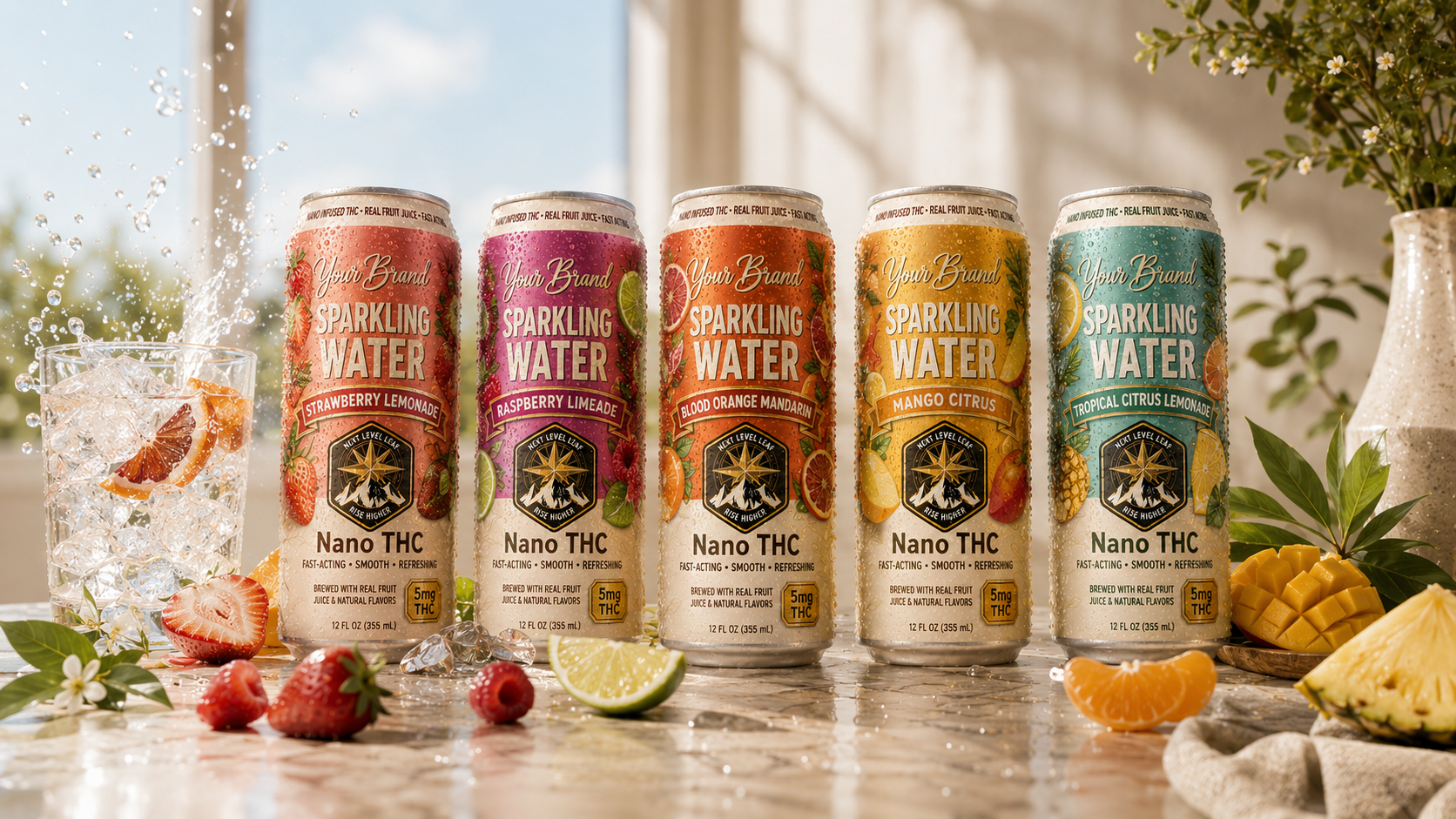
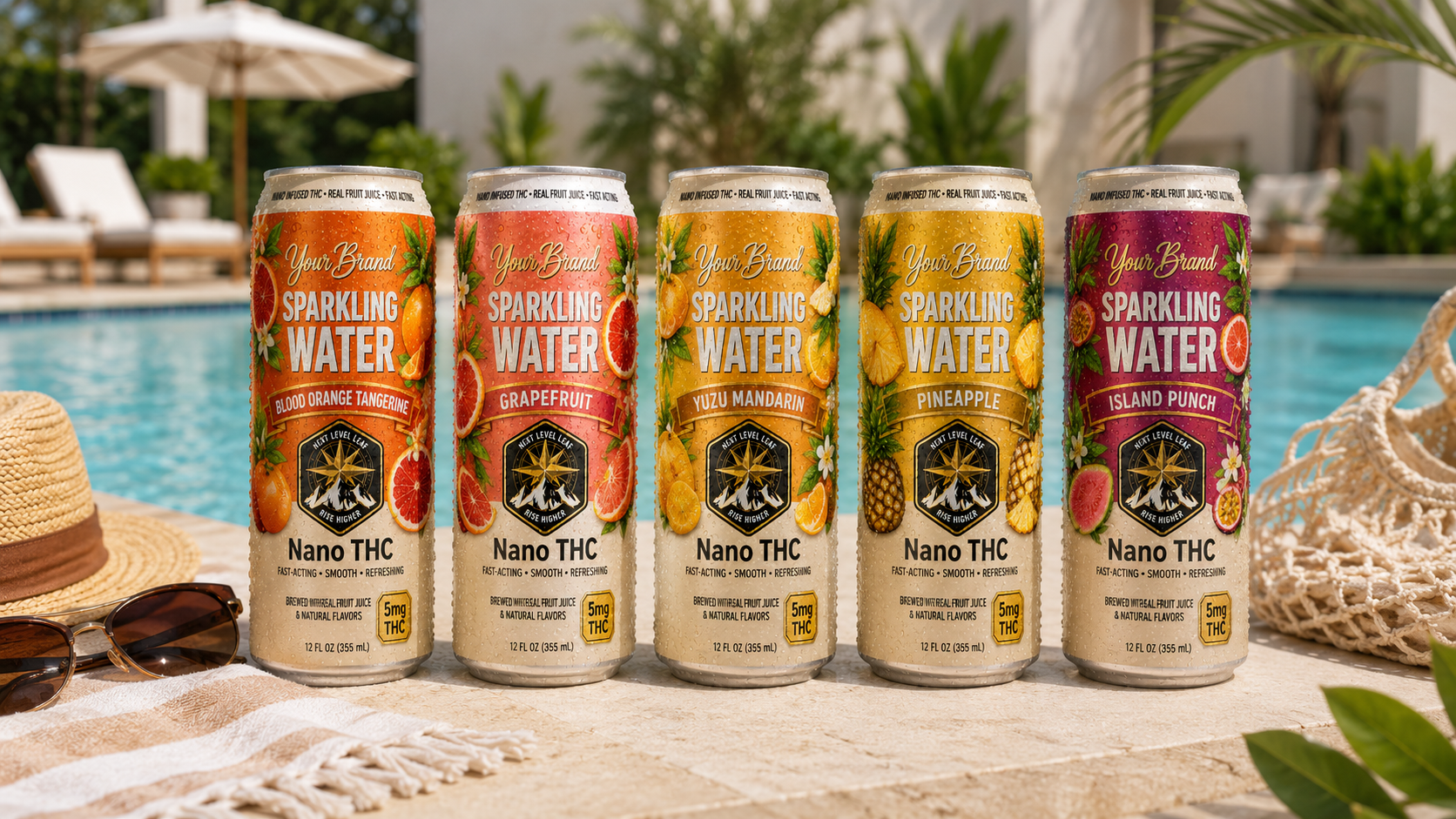
Why real fruit THC drink pricing varies
Real fruit THC drinks can range from simple and production-ready to highly customized. A lightly flavored sparkling fruit beverage is not the same as a puree-based drink, and a still juice-inspired beverage is not the same as a standard THC seltzer.
That is why pricing cannot be reduced to one simple number without knowing the product. The format, fruit system, dose, packaging, testing, and run size all matter.
The best first quote is not just the lowest possible price. It is the most realistic path to a product the brand can launch, sell, document, and reorder.
The biggest cost drivers
Most real fruit THC drink quotes are shaped by a few major variables. Once those are clear, the project becomes much easier to evaluate.
Flavor, juice, or puree
Natural flavor, juice, puree, and blended fruit systems can each change ingredient cost, formulation work, and production requirements.
- Natural flavor may be simpler
- Juice can add sugar and acidity
- Puree can add body and complexity
Cannabinoid input cost
The target THC or cannabinoid dose affects input cost, formulation, finished-product testing, and documentation needs.
- MG per can
- Input type
- Finished-product COAs
Labels, sleeves, or cans
Packaging status affects timeline, production readiness, cost, and how quickly the product can move toward a first run.
- Label readiness
- Can or bottle size
- Artwork and QR planning
MOQ depends on the production path
Minimum order quantity can vary by production partner, product format, packaging, ingredient requirements, and the level of customization. Some paths may support a smaller pilot run. Others may require larger production quantities to make the economics work.
A white-label or near-ready private-label beverage may have a more practical starting point than a fully custom formula with unique fruit ingredients, special packaging, and extra development work.
White-label vs private-label vs custom cost
White-label can be the most practical first step when speed and simplicity matter. Private-label can add more brand control while still avoiding some of the cost and timeline of a fully custom product. Custom formulation may be the best fit when the brand needs a very specific product experience.
Each path has a different cost profile. The important question is whether the first production run should prove demand, create a more brand-specific product, or build a highly customized formula from the start.
Usually simpler
Best when the brand wants a faster path using a more production-ready fruit-forward beverage framework.
More brand control
Best when the brand wants more control over flavor, dose, packaging, and positioning without a fully custom build.
More development
Best when the product requires custom R&D, a unique fruit system, a specific ingredient stack, or unusual format.
How real fruit affects cost
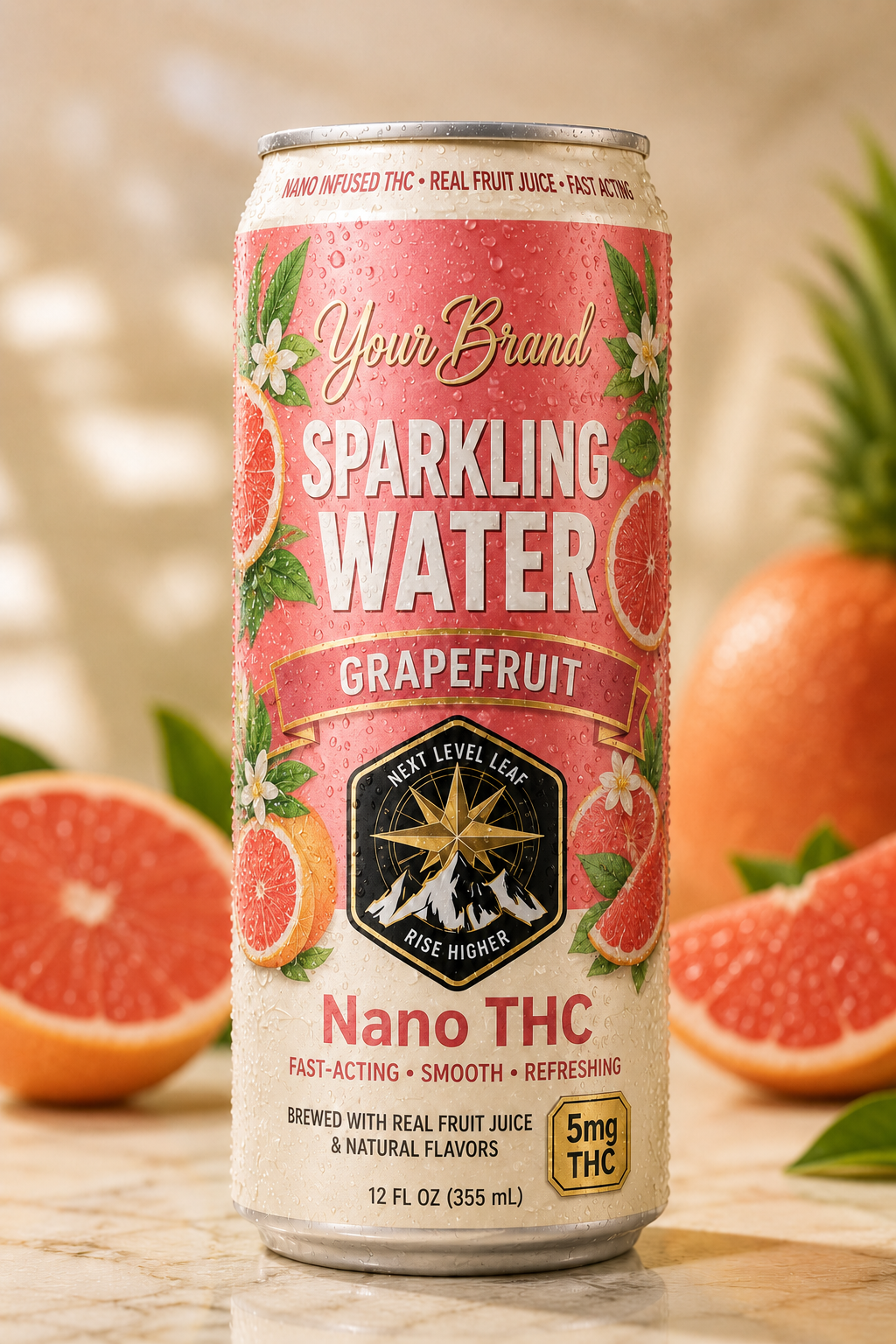
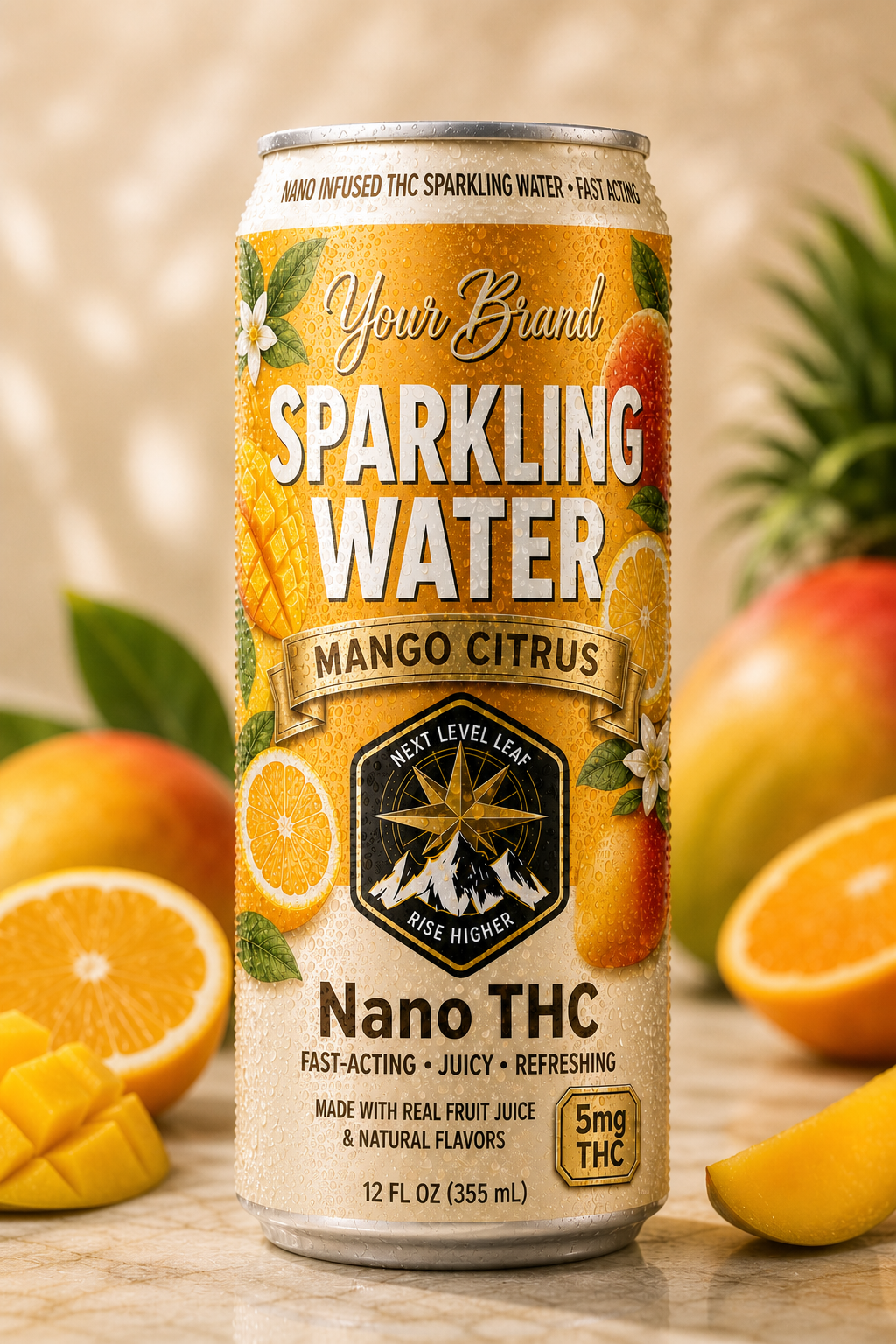
Real fruit can improve the product story, but it can also change the cost structure. Juice and puree may add ingredient cost, processing requirements, stability considerations, and shelf-life questions.
That does not mean real fruit is a bad choice. It means the product should use the fruit system that actually improves the beverage and supports the brand’s positioning.
Fruit should earn its place in the formula. If juice or puree improves flavor, color, and brand value, it may be worth the added complexity. If not, a cleaner flavor system may be the smarter first run.
How packaging affects cost and MOQ
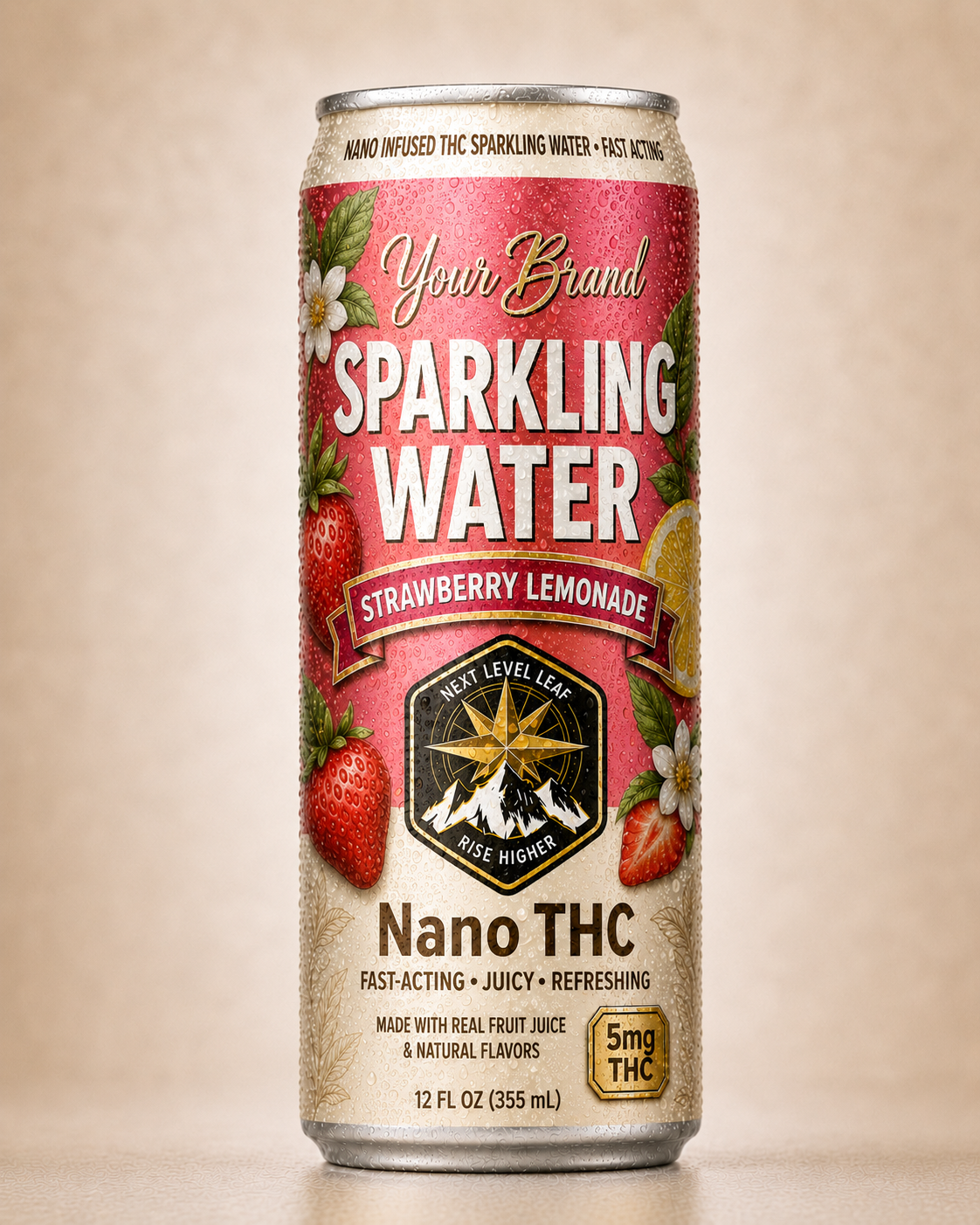
Packaging can be a major cost and timeline variable. Smaller pilot runs may be better suited to labels or sleeves. Printed cans may become more practical when the brand has validated demand and has a stronger reorder plan.
Artwork readiness also matters. If label files are incomplete, if can size is undecided, or if QR/COA access has not been planned, the project may slow down before production even starts.
Testing, COAs, and documentation costs
Finished-product testing, batch-specific COAs, label accuracy, and batch documentation are part of a serious THC beverage launch. They support retailer trust, distributor conversations, and internal quality control.
Testing and documentation should be considered part of the product cost, not an afterthought. A fruit-forward beverage with strong packaging but weak documentation can create unnecessary friction during sales.
How to keep the first run smarter
The first run should be built to learn. That may mean starting with a focused flavor direction, a practical dose, a manageable packaging path, and a production format that does not create unnecessary cost before the brand has real sales feedback.
A brand can always get more custom later. The first goal is often to validate the product, understand buyer response, and determine whether the flavor, dose, format, and price point can earn a reorder.
Questions that make quoting easier
- Do you want a white-label, private-label, or custom formulation path?
- Should the drink be still or sparkling?
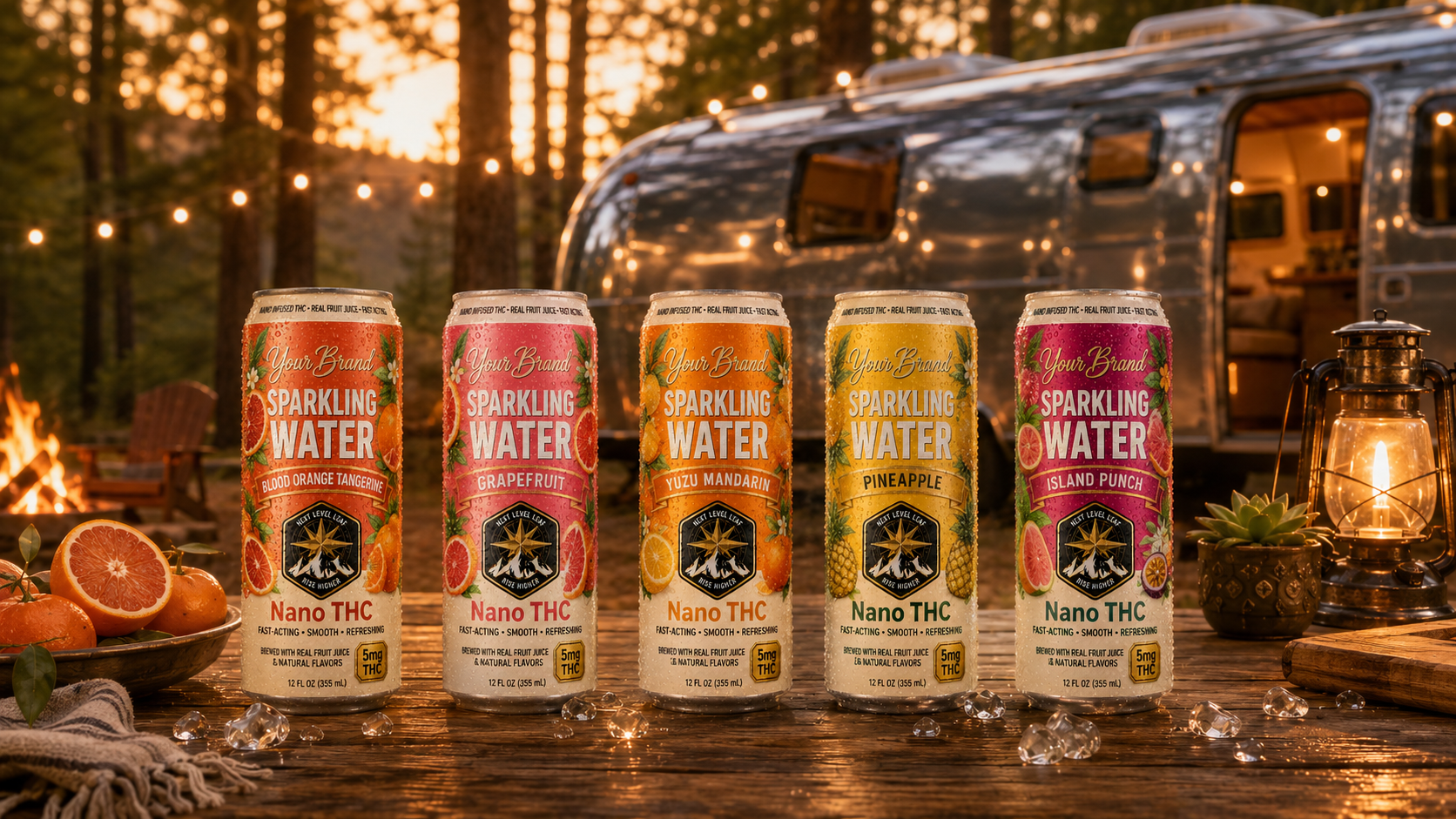
- What fruit direction or flavor lineup do you want?
- Do you want natural flavor, juice, puree, or a blended approach?
- What is the target THC or cannabinoid dose per can?
- What can or bottle size do you want?
- Is the artwork ready, in progress, or not started?
- Which states and sales channels are you targeting?
- What first-run quantity are you considering?
What affects the final per-can cost?
The final per-can cost depends on the ingredient system, cannabinoid dose, packaging, production volume, testing, freight, and any additional development work. Higher volume can often improve unit economics, but first-run planning should still be realistic for the brand’s sales capacity.
A lower per-can cost only helps if the brand can sell through the inventory. A smarter first run balances cost, quantity, shelf life, and the ability to generate real demand.
What to prepare before requesting a quote
The more complete the information, the more useful the quote can be. You do not need every detail finalized, but the core product direction should be clear.
- Product format: still, sparkling, seltzer-style, lemonade-style, tea, or juice-inspired
- Flavor direction or desired flavor lineup
- Fruit system preference: natural flavor, juice, puree, or blended approach
- Target THC or cannabinoid dose per can
- Can or bottle size
- Sweetness and calorie goals
- Packaging status and label readiness
- Target states and sales channels
- Expected first-run quantity and timeline
Where to go next
If you are still comparing production paths, read Real Fruit THC Drink Manufacturing. If you are working through packaging, review Real Fruit THC Drink Packaging. If you are comparing fruit systems, read Real Juice vs Natural Flavor in THC Drinks. If your cost and MOQ questions are ready to scope, the next step is to request a quote.