

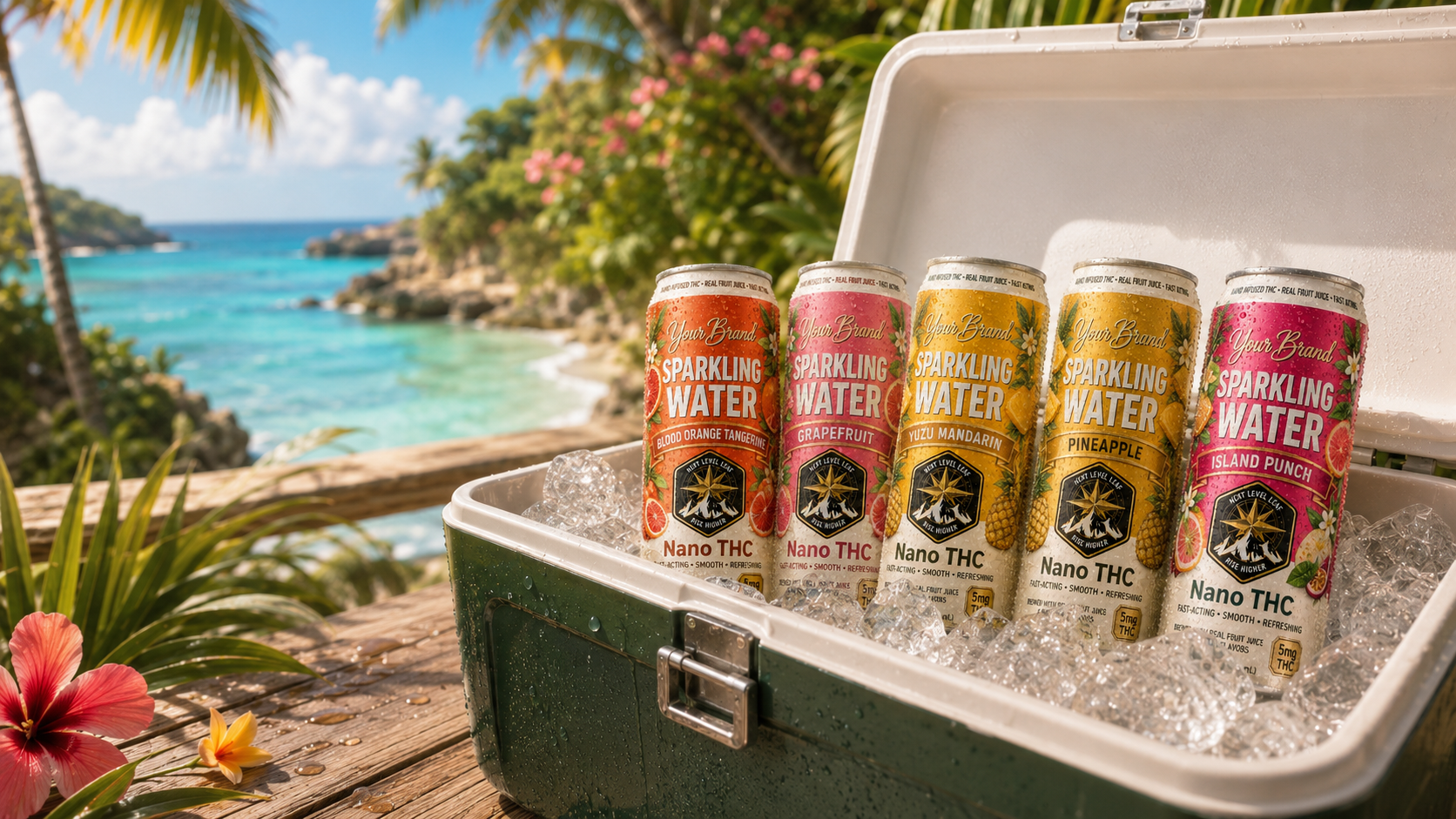
Why tropical THC drinks can work for brands
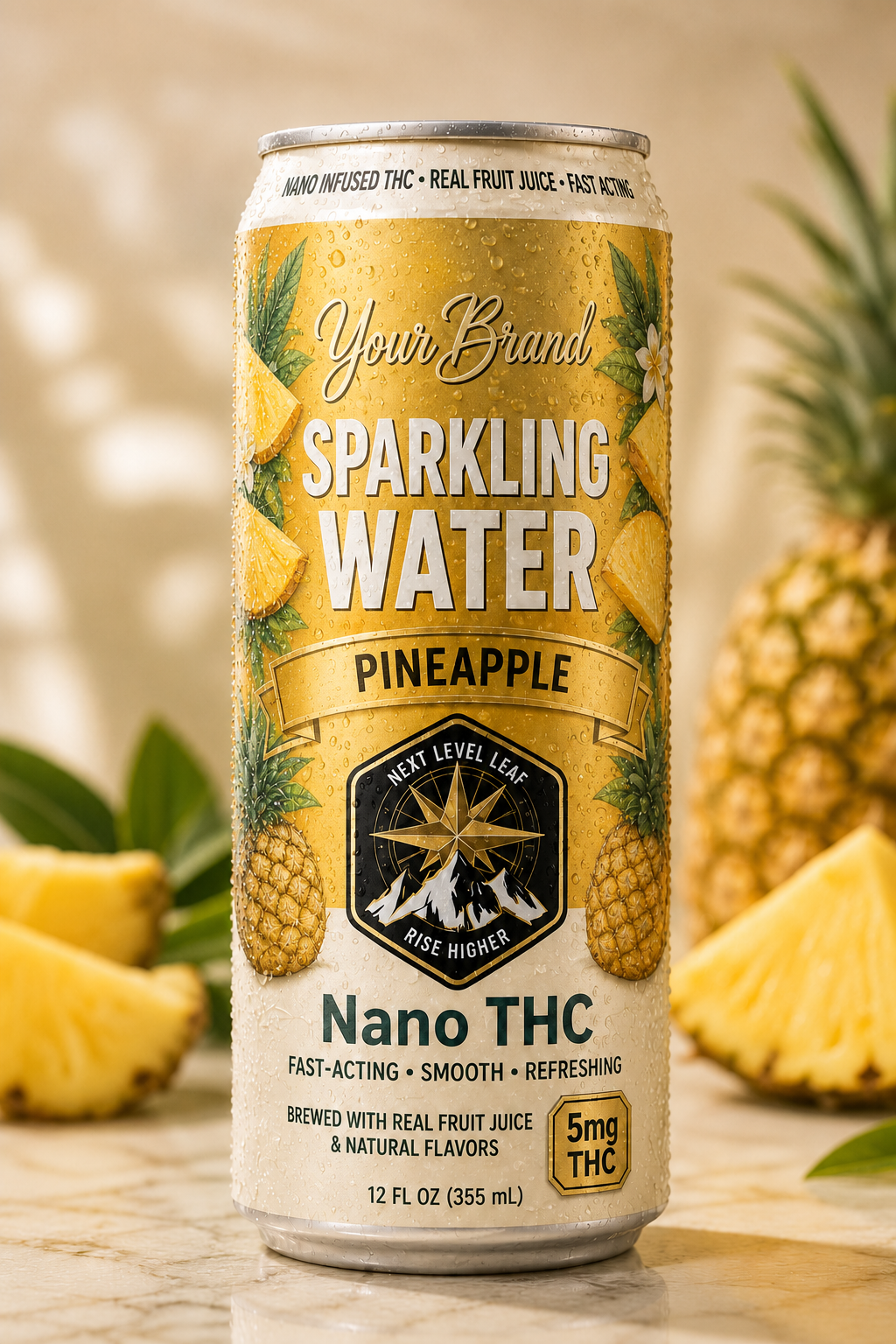
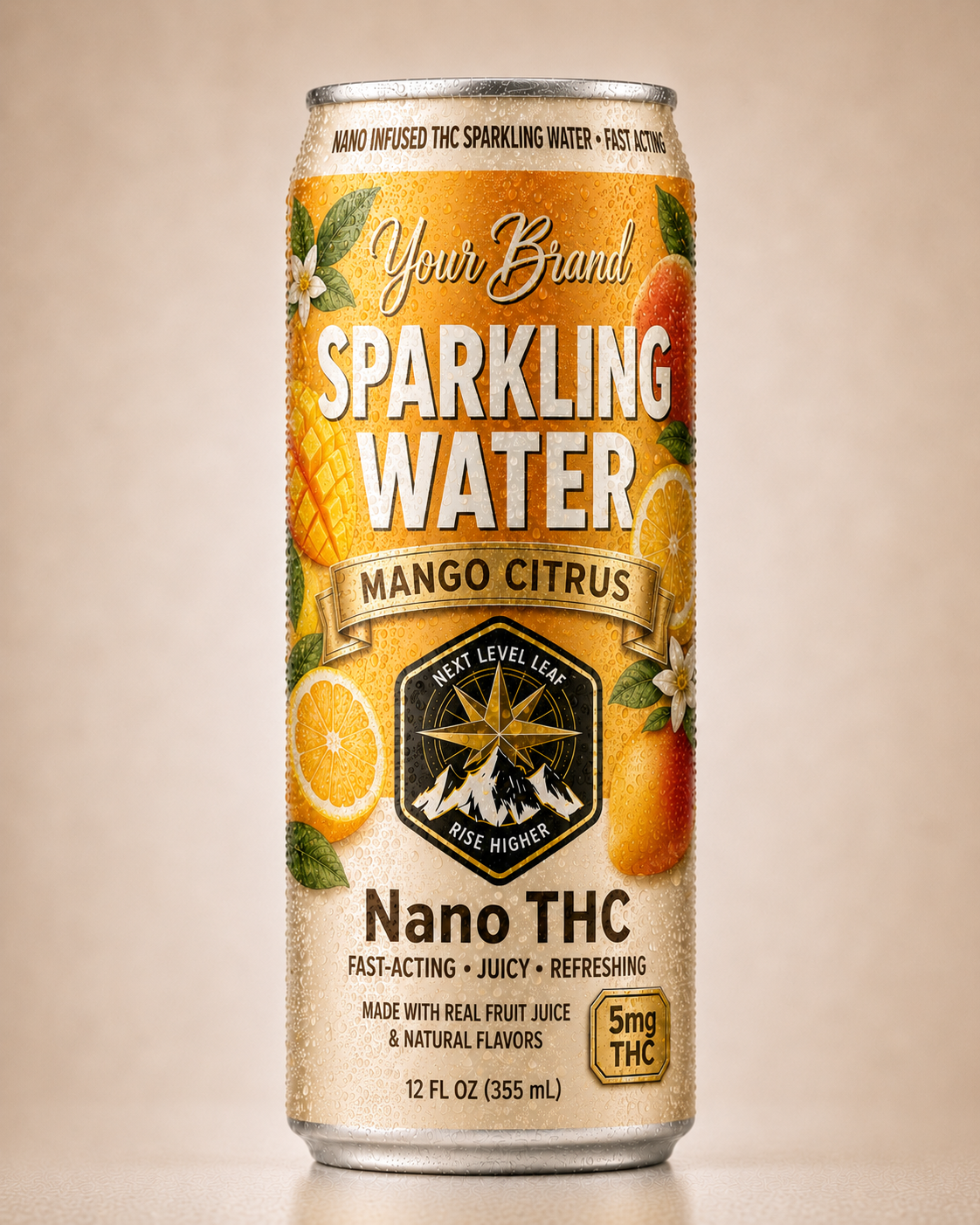
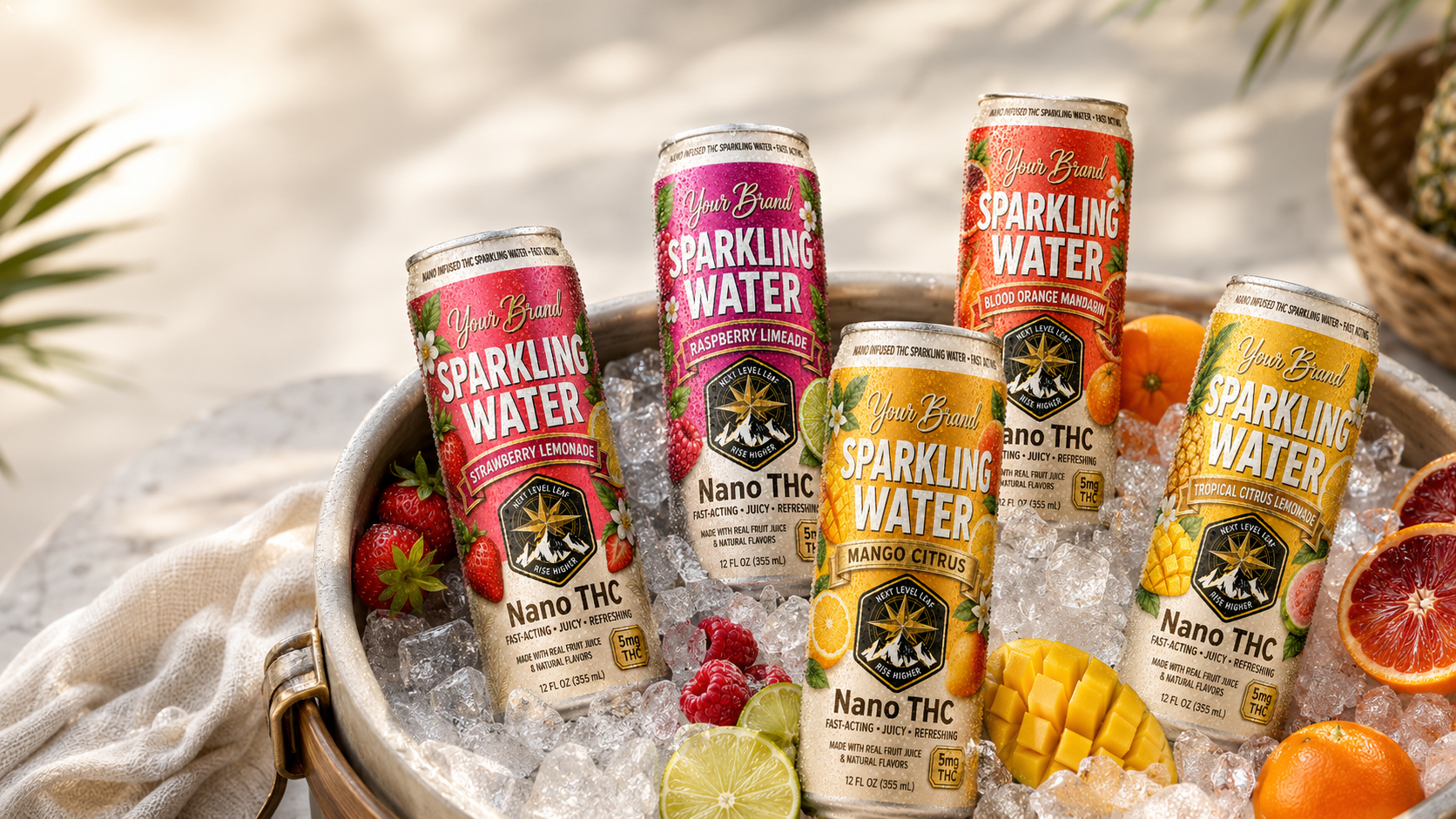
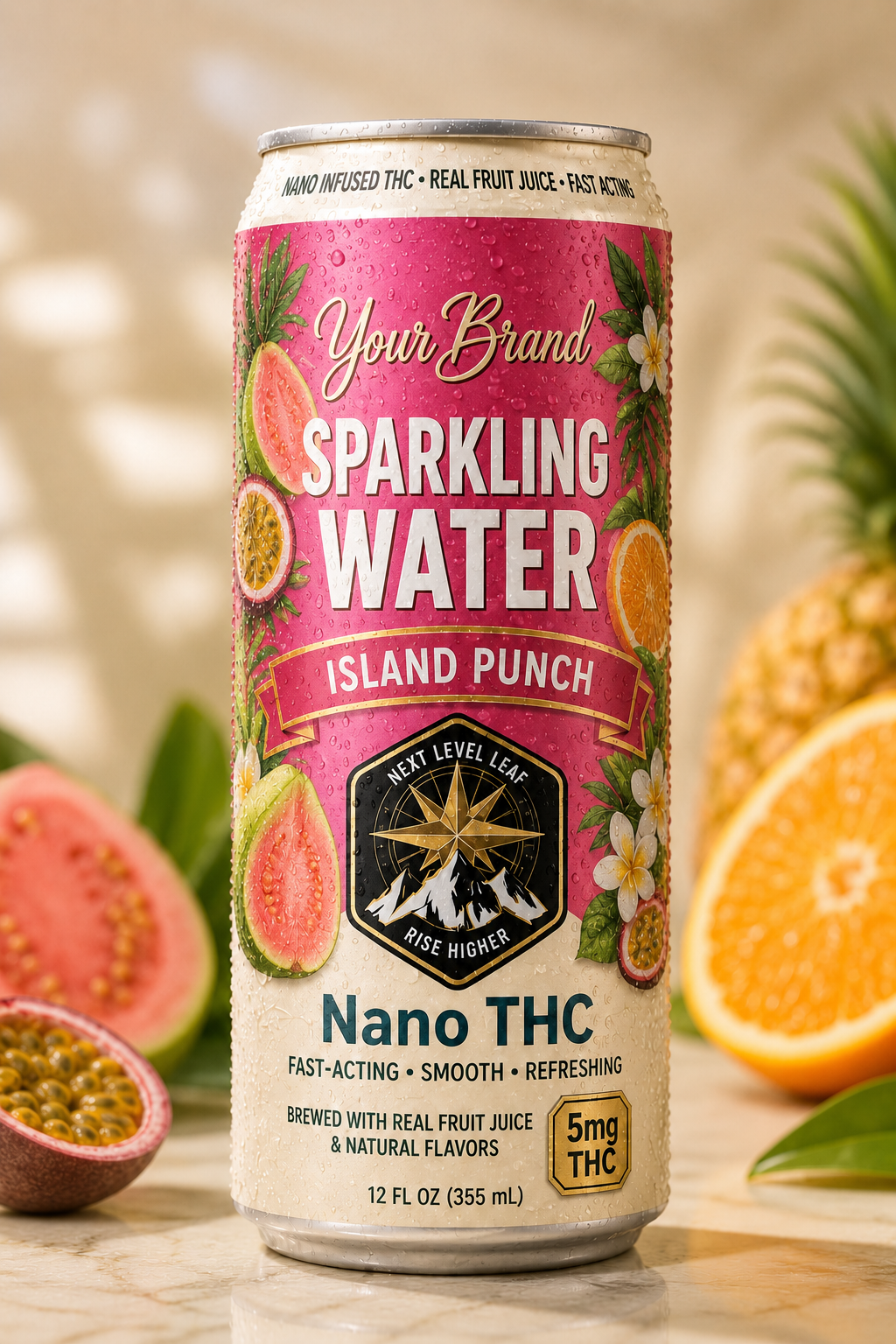
Tropical flavors are highly visual. Pineapple, mango, citrus, island punch, and tropical lemonade all create an immediate sense of refreshment. That makes the product easier to understand and easier to merchandise.
For a THC beverage brand, that matters. A tropical flavor can help the drink stand out in social content, retail photography, sales decks, and cooler displays without needing a complicated explanation.
Tropical flavors work best when they feel refreshing and adult, not overly sweet or candy-like. The goal is a beverage customers want to drink, not just a flavor name that looks good on a can.
Still, sparkling, or lemonade-style tropical drinks
Tropical THC drinks can work in several formats. A sparkling pineapple or mango citrus drink can feel light, social, and refreshing. A still tropical citrus drink can feel smoother and more juice-inspired. A tropical lemonade can feel familiar while still giving the brand a bright fruit-forward product story.
The format should match the brand’s audience, retail channel, and drinking occasion. A beach-style seltzer, a still fruit beverage, and a tropical lemonade may use similar fruit language but require different formulation decisions.
Bright and social
Best for seltzer-style drinks, sparkling fruit waters, spritz-style concepts, and cooler-friendly products.
- Carbonation adds lift
- Strong for pineapple and citrus
- Good alcohol-alternative fit
Smooth and fruit-forward
Best for juice-inspired, flavored water-style, tea blend, or non-carbonated fruit beverage concepts.
- No bubbles
- More mouthfeel planning
- Good for mango and lemonade
Familiar and refreshing
Best when the brand wants tropical flavor with the customer recognition of lemonade.
- Tropical citrus lemonade
- Pineapple lemonade
- Mango lemonade
Flavor directions for tropical THC beverages
Tropical drinks can become too broad if the flavor is not defined. A more specific flavor direction helps the customer understand the product and gives the packaging a stronger identity.
- Pineapple: bright, recognizable, and easy to picture in warm-weather settings.
- Mango Citrus: tropical, juicy, and balanced with acidity.
- Island Punch: bold, colorful, and lifestyle-driven.
- Tropical Citrus Lemonade: familiar, refreshing, and easy to understand.
- Pineapple Mango: classic tropical pairing with broad customer appeal.
- Passionfruit-style blends: more premium and differentiated when the brand wants something less common.
How tropical flavors affect formulation
Tropical flavors often carry sweetness expectations. A pineapple or mango drink may need enough sweetness to feel complete, but too much sweetness can make the beverage feel heavy or candy-like.
Acidity is important. Citrus, lemon, lime, or tart fruit notes can help a tropical THC drink feel brighter and more refreshing. This is especially important in low-sugar or sparkling formats.
The best tropical THC drinks usually balance fruit sweetness with acidity and refreshment. That balance is what keeps the product adult, drinkable, and repeatable.
Real fruit, puree, juice, or natural flavor?
Tropical drinks can be built with natural flavor, real juice, puree, or a blended fruit system. Natural flavor may support a lighter beverage. Juice can create a more familiar fruit story. Puree can add more body, color, and fruit intensity.
Those choices affect sugar, calories, cost, stability, sediment, shelf-life planning, and production timeline. The right fruit system should support the product’s position without making the first run harder than it needs to be.
Low-sugar tropical THC drinks
Low-sugar tropical THC drinks can work, but they require thoughtful flavor design. Tropical profiles often feel best with some sweetness, so the formula needs enough fruit intensity, acidity, and sweetness balance to avoid tasting thin.
Mango citrus, pineapple citrus, tropical citrus lemonade, and grapefruit-tropical blends can be useful when the brand wants a tropical feel without a heavy sugar profile.
Packaging and tropical branding
Tropical packaging can quickly become very colorful and playful. That can create shelf appeal, but THC beverage packaging still needs to feel adult-oriented, responsible, and premium.
The strongest direction is usually bright and refreshing without becoming candy-like. Flavor names, fruit cues, color palette, typography, dose clarity, and COA access should all work together to create a product that buyers can take seriously.
Testing, COAs, and quality control
Tropical THC drinks still need finished-product testing, batch-specific COAs, dose verification, label accuracy, and quality-control documentation. If the product uses juice or puree, the production plan may also need more attention to stability, color, sediment, and shelf-life expectations.
This is especially important if the product is going into retail, wholesale, or distributor conversations where buyers need clear documentation.
What affects MOQ, cost, and timeline?
Cost and timing depend on format, fruit system, dose, packaging, testing, and the level of customization. A white-label tropical sparkling drink may be easier to quote than a custom puree-based still mango beverage or a more complex tropical fruit blend.
- Still, sparkling, seltzer-style, or lemonade-style format
- Pineapple, mango citrus, island punch, tropical citrus, or custom fruit direction
- Natural flavor, juice, puree, or blended fruit system
- Target THC or cannabinoid dose
- Sweetness and calorie goals
- Can or bottle format
- Packaging status and label readiness
- Testing, COAs, and batch documentation
- First-run quantity and timeline
What to prepare before requesting a quote
A tropical THC drink quote is easier to scope when the brand can describe the flavor direction and product format clearly. A focused first-run plan is usually stronger than trying to launch too many tropical variations at once.
- Flavor direction, such as pineapple, mango citrus, island punch, tropical citrus lemonade, or pineapple mango
- Still or sparkling preference
- Target THC or cannabinoid dose per can
- Can or bottle size
- Sweetness and calorie goals
- Fruit flavor, juice, puree, or blended approach
- Packaging status and label readiness
- Target states and sales channels
- Expected first-run quantity and timeline
Where to go next
If you are comparing fruit systems, review Real Juice vs Natural Flavor in THC Drinks. If you want a lemonade-style tropical product, read Real Fruit THC Lemonade. If you want a broader look at fruit flavors, explore Best Real Fruit THC Drink Flavors. If your tropical drink direction is clear, the next step is to request a quote.