


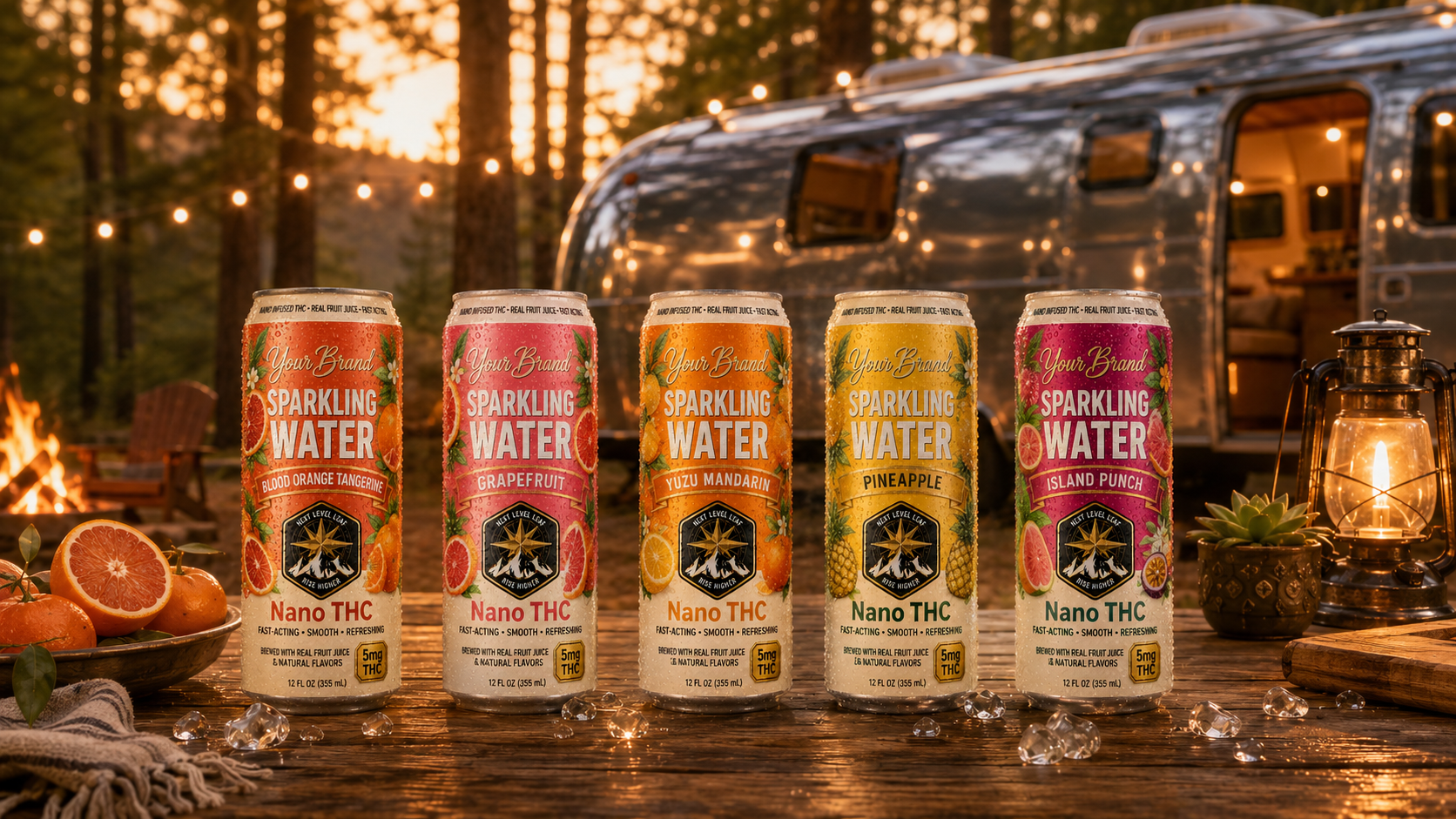
Why premium positioning matters in THC fruit drinks
As THC beverages move into broader retail, hospitality, and adult-beverage conversations, brands need more than a can with a dose number. Buyers and consumers are comparing infused drinks against seltzers, mocktails, lemonades, sparkling waters, functional beverages, premium sodas, and alcohol alternatives. A premium fruit drink has to make sense in that broader beverage set.
Premium positioning can help a brand avoid looking like a novelty product. It gives the drink a more familiar reason to exist: a blood orange mandarin spritzer, a mango citrus fruit drink, a grapefruit sparkling beverage, a berry lemonade, or a tropical fruit concept that feels refreshing before the customer ever thinks about the cannabinoid.
What makes a THC fruit drink feel premium?
A premium THC fruit drink is usually built around specificity. “Fruit flavor” sounds generic. “Blood orange mandarin,” “yuzu citrus,” “raspberry lemonade,” “mango citrus,” or “grapefruit spritz” gives the buyer and customer a clearer picture of what the drink is supposed to taste like.
Premium can come from several layers working together:
Flavor specificity
Specific fruit profiles make the drink easier to merchandise and more memorable than generic fruit punch positioning.
Adult visual identity
Packaging should feel credible for adult retail and hospitality channels, not childish, cartoonish, or overly cannabis-themed.
Balanced formulation
Sweetness, acidity, aroma, mouthfeel, cannabinoid input, and carbonation level need to work together.
Premium THC fruit drinks versus basic THC seltzers
A basic THC seltzer can be a strong fit when the goal is a clean, crisp, low-calorie, sessionable product. Premium THC fruit drinks usually serve a different role. They are often better for brands that want a stronger taste experience, more visual shelf impact, a richer menu story, or a product that feels closer to a fruit spritzer, lemonade, juice-inspired beverage, or mocktail-style drink.
This difference matters for positioning. A seltzer may sell on simplicity. A premium fruit drink may sell on flavor, occasion, and perceived quality. The right choice depends on the customer, price point, channel, and how the brand wants the drink to be used.
Where premium fruit drinks can fit commercially
Premium THC fruit drinks can work in several B2B settings because fruit is familiar, visual, and easy to explain. The product can be built for retail shelves, specialty stores, restaurants, hotels, events, private-label retail programs, distributor portfolios, and beverage companies looking for a more differentiated THC line.
Common use cases include:
- Retailers that want a more polished private-label THC drink for cooler sets or adult beverage shelves.
- Restaurants and hospitality operators that want a menu-friendly alcohol alternative with more personality than a plain seltzer.
- Distributors that want fruit-forward flavors that are easier to pitch across multiple accounts.
- Existing beverage brands that want to enter THC beverages without abandoning a premium beverage identity.
- Event and lifestyle brands that want a drink that photographs well and feels appropriate for social occasions.
Flavor directions that support premium positioning
Premium fruit drinks work best when the flavor feels both familiar and slightly elevated. The flavor should be easy to understand quickly, but not so generic that it blends into every other canned beverage on the shelf.
Strong first-run directions can include:
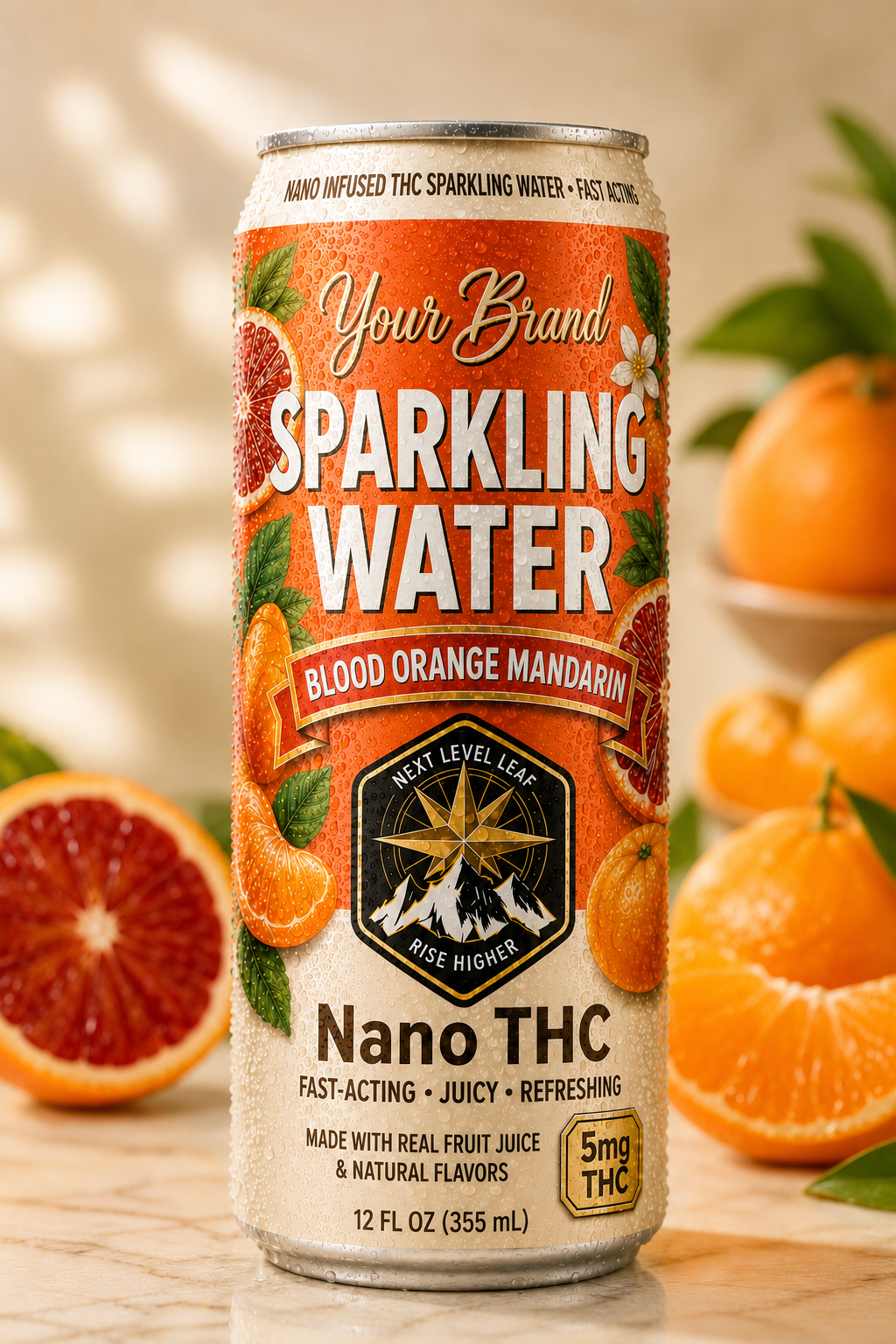
- Blood orange mandarin for a citrus profile that feels bright, adult, and shelf-friendly.
- Yuzu mandarin for a modern citrus direction with a more distinctive product story.
- Grapefruit for a tart, dry, cocktail-adjacent beverage profile.
- Mango citrus for a tropical direction that still feels clean and refreshing.
- Raspberry lemonade or strawberry lemonade for familiar fruit flavor with a stronger mainstream customer cue.
- Tropical citrus lemonade for a brighter, seasonal, resort-friendly, or event-friendly concept.
Formulation decisions behind a premium fruit drink
The premium experience is created through formulation as much as branding. Fruit systems, acidity, sweetness, carbonation, cannabinoid input, color, and aroma all influence how the finished drink tastes and how stable it may be at commercial scale.
Brands should think through:
- Still or sparkling format: sparkling can feel crisp and adult-beverage adjacent; still can feel closer to lemonade, juice, tea, or wellness beverages.
- Sweetness level: premium fruit drinks should taste complete without becoming syrupy or overly sweet for the intended occasion.
- Acidity and flavor balance: citrus and lemonade-style profiles often need enough acidity to feel refreshing.
- Fruit system: juice, puree, natural flavor, or real-fruit-inspired systems can change cost, texture, color, and shelf-life planning.
- Dose strategy: lower and moderate doses can feel approachable in mainstream settings; higher-dose concepts may need different positioning and clearer customer expectations.
- Testing and documentation: COAs, lot tracking, label review, and state-specific requirements should be considered before launch.
How packaging affects perceived quality
Packaging can make or break the premium story. The can should communicate the flavor, dose, use occasion, and adult positioning quickly. A premium fruit drink should not look like a generic cannabis novelty item. It should look like a beverage a retailer would want in a cooler, a restaurant could mention on a menu, or a distributor could comfortably present to accounts.
For early launches, pressure-sensitive labels may offer a faster and more flexible path for testing flavors, dose levels, and brand identity. More custom packaging routes may become useful once a brand has validated demand and wants a larger, more polished retail rollout.
White-label or private-label path for premium THC fruit drinks
A faster white-label path can make sense when the brand wants to start with an existing beverage direction and focus on label, dose, packaging, and first-run planning. A private-label or more custom path can make sense when the brand wants a differentiated fruit profile, specific sweetness target, custom functional ingredients, or a more precise sensory experience.
The key is to match ambition with timing, budget, and launch goals. A first run does not have to solve every future product idea. It should create a beverage that can be produced, tested, sold, and improved with real buyer feedback.
What to prepare before requesting a quote
You do not need a finished formula before requesting a quote, but you should have enough direction to make the conversation productive. The more clearly you can describe the desired product, the easier it is to scope the manufacturing path.
- Desired flavor direction, such as blood orange, mango citrus, grapefruit, raspberry lemonade, or tropical fruit.
- Whether the drink should be still, sparkling, spritzer-style, lemonade-style, or juice-inspired.
- Target dose per can and whether the product should include THC only or a cannabinoid blend.
- Preferred package size and launch quantity.
- Target sales channel: retail, hospitality, distributor, event, beverage brand, or private-label program.
- Whether the goal is a faster white-label launch or a more custom private-label product.
To compare related paths, review fruit-forward THC beverages, white-label fruit spritzers, fruit puree THC beverages, and the main beverage manufacturing page.