

Non-Alcoholic THC Drinks
Non-alcoholic THC drinks give brands a way to enter the alcohol-alternative movement with familiar beverage formats, approachable dose strategies, and adult social drinking occasions.
From low-dose seltzers to cocktail-inspired mocktails, the opportunity is to build beverages that feel intentional, refreshing, social, and professionally manufactured without relying on alcohol.
Non-alcoholic THC drinks are alcohol-free beverages infused with THC or other cannabinoids. They can include seltzers, mocktails, sodas, teas, coffees, lemonades, and functional beverages built for social occasions, alcohol alternatives, low-dose experiences, or premium adult beverage positioning.
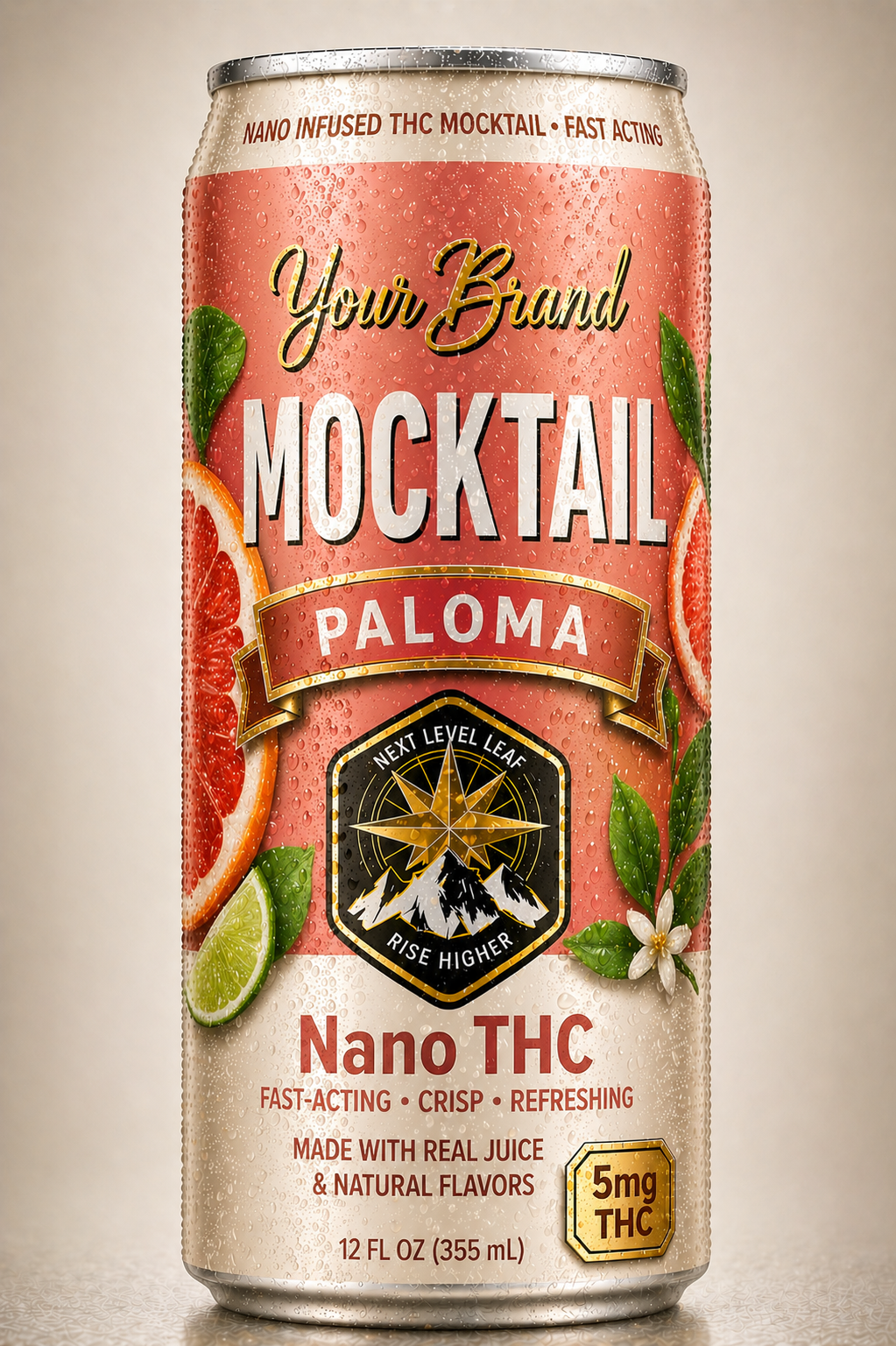 Mocktails
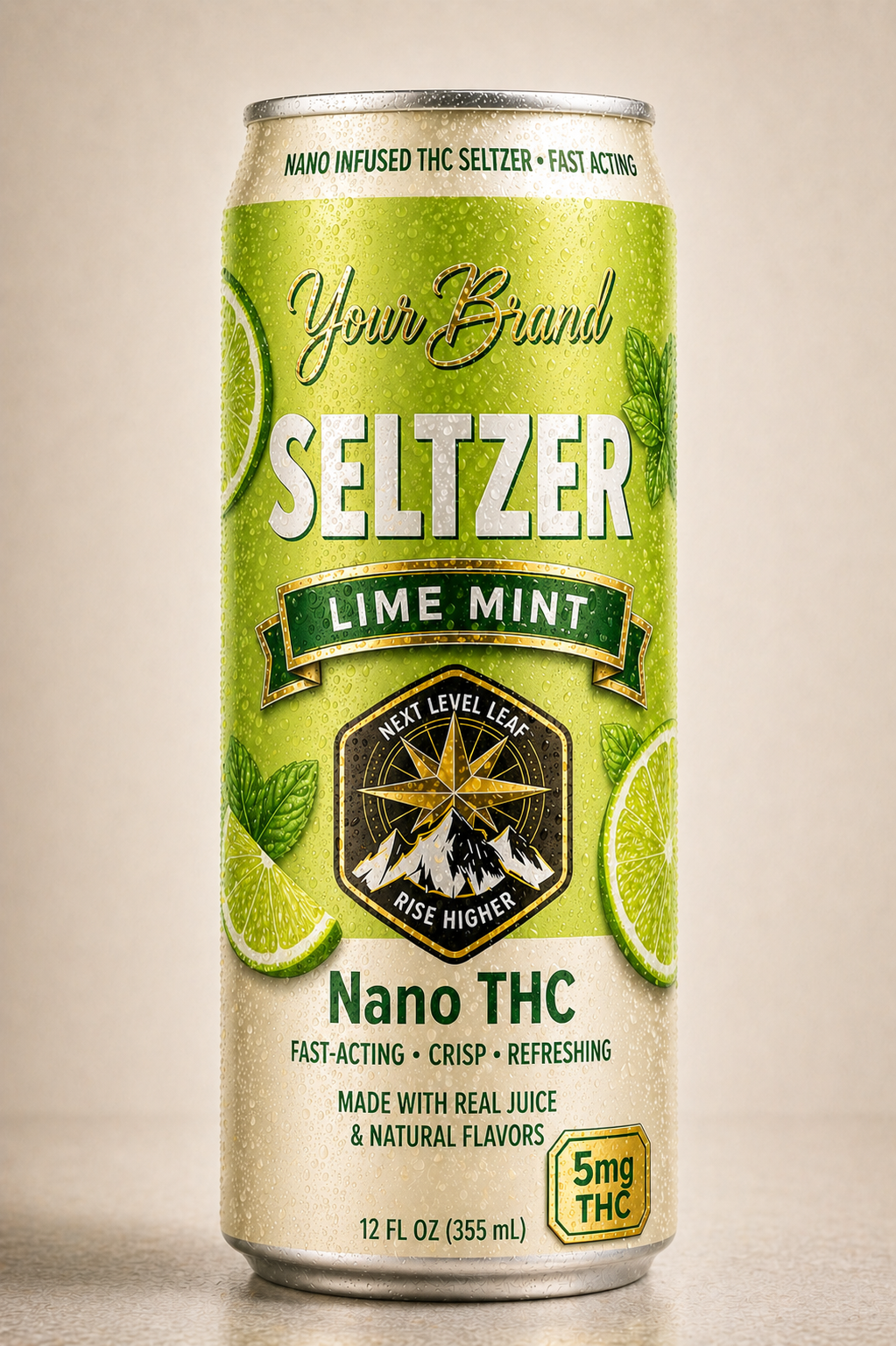 Seltzers
 Sodas
Sodas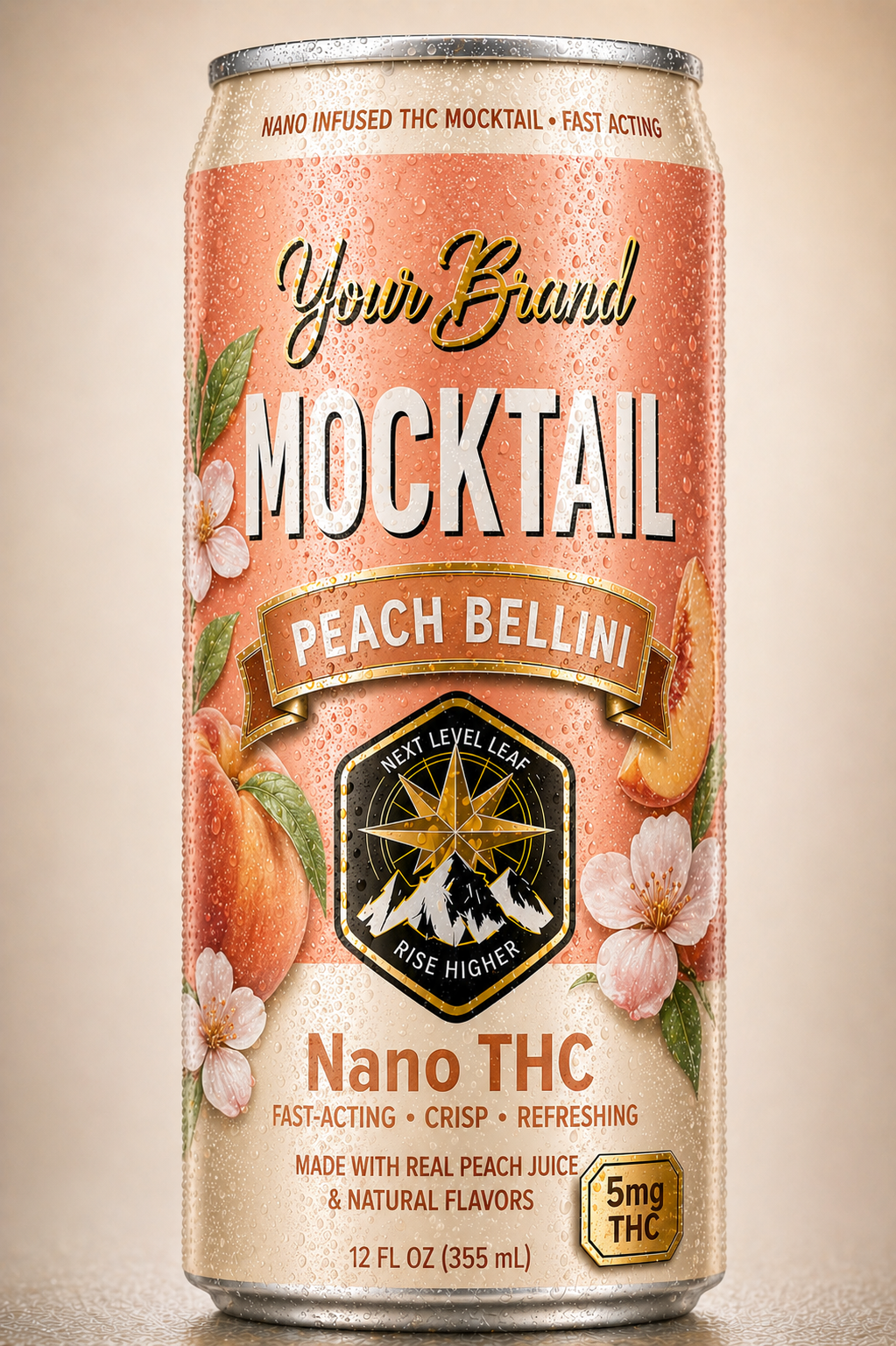 RTD Concepts
Why non-alcoholic THC drinks are gaining attention
Consumers are increasingly interested in beverages that feel social and intentional without being alcoholic. Non-alcoholic THC drinks can fit that shift because they look and behave like familiar canned beverages while offering a different kind of adult experience.
For founders, this creates a clear opportunity: build a beverage that can live in the same mental space as a cocktail, hard seltzer, craft soda, or premium non-alcoholic drink, but with a cannabinoid-based experience.
The main non-alcoholic THC drink formats
There is no single format for non-alcoholic THC beverages. The best option depends on the brand’s customer, use occasion, dose strategy, and flavor direction.
Light and sessionable
Best for low-dose, refreshing, crisp, alcohol-alternative positioning.
Premium and social
Best for cocktail-inspired, flavor-layered, adult drinking occasions.
Bold and familiar
Best for flavor-forward, nostalgic, sweeter, and more indulgent experiences.
For category context, visit the infused mocktails hub, the infused seltzers hub, and the comparison guide on THC seltzer vs THC soda.
Founder takeaway: Non-alcoholic THC drinks are strongest when the product is designed around an occasion: social refreshment, alcohol replacement, dinner pairing, evening wind-down, brunch, events, or a premium ready-to-drink experience.
Alcohol-alternative positioning
Many non-alcoholic THC drinks are positioned as alternatives to alcoholic beverages. That does not mean the product needs to imitate alcohol directly. The more important goal is to offer an adult beverage ritual that fits the same social moments.
This can include products designed for parties, restaurants, events, retail coolers, non-alcoholic menus, sober-curious consumers, and brands that want to participate in the broader shift away from traditional alcohol consumption.
Dose strategy for non-alcoholic THC drinks
Dose architecture matters because the product is a beverage. Consumers may expect a lighter, more repeatable experience than traditional edibles. Many non-alcoholic THC drinks are built around approachable doses such as 2.5mg, 5mg, or 10mg per can or serving.
- 2.5mg THC: highly approachable, sessionable, and useful for cautious or new consumers.
- 5mg THC: a strong middle-ground for social beverage positioning.
- 10mg THC: a more direct single-can experience, depending on market rules and consumer expectations.
For deeper dose strategy, read low-dose THC drinks, how fast onset THC works, and bioavailability in THC drinks.
Formulation requirements
Non-alcoholic THC drinks still require serious beverage formulation. THC is naturally oil-soluble, so a water-based beverage needs a stable water-compatible cannabinoid system.
The formula also needs to account for flavor masking, acidity, sweetness, carbonation, shelf life, packaging, and finished-product testing.
For the technical foundation, read water-soluble THC explained, nano vs emulsion, flavor masking THC, and beverage stability and shelf life.
Flavor and format strategy
The best non-alcoholic THC drink format depends on how the customer should feel about the product before they buy it.
Seltzers
Use when the brand wants crisp refreshment, lighter calories, low-dose positioning, and a premium sparkling-water feel.
Mocktails
Use when the brand wants a more adult, bar-replacement, flavor-layered, social drinking occasion.
Sodas
Use when the brand wants stronger flavor, familiar profiles, sweetness, and more room for cannabinoid flavor masking.
Coffee, tea, and wellness drinks
Use when the brand wants ritual, energy, calm, focus, adaptogens, or other functional positioning.
Compliance and adult presentation
Non-alcoholic THC drinks still need to be handled as adult-oriented infused products. The lack of alcohol does not remove the need for compliance-aware labeling, responsible claims, finished-product testing, and market-by-market review.
Founders should think carefully about:
- Adult-oriented branding and packaging.
- Clear cannabinoid content and serving information.
- State-specific dose, labeling, testing, and sales rules.
- No child-appealing presentation.
- Batch-specific COAs and traceability.
- Responsible claims and disclaimers.
For broader planning, visit the state resources hub and compliance page.
Testing, COAs, and retailer confidence
Finished-product testing helps verify that the beverage matches the intended dose and supports professional sales conversations. This matters whether the product is a seltzer, soda, mocktail, coffee, tea, or functional beverage.
Batch-specific documentation can help strengthen retailer confidence, distributor conversations, and brand credibility.
White-label non-alcoholic THC drink manufacturing
A white-label pathway can help brands move faster by starting with production-ready formats, house flavors, packaging workflows, and documented cannabinoid inputs. This can be useful for brands that want to test the market without building everything from zero.
Custom development may be better when the brand needs a signature flavor, functional ingredient stack, custom mouthfeel, or a more differentiated market position.
How this connects to beverage manufacturing
Non-alcoholic THC drink manufacturing requires the same discipline as any commercial beverage: formulation, sensory design, cannabinoid delivery, dose strategy, packaging, testing, shelf life, compliance, and production planning.
If you are ready to explore a non-alcoholic THC beverage, you can explore beverage manufacturing here or return to the infused mocktails hub.
Related mocktail and beverage guides
Infused Mocktails
Explore the mocktail category and supporting page cluster.
Visit the hub →THC Mocktail Manufacturing
Learn how cocktail-inspired THC drinks move from concept to production.
Explore manufacturing →Ready-to-Drink THC Mocktails
Why canned RTD formats can simplify premium mocktail launches.
Planned guide →Frequently asked questions
Ready to explore a non-alcoholic THC drink?
Share your product idea and we’ll help you think through format, dose, flavor, cannabinoid delivery, packaging, testing, compliance, MOQ, and production strategy.