

THC Seltzer vs THC Soda
THC seltzers and THC sodas can both be strong infused beverage opportunities, but they serve different brand strategies, flavor expectations, dose occasions, and retail stories.
Seltzers are clean, light, and alcohol-alternative friendly. Sodas are bold, nostalgic, and flavor-forward. The right choice depends on your target customer, dose architecture, manufacturing goals, compliance posture, and how you want the product to feel on the shelf.
THC seltzers are usually best for clean, light, low-dose, premium, and alcohol-alternative positioning, while THC sodas are often better for bold flavor, nostalgia, sweetness, and stronger flavor masking. Both can work commercially, but they require different formulation, branding, retail, and dose strategies.
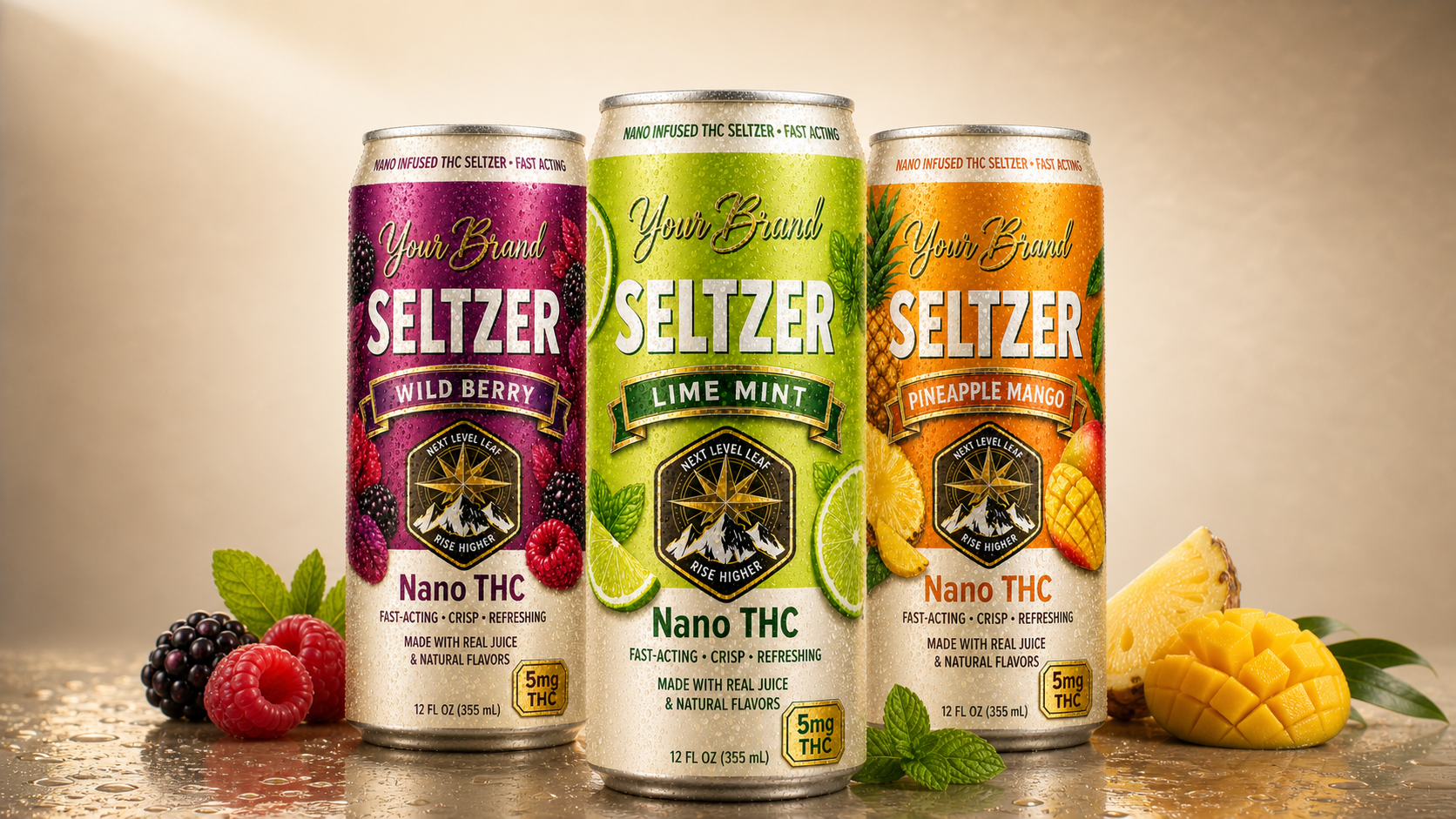
THC seltzer vs THC soda: the strategic difference
The difference between THC seltzer and THC soda is not just carbonation. Both are carbonated beverages. The real difference is the consumer expectation each format creates.
A THC seltzer feels light, modern, sessionable, and refreshing. It can fit the same mental space as sparkling water, hard seltzer, functional refreshment, or a low-dose alcohol alternative.
A THC soda feels bolder, sweeter, more indulgent, and more nostalgic. It can fit classic soda occasions, flavor-driven retail sets, higher flavor intensity, and consumers who want something familiar but infused.
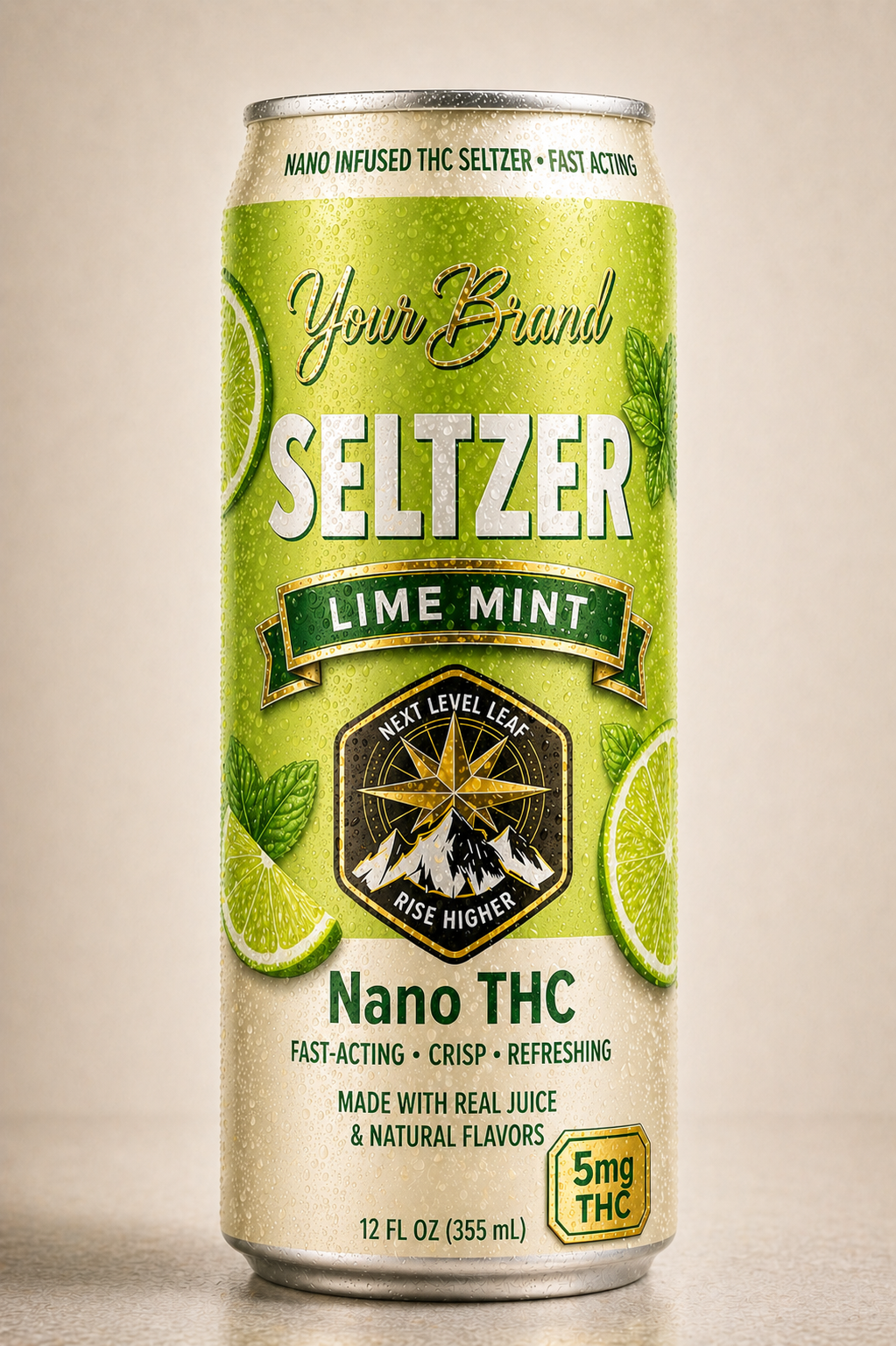
THC Seltzer
Clean, crisp, premium, lighter, and easier to position as a modern low-dose alcohol alternative.

THC Soda
Bold, nostalgic, flavor-forward, sweeter, and often easier to build around cannabinoid flavor masking.
When THC seltzer is the better fit
THC seltzer is often the better fit when the brand wants a clean, premium, refreshing, and approachable product. Seltzers are especially strong for low-dose positioning because they feel sessionable and familiar to consumers who already understand sparkling beverages.
Seltzers can work well for:
- Low-dose 2.5mg or 5mg THC beverages.
- Alcohol-alternative or social drinking positioning.
- Premium, wellness-adjacent, or lifestyle-focused brands.
- Consumers who want light flavor and clean refreshment.
- Retail environments where modern canned beverages perform well.
For the broader category strategy, visit the infused seltzers hub and the guide to THC seltzer manufacturing.
When THC soda is the better fit
THC soda can be the better fit when the brand wants bold flavor, nostalgic appeal, and a more indulgent beverage experience. Soda gives formulators more room to work with sweetness, acidity, stronger flavors, and familiar profiles like root beer, cream soda, cola, grape, orange, and black cherry.
Sodas can work well for:
- Brands that want a classic, nostalgic, or comfort-drink position.
- Higher flavor intensity and stronger cannabinoid masking.
- Consumers who already enjoy sweet carbonated drinks.
- Retailers looking for familiar flavor categories.
- More expressive branding and flavor-forward product lines.
Founder takeaway: Seltzer usually sells the occasion. Soda usually sells the flavor. Both can sell the experience when the dose, formulation, and brand story are aligned.
Flavor masking: seltzer is cleaner, soda has more cover
One of the biggest practical differences is flavor masking. THC and cannabinoid delivery systems can introduce bitterness, earthiness, astringency, or emulsion character. The beverage format determines how much room you have to hide or balance those notes.
Seltzers are often more demanding because they are lighter and cleaner. If the cannabinoid input has strong off-notes, there is less sweetness or flavor intensity to cover them.
Sodas typically have more flavor cover. Sweetness, acidity, bold aromatics, and familiar flavor systems can help integrate cannabinoid notes more easily. That does not mean soda formulation is simple, but it can provide more sensory room.
For this topic, read flavor masking THC in beverages.
Carbonation and mouthfeel
Seltzers usually need a crisp, clean carbonation profile. The bubbles help define the product as refreshing and sessionable. Too little carbonation can make a seltzer feel flat; too much can make it sharp or harsh.
Sodas often have a fuller, sweeter, more rounded mouthfeel. Carbonation still matters, but it interacts with sweetness, acidity, and stronger flavor systems differently.
For more on this, read THC seltzer carbonation strategy.
Dose strategy: low-dose seltzers vs flavor-forward sodas
Seltzers are often a natural fit for 2.5mg and 5mg THC products because the format supports lighter, social, repeatable drinking occasions. A low-dose seltzer can feel like an easy alcohol alternative or modern refreshment.
THC sodas can also be low-dose, but they may appeal to a different consumer mindset. A soda can feel more like a treat, dessert beverage, nostalgia play, or flavor-forward infused drink.
A 10mg seltzer may feel stronger and more direct. A 10mg soda may feel more familiar because the bold flavor can make the experience feel less clinical. The best dose depends on market rules, target consumer, and brand positioning.
For dose architecture, read low-dose THC drinks and bioavailability in THC drinks.
Formulation complexity
Both formats require serious formulation. THC is naturally oil-soluble, so both seltzers and sodas need water-compatible cannabinoid systems that disperse consistently in a beverage.
Seltzers can be difficult because they are simple. The cleaner the beverage, the more obvious every off-note becomes. Sodas can be difficult because they involve stronger flavor systems, sweetness balance, color expectations, and shelf-life considerations.
Start with water-soluble THC explained and nano vs emulsion in THC beverages if you are evaluating cannabinoid delivery systems.
Stability and shelf life
Stability matters in both THC seltzers and THC sodas. The finished beverage needs to hold cannabinoid distribution, carbonation, flavor, appearance, packaging integrity, and potency consistency over time.
Seltzers may show instability more visibly because they are lighter and cleaner. Sodas may be more forgiving visually or sensorially, but they still require careful shelf-life planning, especially with carbonation, sweetness, acidity, flavor compounds, and cannabinoid inputs.
For the full framework, read THC beverage stability and shelf life.
Retail positioning and customer psychology
Seltzer and soda create different shelf expectations. Seltzer often feels more premium, adult, modern, and wellness-adjacent. Soda often feels more familiar, flavor-led, nostalgic, and indulgent.
Modern and occasion-based
Best for brands that want clean refreshment, low-dose social drinking, premium packaging, and alcohol-alternative messaging.
Flavor and nostalgia-based
Best for brands that want bold taste, classic flavors, indulgence, familiarity, and stronger sensory identity.
Compliance and labeling considerations
Both seltzers and sodas require compliance-aware labeling, packaging, testing, and market review. The beverage format does not remove the need for adult-oriented presentation, clear cannabinoid information, responsible claims, and batch documentation.
Soda branding may need extra caution around child appeal because classic soda flavors and colorful designs can unintentionally feel youth-oriented if not handled carefully. Seltzers often have an easier path to adult, premium presentation, but still need careful design and claims review.
Explore broader guidance on our compliance page and compare markets in the state resources hub.
Commercial read: The best format is the one your customer understands fastest and wants to buy again. Seltzer often wins on lifestyle and occasion. Soda often wins on flavor memory and indulgence.
Which should you launch first?
A founder should choose the first product based on the brand’s customer, channel, budget, and product promise. There is no universal answer.
- Choose THC seltzer first if the brand wants low-dose, crisp, modern, premium, social, alcohol-alternative positioning.
- Choose THC soda first if the brand wants bold flavor, nostalgia, stronger flavor masking, and a more indulgent consumer experience.
- Build both eventually if the brand can clearly separate the use occasions and avoid confusing the product line.
Common mistakes when comparing THC seltzers and THC sodas
The biggest mistake is treating seltzer and soda as interchangeable carbonated products. They are different consumer experiences.
- Choosing seltzer because it is trendy without having the right clean flavor system.
- Choosing soda because it is easier to mask flavor without considering sugar, branding, or customer fit.
- Using the same dose strategy across formats without considering the drinking occasion.
- Ignoring packaging, shelf life, testing, and finished-product documentation.
- Launching too many SKUs before proving the strongest format and flavor direction.
For a broader list of pitfalls, read THC beverage formulation mistakes to avoid.
How this connects to beverage manufacturing
THC seltzers and THC sodas both require thoughtful beverage manufacturing. The right format determines the formulation path, flavor masking strategy, carbonation profile, packaging expectations, testing plan, and retail story.
If you are deciding between seltzer, soda, mocktail, coffee, tea, or another infused beverage format, start by defining the customer and use occasion. Then build the formula around that product promise.
You can explore beverage manufacturing here, read the guide to THC seltzer manufacturing, or return to the infused seltzers hub.
Related seltzer and formulation guides
Infused Seltzers
Start with the seltzer hub and explore why THC seltzers are one of the strongest beverage opportunities.
Visit the seltzer hub →THC Seltzer Manufacturing
Learn how THC seltzers are formulated, carbonated, tested, packaged, and produced.
Explore manufacturing →Carbonation Strategy
Understand how carbonation affects flavor, mouthfeel, packaging, and stability.
Explore carbonation →Low-Dose THC Drinks
Explore 2.5mg, 5mg, and approachable dose strategies for seltzers and social beverages.
Explore low-dose drinks →Flavor Masking THC
Learn how light and bold beverages handle cannabinoid bitterness and off-notes differently.
Explore flavor masking →Infused Coffee
Compare another high-interest THC beverage format with different flavor and positioning advantages.
Explore infused coffee →Frequently asked questions
Ready to choose the right infused beverage format?
Share your product idea and we’ll help you think through seltzer vs soda, dose, flavor, cannabinoid delivery, carbonation, packaging, testing, compliance, MOQ, and production strategy.